
Home in the Village: First Results of Rokada’s Support
The government initiative A Home in the Village allows internally displaced Ukrainians to settle in rural areas free of charge. In essence, the project provides long-term use of housing. In all 17 regions, Rokada teams have joined the implementation of the initiative. The foundation’s specialists inform, guide, and support both the residents themselves and the communities.
Volyn
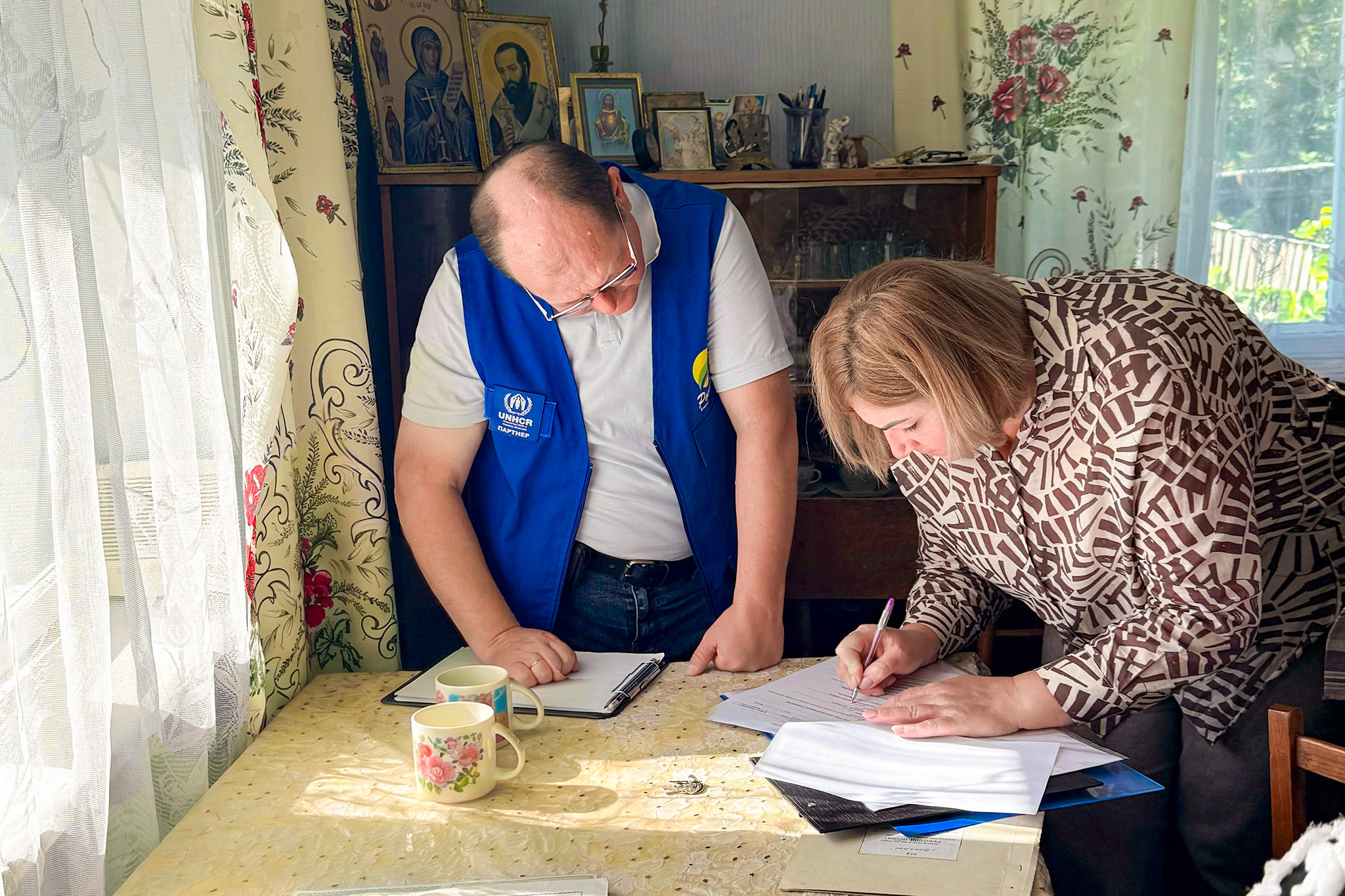
In the Volyn region, two elderly IDP families became the first to apply for the experimental project. Karyna Shostak, an engineer at the foundation’s regional office, stated that housing meeting the program’s requirements was successfully located in the Vyshnivska and Holovnenska communities.
“Both families have been living in these houses for several years, and now the owners have agreed to sell them. Together with a temporary commission, we conducted a housing inspection,” explained Karyna Shostak.
The main condition of the A Home in the Village program is that the selected properties must be move-in ready, meaning they meet basic needs such as having electricity, heating, and water supply.
“In addition to the two communities where the program is already underway in the region, another four are considering joining the initiative.
“Our specialists work with both the communities and the beneficiaries to inform them about this opportunity,” noted Karyna Shostak.
Bukovyna
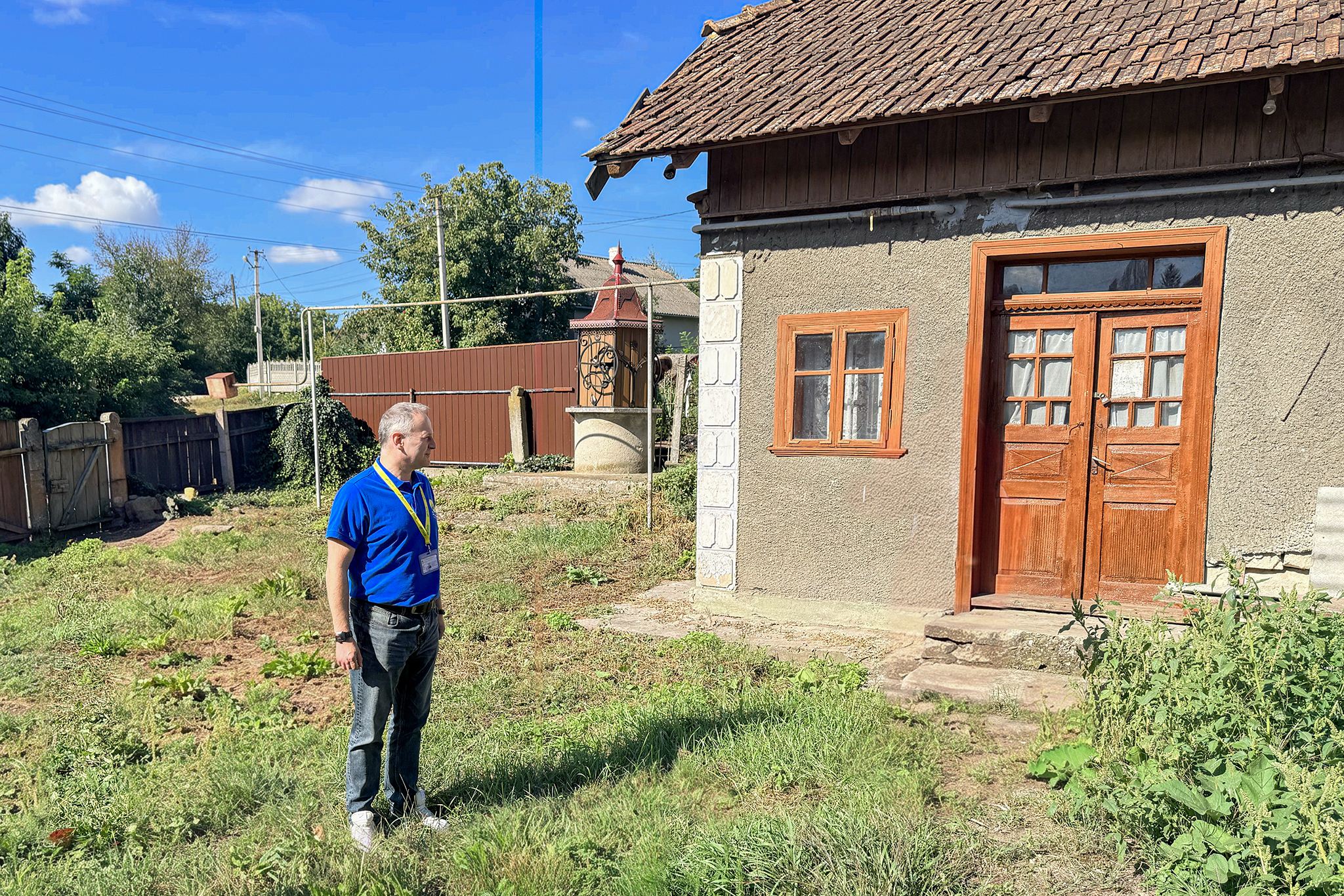
In the Chernivtsi region, the Rokada team is actively working across communities to raise awareness about the A Home in the Village initiative. Currently, ten internally displaced families in the region have applied to participate.
“The Verenchanska and Stavchanska communities have already proposed housing, offering seven properties in total. Our specialists have joined the inspection commissions and have already conducted their first field visit to the village of Borivtsi. We will be inspecting the remaining houses throughout September,” noted Viktor Lashchak, coordinator of the Rokada office in Chernivtsi.
Oleksandra Siduniak, a social worker at the foundation’s regional community engagement branch, added that internally displaced people who have settled in Bukovyna show a rather high level of interest in participating in the program.
“Indeed, there are local specificities and challenges, but we are working to ensure that both communities and internally displaced persons receive sufficient information about A Home in the Village, so that the program opens up opportunities for families to rebuild their lives in a new place,” noted Oleksandra Siduniak.
The Lviv Region
Currently one family is undergoing the verification process to receive housing under the A Home in the Village project. This is taking place in the Yavoriv community.
Olena Steblina, a government relations specialist at Rokada, explained that in total, more than forty internally displaced persons have applied to receive free long-term housing in the Lviv region.
“However, not all the properties offered to people are suitable for them. For instance, we have been supporting the residents of the Batkivshchyna sanatorium for a long time. In fact, we also work with them under our social adaptation program. The majority of residents there are elderly, individuals with reduced mobility, and people with disabilities. Village houses without proper sanitation are not suitable for them. Currently, there are two homes that could be considered move-in ready if cosmetic repairs are made, but there are no applicants for them,” explained Olena Steblina. “Another issue is wood-fired heating. For elderly families, the cost of firewood or briquettes is an unbearable burden. This is why we will proactively raise awareness about the program to ensure clarity on who is eligible and what conditions are required.”
The specialist hopes that meetings already scheduled by Rokada in three communities—Boryslav, Novyi Rozdil, and Drohobych—will help provide a deeper understanding of the program’s purpose and mission.
The Kirovohrad Region
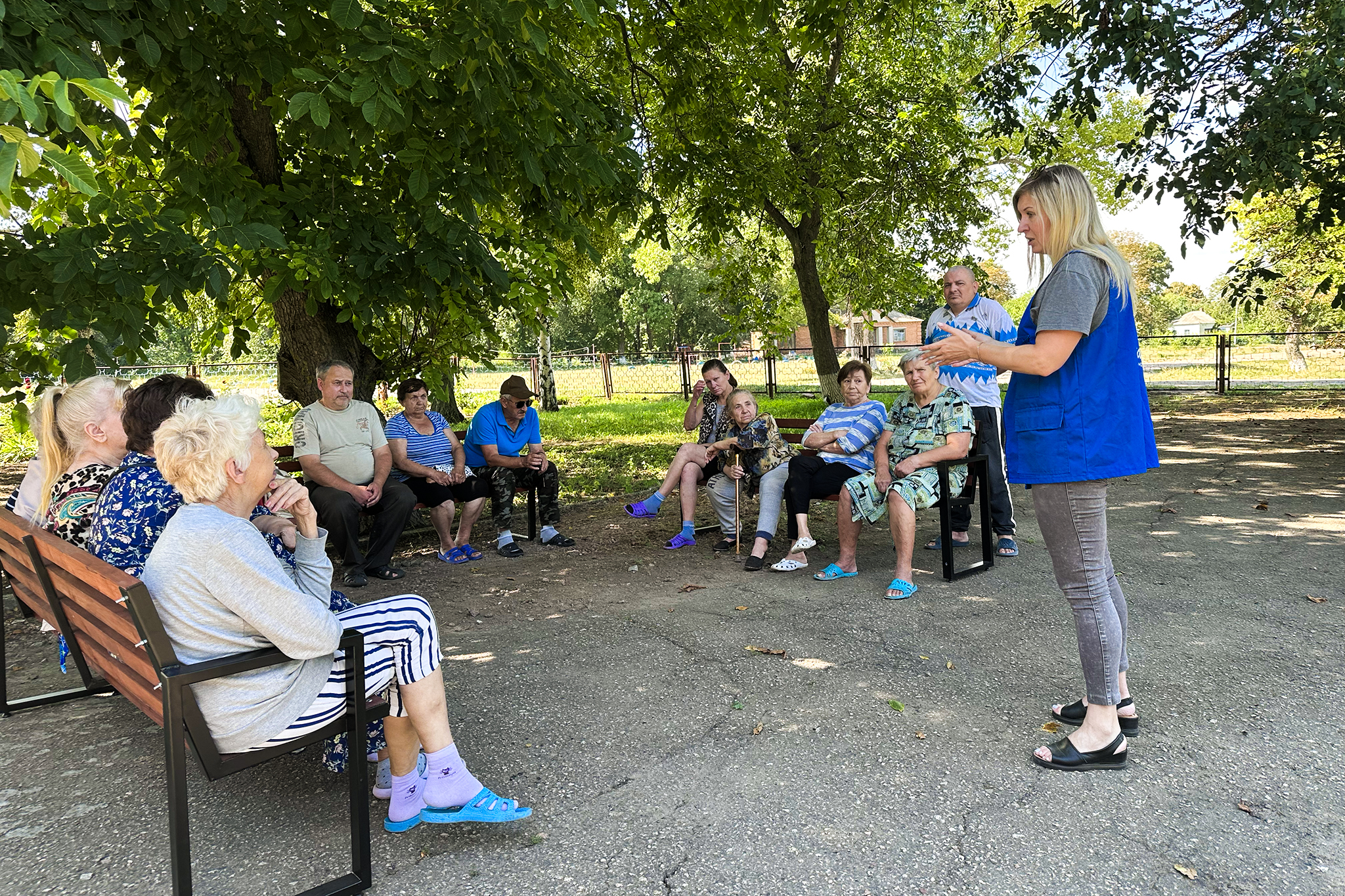
The team from the foundation’s regional office in Kropyvnytskyi has already begun working with internally displaced persons in shelters, raising awareness about the A Home in the Village project. The specialists are also communicating with local governments—in total, institutional support for implementing the initiative will be provided to 24 communities.
“On the one hand, the project’s mission is to support internally displaced families in rebuilding their lives in a new place. Our specialists are ready to guide people by assisting them in finding housing, interacting with officials, and setting up their homes. On the other hand, we must also help the communities implement the project. That is why we will provide expert and organizational support to strengthen their capacity,” explained Mariia Shelest, coordinator of the regional office.
The foundation’s specialists have inspected nearly a dozen houses proposed by the communities for participation in the project.
“We also have one family from Kropyvnytskyi, who originally evacuated from the Luhansk region and is now considering housing options in a village near the regional center. So, we are currently working with them,” clarified Mariia Shelest.
The Zhytomyr Region
In the Zhytomyr region, commissions have been established in nearly one out of every six territorial communities to help internally displaced families locate and inspect houses for the project.
Kateryna Ostapenko, coordinator of the Rokada regional office, stated that activity at the local level is very high.
“On our part, we conduct information sessions to raise awareness about the project,” she noted, adding that newly arrived citizens show greater interest in the program compared to those already staying in temporary shelters. “The explanation is simple: people who have been living in the Zhytomyr region for a long time have already established social ties and found jobs, making them less optimistic about relocating. For those who have just settled in the region, participating in A Home in the Village can mark a new chapter.”
Among the first to apply for the project was a young couple with multiple children. For their future, the family is exploring the potential of the Hryshkovetska community, located near Berdychiv. The family is currently undergoing verification.
Background Materials
Project guide and step-by-step instructions for applicants:
Radio broadcast featuring Rokada legal expert Mariia Panchuk