
Inclusive solutions: Rokada continues to equip shelters for internally displaced Ukrainians in Zaporizhzhia
The Rokada Charitable Foundation has completed the renovation of a living space for people with reduced mobility at a shelter in Zaporizhzhia. The four refurbished rooms are designed for the comfortable stay of 12 internally displaced Ukrainians. The team also modernised the bathroom and the entrance area – all in compliance with inclusivity standards.
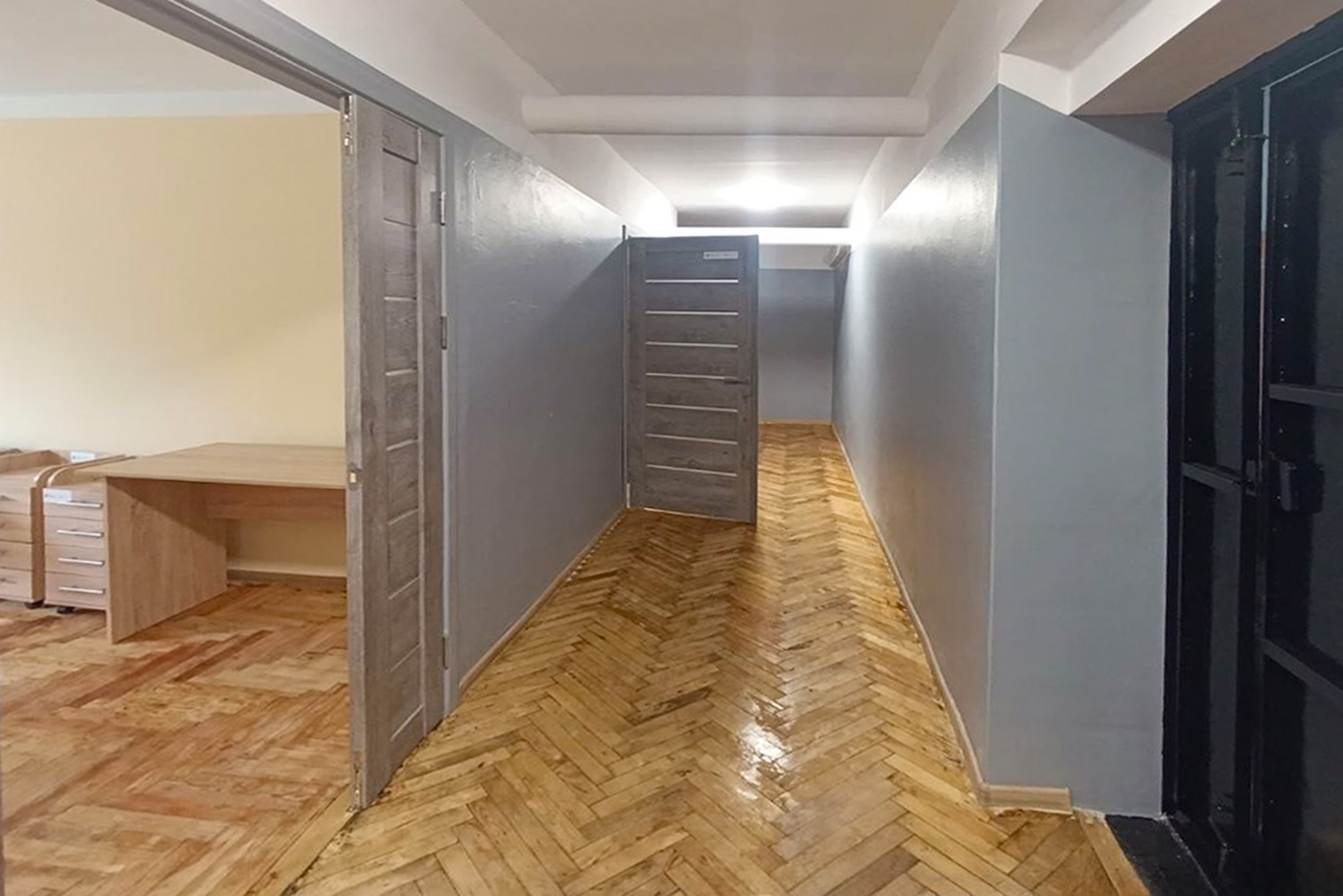
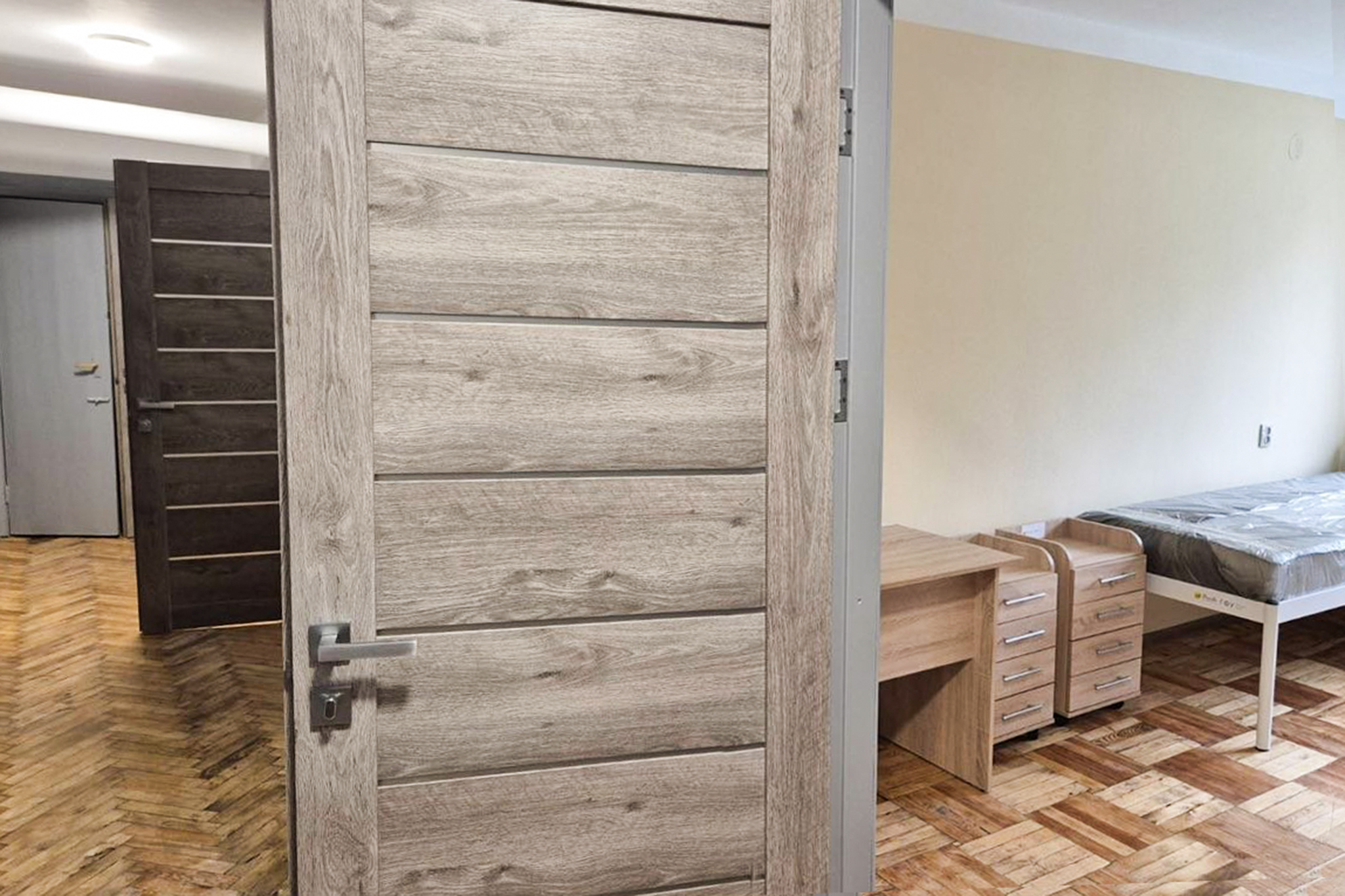
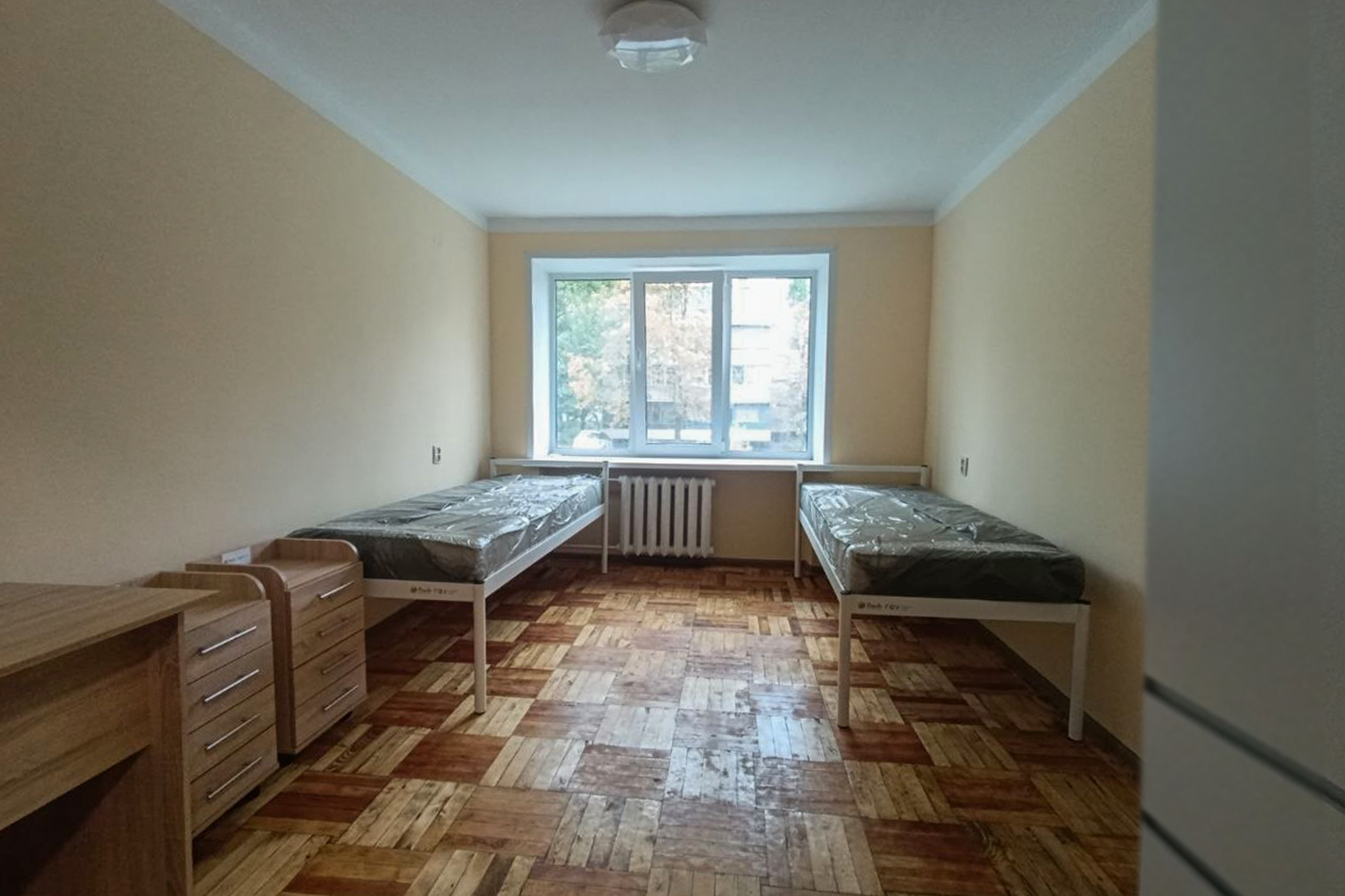
“The work lasted a month and a half. Now, people with reduced mobility and wheelchair users have barrier-free access to all premises. For instance, in addition to renovating the rooms, we also modified the doors so they can be easily opened both ways, and widened the doorways to 1.2 metres,” details Serhii Babenko, an engineer at Rokada’s regional office, regarding the scope of the renovation. “At the same time, we reconfigured and expanded the bathroom. The shower area was equipped with two systems to ensure it is convenient for both wheelchair users and those who cannot stand for long periods due to their health. Among other things, we laid a new sewage system and tiled the walls and floors.”
Residents have already moved into the refurbished rooms, including a married couple from the Donetsk region.
Antonina Oleksandrivna is 76. She recently suffered a stroke. Her husband, Volodymyr Ivanovych, is 77 and is recovering from a heart attack.
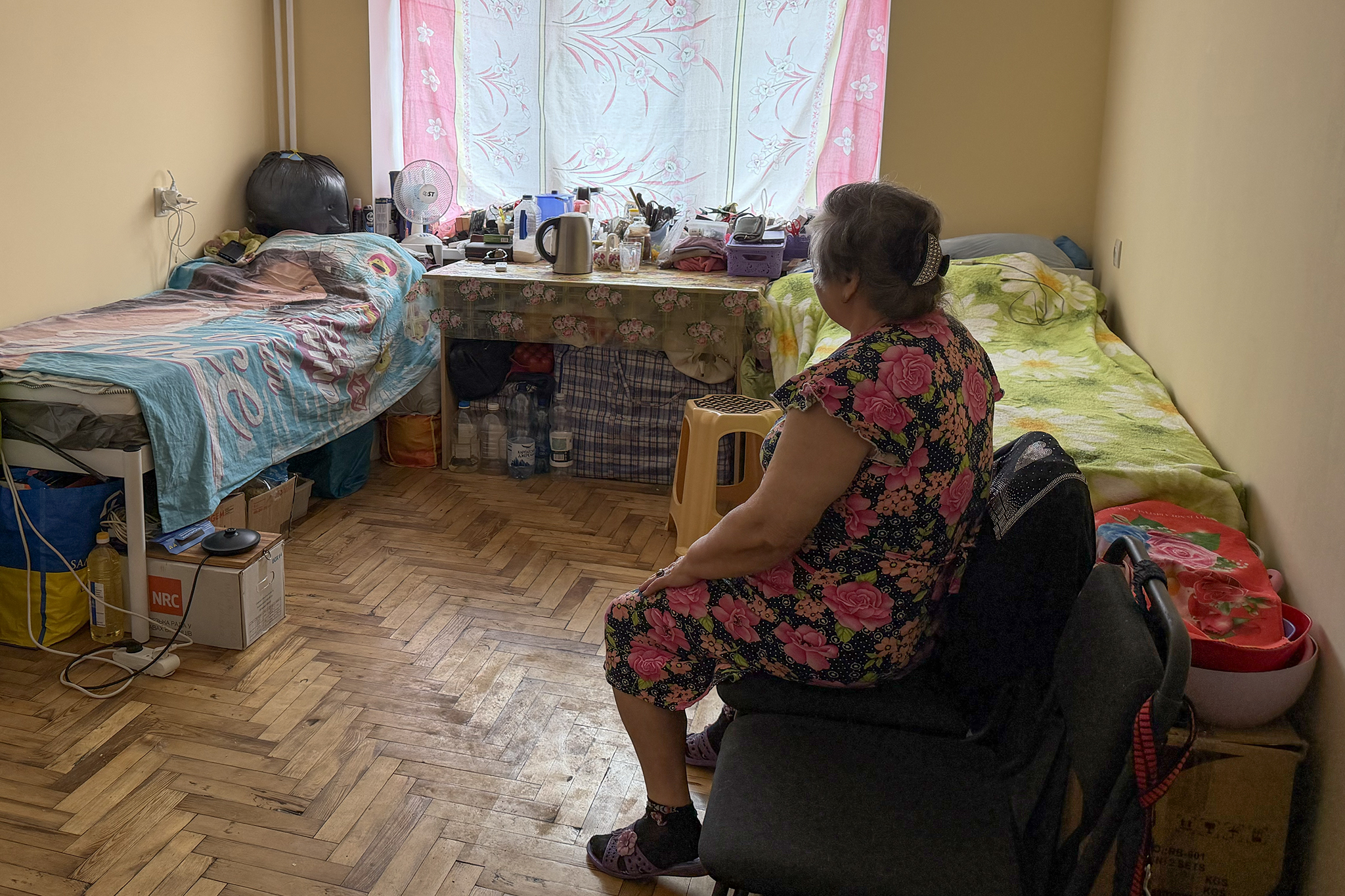
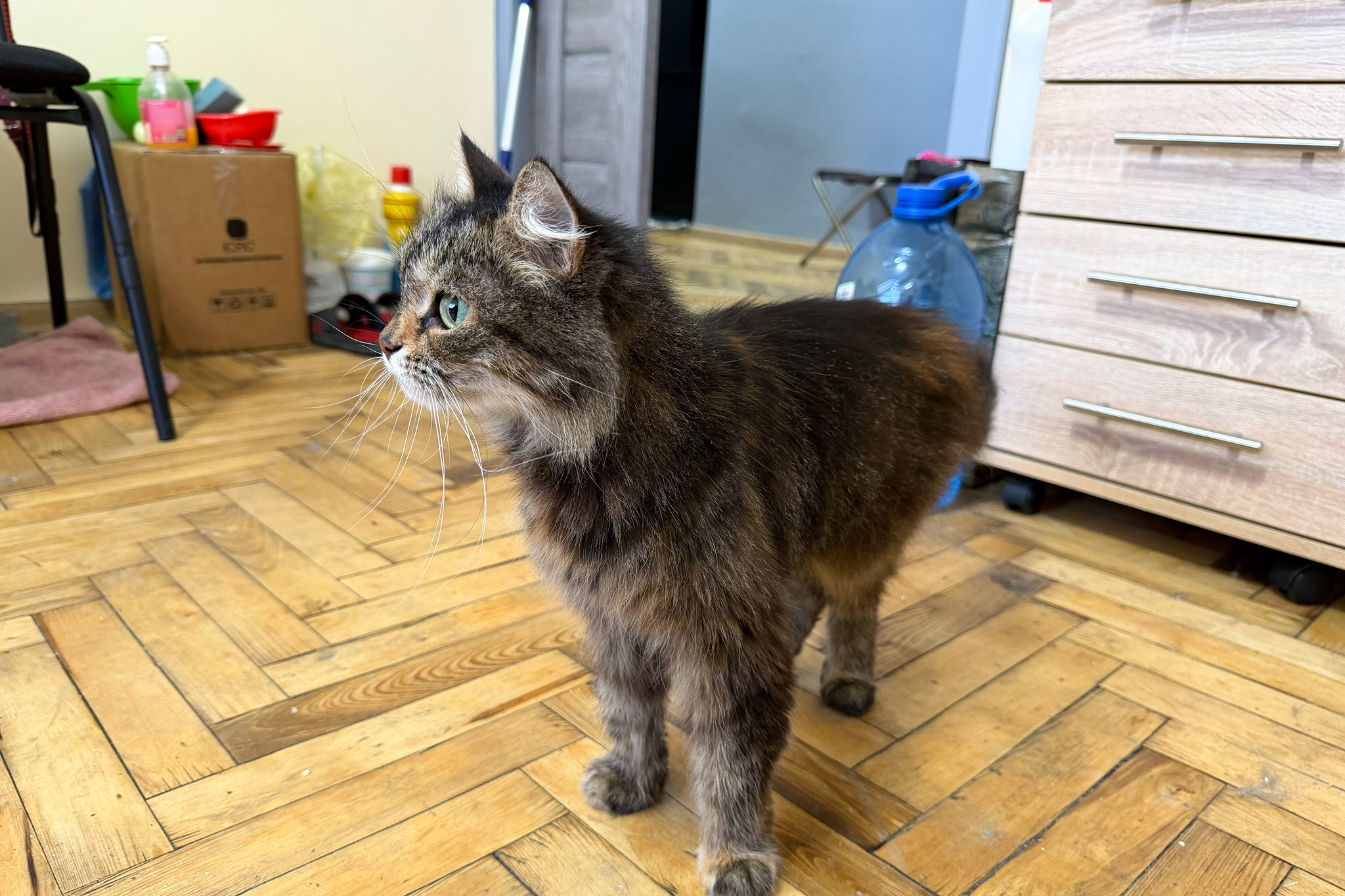
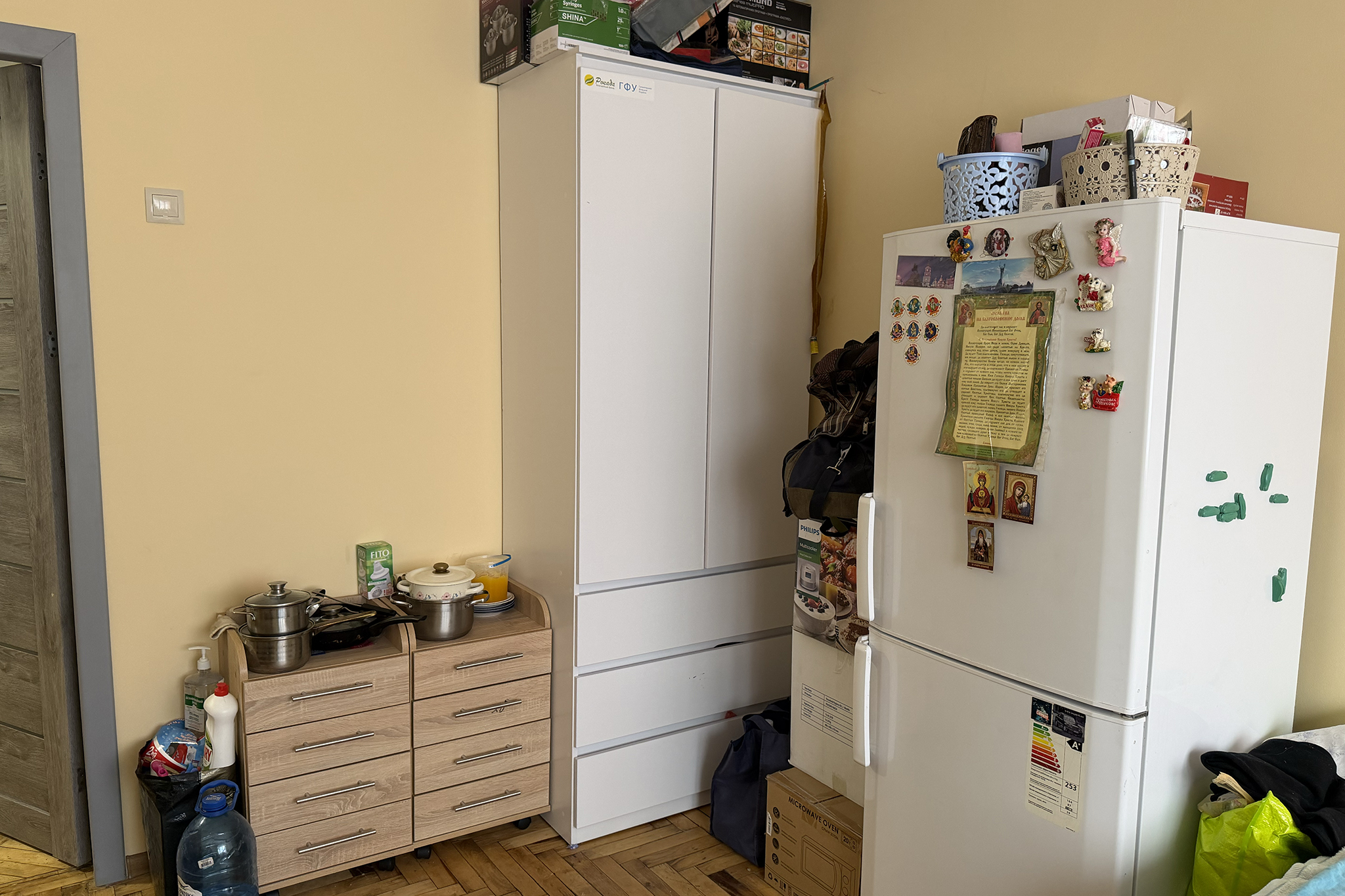
The woman says she likes the new place primarily for its accessibility, as it features both a ramp and special handrails in the bathroom.
“Moving is hard for us, as over time we have accumulated a whole host of health issues. But everything here is well thought out. It is designed to make us feel comfortable and safe,” Antonina Oleksandrivna shares, adding that the location itself is also convenient, with shops and pharmacies nearby.
Despite her health condition, the woman dreams of planting flowers next to the shelter.
“So that it looks just like it used to by our apartment in Horlivka. We first had to flee back in 2014. I will make a beautiful flowerbed, if my health allows,” she concludes.
Oksana Odynoka, a social worker at the regional community engagement office, notes that securing housing for internally displaced persons represents only a portion of the necessary assistance, as these individuals also require comprehensive social, psychological, and legal support.
“That is why we are constantly in touch with the families we care for. We provide all types of assistance – supporting, advising, as well as providing transportation and accompaniment,” says Oksana Odynoka.
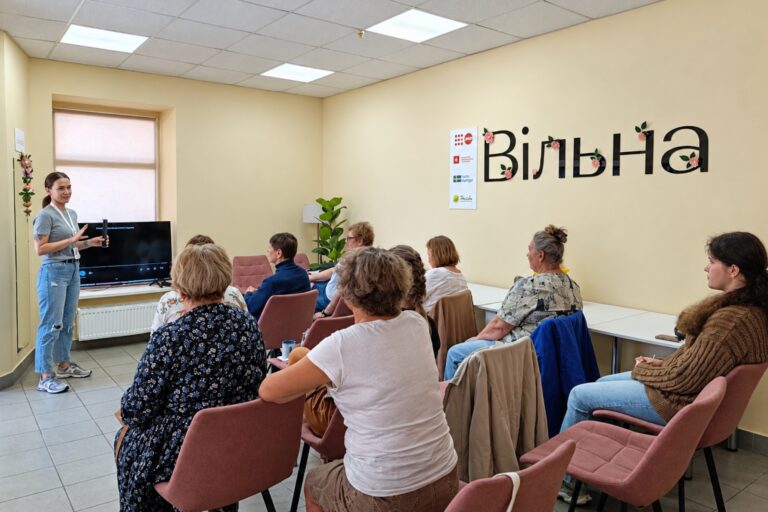
Sofiia Isupova, a psychologist at Rokada’s Zaporizhzhia office, adds that internally displaced people also need help adapting, which is why the team organises creative workshops, excursions, and other activities for them.
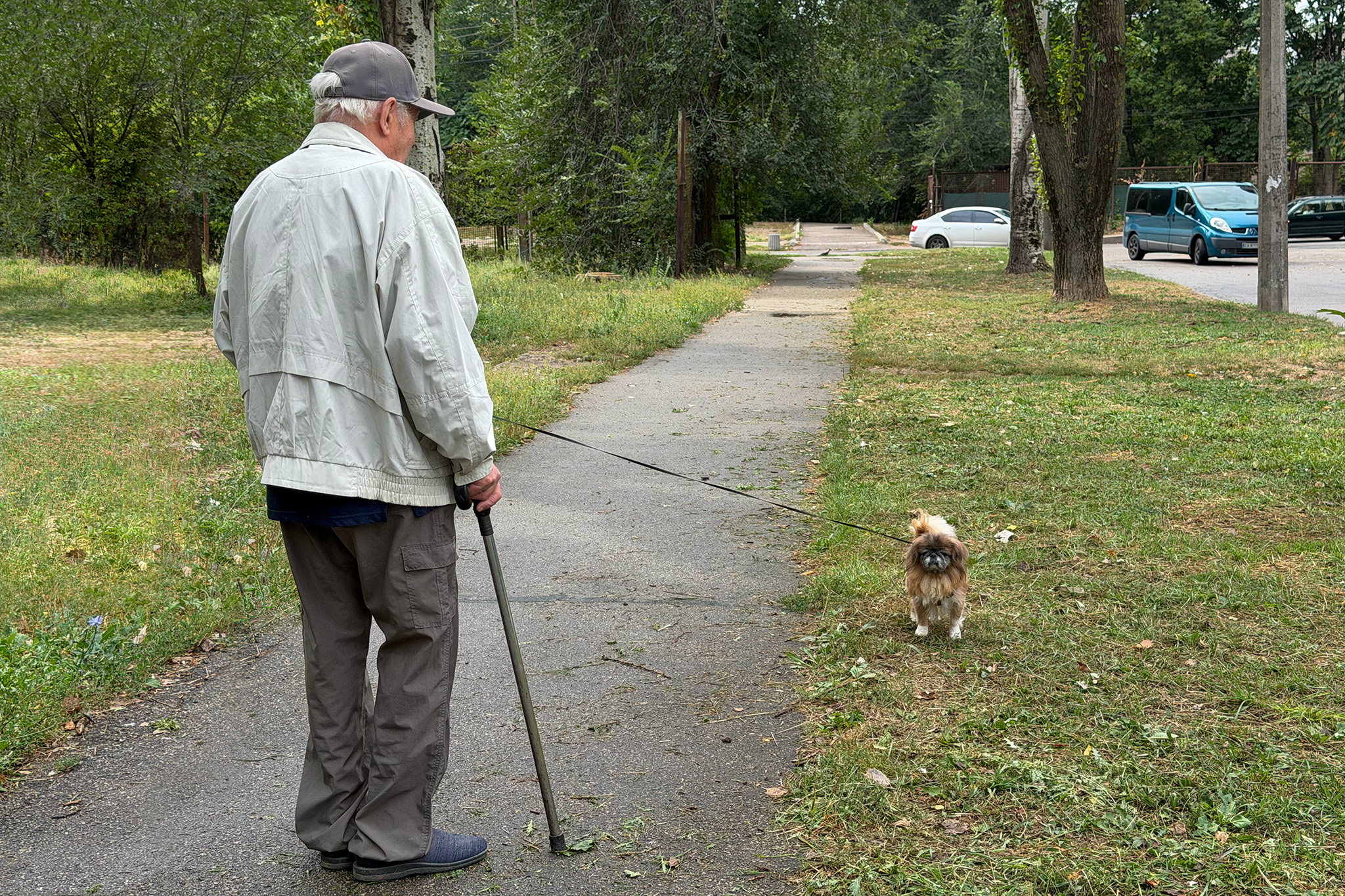
“We help them overcome the stress experienced after evacuation. The most valuable meetings are those where people meet their fellow compatriots, recall the past, remember what their hometowns were like, and eventually form small communities. In addition to encouraging a more active life, this also fosters integration into the community and inspires hope for the better,” the psychologist says.
Currently, the Rokada team supports 15 shelters across the Zaporizhzhia region.