
Reintegration through recovery: Rokada united veterans from the Sumy region for a retreat in the Carpathians
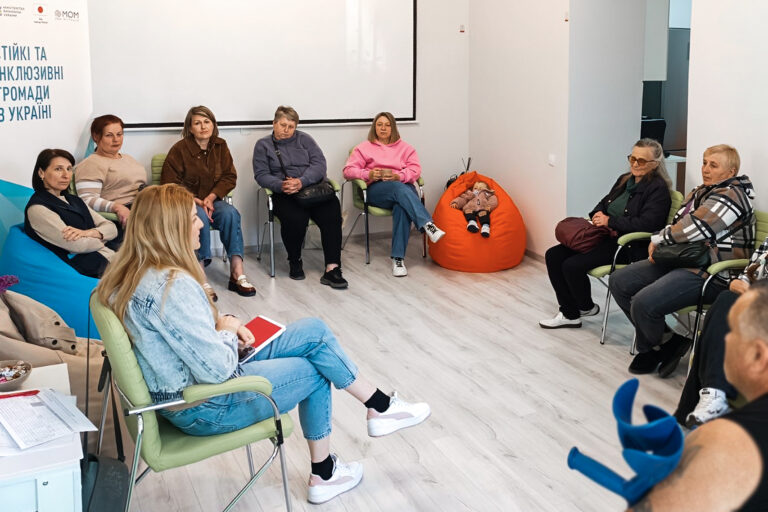
Veterans from the Nedryhailiv community in Ukraine’s Sumy region have been given the opportunity to go on holiday with their families. The trip was made possible by the project “Improving Social Adaptation Practices for Veterans and their Families in the Nedryhailiv Community”. The service members were hosted by the Plai ski resort in the Lviv region.
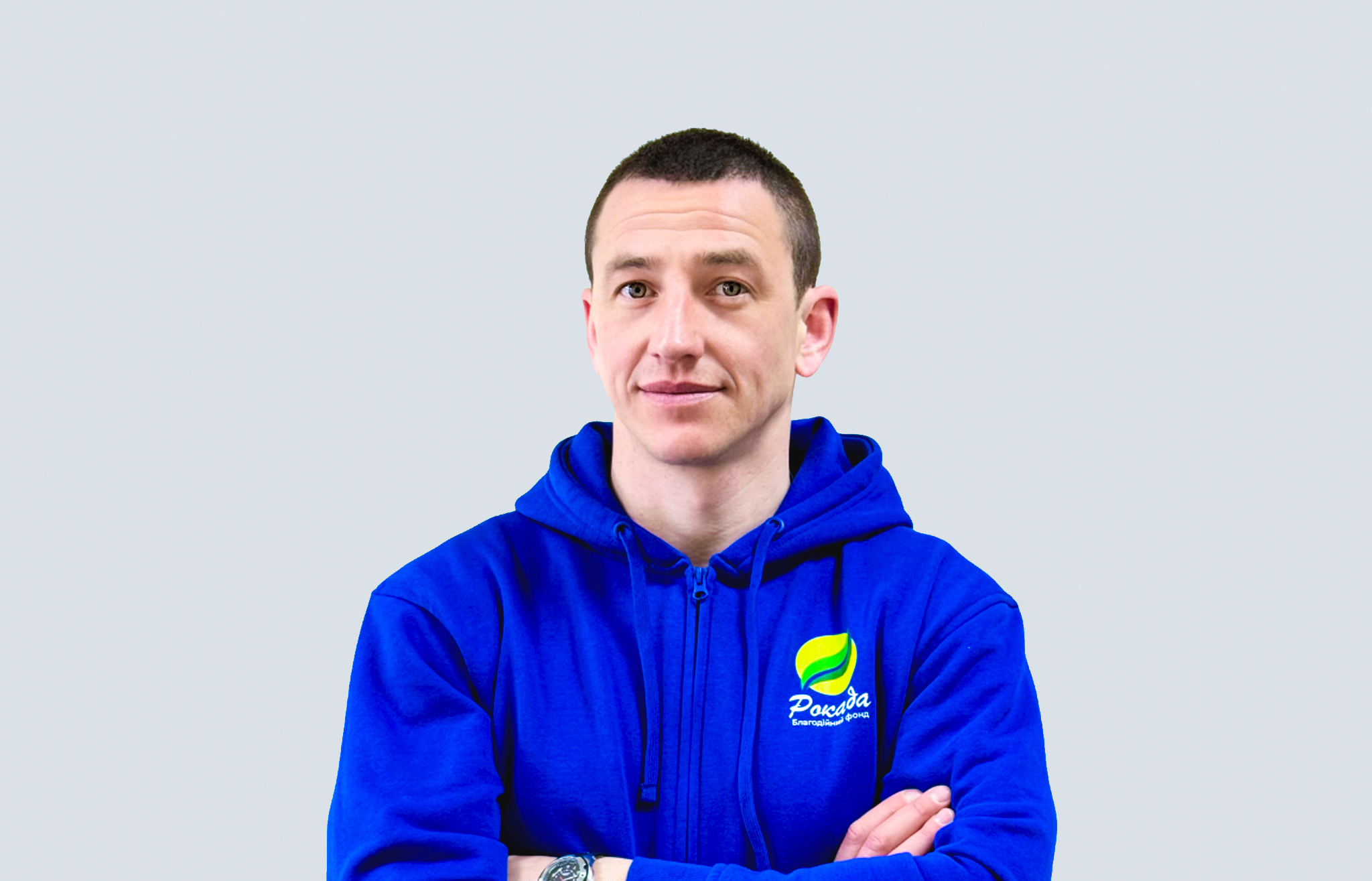
“Today, one of the biggest problems in society and in Ukraine as a whole is the lack of recovery programmes for veterans and their families. State resources are not always sufficient, so initiatives implemented with the support of benefactors and partners give people the chance to rest, recover, and get the help they need.”
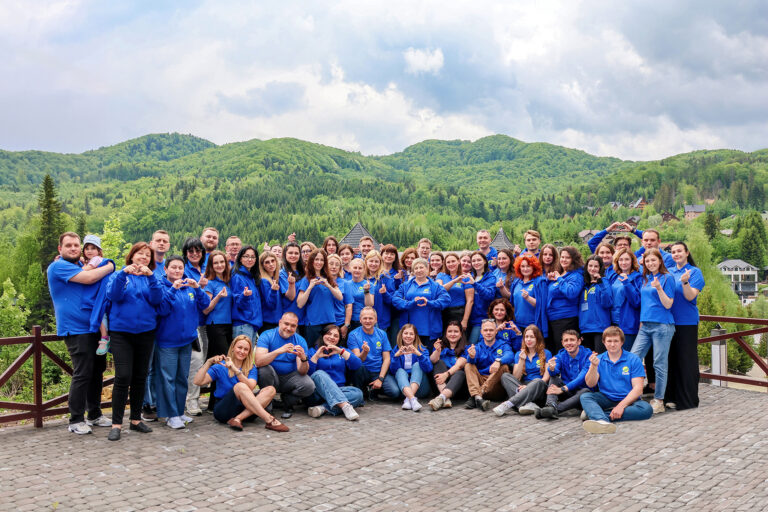
Eight veteran families were included in the rehabilitation program.
“It is very important to work not only with the veteran but also with their family. From my own experience, I know that a joint reset has a positive impact on both the psychological state and family relationships. When everyone goes through this journey together, it is easier to understand and support each other,” the project manager adds.
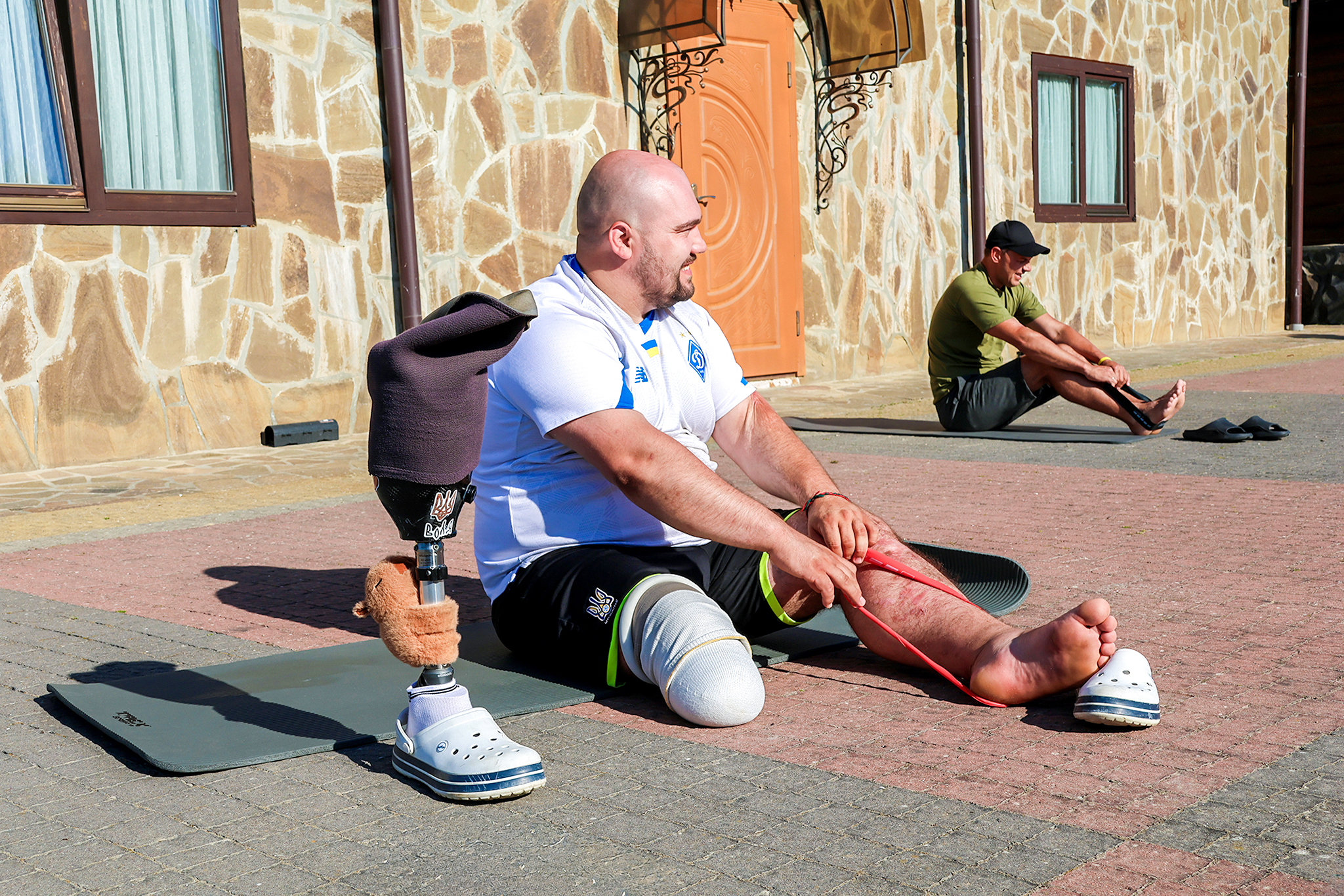
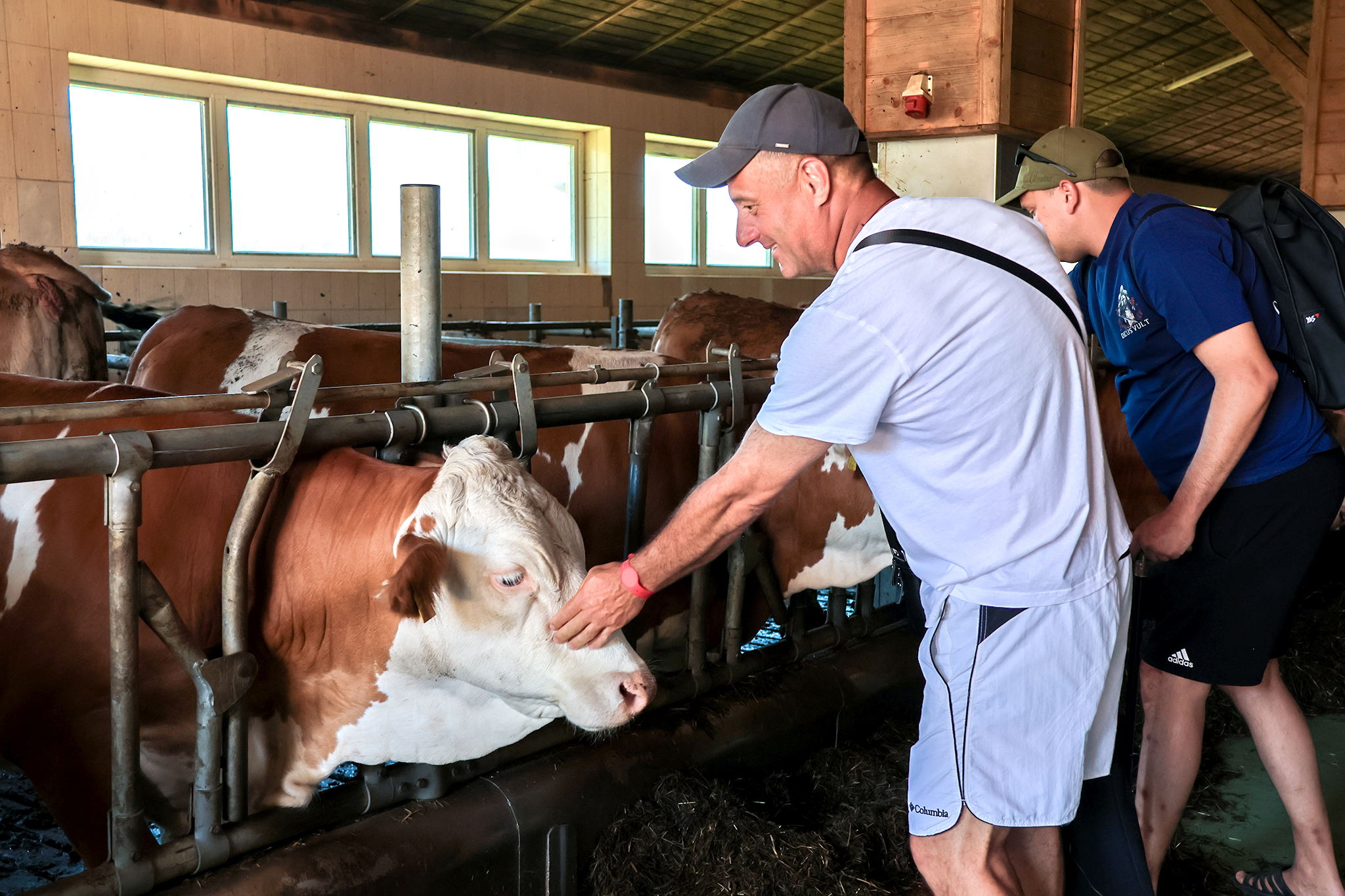
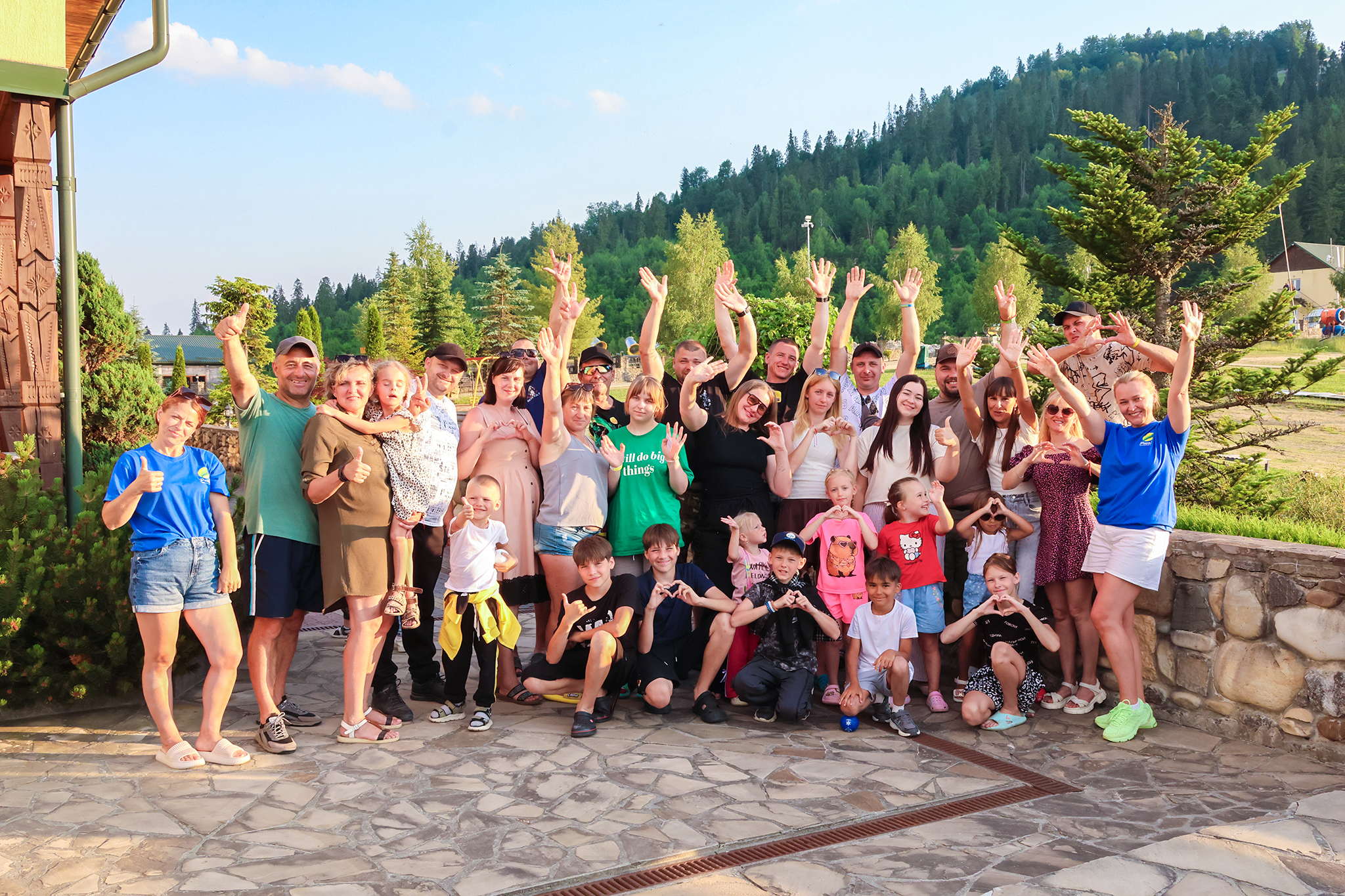
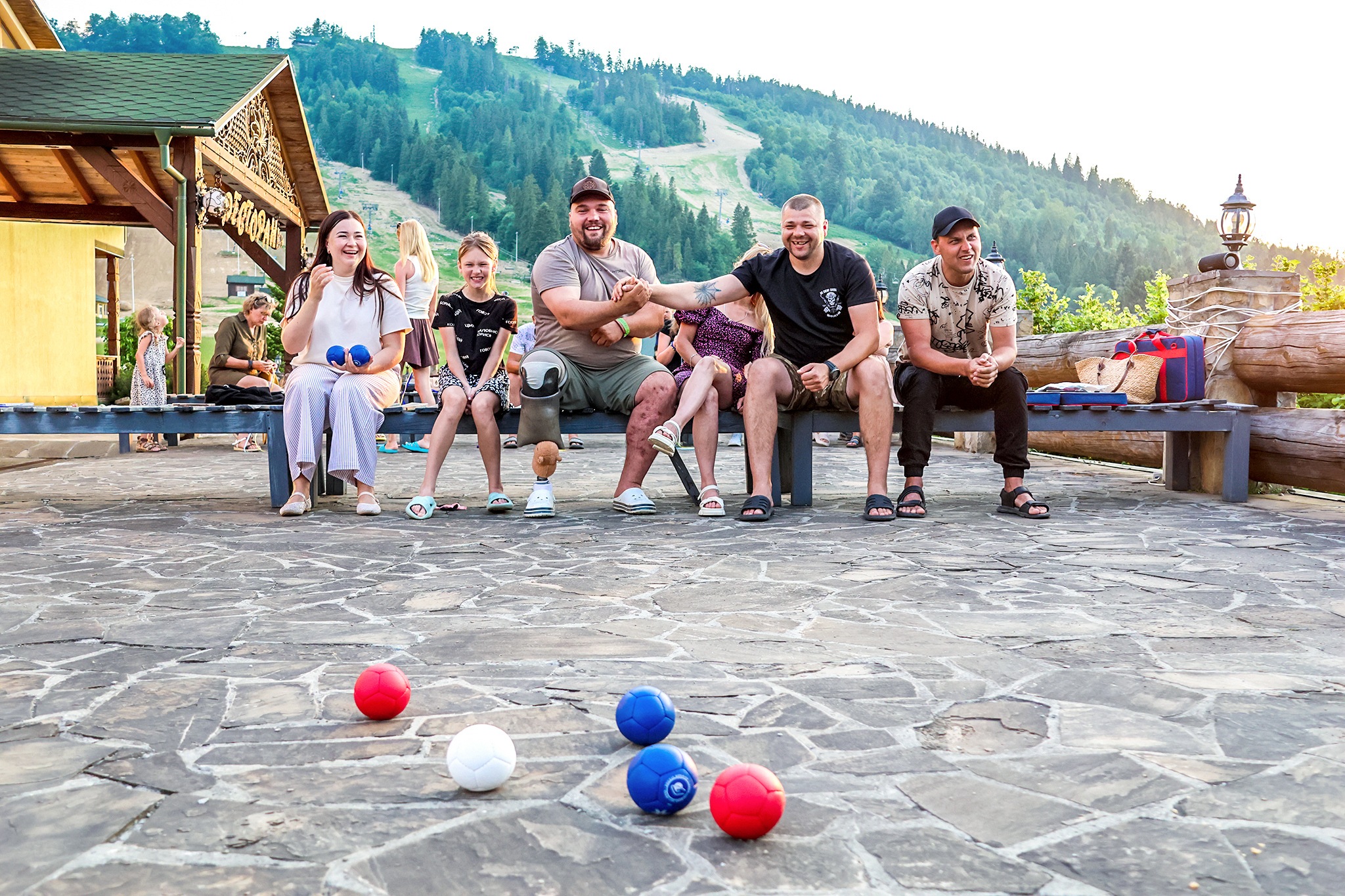
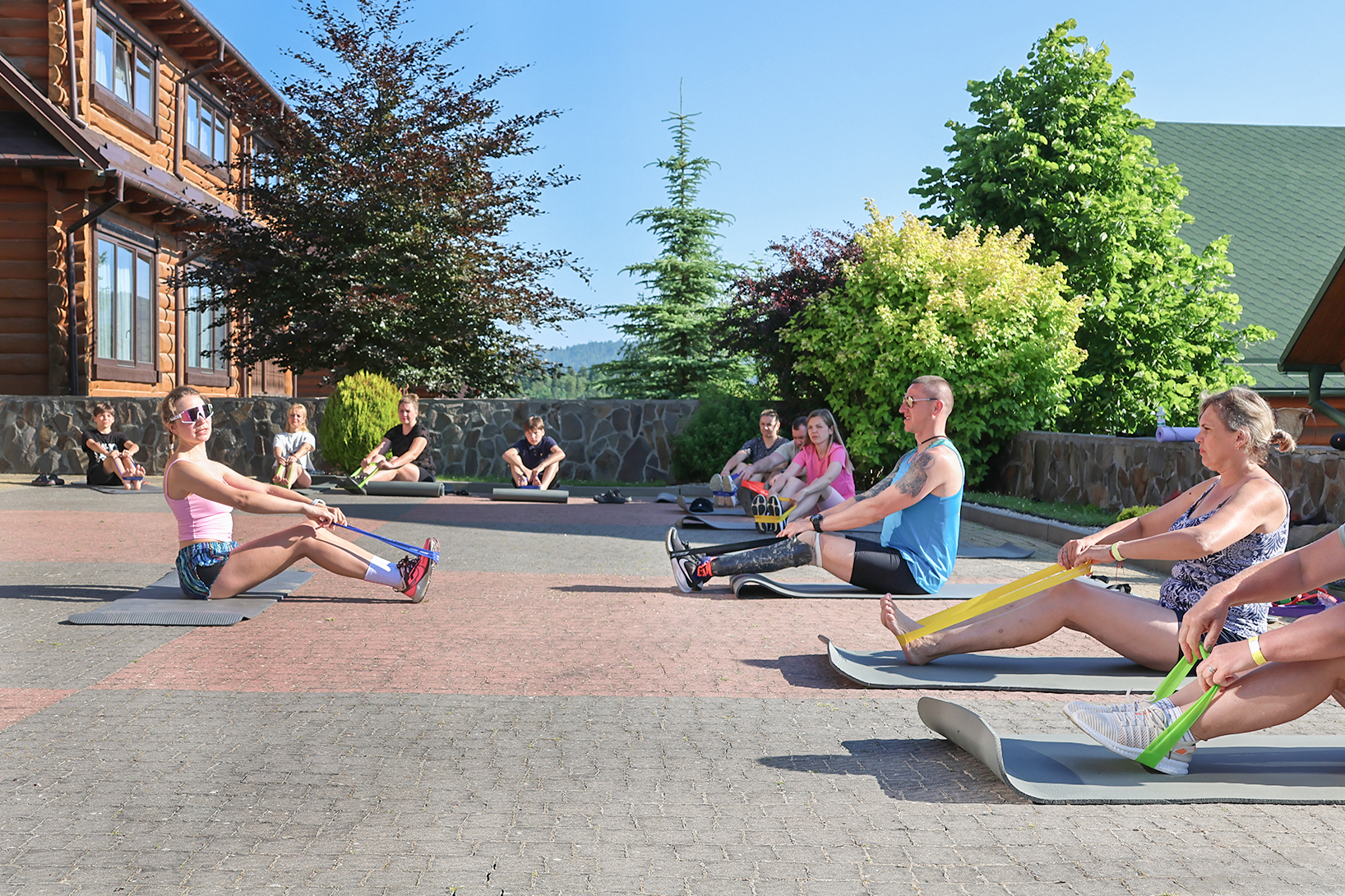
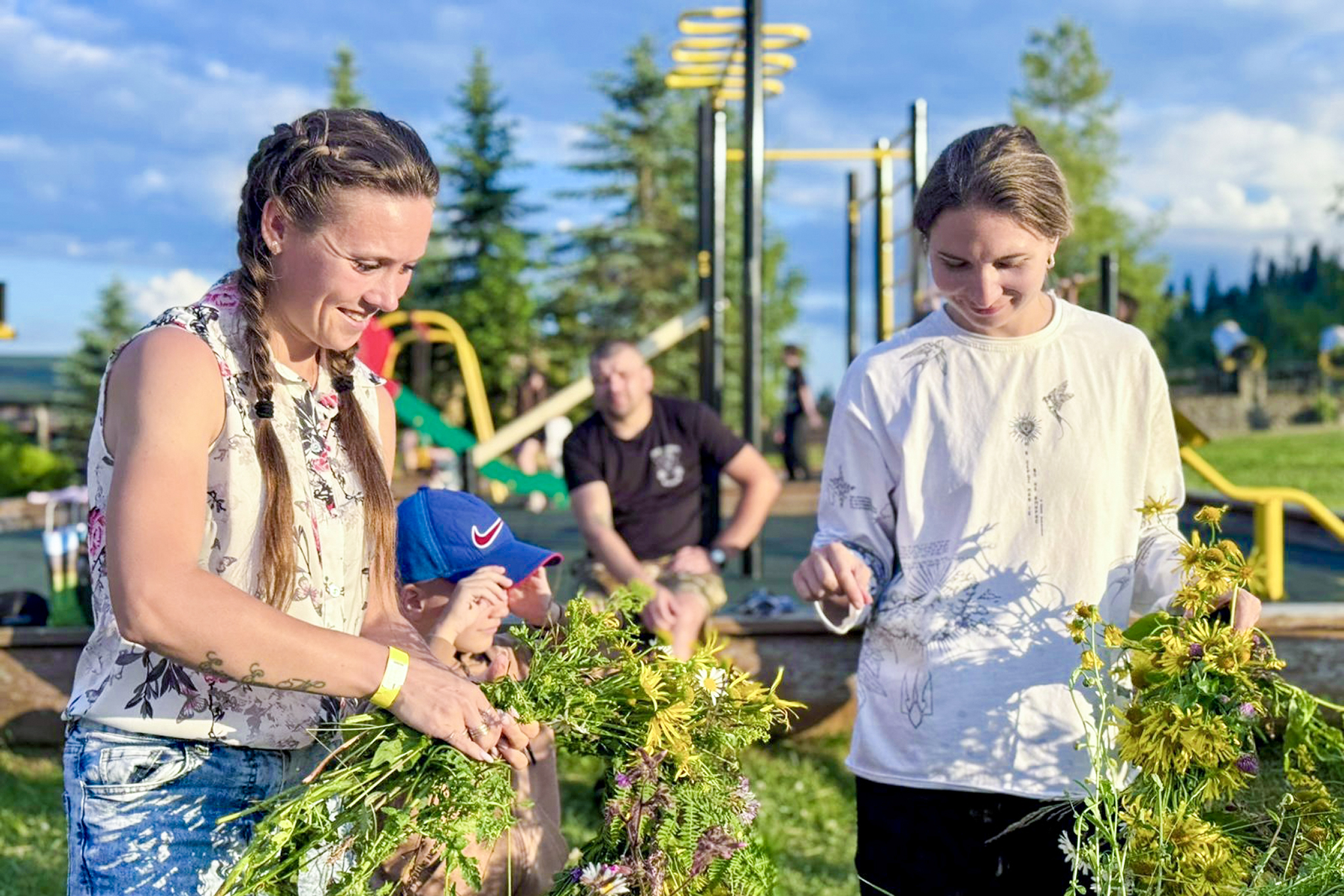
For six days, a psychologist, a physical therapist, an adaptive sports coach, and social specialists from the community worked to improve the emotional well-being of all retreat participants. The rehabilitation programme combined psychological support, physical activity, family events, and shared recreation. This was all designed so that every man and woman could restore their inner resources, strengthen relationships, and take a confident step toward readaptation to civilian life.
“Physical therapy helps a person return to an active life. Regular movement promotes the restoration of muscle tone, improves the emotional state, and builds confidence. We selected all exercises individually, and for support, we involve wives and children, working in such teams, which creates a good connection. We also continue our joint work outside of the retreat. Veterans receive recommendations and exercise complexes, and if necessary, they can reach out again to adjust the programme. However, the best result comes precisely from regular work on oneself.”
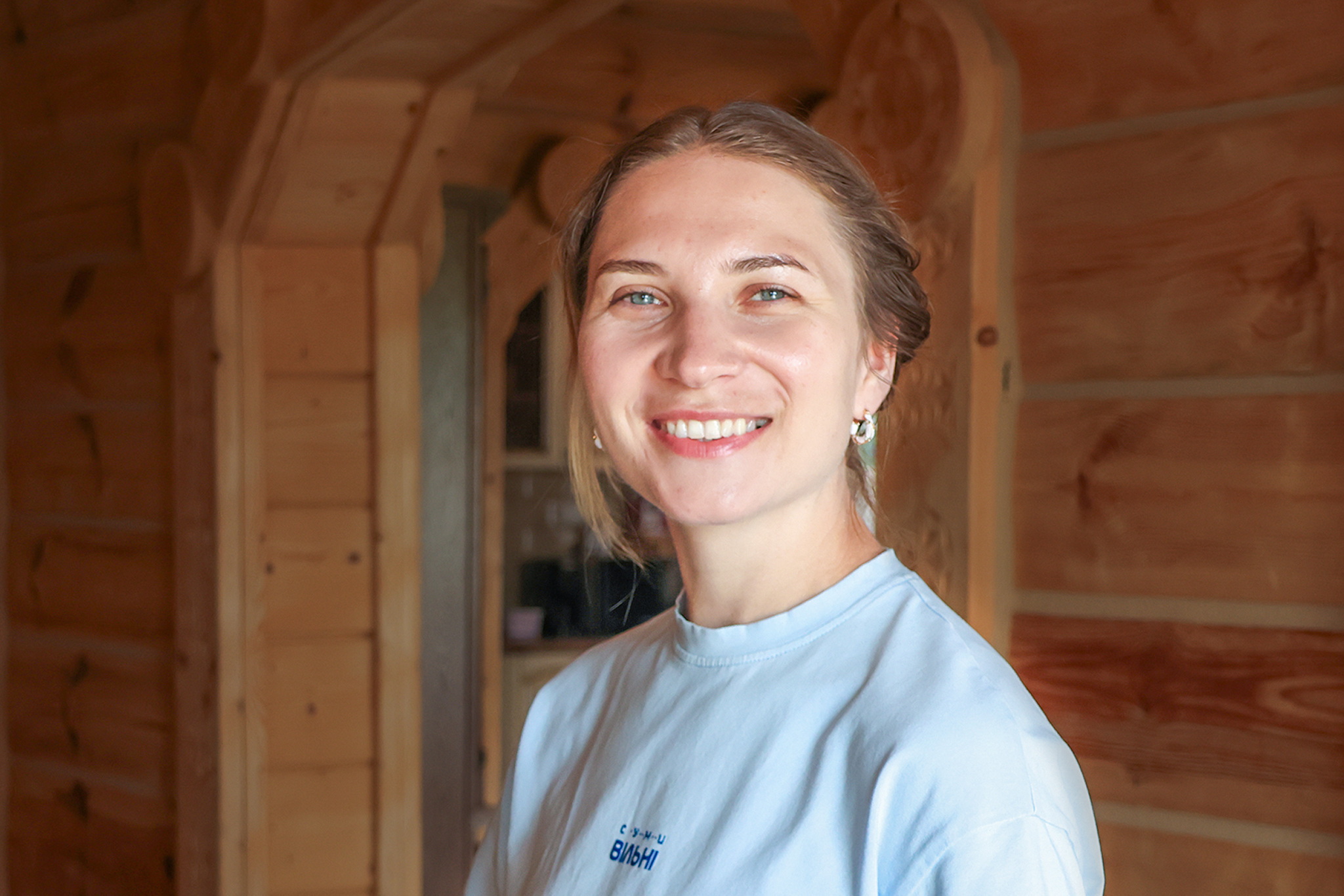
Specialists focused psychological support on working with emotions, experience, and anxiety. The psychologist also involved the veterans’ relatives in this process. She explains that in rehabilitation, it is often the family that becomes the main pillar of support.
“War changes not only the veteran but also the entire family. Therefore, it is important to work not with one person, but with the family as a whole. Our task is not to return the family to the way things were before — that will no longer happen. We are helping to create new, more trusting and stronger relationships. I saw how people gradually opened up during the retreat. In an informal atmosphere, they feel more relaxed, start to talk more, hear each other, and find common solutions. This is precisely why the holiday format is often more effective than a regular consultation in an office — it provides an opportunity not only to work with a psychologist but also to change the usual way of interacting within the family.”
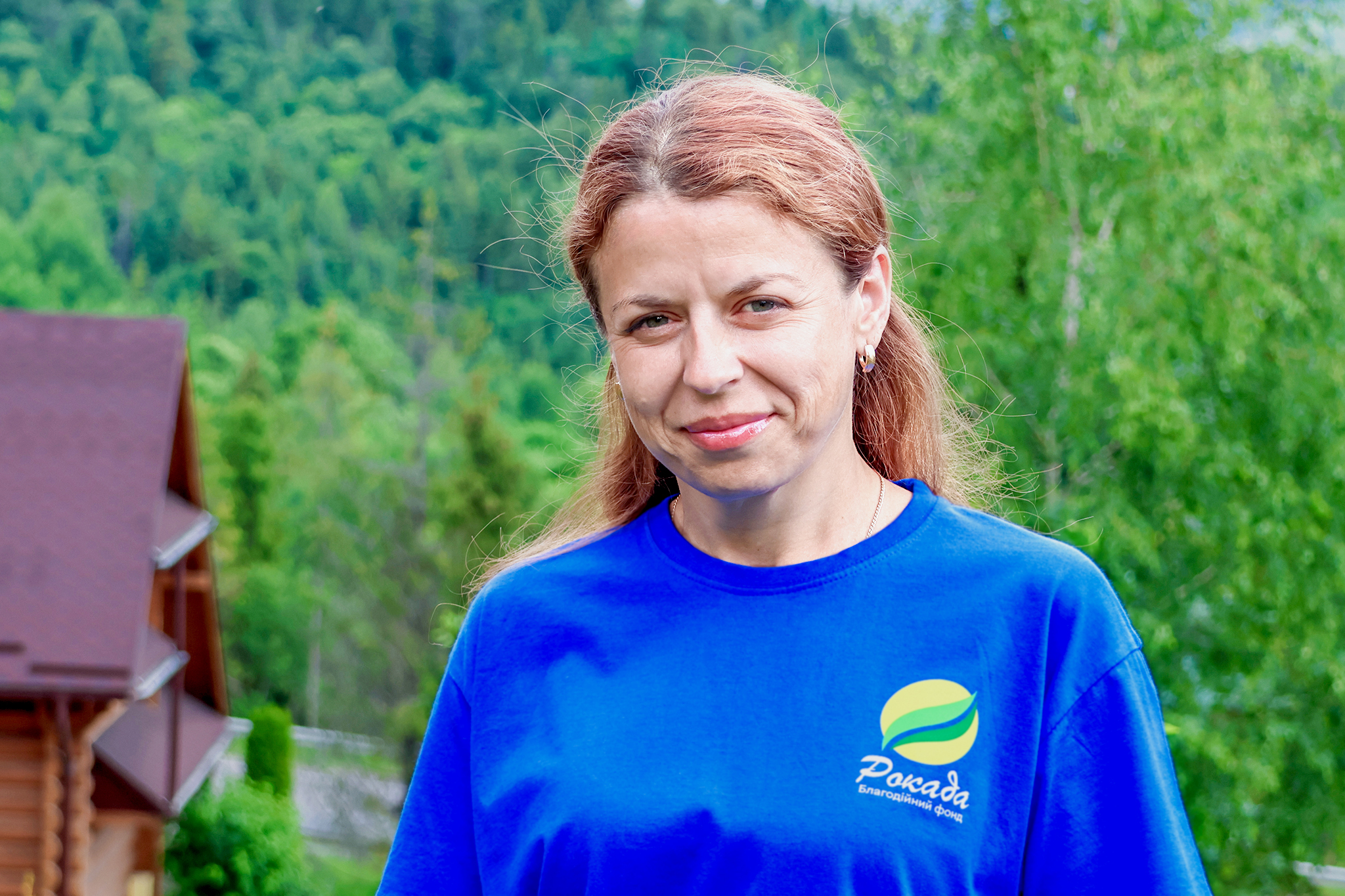
A distinct feature of the recovery program is not only the work with specialists but also ordinary communication between veterans and their families — in short, the opportunity to feel like part of a community once again.
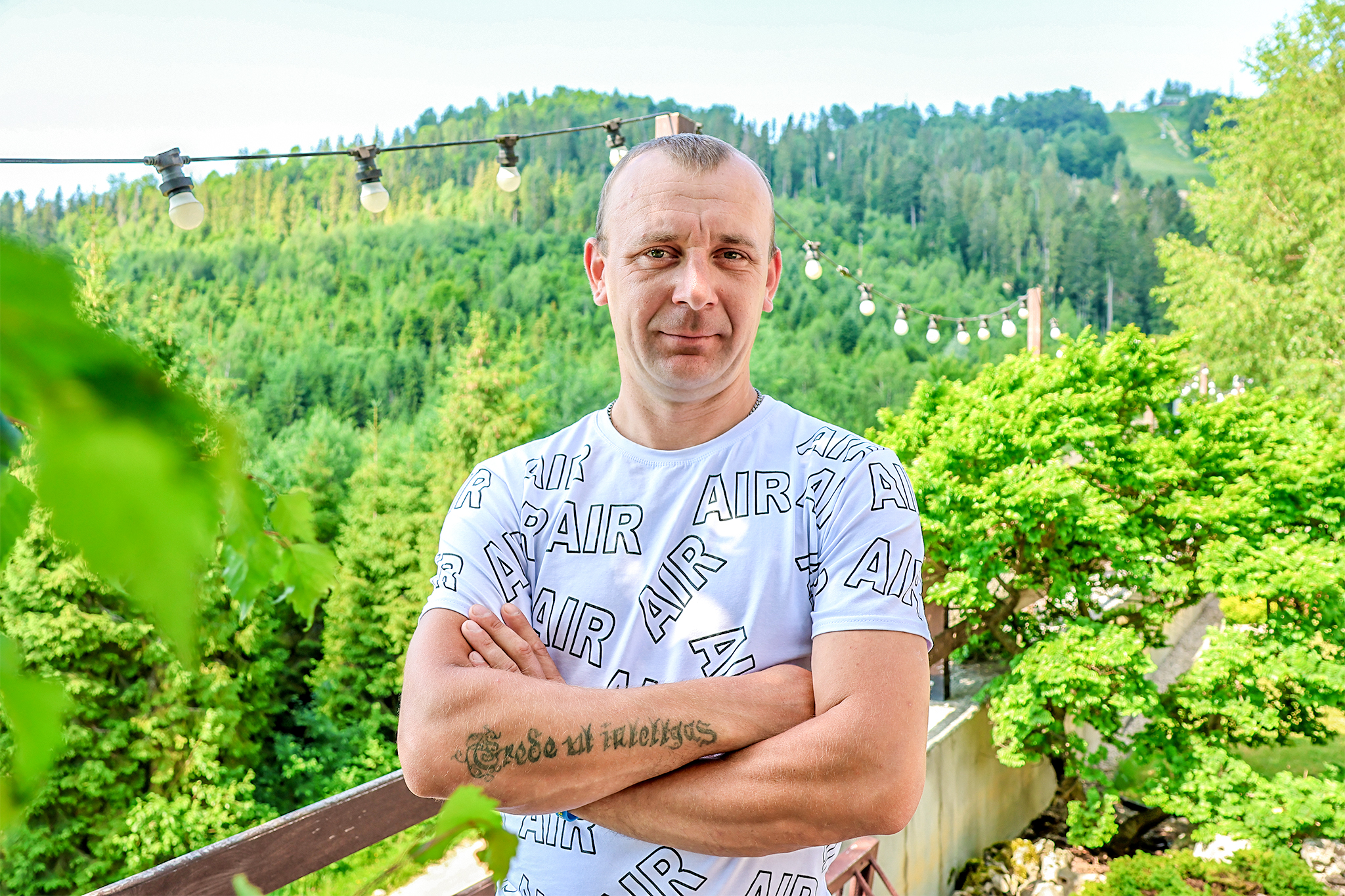
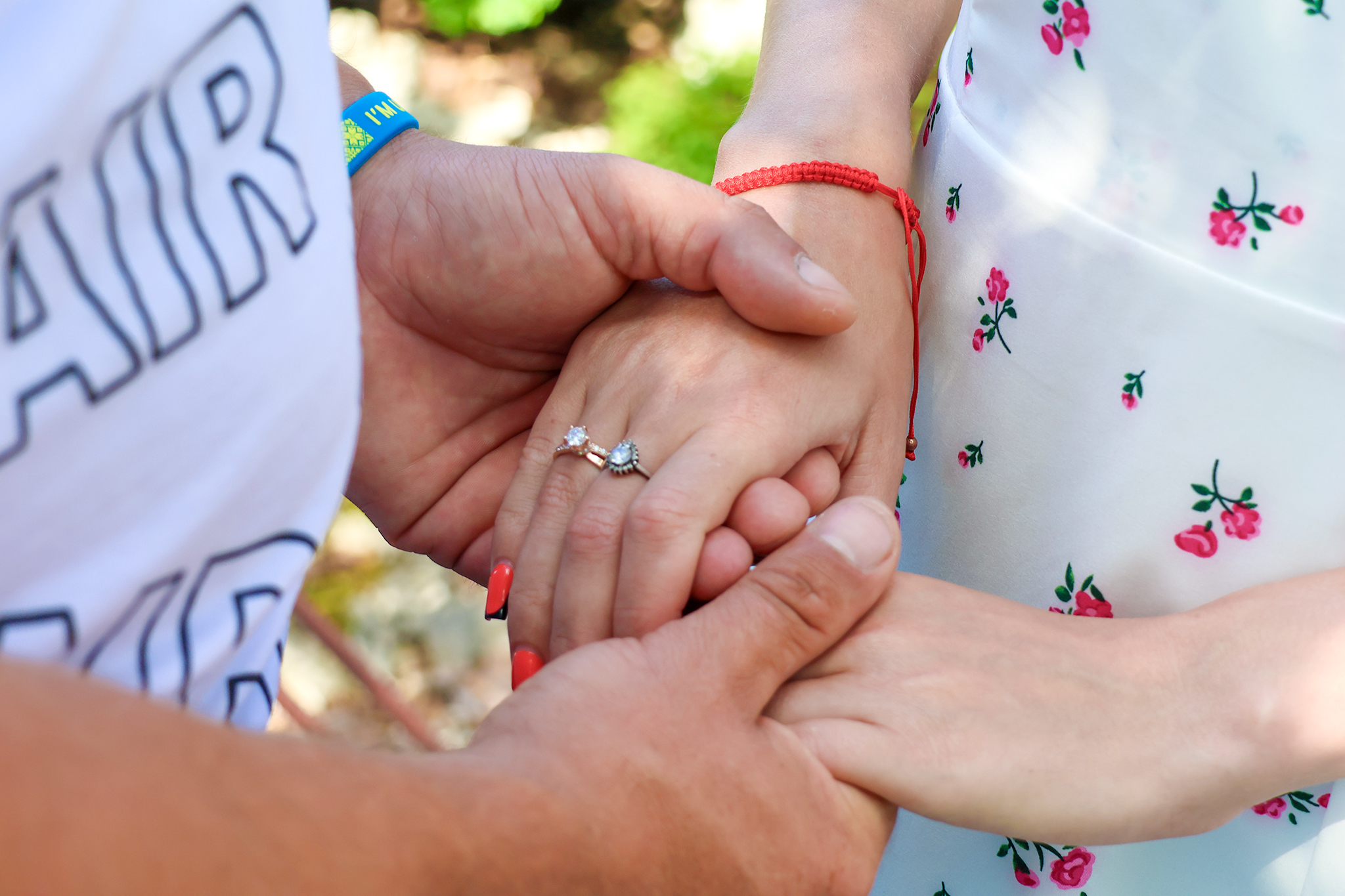
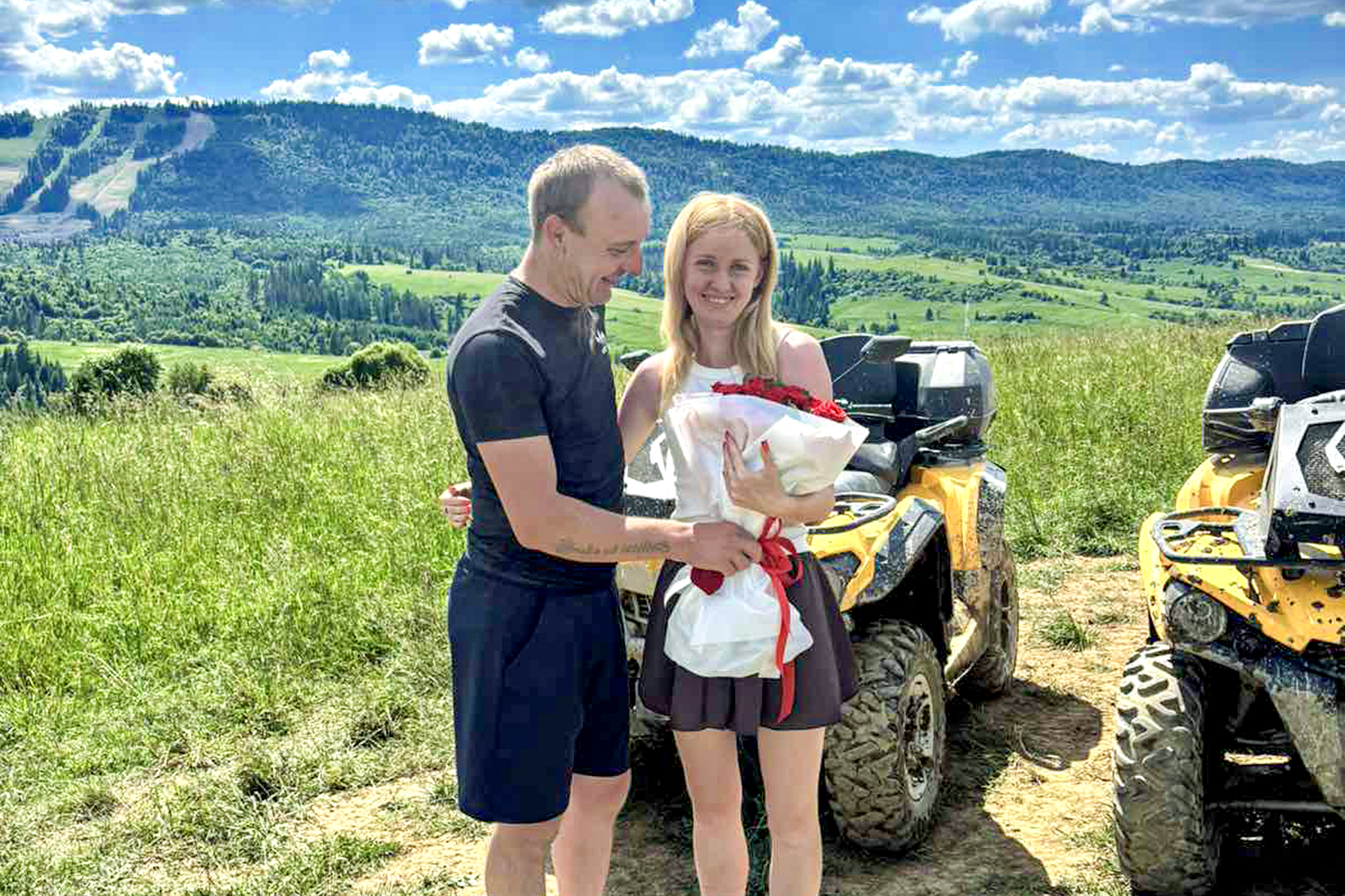
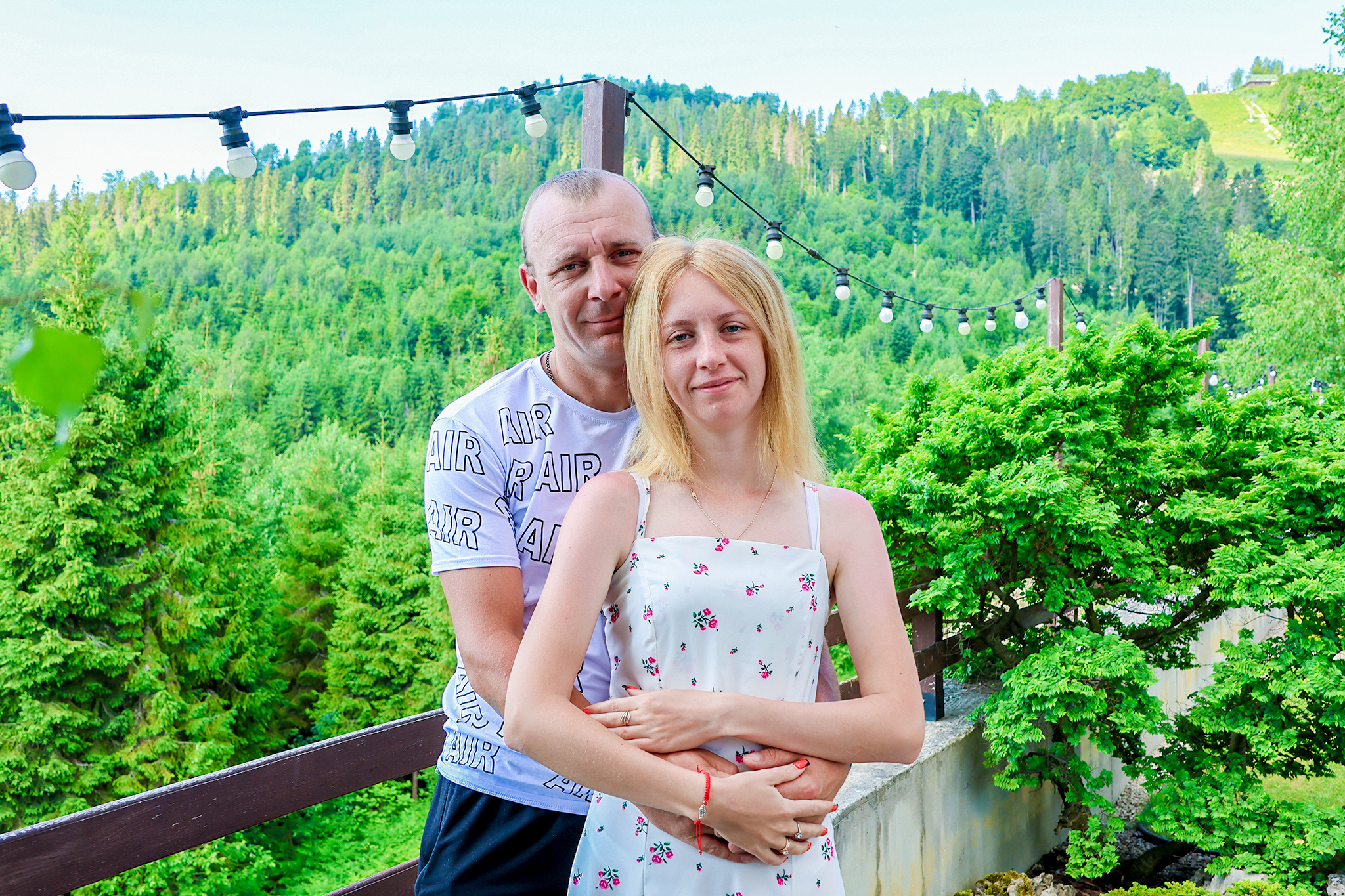
For Serhii Kozhushko, this trip marked the beginning of a new chapter in his life; it was here that he proposed to his loved one. Liudmyla said “yes.” Upon returning home, the engaged couple will begin preparing for their wedding.
“We met after my return from service. Through mutual acquaintances, we met for coffee, started talking, and things just took off from there. When I found out about this trip, I decided to propose right here, in the Carpathians. I wanted it to happen in a special atmosphere, when she could rest, step away from everyday worries, and make a decision in peace. We went on a buggy ride into the mountains — Liudmyla was a little nervous at first, but she trusted me. There, I proposed. I had planned everything in advance.”
Currently all retreat participants have returned home. However, the Rokada team will continue to provide ongoing support. The project outlines systemic psychological, social, and other necessary assistance for veterans and their families in the Nedryhailiv community.
“Personally, for me, this retreat has been another confirmation of how vital it is to create a space for veterans and their families where they can rest, connect, and simply be together. These few days were filled with genuine emotions, new acquaintances, support, and warm conversations. It was gratifying to see how the participants gradually opened up, found common ground, spent more time with their loved ones, and returned home with renewed strength.”
The project “Improving Social Adaptation Practices for Veterans and Their Families in the Nedryhailiv Community of the Sumy Region” is implemented by the Charitable Organization “Charitable Foundation Rokada” within the framework of the “U-LEAD with Europe” Programme, which is implemented with the support of the European Union and Austria, France, and Germany.