
Rokada – 23: Everything we do sometimes happens contrary to circumstances, but thanks to inner strength – both ours and that of the people we support
Today, Rokada turns 23 years old. And our chronicle is a large mosaic that is complemented every day with new projects, acquired experience and knowledge, and most valuably – the stories of the people who trust us. Among those who kickstarted the foundation’s work two decades ago are the current head of the partnerships and fundraising department Dina Gud, and the coordinator of the social support and protection direction Olena Demirska.
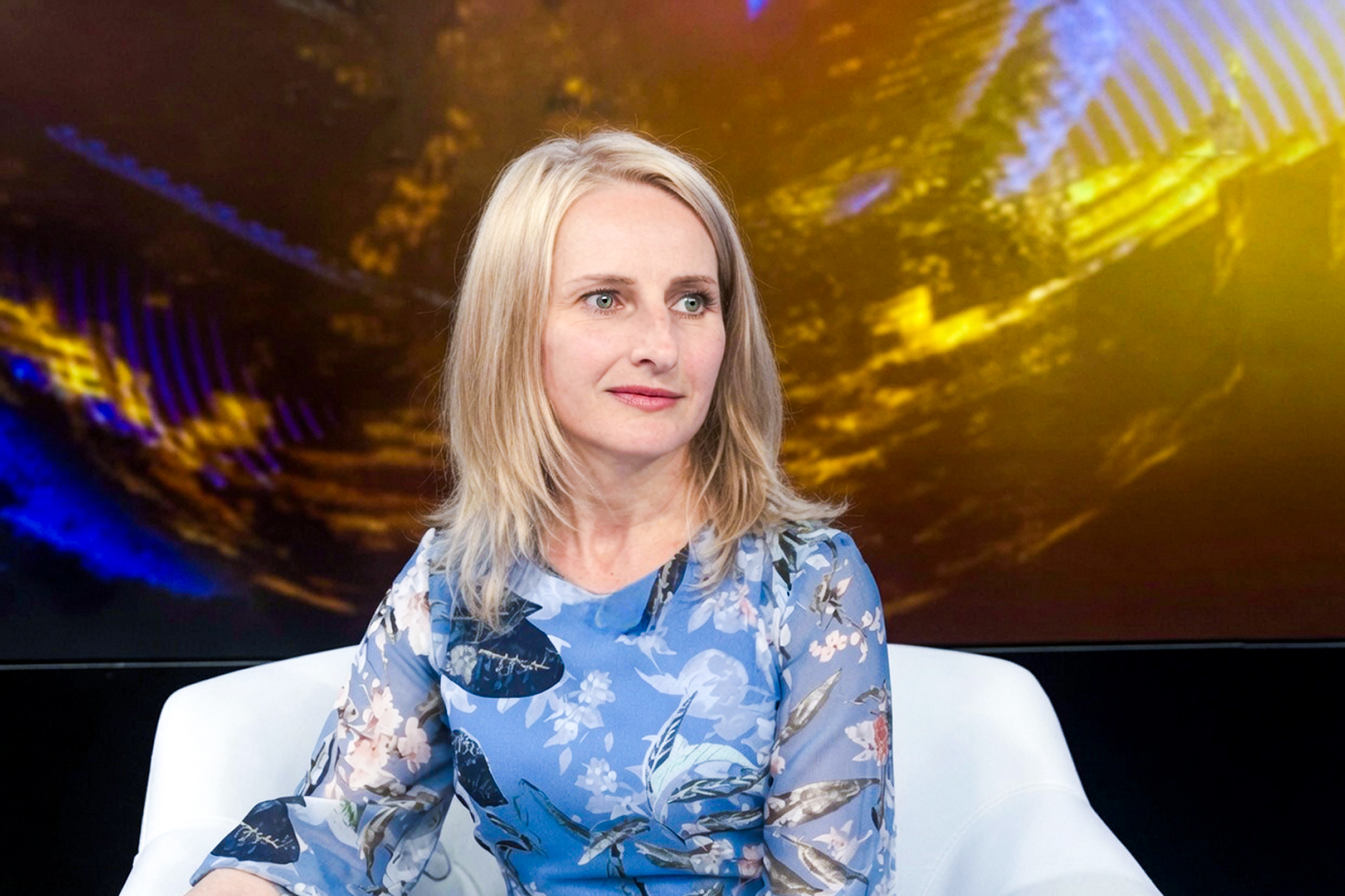
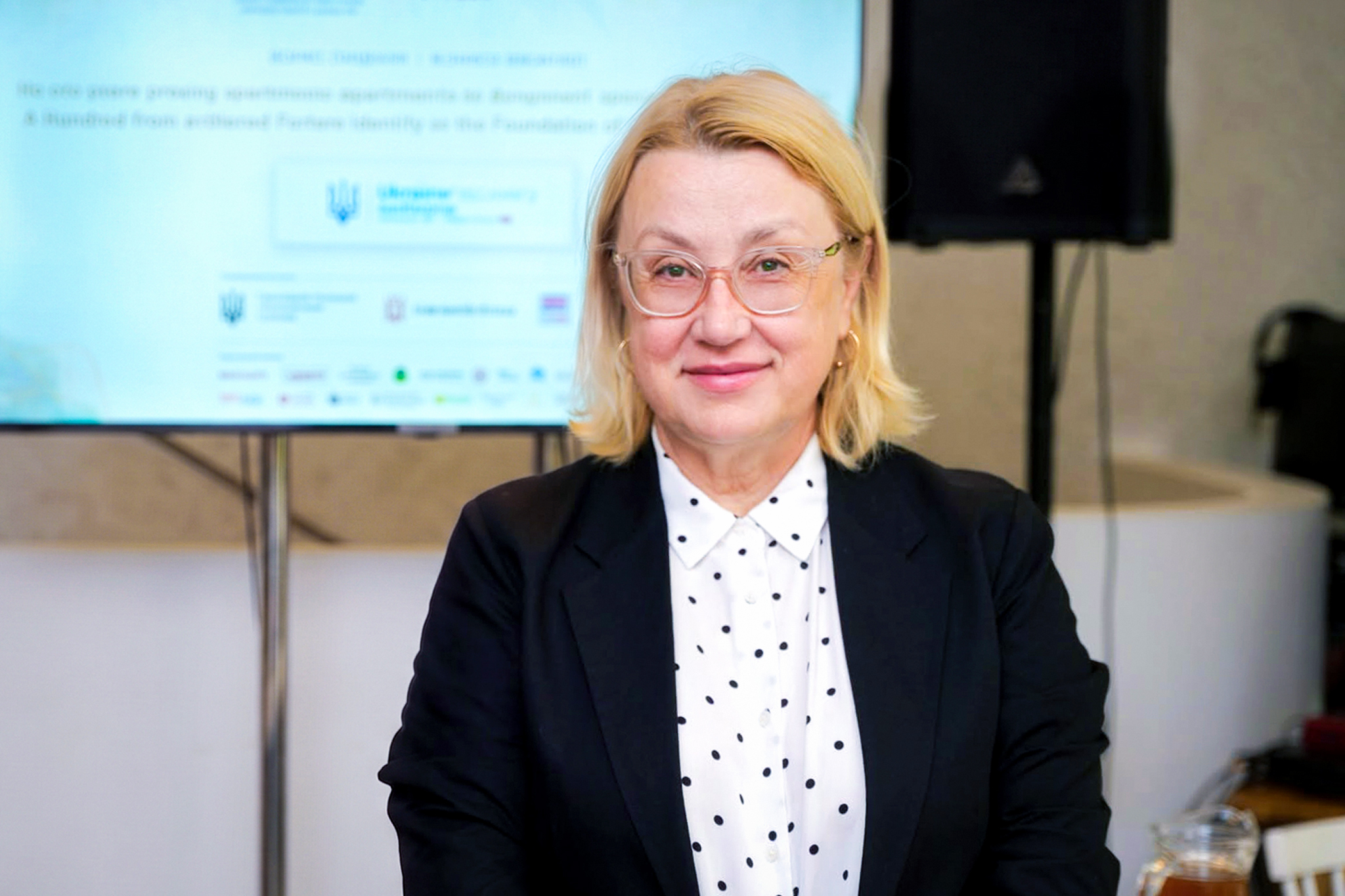
You are a unique part of the foundation’s history. Tell us, how did it all begin?
Dina Gud: In the early 2000s, a friend and I founded a small organization that provided psychological assistance to women. At that time, the United Nations High Commissioner for Refugees in Ukraine suggested that we expand our work for a project to assist Afghan women refugees and cover another vector – social assistance.
However, full-scale activity required a new organization with a staff of specialists. So, we started working on its creation. By the way, we approached the name quite creatively. Originally, it is an acronym of the founders’ names, although there is a word of French origin, ‘rocade’ [rokada], which has both humanitarian and military contexts – meaning a special road that runs parallel to the front line and serves as a neutral side from which assistance is provided.
That is how, 23 years ago, we laid the foundation for the meaning of what our work is connected with today.
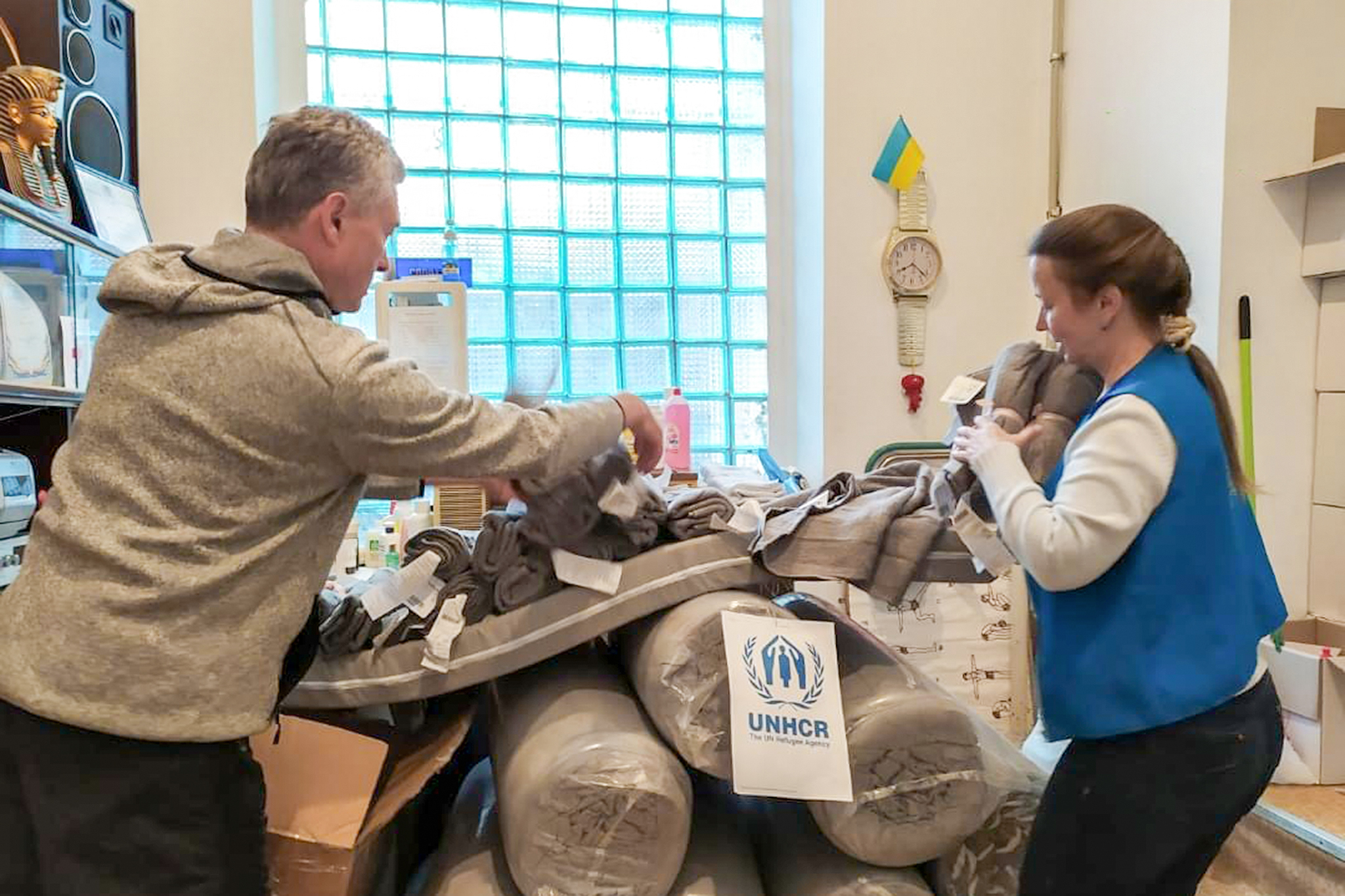
Olena Demirska: In the early 2000s, I met Dina by chance. At first, I worked as a social worker – helping people who were seeking asylum in Ukraine. Back then, we were just setting up the foundation’s work, structuring the rules, the general system… In the end, step by step, we succeeded – we are now among the leading foundations in Ukraine, and we are known abroad.
Among my first beneficiaries were refugees from Angola. For a long time, they simply refused to accept the rules. But when we started working with them more closely, everything changed completely.
Looking back at that time and the present day, I can say with confidence that my life at Rokada was filled and is still filled with meaning. That is exactly why I consider myself an incredibly successful person, because I am doing what is close to my heart.
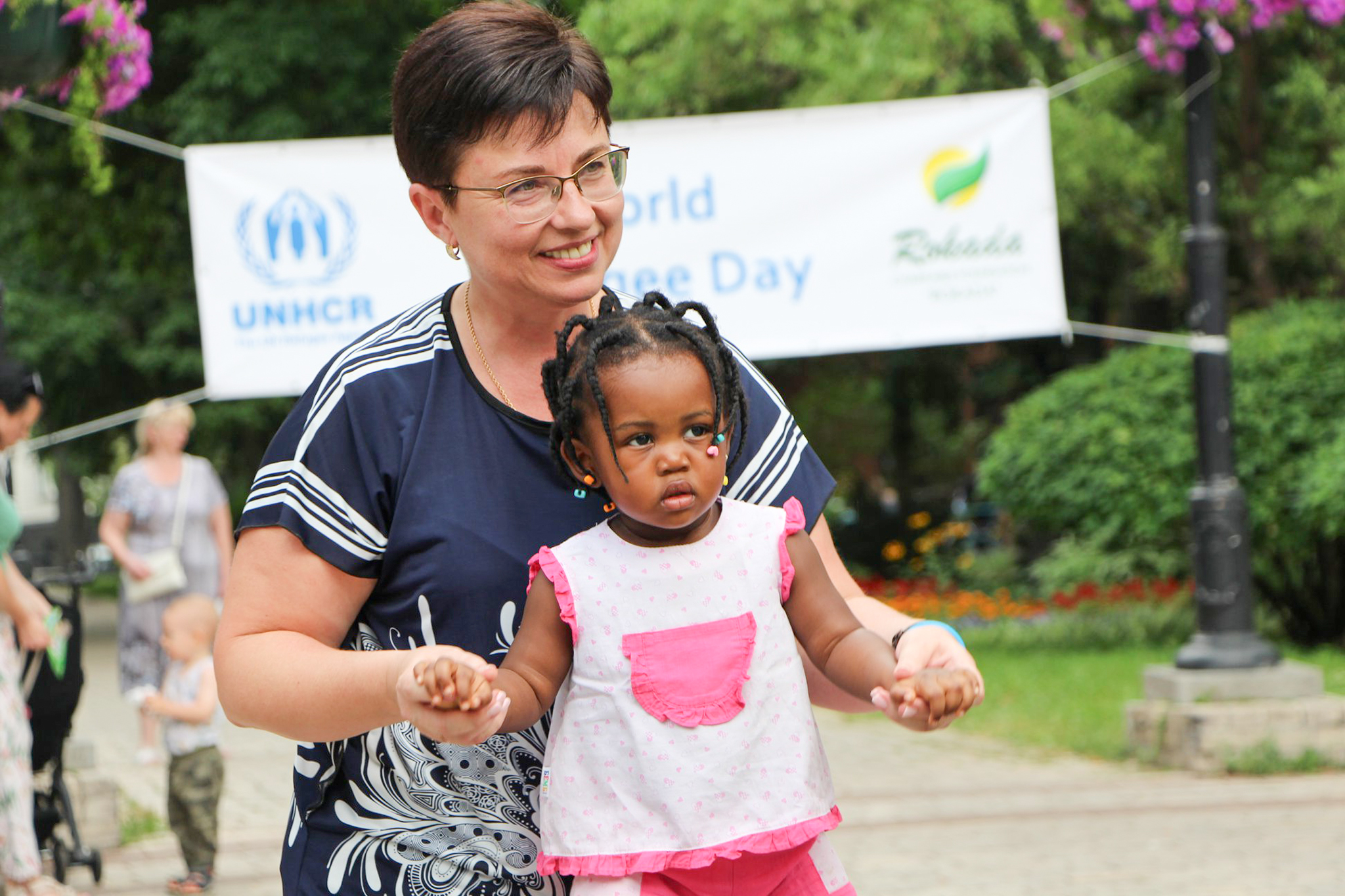
Among the many stories of the people Rokada has worked with, which one do you remember most often?
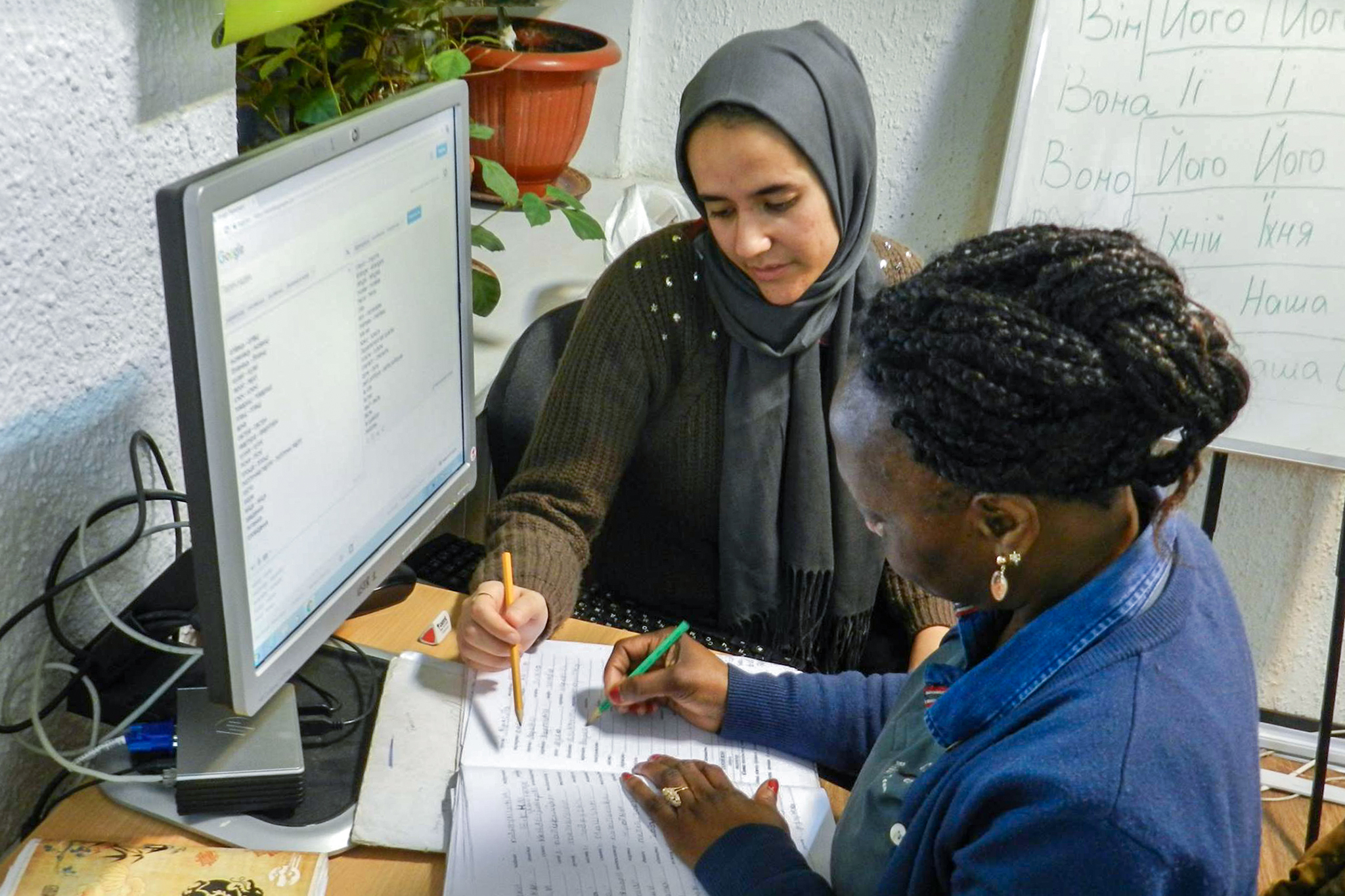
Dina Gud: I remember a citizen of Afghanistan, a former anchorwoman for the central television, who was persecuted by the government of that country. In the early 2000s, she found herself in Ukraine. She headed an integration center, but her family made the decision to move to another country. And then, when the full-scale invasion began, I received a message and a call from her: pack your bags, come to us, and we will find a solution for you. This touched me deeply, I cried and realized that people who had lost everything, in memory of the help that Rokada had once given them, were ready to return the kindness when things became difficult for us.
Olena Demirska: No matter how many different stories there have been in my work, each of them is special to me. There are many that are uplifting, and just as many that break my heart into pieces. I remember there were women whom we practically pieced back together after extremely difficult events in their lives, and who eventually managed to stand on their own feet, move forward, and successfully build a new life. This is their incredible strength and our faith that everything is possible.
And also – how we helped an artist, who was also an asylum seeker. His paintings still decorate the main office of Rokada. By the way, we still remain in touch with him today. Everything turned out well in his life, and we are also endlessly happy about this.
In your opinion, what makes the Rokada team cohesive?
Dina Gud: People. On the one hand, the team, and on the other – those whom we have been helping throughout these 23 years.
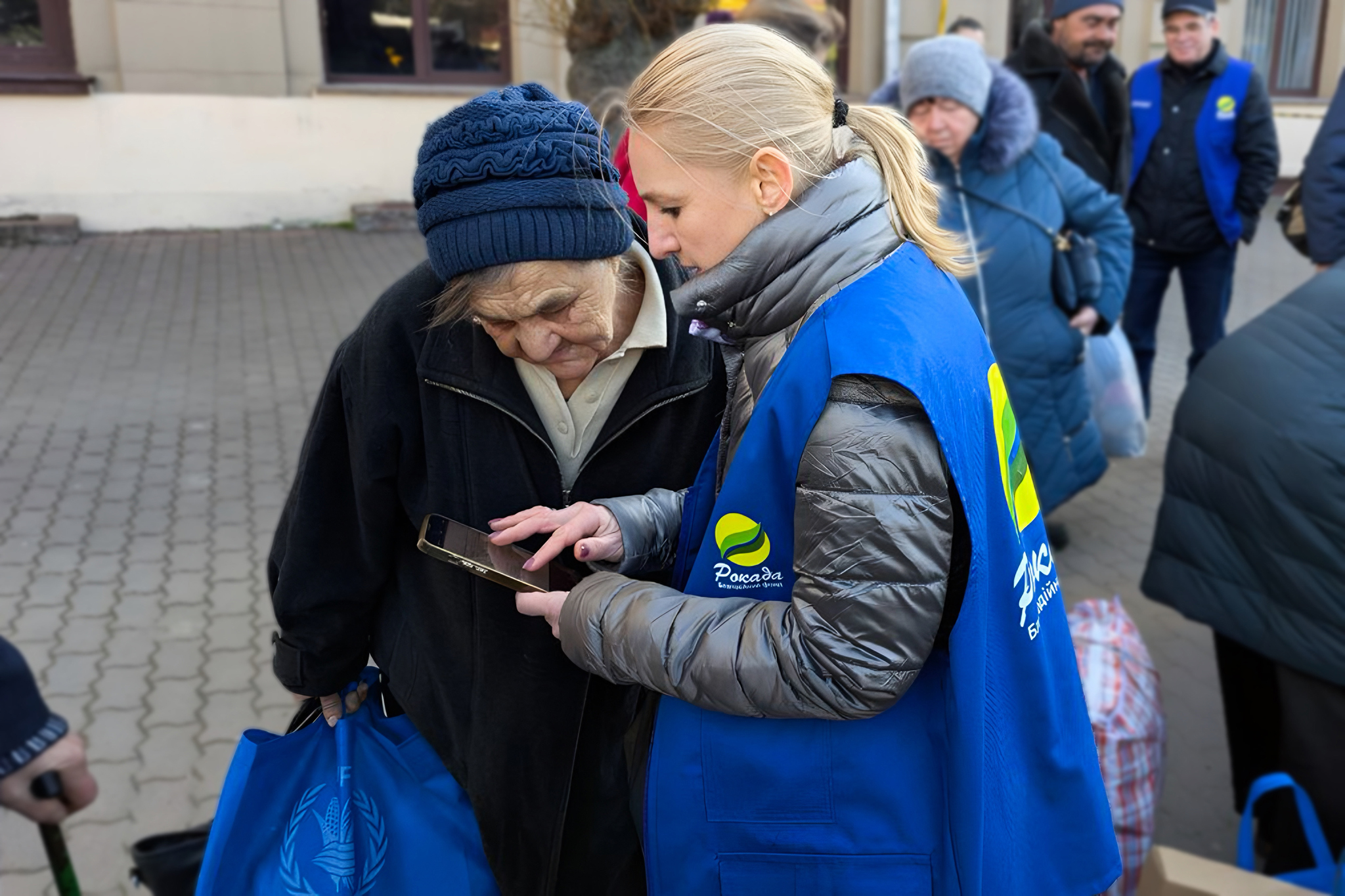
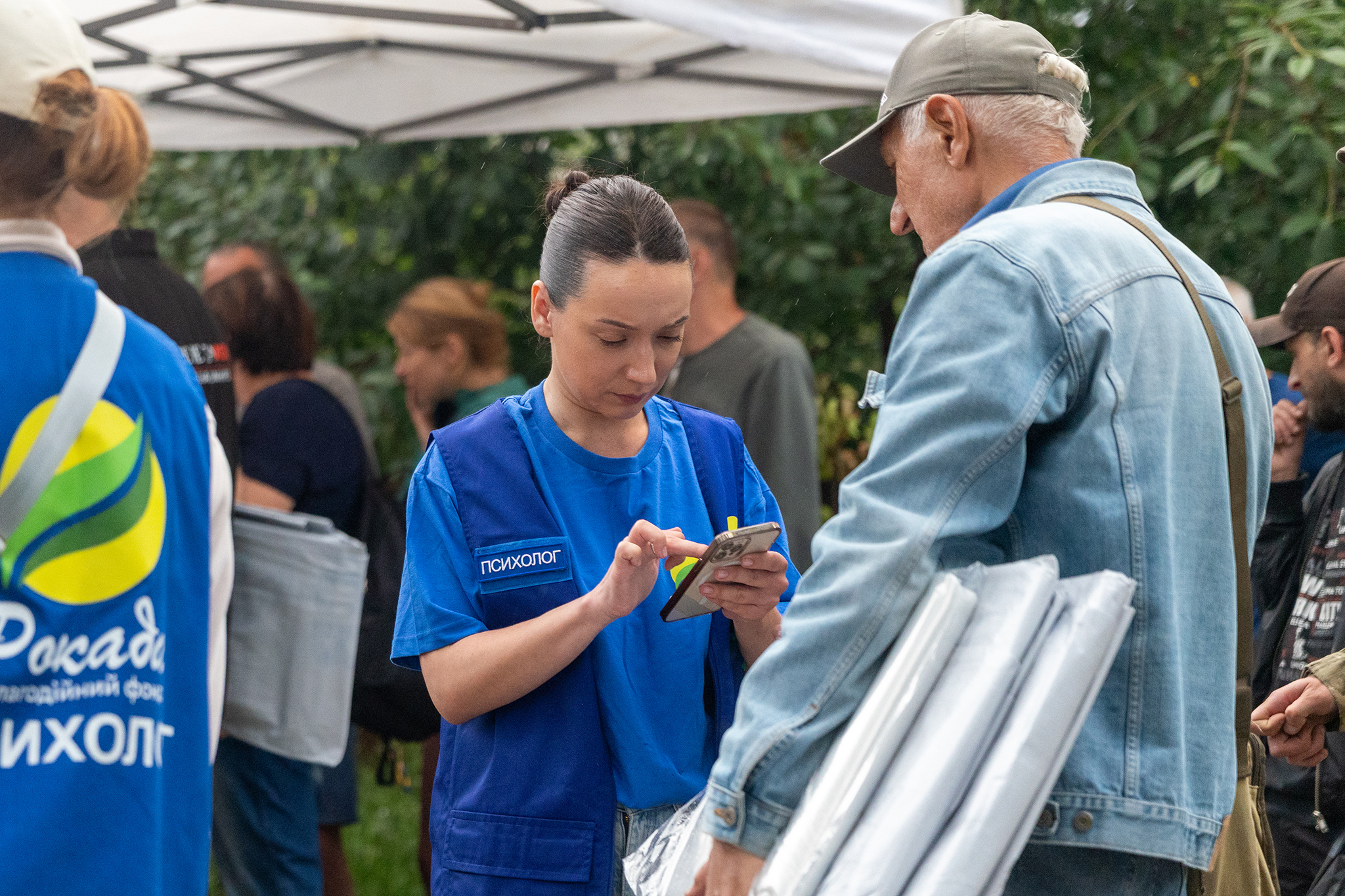
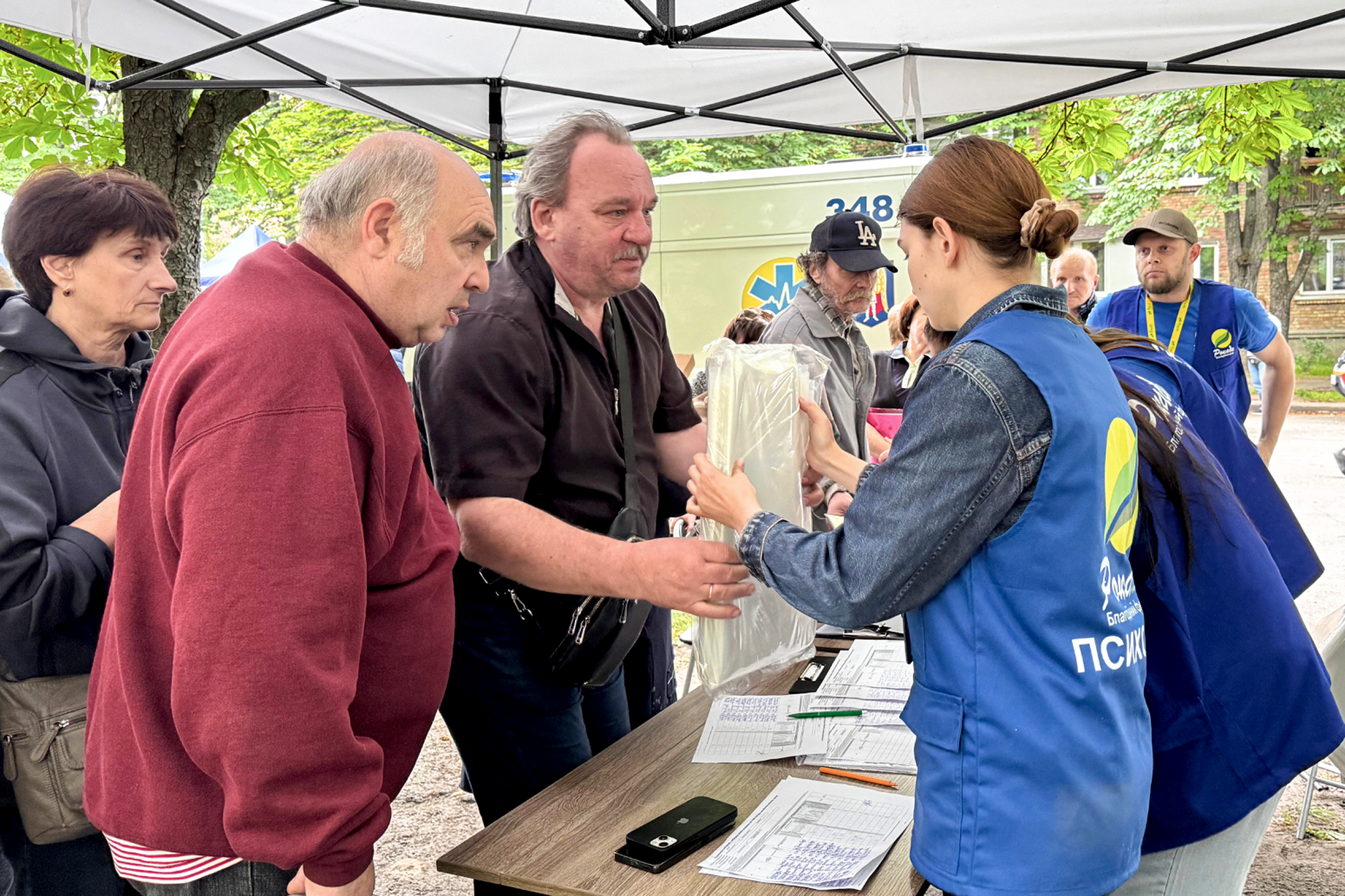
We have preserved the core values with which we started our work – first and foremost, respect for a person who finds themselves in difficult circumstances. When refugees turned to us for support in the beginning and they needed medical assistance, but they could not go to the hospital because they did not know the language, we looked for interpreters and provided accompaniment, because we understood that dignity is everything. It is the same way now – our values are manifested in the daily work of each specialist, regardless of the region in which they work. A lawyer, a psychologist, a social worker – everyone acts according to a common principle: a person is not left alone with their problem.
Another thing that keeps the team together is trust. Trust within the team, when colleagues from different regions share experience and support one another, and trust from the people who turn to us. You cannot get it instantly; it is formed through years of consistent work.
And, of course, a shared understanding of the goal. Over 23 years, the challenges have changed – from helping refugees to working with internally displaced persons, veterans, and the families of the fallen. But the goal remains unchanged: so that every person in hardship receives real support. This is exactly what, in the end, makes the Rokada team cohesive.
Olena Demirska: In my opinion, three things: shared values, integrity, and great empathy, a readiness to help those who need help. It simply cannot be any other way, because everything we do sometimes happens contrary to circumstances, but thanks to inner strength – both ours and that of the people we support.