
In the lyceums of Okhtyrka and Synivka in the Sumy region, the Rokada team is finalizing the construction of shelters. The work launched in June and was made possible thanks to the support of the Italian Agency for Development Cooperation (AICS) in partnership with the Bukovinian Agency for Initiatives and Development (BAID) and Un Ponte Per ETS (UPP).
The Okhtyrka community
Cooperation between Rokada and the city of Okhtyrka has been ongoing since the start of the full-scale invasion. Throughout this time, the fund’s team has been helping city residents overcome the consequences of shelling. Nearly three years ago, an official memorandum was signed with the community. The interaction was focused on projects that will contribute to infrastructure restoration and strengthen sustainable development.
Lyceum No. 3 is one of ten secondary education institutions in Okhtyrka. Currently, 807 children study here. This year, three first-grade classes were enrolled.
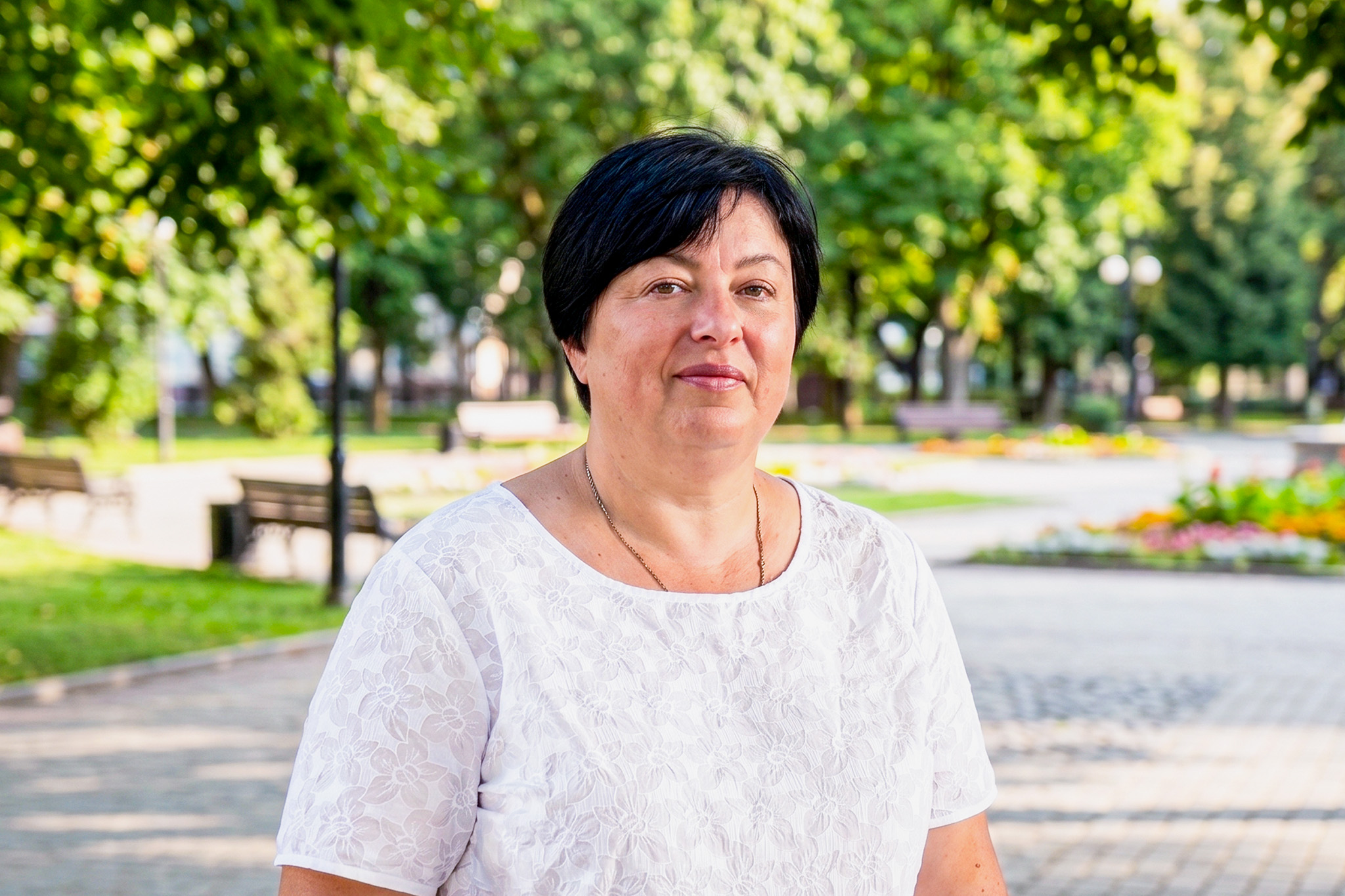
“Our lyceum combines history and innovation. Thanks to the warm atmosphere, cozy classrooms, and active student life, it becomes a second home for children, where strong friendships are born, character is forged, and a reliable foundation for a successful future is laid,” says the institution’s director, Tetiana Sytnyk.
Despite systematic Russian shelling, the lyceum maintains an in-person learning format.
Until now, the school administration had been equipping the existing shelter through their own efforts, but Rokada offered its support.
“Our shelter is designed to accommodate one thousand people at the same time. However, to ensure everyone is comfortable, the educational process has been divided into two shifts. Also, from 16:00 to 20:00, children from the track and field section train in the corridors of the shelter — the space suits them very well, as the length of the corridors allows them to replace running tracks,” she adds.
The Synivka community
The Synivka community is located just over 80 kilometers south of the regional center. There are four secondary education institutions here. The Synivka Lyceum is the largest. Already in September, at desks will sit 120 students – local and from neighboring villages.
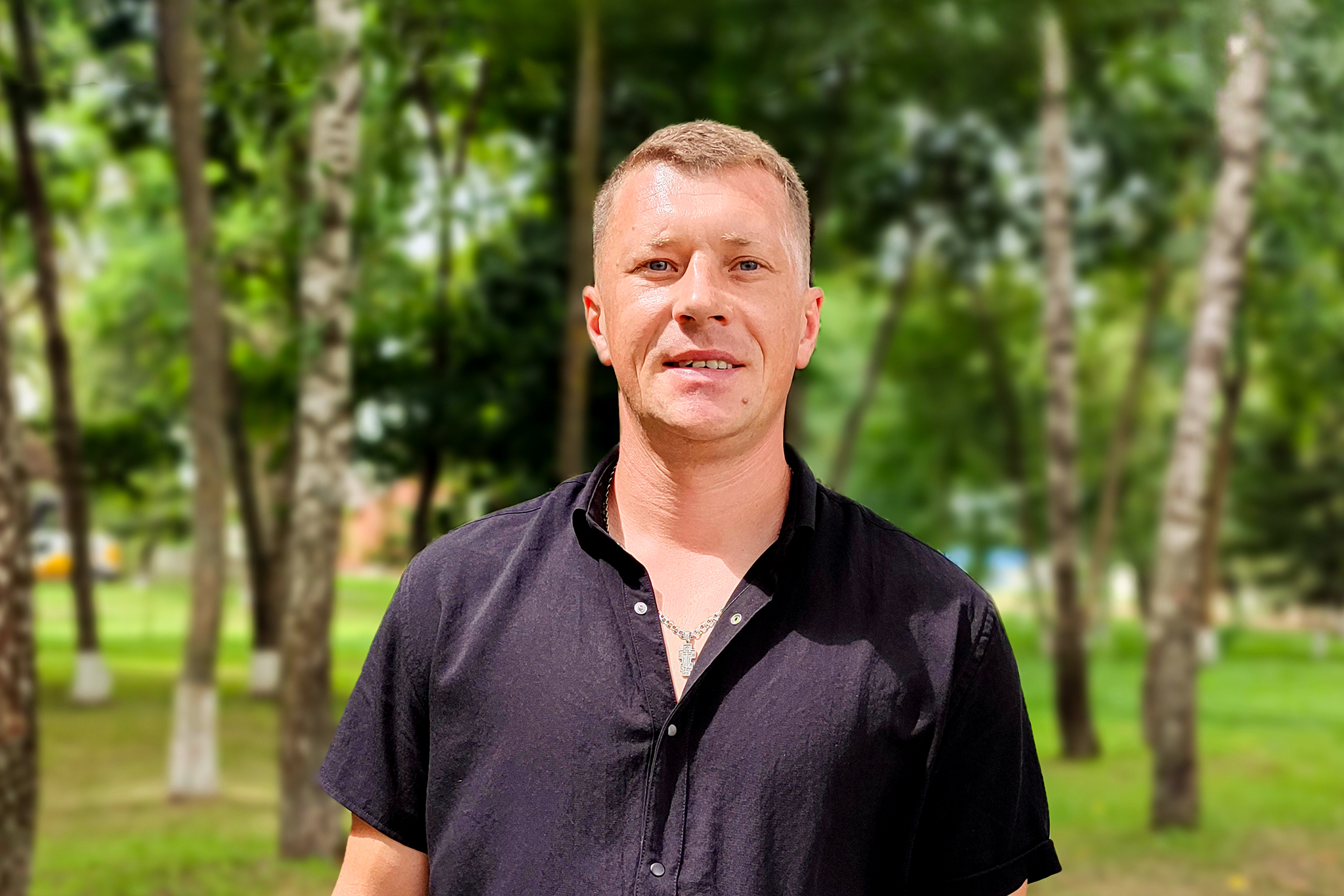
“Despite all the challenges, we continue the educational process in a full in-person format. During every air raid alert, all students and teachers strictly move to the shelter,” says the institution’s director, Yevhenii Biliashenko, adding that just a few years ago, the condition of the shelter was unsatisfactory. “We equipped it through our own efforts — the teaching staff, parents, and the community alike. The main building of the lyceum was commissioned back in the 1970s. But despite the respectable age of the premises, we work every day to ensure that the lyceum is modern, safe, and comfortable for our children.”
Support from Rokada
Currently, the Rokada team is finalizing the equipping of both shelters. In the Okhtyrka lyceum, the fund focused on inclusivity — it updated the entrance to the shelter and renovated the restroom.
“Inside the classrooms, among other things, we painted the walls, installed air recuperators, and improved the lighting,” clarifies the scope of work Valentyna Ihnatusha, coordinator of the fund’s regional office.
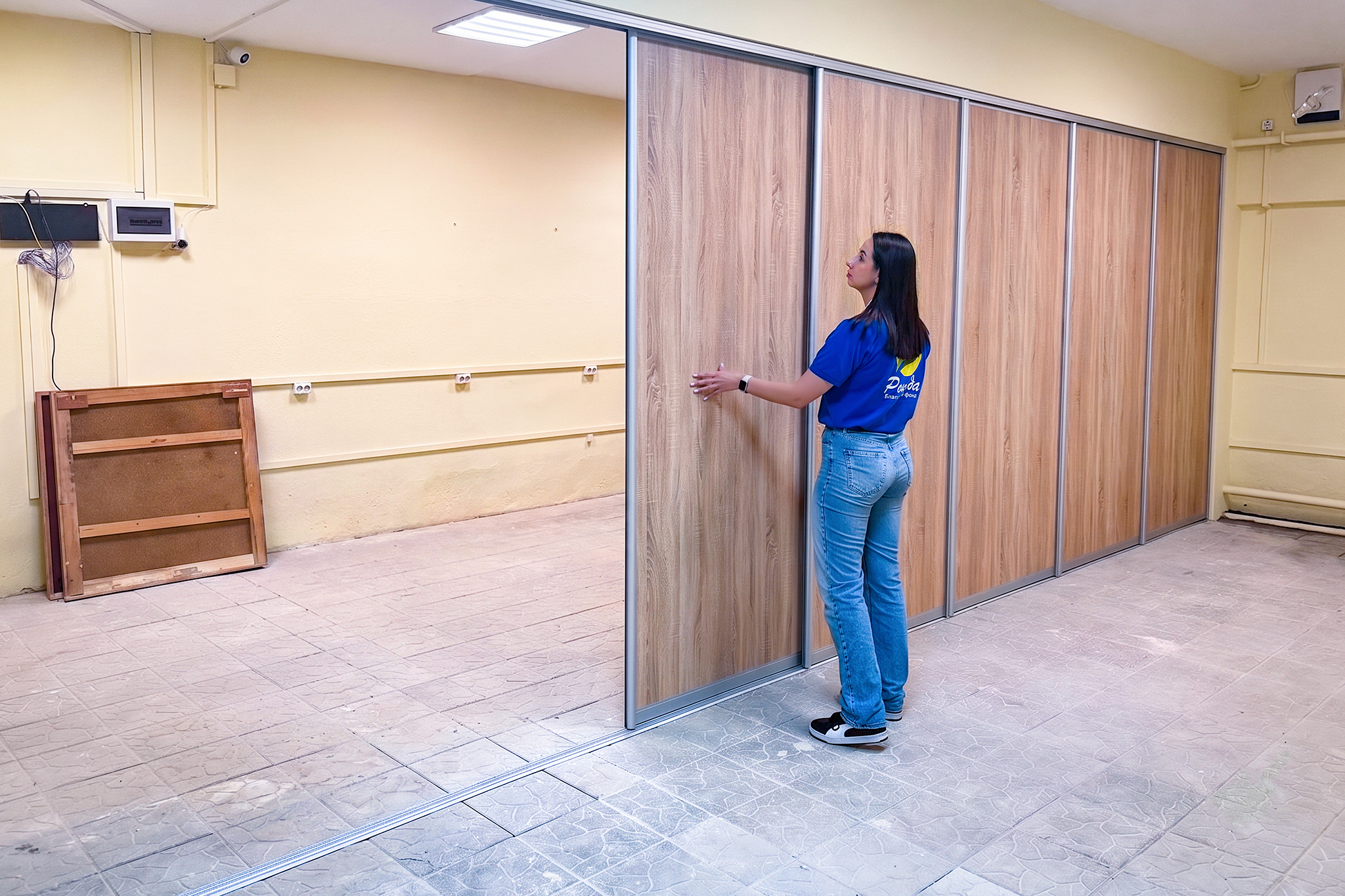
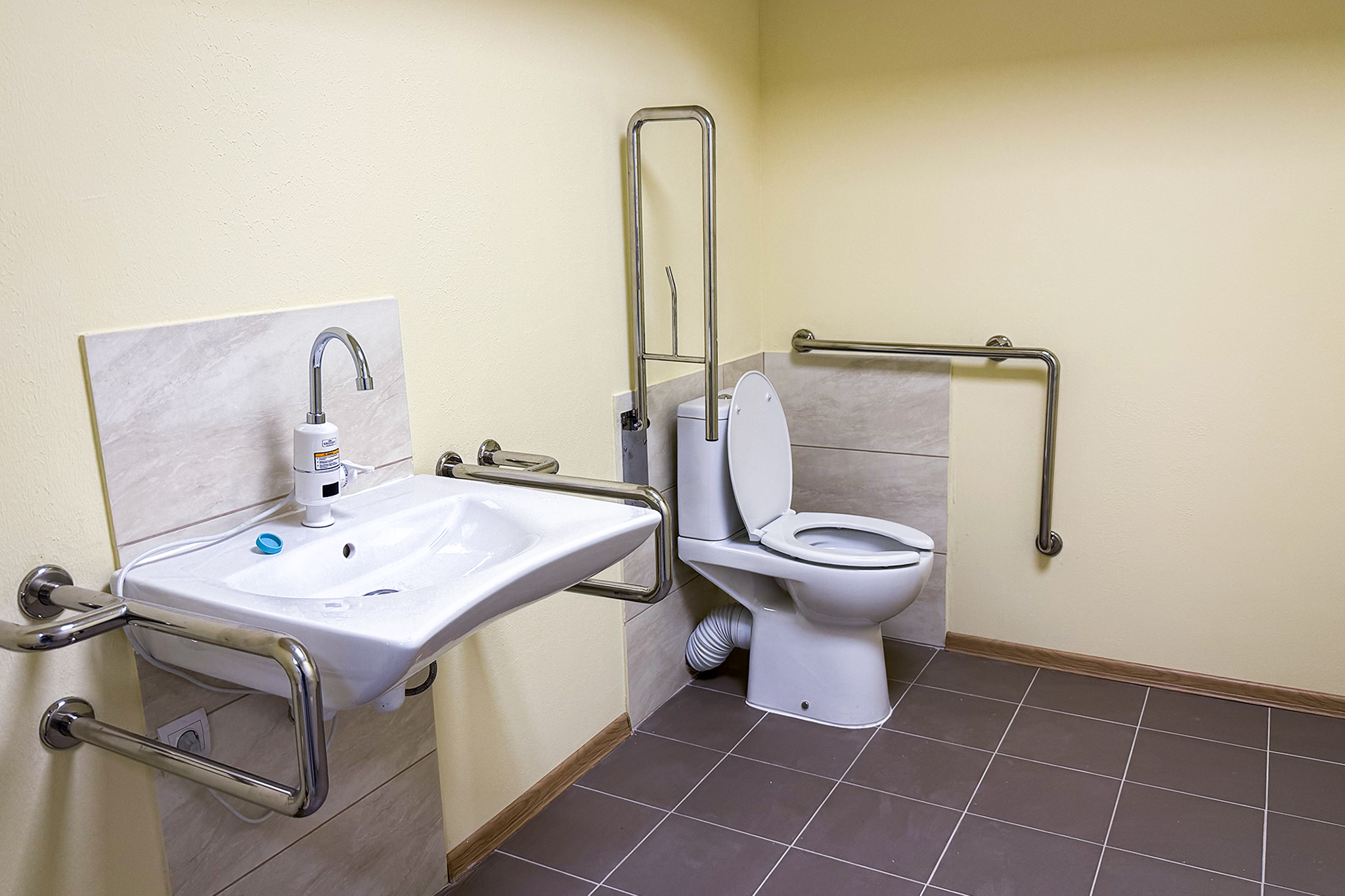
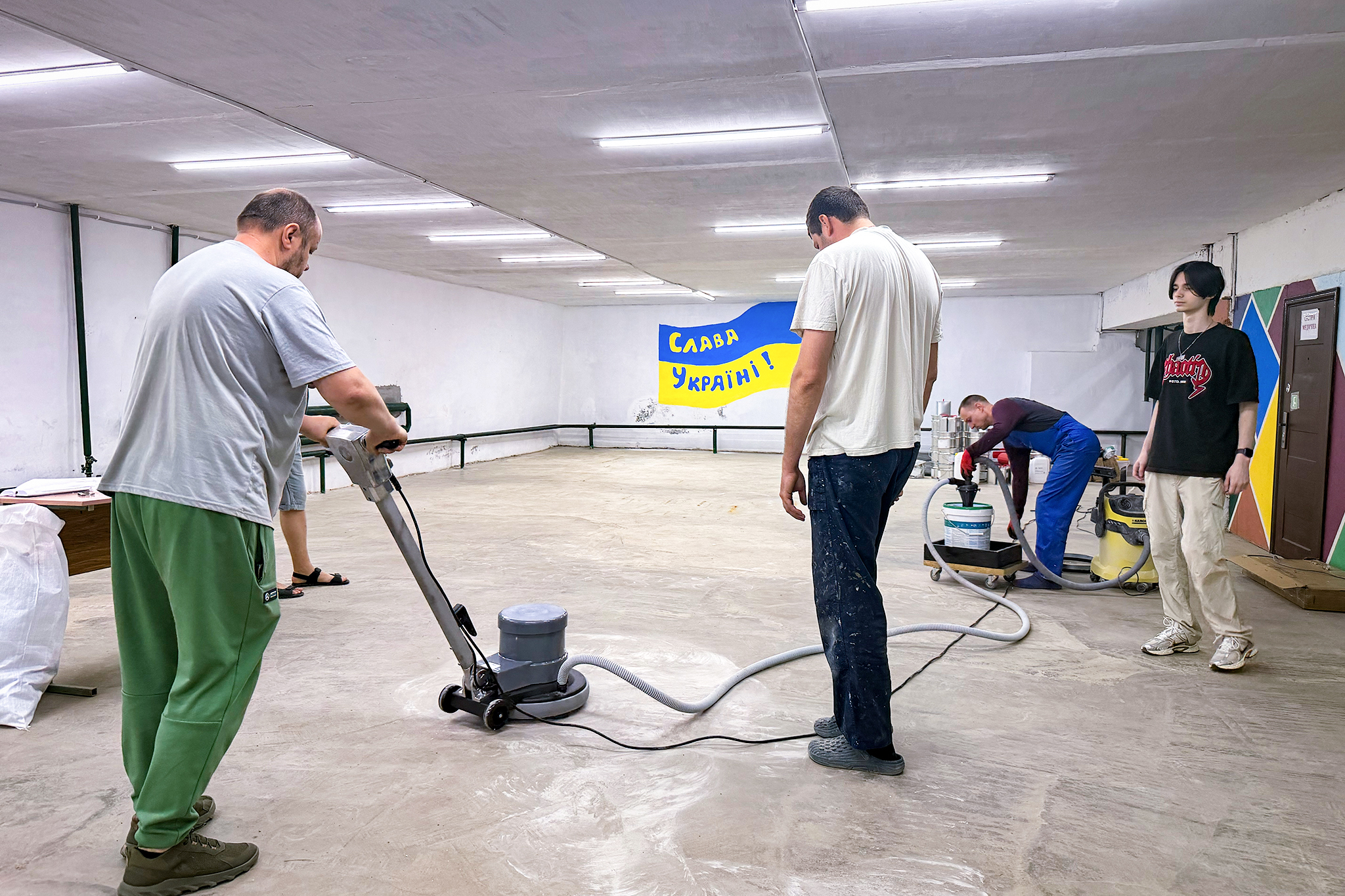
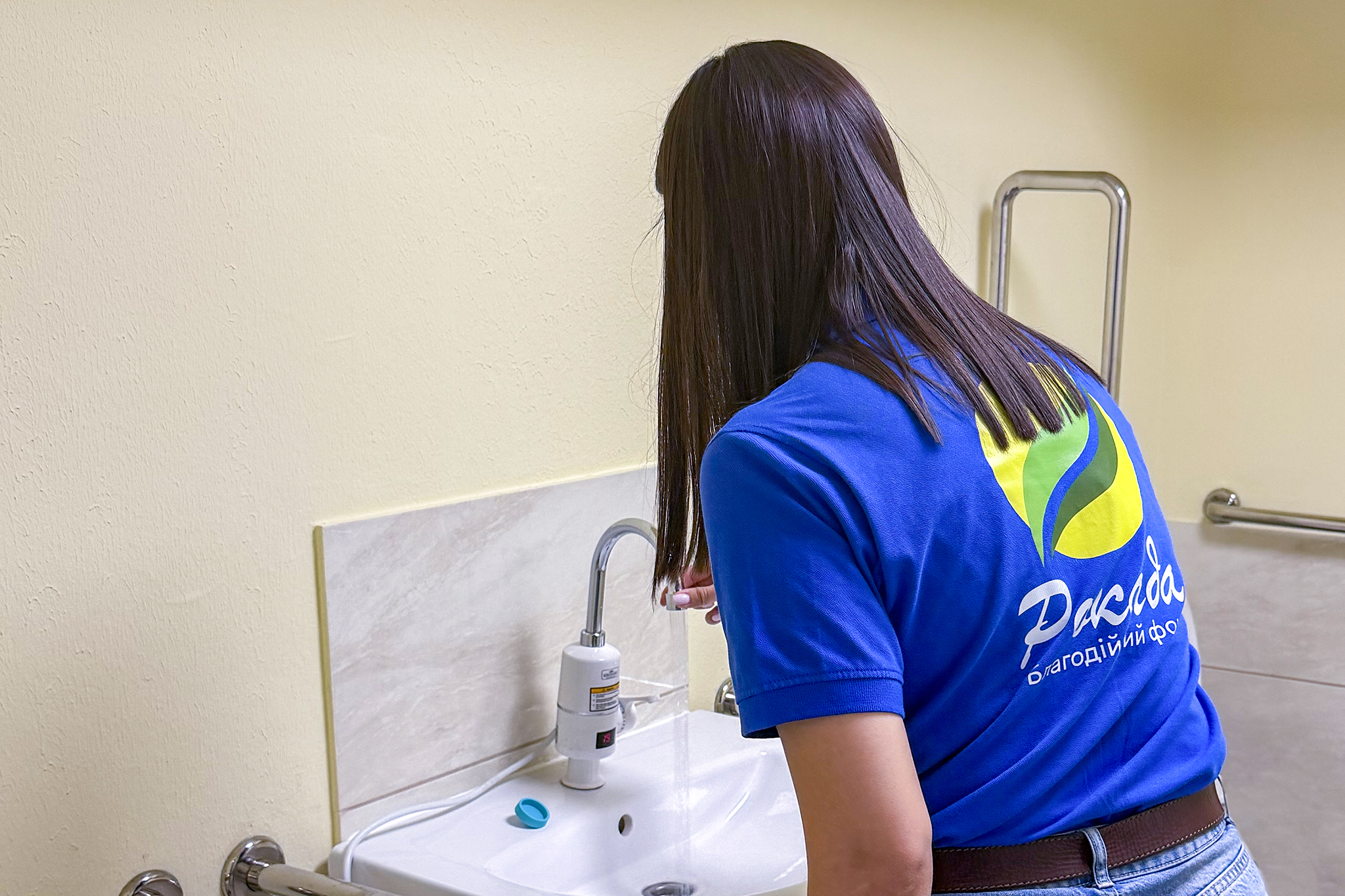
In the educational institution of Synivka, more renovation tasks were completed. The updated shelter is designed to accommodate more than 400 people.
“Rokada equipped a restroom, installed washbasins and dryers. In the learning spaces, the floors and partially the walls were updated. Our specialists also carried out zoning — now, thanks to mobile partitions, the open space can be divided into several classrooms. Additionally, the lighting was modernized,” notes Valentyna Ihnatusha, adding that the fund will soon equip the shelters in both lyceums with furniture and appliances.
In total, the project in the Sumy region covers four educational institutions. In addition to the Okhtyrka and Synivka communities, the equipping of shelters will take place in the Stepanivka and Sumy communities.
The project is implemented by the Rokada charitable fund with the support of the Italian Agency for Development Cooperation (AICS) in partnership with the Bukovinian Agency for Initiatives and Development (BAID) and Un Ponte Per ETS (UPP).