
Rokada joins the Ukraine Recovery Conference: outcomes of the event
This year, the Ukraine Recovery Conference was held for the fifth consecutive time, bringing together more than 7,000 participants, including heads of state and government, members of national parliaments, international organizations, business leaders, as well as representatives of local governments and civil society organizations. The objective of this high-level political event is to strengthen global support for Ukraine’s reconstruction and to stimulate private sector investment.
The conference in the Polish city of Gdańsk, held on June 25–26, focused on international networking and joint reconstruction strategies. The city was chosen for its symbolic history; much of its historic center was destroyed during World War II and later rebuilt by its residents.
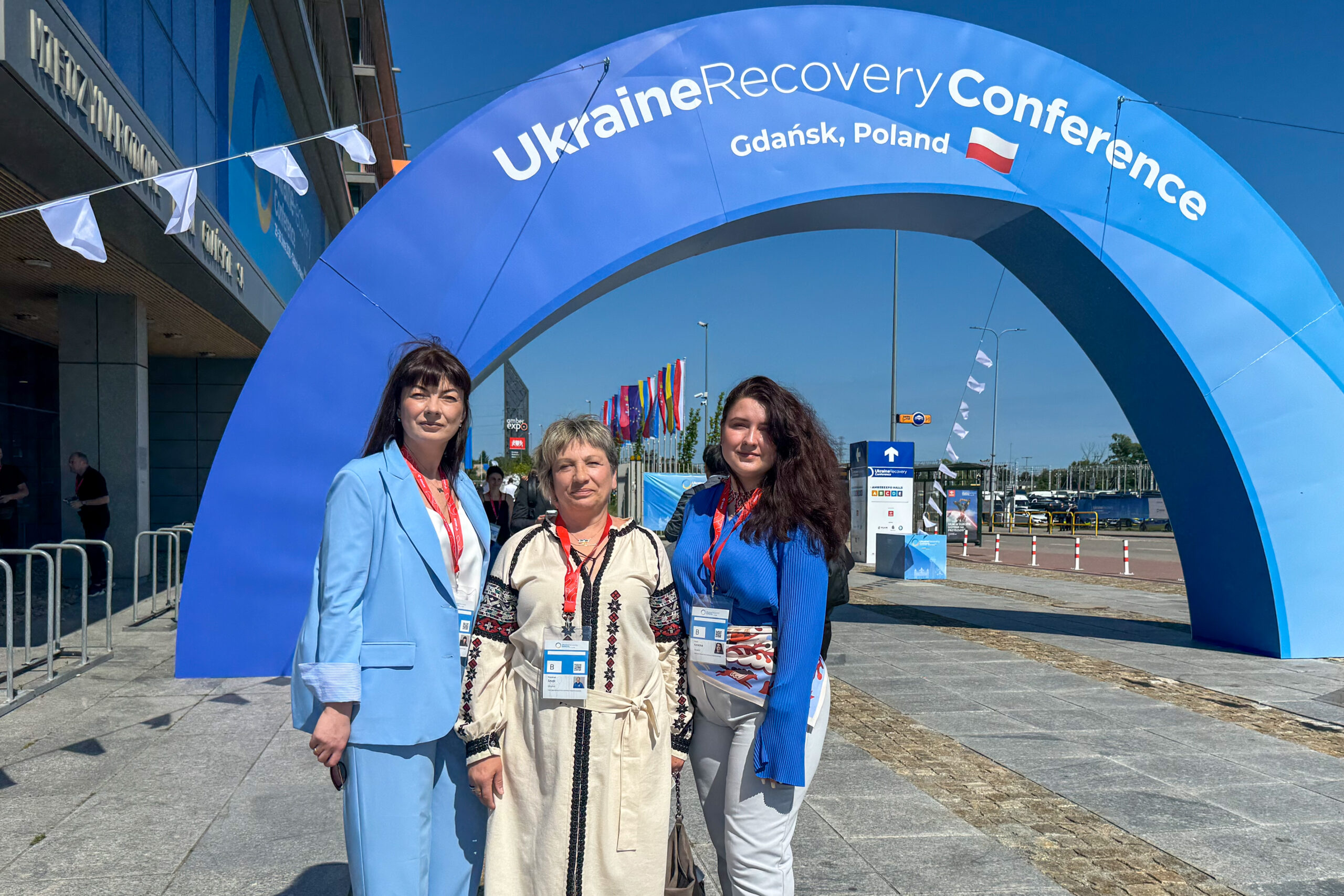
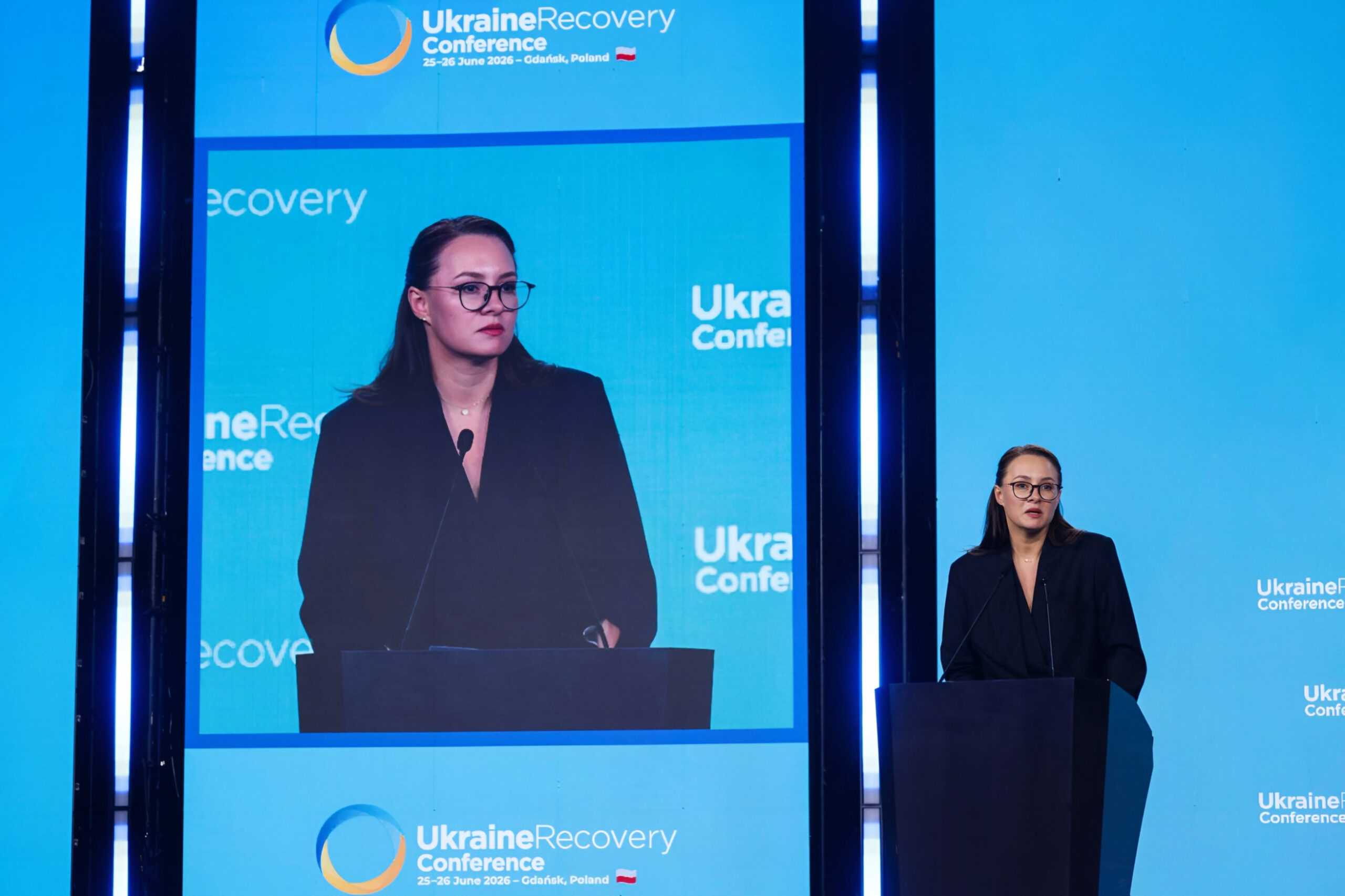
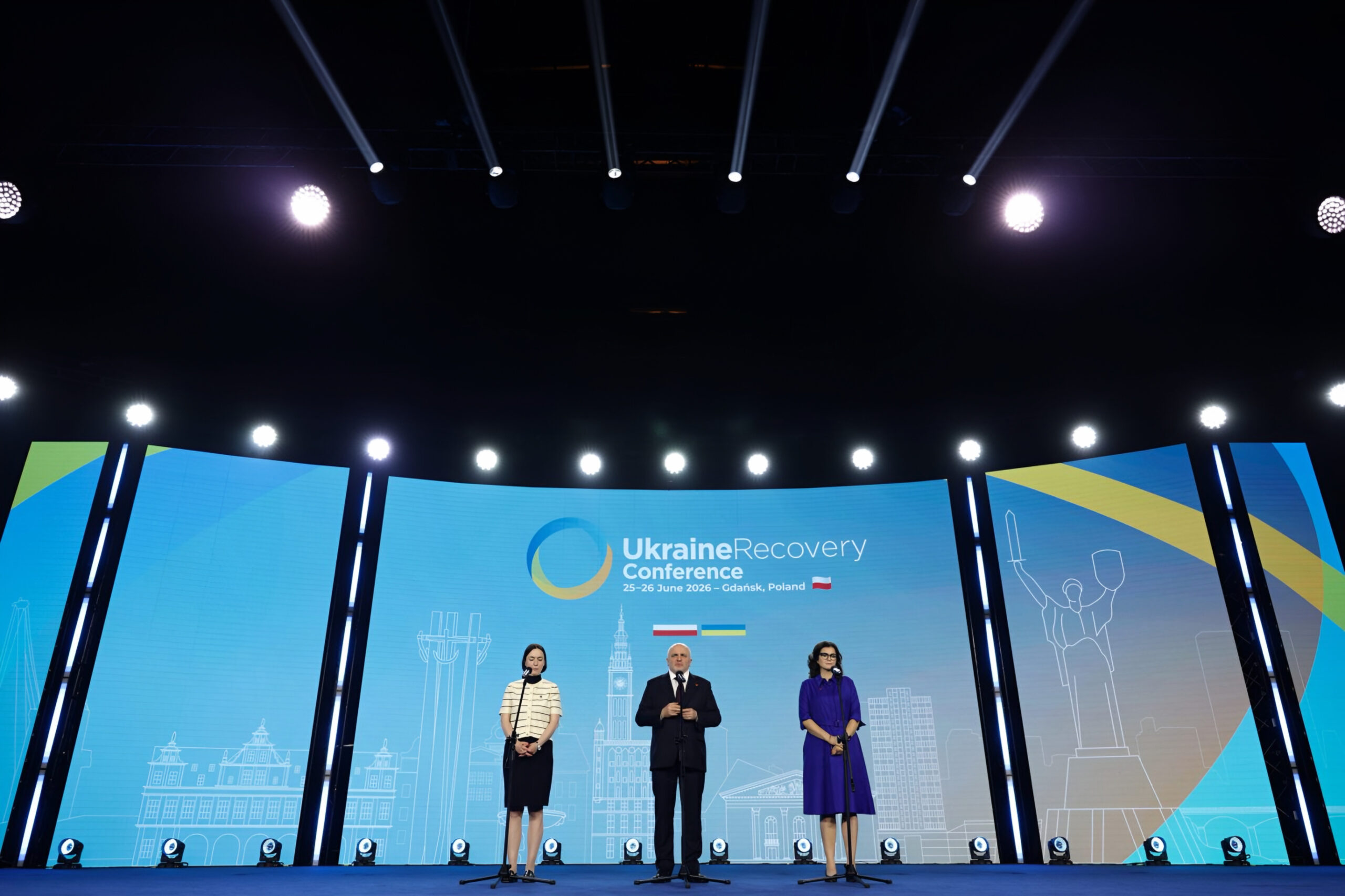
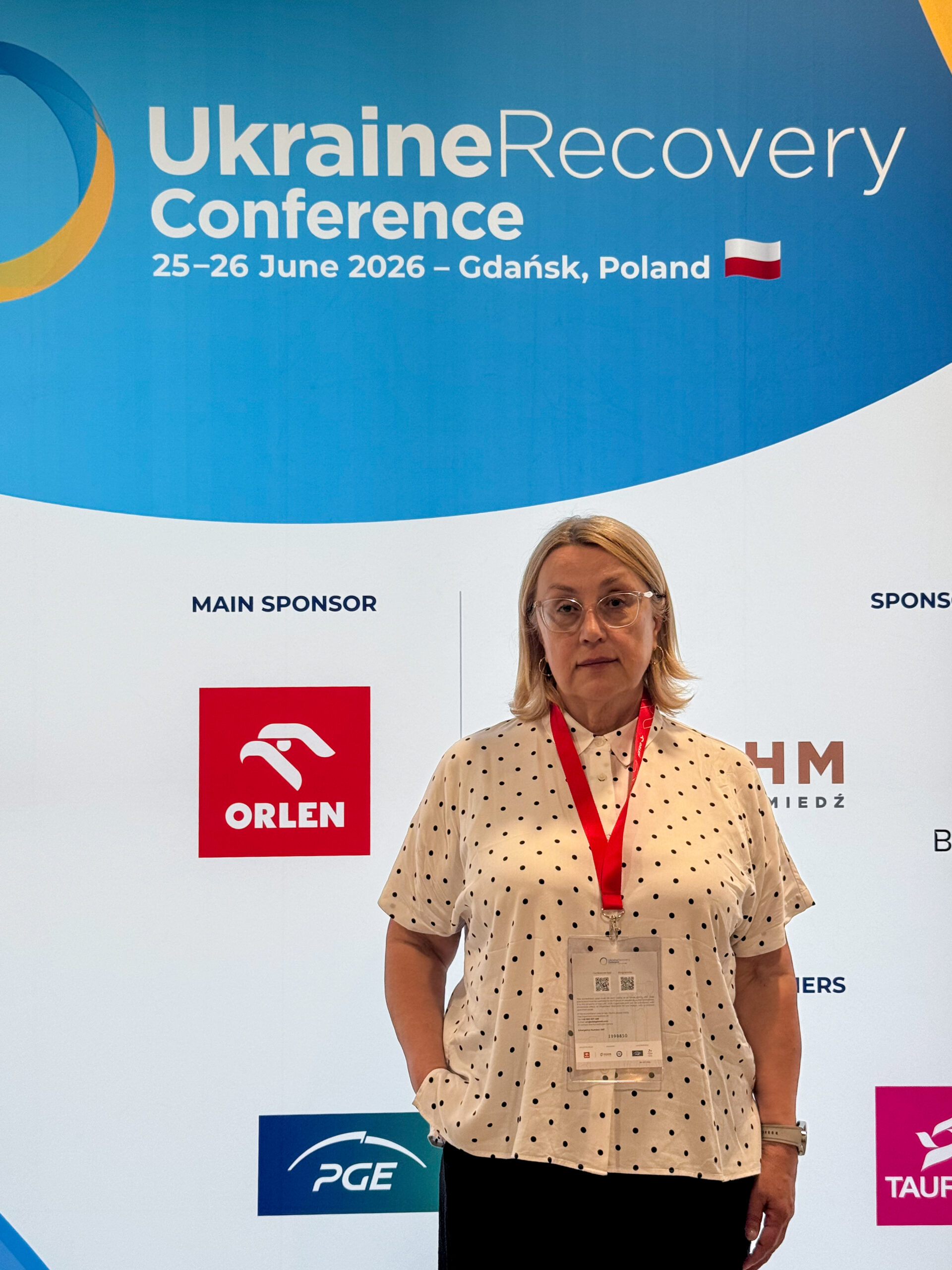
Representatives of Rokada joined such a large-scale international event for the first time. Despite the busy program, the colleagues managed to meet with dozens of partners and reach agreements on future joint projects.
“We were looking for new partners deliberately, of course. However, sometimes it happened completely by chance, while we were trying to figure out the coffee machine together or find the correct tram stop. Unfortunately, there was not enough time for all the important talks, but we sincerely hope that we will be able to strengthen cooperation with Polish institutions and communities,” said Dina Gud, head of the Partnerships and Fundraising department.
Additionally, Rokada supported the Gdansk Common Message, a joint appeal signed by more than 200 civil society organizations addressing the Ukrainian government and international partners. The document states that the reconstruction of Ukraine “must be human-centered, human-rights-based, and develop as a genuine partnership where civil society acts not just as a participant, but as a strategic partner.” The appeal was adopted during the Civil Society Forum, which took place within the framework of the conference and was supported by the International Renaissance Foundation and the Stefan Batory Foundation.
“Connecting with the communities represented at the URC for the first time was highly important for us,” Dina Gud concluded. “Almost every region is familiar with and highly values our work, which inspires our further efforts. We also managed to strengthen ties with state institutions operating in our key areas, namely work with veterans, youth, and women.”
Many challenges and complex tasks remain ahead. However, nothing is impossible when the state, businesses, international partners, and the public sector unite to rebuild and develop Ukraine. The conference served as a vital platform for networking, fostering mutual understanding, and shaping a shared vision for the future.