
Ukraine’s resilience centers mark International day for the elimination of sexual violence in conflict
19 June marks the International Day for the Elimination of Sexual Violence in Conflict (CRSV). This issue remains one of the most painful for Ukraine, where the ongoing war inflicts the severest consequences.
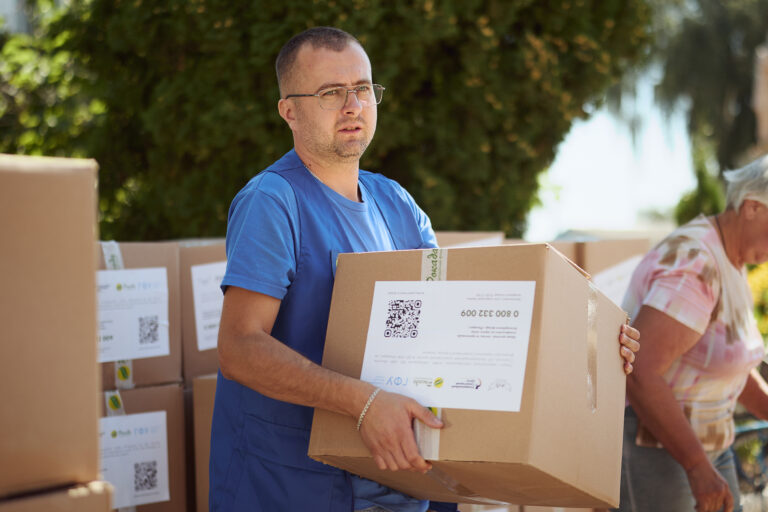
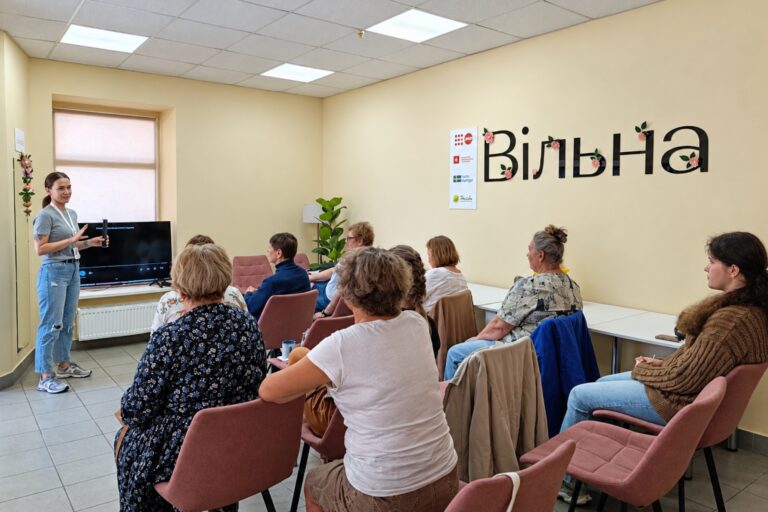
To mark this date, Resilience Centres in Poltava, Kharkiv, and Sumy held themed events — ranging from inter-agency discussions to street awareness campaigns — to speak openly about CRSV and remind everyone that no person should be left alone with their experience.
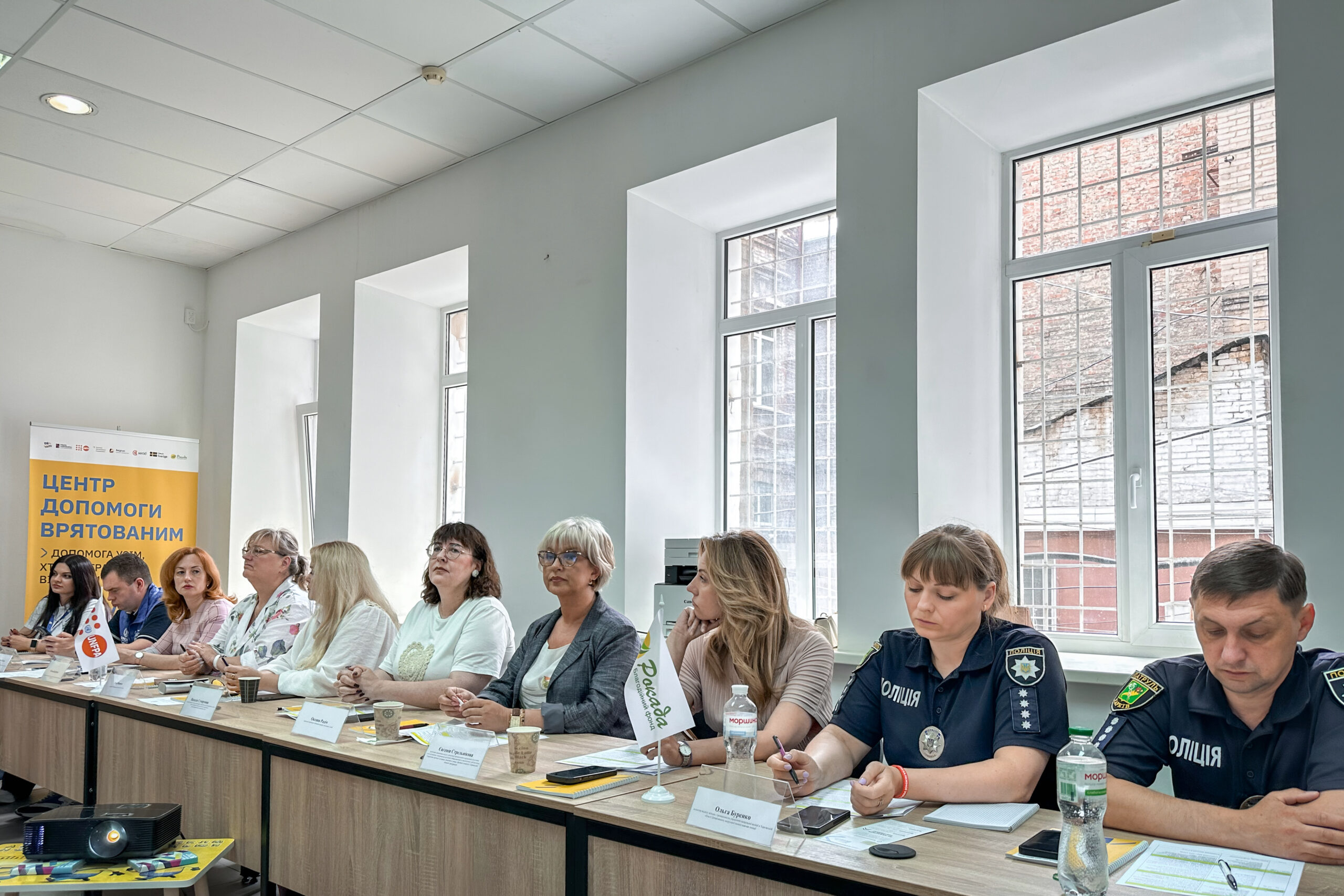
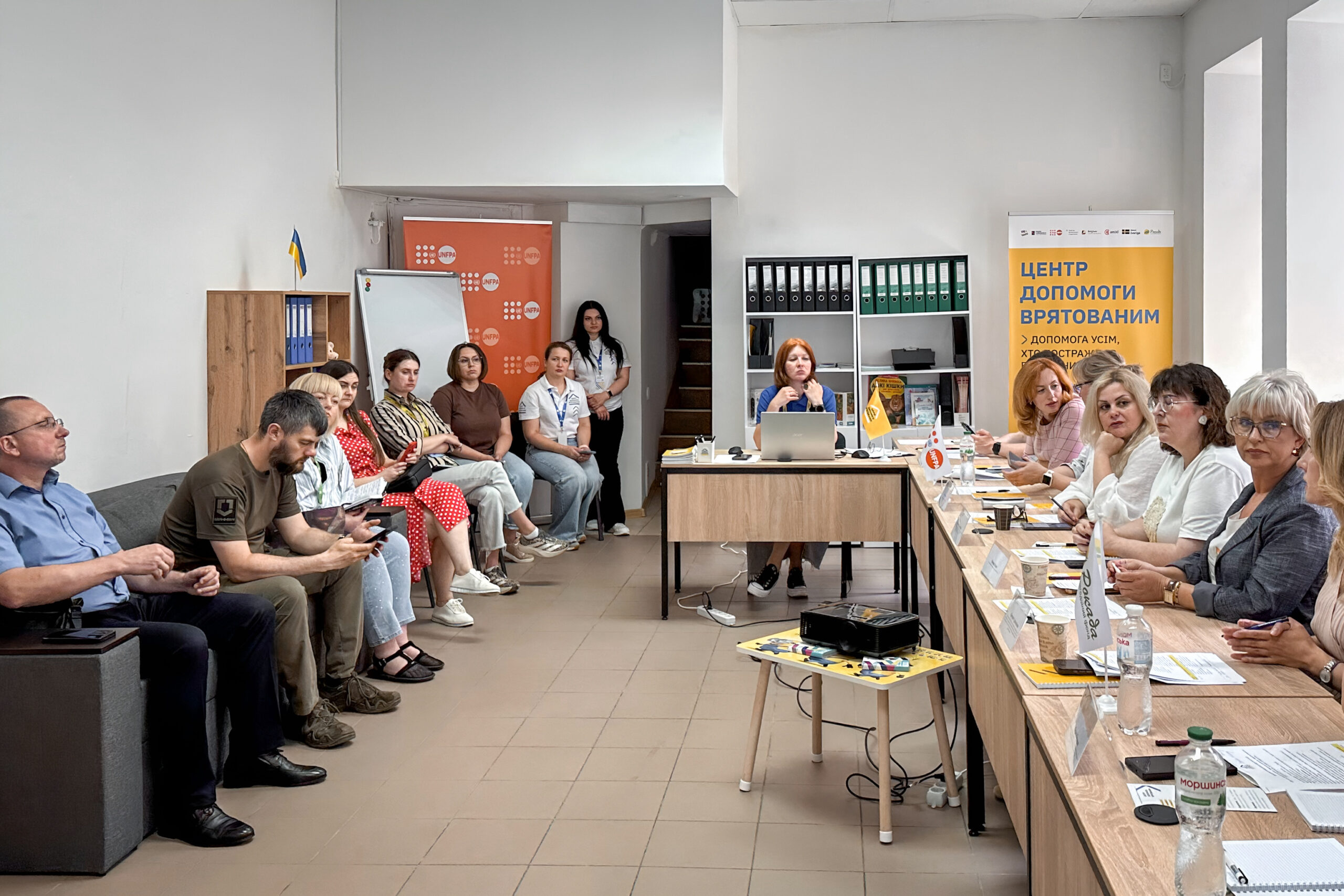
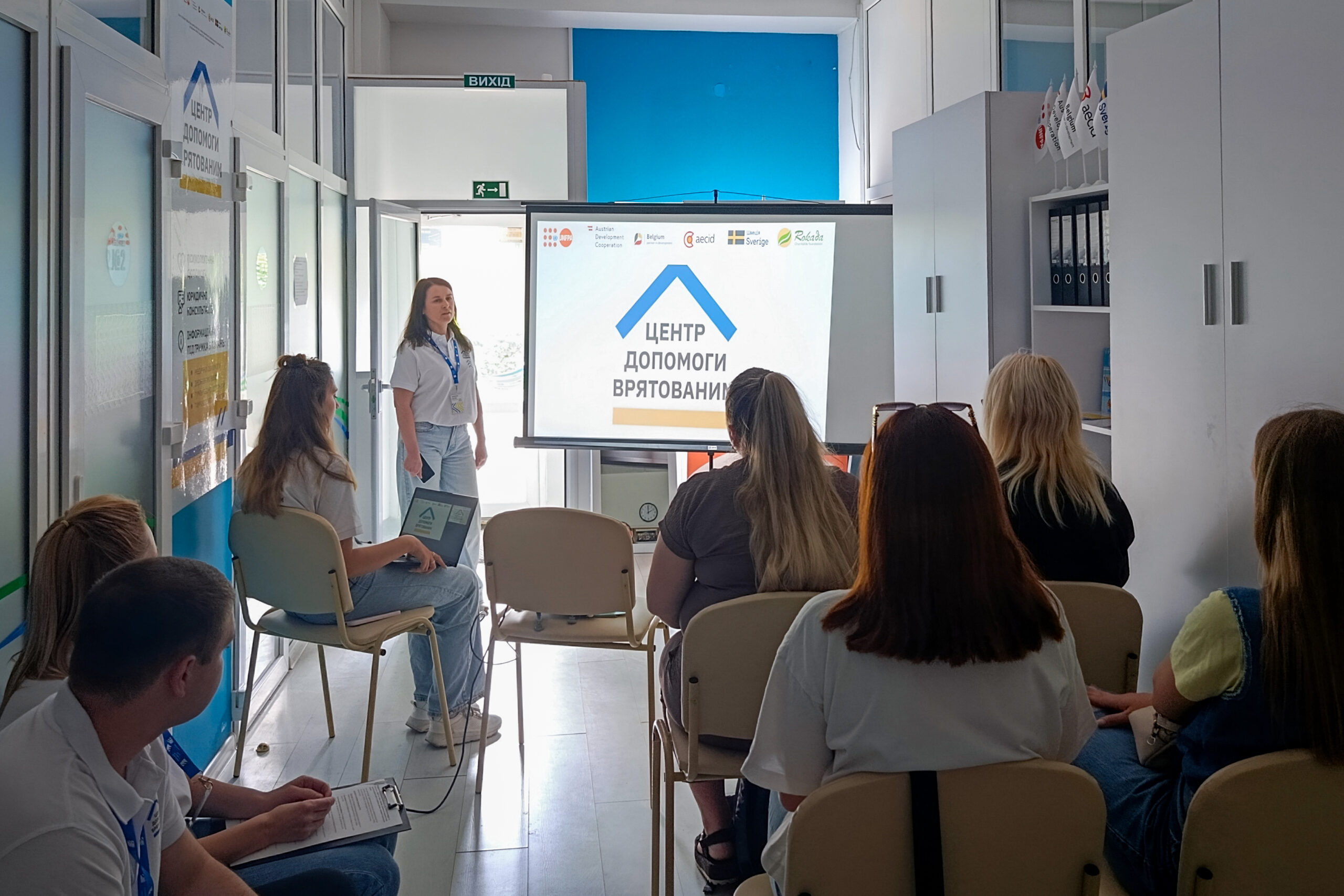
On 19 June, the Survivors Support Centre in Poltava hosted an inter-agency panel discussion titled United for Support: Inter-Agency Cooperation in Responding to Conflict-Related Sexual Violence. The event brought together government officials, law enforcement representatives, legal aid providers, non-governmental organisations, displaced local authorities from the Donetsk and Luhansk regions, and internally displaced persons (IDPs).
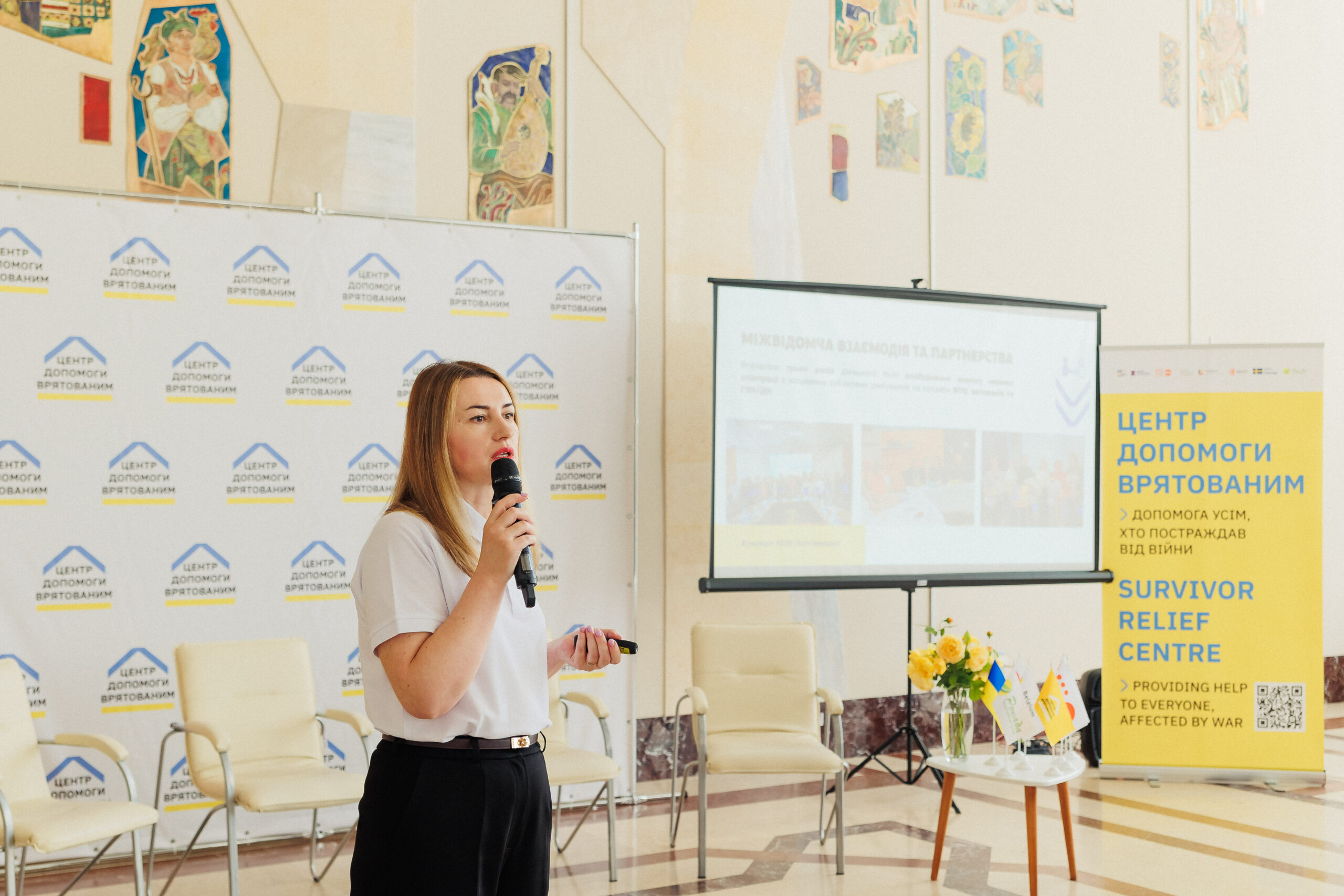
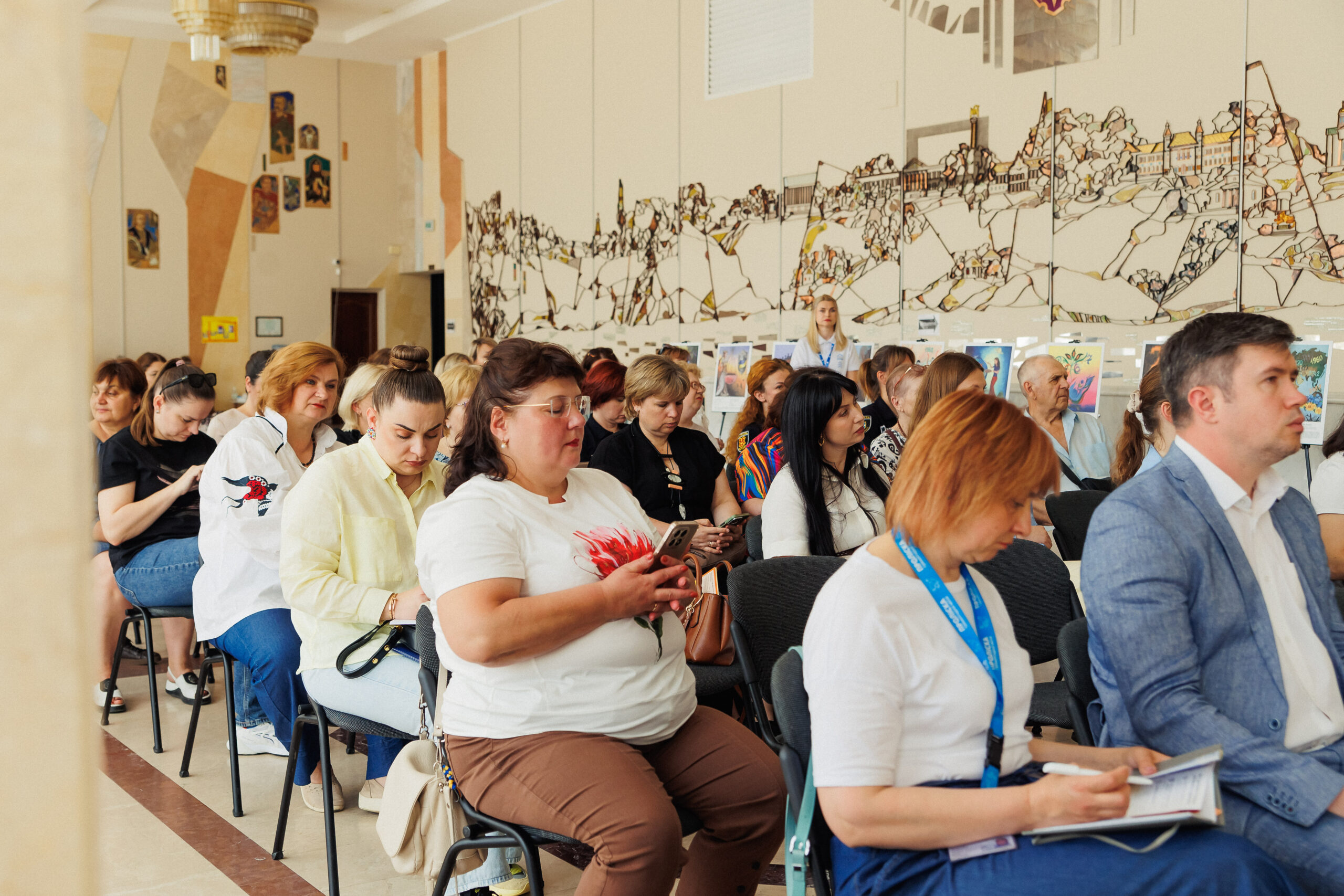
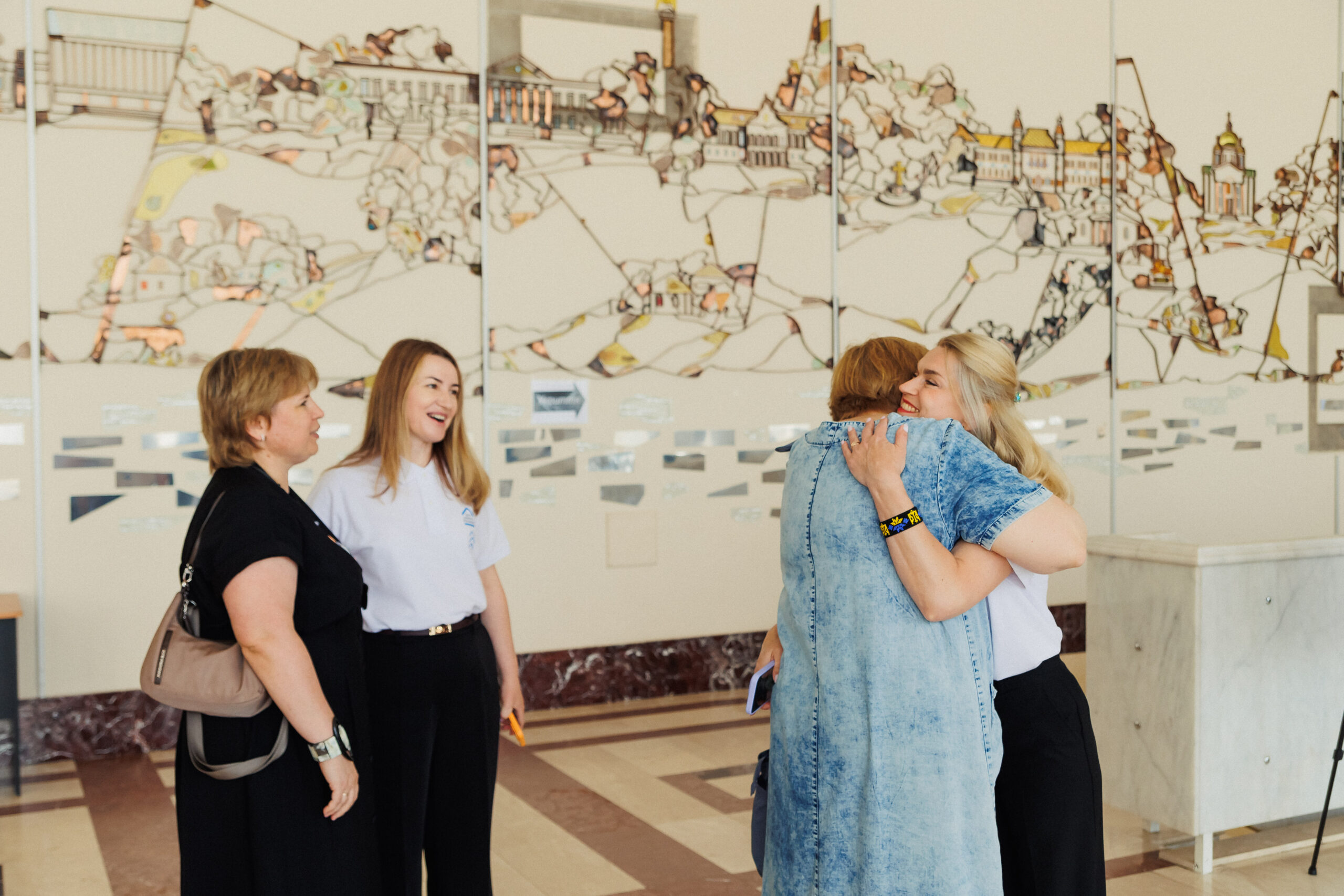
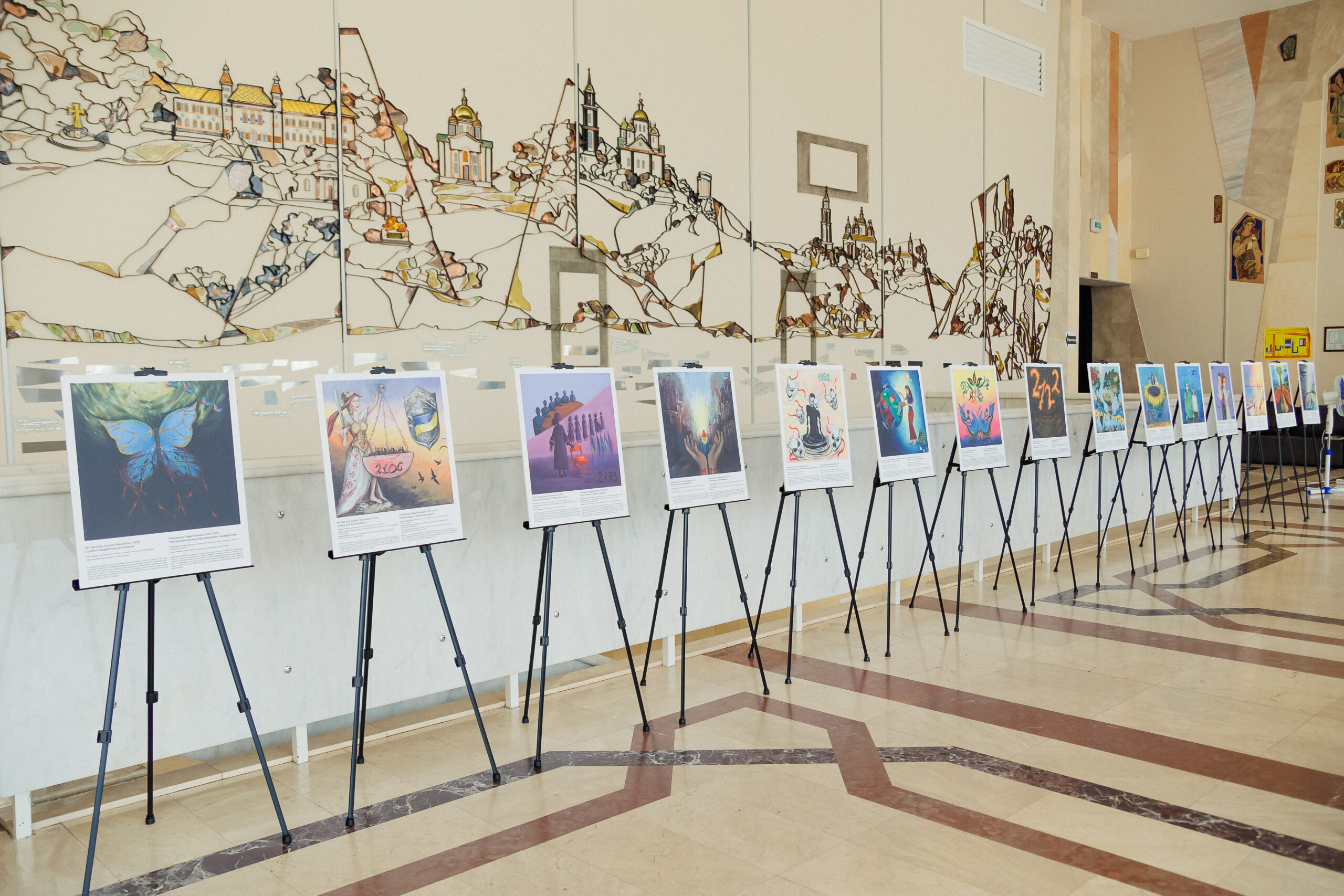
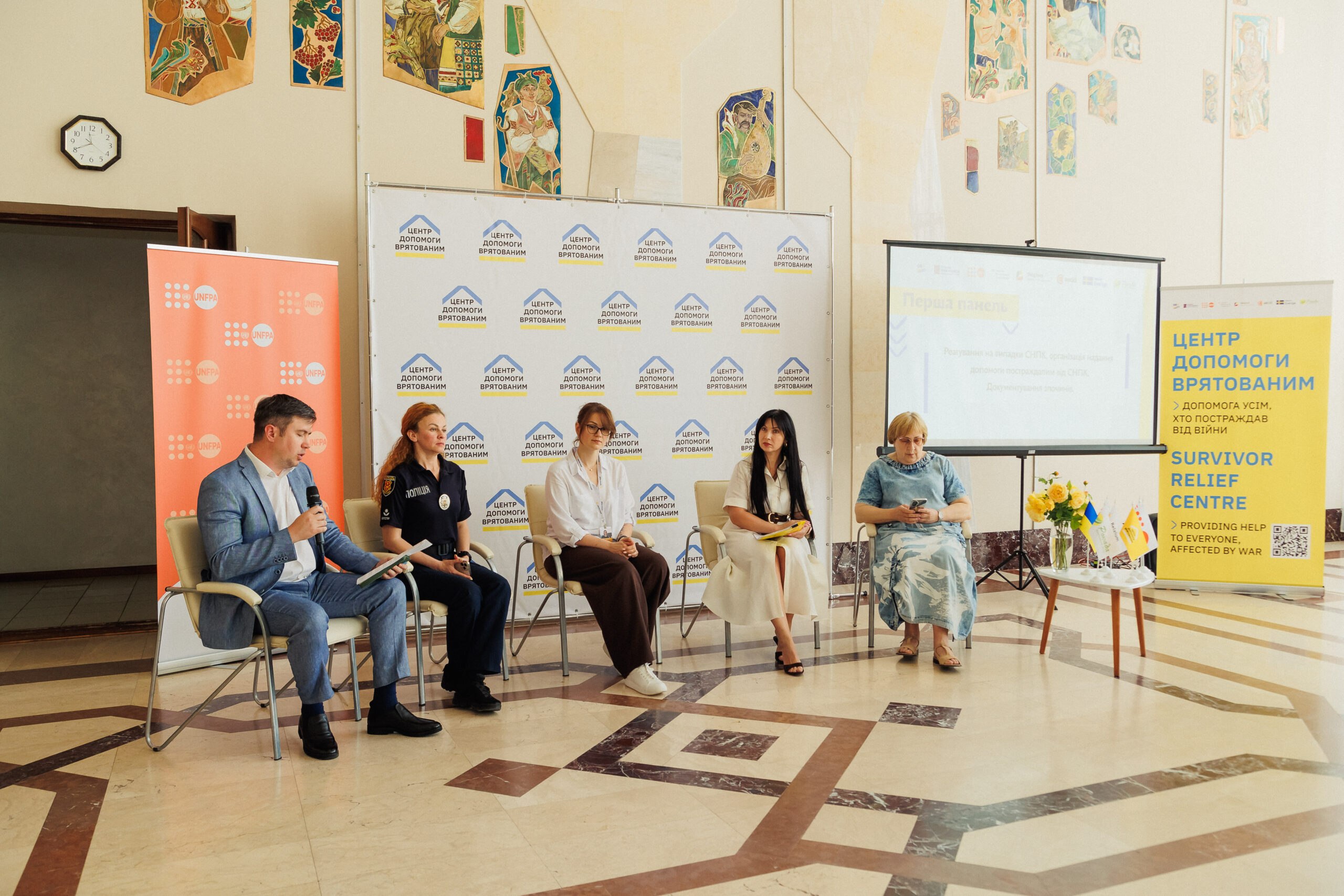
Discussions focused on making the support system more accessible, sensitive, and effective for survivors of wartime sexual violence. Participants addressed inter-agency cooperation mechanisms, the complexities of documenting these crimes, access to legal aid, and practical tools for providing social, legal, and psychological support.
The dialogue was further informed by first-hand accounts from survivors who have undergone the recovery process. Their experiences reinforced a central theme of the event: behind every case is a human story that demands not only a professional response, but also respect, trust, and a safe space.
A key takeaway from the discussion was that every potential “entry point” to the support system—whether a social worker, medical professional, psychologist, law enforcement officer, or community representative—must be equipped to provide initial assistance and ensure timely referrals to the appropriate services.
Nataliia Deriabina
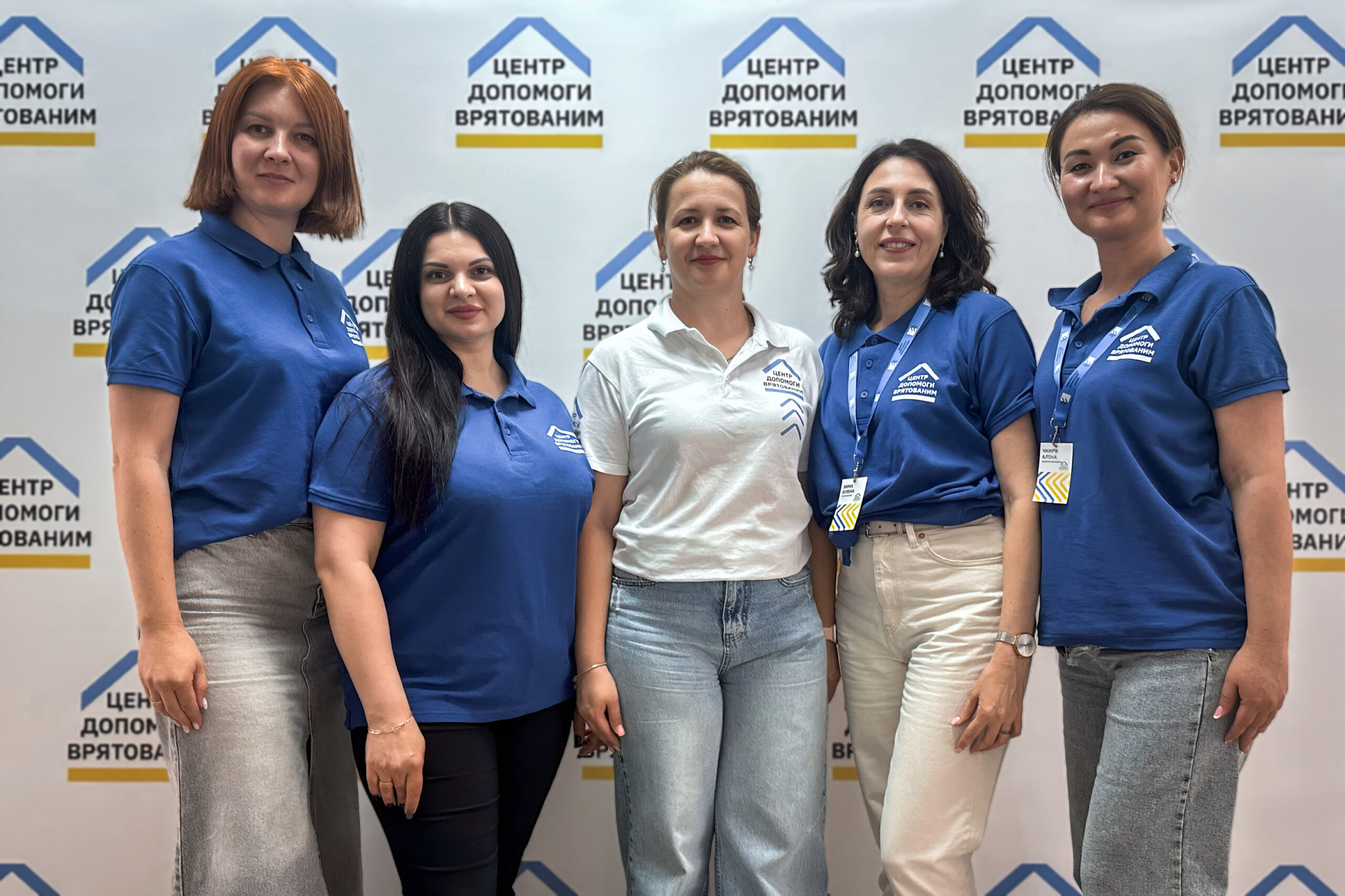
Coordinator of the Resilience Centre in Poltava:
Supporting survivors of conflict-related sexual violence is a shared responsibility of the state, civil society, and international partners. Only effective inter-agency cooperation ensures that every person receives safe and comprehensive assistance in a timely manner.
On 19 June, the Kharkiv Resilience Centre hosted an inter-agency round table themed United for Support. Participants focused on cross-sectoral cooperation, referral pathways for survivors, and available legal, psychological, social, and medical assistance, while addressing key challenges in documenting and managing CRSV cases.
In Sumy, the Survivors Support Centre team chose an educational approach, holding an “United for Support” information session alongside an outdoor solidarity event. The Centre’s legal expert detailed the statutory protections available to CRSV survivors. The session aimed to raise awareness of conflict-related sexual violence and survivors’ rights, outline available mechanisms for legal protection, assistance, and justice, help overcome the stigma and fear that prevent survivors from seeking help, and emphasise the critical importance of recording and documenting war crimes to ensure accountability.
The participants examined the nuances of cross-sectoral cooperation, referral pathways for survivors, and available mechanisms for legal, psychological, social, and medical assistance. They also addressed the specific challenges encountered during the documentation and case management of conflict-related sexual violence (CRSV). The roundtable concluded with a commitment to strengthening institutional partnerships, sharing practical expertise, and outlining future steps to improve the response system.
Olena Kyrychuk,
Coordinator of the Resilience Centre in Kharkiv:
We want to ensure that survivors receive timely and comprehensive support – psychological, social, legal, and medical – in a safe space where they are heard and not judged. We are convinced that overcoming the consequences of conflict-related sexual violence requires not only professional assistance but also bringing the entire community together. Meetings like this are a vital step toward strengthening the human rights protection system and supporting those who have survived the heaviest consequences of the war.
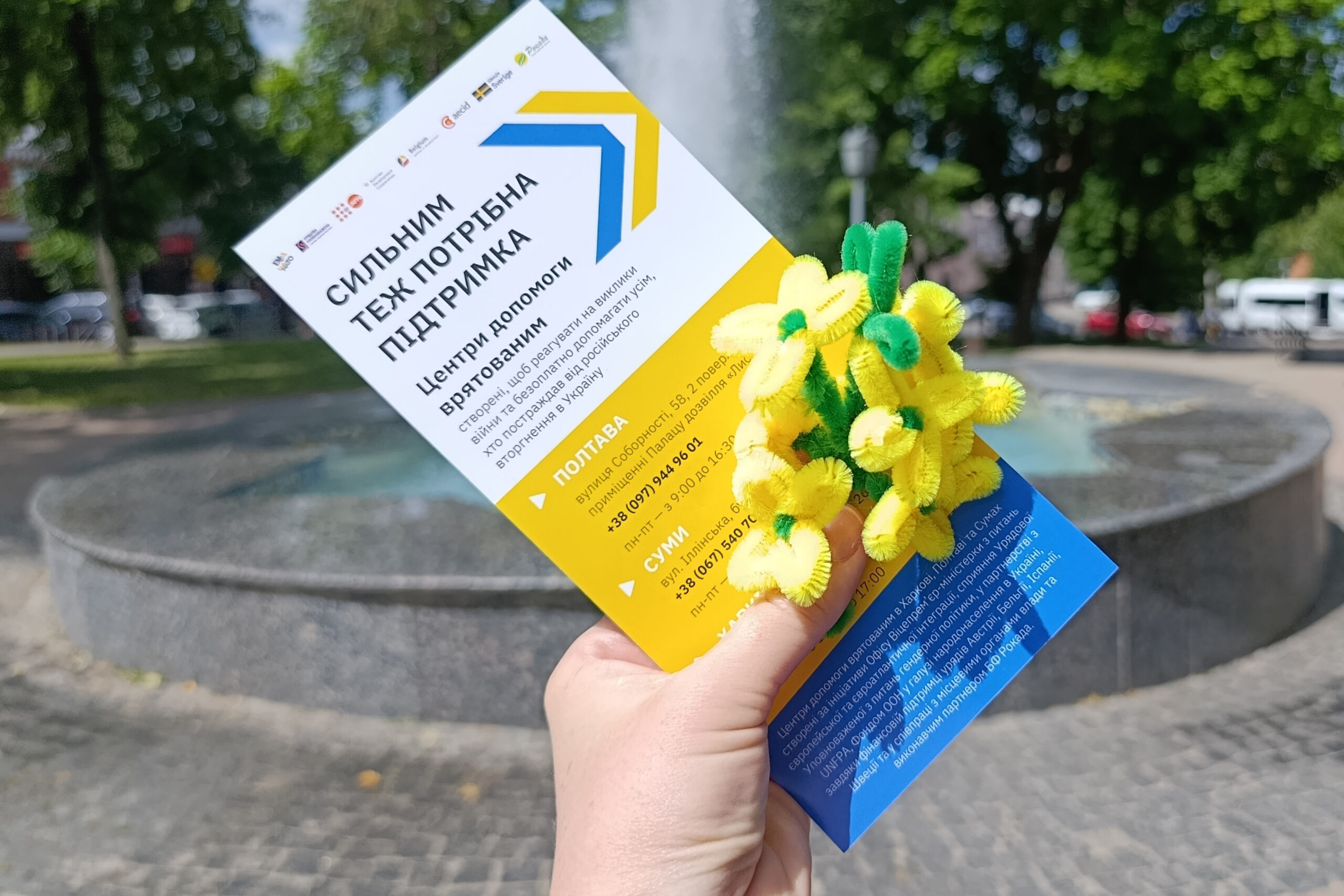
Social workers engaged with passersby, asking simple questions — whether they knew what day it was, what CRSV stood for, and what the rapeseed flower symbolized — while explaining why it is vital to speak openly about this topic despite its complexity. The flower was chosen as a symbol for a reason: it is resilient to challenges, strong, and recovers quickly — much like a person who has survived violence. Participants in the campaign were invited to join the initiative and share photos on social media against the backdrop of blooming rapeseed fields.
Yulia Bakina,
Coordinator of the Resilience Centre in Sumy:
This is not just an information campaign; it is a lifeline of support for CRSV survivors. Our goal is to prevent these crimes from being silenced, and ensure that the voices of survivors are heard and taken into account. We must speak out and show our support so that people are not afraid of judgment or ashamed of what they went through.
Conflict-related sexual violence is an issue that often remains hidden in silence due to fear, stigma, and misunderstanding.
The Resilience Centres in Sumy, Kharkiv, and Poltava were established at the initiative of the Office of the Vice Prime Minister for European and Euro-Atlantic Integration, with the assistance of the Government Commissioner for Gender Policy. The initiative is implemented in partnership with UNFPA, the United Nations Population Fund, through the financial support of partner governments, including Austria, alongside local authorities and the “Rokada” Charitable Foundation.
UNFPA, the United Nations Population Fund, is the leading UN agency focusing its work on gender equality, reproductive health, and empowering young people. Together with its partners, UNFPA has been operating in 150 countries and territories globally since 1997, and has maintained a presence in Ukraine.
For more information about UNFPA and its work in Ukraine, please visit:https://ukraine.unfpa.org/en