
When the waste heaps are out of sight: Anastasiia’s story of life far from home and the hope of return
Anastasiia has had to flee the war twice – first in 2015, when she moved from her native Donetsk to Pokrovsk. The second time was in 2022, when she sought safety a thousand kilometers away in western Ukraine.
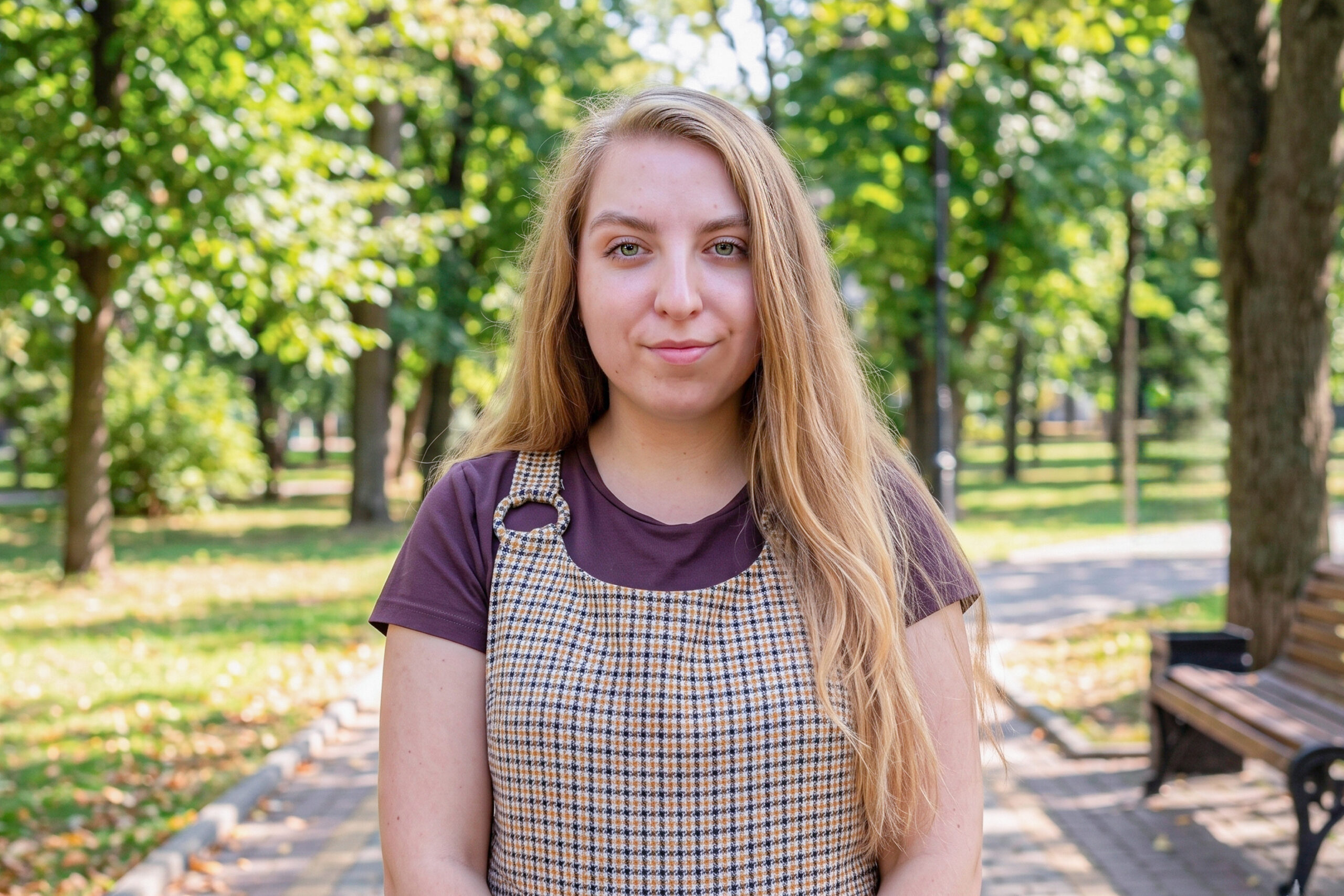
“I remember May 26, 2014, very well. I was walking from school to a friend’s house when I saw military helicopters in the sky. At that moment, I felt that something had changed, that my childhood had effectively ended,” she says.
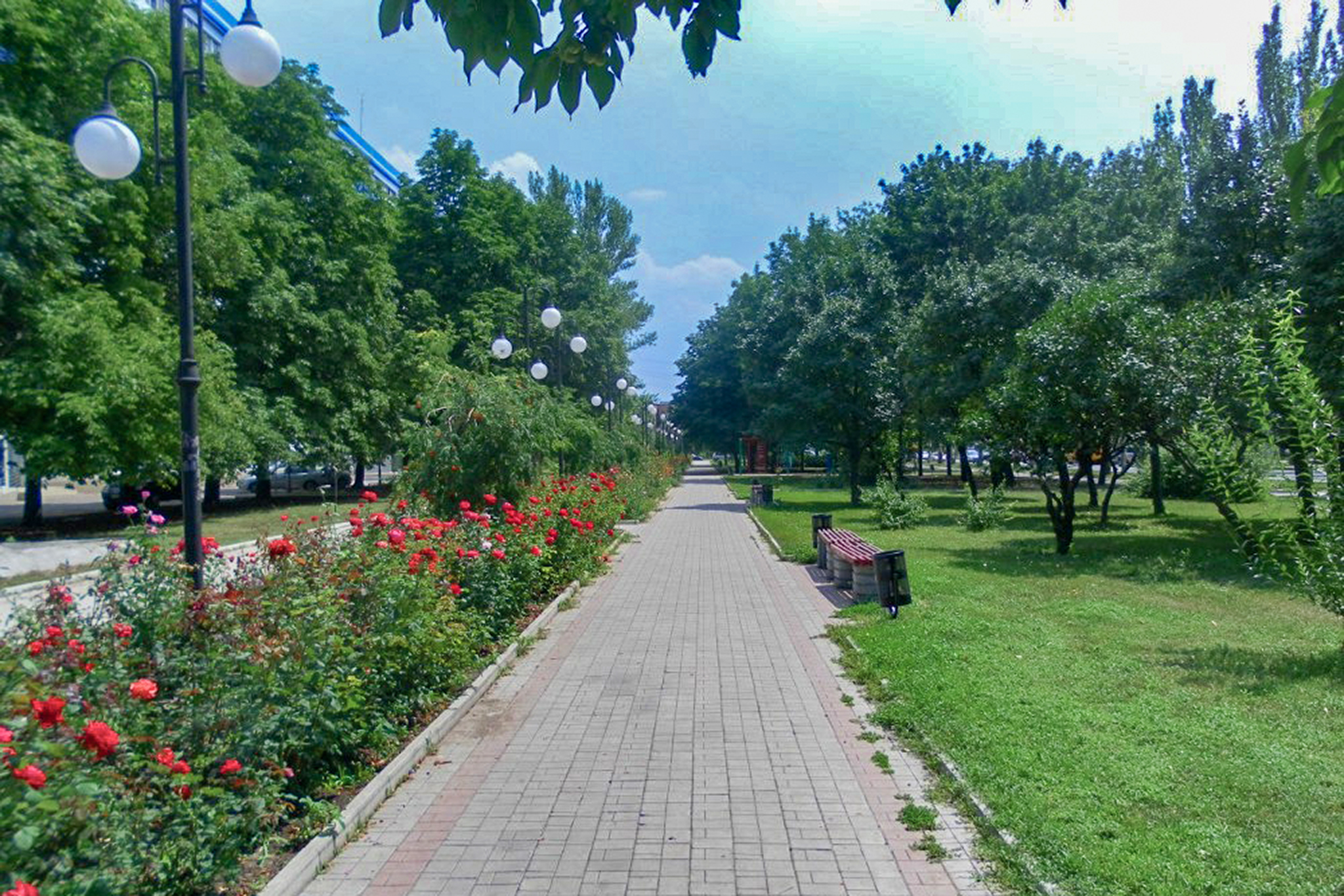
Then 17, Anastasiia planned to attend the National Technical University in her native Donetsk. To her, it was the only city she could ever truly call home — a place where she knew every street, adored its millions of roses, and had become a passionate football fan. She could never have imagined that a time would come when she would see it for the last time.
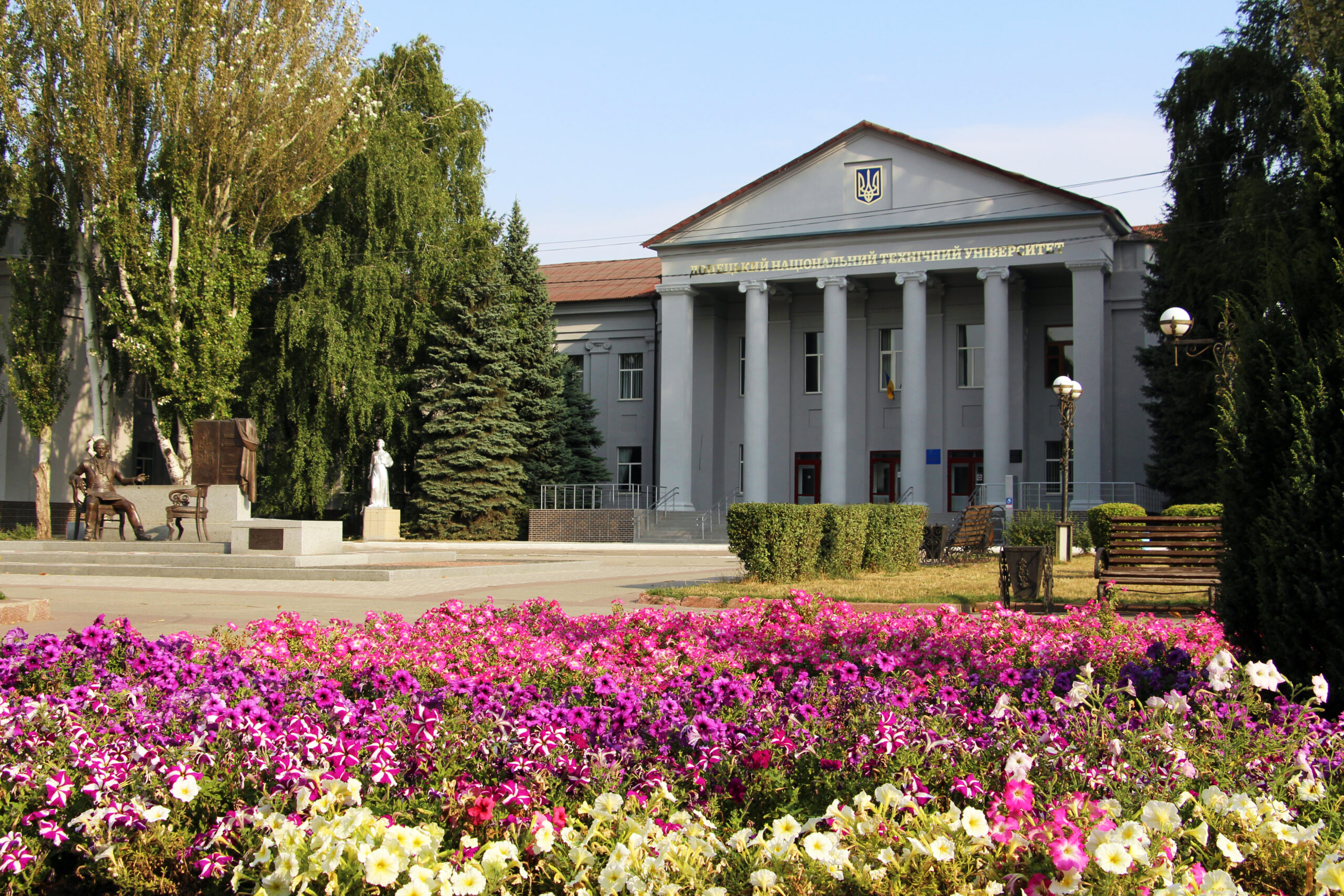
The Russian occupation shifted the high school graduate’s dream. The university was evacuated to Pokrovsk, and Anastasiia followed.
“In April 2022, I had to move again with the university, this time to Lutsk. I lived there for two years, and then, along with the university, we were evacuated again to the Lviv region, to Drohobych. It wasn’t just a single move, but a long journey of constant forced displacement. First Donetsk, then Pokrovsk, then Lutsk, and Drohobych. Eventually, I started working at the university and simultaneously joined the Rokada team,” Anastasiia says.
The feeling of home is when loved ones are near, when you always wait for the New Year holidays, and when you count the days until the beginning of summer to rest at the sea, she says.
“We had our own traditions that held us together. For the New Year holidays, we visited family in the region: the preparations, bags of gifts, the road, and conversations about who cooked what and at whose place we were gathering that year. Remembering these moments now is very painful, yet very heartwarming at the same time,” Anastasiia shares.
Now in Drohobych, with a daily view of the Carpathian Mountains, she sometimes imagines them to be her native Donetsk waste heaps.
“Before, the waste heaps were just something familiar and ordinary. But now, when I look at the mountains, I involuntarily remember them. To some, a waste heap is just an industrial landscape, but to me, it is part of my homeland, its character, and its skyline. They remind me of Donetsk, the road home, the vast expanses of the East, and the life that remains in my memory,” she reflects.
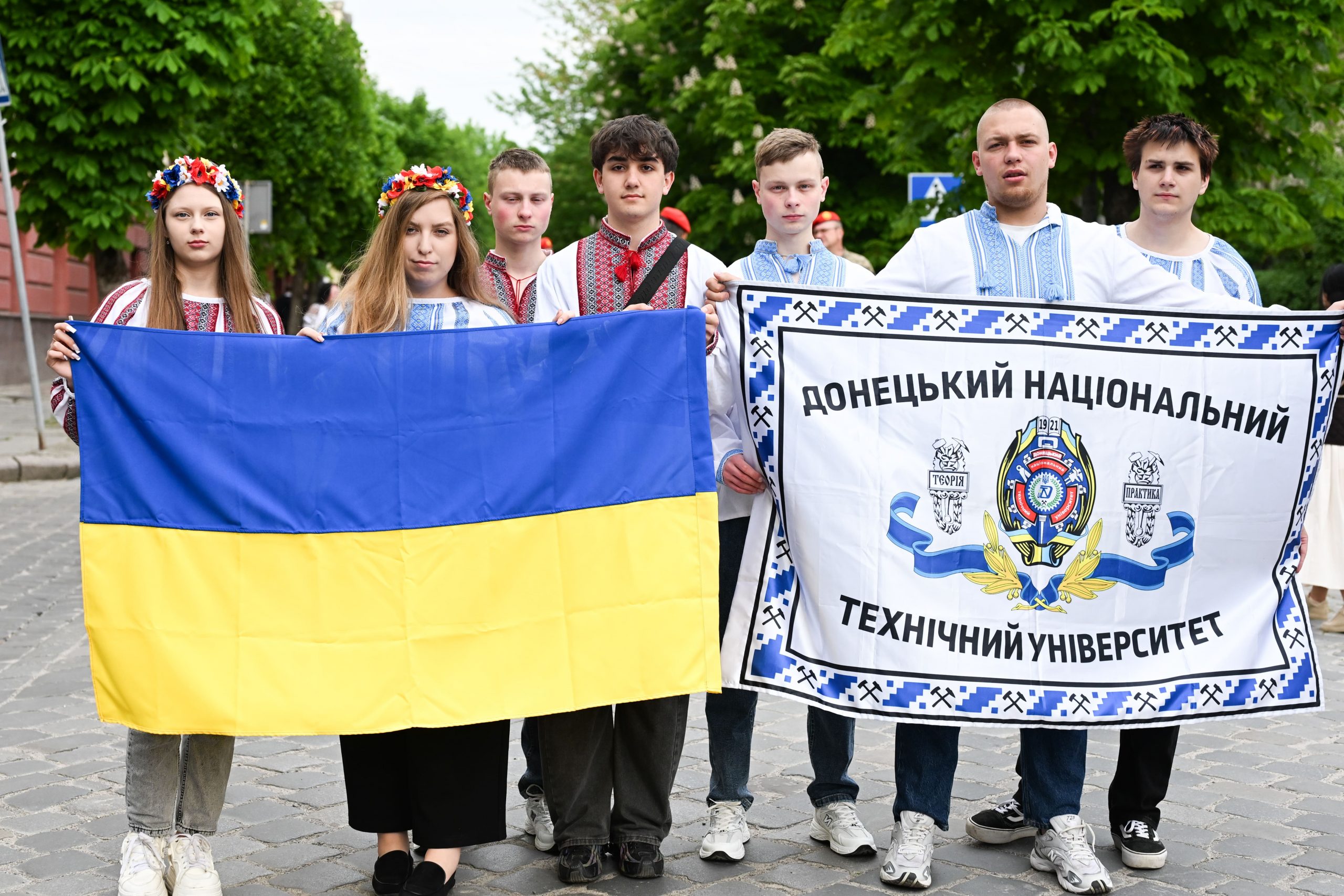
Most of all, Anastasiia Labuzova, like millions of other Ukrainians, dreams of victory and of a time when those forced to flee their homes will have the chance to reconnect with their roots.
“I don’t know what returning after victory will look like, but I know for sure: the connection to home never disappears, even when years, kilometers, and war stand between you and your native city. After everything we’ve been through, you value people, not things, the most. Family, support, the ability to stay in touch, simple conversations, and shared memories,” she notes.