
Active and visible: how veteran organisations in Kharkiv region are developing
The Valky Union of War Veterans and the Veritas Spes + Ukraine Charitable Foundation are participants in the project “Social Cohesion and Reintegration of Veterans in Ukraine”, implemented by the Rokada Charitable Foundation with the support of the International Organization for Migration and funded by the European Union. We continue our series about Ukrainian veteran organisations that have gained opportunities for sustainable development thanks to expert and financial support. This time the focus is on Kharkiv region.
The Valky Union of War Veterans is the youngest organisation taking part in the IOM project. It was founded just a year ago in Kharkiv region, but thanks to its activity and drive for change it has already formed a team of veterans and gained the community’s support.
The head of the NGO, Serhii Saienko, is a veteran himself. At the start of the full-scale invasion, he volunteered in his native Sumy region. He returned to civilian life in 2024 and says that time is hard to forget – the reintegration process was difficult. So his own experience became the reason for active civic work.

Serhii Saienko,
Head of the NGO
“Valky Union of War Veterans”,
Kharkiv region
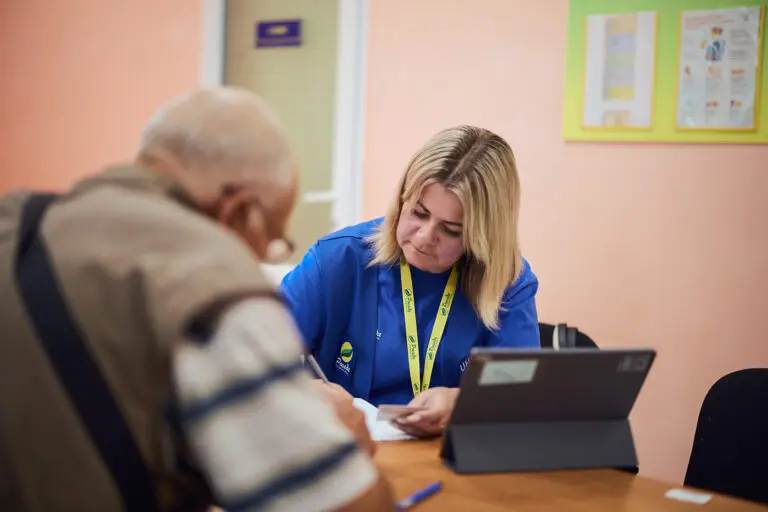
“When a veteran returns to civilian life, the very first problem is that he doesn’t know what to do with himself, where to go, whom to turn to, where to get the necessary documents and so on. What’s more, at that moment the world is divided only into black and white – there are simply no shades in between. And a veteran can stay in that state for a long time… Our task is to establish contact from the moment of demobilisation and guide the veteran along this bureaucratic path so that he feels all-round support,” the head explains the union’s mission.
Serhii Saienko admits that today everyone helps veterans adapt in the community – officials, businesses and residents. He says such cooperation is inspiring.
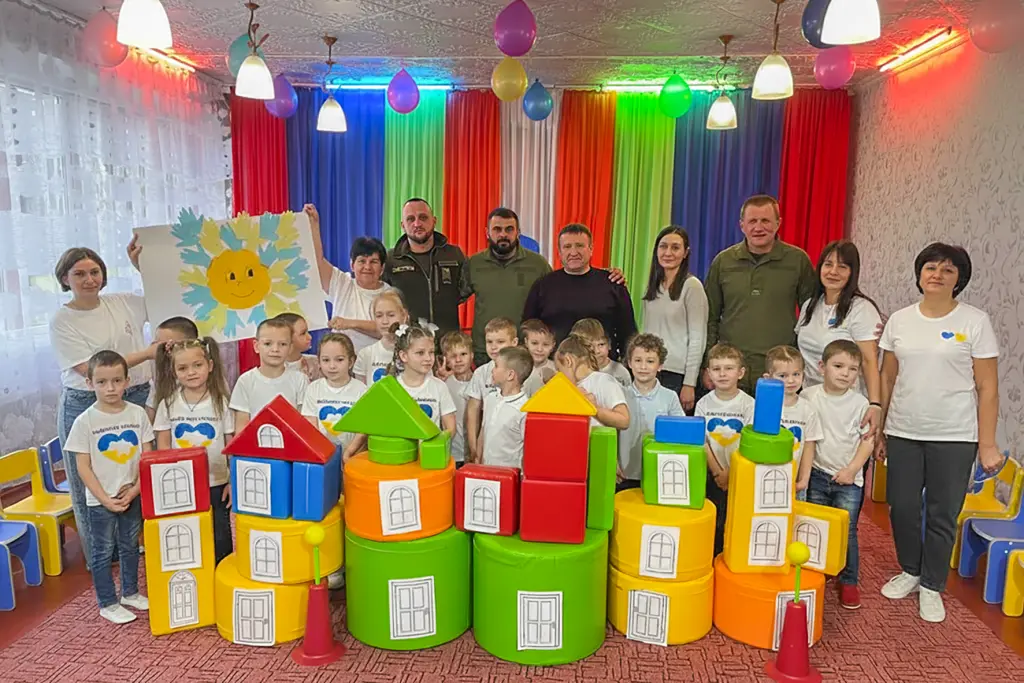
“We get information as soon as a veteran returns to the town. Then we get in touch with him. We meet, tell him about our work and what help we can provide. Some agree right away, others refuse but still come back later. And so we become not only guides for our brothers-in-arms but also a brotherhood that unites dozens of veterans,” says the head of the Valky Union of War Veterans.
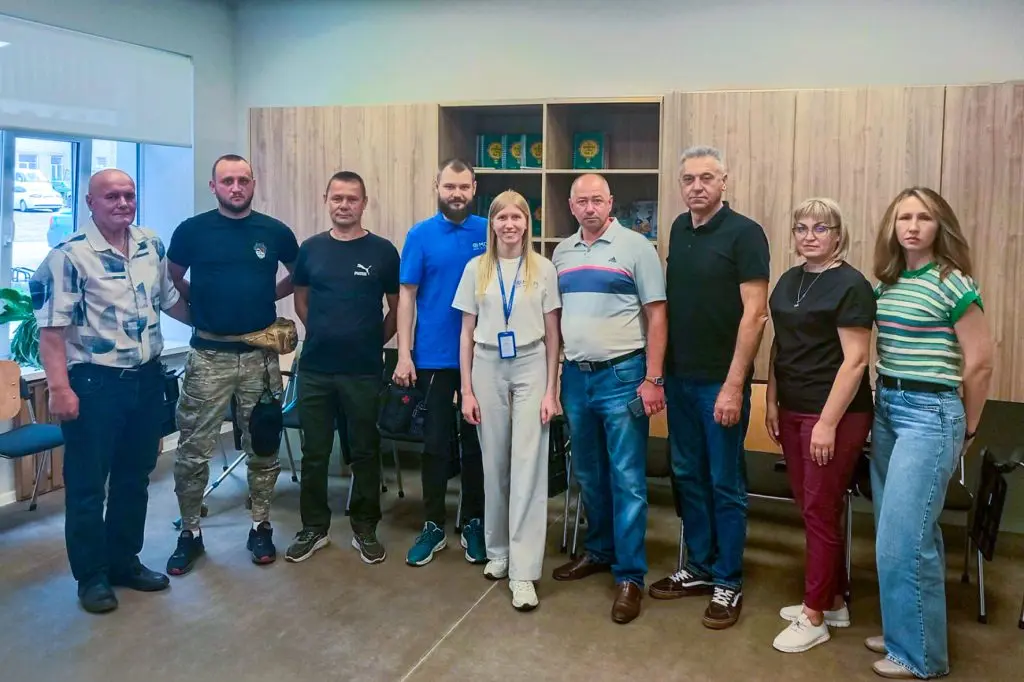
The organisation is still taking shape. A small office in the city council building serves as its veteran space. They dream of a spacious hub, a team of specialists and more opportunities to implement ideas.
“For us, participating in the IOM project is a huge achievement. It is our first such experience and a very necessary one, because we are learning about development and receiving practical recommendations and a roadmap for how to move forward. Plus, they help us with equipment, including computers. The union is only a year old. Our financial resource is usually what we chip in ourselves for the union’s needs. We have no staff psychologists, social workers or other specialists. But we have friends who involve us in their events. Recently, our brothers and sisters-in-arms had a meeting with a military psychologist. They were very pleased that the specialist was military rather than civilian and understood their pain. But despite everything, we develop our own initiatives and implement them successfully. Among them is a project on patriotic education for children. We hold meetings in schools and talk about our experience. Such interaction is very important, because the new generation must understand the history of Ukraine,” shares Serhii Saienko.
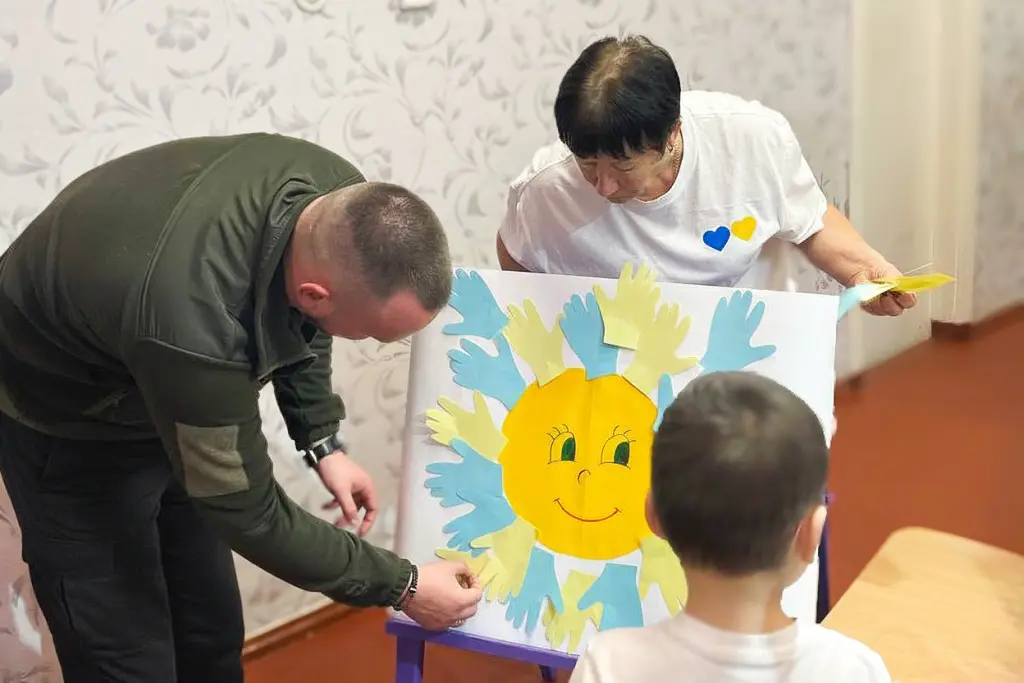
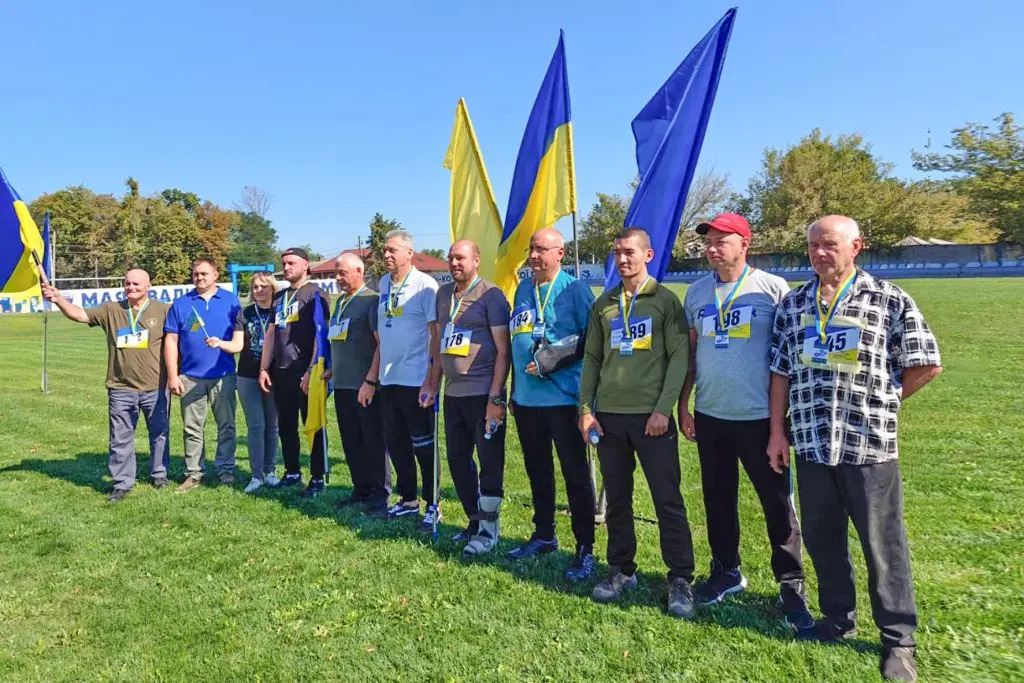
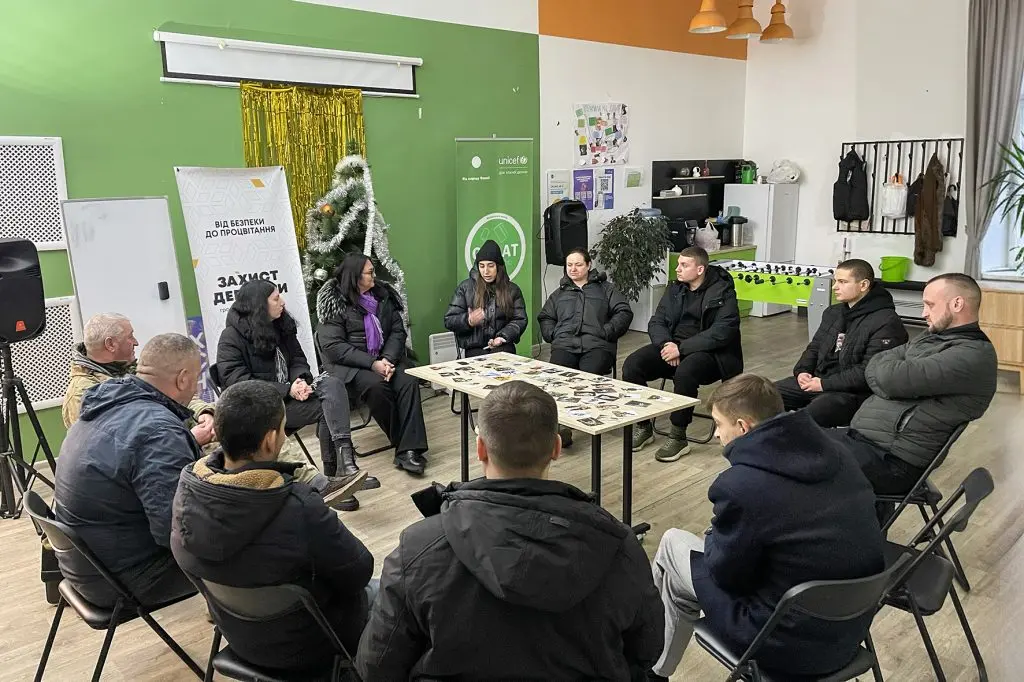
The Valky Union of Veterans currently unites almost thirty male and female veterans.
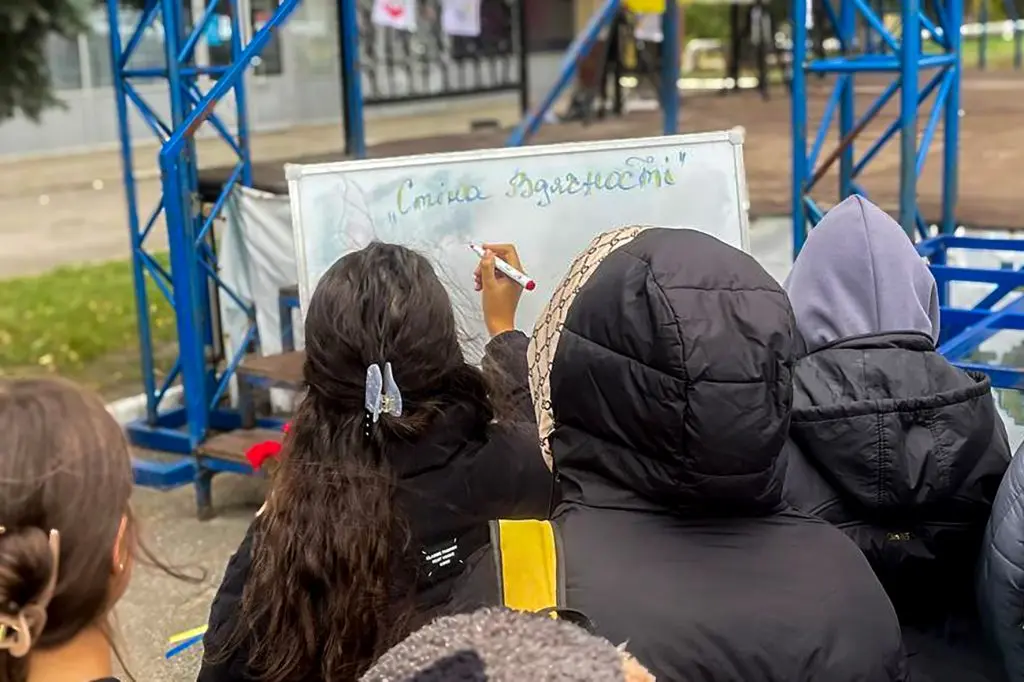
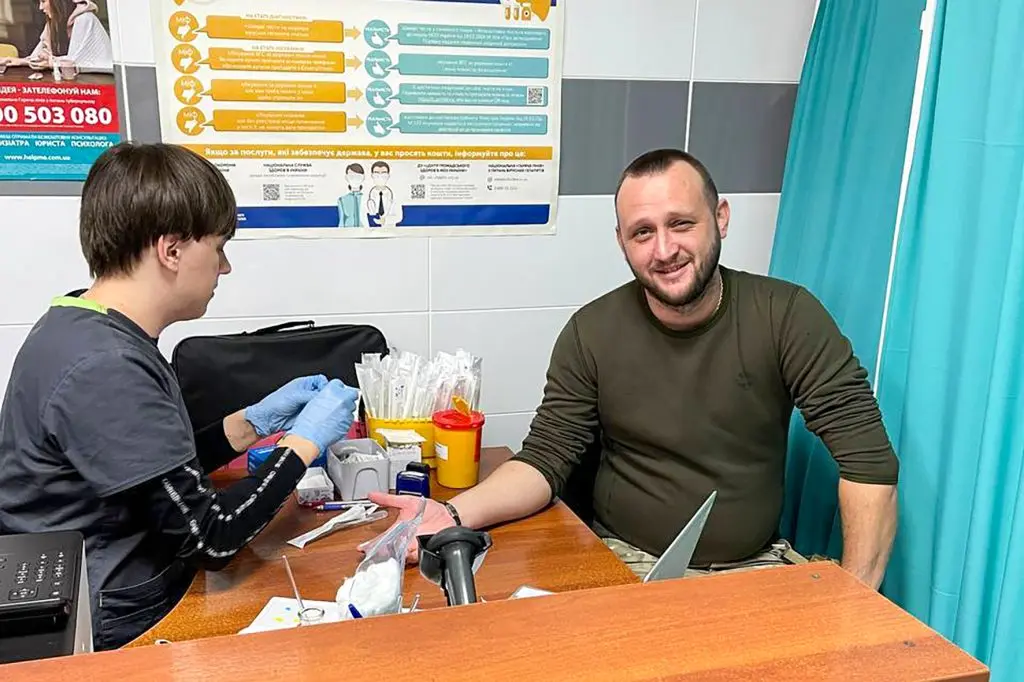
“Our brotherhood and sisterhood is a reliable team. They will always support and always help. And this is not only about union matters: we join blood donation drives and gladly take part in various awareness-raising and remembrance events… At the same time, this makes us more visible and reminds society that we are not written off, that veterans are an active part of every community, whether in Kharkiv, Volyn or Odesa region,” concludes the head of the NGO.
The Veritas Spes + Ukraine Charitable Foundation works in Kharkiv and last year became a partner of the Valky Union of Veterans. In addition to both organisations taking part in the IOM project, Veritas Spes + Ukraine supports its colleagues as they develop and now plans to help the veterans’ union obtain professional resources to provide psychological support to its members.
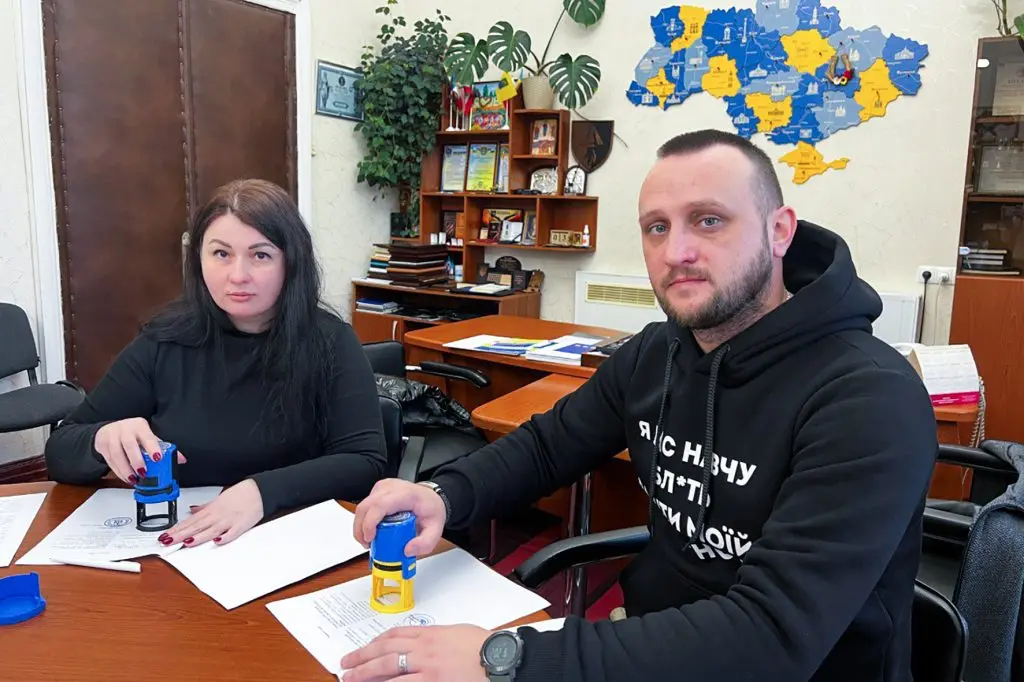
“We are also currently working on creating a social services centre. It is an inclusive project. Here veterans with disabilities will be able to receive professional advice, help with employment and other services. In general, inclusion is a very relevant topic today. By the way, together with a Kharkiv partner organisation, we are conducting a large survey on the accessibility of urban space. After all, a community’s inclusiveness is seen not only in its physical or infrastructural dimension but also as social openness to veterans – readiness to accept them in society, in workplaces, in education and in cultural and public spaces,” shares Antonina Velmozhna-Sydorova, Executive Director of the Veritas Spes + Ukraine Charitable Foundation.
Antonina Velmozhna-Sydorova,
Executive Director of the Veritas Spes + Ukraine Charitable Foundation, Kharkiv
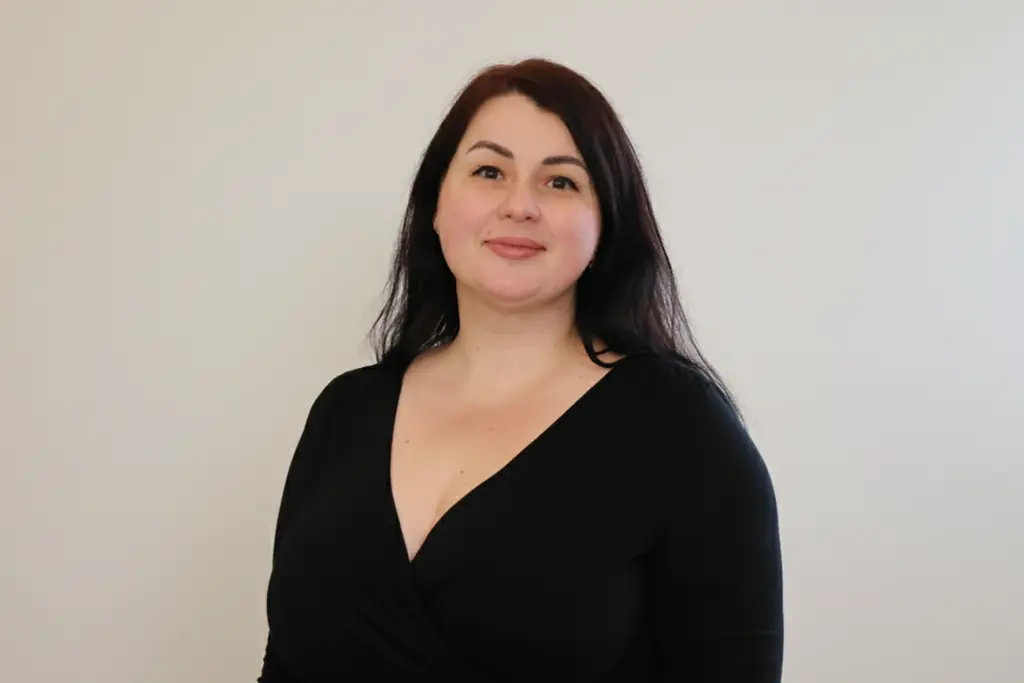
The organisation officially began its history in 2023. Its founders already had experience working in humanitarian missions in the region, so in response to the disaster of the full-scale invasion they decided to scale up their efforts and knowledge, helping more people and bringing caring people into the team.
“So, with a starting resource of two people, we began our work. It wasn’t scary, because we had and still have a strong inner conviction that even small actions can bring significant results. The main thing is motivation,” admits the head of the foundation.
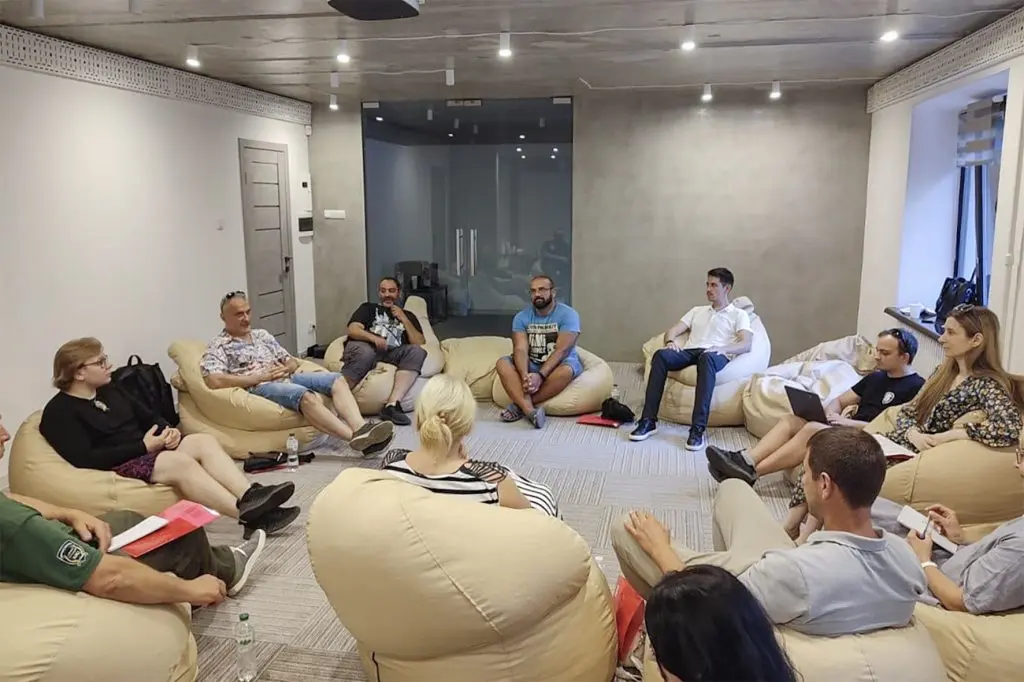
Today the Veritas Spes + Ukraine team consists of five people, including a lawyer, a military psychologist and the coordinator of a consultation and resource centre for veteran support specialists.
“Our team changes and expands according to our areas of work and project needs. We remain flexible, but at the same time we keep a core of people who share the foundation’s mission and work not ‘by the book’ but out of calling. Our five are people who really care! People who believe in what they do,” says Antonina Velmozhna-Sydorova.
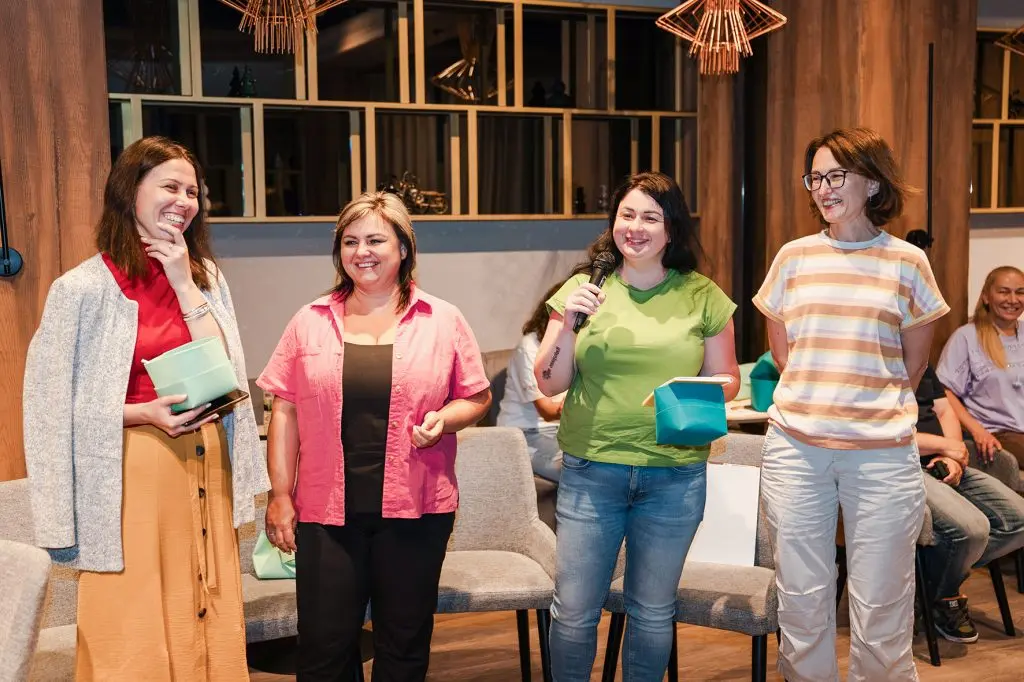
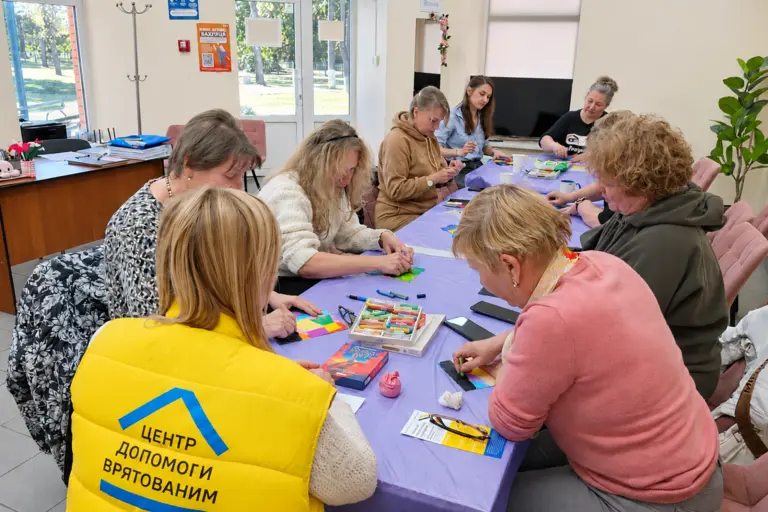
Among other areas of work, the organisation focuses on strengthening communities in developing veteran policies. Every month, the team and its partners travel to towns in the region, where they bring together veterans, their families and the families of the fallen, prisoners of war and missing persons to establish communication and address their requests. It was these meetings, notes the foundation’s executive director, that became the first point of systematic contact with communities and made it possible to hear real local needs.
“Veterans and their families need to know that they are not alone, that people are ready to support and help them. We involve specialists from the regional department of veterans’ affairs and representatives of the Pension Fund, the Ombudsman, social protection, the employment centre and others in these outreach meetings. Afterwards, we always follow up on every case. I must say that such close cooperation is productive and effective. Today we clearly see communities’ interest: they are open to dialogue, willingly share information and come with problematic issues and requests, in particular on veteran support, social services and inclusiveness. This shows a high level of trust and an understanding of the importance of partnership. We support communities with expertise, advice and organisation: we help identify problems, look for solutions, build sustainable veteran support mechanisms and strengthen local social services,” Antonina Velmozhna-Sydorova continues, adding that the feedback shows in more active communities, better communication between the authorities and veterans, and a growing demand for long-term change rather than one-off events.
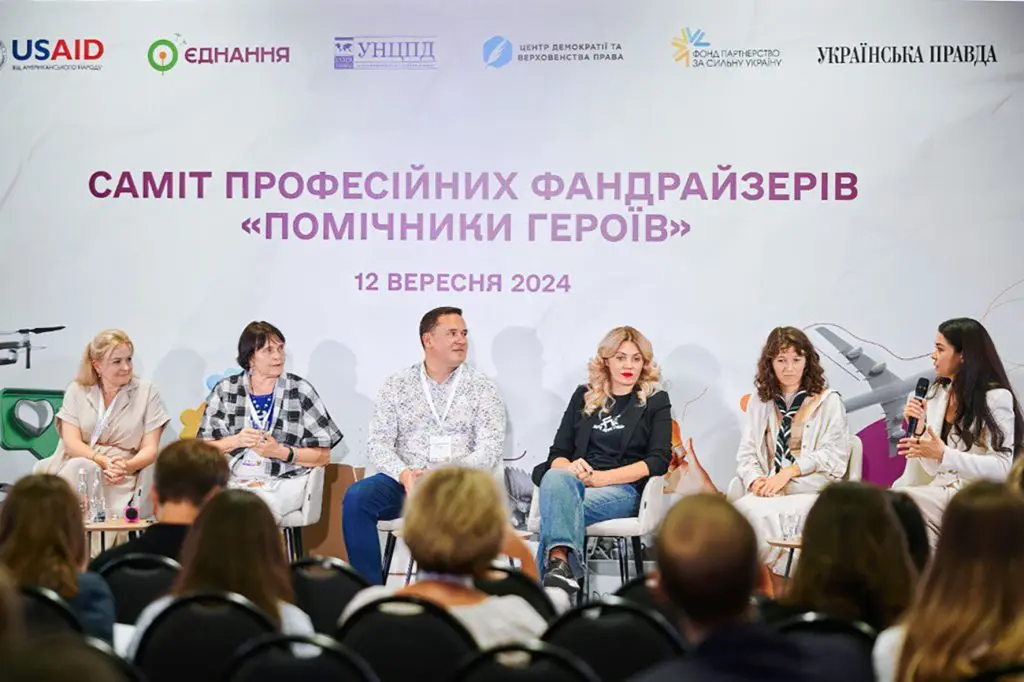
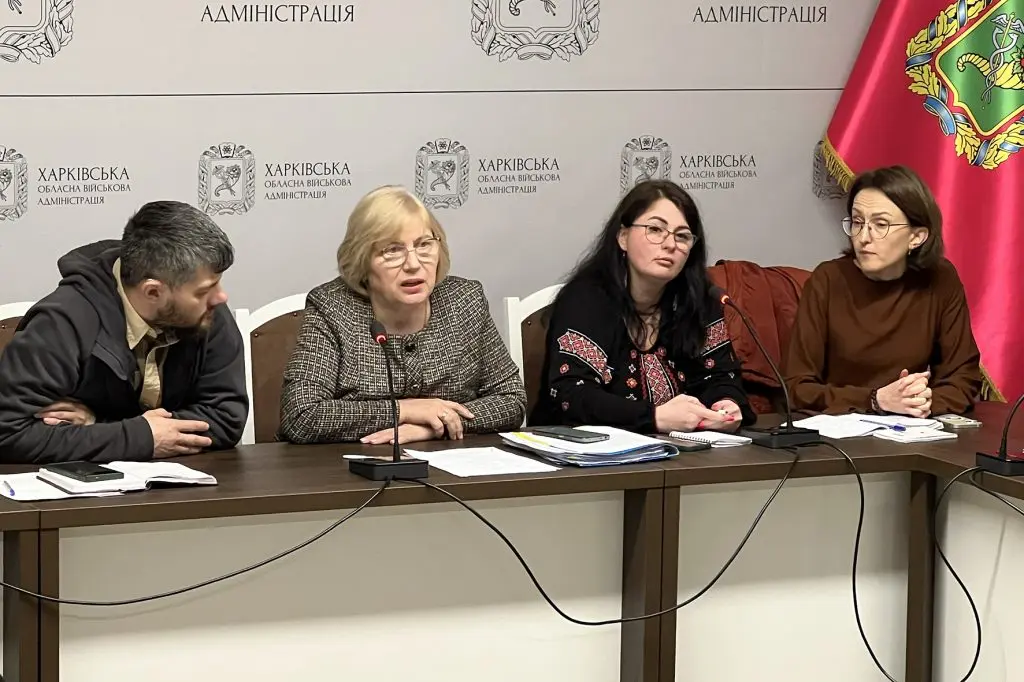
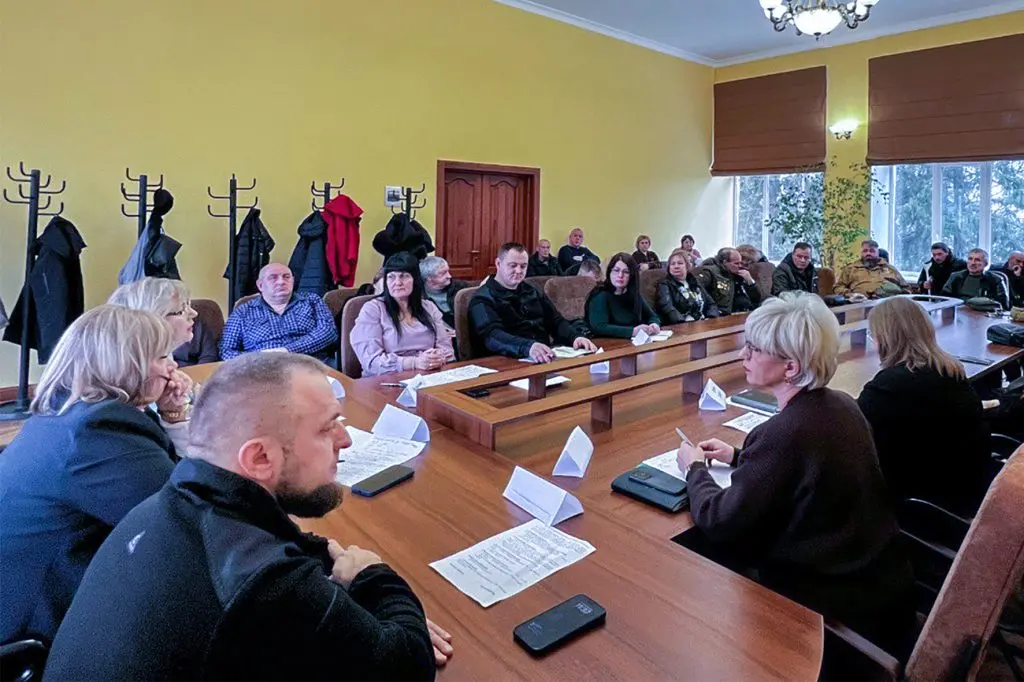
The head of the Veritas Spes + Ukraine Charitable Foundation stresses that supporting veterans is not a narrow topic but a question of the country’s future.
“How a society treats those who defended it determines how mature that society is. Veterans return to communities, families and the economy. And the stability and development of the whole state depend on whether they receive support,” concludes Antonina Velmozhna-Sydorova.
This material was prepared within the project “Social Cohesion and Reintegration of Veterans in Ukraine”, implemented in cooperation with the International Organization for Migration and funded by the European Union.