
Gender-based violence can be very close: behind the wall in the next apartment, in a family you know, among your friends or even your relatives…
We may not notice its signs or know how to react. But every day in Ukraine, someone experiences pain, humiliation or control simply because of their gender, social status, age or inability to fight back.
Official statistics show that thousands of people suffer from gender-based violence every year – and these are only those who dared to ask for help.
In wartime, stress, loss and financial hardship make the problem even worse.
As part of the global “16 Days of Activism against Gender-Based Violence” campaign, we have prepared materials to help you recognise the signs of gender-based violence, understand how to respond and where to seek help, and hear the voices of those who went through pain and found the strength to move on.
If you are reading this –#BreakTheSilence
How to recognise gender-based violence?
Expand
Gender-based violence is any action aimed at humiliating, controlling or harming a person because of their gender or social role.
Violence can be sexual, physical, economic or psychological – when someone humiliates you, restricts your money, controls who you talk to, violates your personal boundaries or spreads private information.
If, next to someone, you lose your sense of safety, dignity or your own voice – that is a warning sign.
Violence is never a “family matter” or “just nerves”. It is a violation of human rights.
Red flags: what to look out for?
#PsychologicalViolenceconstant humiliation, insults, criticism, ridicule, intimidation, threats of harm
- Control and isolation: limiting contact with loved ones, checking your phone or messages, demanding constant reports on where you are, forbidding you to work or study
- Gaslighting: making you doubt your own sanity, memory or perception of reality. Typical phrases: “You imagined it”, “You just don’t remember”, “You’re too sensitive”, “You always overreact”, “You’re making a big deal out of nothing”, “You’re exaggerating”, “I was just joking! Why do you take everything so seriously?”
#EconomicViolencetotal control over all finances, forbidding you to have your own income, taking your salary or refusing to give money for basic needs
- Destruction of property: damaging personal belongings or documents
- “Pocket money”: when you have to ask for money for food, clothes or transport, and these requests are often met with humiliation or criticism
- Denying access to information: the abuser hides information about family income, bank accounts or savings
- Spending without consent: the abuser takes out loans or sells joint property without your knowledge or consent
#PhysicalViolencepushing, slapping, hitting, beating, using weapons
- Restricting freedom: forced confinement, denial of medical care or sleep
- Deliberate neglect of basic needs: depriving you of sleep, food, water, clothing or warmth
- Withholding help: forbidding you to see a doctor, deliberately withholding medication
- Aggressive driving: deliberately dangerous driving of a car (or other vehicle) to intimidate you or endanger your life
- Violent harm to health: forcing someone to use alcohol, drugs or other mind-altering substances against their will
- Attacks on others or pets: attacking or harming children, pets or other loved ones as a way of control and psychological pressure, accompanied by physical violence
#SexualViolenceany sexual contact or act without clear, informed and voluntary consent
- Coercion: rape, being forced into unwanted sexual practices, harassment
- Reproductive violence: forcing pregnancy or abortion
- Contraceptive control: deliberately hiding, damaging or throwing away contraceptives, or forcing their use
#DigitalViolencesystematic insults and threats on social media targeting your gender or gender role
- Sharing intimate content: distributing private photos or videos without consent (revenge porn)
- Digital stalking: constant tracking via GPS, spyware or hacked accounts
Remember
- Pay attention to sudden changes in behaviour (withdrawal, fear, hiding injuries) or a sudden loss of access to money or contact with others.
- Do not justify aggression. No circumstance (stress, alcohol, financial problems) justifies violence. Responsibility always lies with the abuser.
- Take care of yourself. If you feel constant fear or that you have lost your own voice, this is a clear sign of danger.
Notice the signs, take care of yourself and do not justify aggression. Remember: help is available, and reaching out for it is a sign of strength.
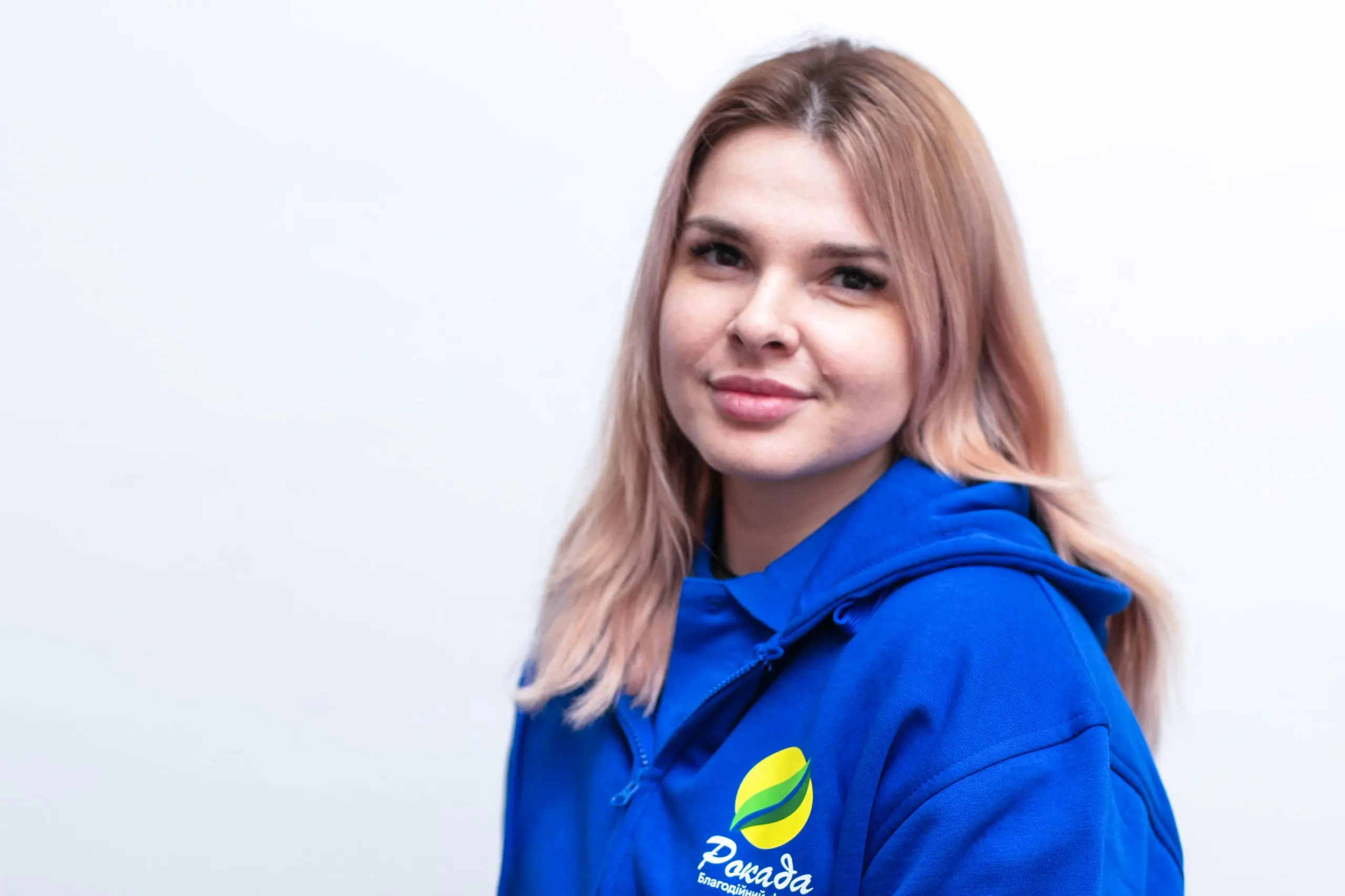
Anna Serebriannikova, GBV social worker
When a husband takes your salary, gives no money for food or the child, or controls every hryvnia you spend – that is economic violence, and you do not have to put up with it.Read more
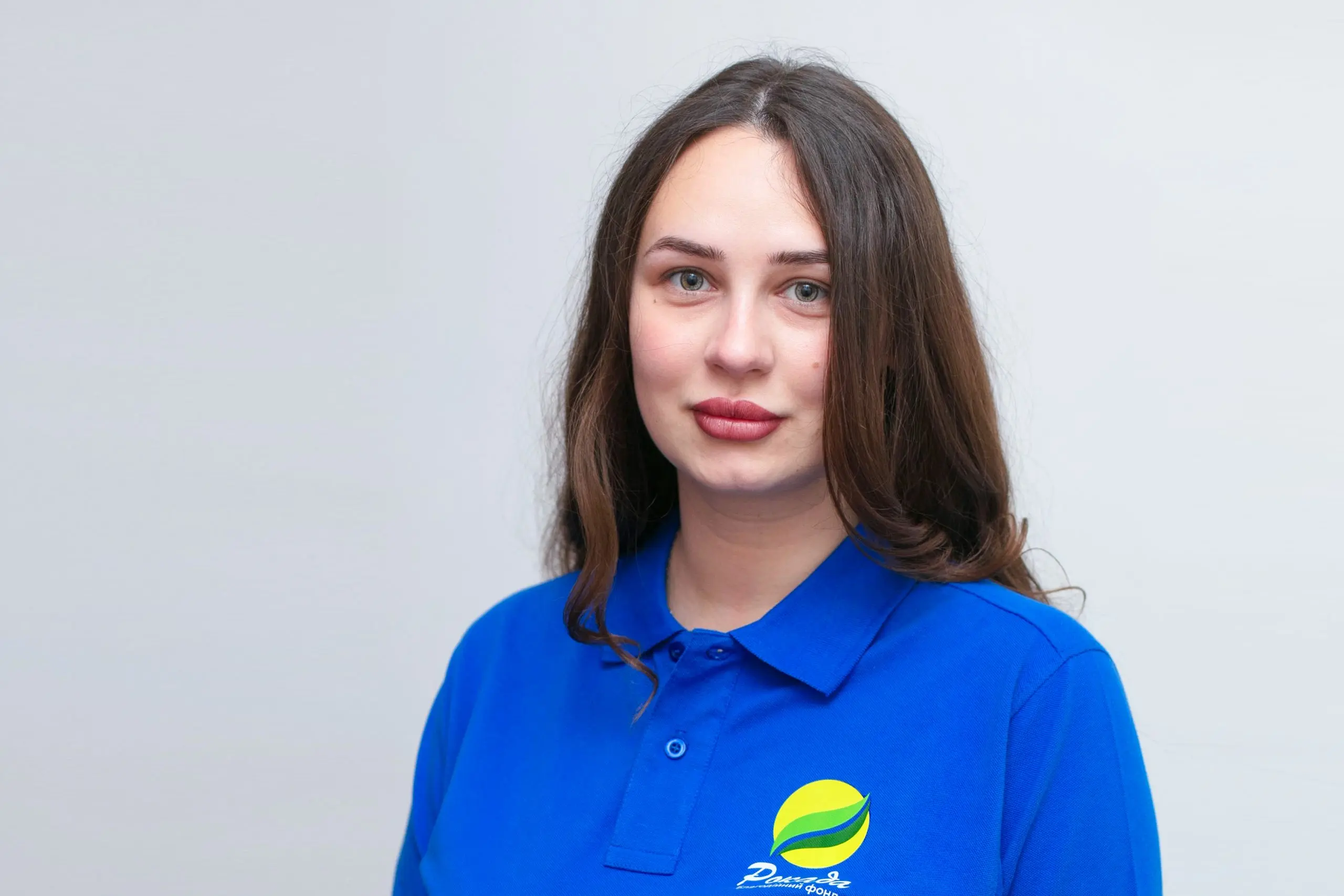
Anastasiia Ostapenko, GBV psychologist
Psychological violence is not always obvious at first. It is not only shouting or insults – it is also silent control, humiliation, being ignored, attempts to make you doubt yourself.Read more
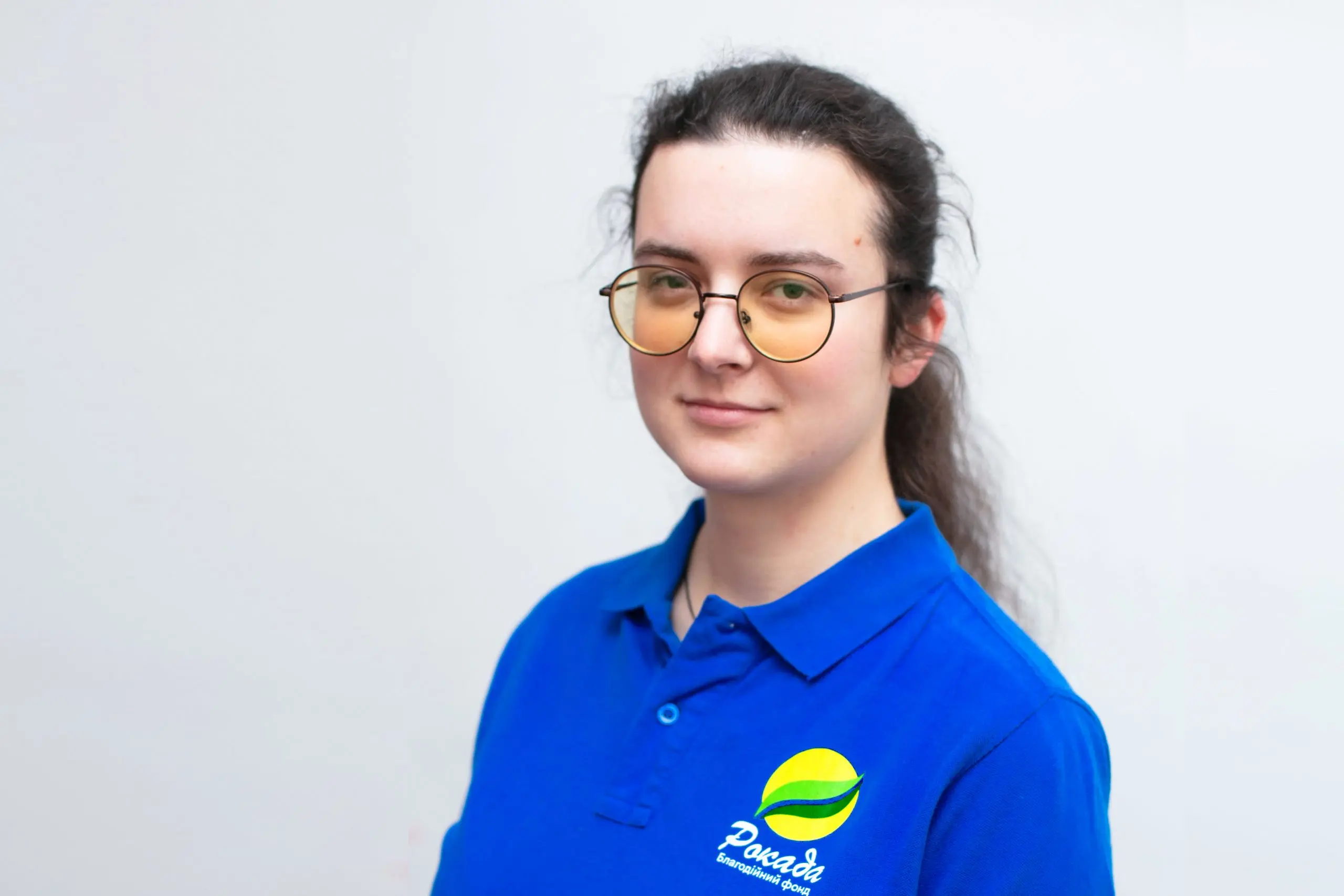
Yuliia Sirenko, psychologist
Any touch or act without your consent, even if you are in a relationship or married, is sexual violence. Your boundaries have been violated if you feel fear or disgust after intimacy.Read more
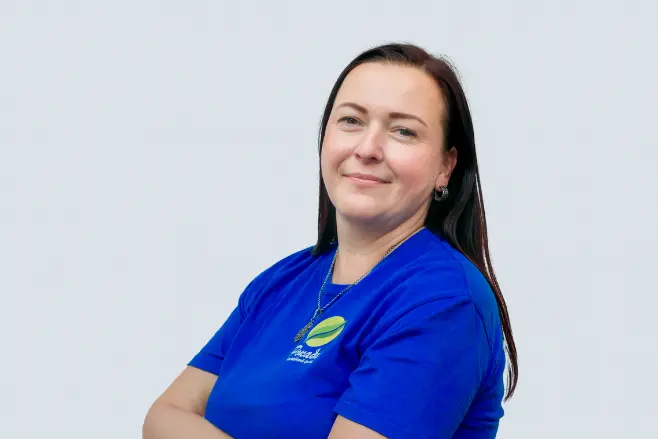
Nataliia Tsymbaliuk, GBV coordinator
If you think physical violence only means being hit, you are wrong. It is also pushing, threats, blocking doors, forced confinement or being deprived of food.Read more
Where to get help?
Expand
Government hotline
24/7: information, psychological and legal advice on domestic violence, gender discrimination and human trafficking
National hotline for the prevention of domestic violence, human trafficking and gender discrimination
Psychological and legal assistance, information about services
National hotline for children and young people
Suicide prevention line
24/7
Psychological support line for men
National HIV/AIDS hotline
Free Legal Aid System
Check yourself
Take a short test in the Telegram bot to find out whether your relationship is safe (in Ukrainian).
Stories of strength
These stories are based on real events experienced by survivors of gender-based violence. For ethical reasons, names, places and certain details have been changed to protect the identity of the people involved. The photos are for illustration only and do not depict the real people described in the text.
“I lived in constant expectation of being hit…”
I won’t give my real name. Let me be Nadiia – which means Hope, literally and figuratively. Perhaps my story will give someone hope and become an incentive to believe that everything can change, and change for the better.
“You know what? I learned to say ‘stop’ loudly, clearly, without shame”
Oh, my story is nothing exceptional. I alone know of dozens of such cases… I dream of the day when, as in developed countries, people here will speak about it loudly and hold abusers accountable even more loudly. For now, we either stay silent and endure, or quietly quit our jobs…
“I was lucky to meet people who motivated me and gave me confidence that I could change my life”
My name is Viktoriia. Today I am a confident woman, and I know for sure that no one will ever again be able to tell me that I am “not right”, “bad”, “too fat” or “too thin”… that my breasts are too small, or anything like that. Now, when I look in the mirror, I see a woman who shapes her own image and knows her worth. I am no longer a shadow – I am a person with the right to be happy.
“In our home there was an unwritten rule: whoever earns the money makes the decisions”
I am Oksana and I am 42. I am married, and together with my husband we are raising two wonderful children – Ania and Andrii.
I don’t think my story is unique. But for many who are now where I was two years ago, it can be a push towards change and towards loving themselves. If anyone is waiting for a sign from the universe, let this be it.
“And if someone is now receiving offensive messages or threats online, don’t think these are ‘trifles’”
I am 29. Together with my two young children, I evacuated from a frontline area when our district came under constant shelling. We managed to grab literally one backpack of belongings. I looked for housing on the go and found it through an online platform. The landlord seemed polite and even offered a “discount for displaced people”. I gratefully agreed. But a few days after we moved in, everything changed.
“A woman must give birth, it is her duty. Otherwise, what do I need you for?”
My name is Mariia and I am 32. Before the war, our family – me, my husband and our little daughter – lived in Luhansk region. When it became far too dangerous there, we had to flee. We lived in a transit centre for internally displaced people for several months, and now friends have helped us find a home.
“Bullying is not a ‘joke’ or a ‘childish quarrel’ but a real form of violence with serious consequences for mental health”
One evening I happened to hear her crying in the bathroom. After long conversations, she admitted that her classmates at college were humiliating her. They mocked her clothes, her accent and the fact that she was “displaced”, and posted her photos with contemptuous captions in group chats. They said she had “taken someone’s place” and even spread rumours that she “snitched to teachers” for grades.
“My son once asked: ‘Mum, why do you always cry when Dad talks?’”
My name is Natalia and I am 54. At first glance, I had everything: a home, a husband, two children, a job. People said we were a lovely family with a full house. But behind closed doors, things were different.
My husband never hit me. For a long time, that is exactly what I kept telling myself so as not to call what was happening violence. He controlled my every step: who I talked to, where I went, even what I cooked for dinner. He could stay silent for hours when I did something “wrong” – that was his way of punishing me.
