I am 29. Together with my two young children, I evacuated from a frontline area when our district came under constant shelling. We managed to grab literally one backpack of belongings. I looked for housing on the go and found it through an online platform. The landlord seemed polite and even offered a “discount for displaced people”. I gratefully agreed. But a few days after we moved in, everything changed.
 He started texting me every day: first about the “house rules”, then personal messages, and after I refused to answer his personal questions, he began to criticise me, saying the children were “too noisy”, that I “looked like a homeless person”, that “displaced women should be grateful for any roof over their heads”. Sometimes there were threats in his words – “if you don’t behave, I’ll have to evict you”.
One day I noticed that he was commenting on my social media posts. His words made me go cold. Every day brought new insults, threats and hints.
I stopped sleeping properly and was afraid of every sound in the stairwell. The children asked why I was crying. I told them I was “just tired”.
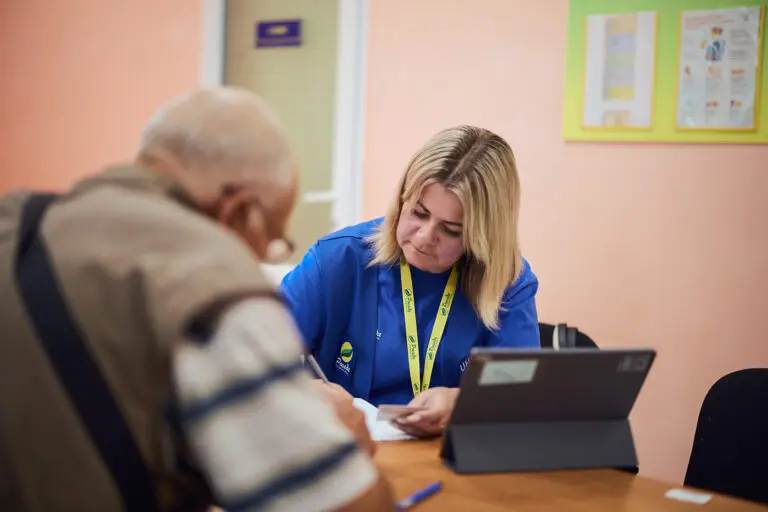
When I turned to a social worker specialising in gender-based violence, I heard the word “cyberbullying” for the first time. She explained that these were not just unpleasant messages – this was a form of violence, and I had the right to protection.
With her help, we took screenshots, I changed all my passwords, created new accounts and moved to temporary housing that the social worker helped me find.
Now I know how to use social media safely, where to turn if I am threatened and how to block an abuser.
This experience left its mark, but I understood the main thing: staying silent means allowing it.
And if someone is now receiving offensive messages or threats, don’t think these are “trifles”. This is violence too.
And it stops when we break the silence.