
An alternative to residential institutions: specialists from 6 regions completed the “School of Supported Living”
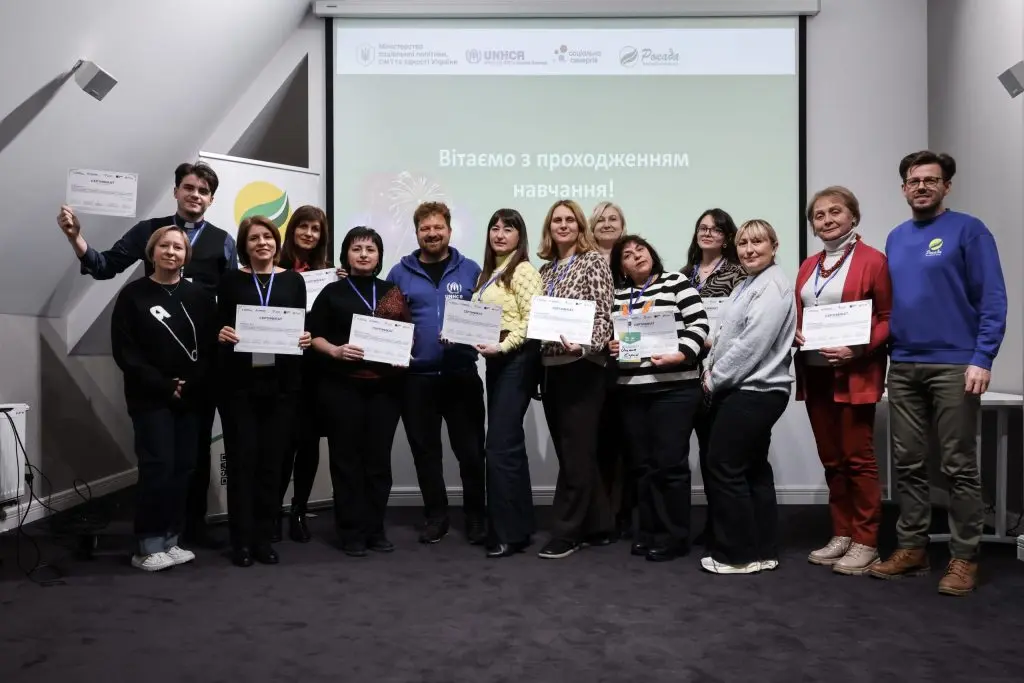
At the end of December, the “School of Supported Living” came to an end. It was attended by local government managers and members of multidisciplinary teams, including social workers, psychologists and heads of departments. The course was initiated by the Ministry of Social Policy, Family and Unity of Ukraine, and the project was implemented by the Rokada Charitable Foundation team with financial support from the UN Refugee Agency (UNHCR).
The “School of Supported Living” lasted more than a month and consisted of several stages – a series of theoretical webinars, in-person trainings, online consultations and certification. To complete the course, participants had to defend their own work: community managers and heads and deputy heads of social service centres presented projects for introducing the social service, and members of multidisciplinary teams presented individual plans for delivering it.
“Almost 30 managers and specialists from 6 regions of Ukraine – Lviv, Volyn, Ternopil, Zakarpattia, Sumy and Kirovohrad – joined the school. Some of them already work in supported living homes, while others are only planning to introduce such a service in their community. But the most important thing is that they all met here – it was nice to see how colleagues from different regions support each other and sincerely share their own experience”, said Nestor Ternopilskyi, Community-Based Protection Coordinator at Rokada.
“For the Office of the UN High Commissioner for Refugees, human dignity always comes first, regardless of a person’s age, status or origin. Supported living is on the list of basic social protection services, so it is nothing new in Ukraine. And today it is critically important, because many internally displaced people, older people and people with disabilities need help. In addition, Ukrainian legislation is being adapted to European Union requirements, so moving away from institutional care is one of the important steps in this process. I am sure this school was extremely useful for the participants, and they will share the knowledge they gained not only in their communities but also with colleagues in other regions. Together with Rokada, we also plan to continue the training in 2026”, stressed Pavlo Kutana, Protection Associate at the UNHCR Lviv Field Office.
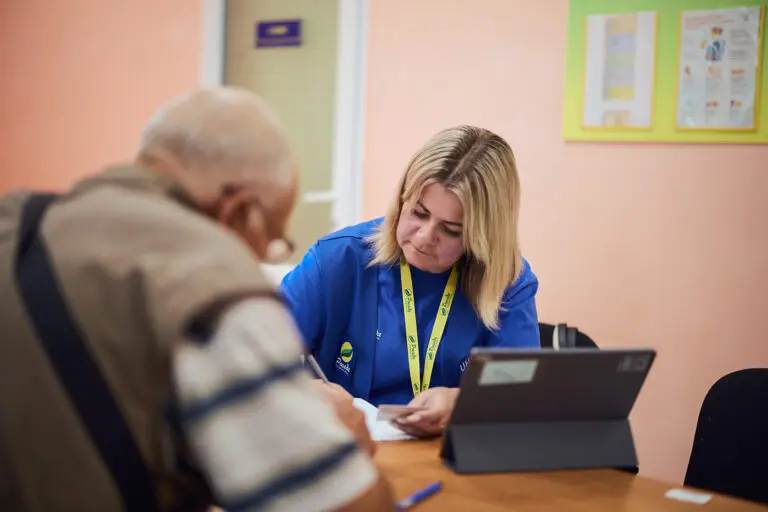
The future providers of supported living services took their certification in person in Lviv. Participants developed individual work plans for older people and/or people with disabilities in line with state standards. In particular, these covered assessing needs and the zone of proximal development, activities aimed at improving certain skills, the division of responsibilities between specialists, as well as indicators of improved quality of life and notes on the client’s health.
“The training was interesting and useful; we received a great deal of information. And the most important thing is that we were able to look in detail at different cases of service recipients. I presented the real case of a woman who is already in our supported living. After my defence, the trainers and colleagues pointed out certain inaccuracies and advised me on how to improve the work. I am very grateful for this experience”, said Mariia Podverniuk, social work specialist at the Social Services Centre of the Torchyn Settlement Council.

“I focused all my attention on documentation, because there really is work to be done there. The difficulty lies in the large amount of work, as you need to explore all aspects of a person’s life in order to help them properly. But for me personally, it is not just work but a form of service. And it is very important that at this school I met so many like-minded people and felt so much support”, added Anton Stasiv, psychologist at the House of Mercy charity.
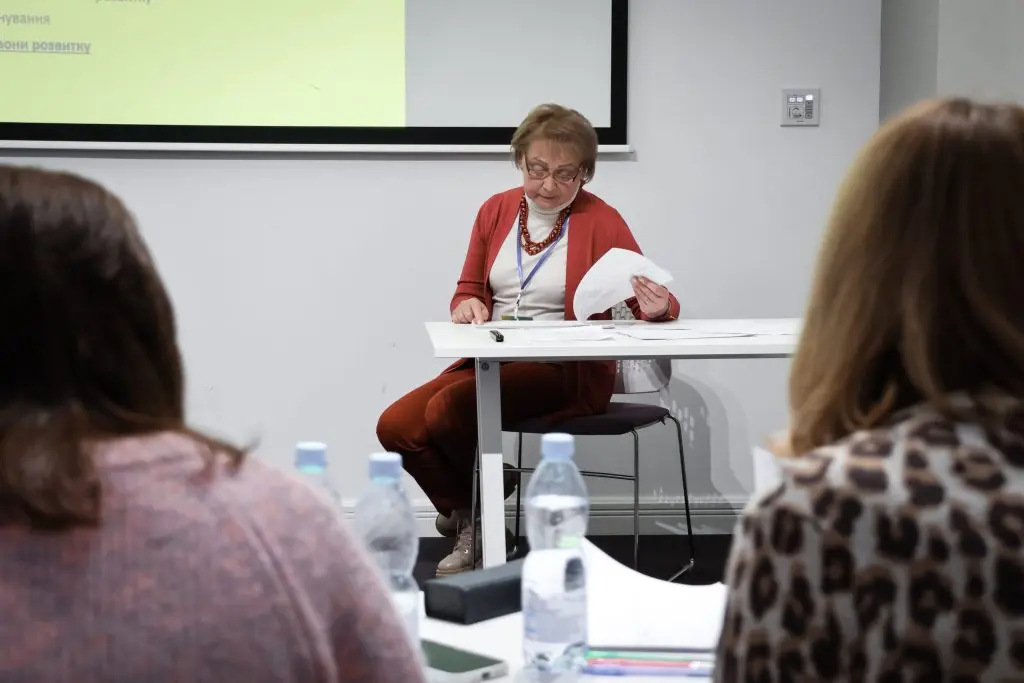
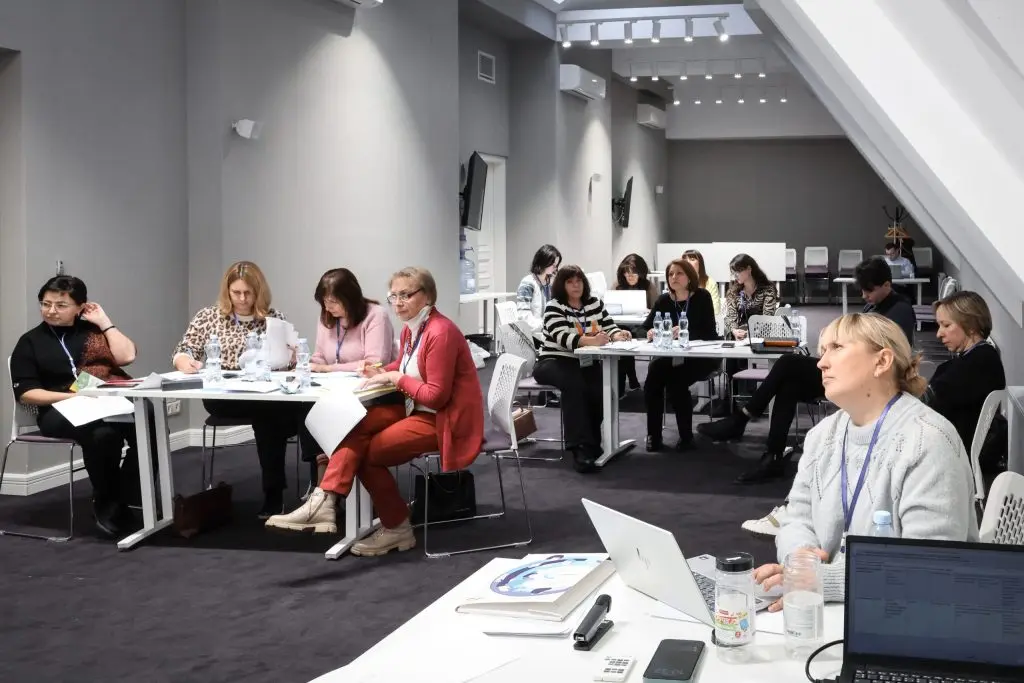
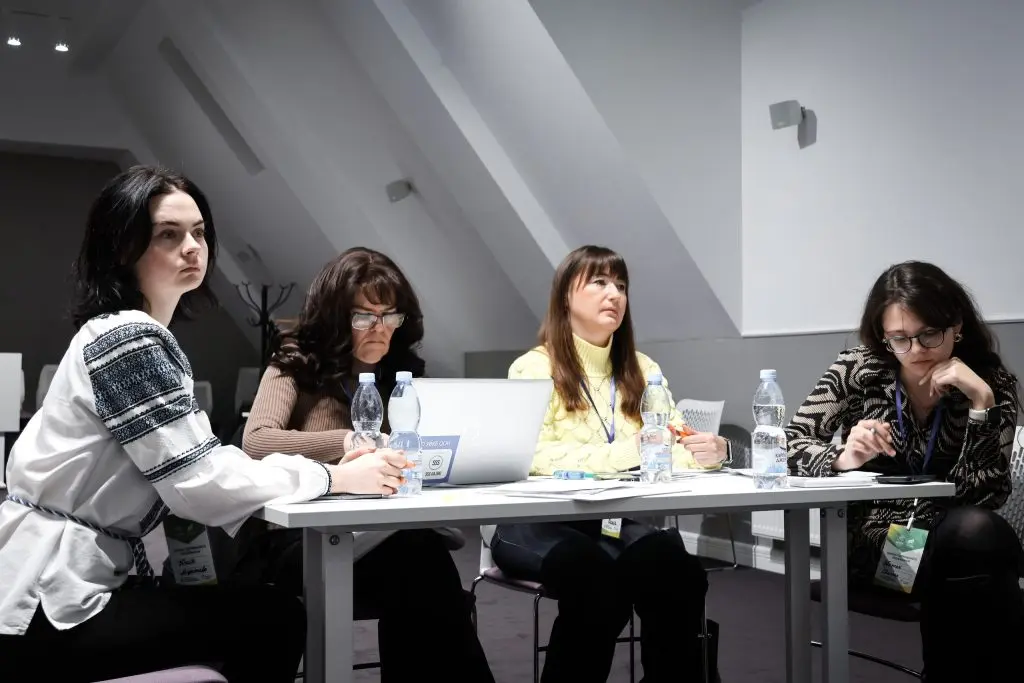
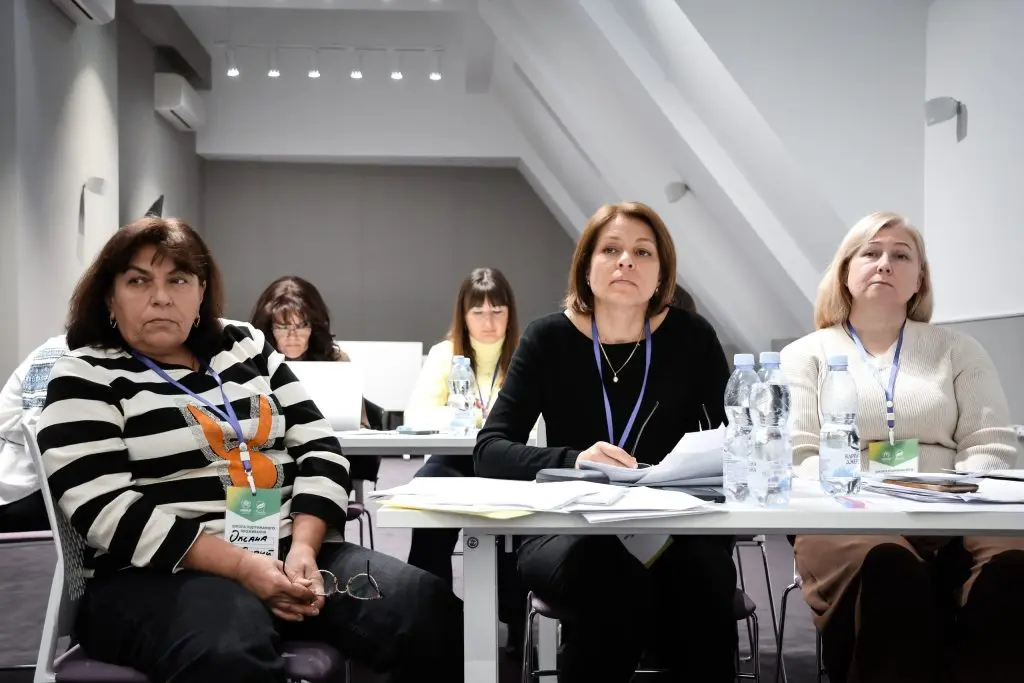
At the same time, managers of local authorities and social service centres took their certification online. They presented comprehensive plans for organising the supported living service, taking into account its various components – the budget, the team of specialists, suitable premises and more.
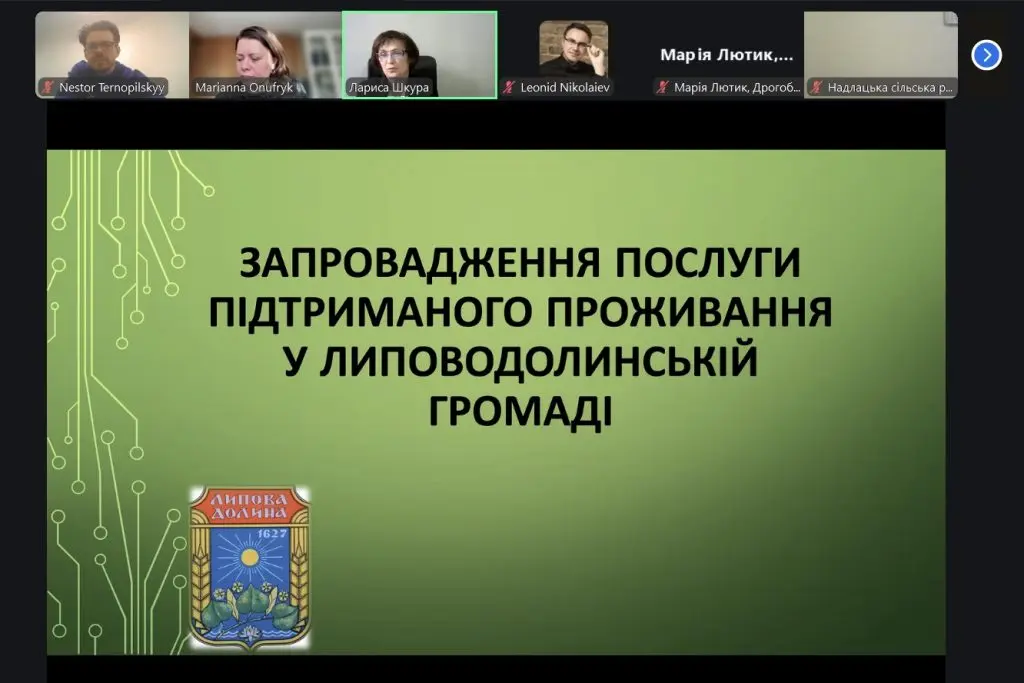
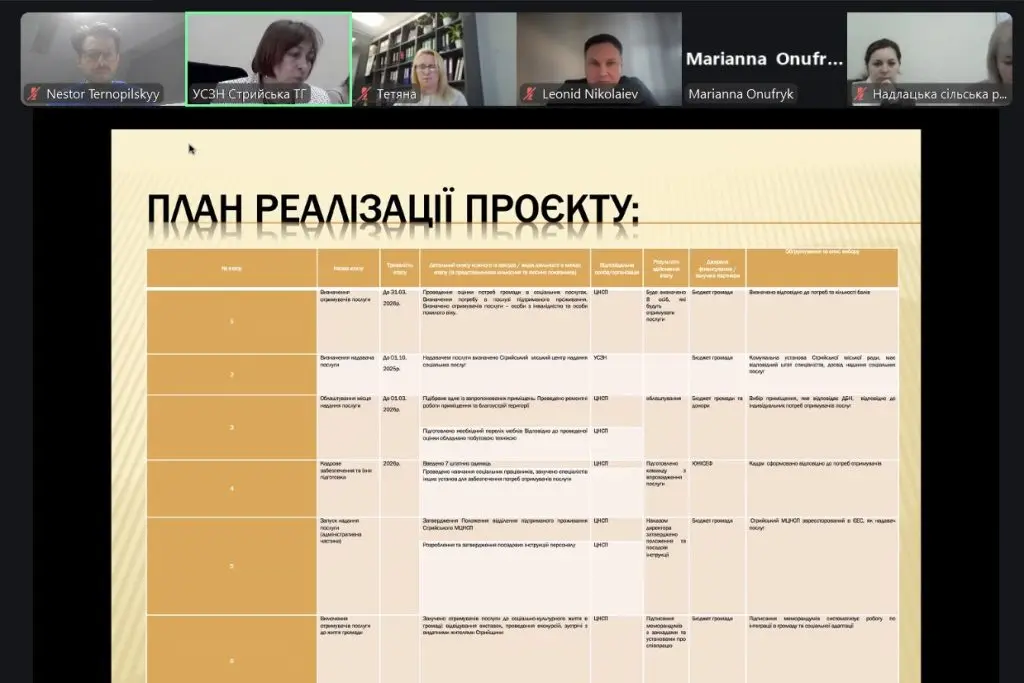
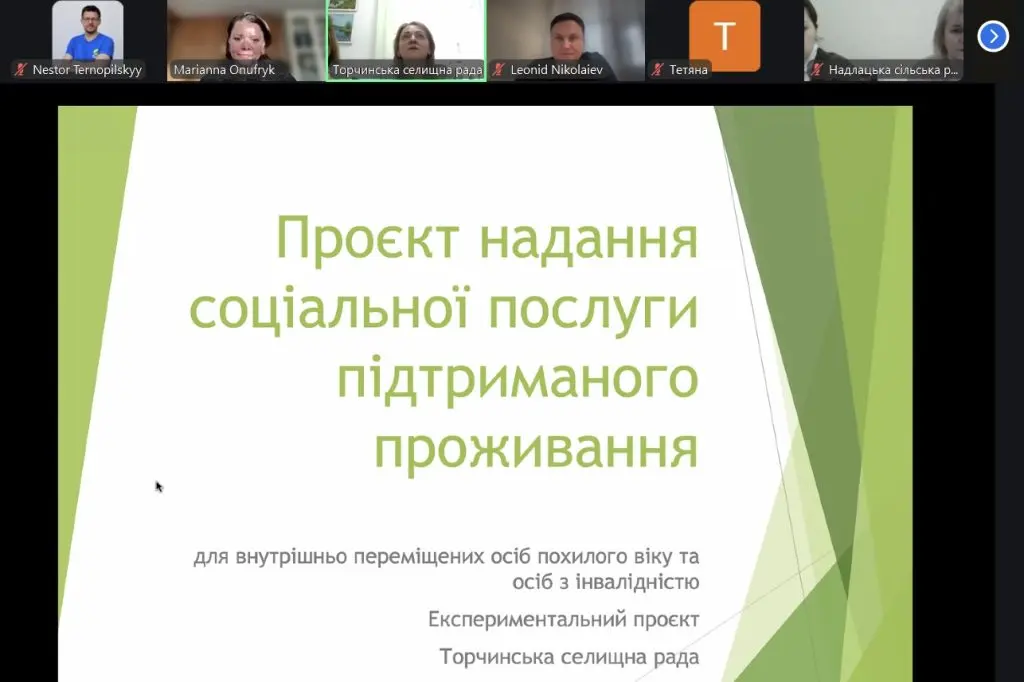
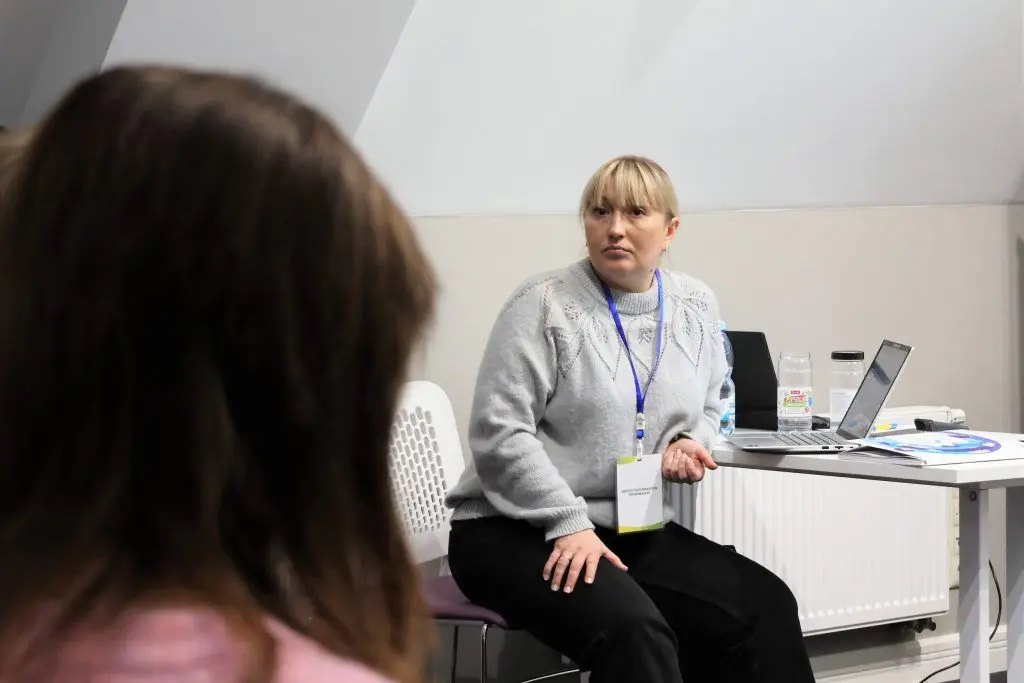
“The programme was designed so that participants could experience in practice everything they had learned in theory. That is why the course combined different formats – online and in person. And it gave excellent results. The certification was not just a formality either. The specialists listened to and complemented one another, noted down and made adjustments to their work, and saw how different opinions on the same problem can be”, shared Tetiana Druzhchenko, trainer of the “School of Supported Living” and expert in social service development.
Introducing the supported living service is one of the key areas of work of the Ministry of Social Policy, Family and Unity of Ukraine within the National Barrier-Free Strategy for 2025–2026. Thanks to this initiative, older people and/or people with disabilities can live in ordinary homes and receive qualified support from specialists to adapt to independent living and integrate into the community. The supported living service is an important alternative to residential institutions, as it provides comfortable and dignified conditions for those who need help.