
Rokada has completed adapting its website for users with visual impairments. The initiative was professionally implemented with the help of the digital accessibility team of the Barrier-Free Ukraine Resource Centre, headed by Dmytro Popov.
For more than ten years, the centre has been working on architectural and information accessibility of socially important facilities and resources for people with limited mobility and people with disabilities.
The Barrier-Free Ukraine Resource Centre was initiated by the National Assembly of People with Disabilities of Ukraine to improve the practical adaptation of the built environment and sports and transport infrastructure to the needs of people with limited mobility.
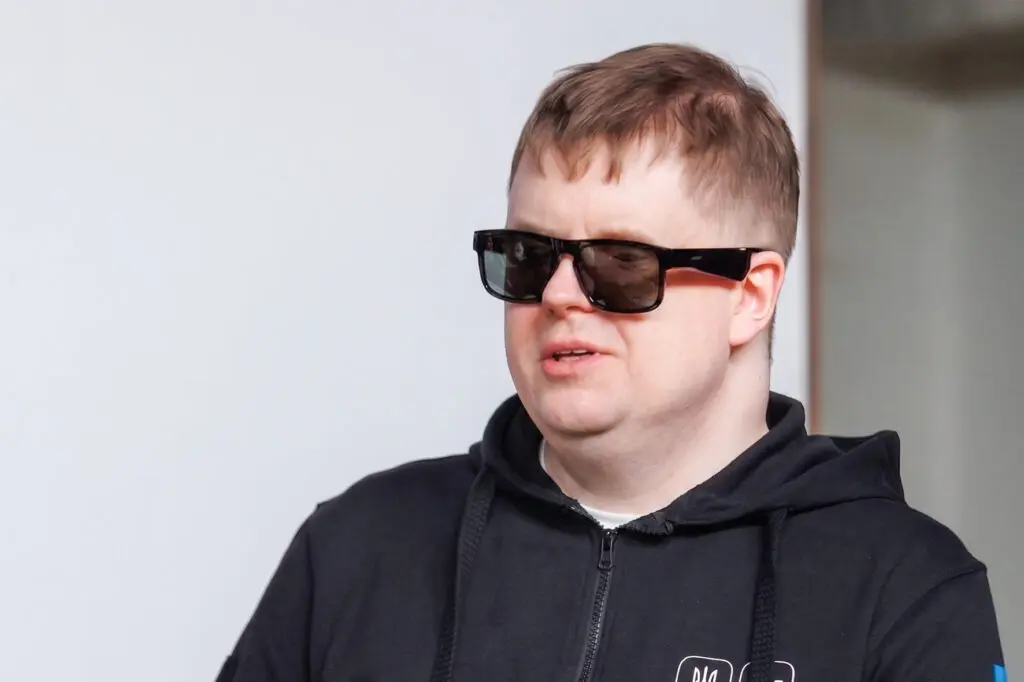
Head of Digital Accessibility at the Barrier-Free Ukraine Resource Centre
“More than 70% of our team of specialists are people with disabilities. So they understand better than anyone how to ensure inclusiveness and accessibility for all. We know better than others which products and services meet national regulations and the needs and requests of people with limited mobility and people with disabilities,” says Dmytro Popov, adding that over the years they have implemented projects with leading Ukrainian construction, financial and retail companies, as well as mobile operators and cultural platforms.
Rokada began work on adapting its website last year.
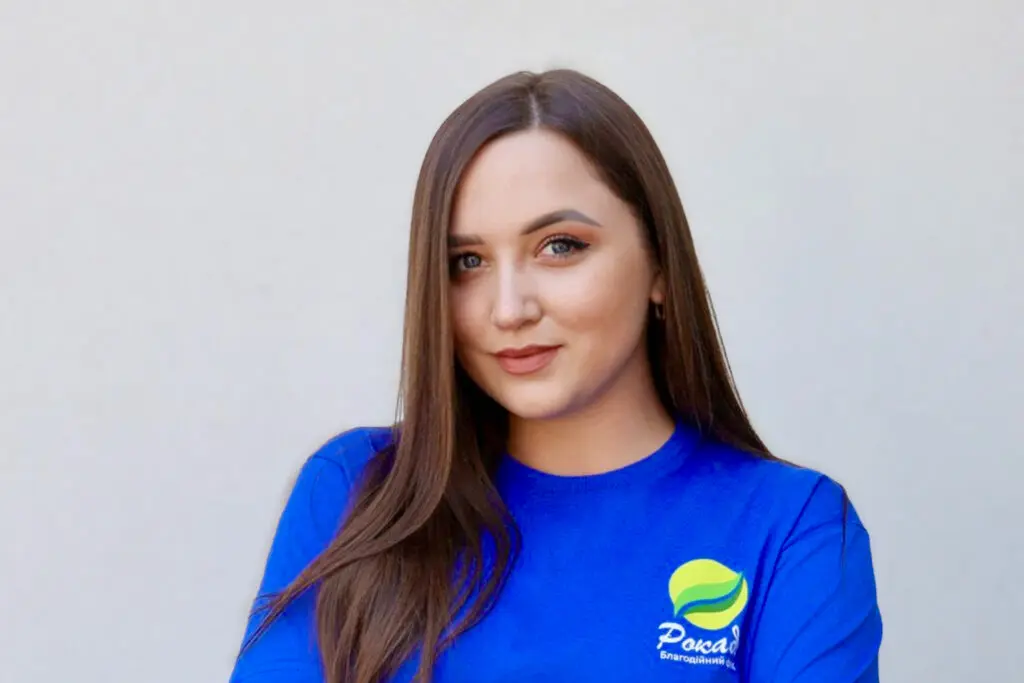
Coordinator of the Foundation’s Communications Department
“We are grateful to our partners at Oxfam, who supported our initiative. Adapting a website for people with visual impairments is work that requires time, expertise and resources. Of course, we wanted to do everything right. So the work was done step by step – we analysed examples, looked for specialists and set priorities. At the same time, we carried out an audit of the website. And today we can say that it has all worked out,” comments Kateryna Ostapovych, Coordinator of the Foundation’s Communications Department.
According to the World Health Organization, at least 2.2 billion people worldwide have a visual impairment. In Ukraine, this problem has taken on a new scale because of the war – according to various estimates, more than 20,000 people have complete or partial loss of vision as a result of mine explosions and missile attacks.
Dmytro Popov explains that all users with visual impairments can be divided into two categories: people with residual vision, who perceive content with their eyes, and completely blind people, who use screen readers.
“For people with residual vision, sufficient text contrast and the ability to enlarge text in the browser are important. Blind people, on the other hand, need screen readers to read all the text, describe images and be able to focus on all interactive elements. In addition, keyboard navigation is important for all users. In general, adapting a website means fixing violations and errors. So it always starts with an audit: is the contrast sufficient, does zoom work correctly, is the heading structure correct, do all images have proper alternative text, are all interactive elements compatible with the keyboard and screen reader,” the developer continues.
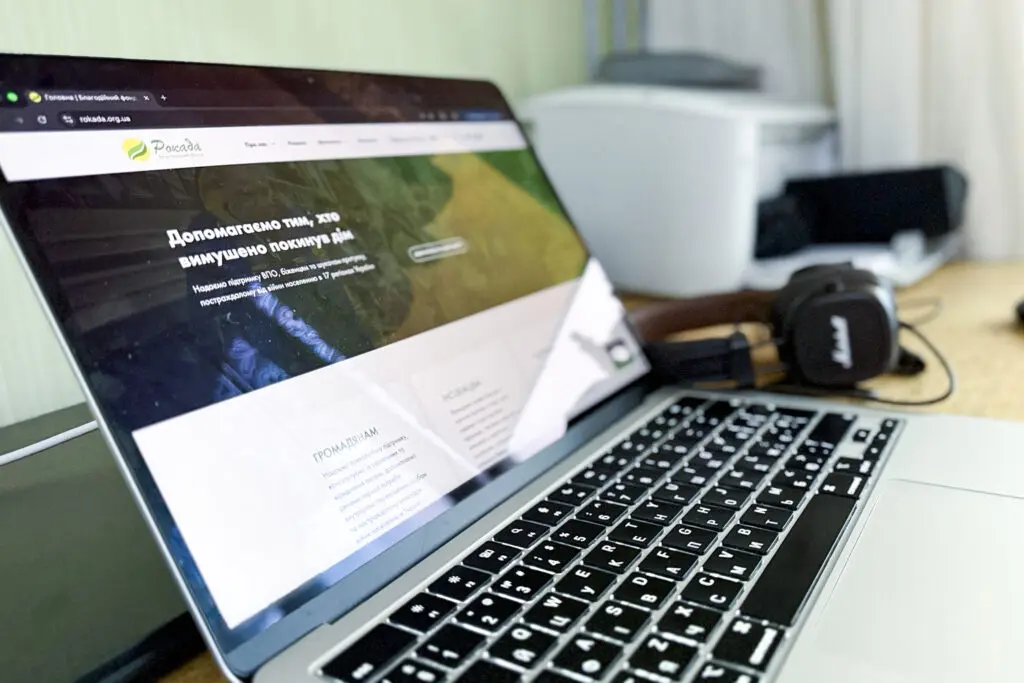
is adapted for users with visual impairments
His experience, Dmytro Popov notes, has helped compile a list of the most common “invisible” technical barriers on modern websites.
“Sometimes a website menu can only be expanded by hovering the mouse. Blind people or people with motor impairments cannot do this. But mouse users will never notice it. And there are many such examples. Alternative text for images is also important – it is not displayed on the screen and can only be read by a screen reader. This way, a person with a visual impairment understands what the image is and why it is there. Next: programmatic identification of elements. Not all text that looks big and bold is a programmatic heading. But it is headings that serve as landmarks, helping people quickly find the content they need and understand its structure. In fact, there are many challenges, and every website or app has its own specifics. But these typical errors can be found on most resources that have not yet been audited and adapted,” the developer points out, calling on Ukrainian civil society organisations and businesses to be more active in promoting digital accessibility.
National Accessibility Week is currently under way in Ukraine. The initiative aims to draw public attention to creating an accessible environment and equal opportunities for all.
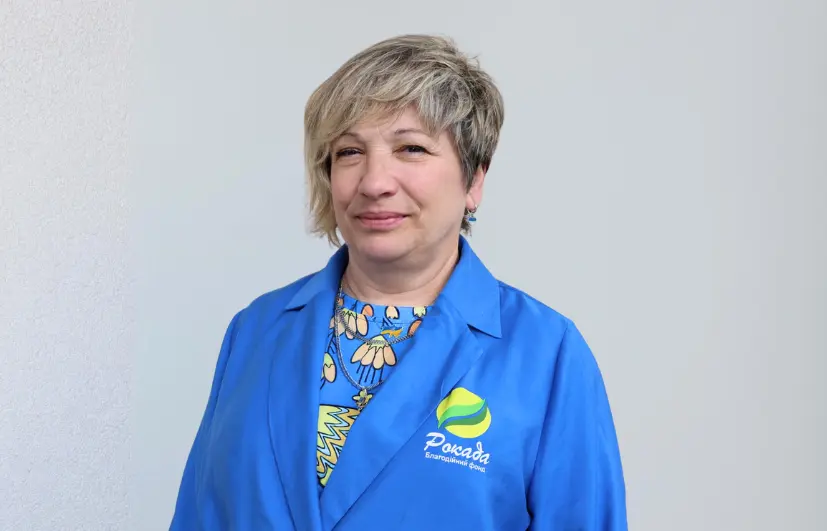
Chair of the Board of the Rokada Charitable Foundation
“For us, accessibility starts with a very simple question: can a person get the information they need on their own, without outside help, unnecessary explanations or obstacles? Adapting the website for people with visual impairments is not just a technical update for us. It is about respect for the person, their self-reliance and dignity. Because when information becomes accessible, a person does not feel ‘superfluous’ or forgotten. We want support to begin not with a barrier, but with the feeling: I am seen, someone thought about me, I can reach out and I will be heard,” stresses Nataliia Hurzhii, Chair of the Board of the Rokada Charitable Foundation.
The Rokada Charitable Foundation continues to make change happen, because true accessibility begins where there is a readiness to see the other person.