
Being in the ‘here and now’: How Rokada psychologists help evacuees return to life
Psychologists are among the first to welcome Ukrainians at transit centres in Dnipro, Zaporizhzhia, and Kharkiv. Together with their colleagues, they accompany evacuees at every stage, helping them through one of the most difficult periods of displacement and adaptation.
Pavlo Pashchenko, a psychologist with the LINK consortium at Rokada’s Kharkiv branch, explains that every person, no matter how strong they may seem, needs support.
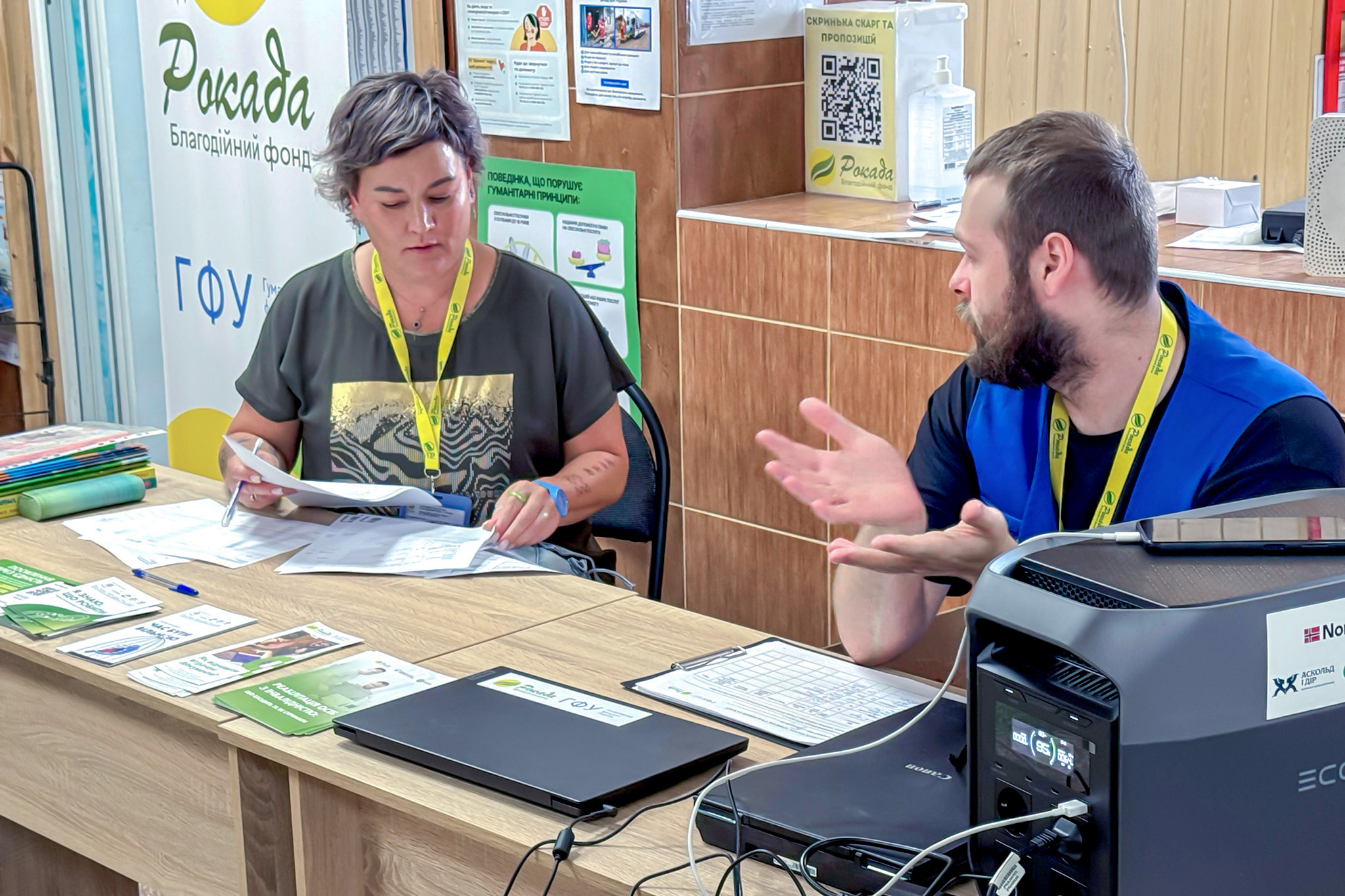
“We meet confused, tired, emotionally exhausted people. Some are crying, others are in a state of shock… They have been through so much that it is difficult to talk about it. And that is when we step in to help. Our role is to assess the newcomer’s initial state and choose the approach they need at that exact moment—some need to calm down, some need to be listened to, others need to be cared for, given some water, or allowed time to process everything,” says a Rokada specialist, sharing the nuances of her work.
Pavlo Pashchenko recalls the story of a young woman who began losing her sight due to what she had been through.
“My colleagues and I worked with her at the transit centre. I remember doing everything possible to pull her out of a state of shock. But when we were filling out documents and addressing certain questions, triggers would suddenly go off, and this woman would instantly burst into tears and practically stop seeing. All the days she stayed at the transit centre, I was right beside her, talking to her until we managed to more or less stabilize her condition,” the psychologist shares.
Svitlana Orlova, a psychologist from Dnipro working on the GIZ project and Pavlo Pashchenko’s colleague at the transit centres, notes that an individual approach is needed for each arrival.
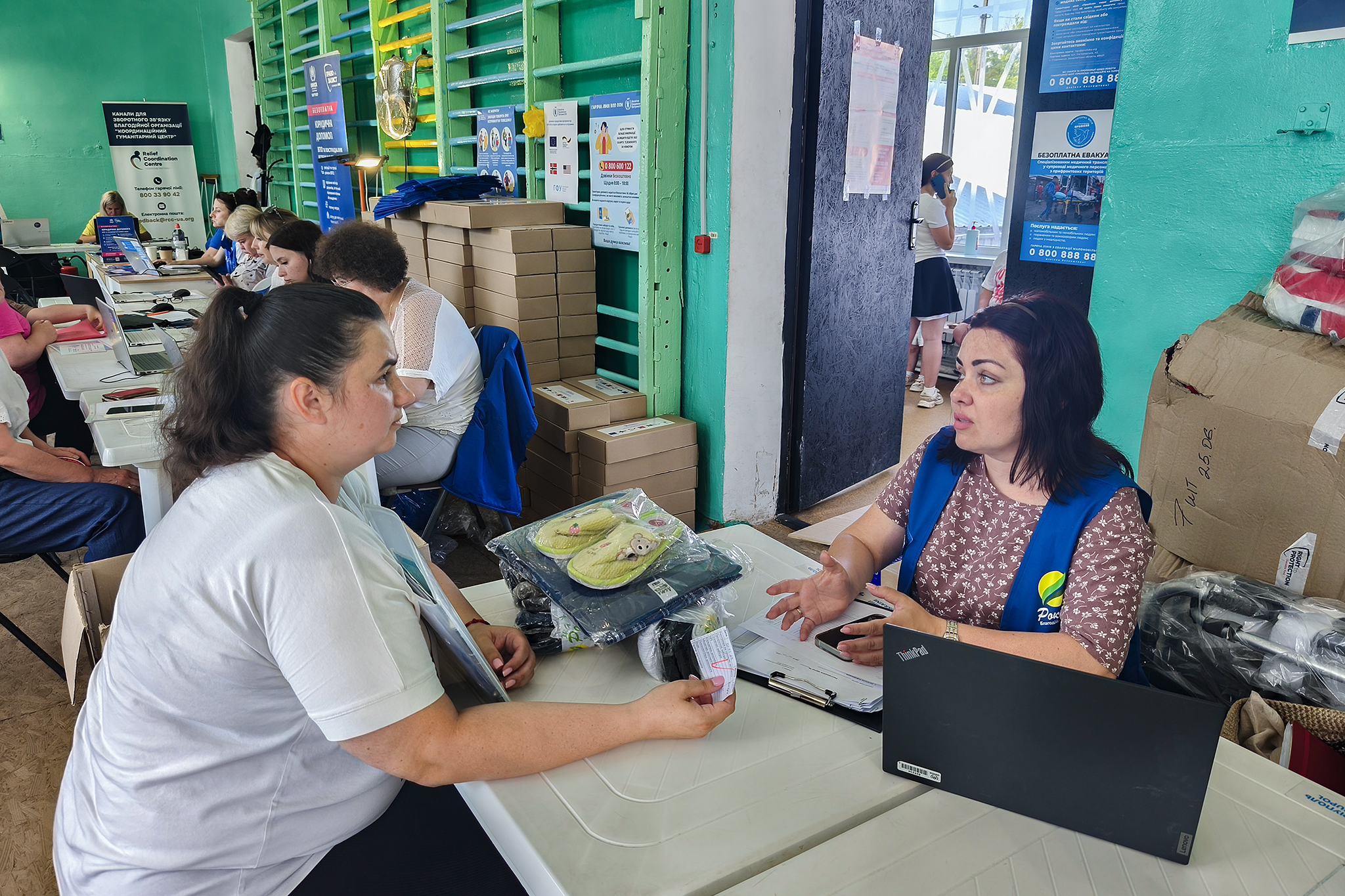
“We meet confused, tired, emotionally exhausted people. Some are crying, others are in a state of shock… They have been through so much that it is difficult to talk about it. And that is when we step in to help. Our role is to assess the newcomer’s initial state and choose the approach they need at that exact moment—some need to calm down, some need to be listened to, others need to be cared for, given some water, or allowed time to process everything,” says a Rokada specialist, sharing the nuances of her work.
Svitlana Orlova also emphasizes that providing professional support to evacuees even after they have left the transit centres is a crucial component of her work.
“When a person or a family leaves the transit centre, they either arrange their lives on their own or come under the care of our foundation or partner organizations in the regions. Our teams on the ground can work individually or continue to provide support in shelters. However, sometimes we can also take on an evacuee for online support. It happens that someone has already gathered themselves and is ready to move forward without psychologists, while someone else might need psychological assistance twice a week. Just talking on the phone, simply being involved in a person’s life until they feel a change in their emotional state or reach a different level of perception,” Svitlana Orlova explains.
Currently, more than 20 transit centres are operating in Ukraine. Rokada teams are on duty at three transit centres in Dnipro, two in Kharkiv, and one in Zaporizhzhia. Since the beginning of the year, more than two thousand internally displaced Ukrainians have received assistance from the foundation.
Last week, 25 elderly people arrived by train in Zhytomyr from the frontline communities of the Kharkiv region in search of peace and safety. Among them were three people with reduced mobility.
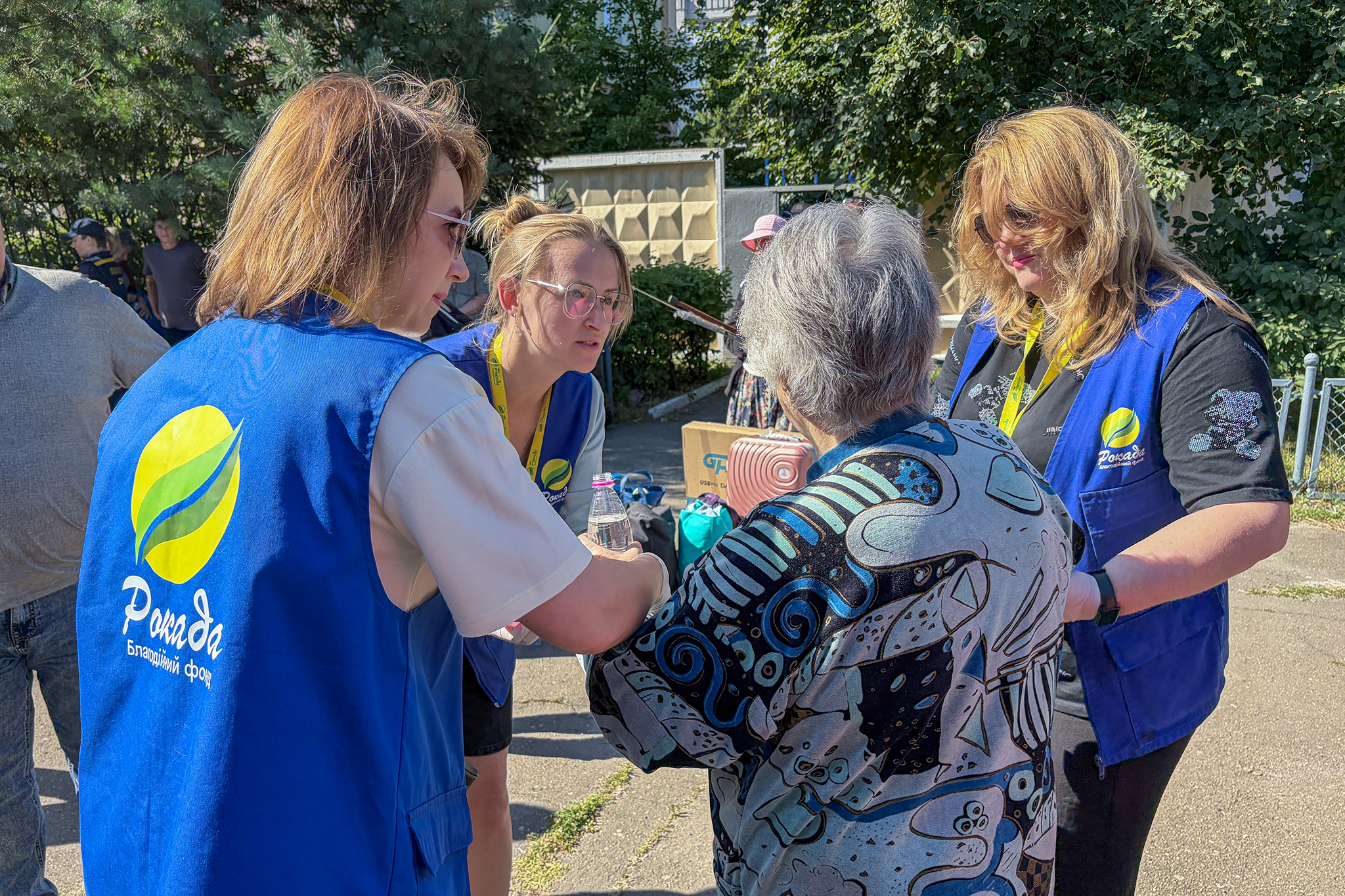
“We transported nine people to a medical facility in the Liubar community. It is important for us not only to meet the evacuees at the station but also to be there during the next stage: to help them find their bearings, accompany them to their place of residence, and ensure that people receive the necessary support. Therefore, our team will continue further work with all the newcomers,” says Kateryna Ostapenko, regional office coordinator.
According to the Zhytomyr Regional Military Administration, nearly 51,000 internally displaced people currently live in the region. And every day, our team does everything possible to ensure that those who lost their homes feel cared for and protected.