
Consultations, trainings and expert support: how the Survivor Relief Centres in Sumy, Kharkiv and Poltava work
Last autumn, the Rokada Charitable Foundation team, in cooperation with UNFPA, the United Nations Population Fund, launched a large-scale project to counter gender-based and domestic violence and respond to the challenges of war in 10 regions of Ukraine.
The initiative brings together different support services into a single system. One of the project’s important areas is the work of the Survivor Relief Centres, created primarily to respond in a timely manner to the challenges of war and conflict-related sexual violence. With Rokada’s support, the Centres operate in Sumy, Kharkiv and Poltava. Read on to learn who can seek support, what services the specialists provide and what has already been achieved.
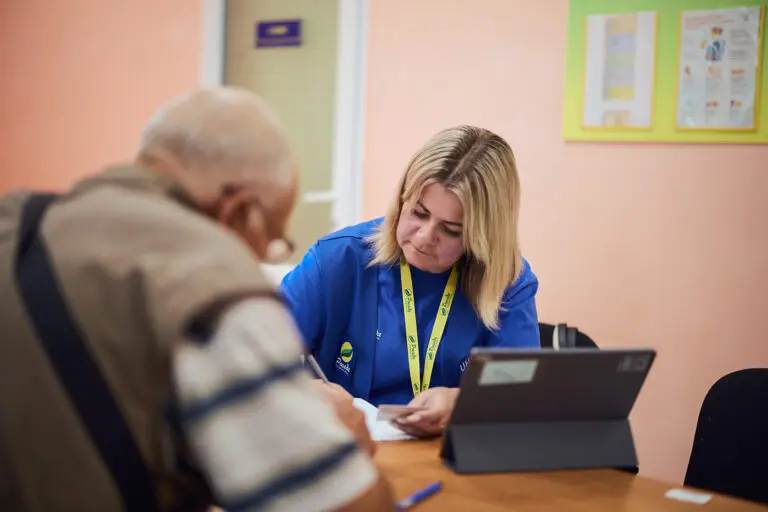
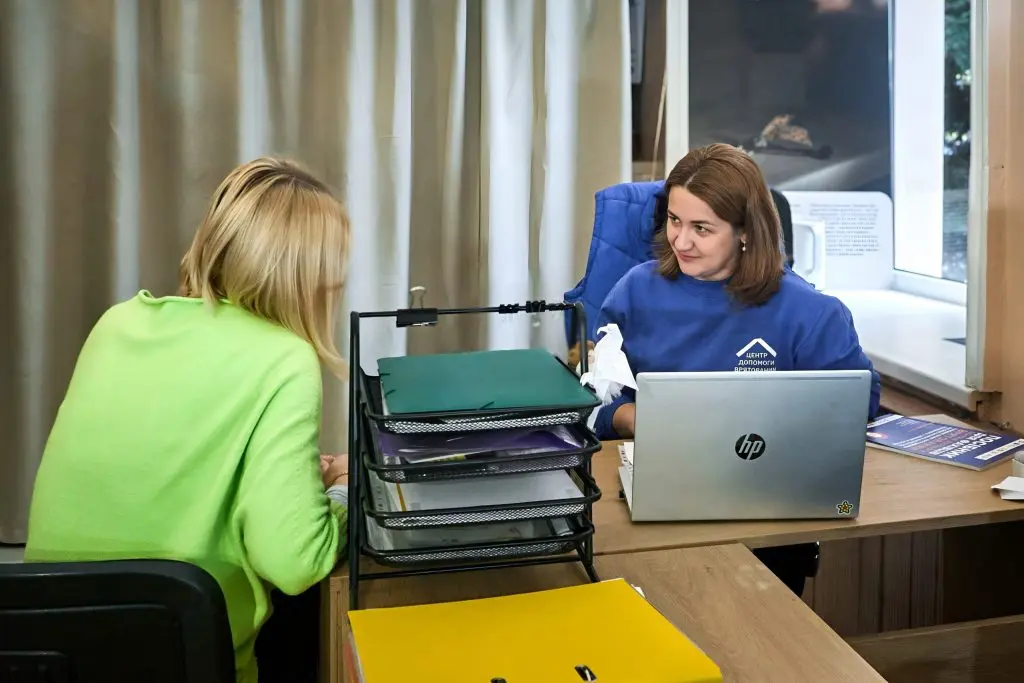
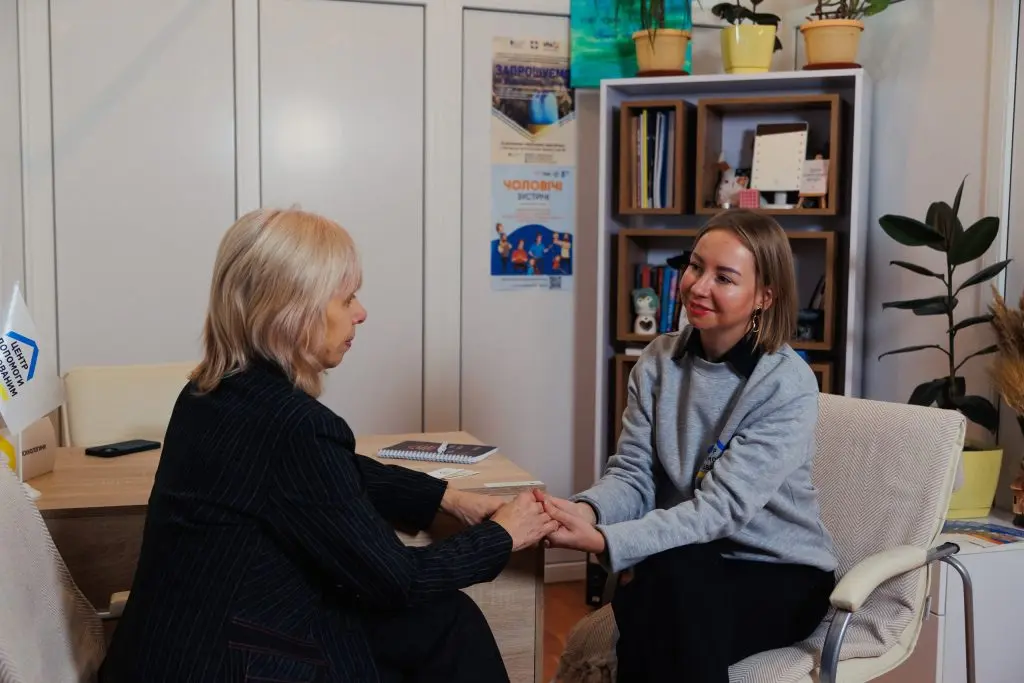
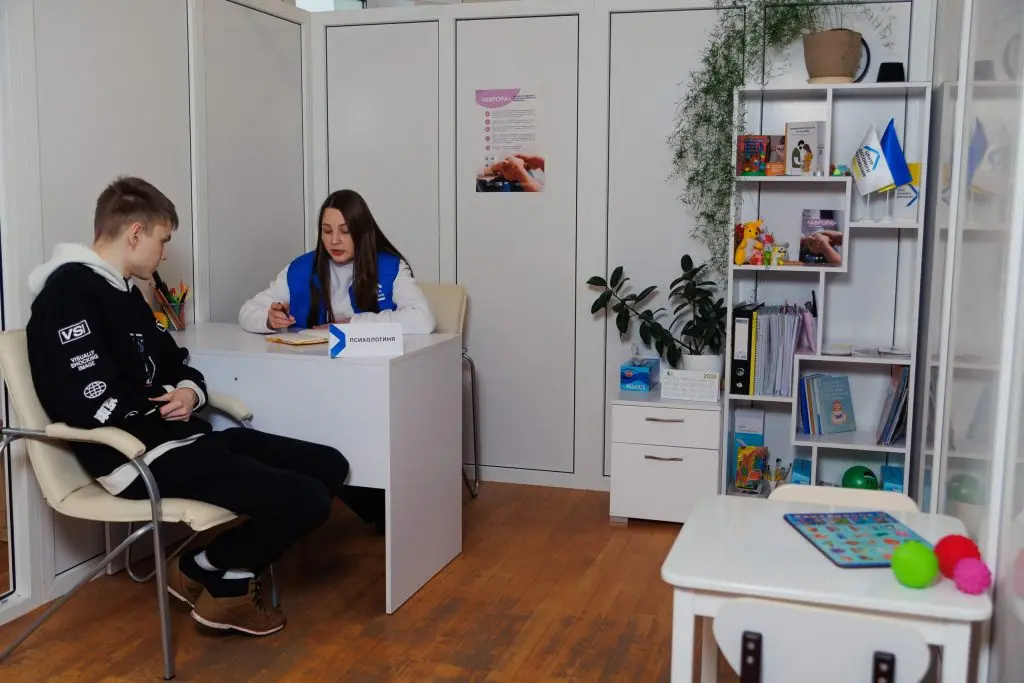
The Survivor Relief Centres have multidisciplinary teams that include psychologists, social workers and lawyers. So everyone who seeks support can receive the full range of services – from individual consultations and case support to group trainings and information sessions.
Help can be sought by people affected by the war, including:
- internally displaced people;
- families of missing persons;
- people released from captivity;
- survivors of gender-based and/or domestic violence;
- those who have experienced conflict-related sexual violence;
- veterans and their family members.
Since the beginning of the year, specialists of the Centre in Sumy have provided about 150 different services
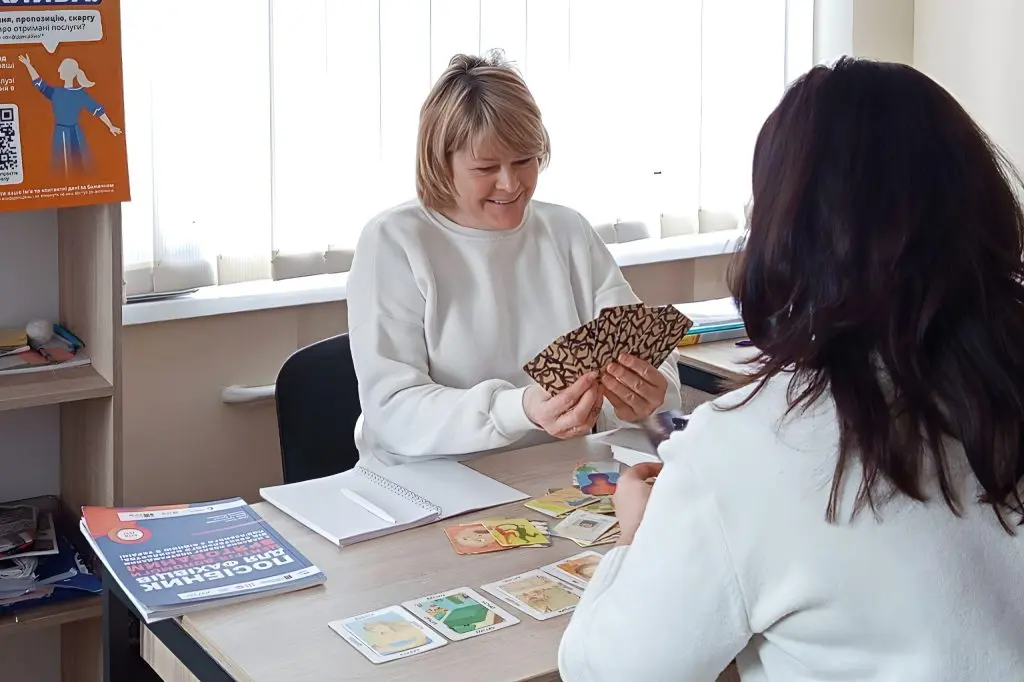
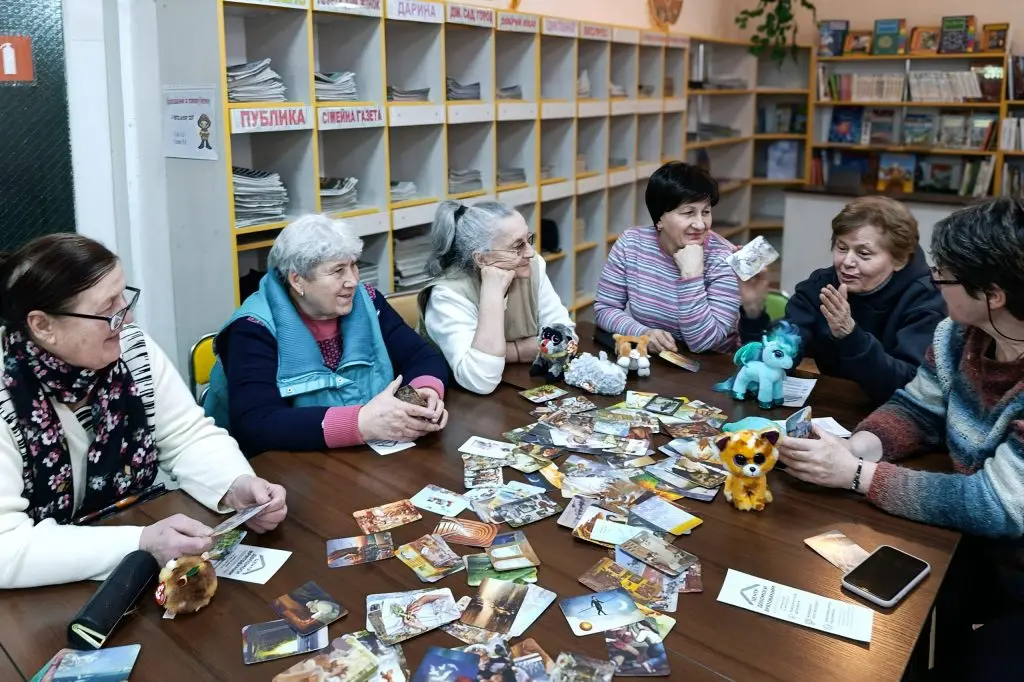
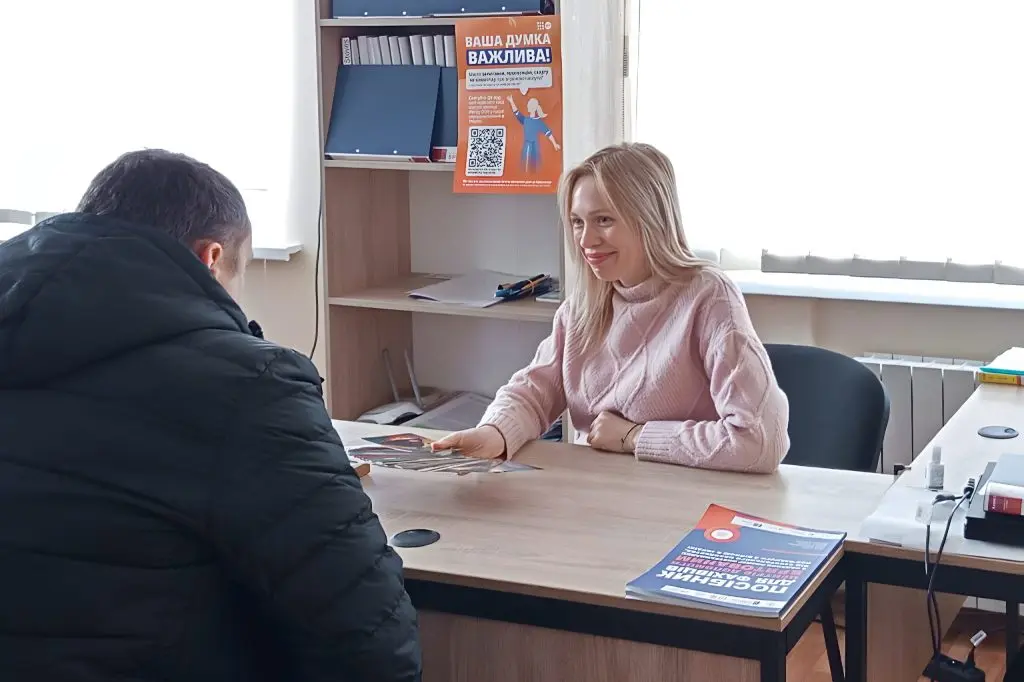
Residents of the region most often seek psychological help for adults and children. In particular, the specialists work with individual requests from women experiencing difficult emotions because of gender-based violence, the loss of their home and other reasons. After the very first meetings, visitors say they feel relief. The Centre’s team also holds group psychoeducational events on mental health for colleagues from other organisations.
Legal assistance is another important and in-demand service. Many requests concern compensation for damaged property and submitting claims to the international Register of Damage caused by Russian armed aggression.
Information meetings are also held. Recently, the Centre’s lawyer held an online human rights session for residents of a shelter in the town of Lebedyn. Participants discussed social payments and rent subsidies and learned about the possibility of compensation under the eVidnovlennia (eRecovery) programme.
To provide support in a timely and effective manner, the specialists constantly improve their professional skills – they attend supervision and intervision sessions and complete training, in particular on gender equality and countering harassment in the military, working with moral injuries of war and more.
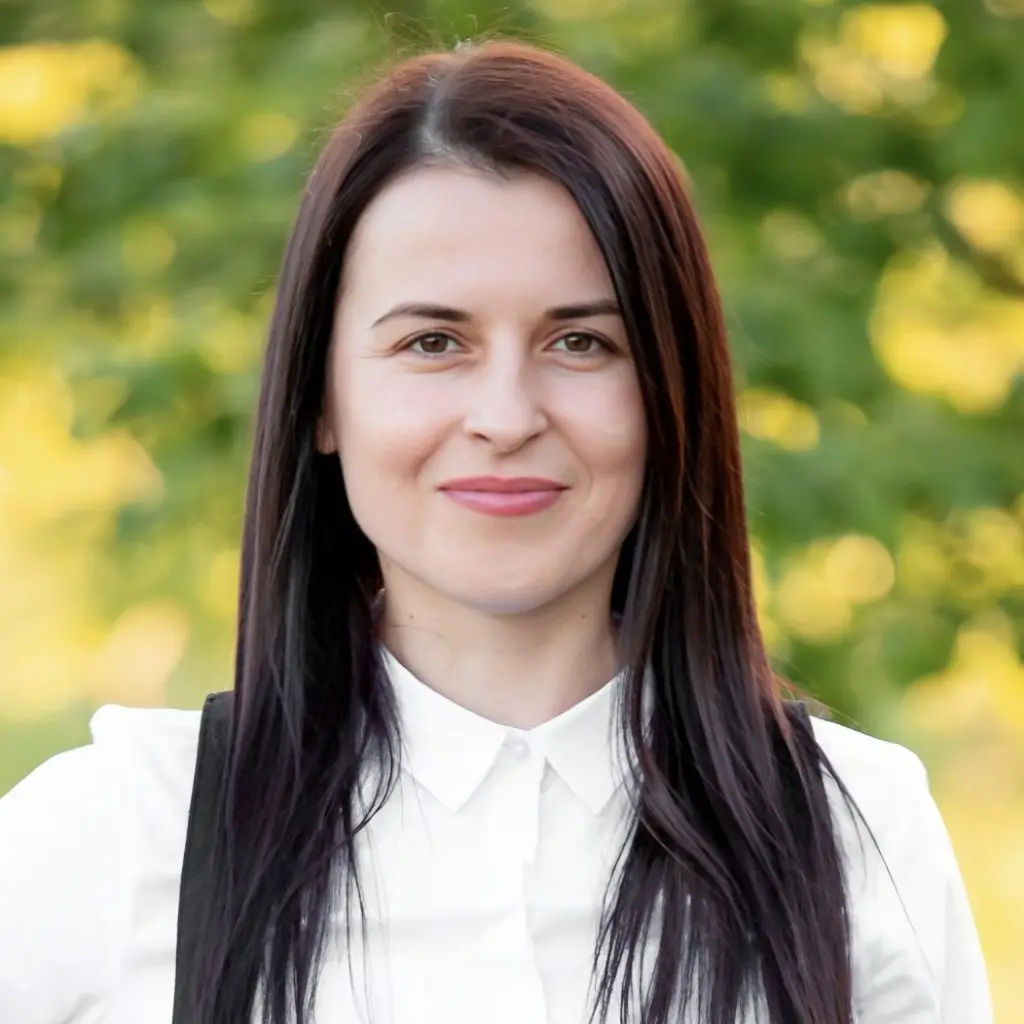
Yuliia Bakina,
Coordinator of the Survivor Relief Centre in Sumy
“When I started working at the Survivor Relief Centre, I immediately understood the value of such institutions, especially in our time. Today more and more people need support, so we have an important task – to build trust with everyone who comes to us, in order to understand their problems as clearly as possible and find ways to solve them.
Professional cohesion is also very important in the humanitarian sphere. Last week I joined a coordination meeting of the Protection Cluster, where representatives of different organisations talked about their work and shared experience.”
At the Kharkiv Survivor Relief Centre, the start of the year has also been extremely busy, and the numbers say it best
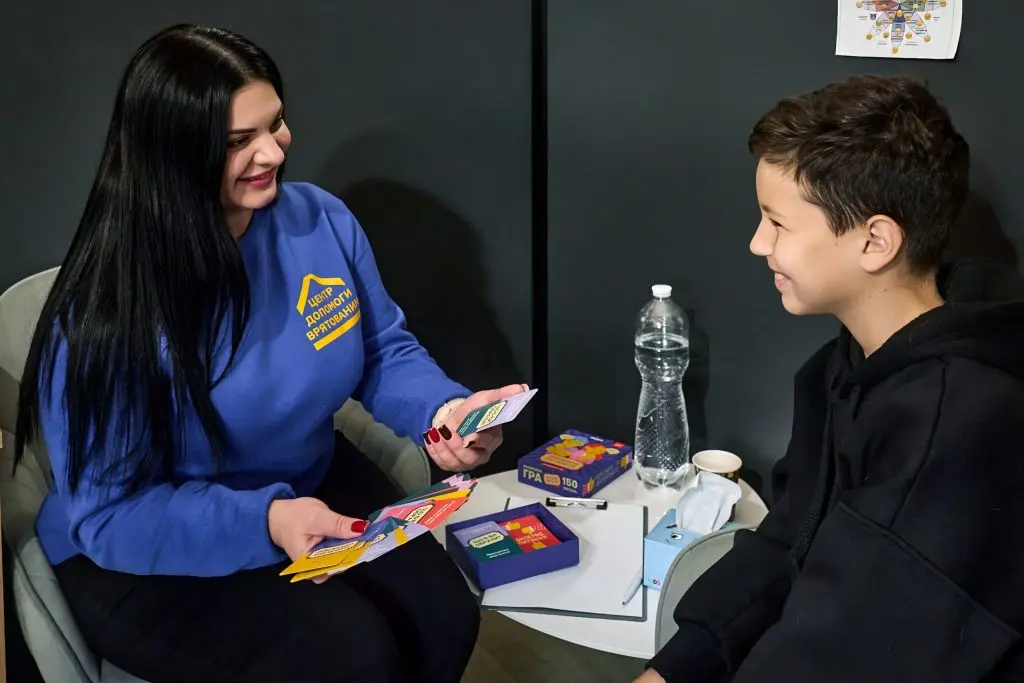
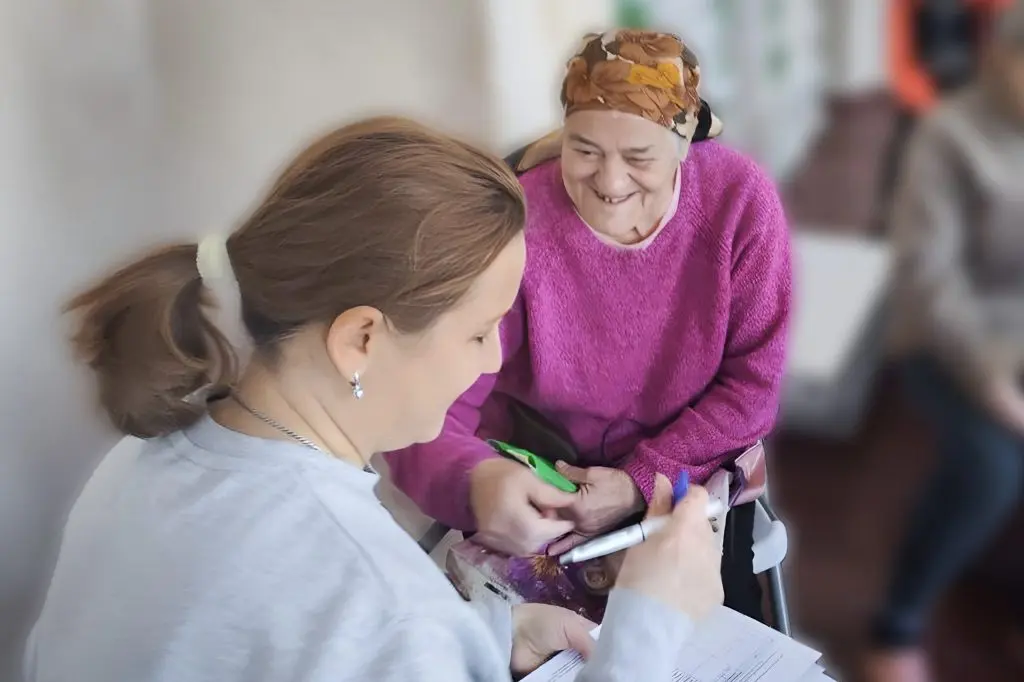
Psychologists have already provided 258 individual consultations for adults and children. In addition, meetings on mental health are held regularly in Kharkiv and the region. In the town of Chuhuiv, one such event brought together 40 shelter residents.
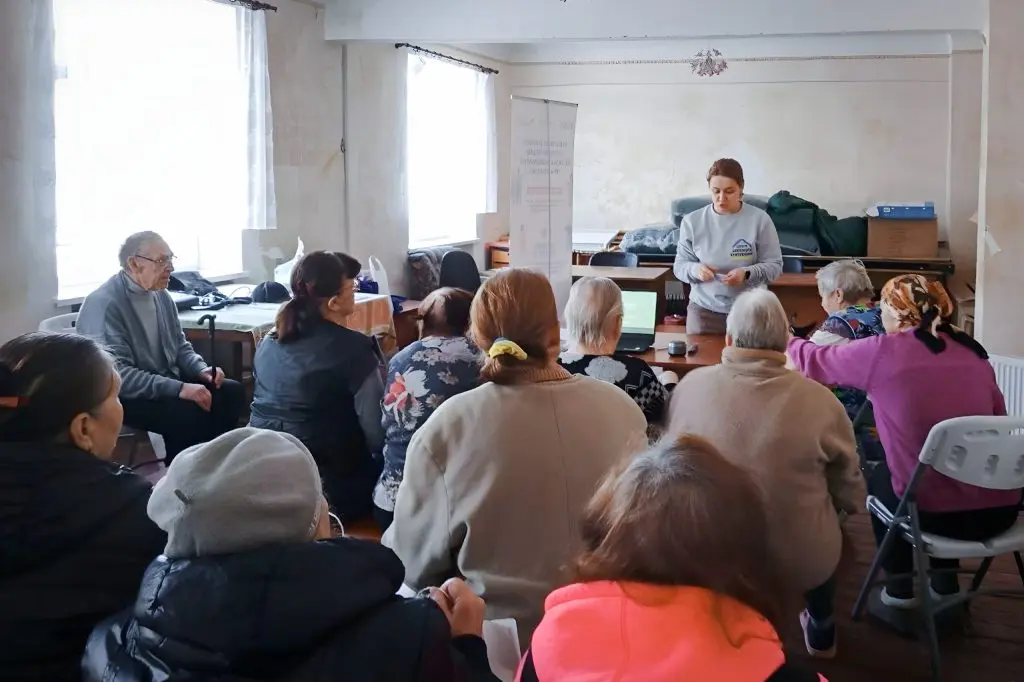
The specialists continue to introduce local residents to the Centre’s work. In total, they made 18 visits to the region’s communities, held 3 lectures on civic education and protecting one’s rights, and 11 information sessions on various topics – from gender-based violence to opportunities to get help. These outreach events reached 295 people in difficult life circumstances.
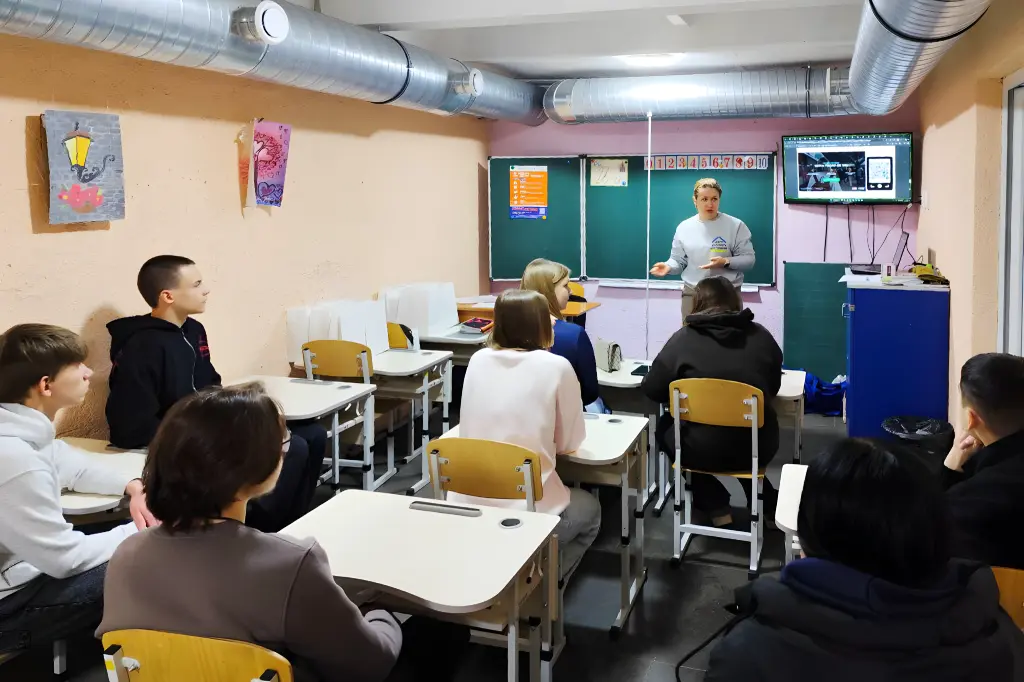
The staff also focus on work with children. In Kharkiv, the Centre’s team organised 5 information and awareness-raising meetings for schoolchildren in shelters on legal education and psychological support under martial law, and 2 lectures on mine safety for younger pupils.
79 residents of the region used legal services, and case managers provided 134 social consultations and completed training on referring beneficiaries. In addition, the whole team completed a course on Preventing Sexual Exploitation and Abuse.
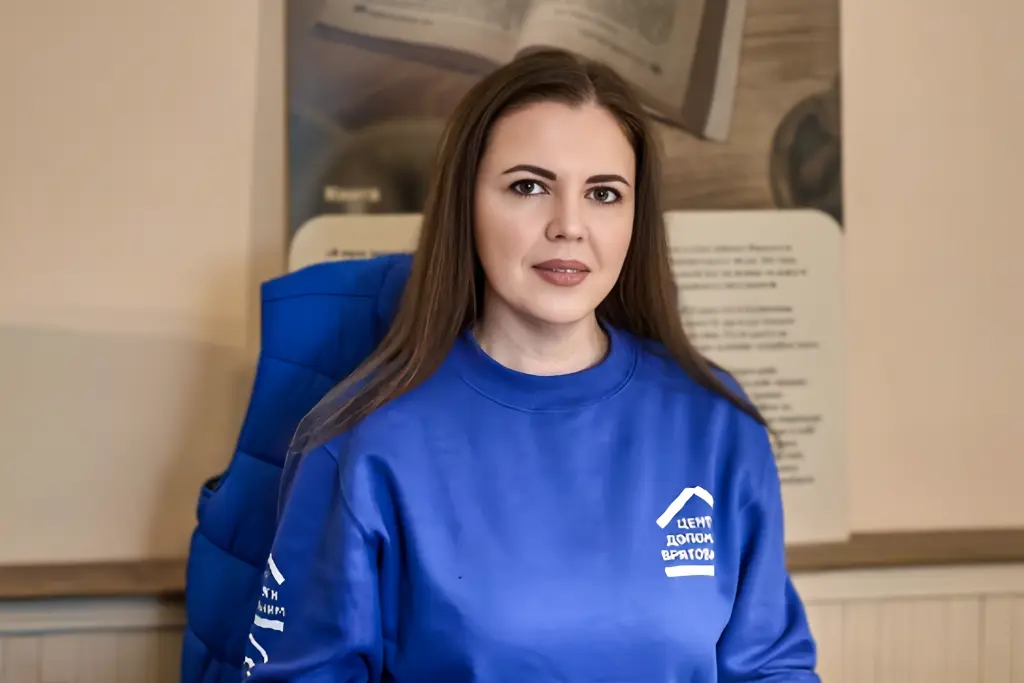
Olena Kyrychuk,
Coordinator of the Survivor Relief Centre in Kharkiv
“Such a Centre is not only a space for services but also for safety, trust and recovery. Every day we work so that people who have experienced violence or traumatic events are not left alone with it. Here one can receive psychological, social and legal support and feel respect, acceptance and support.
Every day we see how small steps turn into big changes: when the strength appears to speak, make decisions and trust again. For me as coordinator, it is important that every person who crosses the Centre’s threshold knows: their experience is heard, their dignity is unconditional, and our help is real.”
In January, the team of the Centre in Poltava provided 387 services, including social and psychological services for adults and children, legal consultations and case support
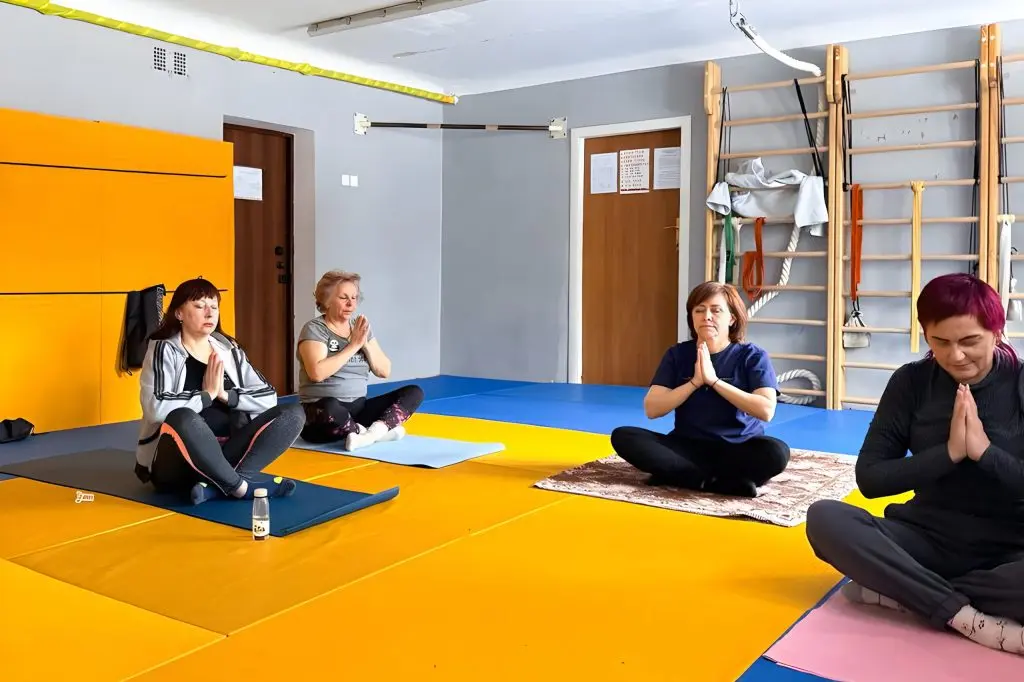
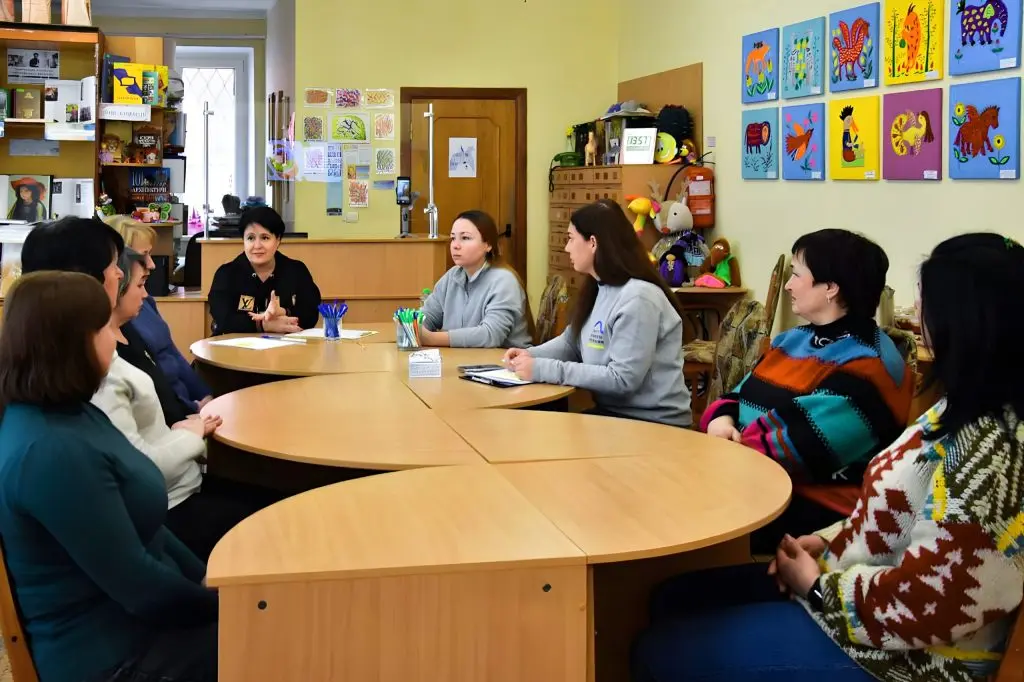
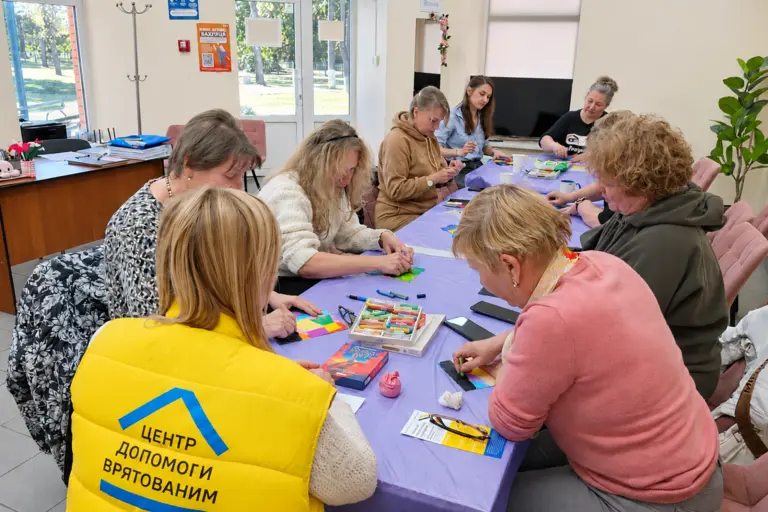
Every week, the Centre’s psychologist holds sessions with elements of body-oriented therapy and meditation for internally displaced residents of Donetsk and Luhansk regions and for local residents. Such meetings create a safe and harmonious space for a deep awareness of one’s own experiences, restoring inner support and making mature decisions.
Social workers also regularly visit temporary accommodation sites in the region’s communities to inform residents about the Centre’s services.
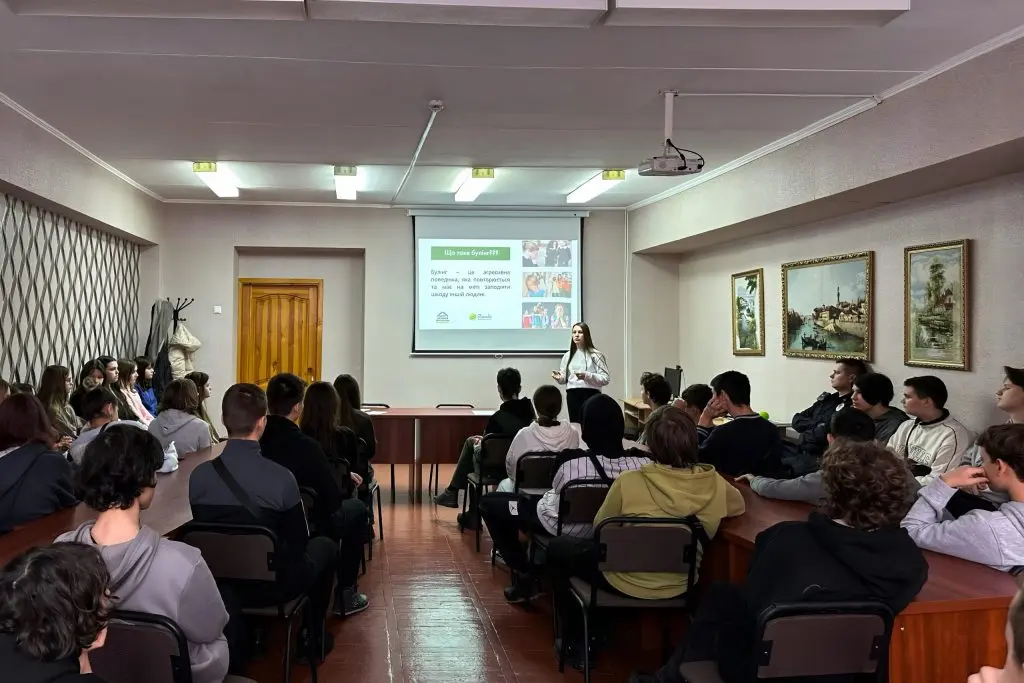
The specialists pay special attention to information and awareness-raising events for children. The events aim to improve schoolchildren’s psycho-emotional state and cover various topics: stress resilience and adapting to crisis situations, countering bullying and emotional literacy.
To share professional experience and improve the quality of services, the Centre’s team is constantly building new partnerships and cooperation. Partners for referrals and joint activities already include the Veterans Centre, the Educational Safety Service and the I Am Mariupol Charitable Foundation.
Colleagues from other institutions also often turn to the specialists for expert support. For example, the lawyer, in cooperation with the regional centre of social services, held an online training on preventing sexual exploitation and abuse in humanitarian work. The event brought together more than 70 participants working in the social sphere.
Since the beginning of the year, the team has already joined an online meeting of the national-level Protection Cluster initiated by UNHCR; an online presentation of the results of the study “Stigmatisation of Persons with Disabilities and Survivors of Explosive Ordnance in Ukraine”, commissioned by the Danish Refugee Council (DRC); and a meeting of the Expert Council under the Representative of the Ukrainian Parliament Commissioner for Human Rights.
Nataliia Deriabina,
Coordinator of the Survivor Relief Centre in Poltava

“For me, the Survivor Relief Centre is real support for people at the most difficult moments of their lives. I see how professionally and at the same time sensitively the team works with each request, preserving the person’s dignity. It is well-coordinated work where every specialist is in the right place and responsible for their area.
Thanks to the comprehensive approach, a person can receive all the necessary consultations and support in one place, and their requests are handled systematically and with quality. We are united by a common goal and focused on results, and it is this teamwork that allows us to provide tangible help to our beneficiaries.”
The work continues, despite everything. If you need help, please don’t wait – call:
- Sumy – (067) 540 70 82;
- Kharkiv – (067) 770 21 78;
- Poltava – (097) 944 96 01.
The Survivor Relief Centres in Sumy, Kharkiv and Poltava were established at the initiative of the Office of the Deputy Prime Minister for European and Euro-Atlantic Integration, with the assistance of the Government Commissioner for Gender Policy, in partnership with UNFPA, the United Nations Population Fund, with financial support from the governments of Austria, Belgium, Spain and Sweden, in cooperation with local authorities and the Rokada Charitable Foundation.
UNFPA, the United Nations Population Fund, is the leading UN agency focusing on gender equality, reproductive health and youth capacity building. Together with partners, UNFPA works in 150 countries and territories worldwide, and in Ukraine since 1997.
More information about UNFPA and its work in Ukraine: https://ukraine.unfpa.org/en