
For a retreat in the Carpathians, Rokada for the second time united veterans from Sumy region
The second retreat for veterans and their families from the Sumy region gathered participants in the Carpathians, for whom a few days away from daily anxieties became an opportunity to restore strength, connect with people with similar experiences, and dedicate time to themselves and their loved ones.
The program combined physical therapy, psychological support, adaptive sports, creative activities, and family leisure. The main goal was to help participants restore their strength, strengthen family bonds, and create a space where veterans could feel the support of people who understand their experience.
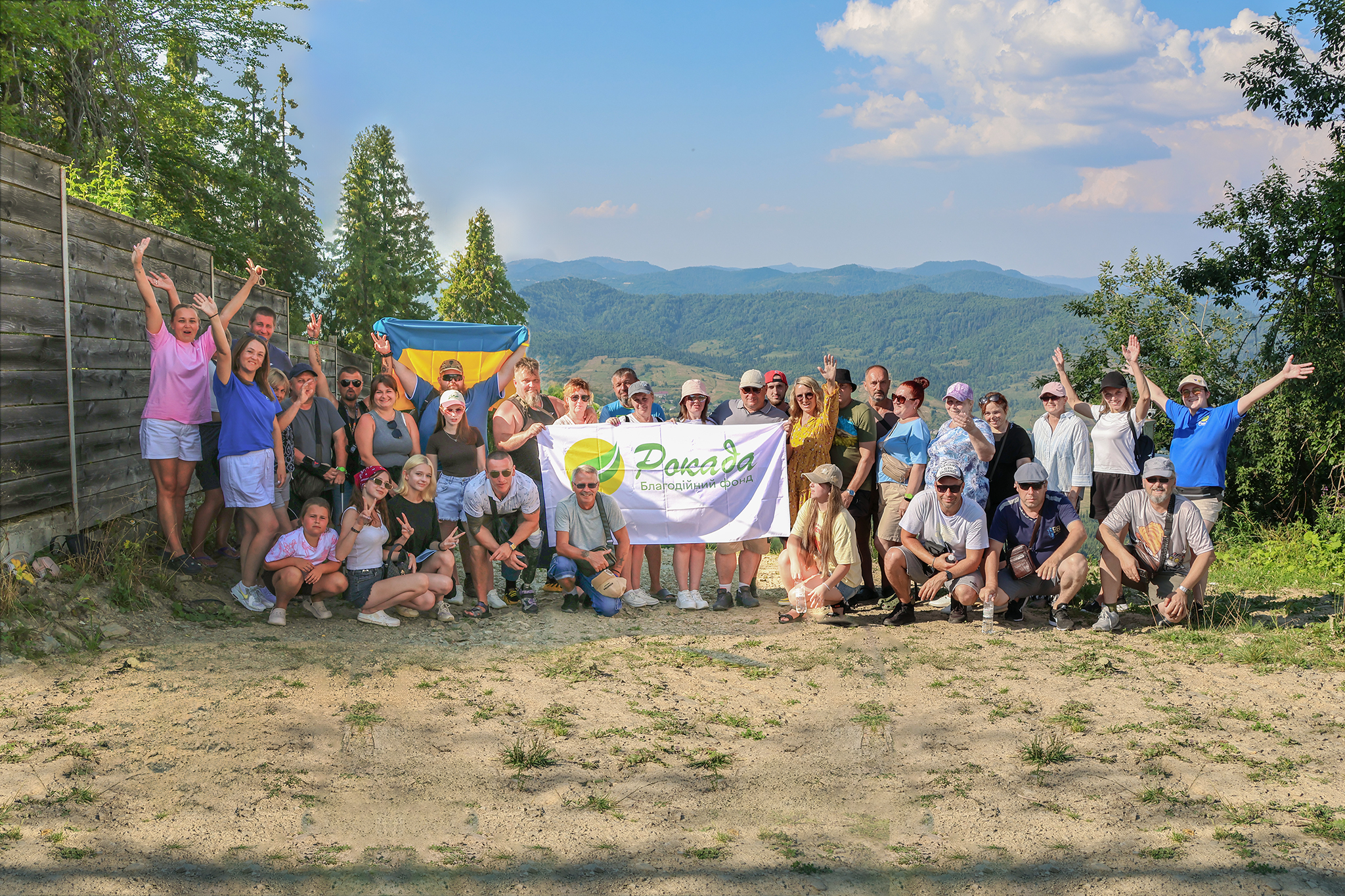
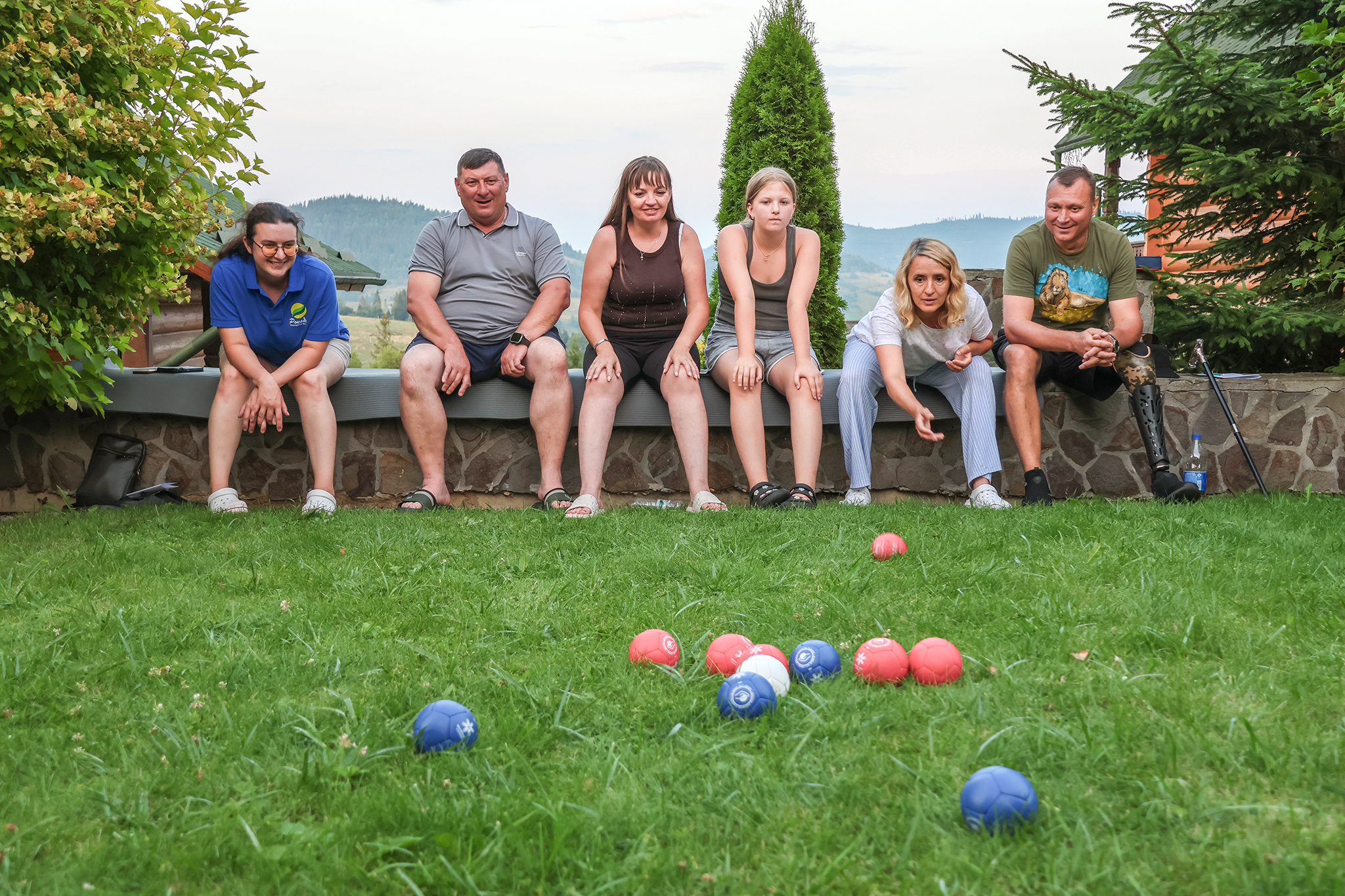
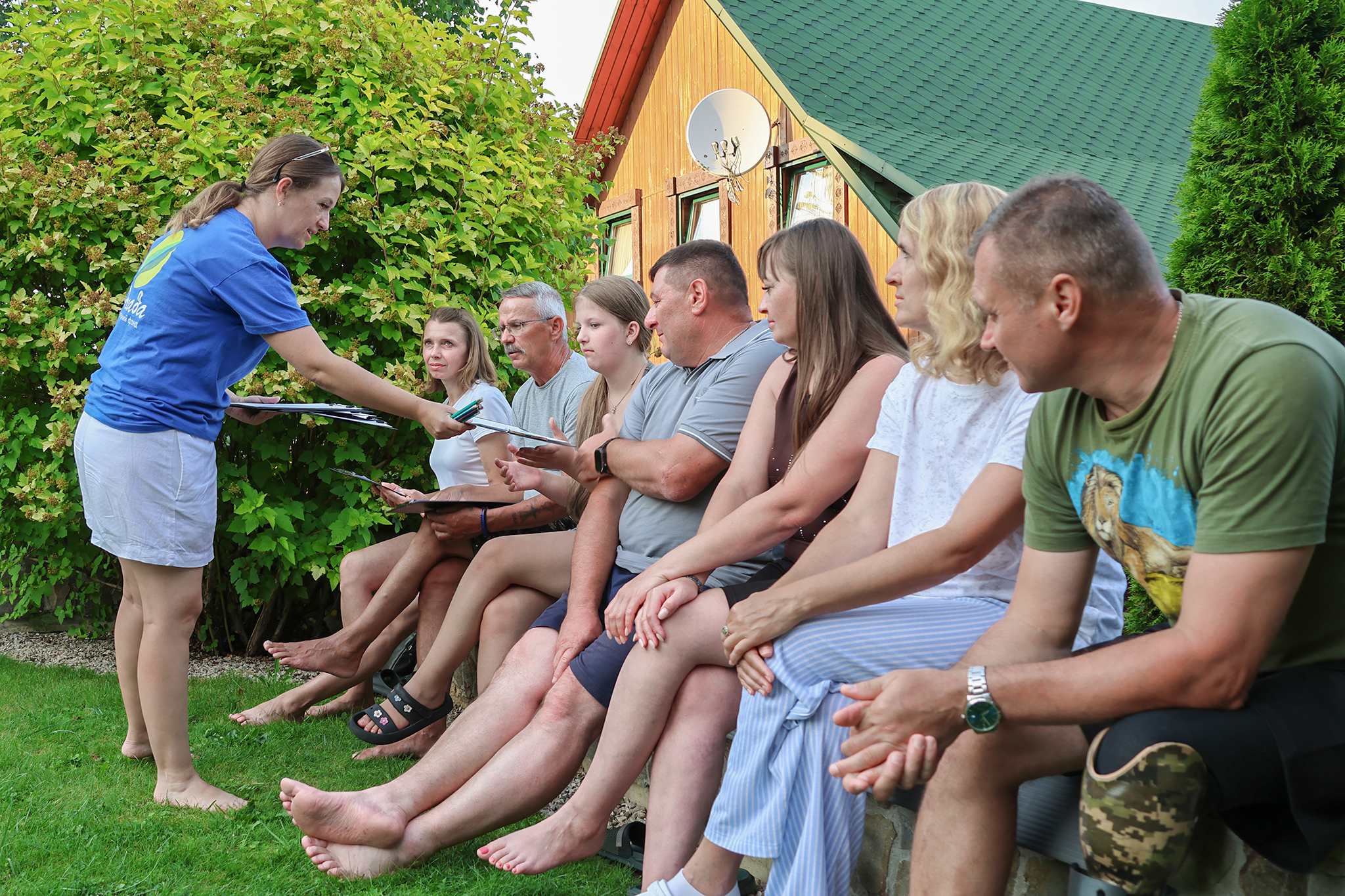
“This is already the second retreat we have organized for veterans and their families from the Nedryhailivska hromada of the Sumy region at the ‘Plai’ ski resort. While during the first trip there were more families with children among the participants, this time it was mostly married couples who came.
We can see how people here start to communicate more, hear each other, and find time just to be together. It is especially heartening to see that the veterans have become very close: they support each other, joke, and share their experiences. Often, they don’t even need many words to understand one another.
I truly hope that after returning home, this communication will not end but will grow into a real friendship and mutual support within the community,” shares regional coordinator Valentyna Ihnatusha.
In addition to shared leisure, the retreat program consisted of individual work with physical therapists, psychological consultations, adaptive sports, walking tours, and excursions. All these activities took place for the sake of one thing — to help veterans and their families restore their physical and emotional resources.
Physical therapist Yana Tymoshenko notes that during the second retreat, the needs of the veterans themselves have also significantly changed.
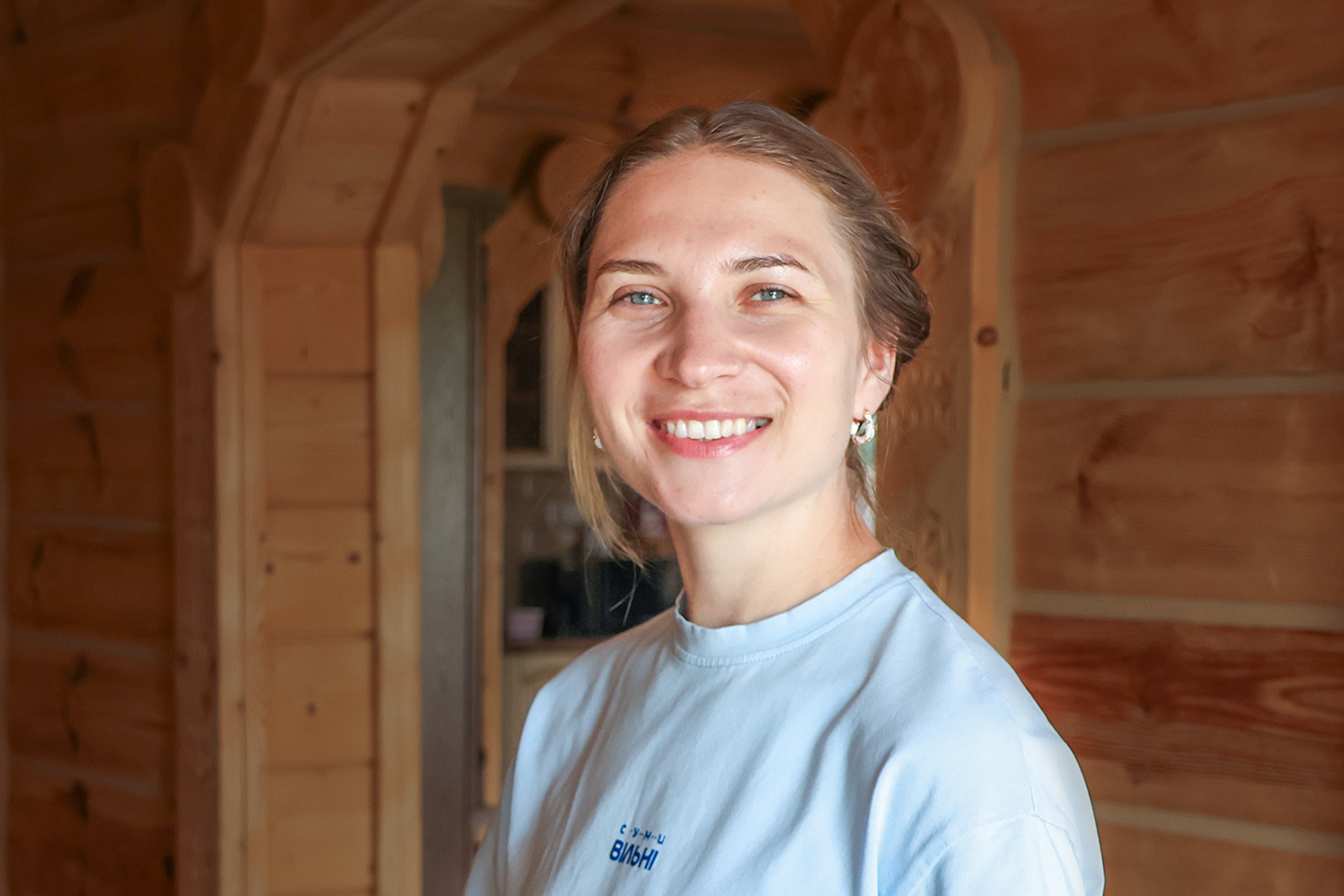
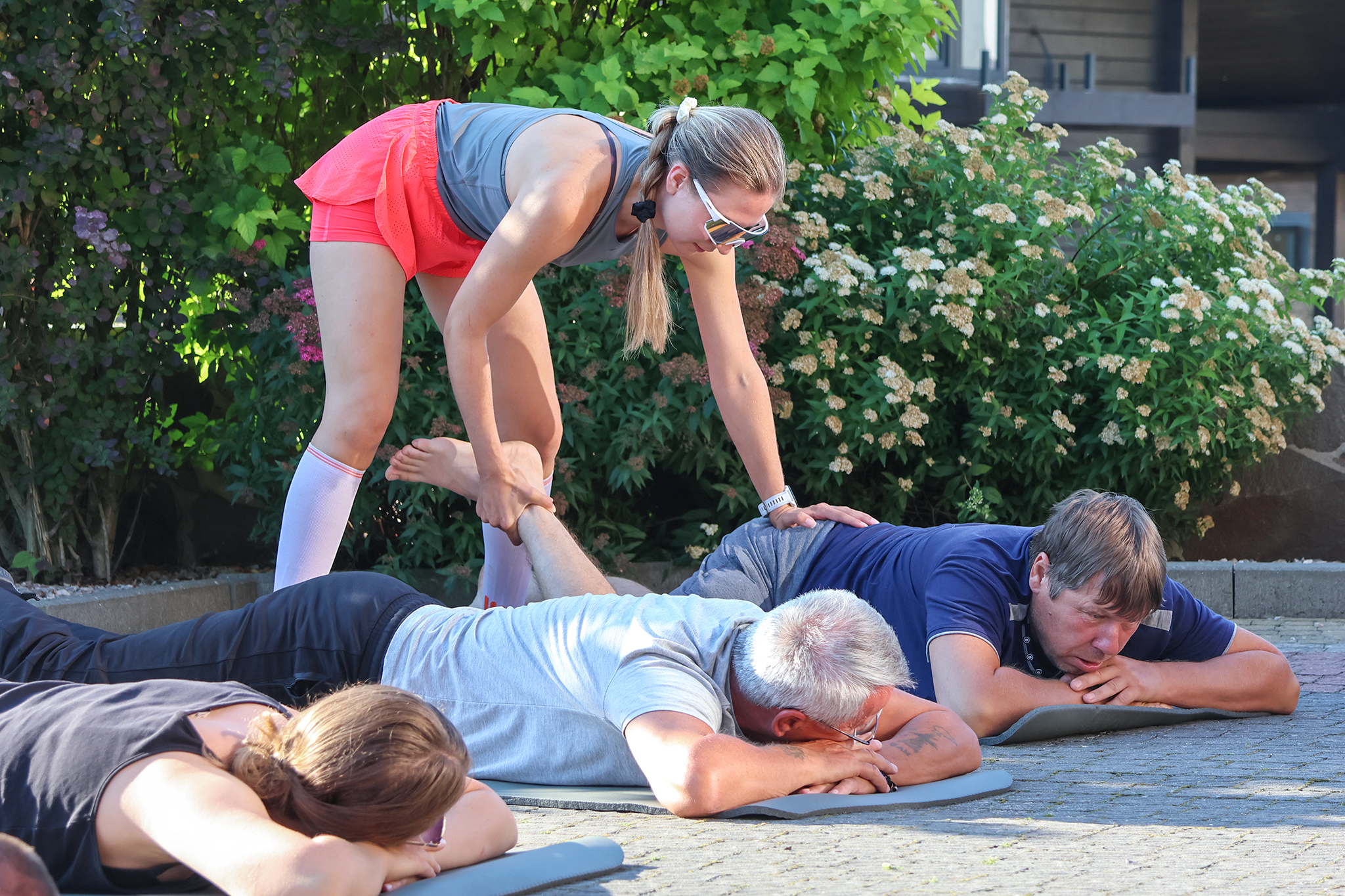
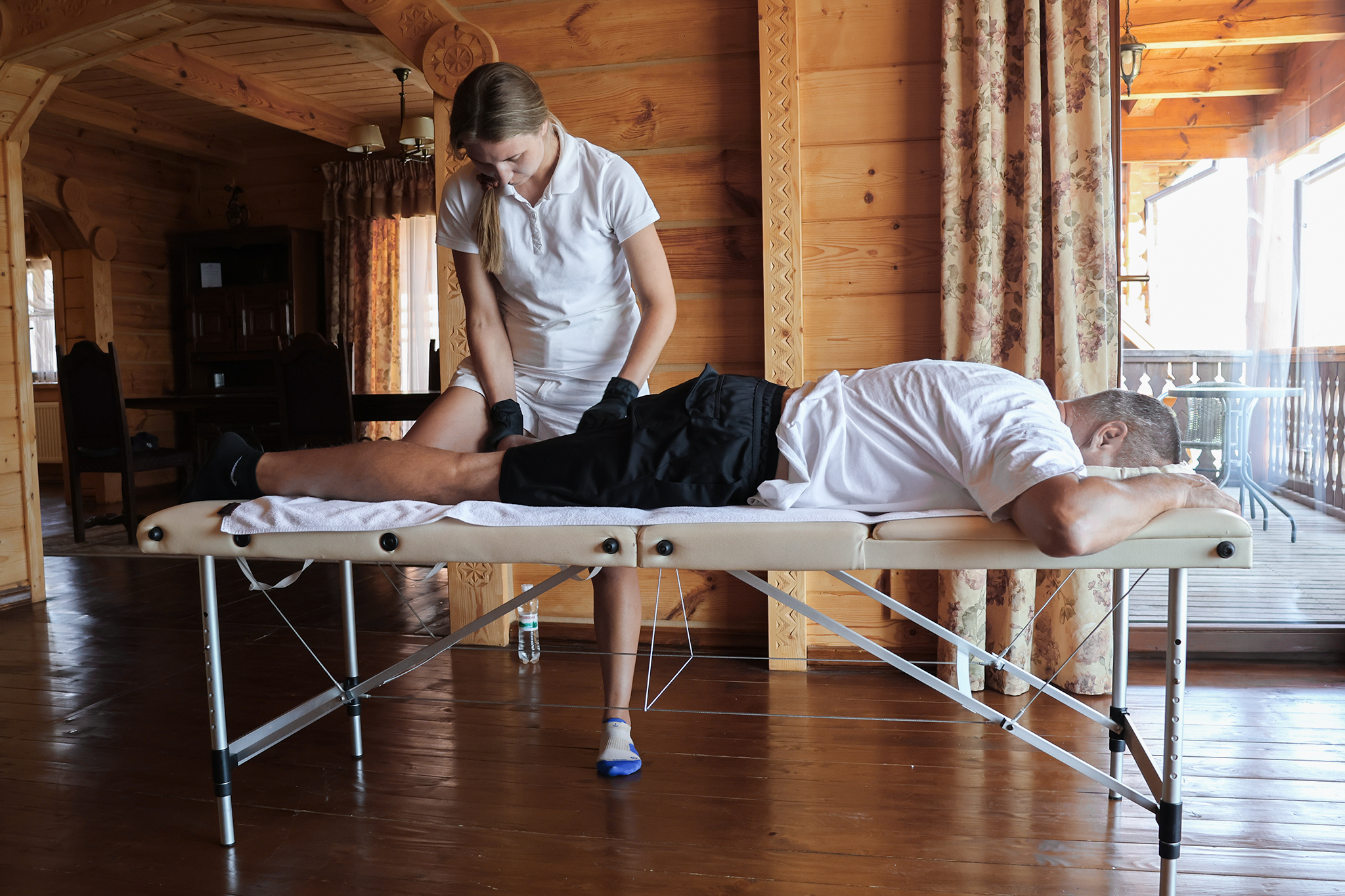
“If we compare the participants of the first and second retreats, the difference is very noticeable. The first trip included veterans who completed their service in 2022–2023. Back then, we worked extensively to explain the principles of evidence-based physical therapy, teach people how to manage their condition, and answer questions about further rehabilitation.
This time, mostly veterans from 2024–2025 came. Most of them already had experience with high-quality rehabilitation, so their requests were different. They came primarily for the opportunity to rest, recover, and relieve physical tension. That is why we focused more on relaxation methods: we used massage and the dry needling technique, while also providing individualized help to participants dealing with the consequences of severe injuries, scarring, or mobility limitations.
The fact that there were significantly fewer veterans requiring intensive physical therapy this time is a good indicator. It means that more and more people are receiving high-quality rehabilitation even before participating in such programs,” the specialist explains.
Veteran Serhiy Shyshenko says, after returning from service the biggest challenge remains not physical recovery, but the inner state.
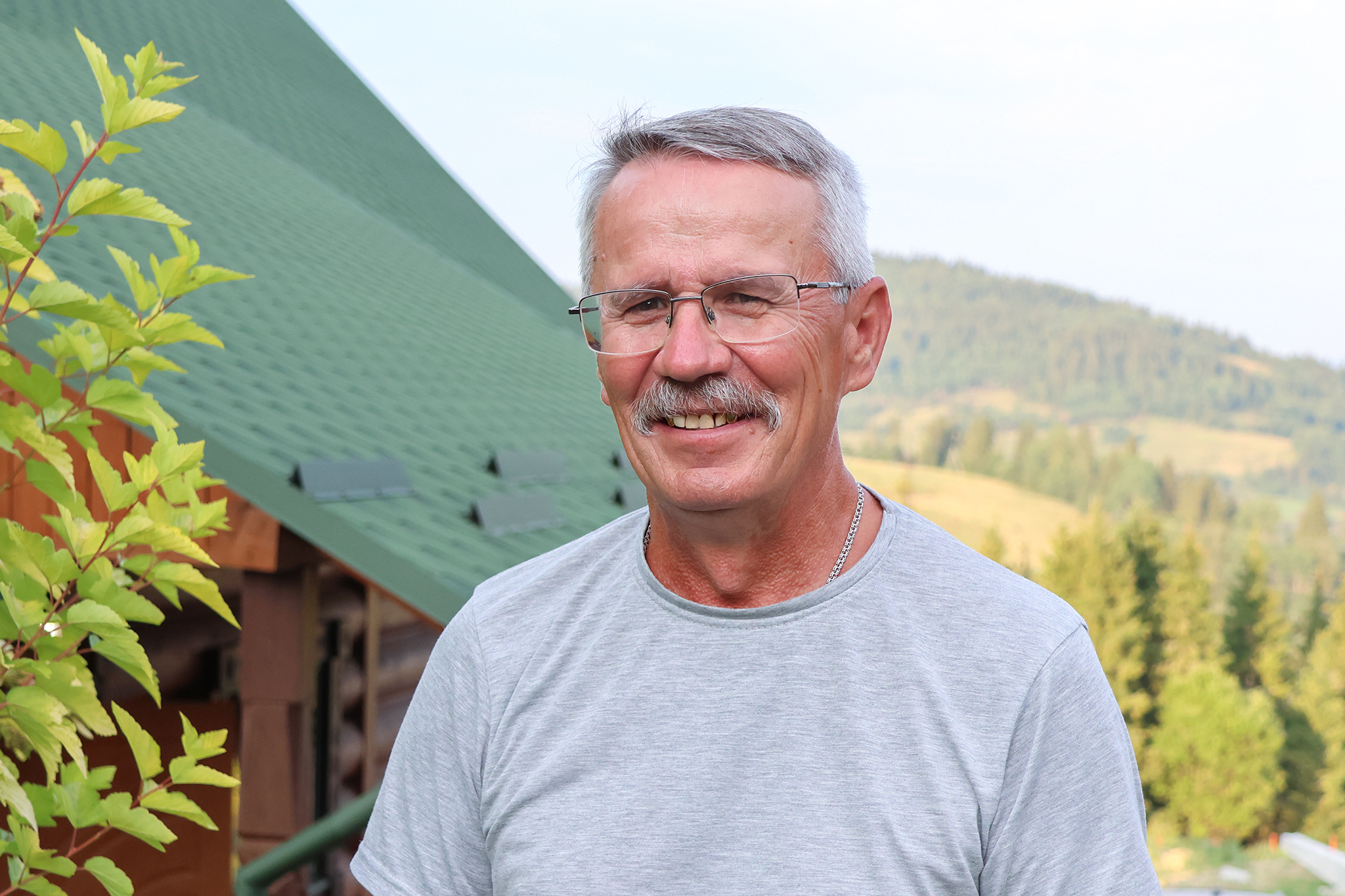
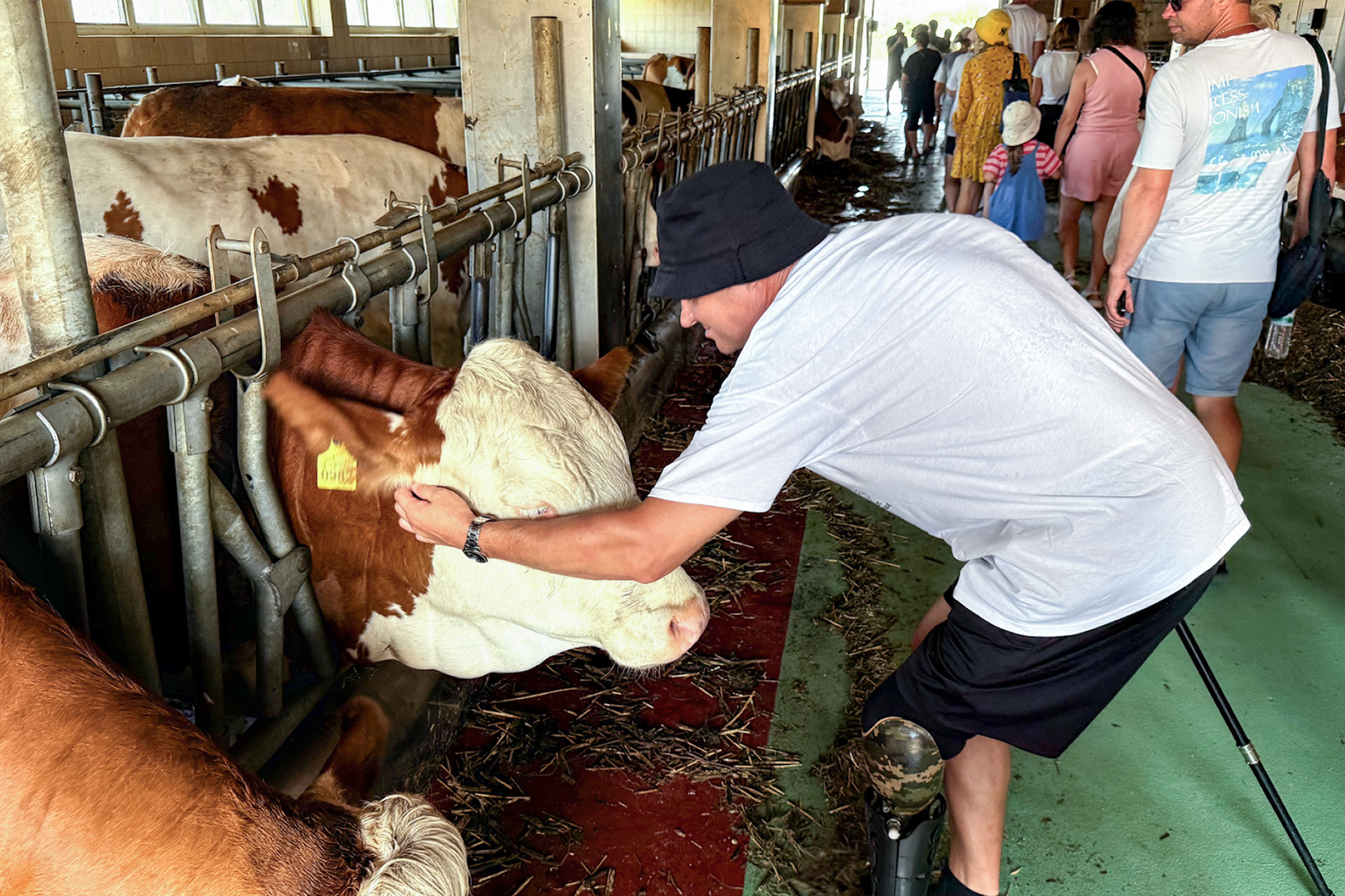
Serhiy completed his military service. However, returning to normal life proved to be difficult: due to deteriorating health, he was unable to work again. Today he spends most of his time at home, and his dog Rusya remains the best company for him.
During the retreat, the man also worked with a physical therapist.
“After the massage, it became much easier to move my arm. Such a rest truly gives a feeling that you are gradually recovering,” says the veteran.
Returning to civilian life changes not only veterans, but also their families. It is often the loved ones who become the first to help cope with the consequences of injuries, prolonged treatment, and psychological experiences. Therefore, the veterans traveled to the Carpathians together with their wives and children.
Vitaliy Yushchenko is participating in the retreat together with his wife.
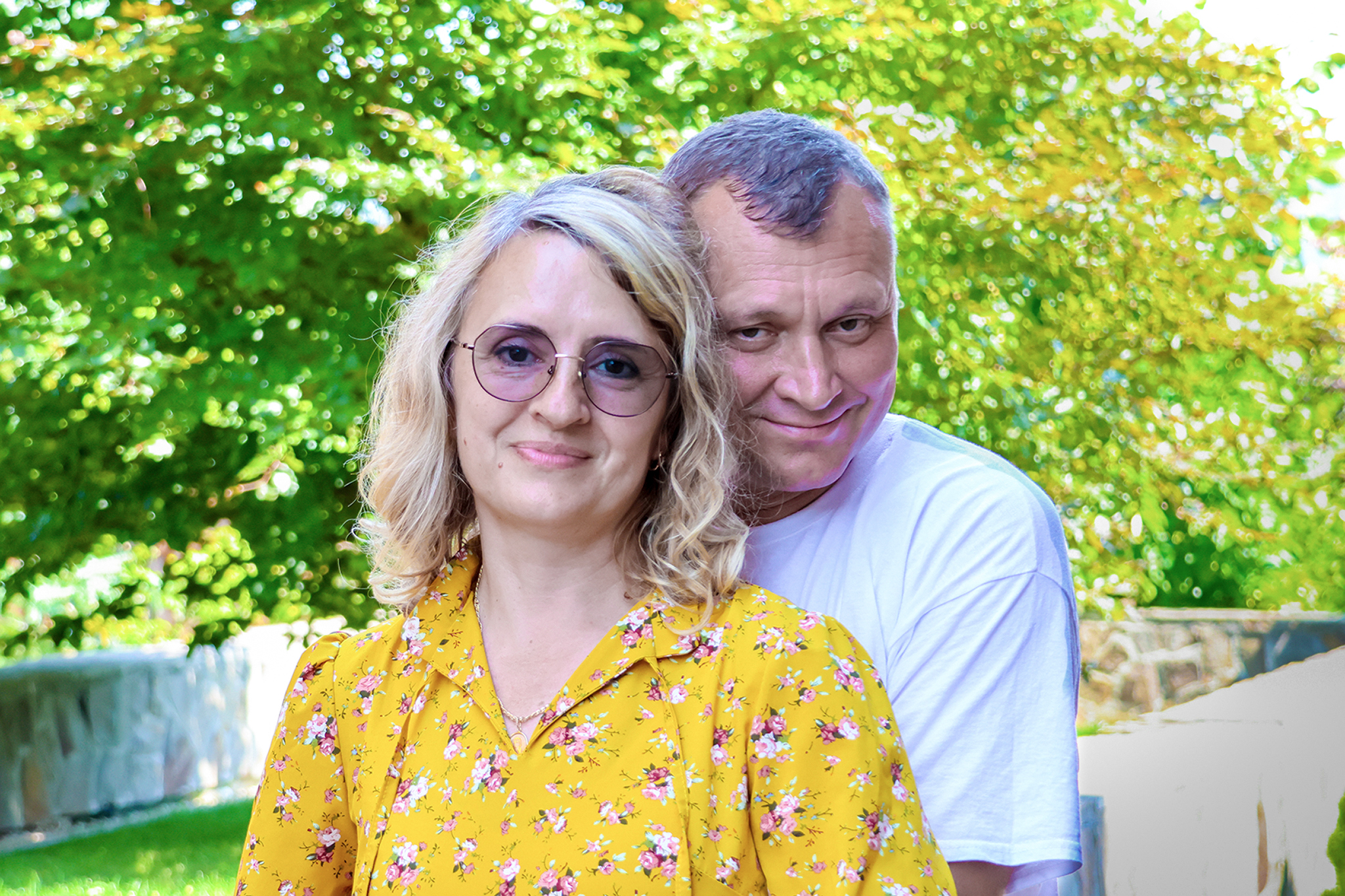
“This is not the first time I am undergoing rehabilitation — after the injury there were a hospital, prosthetics, recovery. But even after this, it is very important to have the opportunity to meet with other veterans. Everyone has their own story, but we understand each other well. Here I met new guys, we talked, played boccia, water volleyball. This is an opportunity to change the environment at least for a short time, to rest and be among people who have a similar experience. Such simple things also help to recover,” he states.
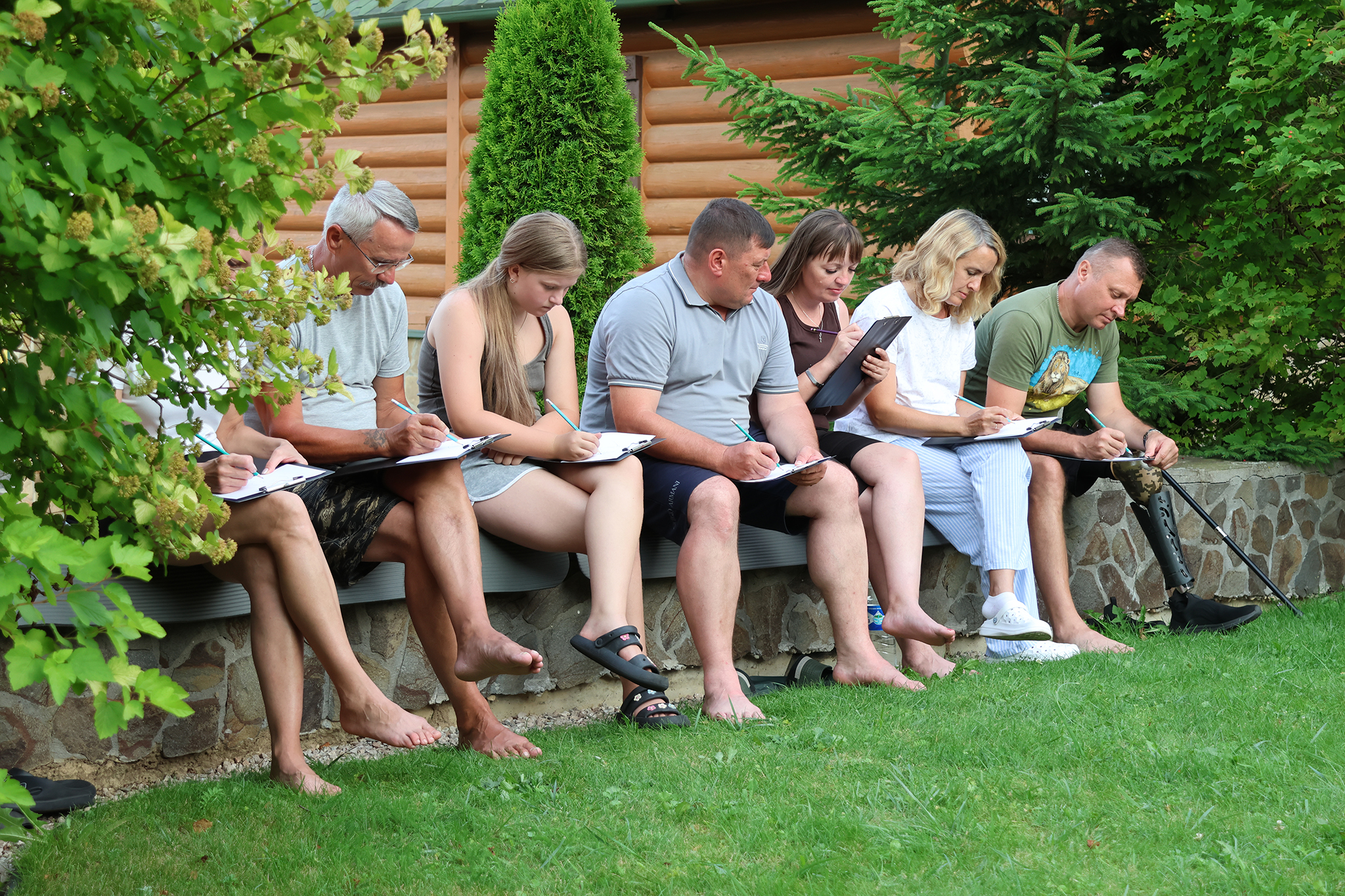
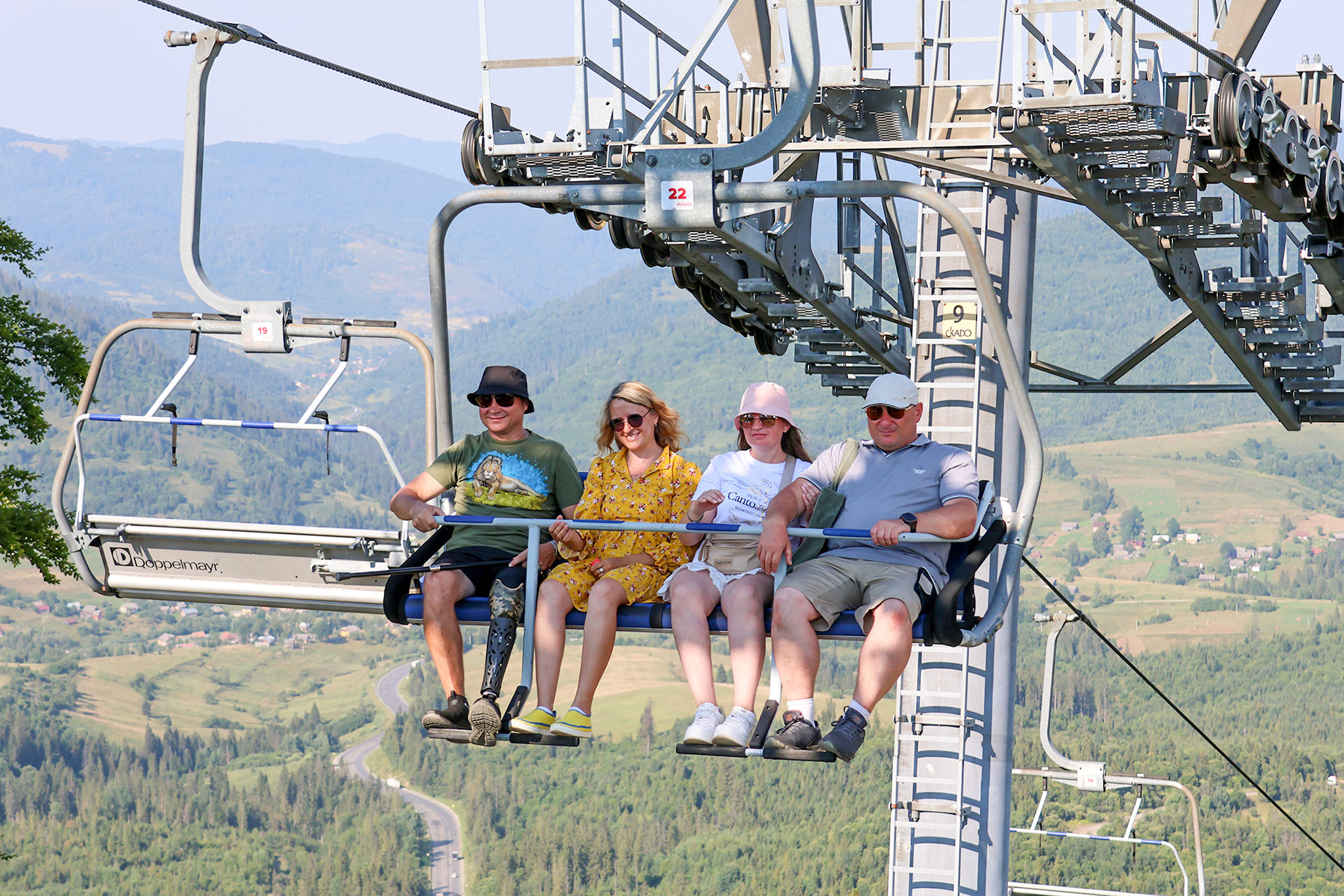
“When my husband was injured, my daughter and I constantly traveled to him at the hospital. We were simply near him. After his return, it was not easy, because due to the concussion, the war does not disappear anywhere — it remains in the thoughts of the defender. If I were asked what I would advise the wives of veterans, the answer would be very simple: always be near and do not leave your husbands alone with what they have experienced,” adds Vitaliy’s wife, Nataliya.
The woman admits, the proposal to participate in the retreat at first caused considerable anxiety. Now, she says, she is pleased that the trip to the Carpathians took place.
“We met other families, we talk, we support each other. And, to be honest, we don’t even want to return. After Sumy, where explosions and alarms sound almost every day, this silence feels incredible,” Nataliya continues.
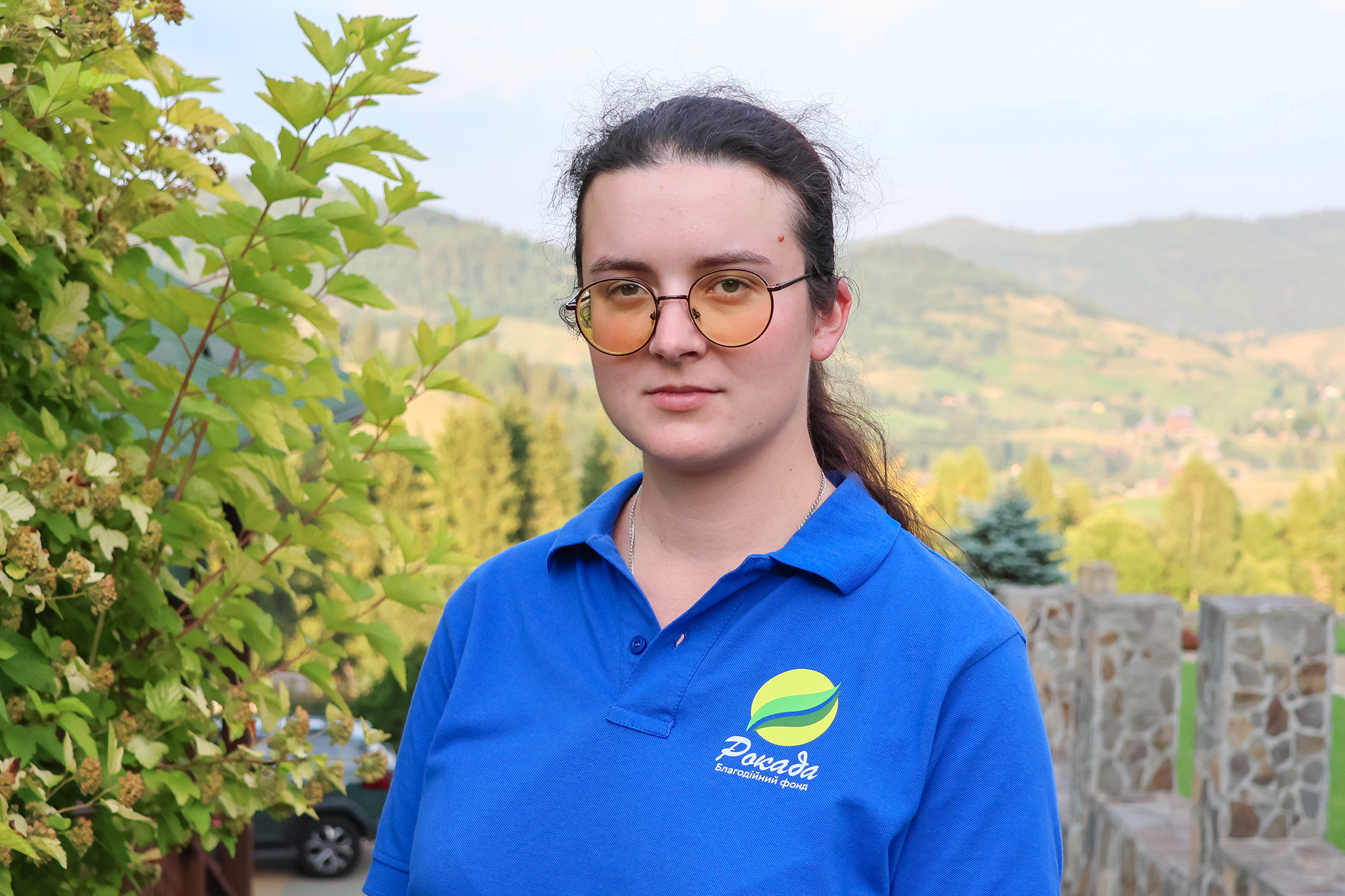
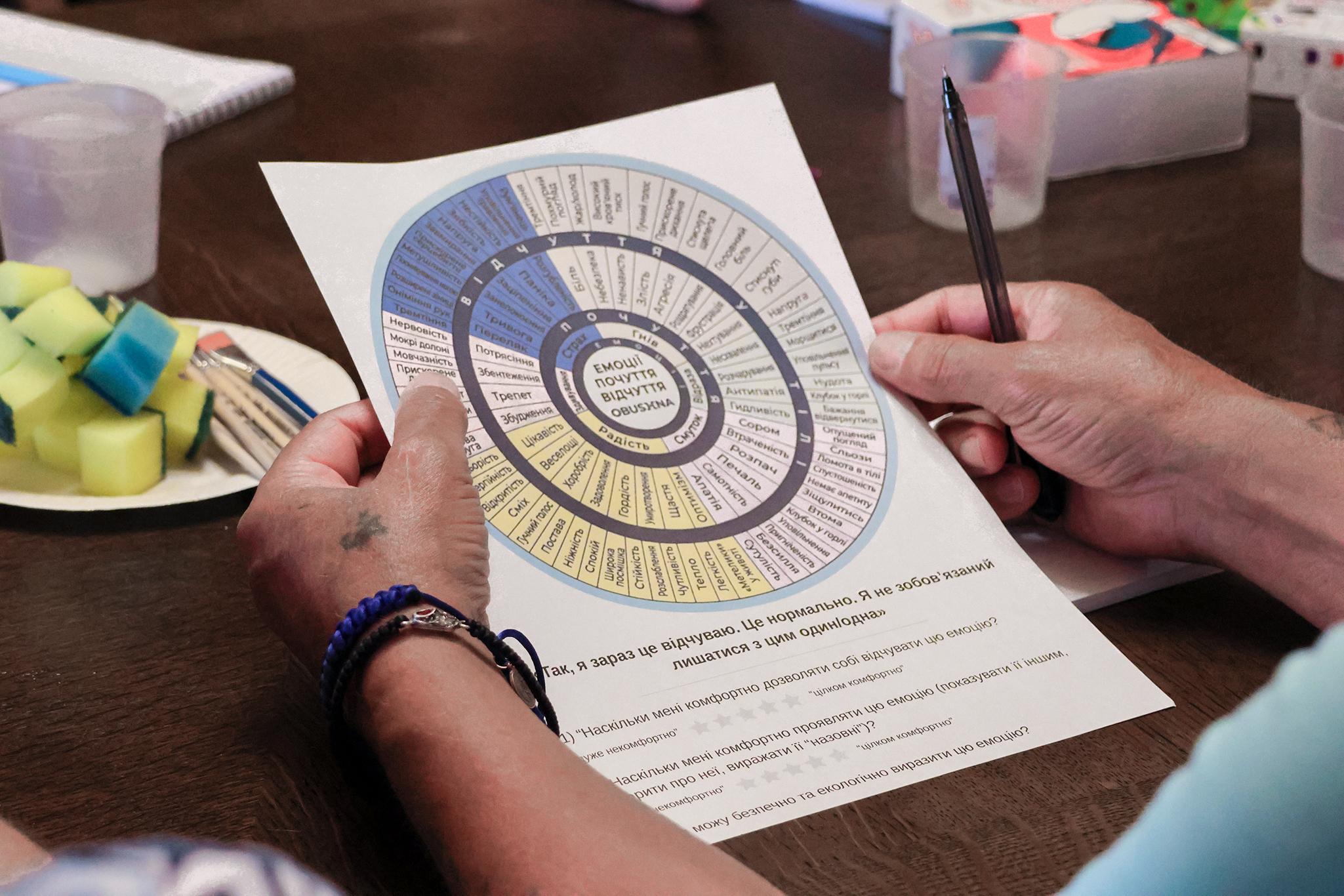
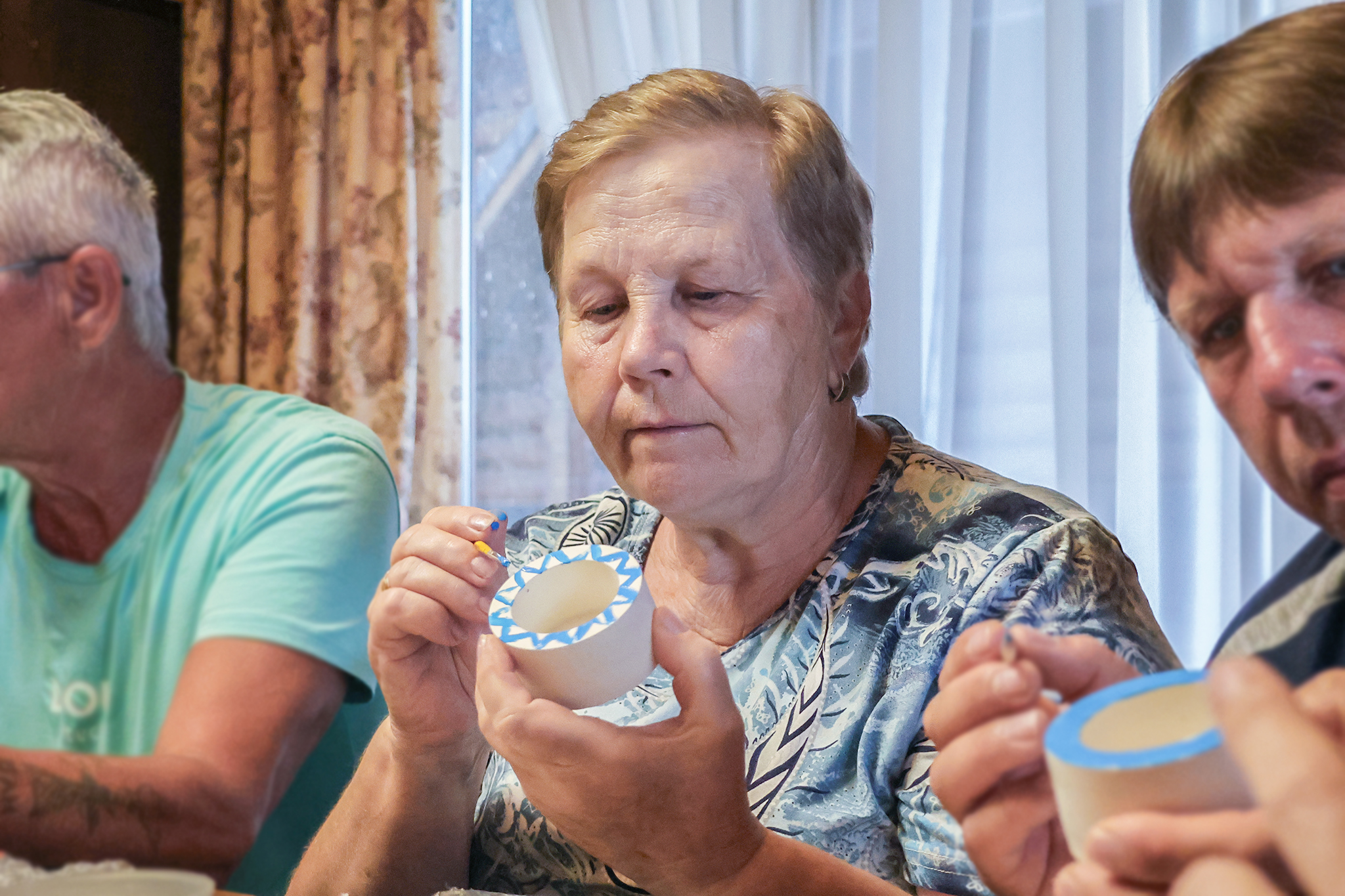
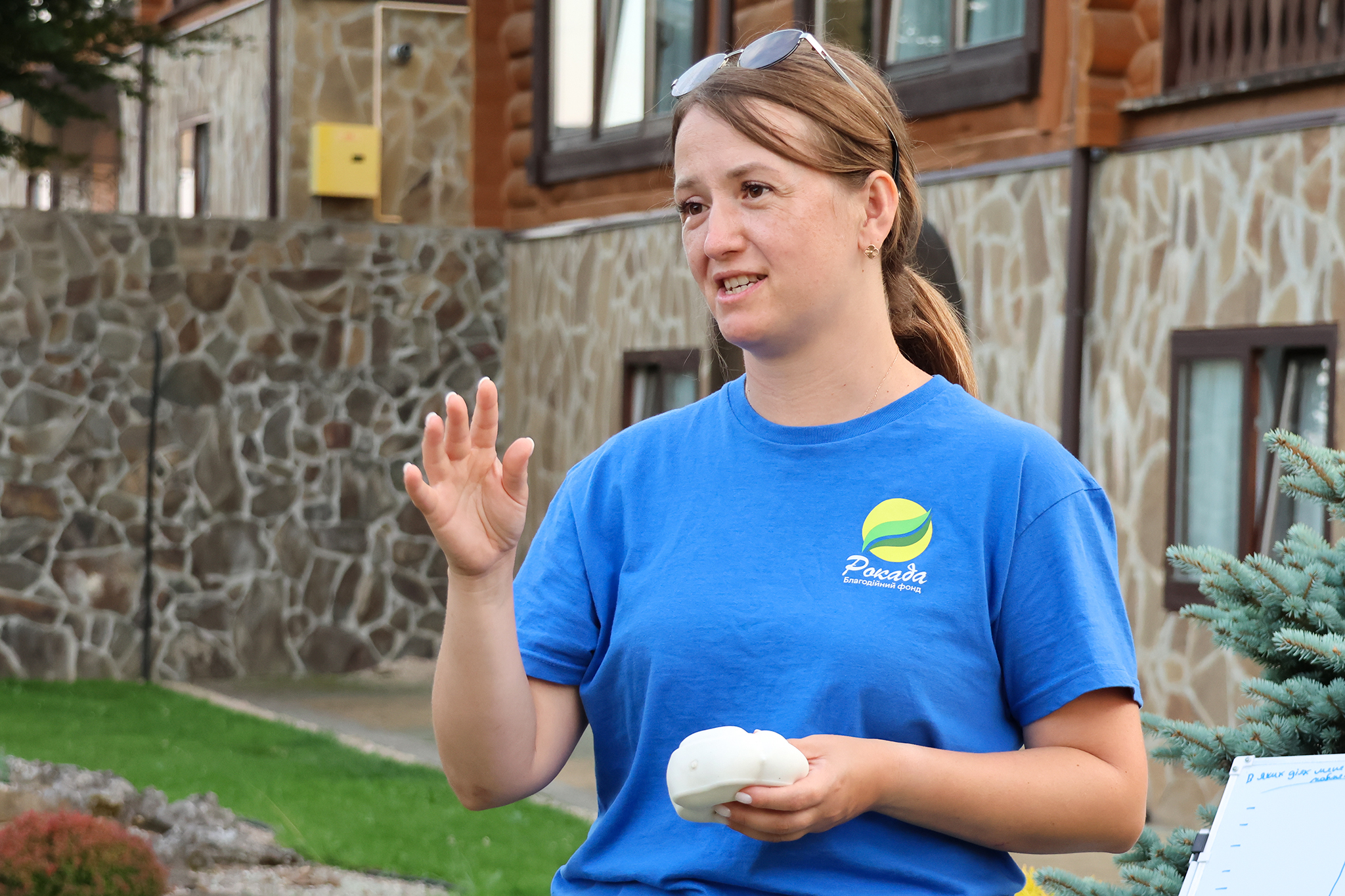
According to Rokada psychologist Yuliya Sirenko, the main request of most veterans after returning from service is adaptation to a new life. Returning to a civilian environment often means not just a change in lifestyle, but the need to redefine one’s role in the family, profession, and society.
That is why during the retreat, not only veterans but also their wives were involved in the work. The psychologist emphasizes: the return of a military member home changes the life of the entire family.
“When a veteran returns home, the entire family has to adapt. The wife most often becomes the first person to face all the consequences of the experienced experience. She tries to support her husband, help the children understand his new state, and at the same time, she herself experiences fatigue, anxiety, and a lack of understanding. Therefore, it is necessary to work not only with the veteran, but with the family as a single system.”
The psychologist says that it is the field format that helps the participants step out of their usual roles and feel a different rhythm of life at least for a few days. The new environment, shared activities, and the opportunity to be far from daily worries create conditions in which it is easier to establish communication, restore trust, and find inner resources.
“When we talk about veterans, the very concept of safety is often traumatic for them, because their experience was connected with constant danger. Getting to a place where you can relax at least for a short time, not wait for alarms, and focus on yourself and your family — this is already a part of recovery,” Yuliya Sirenko concludes.
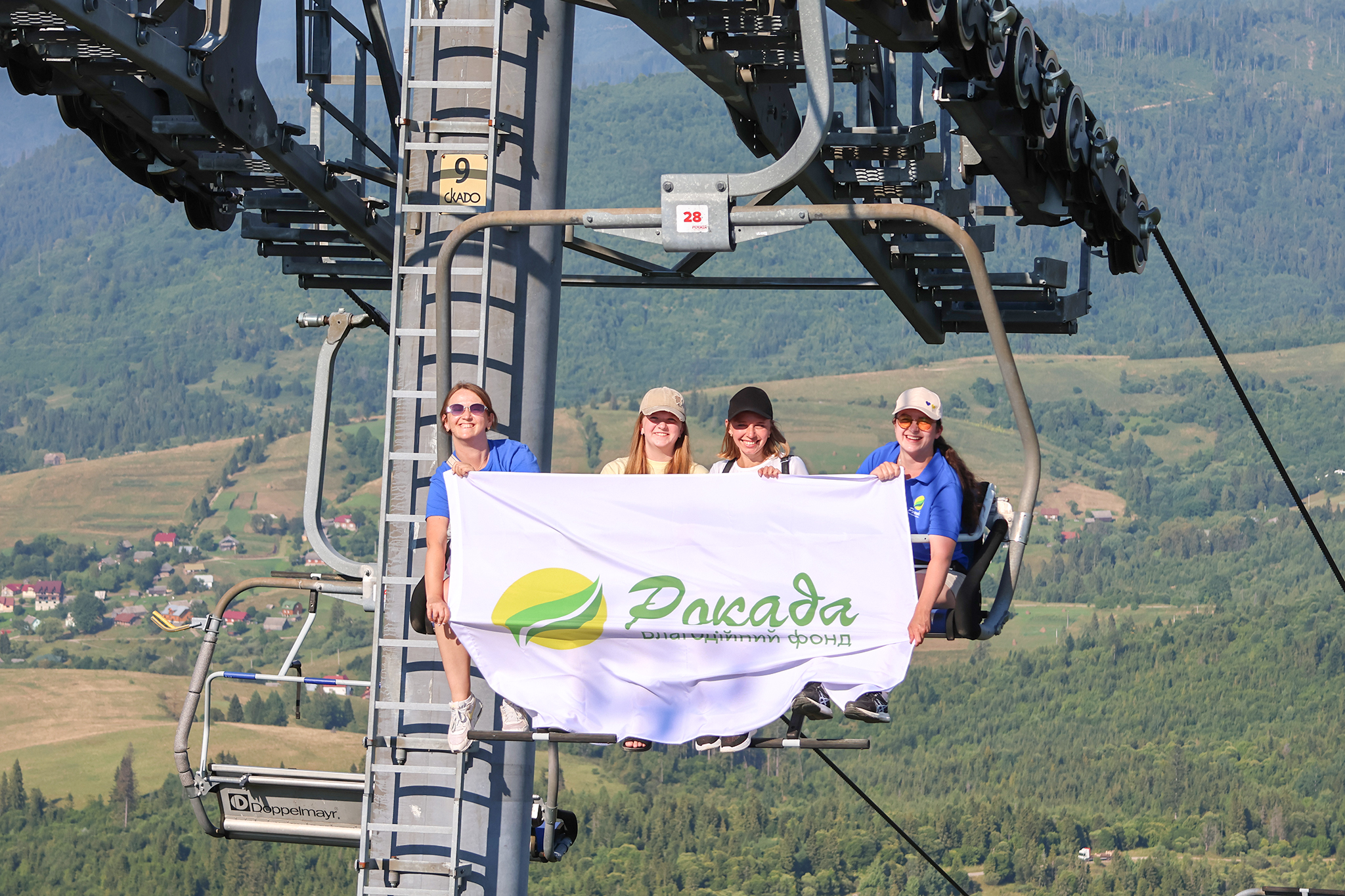
The retreat became a continuation of complex work with veterans, which does not end after the completion of the program. After returning home, participants can continue to receive psychological and social support, participate in events in their communities, and maintain contact with one another. It is this continuity of support, as well as the opportunity to recover not only individually but also together with family and brothers-in-arms, that is one of the key elements of successful reintegration of veterans into civilian life.
The project Improving methods of social adaptation of veterans and members of their families in the Nedryhailiv community of the Sumy region is implemented by the Charitable Organization Charitable Foundation Rokada within the framework of the U-LEAD with Europe Program, which is implemented with the support of the European Union and its member states Germany, Denmark, France, Austria, Poland, and Slovenia.