
From a Charity Initiative to UN Headquarters: How Rokada Represented Ukraine in the US for Two Weeks
More than two dozen events and meetings, three cities and 14 days. From 11 to 24 September, Anastasiia Ohorodnik, Head of Humanitarian Programs, and Yuliia Maliukhova, Senior Partnerships and Grant Program Development Specialist, represented the Charitable Foundation Rokada in Washington, Boston and New York. Their itinerary ranged from the foundation’s first-ever stand at the Ukraine Action Summit to high-level events at UN Headquarters during the 81st session of the United Nations General Assembly.
Washington: ‘Threads of home’ and hearts on the map of Ukraine
The US part of the trip began on 11 September with a partnership meeting with the team of the Center for Disaster Philanthropy. The discussion focused on the core areas of Rokada’s day-to-day work: collective centres, creating appropriate conditions for people with reduced mobility, psychosocial support, and assistance for those returning home.
“International attention to Ukraine is growing against the backdrop of severe challenges and increasing humanitarian needs. We wanted to use this visit to bring the needs of communities to the attention of decision-makers and emphasise the need for a long-term support. We spoke about localisation as a practical foundation for an effective response: Ukrainian organisations understand the local context, work alongside people and must be involved in designing programs and allocating resources. Equally important is caring for humanitarian workers and supporting them by ensuring their safety, psychological well-being and proper working conditions. The resilience of the humanitarian response also depends on how well the people delivering it every day are protected and supported,” explains Anastasiia Ohorodnik.
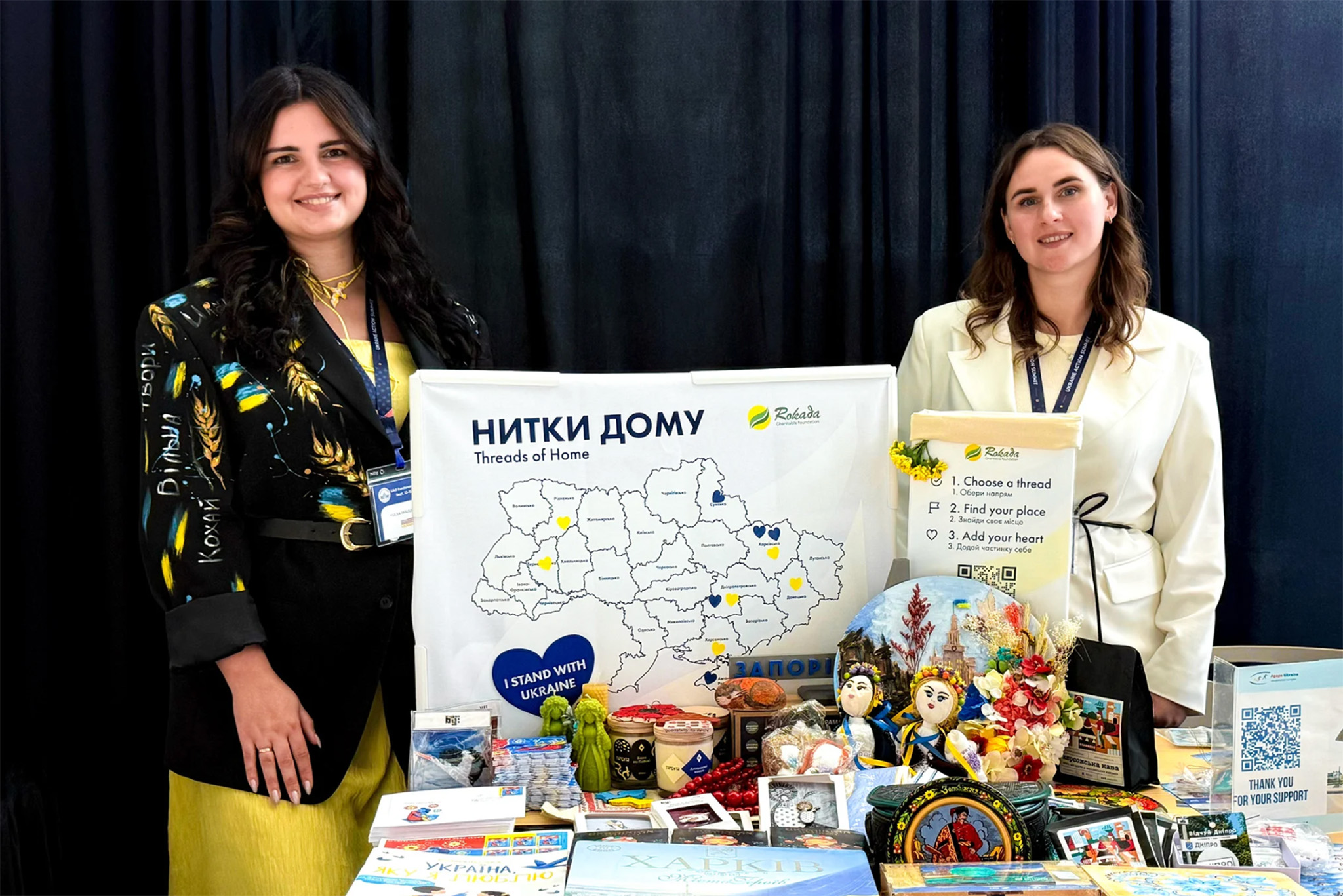
On 12 and 13 September, the foundation presented its own stand for the first time at the ninth Ukraine Action Summit, organised by the American Coalition for Ukraine. During those days, Washington brought together hundreds of people supporting Ukraine, and the Rokada team introduced them to the foundation’s programs and work of its 17 regional offices.
The centrepiece became Threads of Home, a charity initiative designed to draw summit participants’ attention to Ukrainian cities suffering from Russian attacks. Visitors looked for familiar place names on a map of Ukraine, placed heart-shaped stickers on the locations that mattered to them, and received greeting cards, local souvenirs and Rokada merchandise. The initiative featured a symbolic image: the Unbreakable Postage Stamp “Where Home Grows”, issued last year by Rokada in partnership with Ukrposhta, Ukraine’s national postal operator.
“Interest in our stand exceeded our expectations. Visitors were impressed by the scale of the foundation’s work, its geographical reach, the range of its activities and how much Ukrainian organisations are taking on amid the war. Some people remembered Rokada from the previous summit, stopped by to say hello and brought other participants to our stand,” says Yuliia Maliukhova.
These conversations opened up potential avenues for partnership, including educational and sports initiatives for children, work with veterans, and psychological support for teams helping people every day. The specialists discussed possible joint projects for children with, among others, Andrii Matiiashchuk, Director of the Kobzar Ukrainian School in Colorado, who also represents the organisation “Ukrainians of Colorado.” Journalists and documentary filmmakers planning trips to Ukraine also expressed interest in the work of transit centres and support for evacuees.
Boston: Culture as a Tool for Recovery
Rokada was one of the partner organisations at Voices for Ukraine, an event in Boston organised by First Aid of the Soul. Human rights, mental health and Ukraine’s recovery were among the topics discussed by dozens of experts, including American diplomat, political scientist and journalist Samantha Power; Ukrainian human rights defender and Nobel Peace Prize laureate Oleksandra Matviichuk; and leading American and Ukrainian historian Serhii Plokhii.
Following the symposium, guests attended a charity auction of paintings by Ukrainian artists and a concert featuring the bandura, a traditional Ukrainian string instrument, accompanied by stories from Ukraine. Here, culture was not simply an addition to the program, but one of the tools for recovery and building connections between people.
Boston also brought new like-minded partners — people committed to supporting children from frontline communities. Ivanna Roberts, President and Co-Founder of the Ukrainian Cultural Center of New England, invited the foundation to take part in the Ukrainian Christmas charity fair organised by the Center in December.
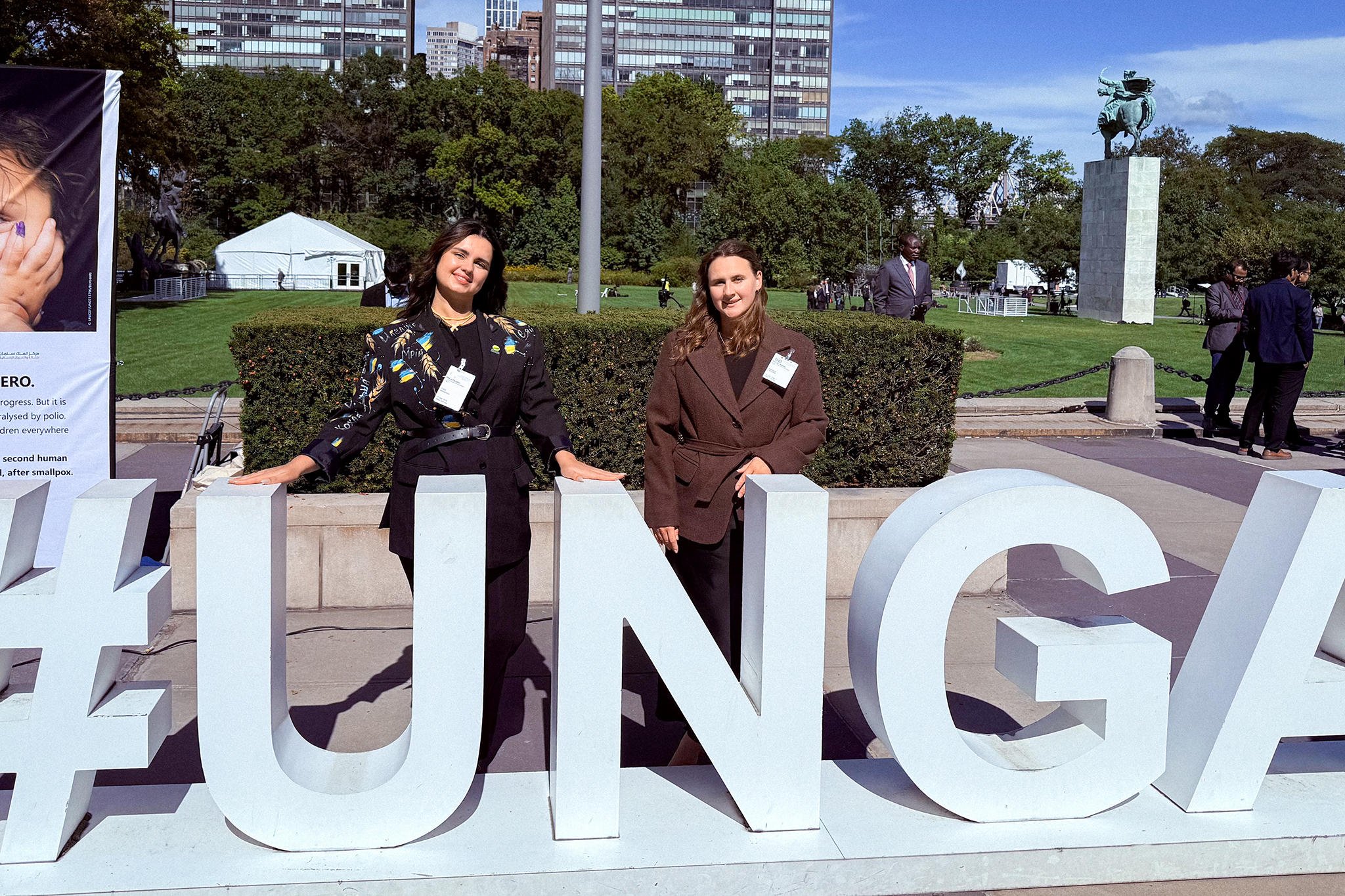
New York: From Ukrainian Culture to UN Headquarters
The New York part of the trip began even before the Boston events. During a meeting with Anastasiia Hudko, founder of Borshch of Art, an organisation bringing together Ukrainian-American artists, the foundation’s representatives discussed how culture and personal stories could create new forms of cooperation between Ukraine and the United States. At another meeting that day, with the owners of the well-known Ukrainian restaurant Veselka, they discussed support for Ukraine and potential joint charitable initiatives in the US.
The program then centred on the 81st session of the UN General Assembly. Yuliia Maliukhova spoke at Transforming Global Finance for Climate, Nature and People, an event organised by The Sidebar at The Global South House. Representatives from different countries discussed global financing, resources and new approaches to partnerships — and stories about Rokada and Ukraine were part of that conversation.
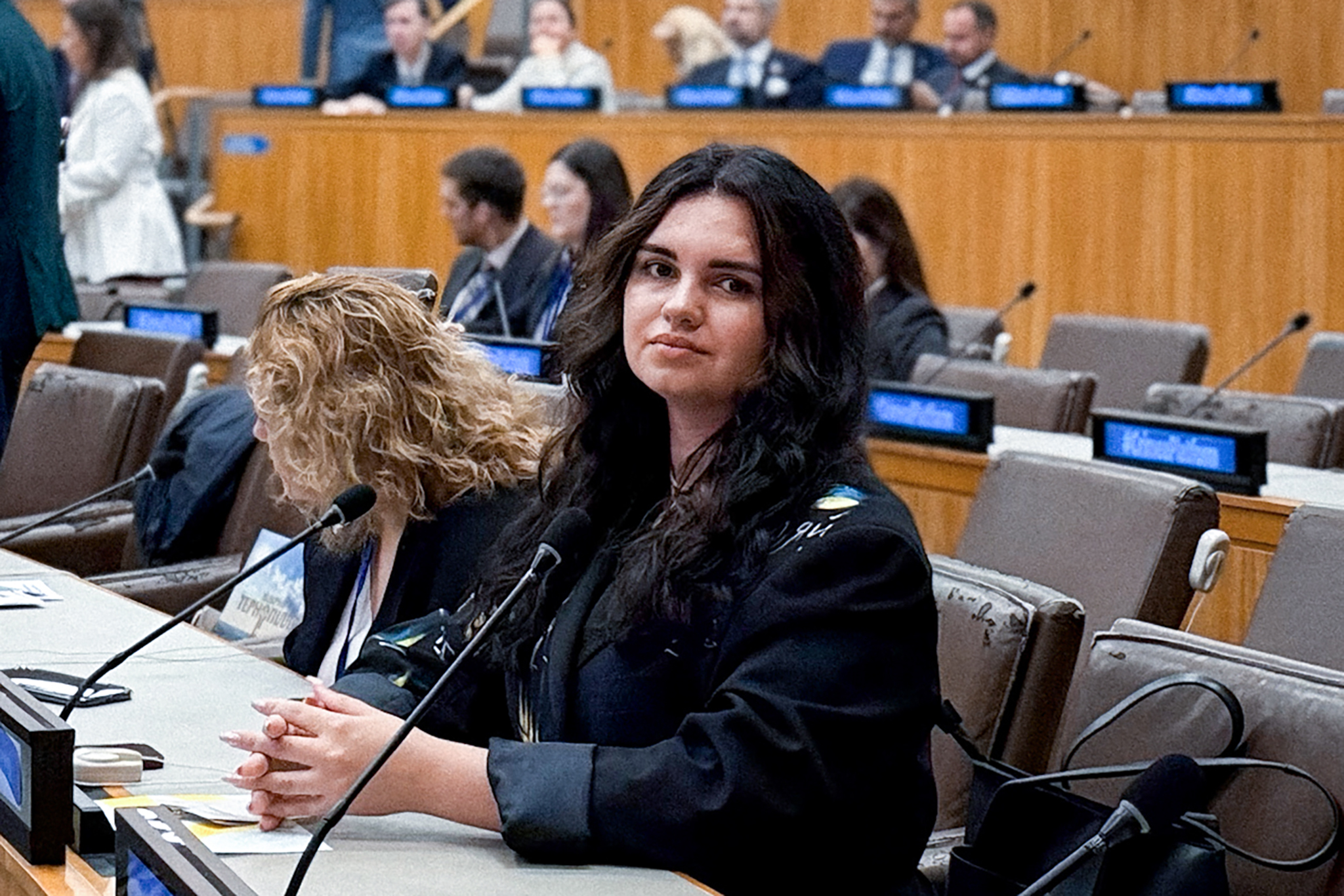
“What impressed me most was not even the speech itself, but the way people listened to us. Afterwards, people came up to ask questions, learn more about our work, exchange contacts and discuss opportunities for further cooperation. Moments like these make you realise particularly clearly that Ukrainian organisations have something to say to the world. We have experience shaped under extraordinarily difficult conditions, expertise, strong teams and the ability to act where assistance is needed most. And our voice must be heard,” says Yuliia Maliukhova.
Alongside the General Assembly, the foundation’s representatives attended several discussions to better understand how fields relevant to humanitarian work are evolving. The Her Power forum, organised by Foreign Policy, explored how to maintain momentum on gender equality at a time when funding for programs supporting women and girls is being cut. The discussion The New Development Model at Devex Impact House examined who is paying for development today.
The Tech & AI Forum addressed questions of trust and cooperation at a time when technology has become central to global influence. That same day, the team joined the Bring Kids Back initiative by Razom for Ukraine. Twenty thousand teddy bears served as a reminder to the world of Ukrainian children abducted by Russia.
Rokada’s representatives also attended high-level events at UN Headquarters itself: the Sixth Summit of the International Crimea Platform and the Summit of First Ladies and Gentlemen. These were followed by the panel United Nations Transformation: Reimagining Peace, Refugee Protection, and Global Responsibility, organised by R-Space at the Harvard Club of New York.
UN High Commissioner for Refugees Barham Salih, Spain’s Minister for Inclusion, Social Security and Migration Elma Saiz Delgado, and refugee protection expert Osama Salem discussed the future of the protection system, including why displaced people themselves must have a say in decisions affecting their lives.
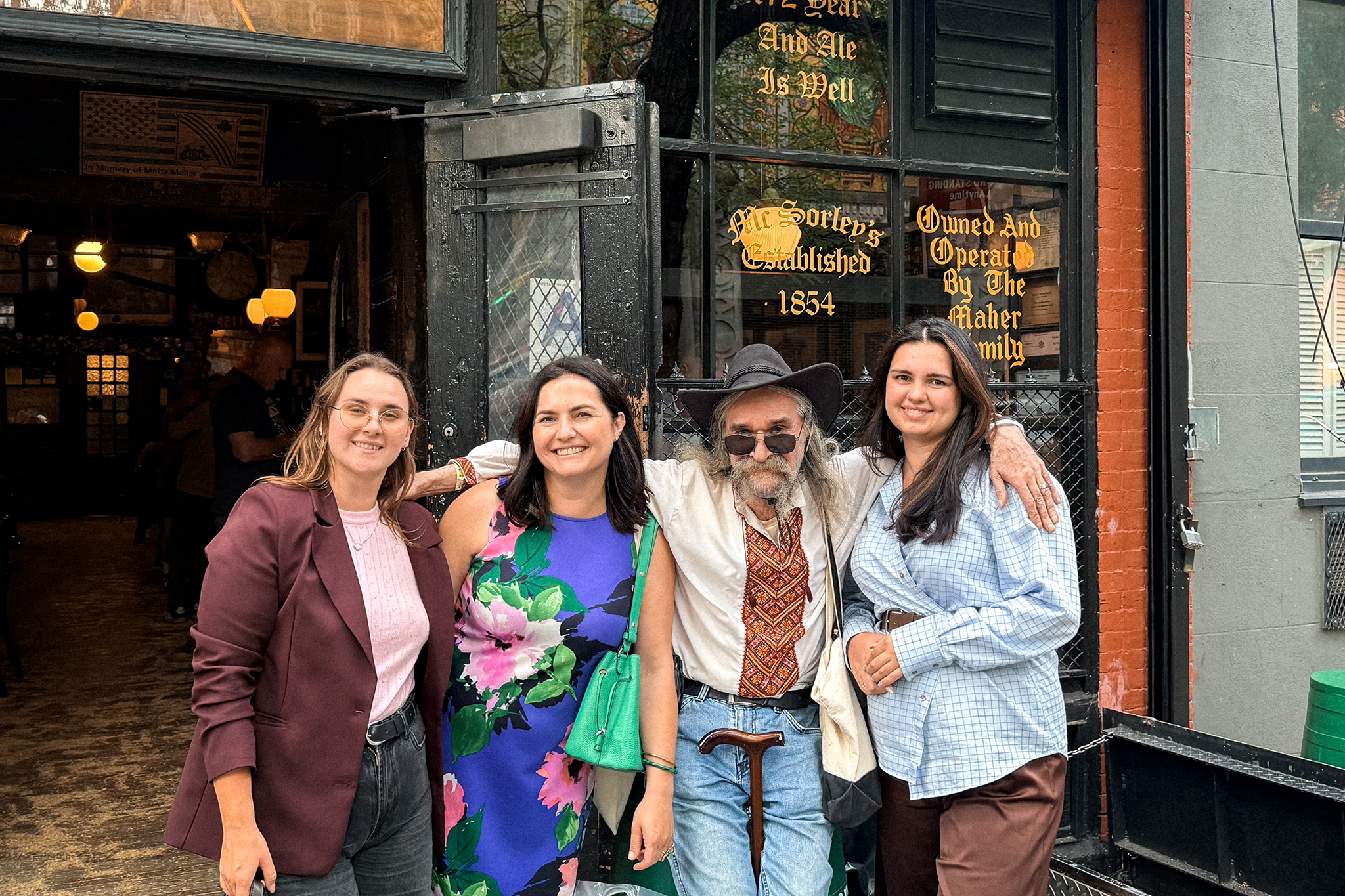
The Most Important Thing: Rokada Was Heard
Two weeks in Washington, Boston and New York gave the foundation new contacts, potential avenues for future cooperation and an opportunity to be present where Ukraine’s challenges are discussed at the highest international level. The next step is to turn these connections into partnerships.
“Ukraine is certainly on the international agenda, but it is important that Ukrainian organisations participate in these discussions as full-fledged partners and have a say in decision-making. We have the experience, expertise and responsibility to the communities we work with every day. Behind our words are people whose needs and expectations we convey to international partners. For Rokada, the value of this visit lies in the opportunity to amplify this voice and build direct partnerships. Ukrainian organisations must be present wherever the future of their country is being shaped. These decisions determine what assistance people will receive and whether communities will have the strength to endure and recover,” adds Anastasiia Ohorodnik.
“Of course, what we want most is for the day to come when we can speak to these people not about helping Ukrainians survive yet another winter of war, but about our country’s recovery, development and peaceful future. But today, the reality is different. That is why we continue our work, speak up for Ukraine, build trust and find new partners. And perhaps this is what I am most proud of after this trip: thousands of kilometres from home, Rokada was not merely seen — we were heard. And with us, another voice of Ukraine was heard too,” concludes Yuliia Maliukhova.