
From community experience to state solutions: Rokada advocates for changes in veteran employment
Returning to professional life after service requires more than just job vacancies; it calls for accessible support programmes and proper conditions for adaptation. In practice, however, veterans and employers often face challenges. The Rokada Charitable Foundation works to ensure that effective solutions are applied not only when providing assistance within local communities, but also in shaping national veteran policy.
To achieve this, the team combines hands-on fieldwork with policy analysis and advocacy. In September, our specialists prepared proposals for the draft Labour Code of Ukraine and two draft resolutions of the Cabinet of Ministers, while continuing to engage with the Ministry of Veterans Affairs and the relevant Committee of the Verkhovna Rada of Ukraine. At the same time, Rokada signed a Memorandum of Cooperation with the Social Protection Fund for Persons with Disabilities.
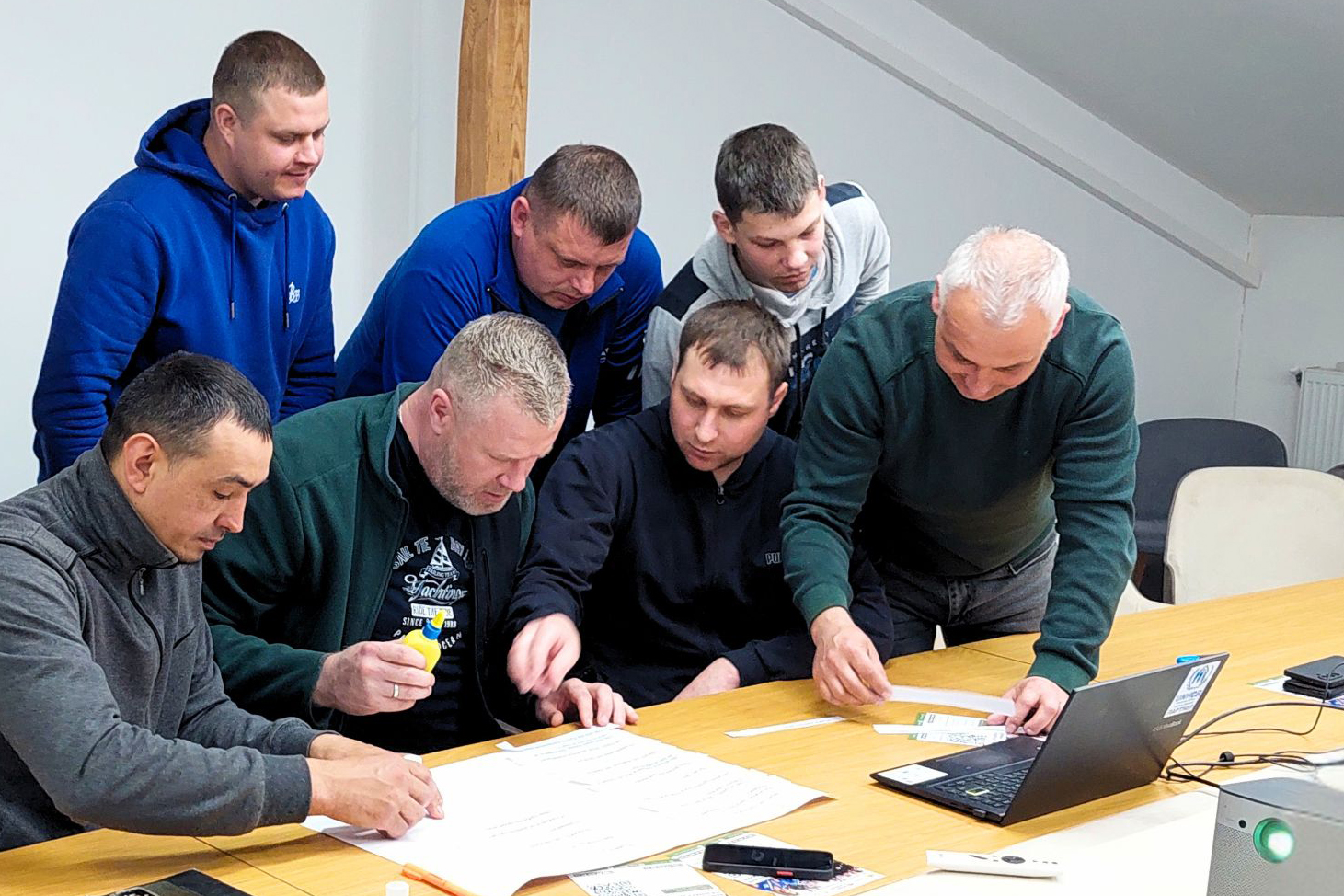
A significant part of this work involves maintaining a dialogue with those who directly influence employment opportunities. At the end of September in Lviv, our team, in partnership with Bevar Ukraine, held a cross-sectoral meeting bringing together business representatives, government officials, veterans’ organisations, and reintegration specialists at one table. The discussion focused on returning to civilian employment, the accessibility of state programmes, and employers’ readiness to create suitable conditions for workplace adaptation. Hearing from different stakeholders helped clarify the issues arising in local communities and identify potential solutions for Rokada’s ongoing advocacy work.
These findings aligned with the results of a survey conducted by the foundation among employers across the Lviv and Ivano-Frankivsk regions: 55% of respondents highlighted salary compensation as important, 49% noted state support programmes, and 39% pointed to tax incentives.
A similar trend was identified by the Business School of the Ukrainian Catholic University: 85% of small and medium-sized business employers declared their readiness to hire veterans, yet only 4% had a documented veteran policy in place.
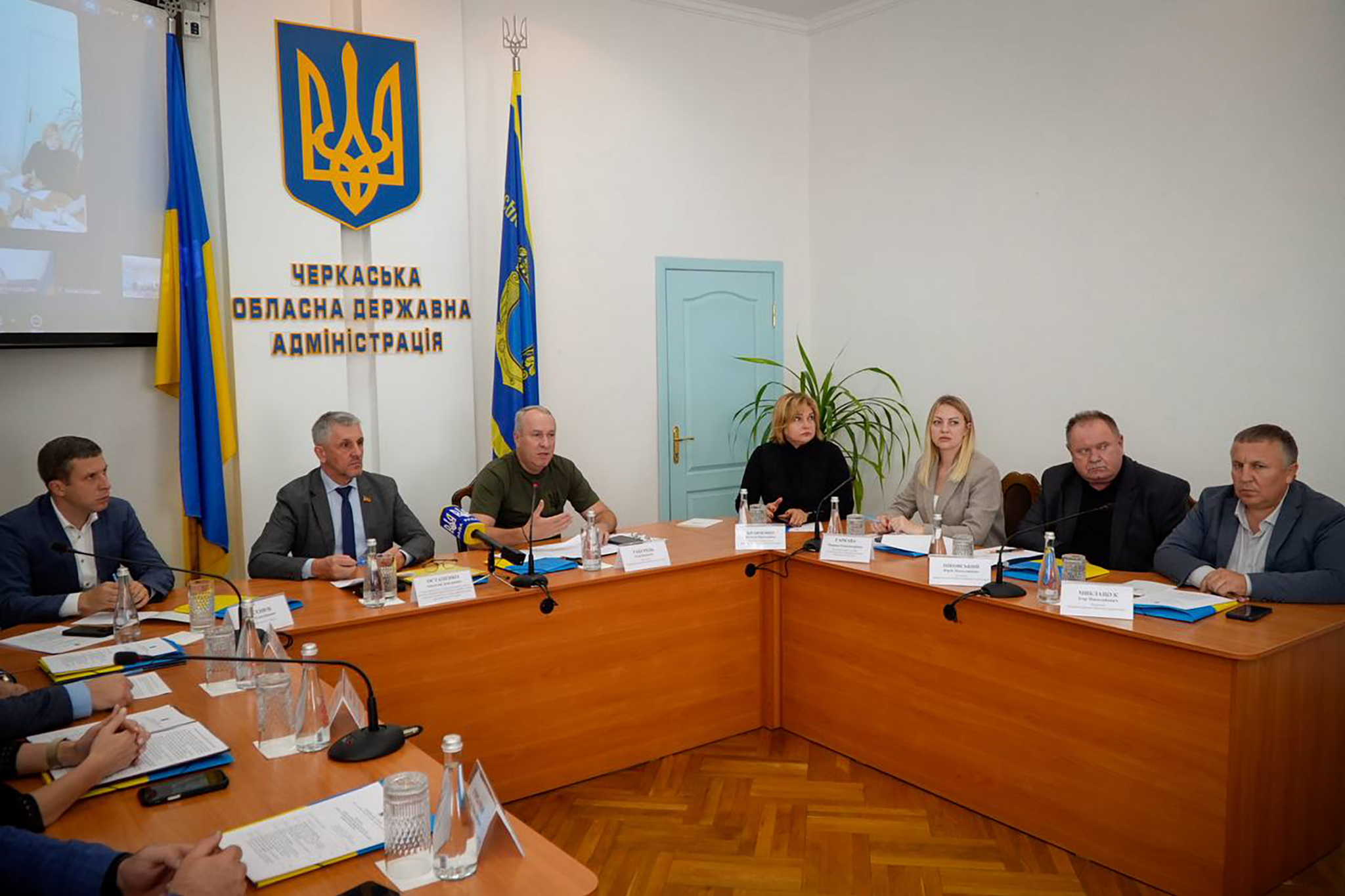
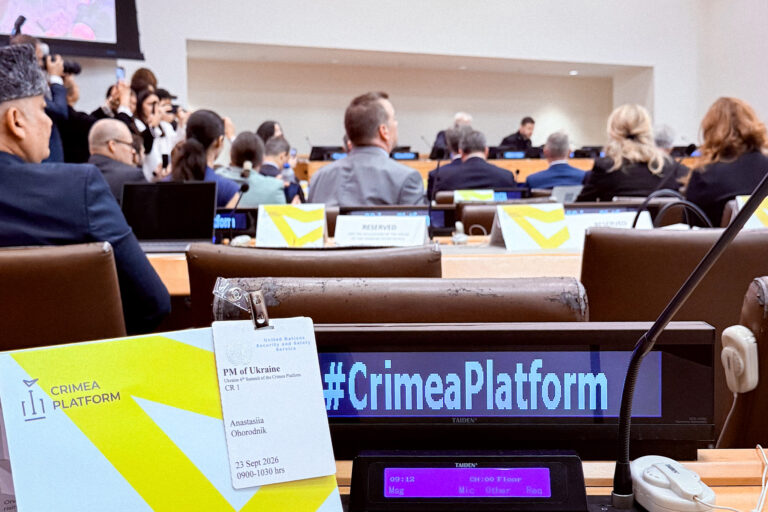
Rokada presented the results of this work at the national policy level. At the end of September, the Parliamentary Committee on Social Policy and Protection of Veterans’ Rights brought together war veterans, MPs, government officials, and non-governmental organisations in Cherkasy.
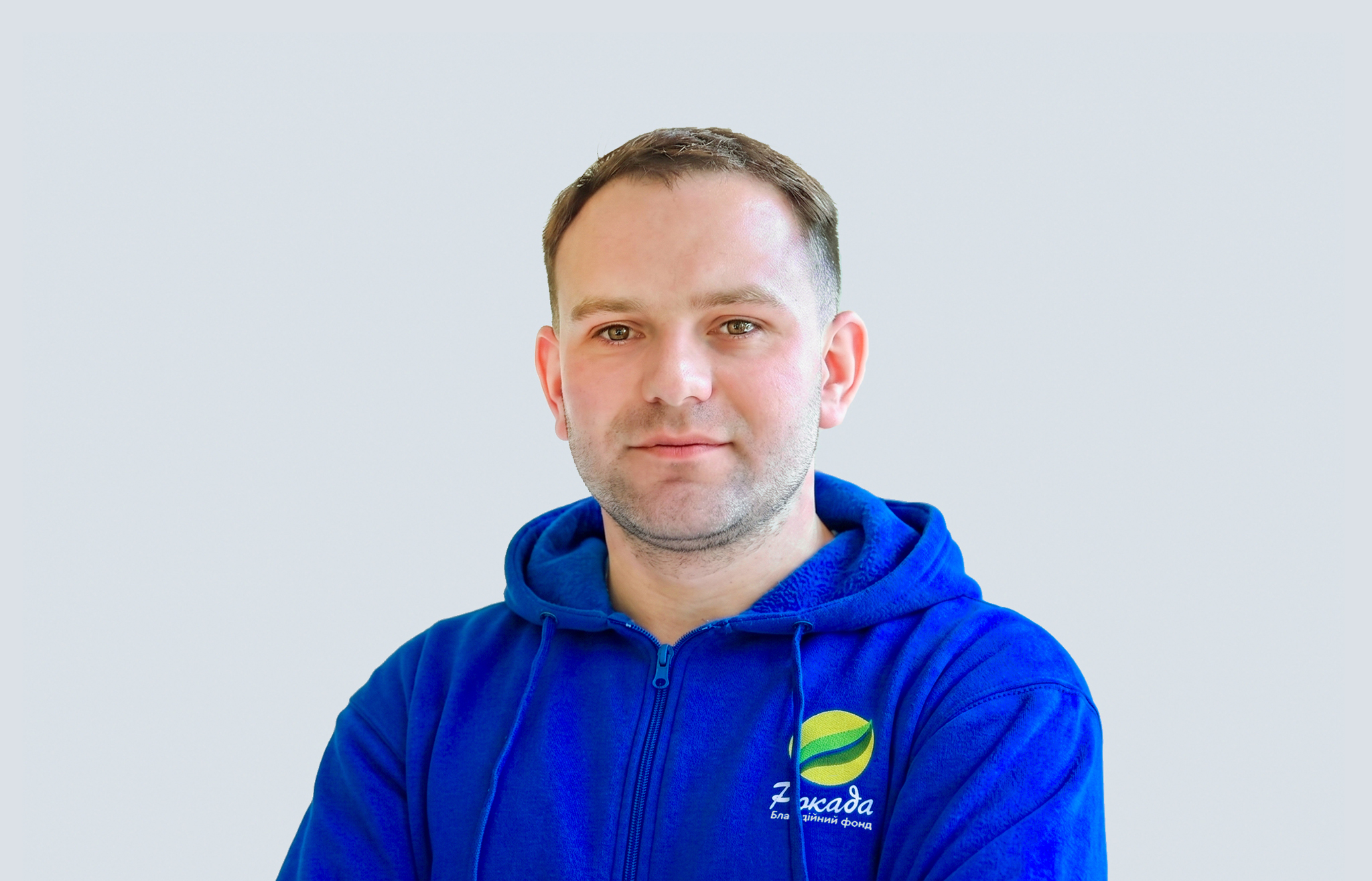
Yurii Honcharov, Advocacy Coordinator at the foundation, emphasised the need to introduce ongoing support for veterans during their workplace adaptation period, recognise competencies gained during military service, and establish a unified guidance pathway for employers. Rokada also drew special attention to the need to evaluate state programmes based on their ultimate outcome: sustained employment.
“It is important that the field experience of humanitarian organizations working with veterans (male and female), specialists in support within communities, and other involved experts is taken into account during the development of state policies. We record the experience of our teams in the regions, analyze it, discuss it with partners, and propose solutions that can be implemented at the state level,” notes Yurii Honcharov and adds, cross-sectoral cooperation makes it possible to turn local experience into systemic changes.
The project is implemented in cooperation with the public organization Bevar Ukraine with the support of CISU – an organization through which the Ministry of Foreign Affairs of Denmark finances and supports projects of public organizations in the field of international development and partnership.