
In three communities of Lviv region, Rokada studied which services and innovations will help preserve human potential in wartime
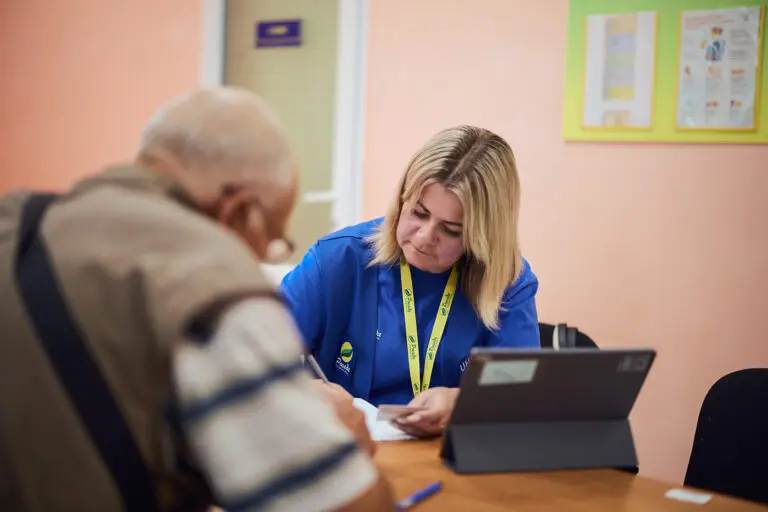
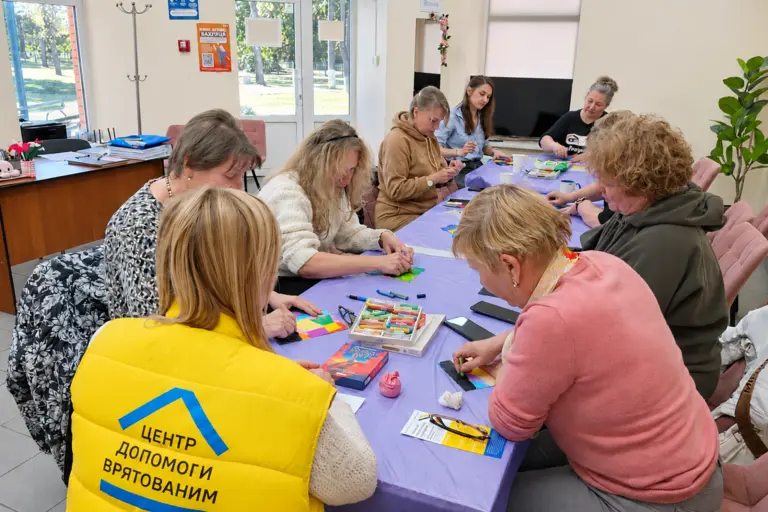
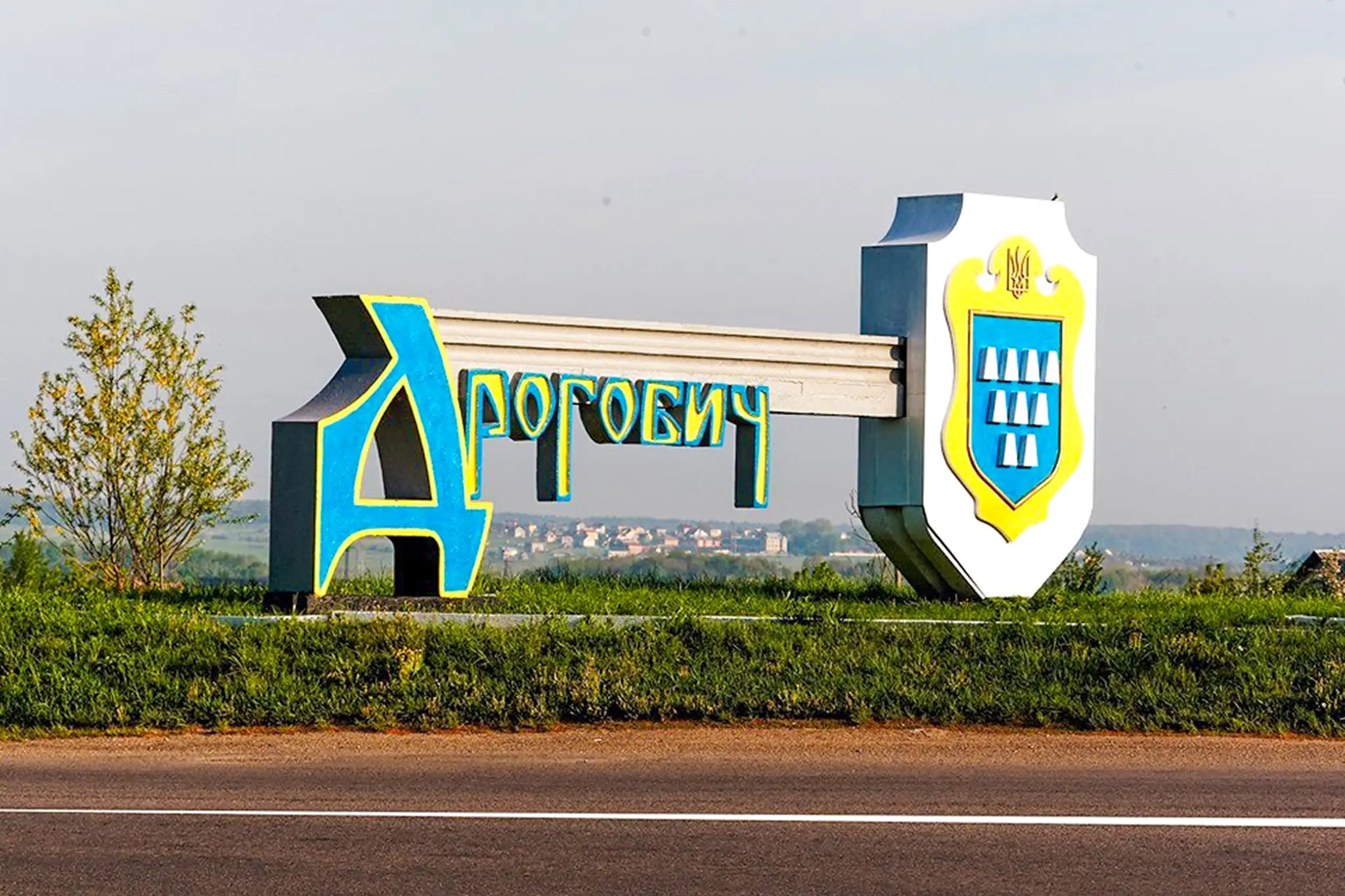
In three communities of Lviv region – Drohobych, Boryslav and Novyi Rozdil – Rokada conducted a baseline study on which services and innovations will help integrate internally displaced Ukrainians, reintegrate people with migration experience and retain local residents. This was made possible within the project “Strengthening Community Resilience for Return and Reintegration”.
The study took place this year in February–March, with almost seventy participants. It was carried out by the Socioinform public opinion research centre, commissioned by the Rokada Charitable Foundation within the project “Strengthening Community Resilience for Return and Reintegration”, implemented by the Rokada Charitable Foundation as part of the project “YOUA – Shaping New Paths, Building Ukraine’s Future”, commissioned by the German Government and implemented by GIZ Ukraine: Sustainable Economic Development.
“This research format will above all provide a qualitative snapshot of public opinion, to understand the scale and essence of the challenges in communities,” explains Project Manager Alla Krasovska. “In essence, it was one of the stages of building an evidence base. It is important for us to get not general assumptions but structured data from communities about people’s real needs, available resources, barriers to accessing services and solutions that can be practically useful at the local level. Its data are the basis for further dialogue with communities and partners”.
In particular, specialists studied the factors that keep people in communities, why population outflow happens, what is needed to attract newcomers, and the specifics of supporting people returning to Ukraine from abroad.
Among the factors that help retain people in communities, study participants most often mentioned:
• availability and cost of housing;
• having one’s own home;
• developed educational infrastructure;
• employment opportunities;
• availability and quality of medical services;
• relative safety and comfort of living in the region.
Among the factors that may increase population outflow, the following were named:
• insufficiently attractive working conditions;
• limited opportunities for higher education in or near the community;
• insufficient opportunities for leisure and meaningful free time;
• inconvenient transport links;
• limited medical and social support, in particular for people with disabilities.
“To attract and integrate newcomers, clearer and more understandable mechanisms for adaptation and access to housing, social and administrative services are needed, as well as opportunities to involve people in the social life of the community,” continues Alla Krasovska.
The study also showed that the needs of different population groups differ.
For example, for young people, employment opportunities, professional growth and leisure are important. For older people – the accessibility of social and medical services. For children and teenagers – quality education, a safe environment and opportunities for recreation and development.
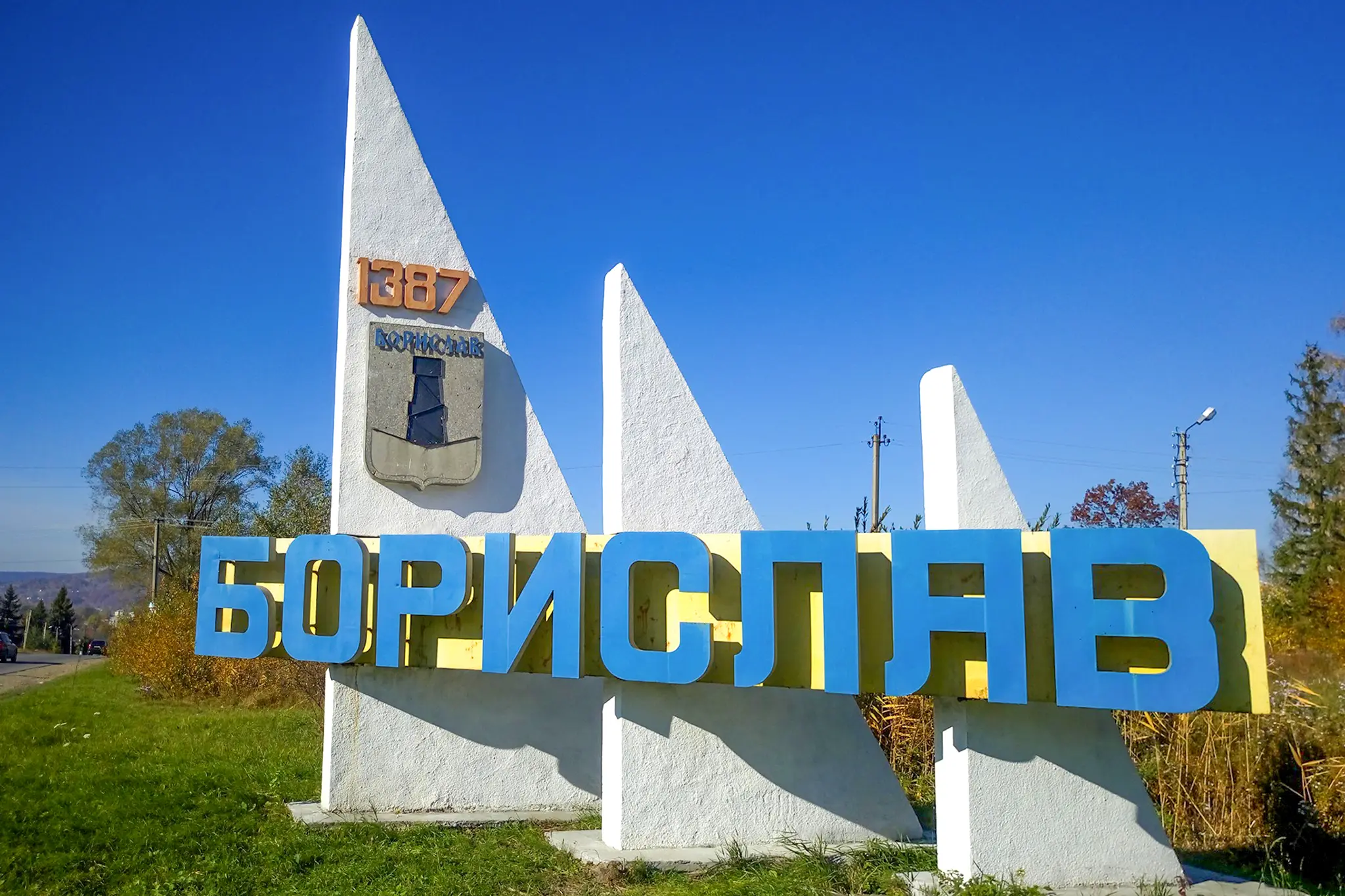
“At the same time, internally displaced Ukrainians in the study stressed, among other things, the need for better communication with local residents, and mentioned their interest in joint events, creating mutual support groups and spaces for interaction,” notes the Project Manager.
The communities’ needs, in turn, focus on four main areas: strengthening institutional capacity, building a talent pool, professional development of specialists and improving material and technical resources.
“Communities already have considerable experience in responding to challenges related to population displacement, but for systematic work on integration and reintegration they need additional resources, methodological support and sustainable partnerships. This is not only about individual services but about the community’s ability to plan solutions that take into account the needs of different population groups,” stresses Alla Krasovska.
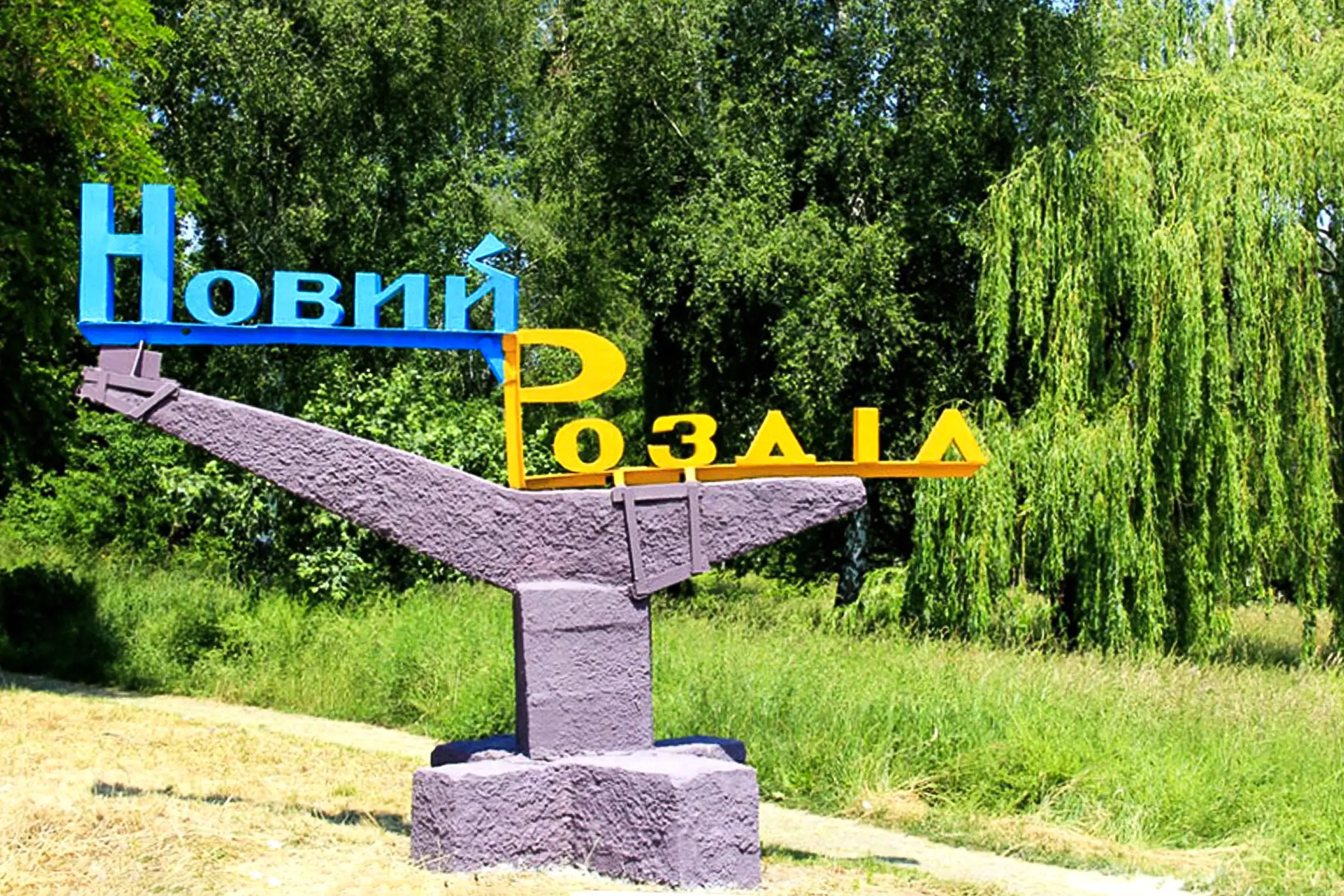
The study will serve as a basis for further work with the Drohobych, Boryslav and Novyi Rozdil communities in setting priorities, developing practical solutions and strengthening local capacity in integration, reintegration and preserving human potential.
The YOUA project provides exclusively technical assistance and does not influence people’s personal decisions about returning to Ukraine. Participation in events and use of services are possible exclusively on a voluntary basis for persons who are considering returning, have already made such a decision or are in the process of reintegration after returning to Ukraine.