
Irpin and Khmelnytskyi: change for veterans and their families
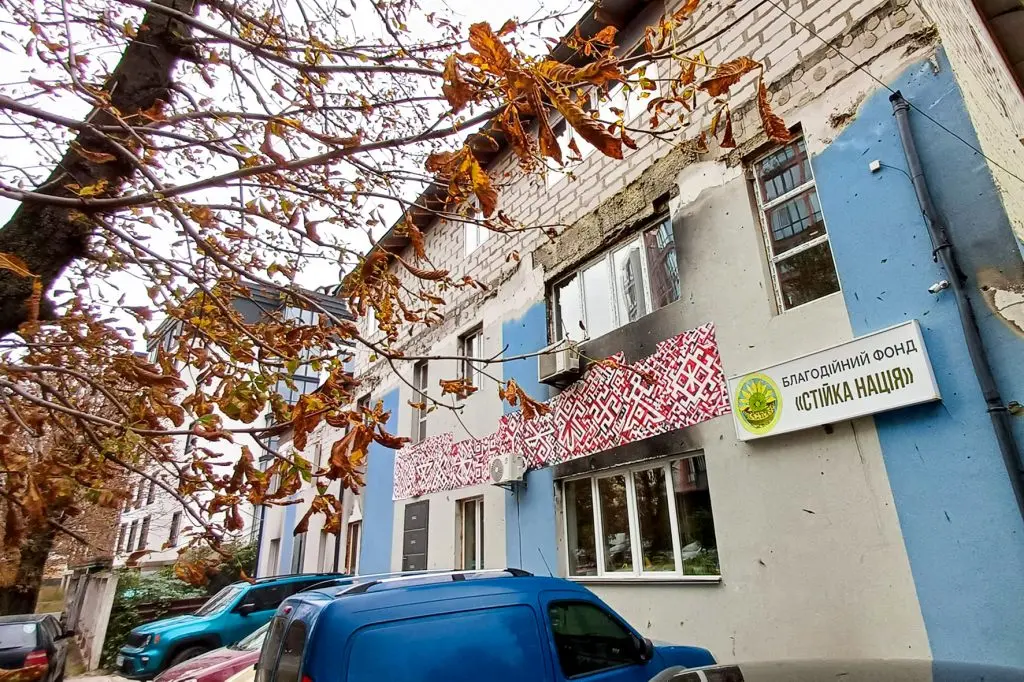
We continue our series about Ukrainian veteran organisations taking part in the project “Social Cohesion and Reintegration of Veterans in Ukraine”, implemented by the Rokada Charitable Foundation with the support of the International Organization for Migration and funded by the European Union. The project helps organisations develop by providing expert and financial support. The Resilient Nation Charitable Foundation and the Zakhyst – Volunteers’ Association NGO were forged in the first days of the full-scale invasion, when they helped fellow residents and internally displaced Ukrainians. Later, the organisations focused on supporting veterans and their families. Over this time, both have implemented many initiatives that help with adaptation and reintegration.
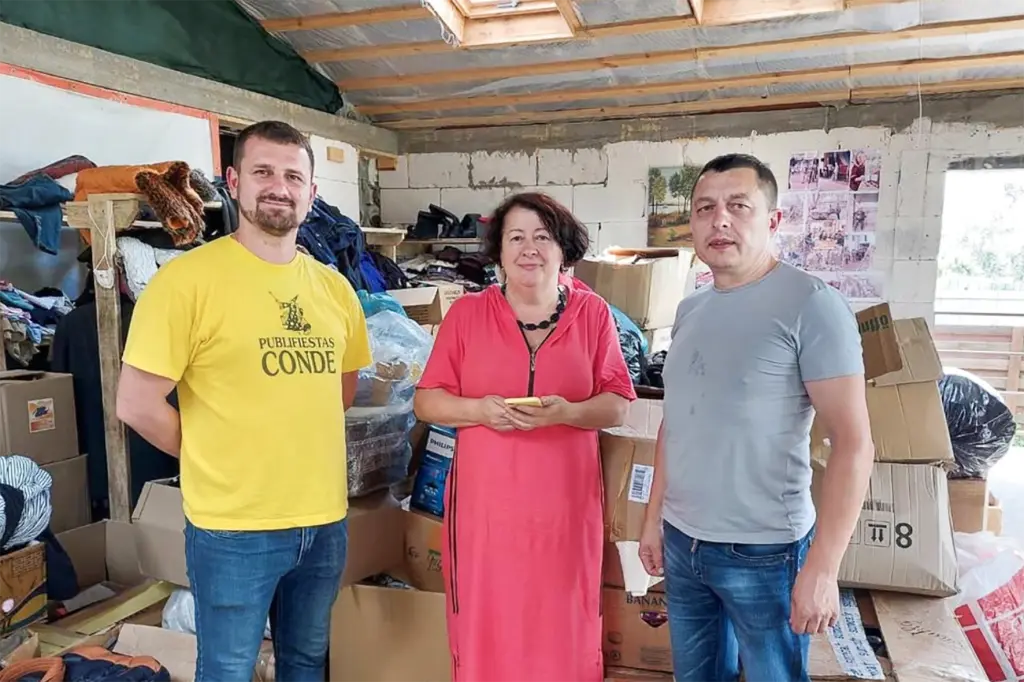
The creation of the Resilient Nation Charitable Foundation in the hero city of Irpin, Kyiv region, was preceded by the humanitarian work of a team of caring people from the start of the full-scale invasion. In February 2022, the Rudenko couple – Liudmyla and Serhii – set up a volunteer hub at their leisure complex, which served as a safe shelter for residents. There they helped with food, clothes and medicines and provided psychological support.
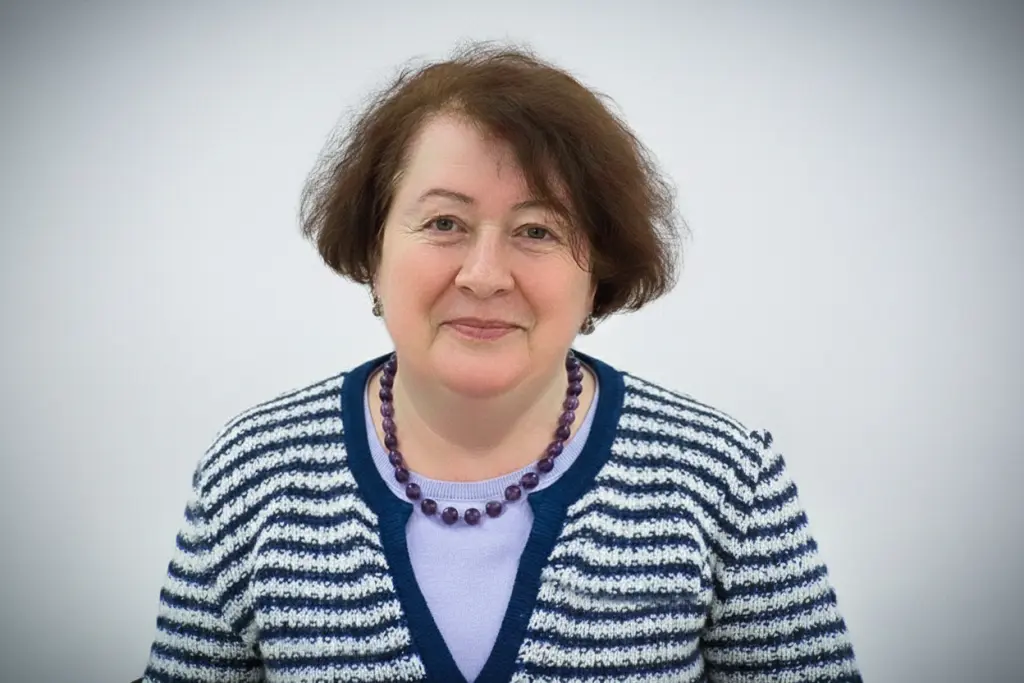
Liudmyla Rudenko,
founder and head of the Resilient Nation Charitable Foundation, Irpin
“Our complex consisted of offices, a winter garden with more than three hundred species of orchids, a café, a spacious terrace, two independent kitchens, deep safe basements that were used as shelters, a guest house and a wide pier on the lake shore. On 24 February, we set up a humanitarian centre at the complex. Women with children and elderly people took shelter here… Here we helped residents with essentials and medicines and cooked hot meals. During the fiercest battles on the city’s defence line, people hid from shelling in our basement, and for many it saved their lives… My husband and others formed volunteer forces and held the defence of our city,” Liudmyla Rudenko recalls.
The head of the foundation is a psychologist by profession and has also completed a number of trainings at international specialised organisations. After the liberation of Kyiv region, she began cooperating with the Bucha Centre for Psychosocial Support. Ms Liudmyla effectively found herself at the epicentre of the psychological trauma suffered both by individuals and by the city’s community as a whole. In early April 2023, when Irpin was gradually recovering from the Russian occupation and residents began returning en masse to the exhausted and destroyed city, the volunteer and her team officially registered the charitable organisation.
“People constantly join our team. But its core is made up of those who were with me and my husband from the very beginning. They are extremely strong and patriotic people who have proved their devotion to our city through their deeds. By the way, many internally displaced people have also stood shoulder to shoulder with us. Frankly, this inspires us and gives us the strength to keep working and adapting the environment veterans return to. Later, businesses, the local authorities and partner charities joined us too. We carefully study how civic responsibility is formed among members of the Irpin community. Through group facilitation activities, we shape new markers of identity to ease the background conflicts in society that tend to intensify in wartime. We also have academic support from colleagues and an inner confidence that we can help more people,” Liudmyla Rudenko continues, adding that her husband is still serving. So, she says, she knows exactly what defenders’ families need today.
Resilient Nation’s main area of work is psychological and social rehabilitation. The foundation focuses on supporting the families of defenders, veterans, people released from captivity, and the families of missing and fallen soldiers.
“At that time, about 80,000 residents were in Irpin, and at least 25% of them needed psychological help. In my opinion, there are many more of them now, because the war goes on and relentlessly drains people’s mental resources. Today, preserving Ukrainians’ mental health has effectively become a matter of national security and victory. That is why we chose psychosocial support as our area of work,” the head of the foundation is convinced.
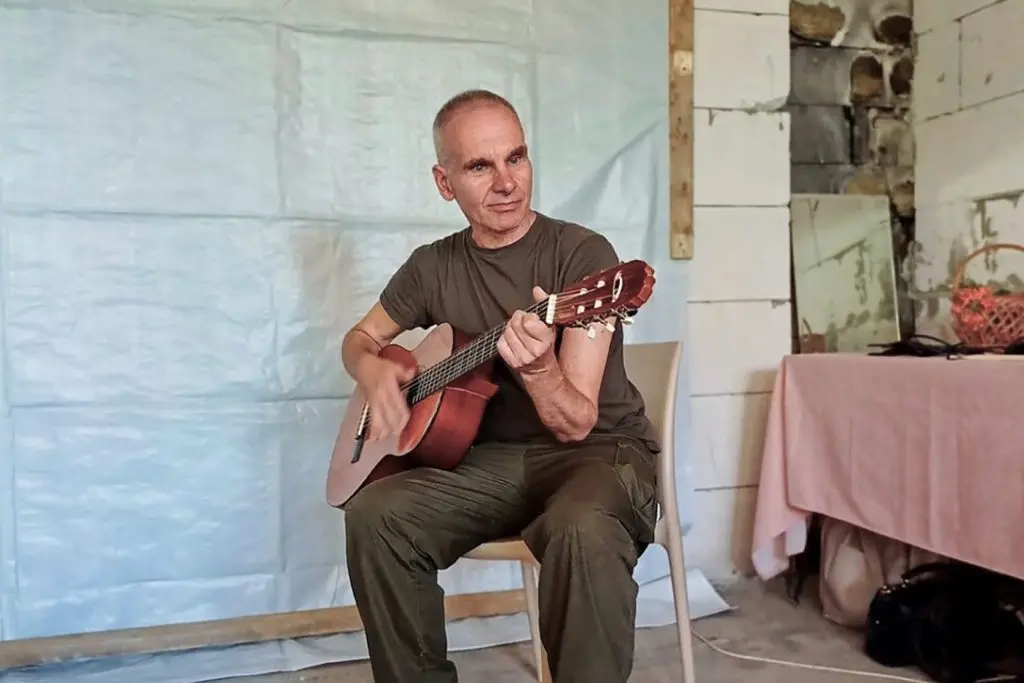
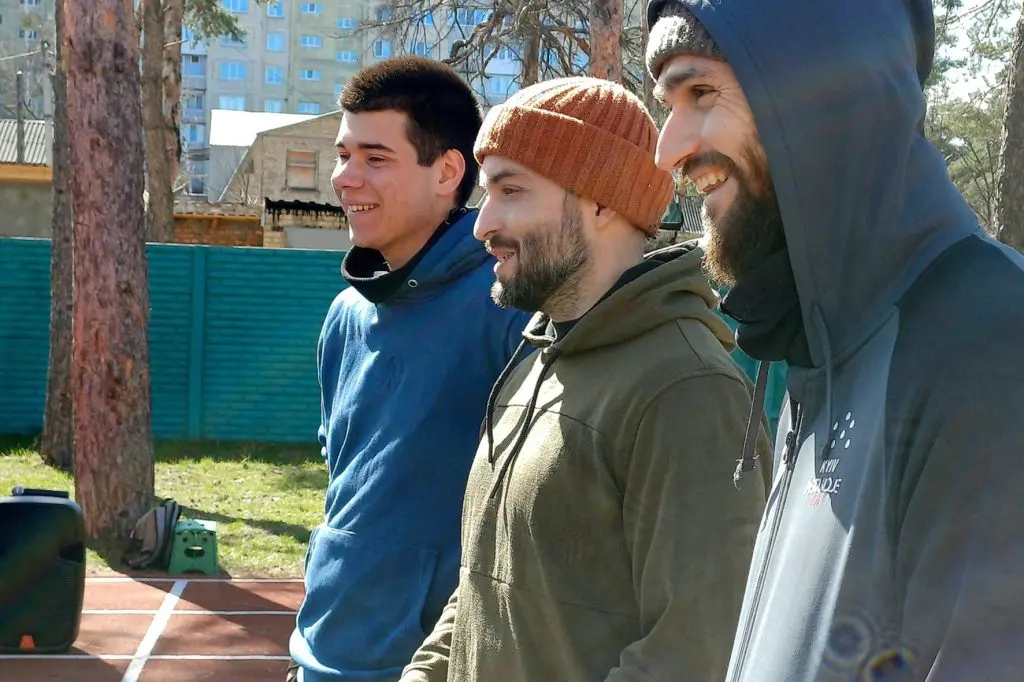
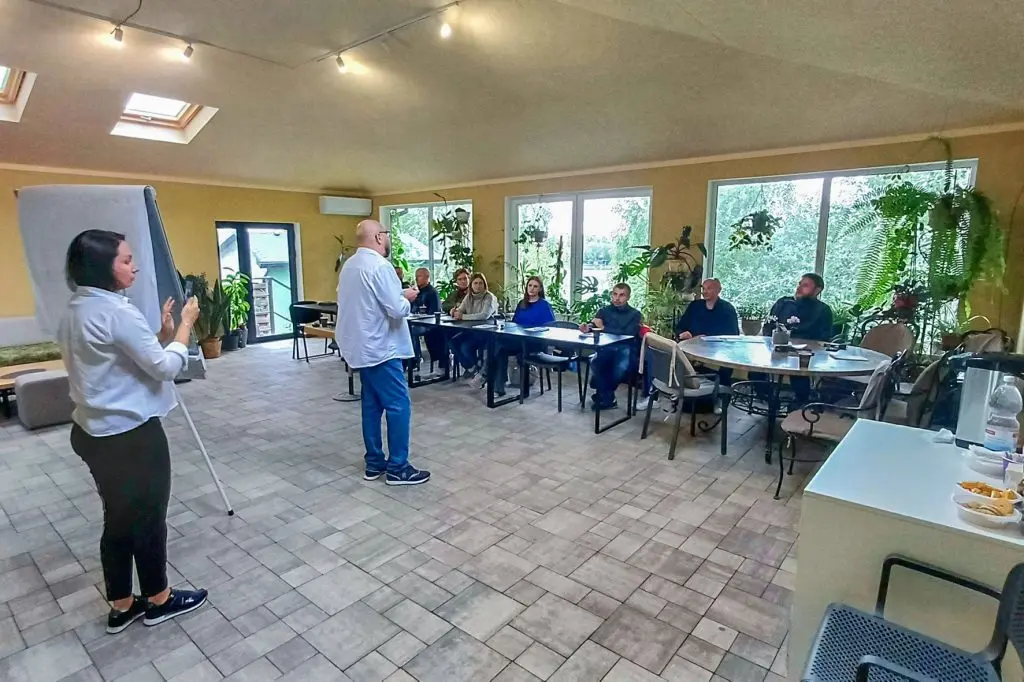
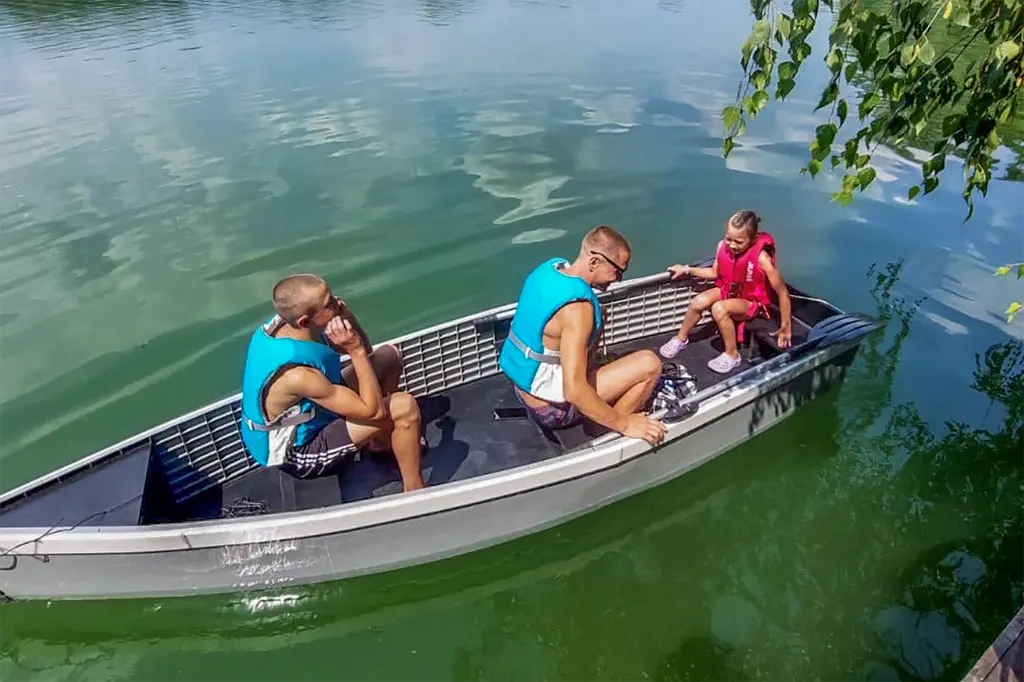
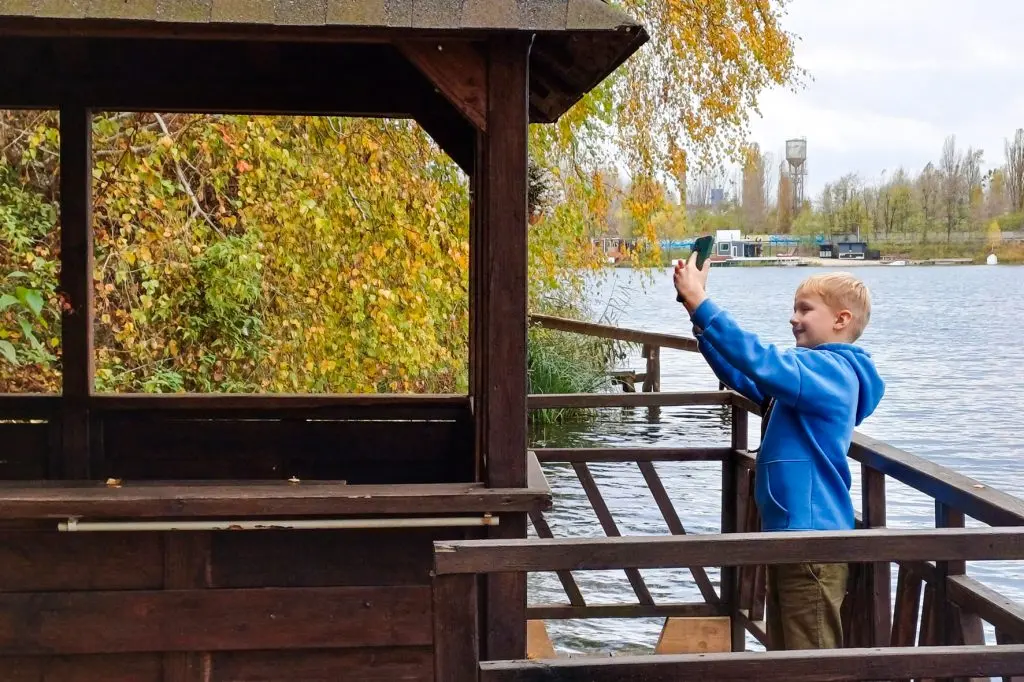
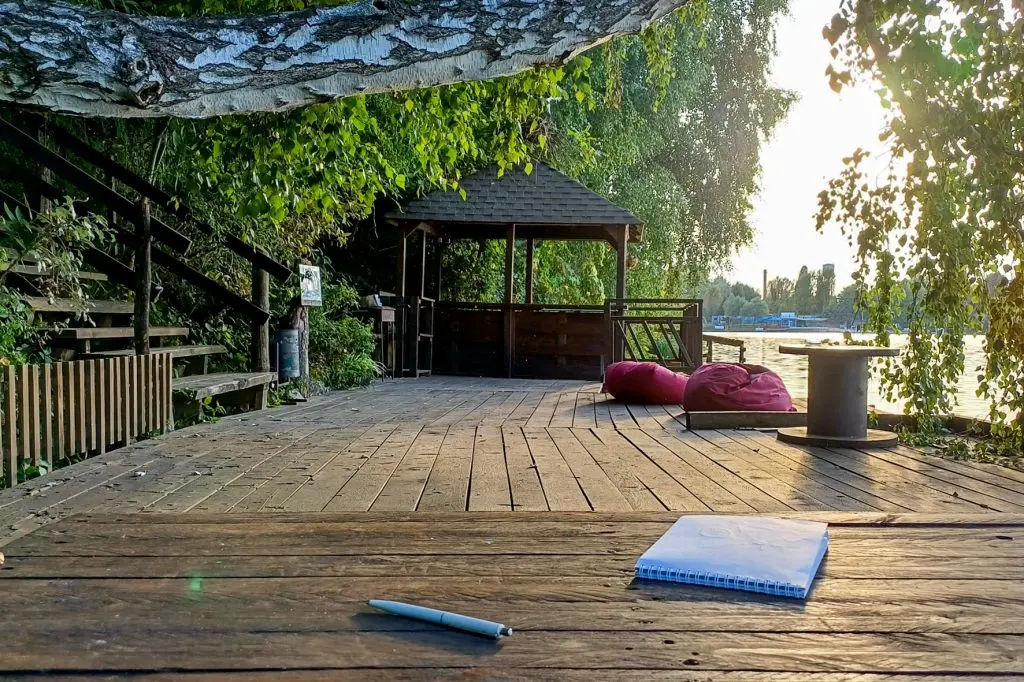
To provide comprehensive psychosocial assistance, the Rudenko family decided to convert their leisure complex on the shore of a picturesque lake into a Centre for Social and Psychological Rehabilitation. This required a great deal of effort and money. During the fierce fighting in Irpin, all the buildings of the complex were damaged by Russian shelling, and some were partly destroyed and burned. To restore them, they had to seek help from the community, the local authorities, socially responsible businesses, international donors and partners. In particular, the International Organization for Migration supported the technical equipment of the Centre.
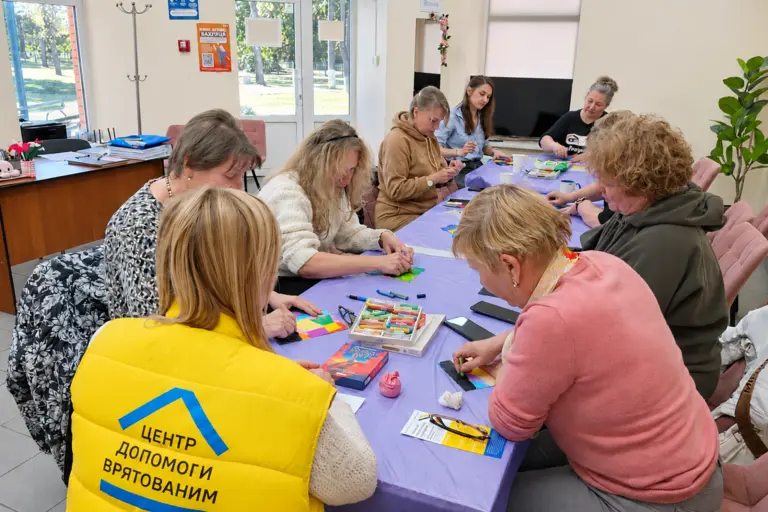
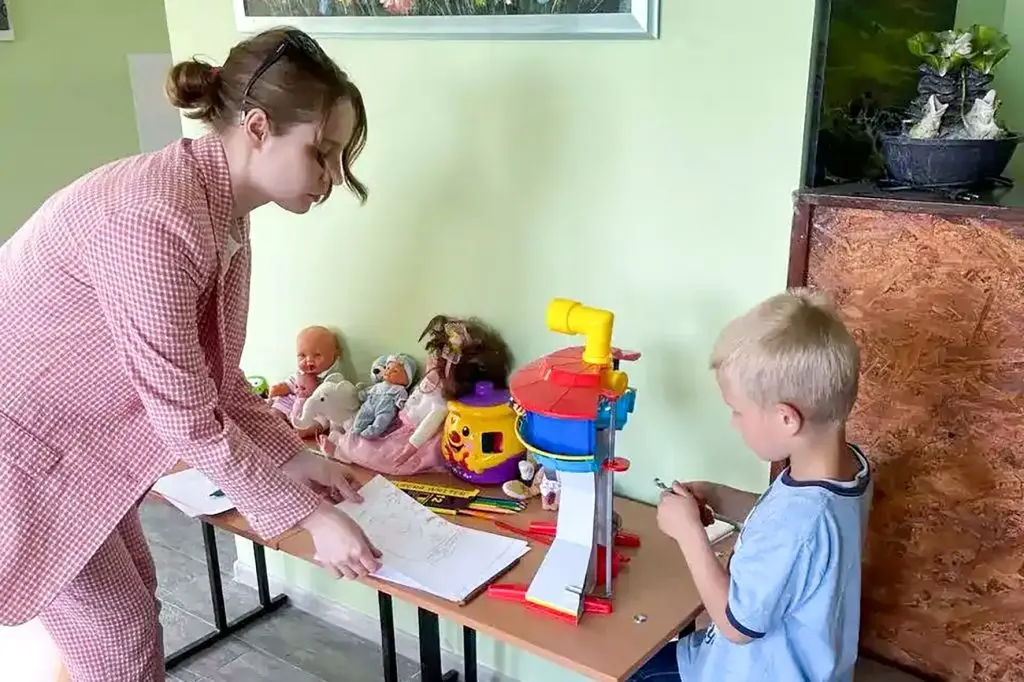
Today it is a hub where both adults and children are helped to nurture mental resilience and take care of their physical health. In addition to physiotherapy, yoga, art therapy and rehabilitation through adaptive sports, it offers recreational therapy and group retreats. In the future, they dream of launching yachting for veterans and a cabin boys’ school.
“I am proud that we managed to create this centre. Hundreds of veterans, their wives and children have had the opportunity to recover in such a picturesque location. We also plan to start a cabin boys’ school and give sailing lessons. This will not only help the recovery of those who have survived the horrors of war but also contribute to the military-patriotic education of the young generation of the Irpin community,” shares Liudmyla Rudenko, adding that the centre is also gradually becoming a venue for educational, artistic, sports and academic events.
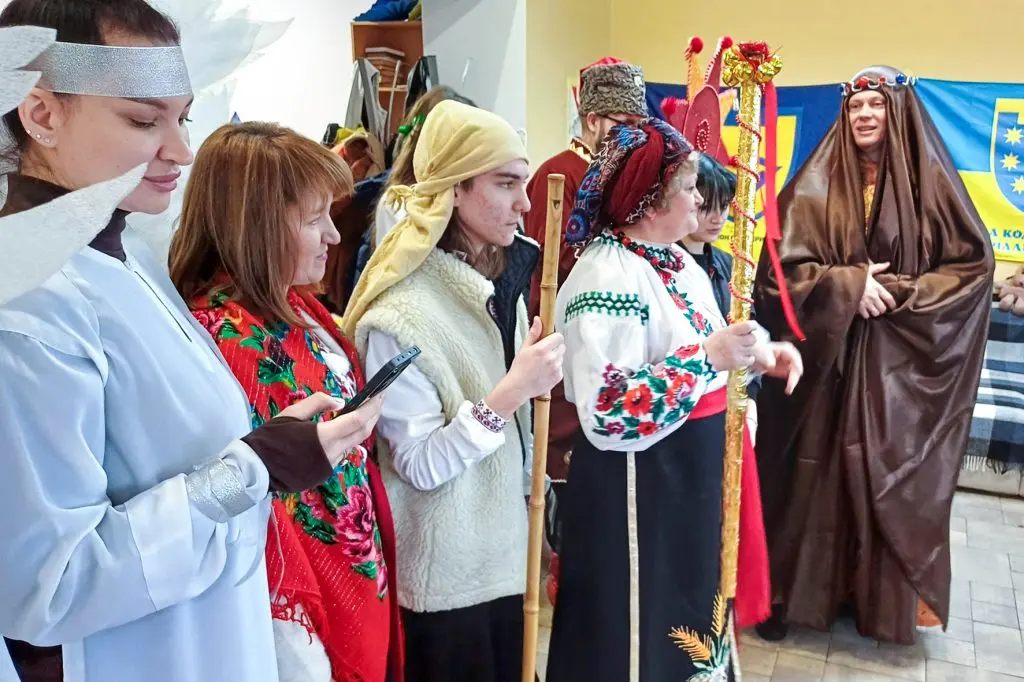
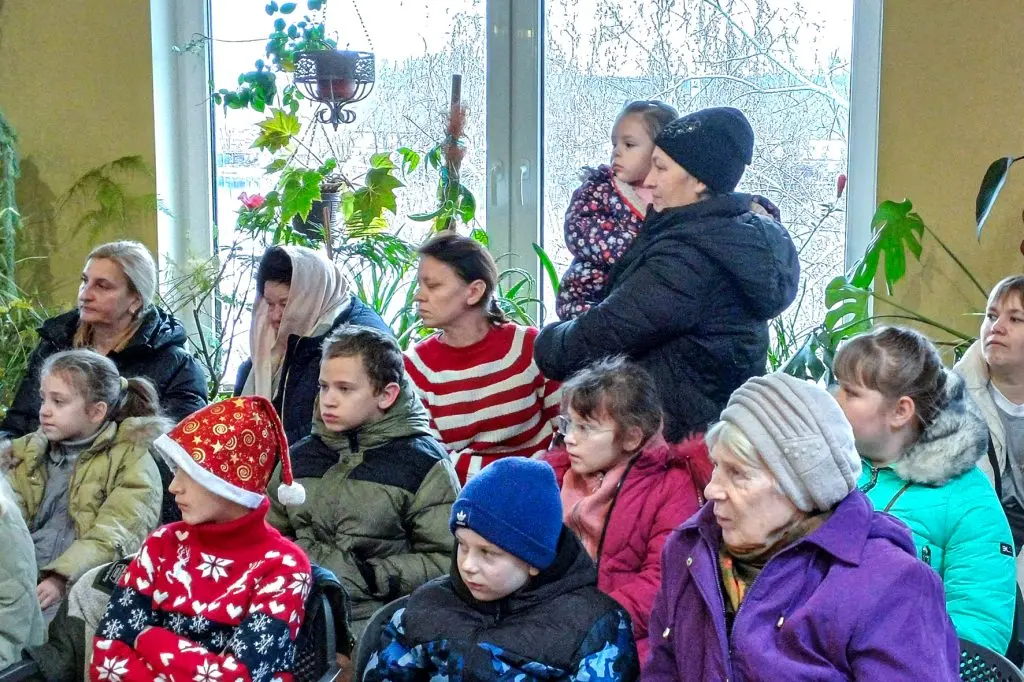
At Christmas, Ms Liudmyla and her team once again organised carol singing. Children of the Irpin community received gifts from benefactors from the Slovak Republic.
“Preserving traditions and spiritual values is the foundation on which we build the future of our community. By passing on this important knowledge to children, we raise a generation that knows the value of its culture and has a national identity. Today, a shared prayer for victory and Ukrainian carols unite the community and fill hearts with goodness. They remind us that despite all the trials, the light of truth will surely overcome the darkness of despair,” concludes Liudmyla Rudenko, founder of the Resilient Nation Charitable Foundation.
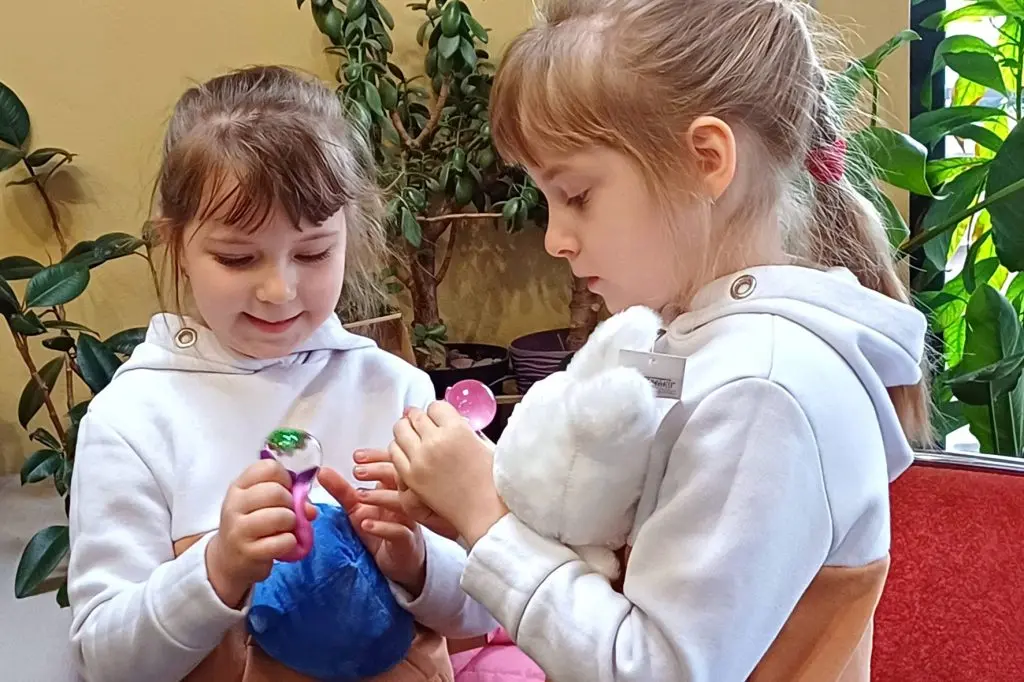
The Zakhyst – Volunteers’ Association NGO was the first in Khmelnytskyi region to create a veteran space, and today other organisations in the region come to it for advice, which it gladly gives. This, says the head of the association Kateryna Lutsyk, cannot fail to inspire, because the more organisations take care of veterans and their families, the better. And the more veterans know that they are awaited and that opportunities are being prepared for them, the better the prospects for communities and for the country.
Zakhyst’s story began in March 2022. At that time, about twenty local organisations came together into a single community.
Kateryna Lutsyk,
Head of the Zakhyst – Volunteers’ Association NGO, Khmelnytskyi
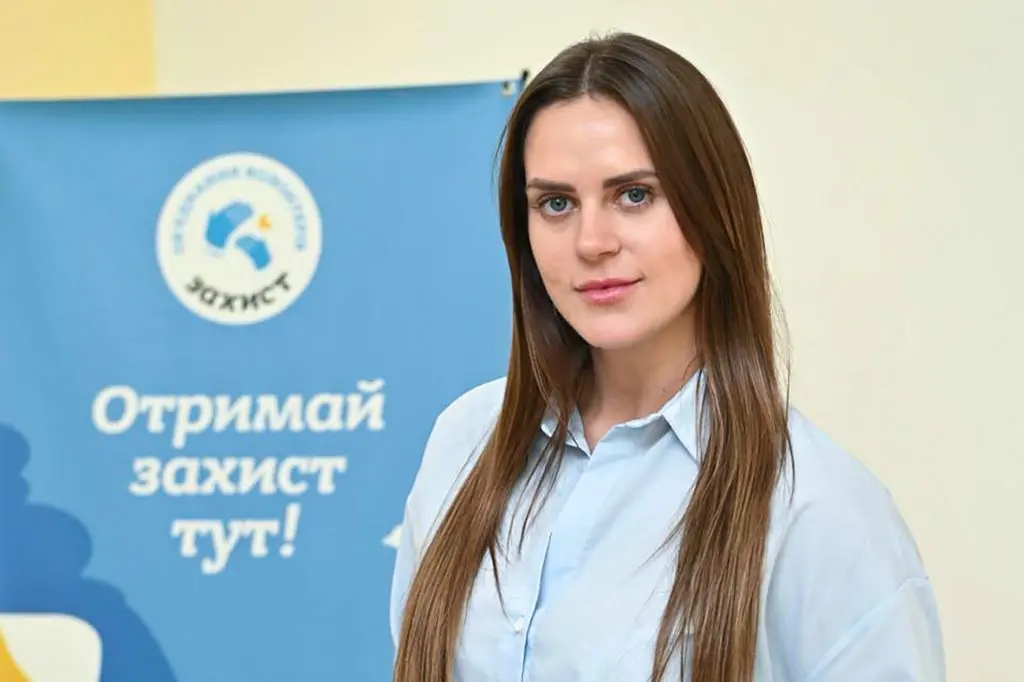
“They were active volunteers and representatives of Khmelnytskyi’s civil society sector. Before the full-scale invasion, everyone worked in different areas and for different lengths of time – some since 2014, some later. And when the Russians attacked Ukraine in February 2022, we united. We met humanitarian needs – from aid logistics to welcoming internally displaced Ukrainians, finding them housing and meeting their basic needs. In essence, it was people, a big team, that became the starting resource from which our work began,” says Kateryna Lutsyk.
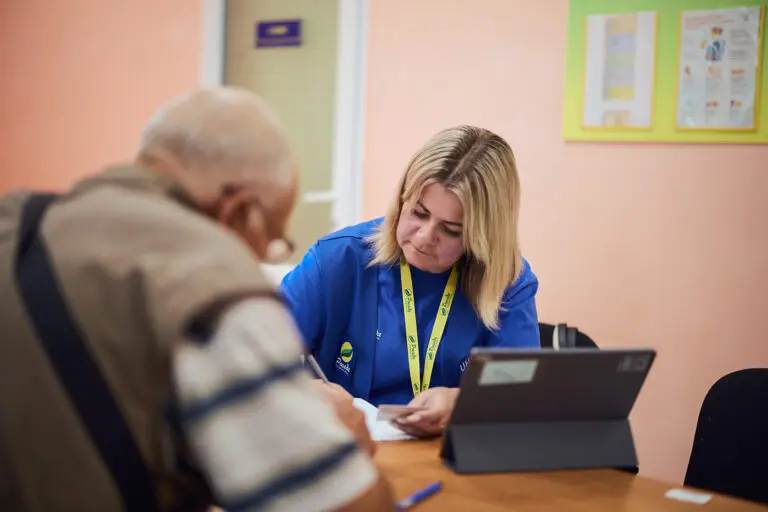
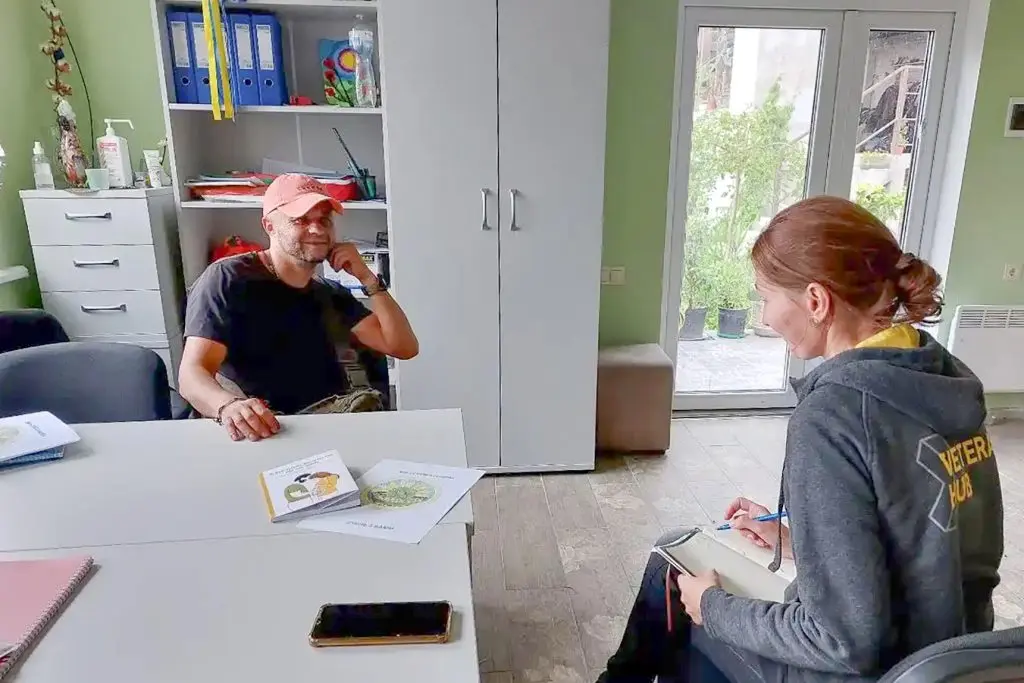
Today the NGO’s team has about thirty active people. They have focused their work on supporting veterans and their families. Everyone in the organisation is responsible for their own area: administration, psychologists for adults and children, veteran support specialists, lawyers, career counsellors and art therapists.
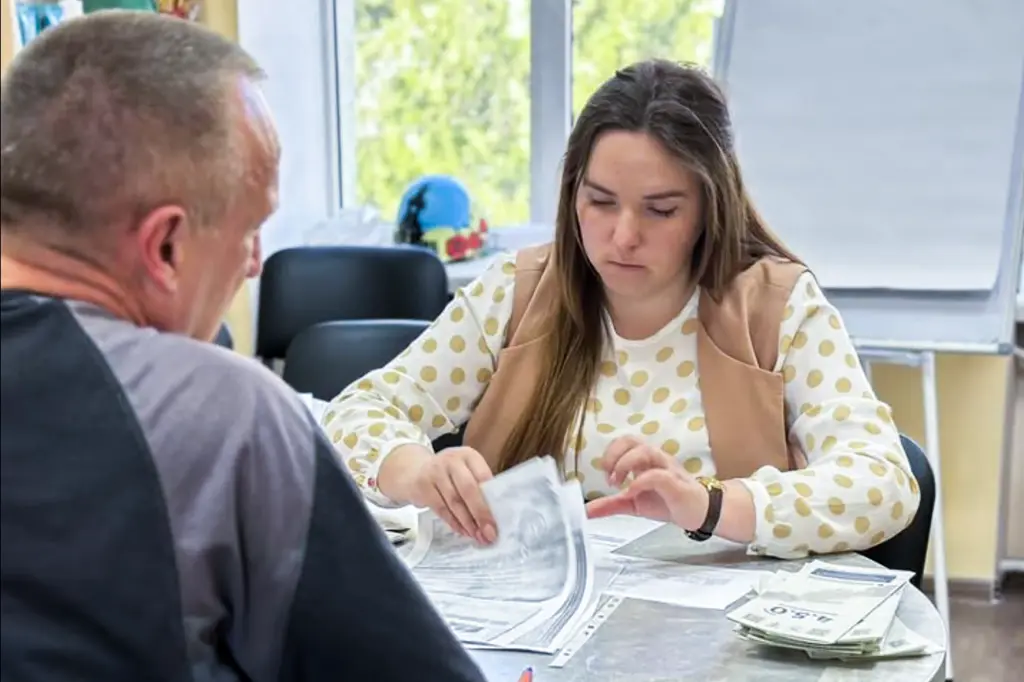
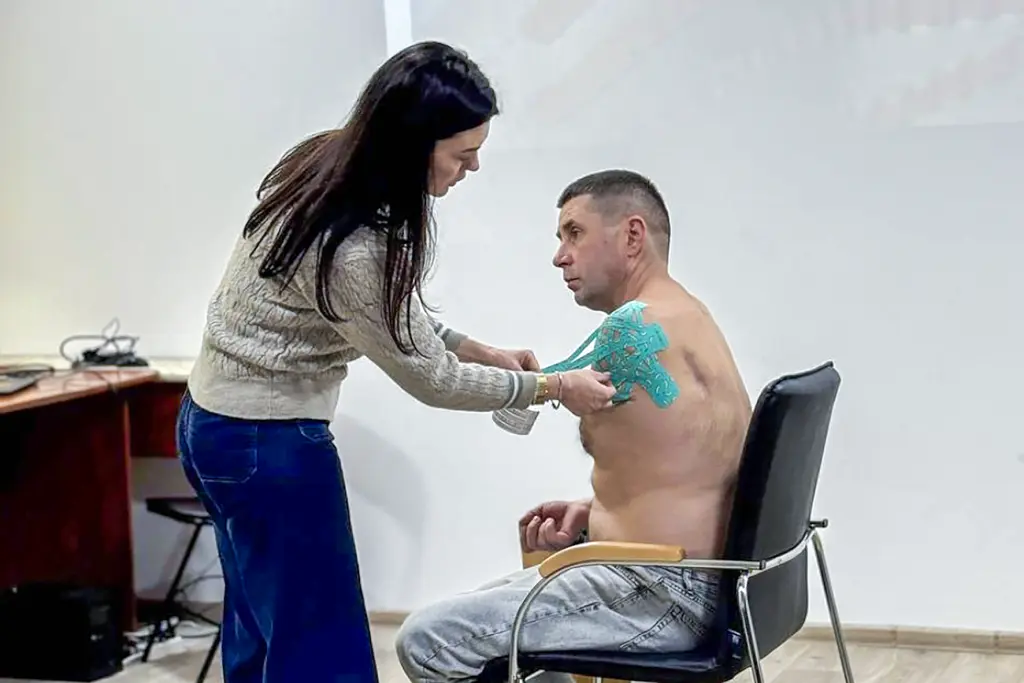
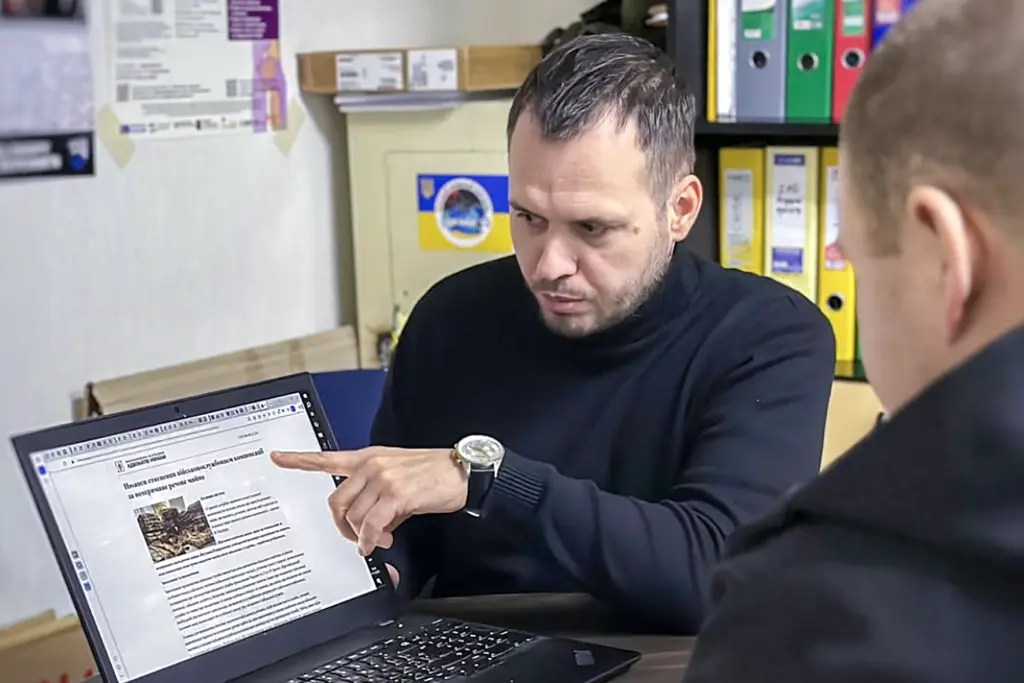
“This multidisciplinary group works with veterans. We address most requests within our space, and for those that require outside help – such as resolving an issue with the Pension Fund, an Administrative Service Centre or social protection – we involve state stakeholders. And this also works well, because when a veteran goes to a particular body, they no longer stand in queues. The state specialists already know their case and are ready to get involved right away. Thanks to this cooperation, we reduce social tension,” the head of the association explains how it works.
Kateryna herself is a former defender. In 2015, she volunteered for the front as a medic. There she was wounded and, like thousands of former soldiers, went through readaptation. The whole process made her think about helping veterans make their path to recovery easier in the future. With the start of the full-scale invasion, she wanted to rejoin her brigade, but circumstances meant that her strength was needed on the home front. That is when life drew her into civic volunteer work.
“For more than a year, we accumulated experience and resources, improved our knowledge and negotiated with the city authorities. And finally, in December 2023, we opened the Zakhyst.4.5.0 space to support veterans and their families, and in 2024 it became a municipal institution,” recalls Kateryna Lutsyk.
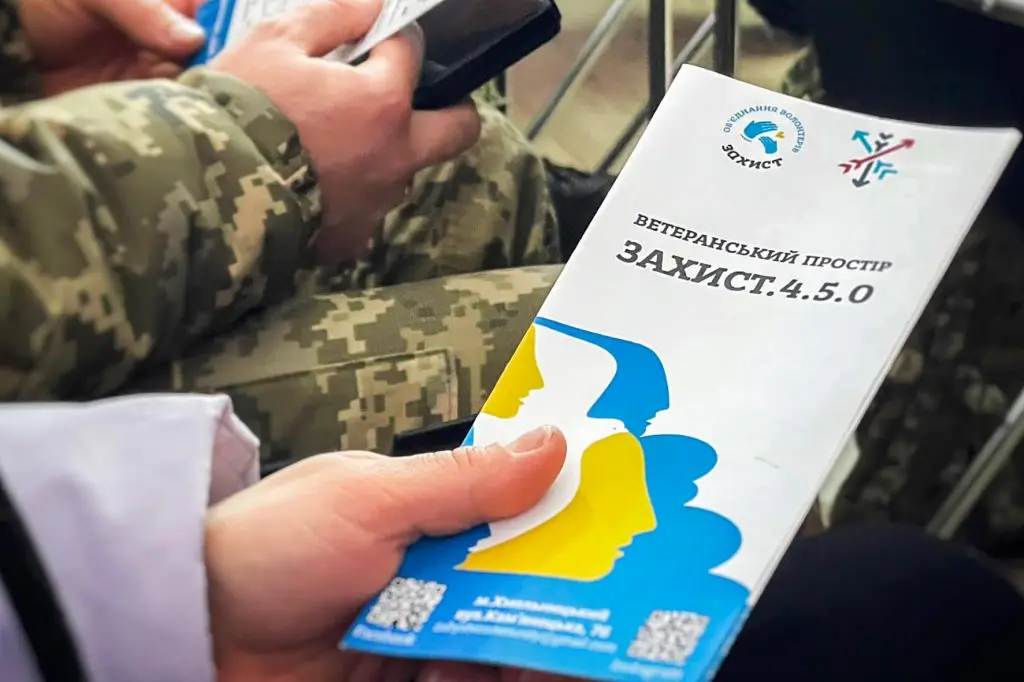
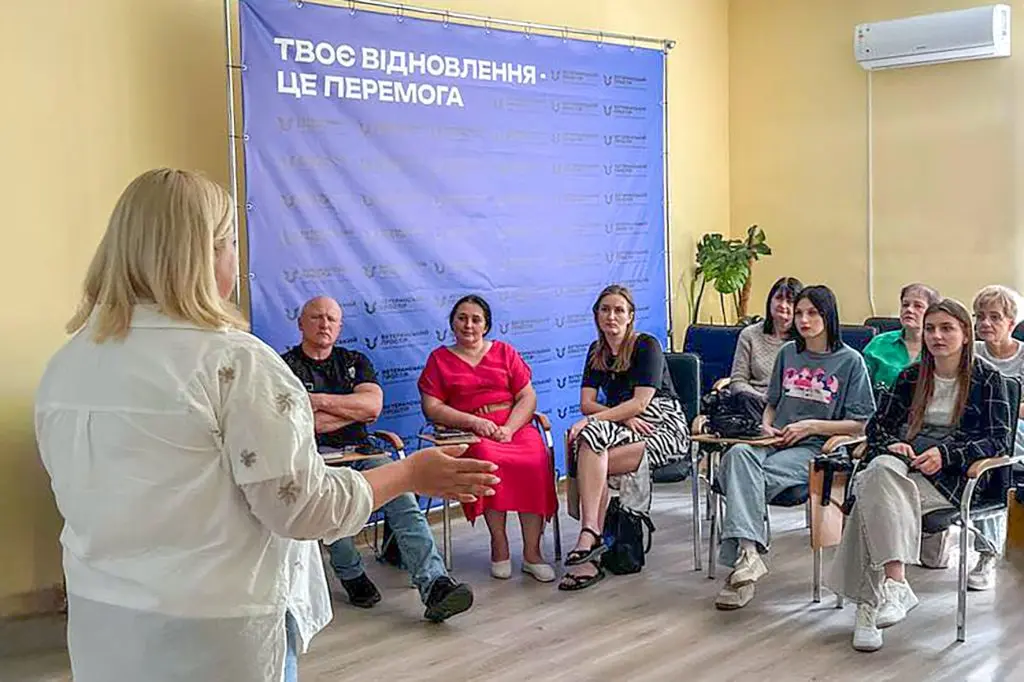
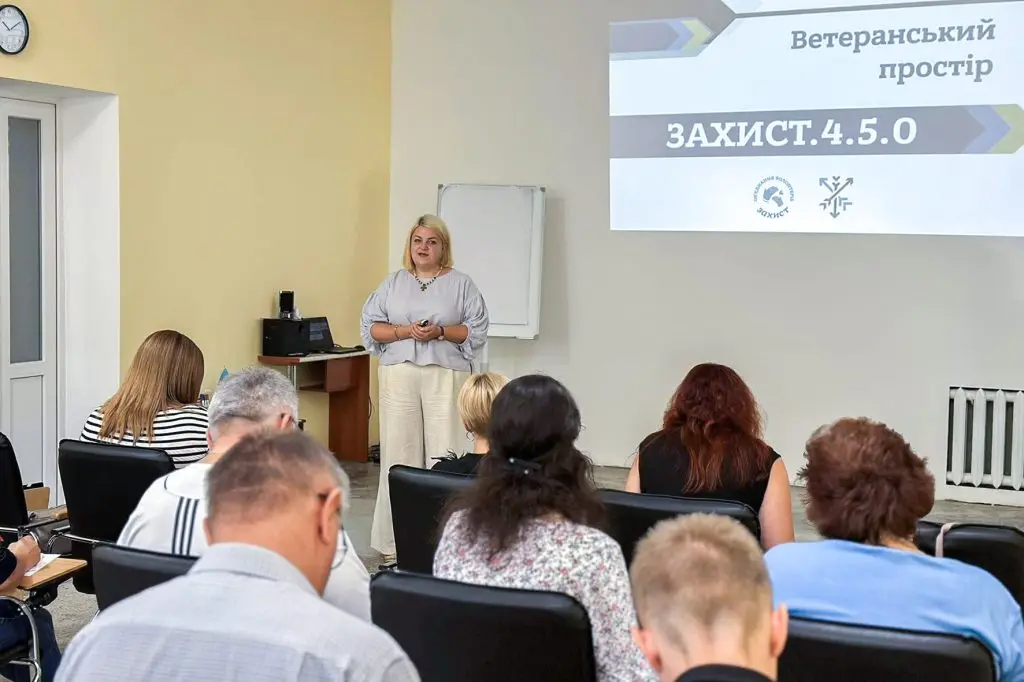
The space works in three areas: veteran reintegration, education and honouring heroes.
Reintegration of veterans and their families:
– social support
– psychological support
– case management
– therapy
– retreats
Education:
– communication with veterans for authorities and service providers
– training for communities on building a veteran policy support system
– training for veterans and their families: business courses, retraining and more.
Honouring heroes:
– spreading a culture of respect and honour for veterans
– promoting the image of male and female veterans
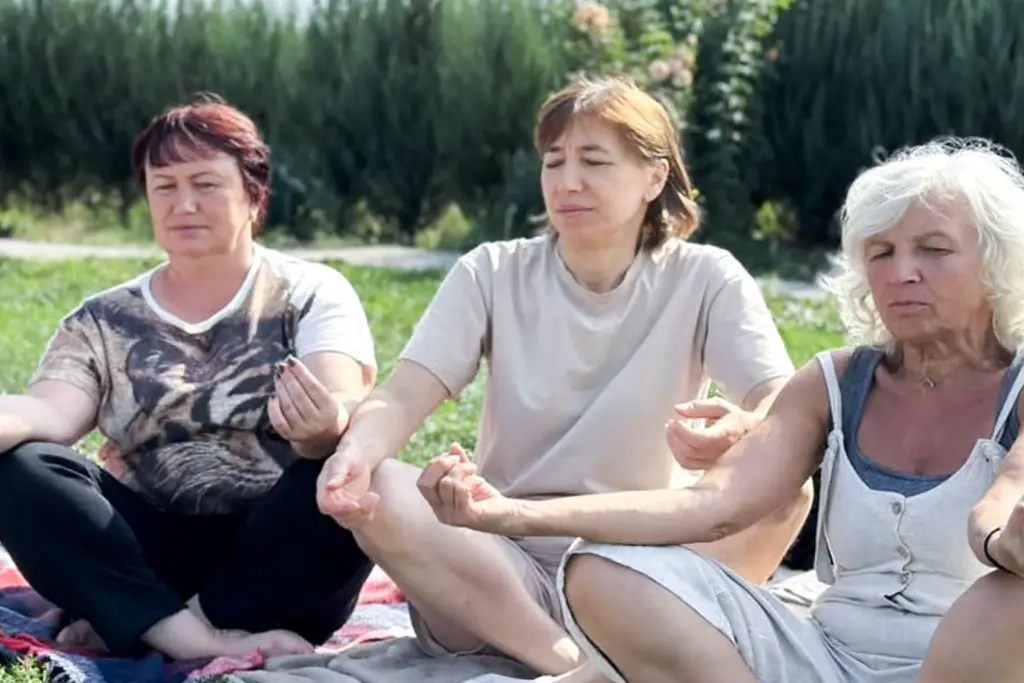
“We see demand for each of these areas. For example, in reintegration we work on a peer-to-peer principle. We create micro-communities where veterans or their wives, or the wives of the fallen and of prisoners of war, communicate among themselves, support each other, hold joint workshops or take part in art therapy activities. This approach works and brings results. The educational component is based on our training centre. We have certified specialists who train various service providers – both civil society and, for example, officials – on communicating with veterans and with the families of the fallen, missing and prisoners of war. It is important for us to minimise conflicts caused by communication gaps, build partnerships between the authorities and veterans and help them create veteran spaces. Plus, we train veterans themselves. In December, for example, we launched a business course on starting your own business. Over the past year, we ran six retraining courses, and two more are under way. And the third area is a culture of respect, honour and recognition of heroes. After all, we have learned to honour the dead and the fallen, but we have not learned to honour the living,” states Kateryna Lutsyk.
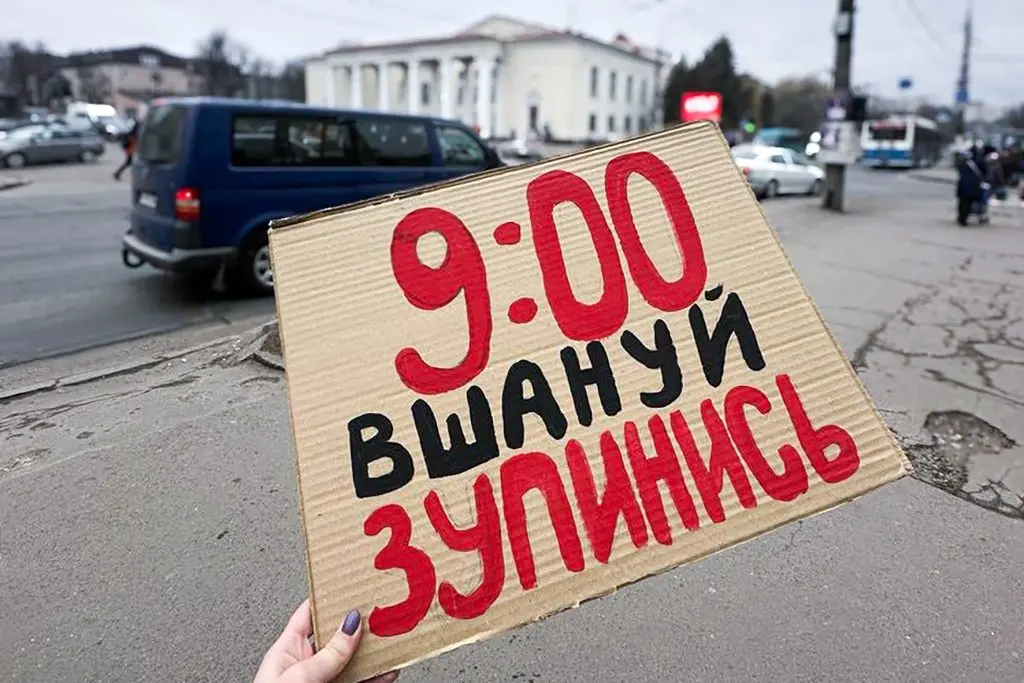
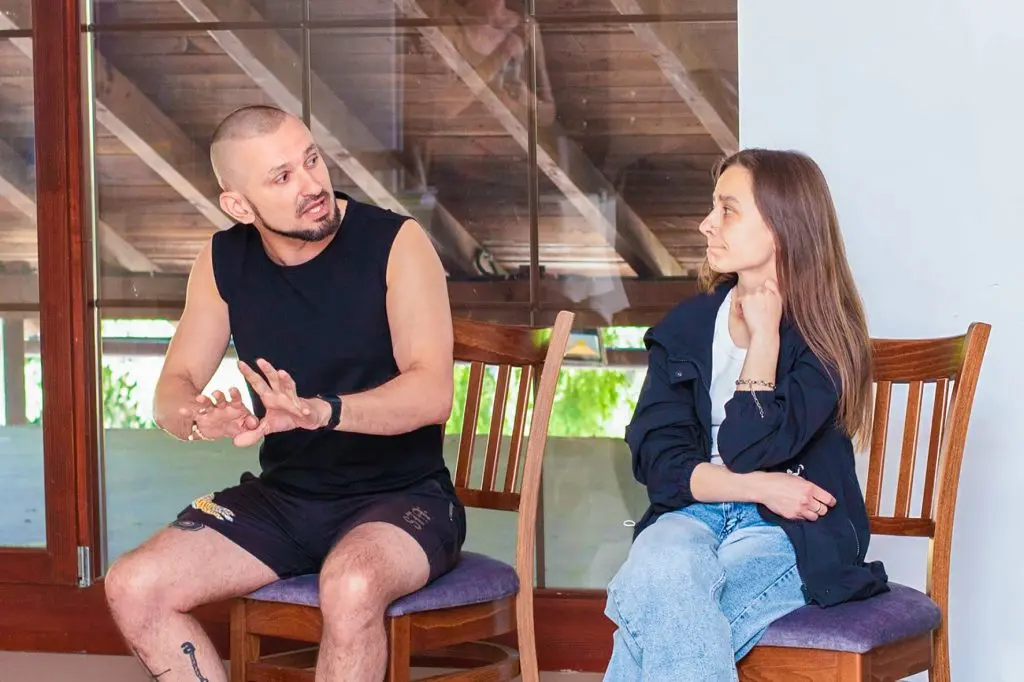
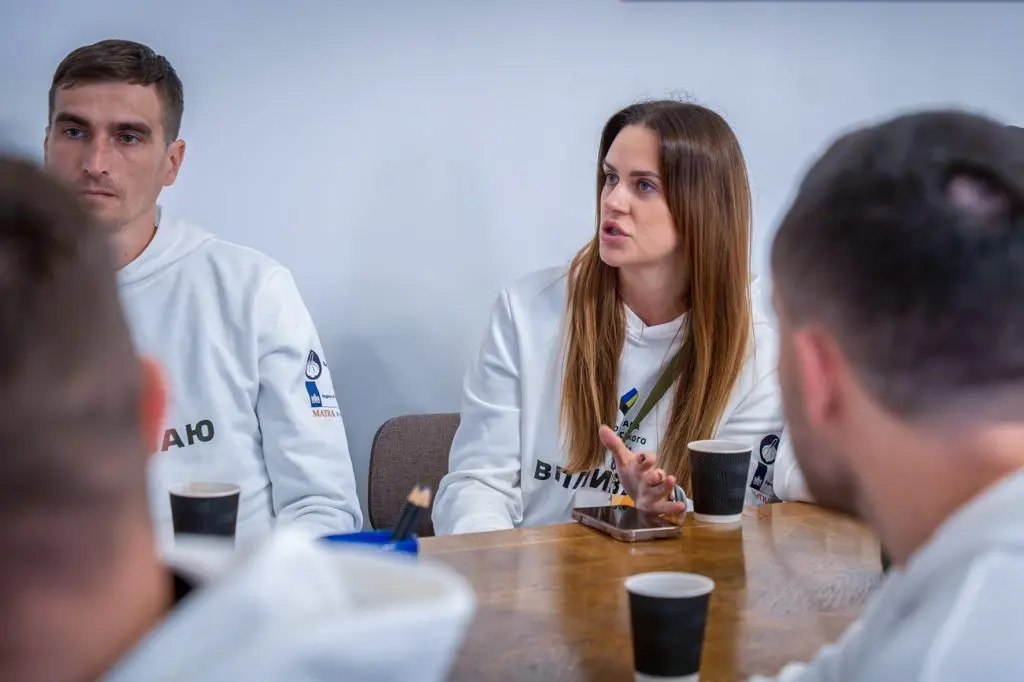
Last year, the Zakhyst – Volunteers’ Association team also organised a Women’s Leadership Academy for the families of the fallen and missing and the families of veterans.
“As a result, nineteen women started their own businesses. And that is what we are proud of. What’s more, we created a community for them where women share experience, challenges and achievements. And we support them,” the head of the organisation rejoices in their achievements.
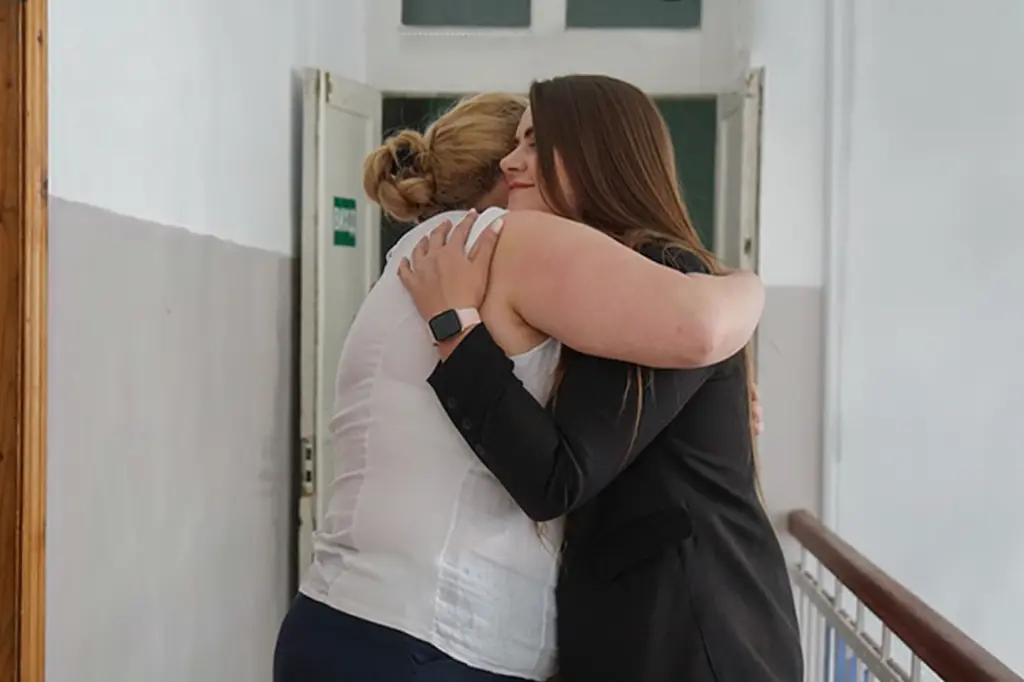
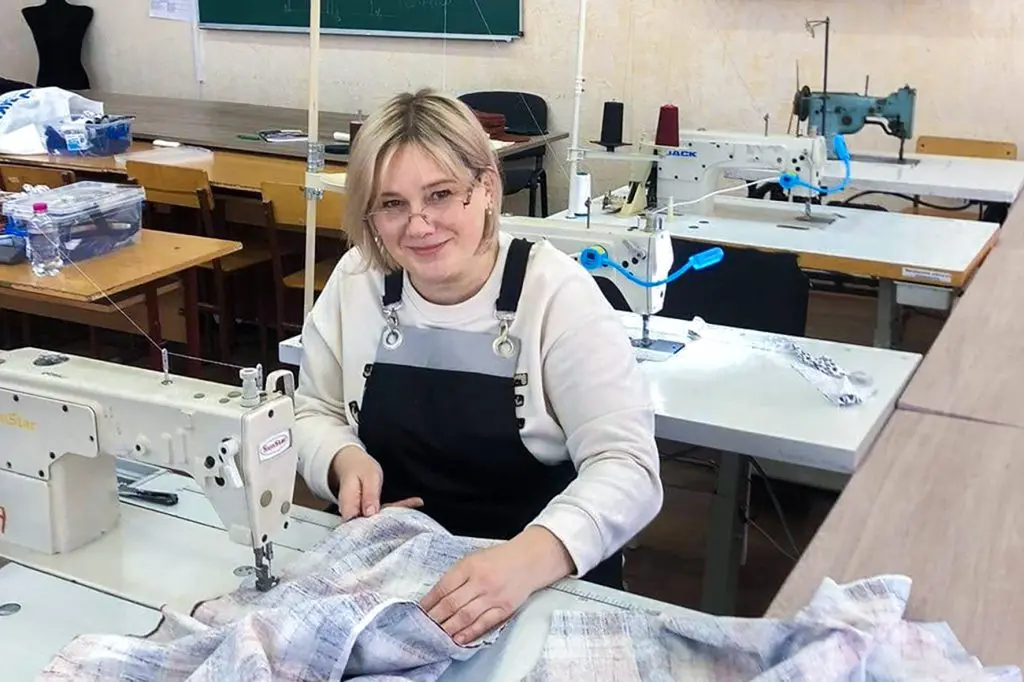
Among those who have found a new path is the wife of a fallen soldier. She is raising three children on her own. Thanks to the programme, she opened a speech therapy office.
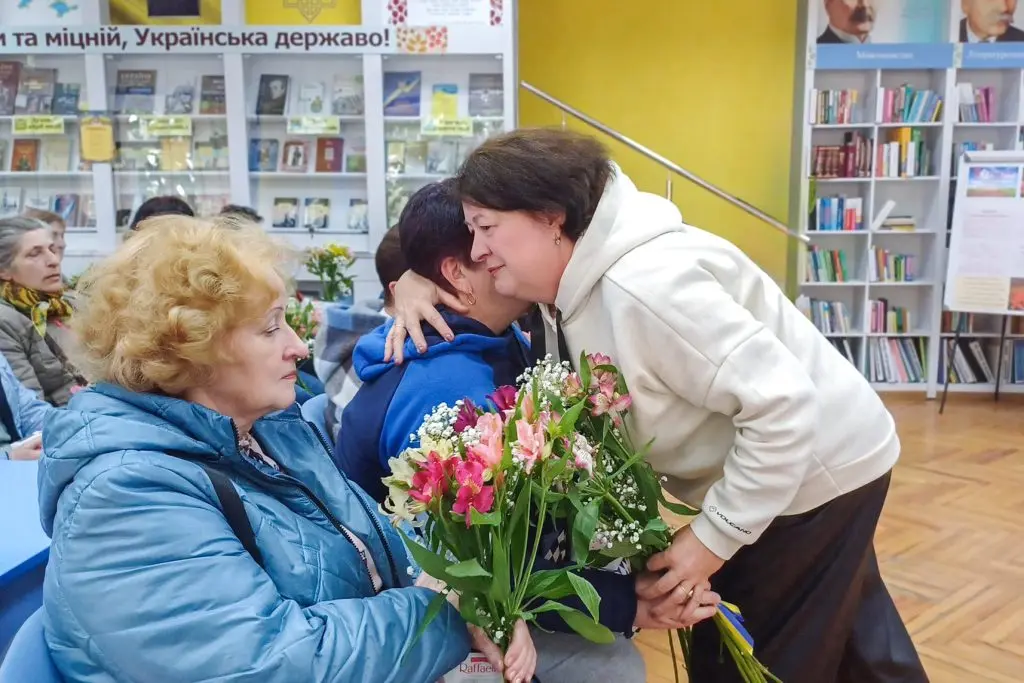
“This story touches the heart. The woman lost her husband when she was expecting her third child. She didn’t want to and didn’t know how to go on living. She came to us for a consultation. We helped her start therapy and then involved her in activities. And here is the result. This woman smiles now; there is a spark in her eyes… And when she comes to us, she always hugs us. When you see such cases and such people, you realise that this work is really very, very important. And also how wonderful our team is – a team that is not afraid to take on sometimes very difficult challenges and solve them. It is the team that is the driving force, the strength and the foundation of change,” shares Kateryna Lutsyk.
This material was prepared within the project “Social Cohesion and Reintegration of Veterans in Ukraine”, implemented in cooperation with the International Organization for Migration and funded by the European Union.