
Officials from nine regions learn how to implement supported living in their communities
Kyiv and Lviv hosted in-person training sessions for nearly 40 participants of the Supported Living School. This session focused specifically on the professional development of managers, covering nine Ukrainian regions: Lviv, Rivne, Khmelnytskyi, Ivano-Frankivsk, Zakarpattia, Chernivtsi, Kyiv, Chernihiv, and Zhytomyr. The initiative is implemented by the Rokada Charitable Foundation with financial support from the UNHCR (UN Refugee Agency) in cooperation with the Ministry of Social Policy of Ukraine.
Supported living gives older people and/or people with disabilities the opportunity to live in ordinary homes where specialists work with them every day, to remain part of the community and gradually adapt to independent life. This is an important alternative to institutional care, and the development of the service is one of the key areas of focus for the Ministry of Social Policy within the framework of the National Barrier-Free Strategy.
“Supported living is a human right to live in one’s community, rather than in isolation. For the state, it is important that alongside the development of the service itself, the professional capacity of the people who provide it also grows. The School helps communities gain the practical knowledge necessary to implement state standards, making this service high-quality, sustainable, and human-centered. Through such initiatives, a modern social support system is being built, at the center of which are human dignity and independence,” emphasizes Inna Solodka, Deputy Minister of Social Policy, Family, and Unity of Ukraine.
It is managerial decisions that determine whether the service will appear in a specific community. Therefore, this time the school invited those who directly influence the scaling of the support service: heads of social service centers, territorial centers of social services, officials of social protection departments, representatives of local government executive bodies, heads of institutional care facilities, as well as social managers and specialists from humanitarian organizations. Some of them are already helping people, while others are just preparing to launch such a service.
“The Supported Living School allows us to prepare social sector managers to work with people who need accompaniment in their daily lives. This is not only about organizing daily routines, but also about creating conditions for the development, independence, and community integration of internally displaced persons. For us, it is important to shape a new generation of managers who understand: supported living is not about ‘care,’ but about partnership. We teach them to see the person, their strengths, and to build a system of services so that everyone has the opportunity to live as independently as possible,” explains Tetiana Druzhchenko, trainer at the Supported Living School and social services development expert.
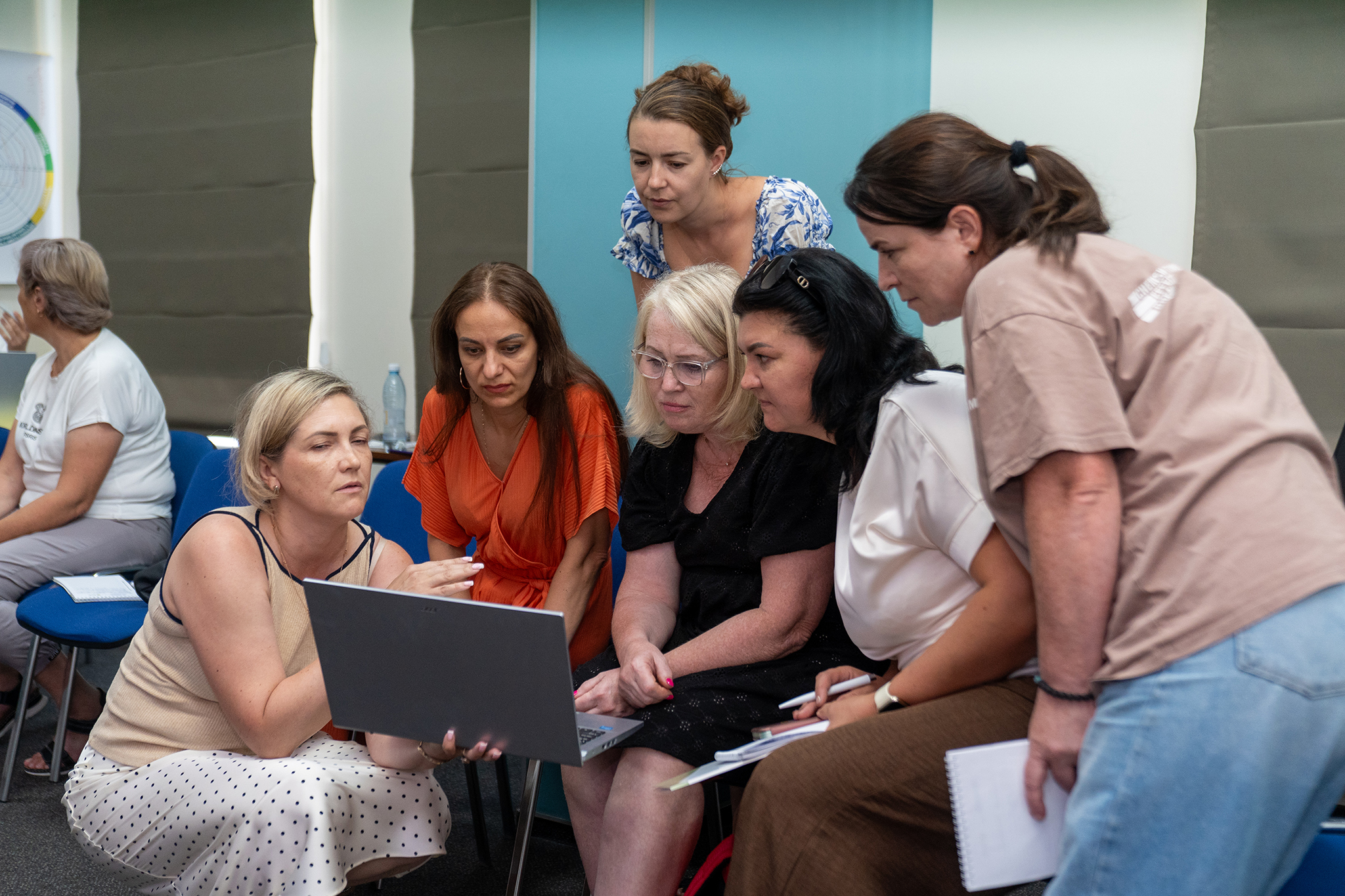
The training lasted for two days in each of the cities and combined presentations with practical exercises. Participants analyzed legislation and the best Ukrainian practices, learned to identify potential recipients of the service, plan its implementation and development, form multidisciplinary teams, as well as monitor quality and build cooperation among various services around the individual. Each day concluded with reflections, analyzing real community cases and working through potential challenges.
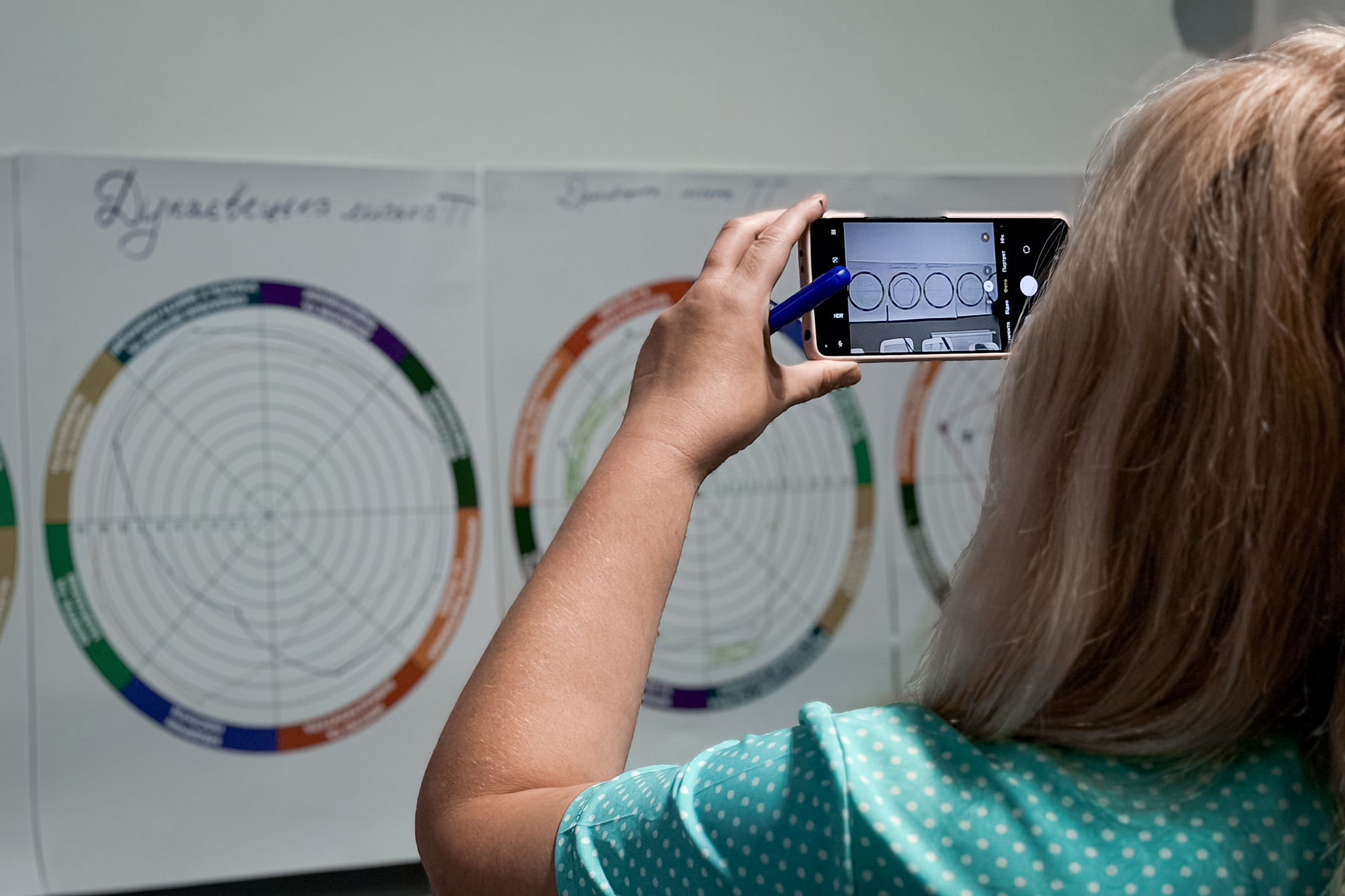
The training was conducted by five trainers — experts in social policy and inclusion, social services development, budgeting and local finance, accessibility, and psychological support for teams.
Among the participants were those who already work with the service every day.
“Participation in the school is an opportunity for me to deepen professional knowledge and gain new practical tools to improve the quality of life of our beneficiaries. Such training helps to rethink approaches to work and expand the vision of supporting people with disabilities and older people. I have already participated in similar events, but this school stands out for its practical orientation, open exchange of experience, and focus on real cases: it made it possible not only to gain knowledge but also to see models that are already working. Now I plan to develop the independence of our clients, strengthen team interaction among specialists, and improve documentation — from needs assessment acts to individual plans, in order to better organize assistance for each person,” shares Inna Maksymova, head of the supported living department at the Social Services Provision Center from Mykolaiv in the Lviv region.
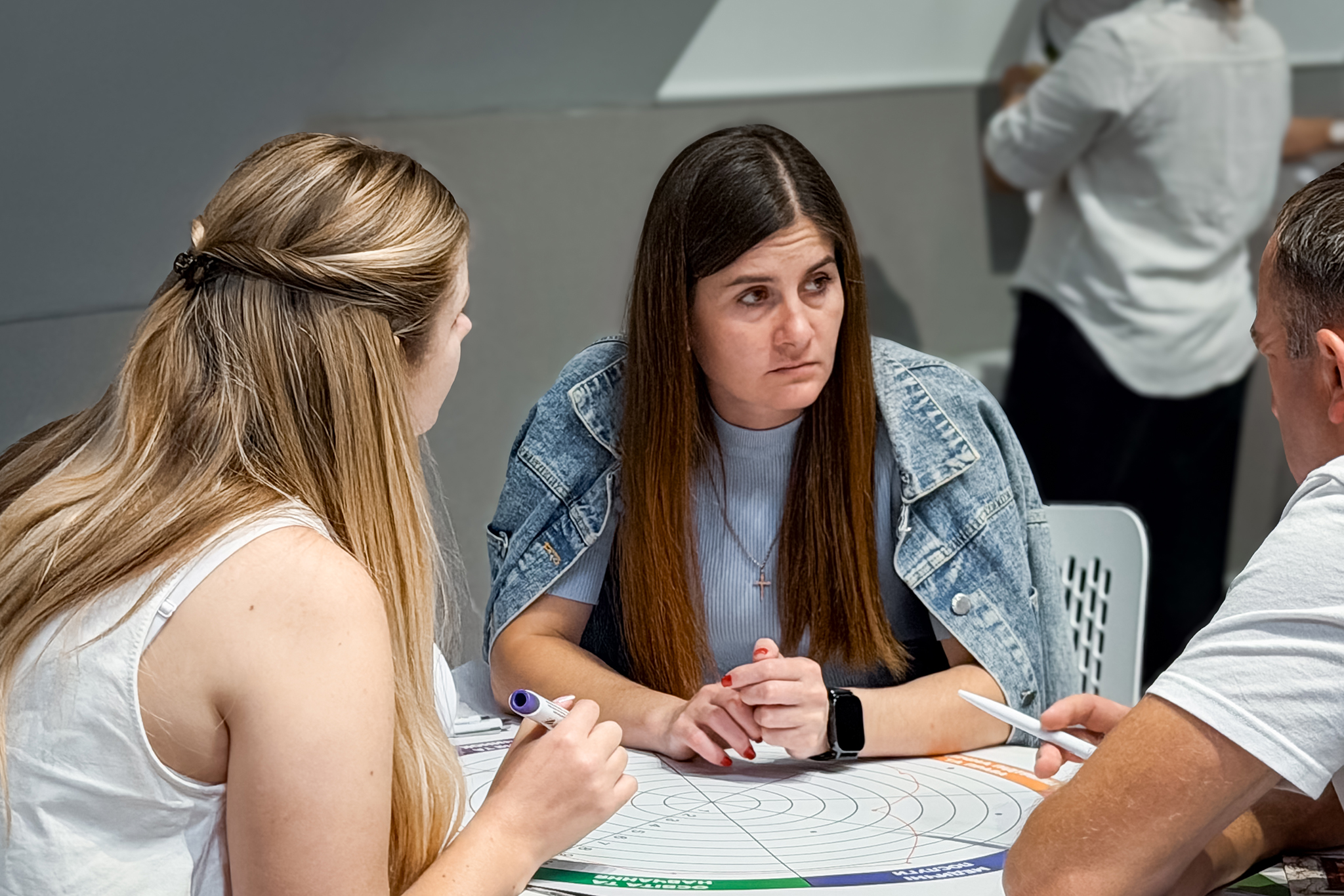
However, for some communities, the training became the first step toward the emergence of a new service.
“We view supported living as a service that can be introduced in our community, particularly as an alternative to home care — that is precisely why I decided to study. This is not the first time I am participating in training sessions, but here I really liked the model of material presentation: everything is to the point, without unnecessary ‘filler,’ informative, and with real-life examples. Practical exercises helped to immerse not only into the service itself but also to study and analyze the capabilities of the community — its administrative and human potential. We will use the gained knowledge and experience, particularly from other communities and trainers, when we introduce the service in the Kalyta community,” notes Nataliia Afonina, head of the social protection department of the executive committee of the Kalyta settlement council in the Kyiv region.
In-person training sessions are an important component of the course, but at the same time, other formats of work are also provided.
“The school helps communities prepare for the implementation of the supported living service for people who need outside support — it relies on inter-agency cooperation and the experience of communities already working in this direction. We chose a blended format: online modules allow participants to master basic knowledge without time off from work, while offline meetings allow them to practice real tasks and discuss them with experts and colleagues from other communities. This school is part of a project by the Rokada Charitable Foundation, implemented with the support of the UNHCR, so we expect that it will become the basis for the further development of community capacity, and it will be possible to scale or repeat it,” explains Liudmyla Vysotska-Stepaniuk, community-based protection coordinator at Rokada.
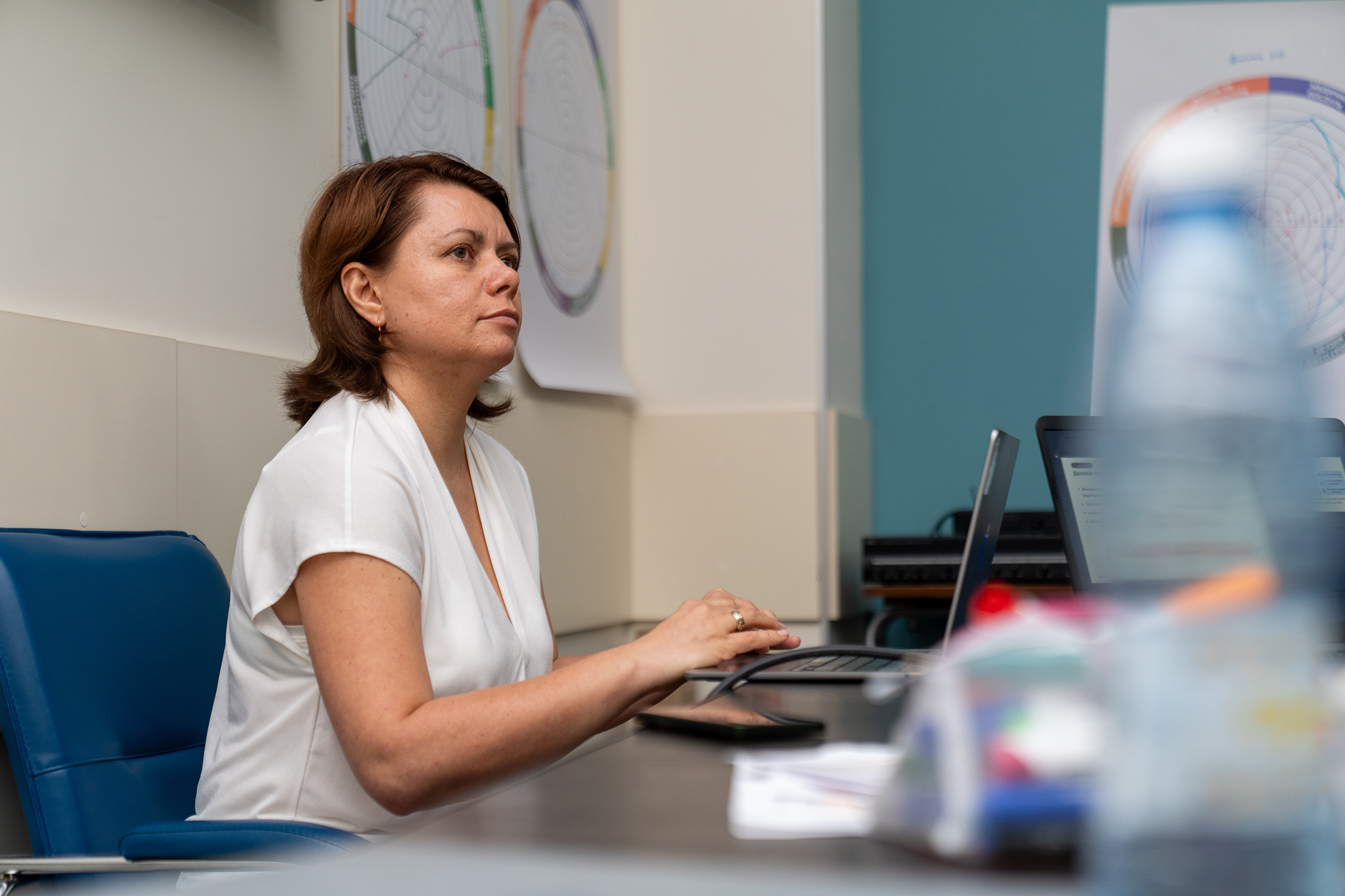
The online part continues even after the training sessions: consultations and webinars are held for the participants, and on August 14 and 28, the managers face certification — they will defend their own service implementation projects, calculated down to the smallest detail: from the budget and the team of specialists to the appropriate premises.
The next stage of the school will be the training of multidisciplinary teams that will directly provide the supported living service. After all, the course program is comprehensive and covers both the managerial level and the specialists responsible for the practical implementation of the assistance service.