
Resilience Hub in Novyi Buh: new projects and grant support for implementation
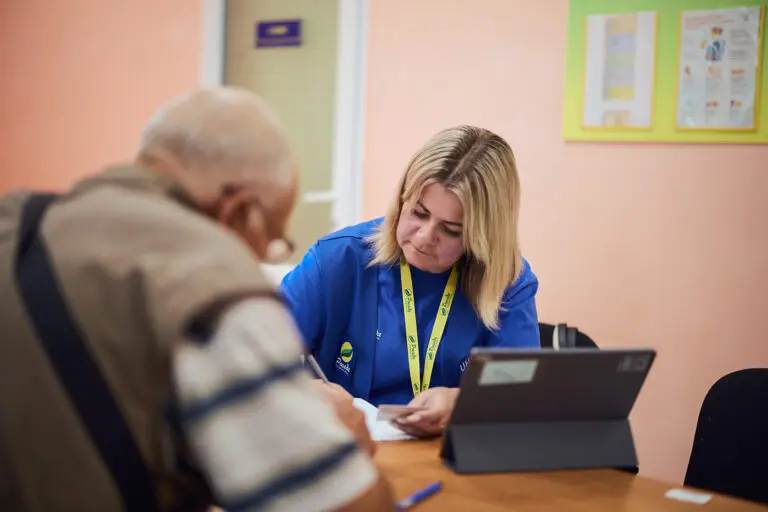
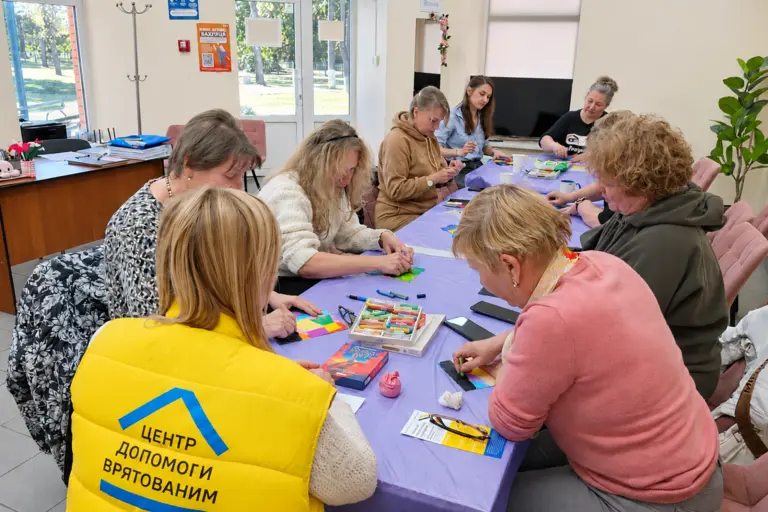
The Novyi Buh “Heart of the Community” Resilience Hub in Mykolaiv region has been actively operating for more than a month and has already become a platform of new opportunities for the community. Every day, it combines learning, practice and support that help residents take their first steps towards professional fulfilment.
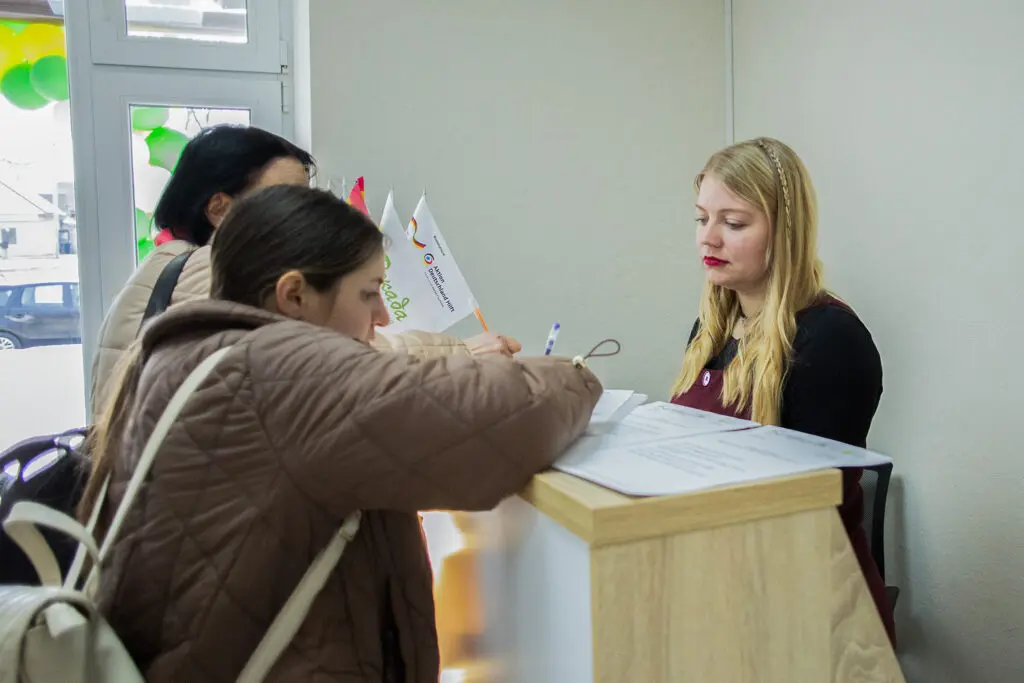
Kateryna Matsko,
Coordinator of Rokada’s regional office:
In fact, giving Novyi Buh residents a start in launching their own business is the hub’s mission. Together with our partners, we created this platform for the sustainable development of the community.
Courses are currently under way at the hub in three areas – agriculture, cooking and technology.
Agriculture
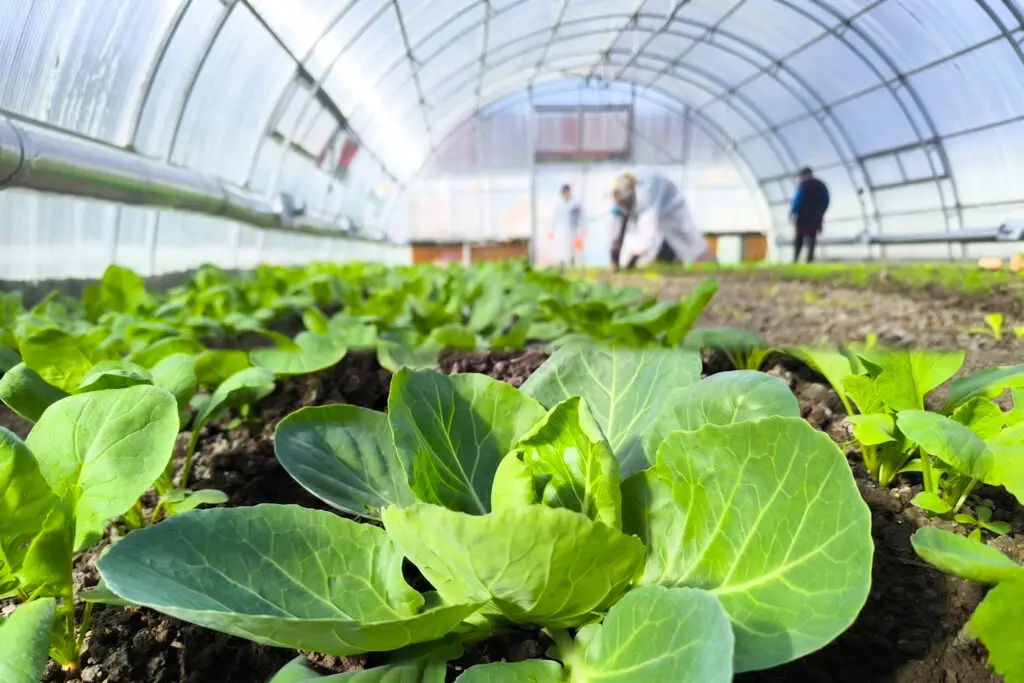
We reported earlier that a greenhouse was built next to the hub, where local residents learn to grow seedlings.
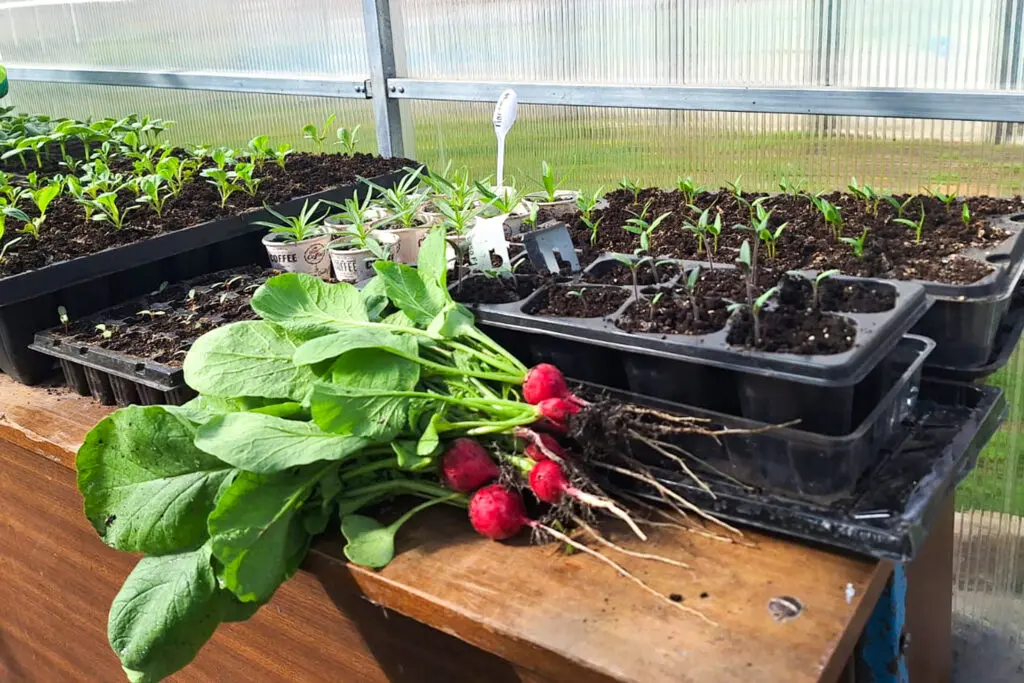
“We teach residents to grow crops in protected ground. Fifteen people want to gain this knowledge. Together we have already harvested the first crop of radishes. Next are dill, basil and cabbage. We have also planted cucumbers and peppers,” says course trainer Liudmyla Tkachenko.
Novyi Buh resident Alina was one of the first to sign up for the courses. She says she plans to start her own business in the future.
“I came to the course out of curiosity, and now I have a specific business idea and plan to develop it further. The trainers are very attentive and give both skills and the belief that everything will work out,” she notes.
Cooking
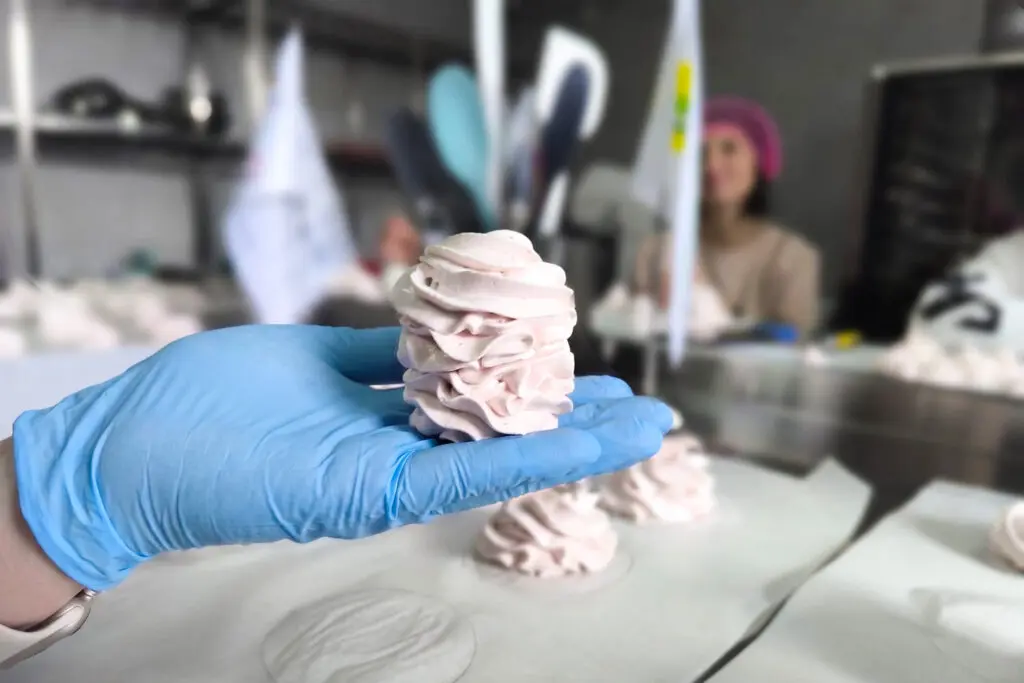
As part of the cooking course, participants are taught to make marshmallow-style zefir. Ten residents of the Novyi Buh community are currently mastering the craft.
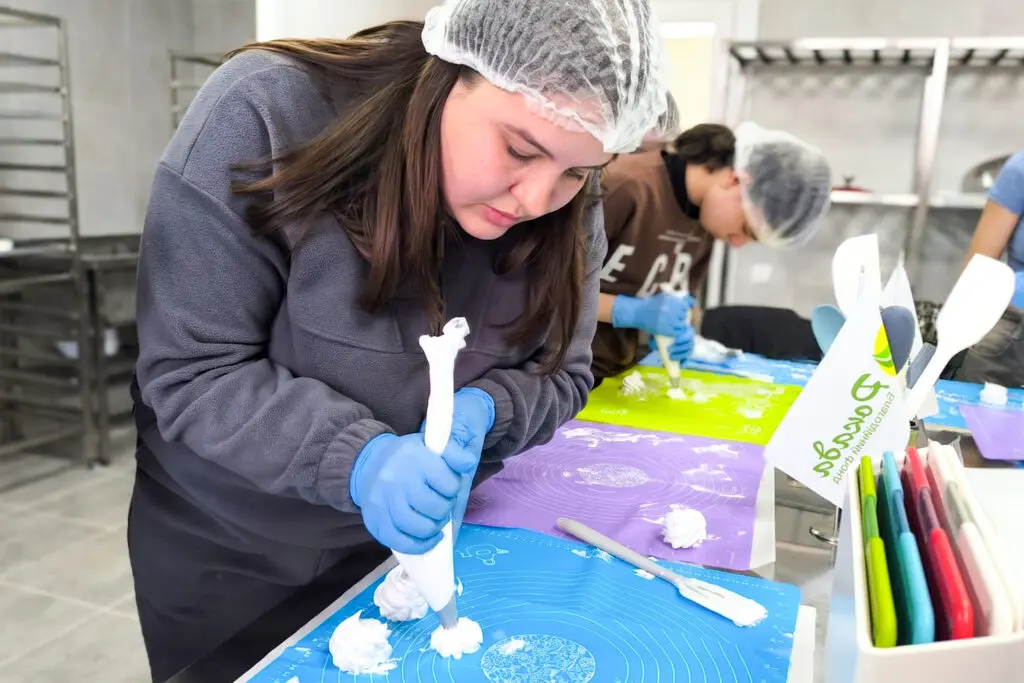
“The participants already confidently make fruit and berry zefir. They even experiment with unusual flavours – in particular, based on fizzy drinks. The women have mastered piping technique and learned to whip the mixture properly and work with textures,” says trainer Anna Stepan, sharing her group’s progress.
The course consists of 27 hours of theory and practice.
“We also teach how to monetise the business, sales, advertising and social media – that is, not only production but also management and marketing, because this is the main component of a future micro-business,” the trainer adds.
Technology
This area has attracted particular interest among young people, as it involves training in 3D printing: applying the technology, temperature settings for different types of plastic, printer setup and post-processing of products.
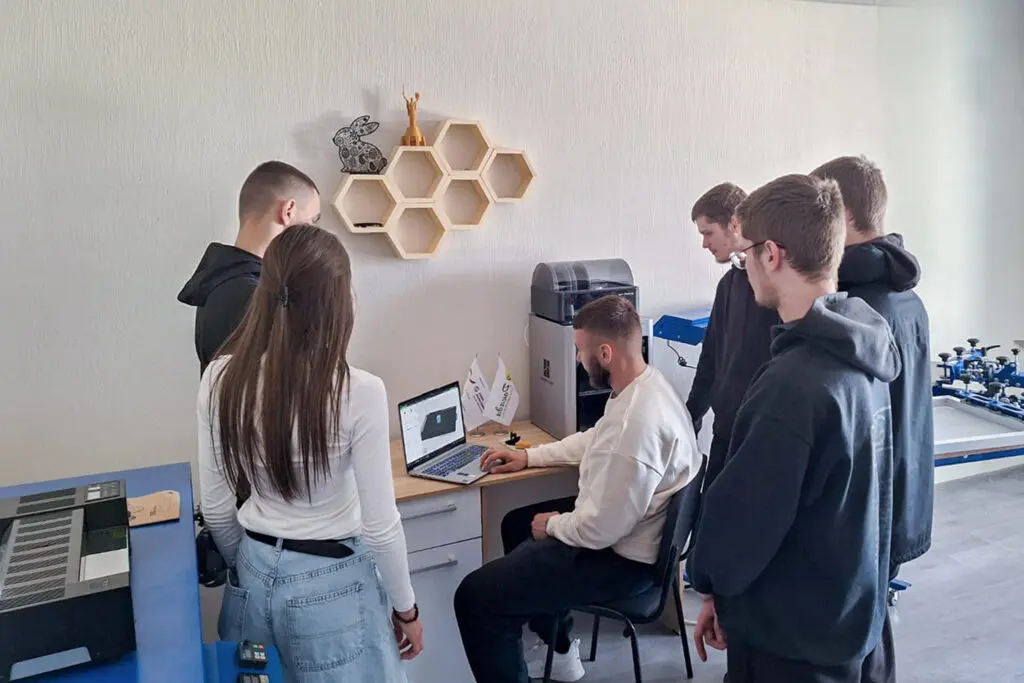
Course author and trainer Oleh Tsos is convinced that specialists in additive technologies are now in particular demand in engineering, architecture, medicine and other sectors.
“So graduates will have good prospects either for employment or for starting their own business,” he notes.
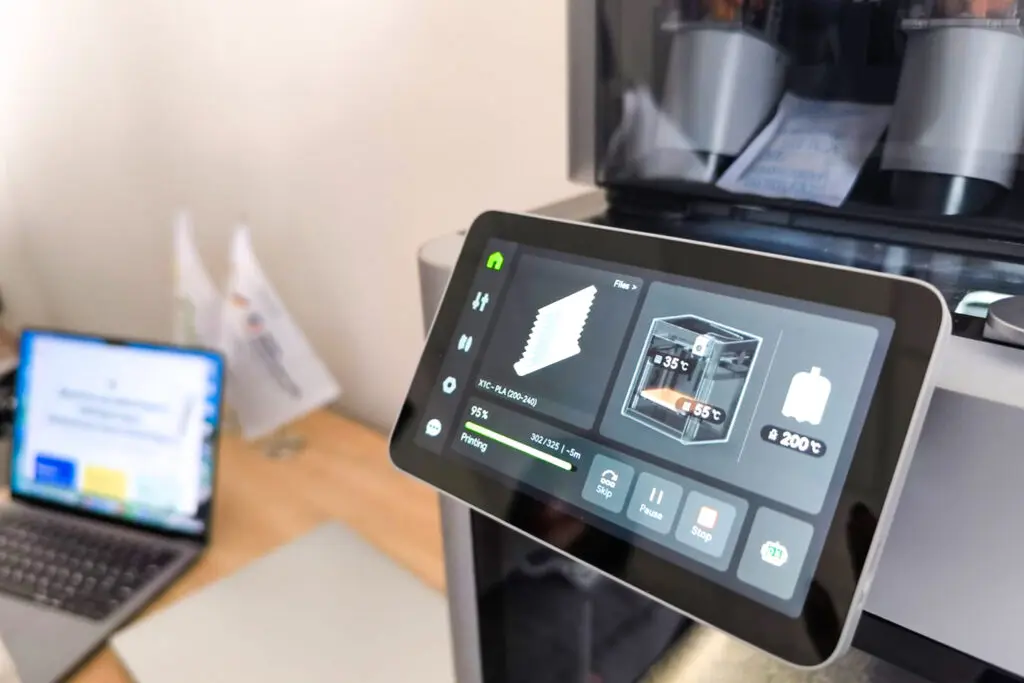
Dmytro is 19. He was happy to join the training and is glad of the opportunity to learn something new free of charge.
“Overall, I really like the atmosphere at the hub – support, openness and lots of practice. It’s not scary to start something new here, even if you had no experience before. Besides, the courses are free. Nowadays, getting such experience is great luck,” the young man says.
Kateryna Matsko,
Coordinator of Rokada’s regional office:
It is important for us that the lives of the professional course graduates really change – that they can find good jobs or start a business. In addition, those interested can take additional training in running a business and receive a grant to develop it.
This week, another important course starts at the hub – “Sole Proprietorship from Scratch”. Its participants will gain basic knowledge of running their own business: from an idea to the first steps in entrepreneurship.
Hub manager Olena Albul also announces courses in making marshmallow figurines, sewing, baking bread and bakery products, and screen printing.
“This will allow even more people to find an area that matches their interests and potential. And the Novyi Buh Resilience Hub is already showing today how a shared space can be a point of growth for the community – a place where ideas turn into action and knowledge into new opportunities,” she concludes.
The project “Building Resilience and Assisting Vulnerable Individuals and Organisations in Southern Ukraine (BRAVE)” is implemented by the Rokada Charitable Foundation with the support of AWO International and funded by German Cooperation and Aktion Deutschland Hilft.