
Rokada helps pilot communities of the YOUA project learn to form service routes for the return and reintegration of Ukrainians
When a person plans to return to Ukraine, they need to clearly understand: where to look for housing and a job, how to enroll a child in a school or kindergarten, and what services they can use. Instead of a chaotic search for answers in different institutions, a clear route must be laid out in the community: where to turn first and who will help to navigate further. After all, communities should see in the return of citizens not only a social burden, but above all their strategic human and economic potential.
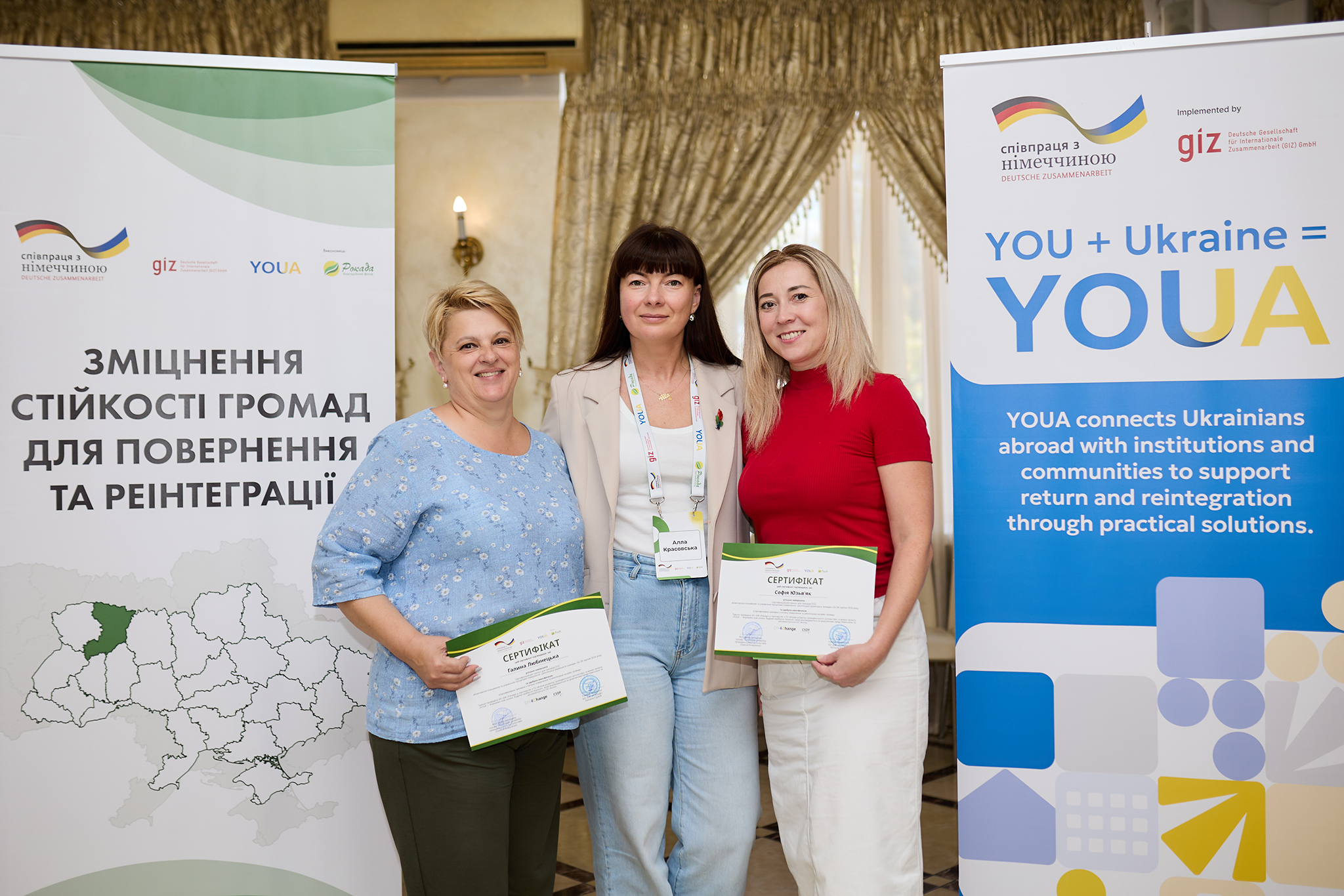
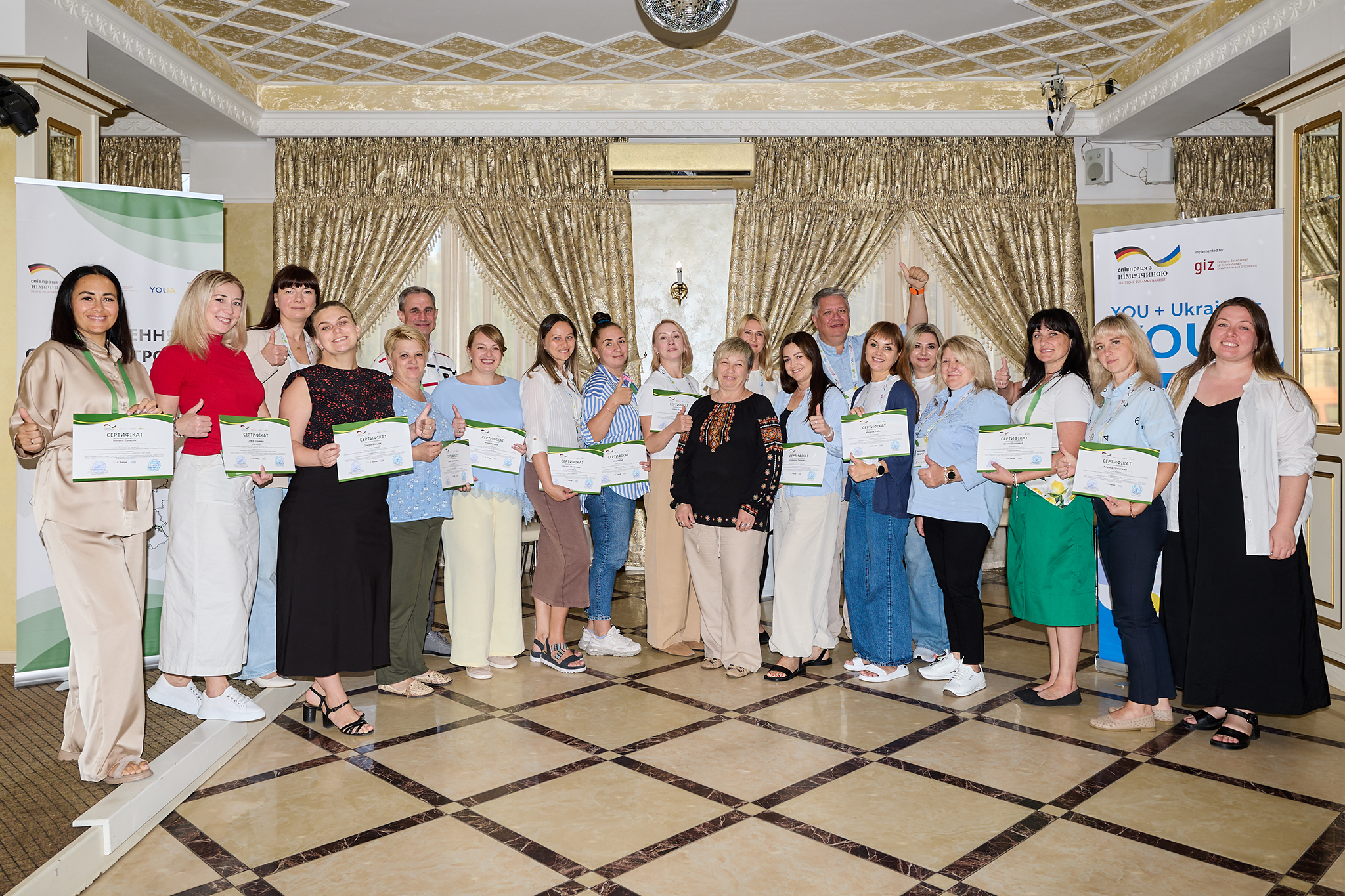
To build such a system, over the course of three days, Rokada in partnership with the Civil Society Development Forum united representatives of nine pilot communities for a certification training for trainers.
The training took place within the framework of the project “Fostering Resilient Communities for Return and Reintegration” as a component of the project “YOUA — Shaping New Paths, Building Ukraine’s Future”, which is implemented by GIZ Ukraine on behalf of the German Government.
Uniqueness of the approach: tandem model
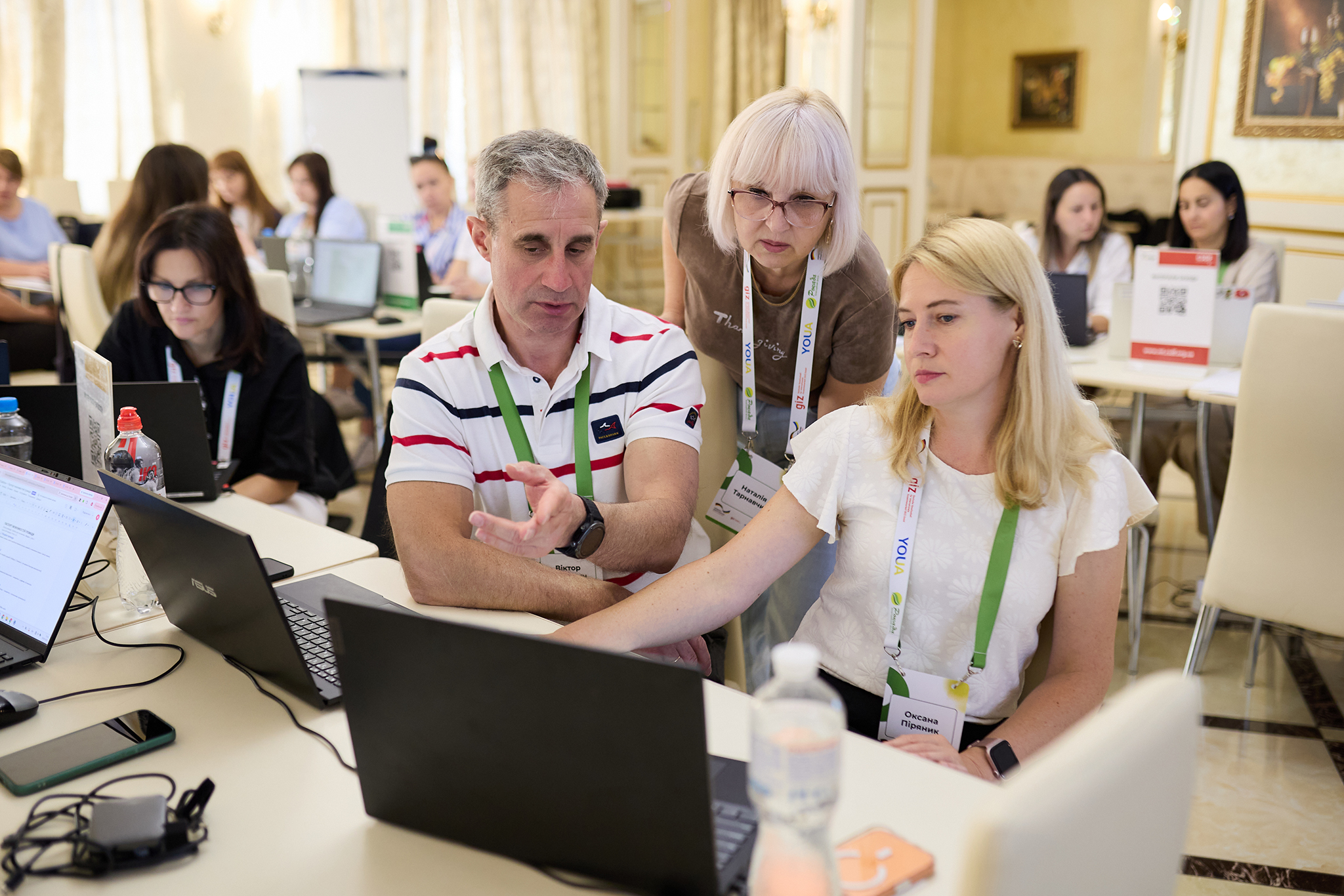
The uniqueness of the training lay in the format of participation. 9 pilot communities – Bar, Ladyzhyn, Tulchyn (Vinnytsia region), Sarny, Dubno, Zdolbuniv (Rivne region), as well as Drohobych, Boryslav, and Novyi Rozdil (Lviv region) – delegated specialists according to the tandem model. Two people trained from each municipality. In total, the event united 18 specialists.
“We consciously chose such a model, because effective reintegration is impossible only through the efforts of desk officials or exclusively volunteers,” explains Alla Krasovska, Rokada’s project manager. “The goal of the training is to prepare certified leaders of change who will return to their communities and cascade this knowledge to their colleagues. We are building a systemic bridge between those Ukrainians who are abroad and the community that is ready to professionally receive them.”
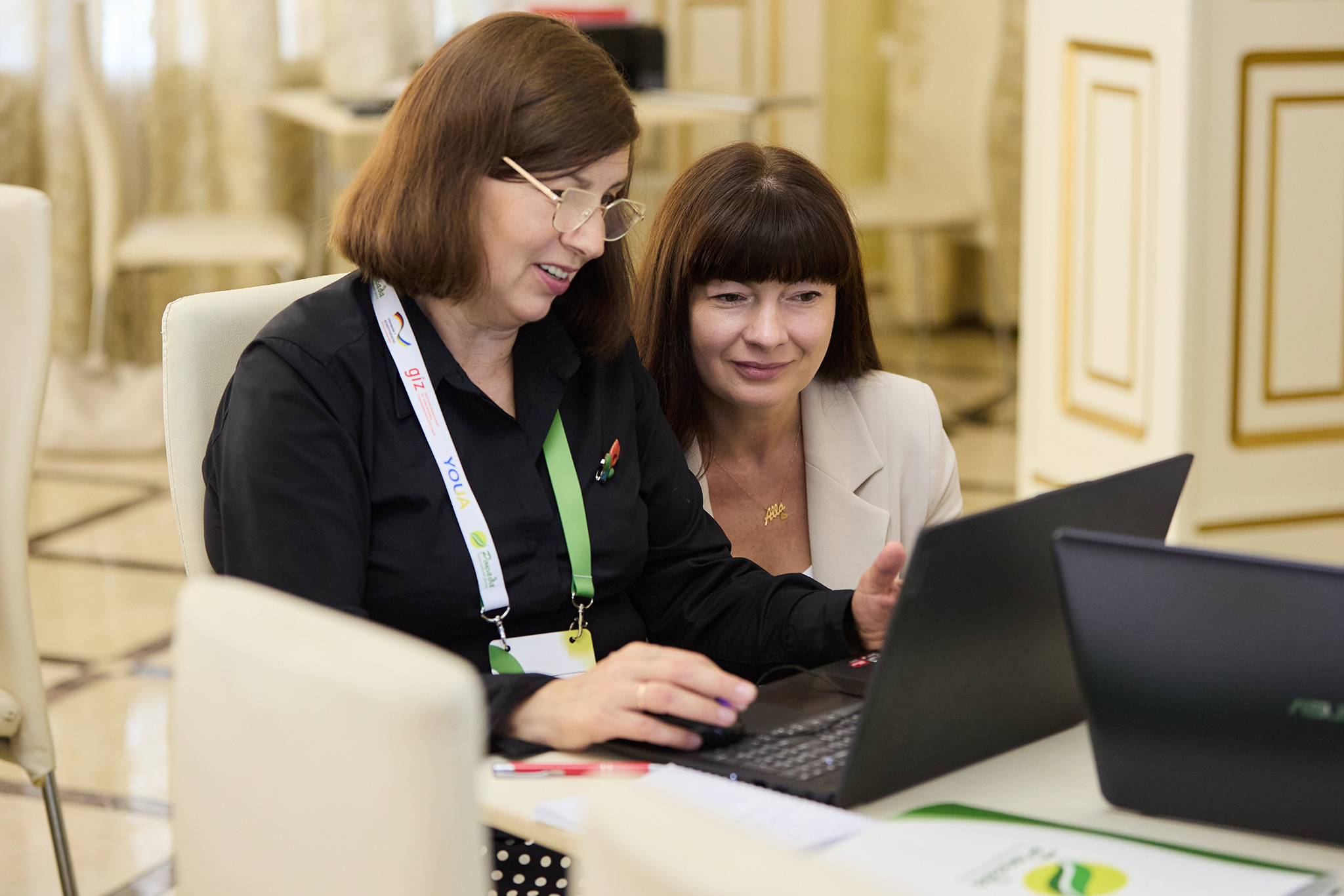
Immersion into reality: simulation of the first day
The training began immediately with a modeling exercise “The Unexpected Call”. Without a ready-made script or preparation, the participants had to accept an inquiry from a person planning to return from abroad. The specialists determined in practice what to ask the person, what information to provide, and how to act further. This simulation immediately exposed dozens of practical barriers: from a communication gap between departments to a lack of clear action algorithms during the first contact.
The received list of challenges became the working agenda for the next days of the intensive. The participants mastered the 4-component model of human capital preservation of the World Bank, analyzed the regulatory and legal framework, the digital functionality of the “Dodomu” platform, and learned to calculate the economic contribution of returnees and internally displaced Ukrainians to the community budget.
“We received a lot of useful information that we will be able to use in our work. For us, it is important to understand how to work with people who return, what needs they have, and what the community can offer them,” explains the head of the NGO Institute of Bratslavshchyna Development of the Tulchyn community, Nataliia Hnatenko.
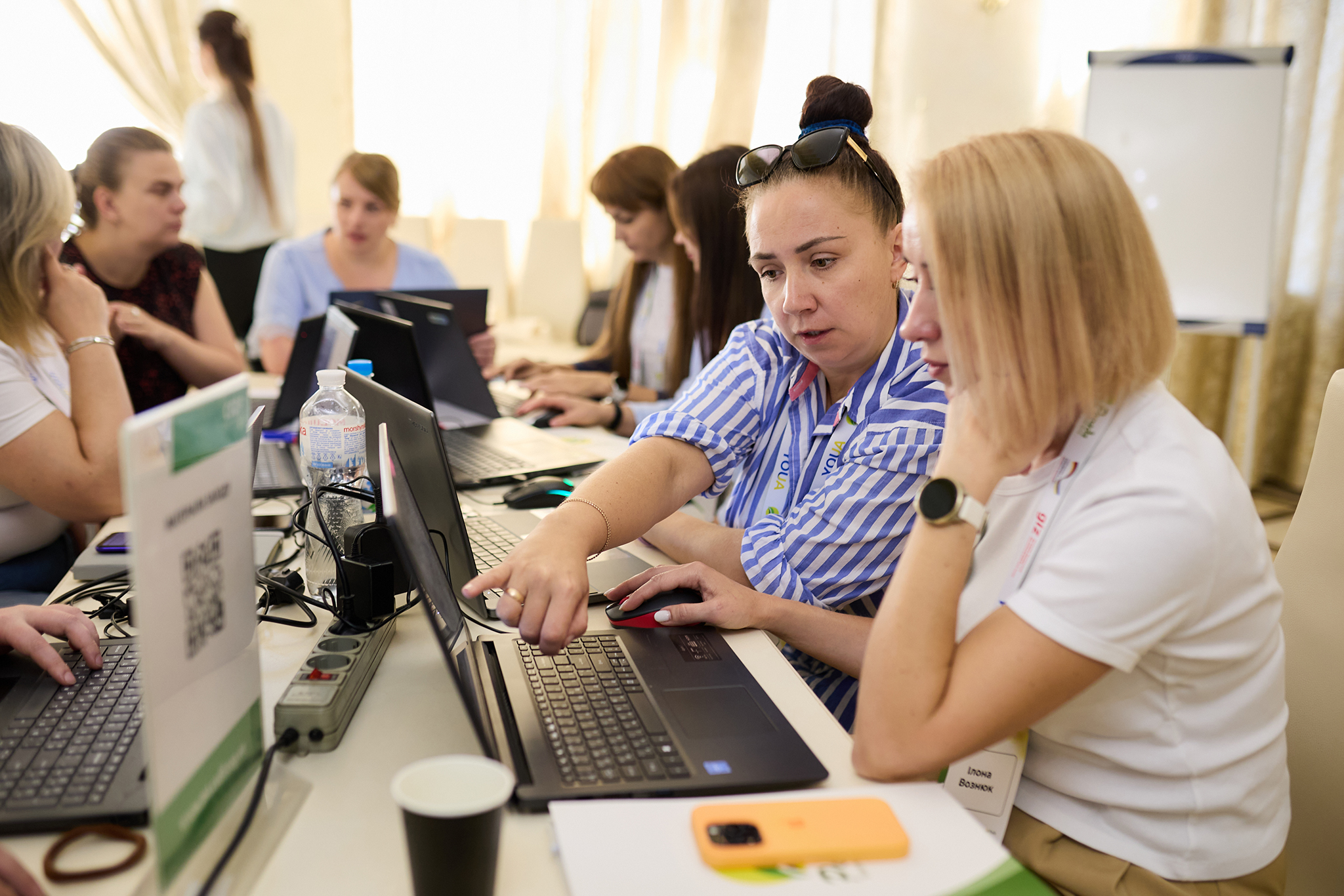
Tools changing the approach
During the second day of the training, the community teams developed specific practical solutions. Among them: a community opportunities passport – a tool that systematizes all competitive advantages of the territory (from vacant positions and business grants to the availability of places in kindergartens), an economic contribution calculation methodology – a clear mathematical toolkit that demonstrates how much the community budget receives from the creation of one job by a reintegrated resident, as well as a ‘single window’ model and case management – algorithms of interdepartmental interaction for supporting complex life cases.
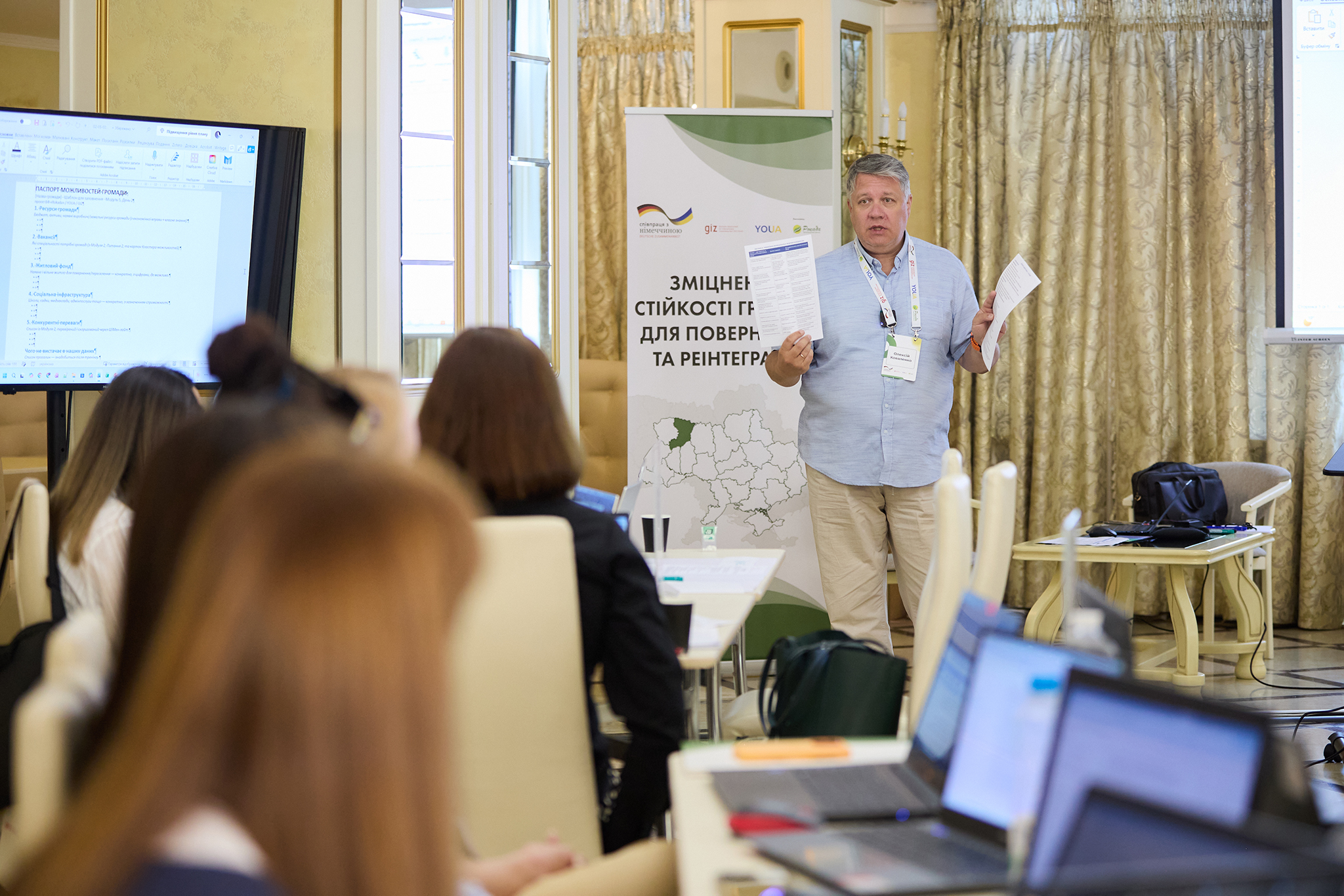
“Reintegration means specific economic and social cohesion,” emphasizes the head trainer, leader of the NGO Civil Society Development Forum Oleksii Kovalenko. “When a community knows how to calculate the economic potential of a returning person and present its advantages through the “Opportunities Passport”, it becomes competitive in the fight for human capital.”
Transformation in practice: from chaos to certification
The final day of the training became a test of the acquired skills. The participants went through the simulation exercise with the inquiry again, but this time they relied on the developed communication scripts and the formed “Opportunities Passports”.
“The difference was tangible, because now the specialists demonstrated a clear sequence of actions and personalized service,” emphasizes Alla Krasovska.

“A lot of things we talked about here, I want to implement in my community. Now there is an understanding of what needs to be paid attention to and how this work can be organized,” shares Nataliia Tsaruk, chief specialist of the Department of Economic Development, Financial Control, and Internal Audit of the Sarny City Council.
What’s next?
All 18 specialists will now apply the developed algorithms in practice and transfer knowledge to colleagues in local self-government bodies and non-governmental organizations.
“The knowledge we received during the training, we will pass on to our colleagues. It is important that not just one person in the community understands how to work with reintegration issues, but that various specialists are involved in this process,” concludes Myrina Roiko, head of the Department for Ensuring the Provision of Administrative Services of the Zdolbuniv City Council.
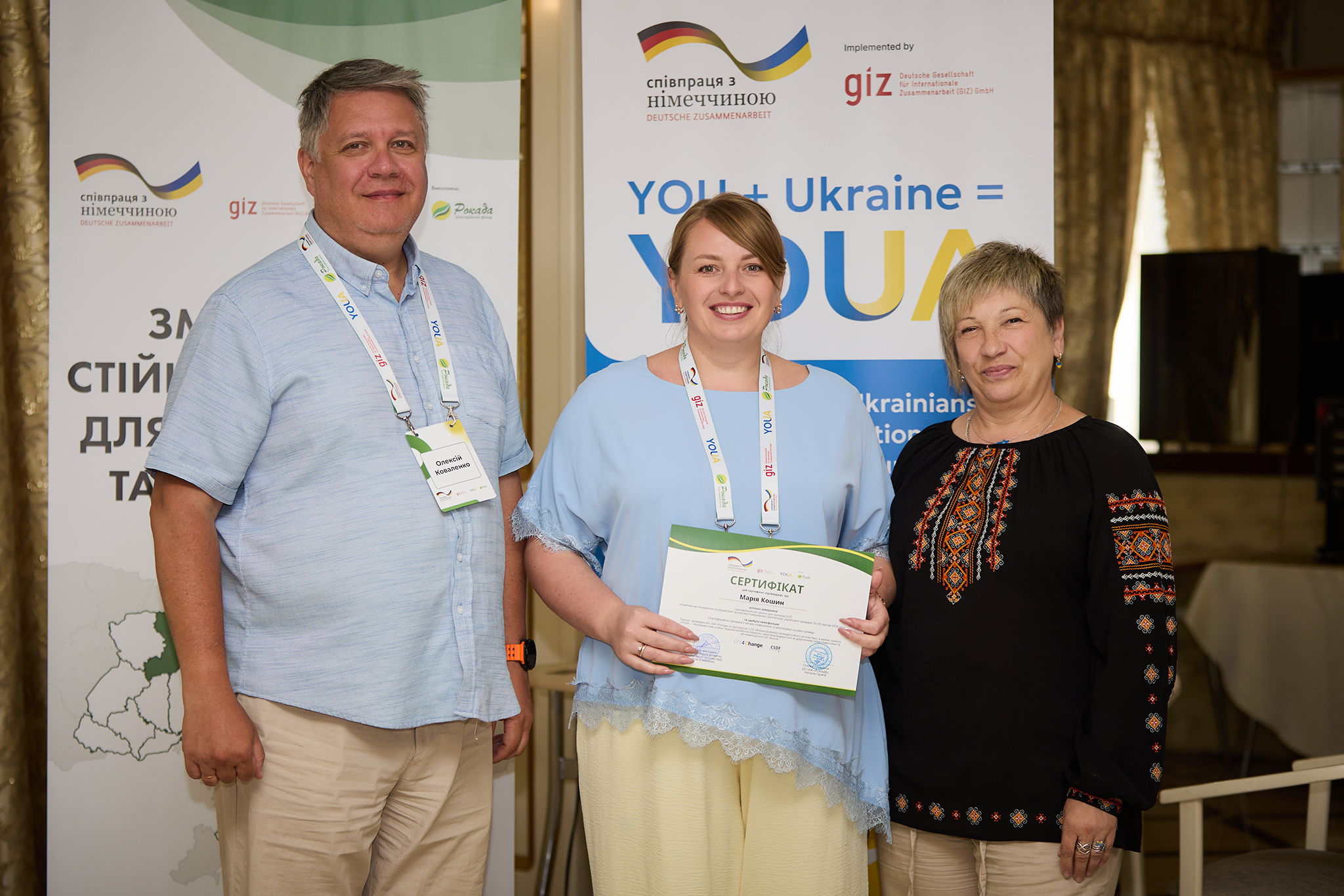
The YOUA project provides exclusively technical assistance and does not affect the personal decisions of people regarding their return to Ukraine. Participation in events and the use of services are possible exclusively on a voluntary basis for persons who are considering the possibility of returning, have already made such a decision, or are in the process of reintegration after returning to Ukraine.