
Rokada, in cooperation with the Italian organisation CUAMM Medical Team, is expanding assistance to frontline communities
With the support of the CUAMM medical team, the Rokada Charitable Foundation is implementing the project “SHIELD: Strengthening Health and Protection of Vulnerable Communities in Sumy and Kharkiv Regions”, funded by the Italian Ministry of Foreign Affairs and International Cooperation (MAECI) through the Italian Agency for Development Cooperation (AICS).
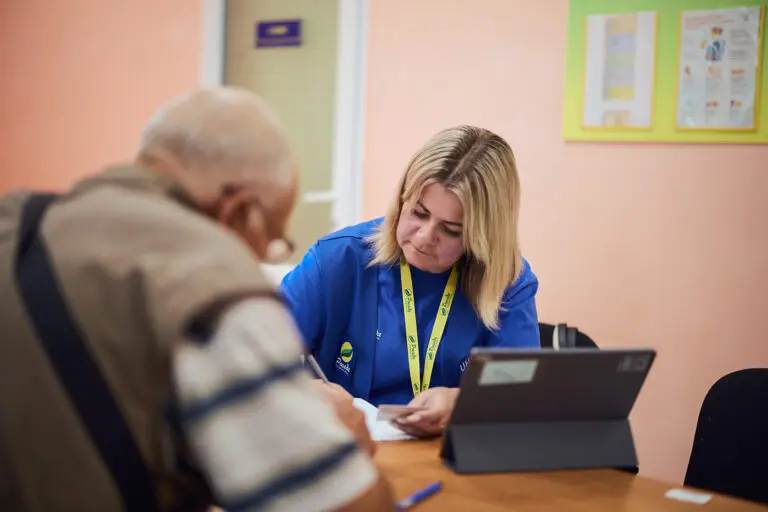
The initiative covers the Okhtyrka, Izium and Berestyn districts, where the Foundation’s specialists help survivors of gender-based violence and those at risk. The project brings together a consortium of civil society organisations and will run until 31 October 2026.
The goal of the SHIELD project is to restore and ensure inclusive, life-saving health and protection services that meet the needs of different genders, age groups and people with disabilities in frontline communities of Kharkiv and Sumy regions.
To successfully implement the project with financial support from the Italian Cooperation, civil society organisations formed a consortium led by the CUAMM medical team, which coordinates the work of the partners – the Italian humanitarian organisation CESVI, the NGO Vidchui (“Feel”) and the Rokada Charitable Foundation.
The project consists of 2 sectors of work:
The Rokada team is implementing activities in the second area. The main objectives are:
More than 1,300 residents of the Okhtyrka, Izium and Berestyn districts are expected to receive help from the Foundation’s specialists.
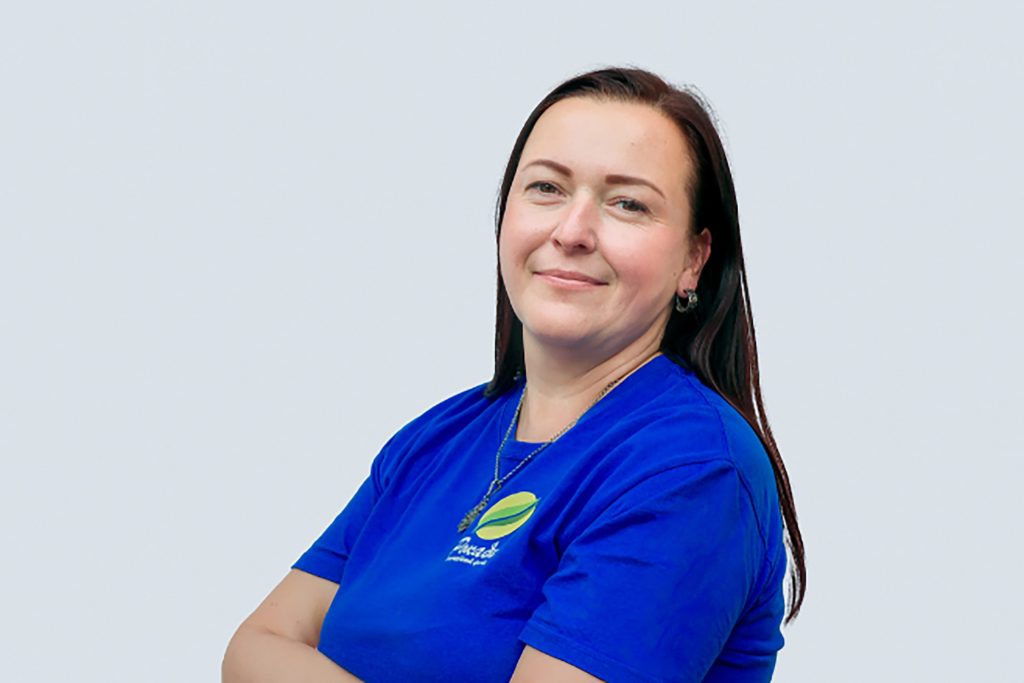
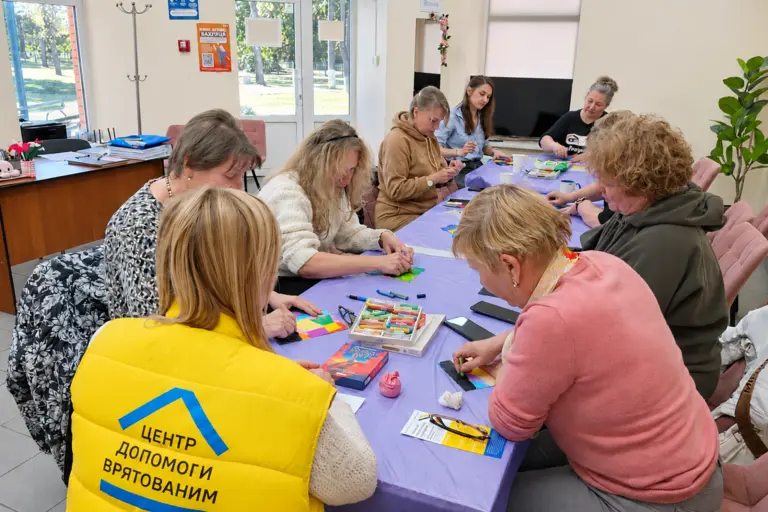
I see particular value in the project’s comprehensive approach: running support groups for women, providing gender-based violence (GBV) case management and systematically informing people about GBV prevention and response. This format of work not only helps meet survivors’ urgent needs but also helps restore a sense of safety, trust and community capacity,” said Nataliia Tsymbaliuk, Project Manager at Rokada.
The SHIELD project is a contribution to protecting the dignity, rights and well-being of people in vulnerable circumstances and an important step towards strengthening community resilience in frontline regions.