
Rokada is implementing a pilot social adaptation project for internally displaced Ukrainians
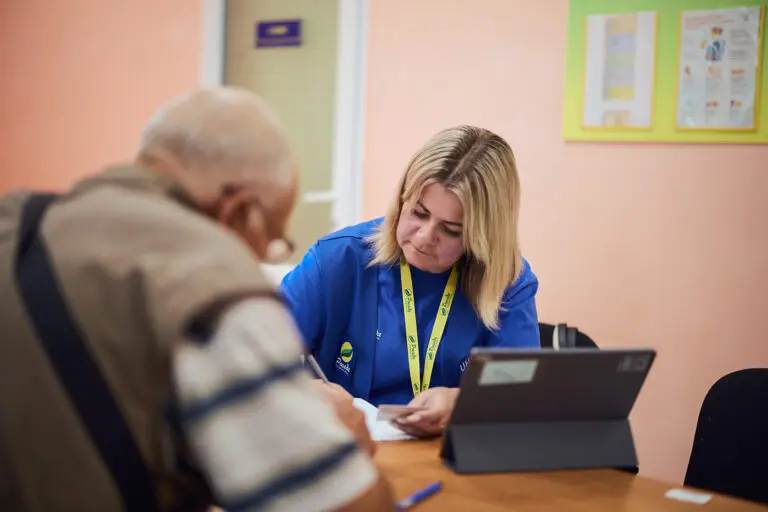
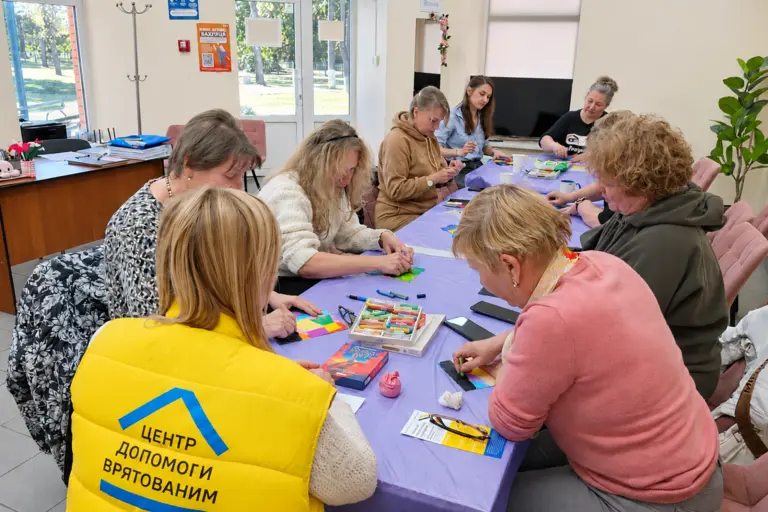
Rokada is implementing a pilot social adaptation project for internally displaced Ukrainians in eight regions. The Foundation’s specialists will help shelter residents who wish to do so build their future in communities independently – in particular, through local integration outside temporary accommodation.
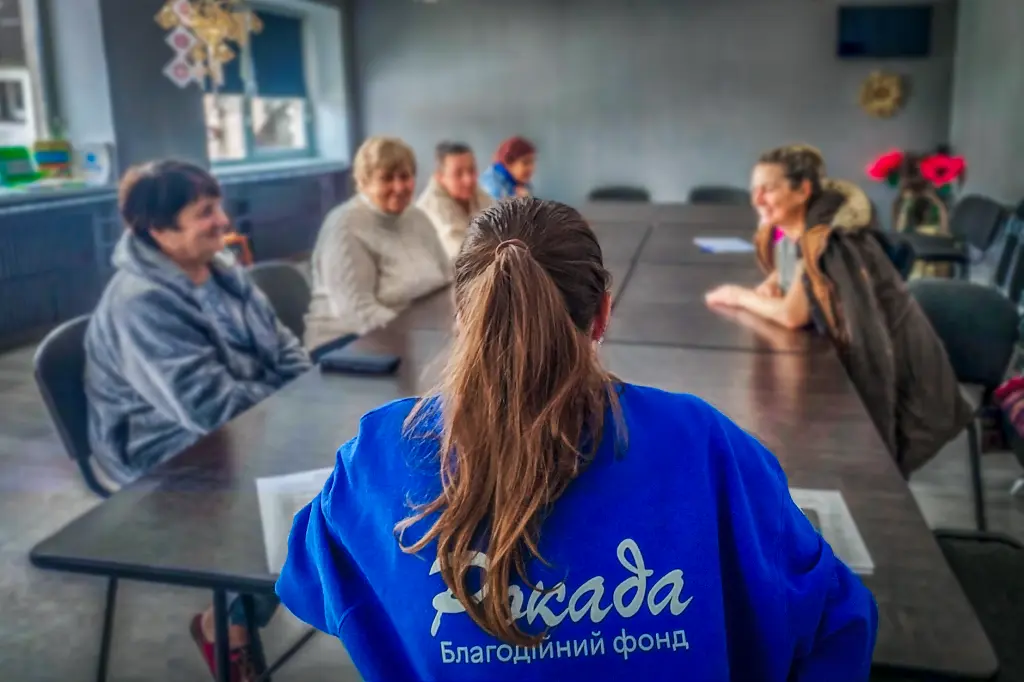
Ternopil region is among the regions where the project has already started.
“We are implementing the project with the support of the UN Refugee Agency in Ukraine and the Ministry of Social Policy, Family and Unity of Ukraine. We have now selected four communities where it will be implemented: Pochaiv, Ozerna, Velyka Berezovytsia and Vyshnivets. We chose communities where shelter residents themselves are interested in social adaptation and further independence. If the experience is positive, we will extend it to other shelters that Rokada looks after,” notes Liliia Kotyk, community specialist at Rokada’s regional office.
Social adaptation involves helping internally displaced people assess their opportunities and prepare for change. Social workers and psychologists will work with each person.
“At the same time, communities themselves play an important role in the adaptation process, so we also work with them, as well as with IDP Councils, which are a good source of support and work on a ‘peers for peers’ basis,” Liliia Kotyk continues, adding that the project is important because it lays the foundation for genuine independence. “We want to transform IDP status into the status of a full resident of the community who becomes an active participant in local economic and cultural life.”
Rokada teams will also support the social adaptation of internally displaced Ukrainians living in shelters in Lviv, Ivano-Frankivsk, Rivne, Volyn, Chernivtsi (Bukovyna), Khmelnytskyi and Zhytomyr regions.