
Rokada took part in the presentation of the 2026 Humanitarian Needs and Response Plan
On the threshold of the fifth year of the full-scale invasion, humanitarian challenges in Ukraine are only getting worse. Constant shelling, destruction of infrastructure and the advance of the front line force thousands of people to leave their homes every day. The 2026 Humanitarian Needs and Response Plan identifies a critical need for assistance for 4.1 million of the most vulnerable Ukrainians. An important part of the Plan is ensuring continuous support for people: from leaving areas under shelling to full integration in new communities. Particular attention is paid to inclusiveness, as a quarter of those affected are older people and people with disabilities.
Four strategic priorities of the 2026 humanitarian response:
- Assistance in frontline communities – meeting basic needs (water, food, medicines) in areas with limited access, where people survive under constant shelling every day.
- Support for newly displaced people – rapid response and accompaniment for people forced to evacuate from dangerous areas right now, guaranteeing their protection at every stage of the way.
- Emergency recovery and winter preparedness – quick repairs of damaged housing and support for communities’ energy resilience after attacks on critical infrastructure.
- Protection of the most vulnerable groups – a focus on people with specific needs who often fall outside general social support programmes, in particular people with limited mobility and older people.
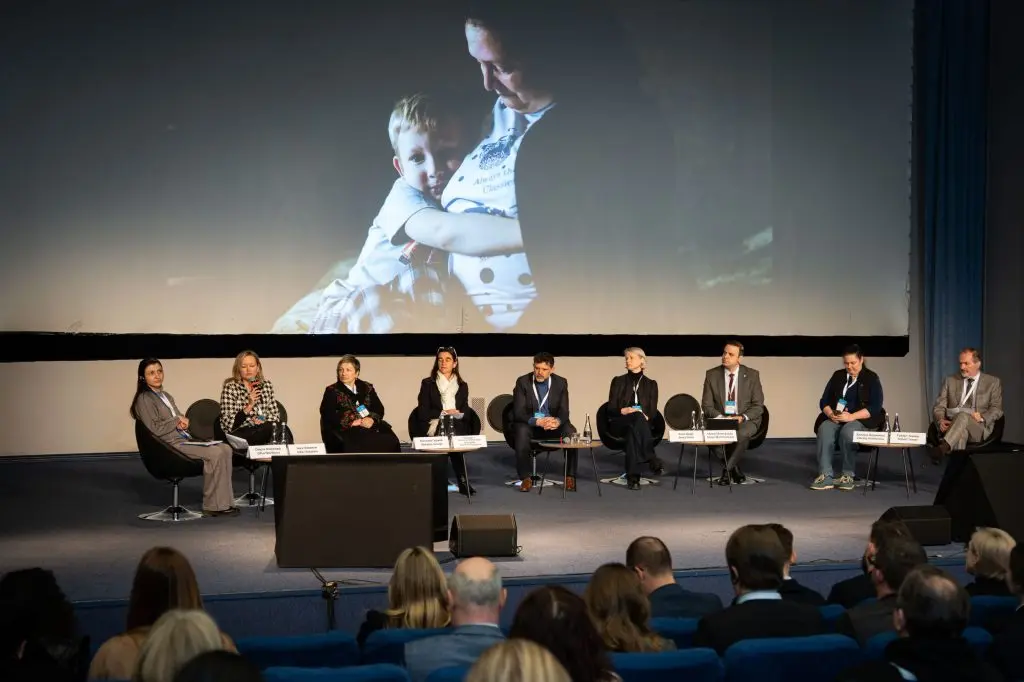
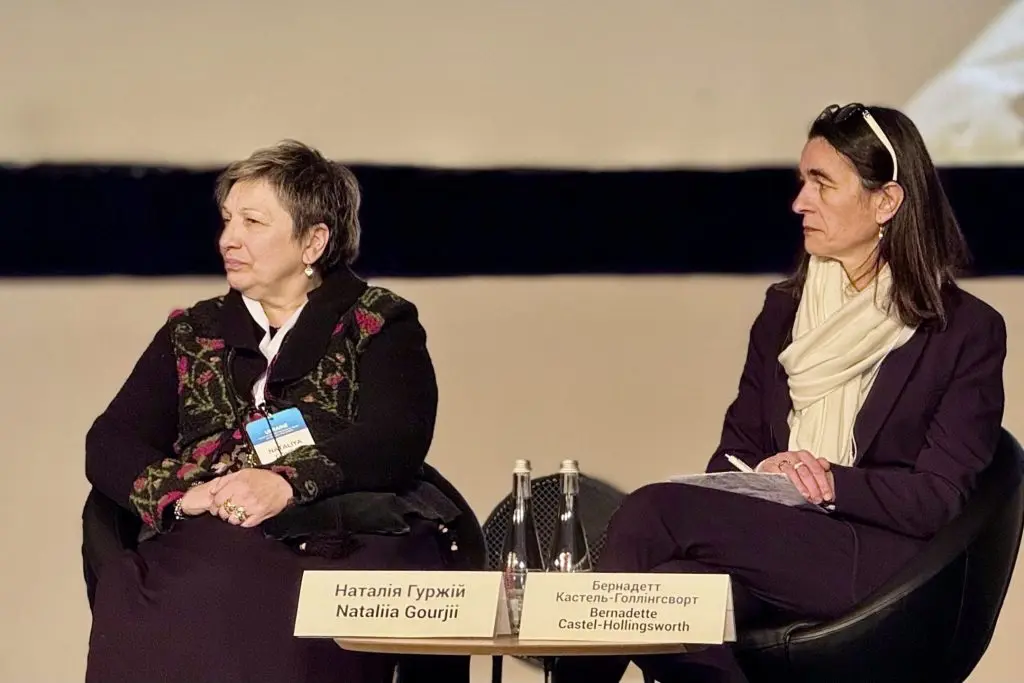
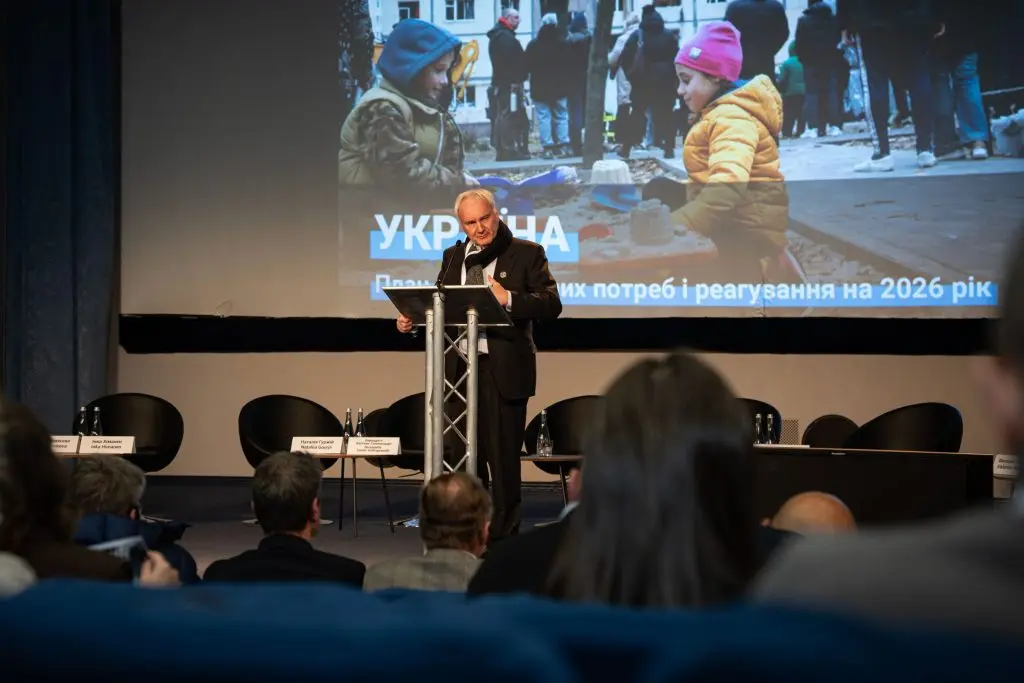
One of the main priorities presented by the Chair of the Board of the Rokada Charitable Foundation is supporting people leaving dangerous areas. This involves not only providing shelter after arrival but also continuous accompaniment along the whole evacuation route, to guarantee people access to water, food and medical care at the most critical moments of their displacement.
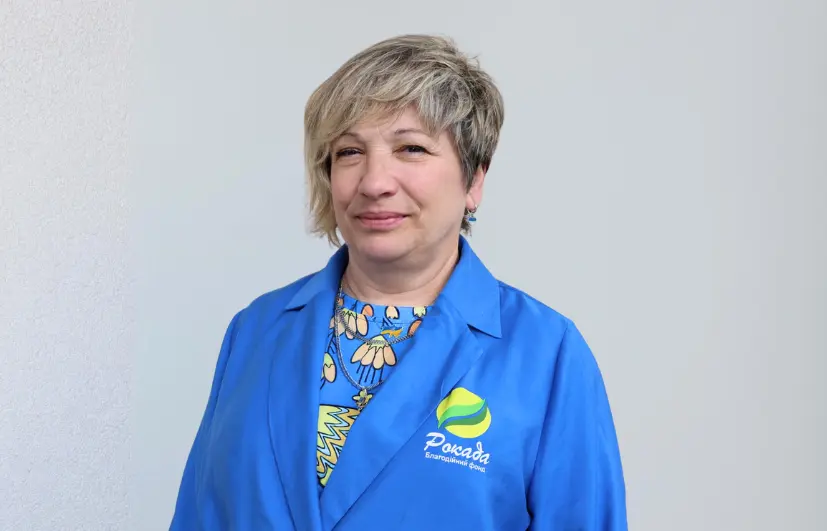
“The greatest value is human life. That is why we help people evacuate from dangerous regions and the front line. But this path is quite difficult. People often spend several days without food, water or medical care. We need to pay serious attention to the whole route, to ensure dignified conditions for people not only where they stay but also during the long evacuation,” stresses Nataliia Hurzhii, Chair of the Board of the Rokada Charitable Foundation.
During evacuation, people are often in a state of deep stress and shock, leaving their homes in a hurry and without the basic things they need to survive. In such extreme conditions, the humanitarian response must be as flexible as possible and adapted to immediate needs.
“The people we transport often have no belongings with them. It’s good if they managed to grab something. Along the way, they need a minimal food kit, access to medicines and, of course, household chemicals. Sometimes cash assistance doesn’t work, because money doesn’t always help at a moment when what is needed is simply a bottle of water and basic food,” notes Nataliia Hurzhii.
The goal of the 2026 Plan is not just to provide temporary shelter but to lay the foundation for a stable life in new communities. This means moving from emergency support to systemic solutions that will help people integrate and regain their independence.
“When a person tries to settle in a community, it is necessary not only to create inclusive conditions but also to ensure sustainable access to social and medical services and to education. Then all evacuated people will gradually feel like members of that community,” Ms Nataliia adds.
The 2026 Humanitarian Response Plan sets a clear direction for supporting the most vulnerable Ukrainians. The Rokada Foundation, working side by side with international partners and the government, continues to pursue these strategic goals so that every stage is based on the principles of dignity, safety and humanity.