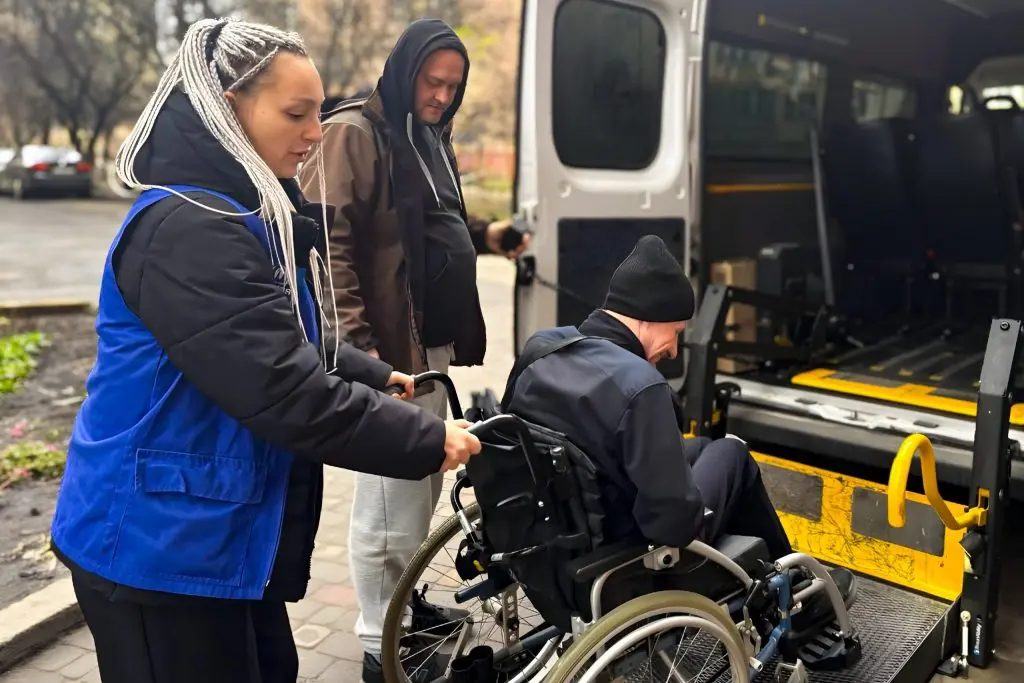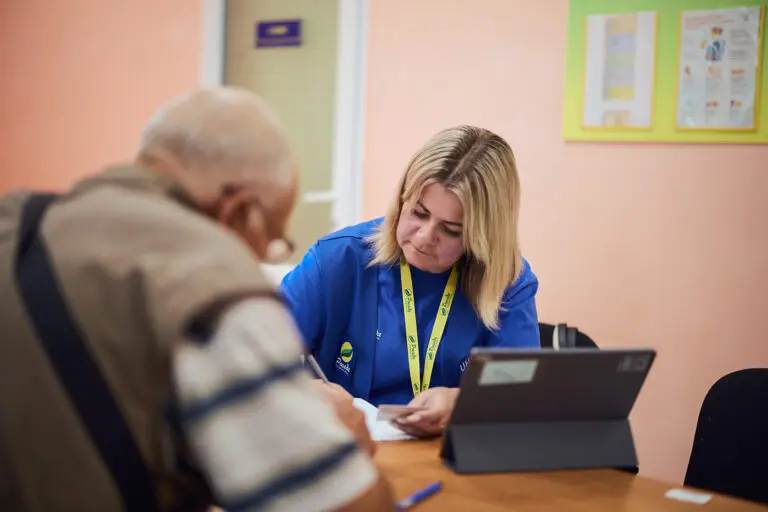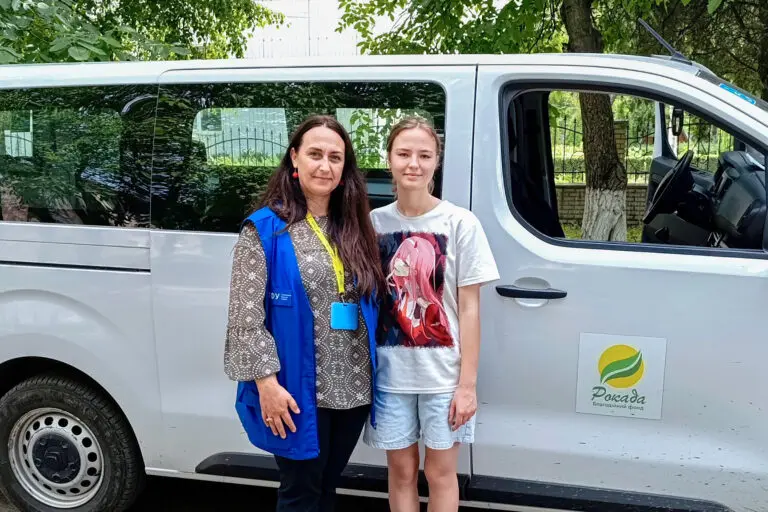

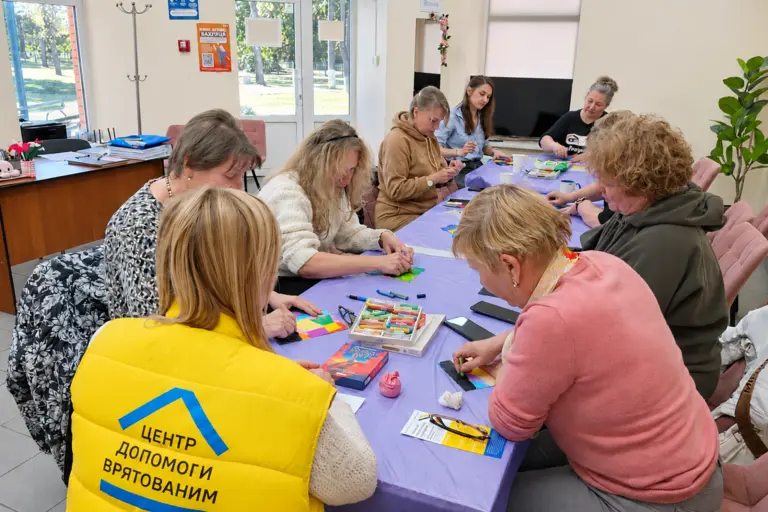
In 2026, accessibility for people with disabilities and other groups with limited mobility remains one of the most acute challenges for Mykolaiv region. In response to these systemic problems, a project has been launched in the region in partnership with Danish People’s Aid and funded by the Government of Denmark, implemented by the Rokada Charitable Foundation. The initiative aims to improve physical accessibility and develop inclusive services in the communities of Mykolaiv region.
According to official data, about 76,500 people in Mykolaiv region belong to vulnerable categories, including people with disabilities (8,500) and limited mobility (9,000), older residents (10,000), internally displaced families (6,000) and children (18,000). The full-scale invasion has significantly increased their vulnerability: the risks of injury, forced displacement and more have grown, while social and rehabilitation services remain overloaded and under-resourced.
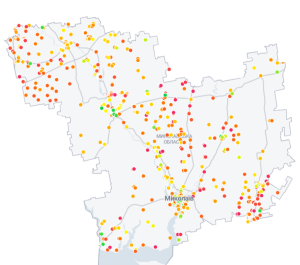
The colours of the markers show how accessible a facility is for people with limited mobility: red – inaccessible, orange – limited access, yellow – partially accessible, green – accessible / barrier-free.
“Every day people face barriers that deprive them of access to education, healthcare, social protection and a full life in the community. And we are very glad that we have the opportunity to help change this situation for the better,” stresses Kateryna Matsko, regional coordinator of the Rokada Charitable Foundation’s Mykolaiv office.
The situation of children with disabilities and special educational needs requires special attention. Since the beginning of the full-scale invasion, rehabilitation opportunities for them have decreased by about 65% compared with the period before 2022. Some services have stopped working altogether, while others operate with limited resources or remain physically inaccessible.
Despite the national Barrier-Free Development Programme, the implementation of its principles at the local level remains uneven. In the communities of Mykolaiv region, municipalities have to balance urgent wartime challenges and long-term social obligations, and accessibility often becomes a secondary issue.
“Accessibility is a basic condition for a dignified life. The DPA project will help communities move from declarations to real action: introducing and establishing mechanisms of advocacy and participation through active cooperation with local self-government bodies. The project’s main goal is to motivate communities to create an accessible and barrier-free environment systematically,” stresses Kateryna Matsko.
An important component of the initiative is developing a practical model of accessibility based on the active participation of communities themselves and the rational use of resources. This approach not only addresses local needs but also lays the groundwork for spreading successful experience and applying it in other regions of Ukraine.
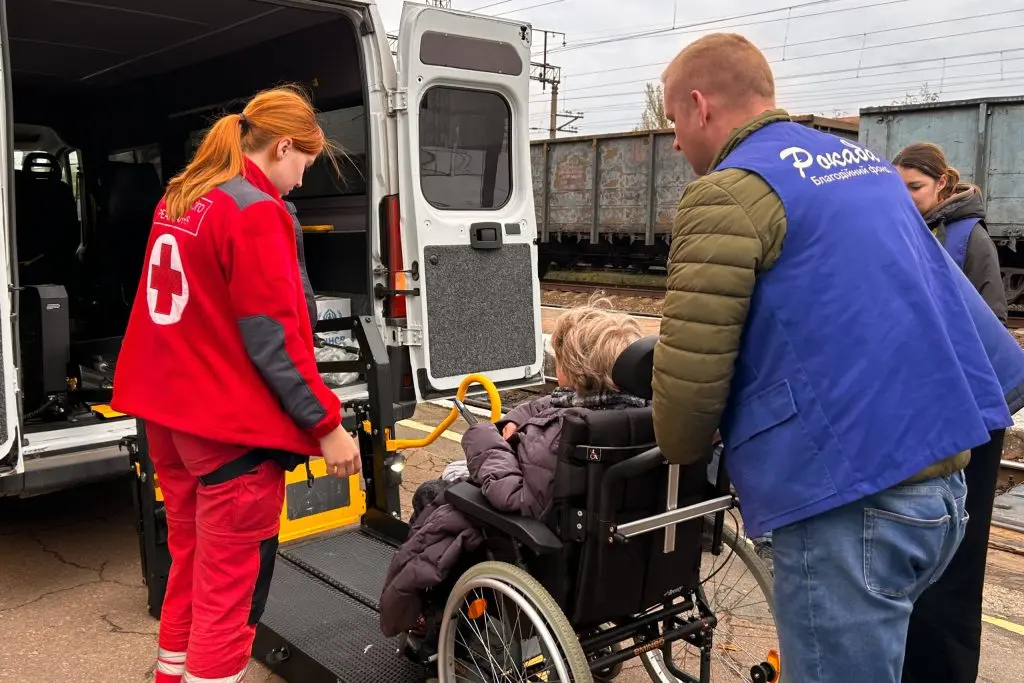
In 2025, a comprehensive needs assessment was carried out in 33 communities of Mykolaiv region, revealing key gaps in service delivery and systemic barriers to inclusion. Based on its results, 10 institutions in remote parts of the region were prioritised for participation in the project because of urgent needs and confirmed readiness to cooperate.
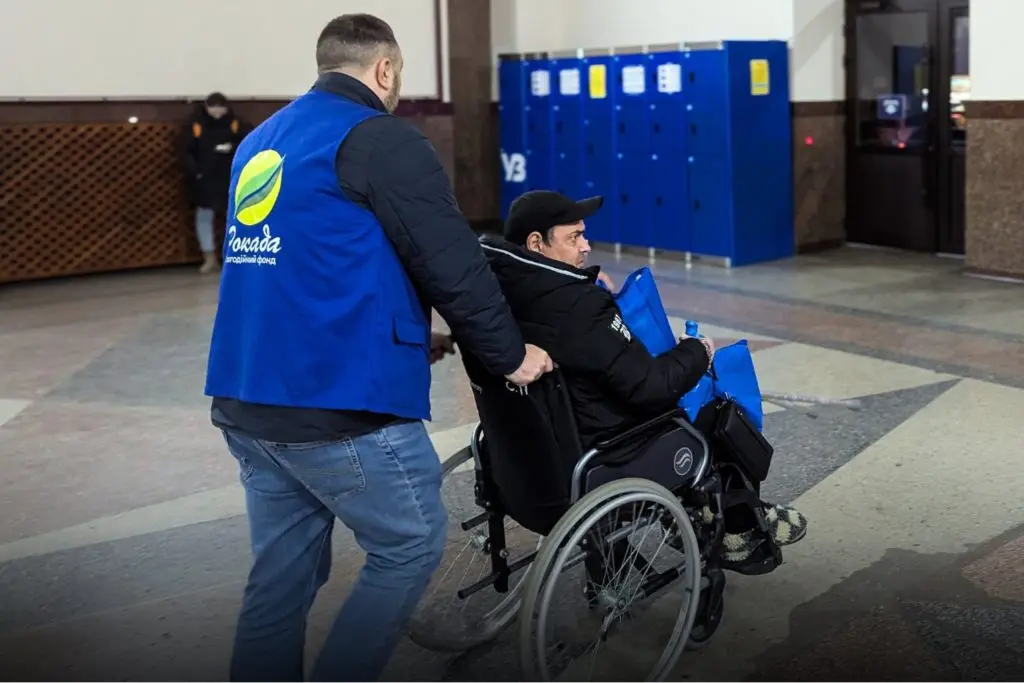
The target institutions include social, administrative, medical and cultural facilities in the Vesniane, Vradiivka, Horokhivske, Koblevo, Nechaiane, Novyi Buh, Nova Odesa, Olshanske, Snihurivka and Stepove communities.
The project will last two years. Thanks to the support of Danish People’s Aid, buildings will be physically adapted, and inclusive and multifunctional spaces for psychosocial support, rehabilitation and inclusive education will be created.
“The project also provides for institutionalising communities’ responsibility for the further maintenance of the renovated facilities. An Accessibility Council will be set up in each community to promote further modernisation and the development of accessible spaces. Our task is to change the approach to equipping public institutions and the accessibility of services at the community level. When a community sees the result and takes responsibility, inclusion stops being a project and becomes the norm,” concludes Kateryna Matsko.