
Spaces of support: the experience of veteran reintegration in Vinnytsia and Letychiv
Last autumn, veteran organisations from Vinnytsia and Letychiv became two of the twenty participating organisations in the project “Social Cohesion and Reintegration of Veterans in Ukraine”. The initiative is implemented by the Rokada Charitable Foundation with the support of the International Organization for Migration and funded by the European Union, and it helps organisations carry out their work with greater confidence. Within the project, each organisation received mentoring and educational support, worked on developing its capacity and received material and technical resources to improve services for veterans in communities.
Here is the story of the Vinnytsia Veteran Space analytical and educational centre and the Zakhysnyk (Defender) Letychiv Union of ATO Veterans in Khmelnytskyi region.

Director of the Veteran Space, Vinnytsia
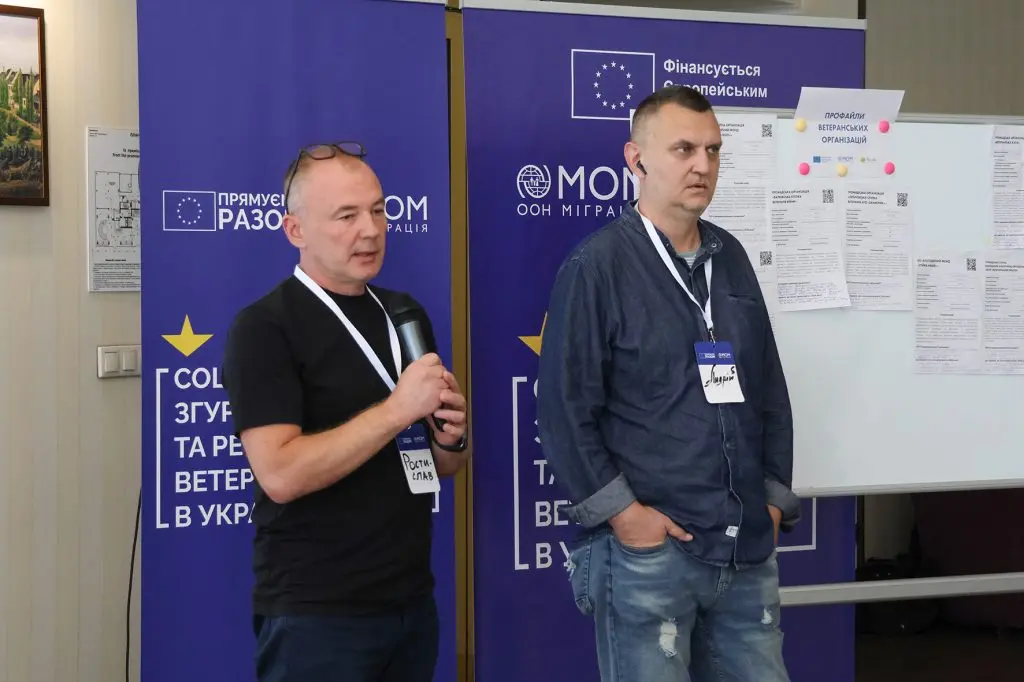
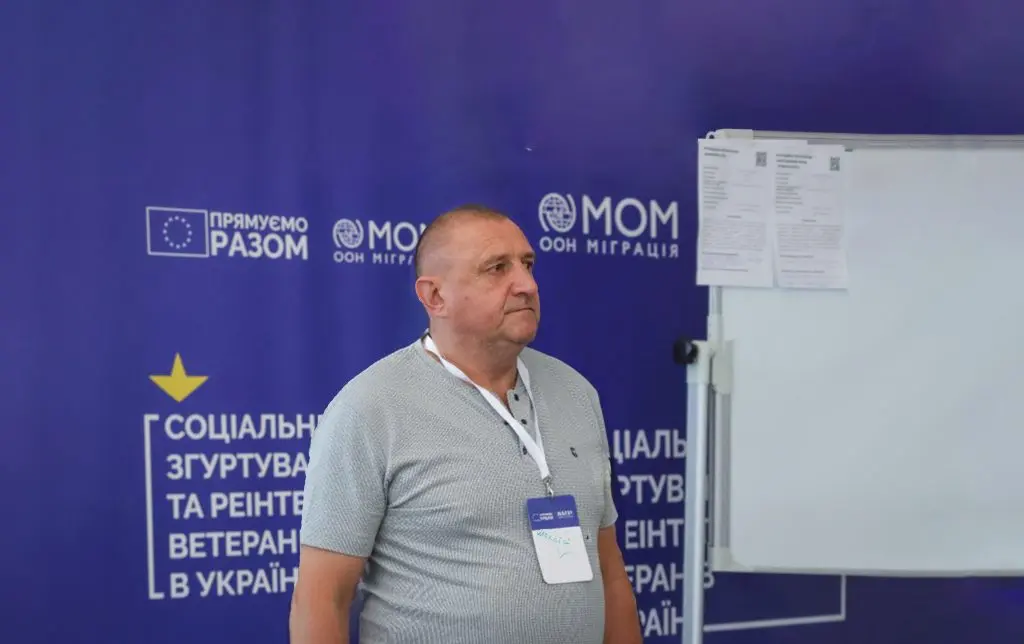
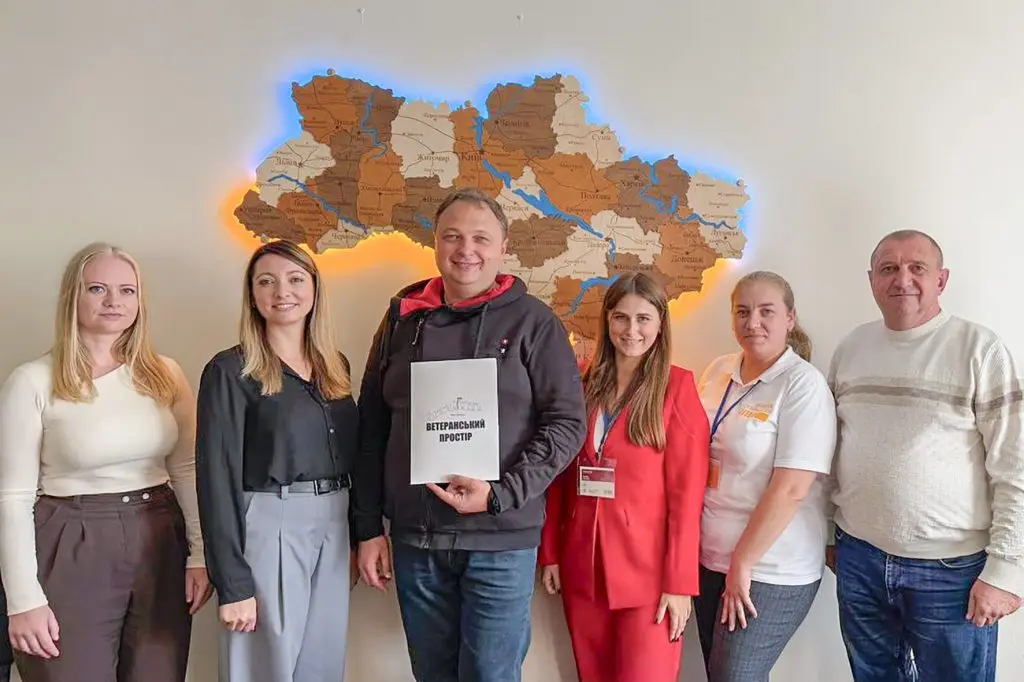
The Vinnytsia Veteran Space analytical and educational centre is headed by Rostyslav Rabtsun. He is a veteran himself and has been actively volunteering since the start of the full-scale invasion, so he knows how important it is to help and support one’s own.
The organisation started working almost six years ago. At that time, state veteran policy needed improvement, so a team of caring people came together for change and to create an effective system of services at the local level.
“
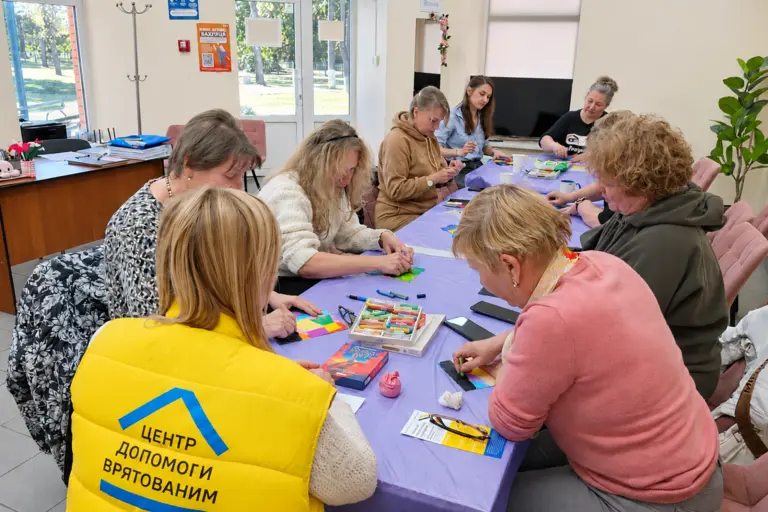
Over five years, we have managed to build a system of professional assistance that covers all requests. Today the Veteran Space is a centre of assistance for defenders, their families, and the families of the fallen, missing and prisoners of war. Our work covers psychosocial, legal and rehabilitation areas. We hold both individual and group activities. With the support of the city council, we hold regular retreats for the families of the fallen. Since our organisation has been a member of the Coalition of Veteran Spaces, which includes organisations from all regions of Ukraine, almost from the very beginning, we can rely in our work not only on our own experience but also on our colleagues’ expertise.
Rostyslav Rabtsun, Director of the Veteran Space
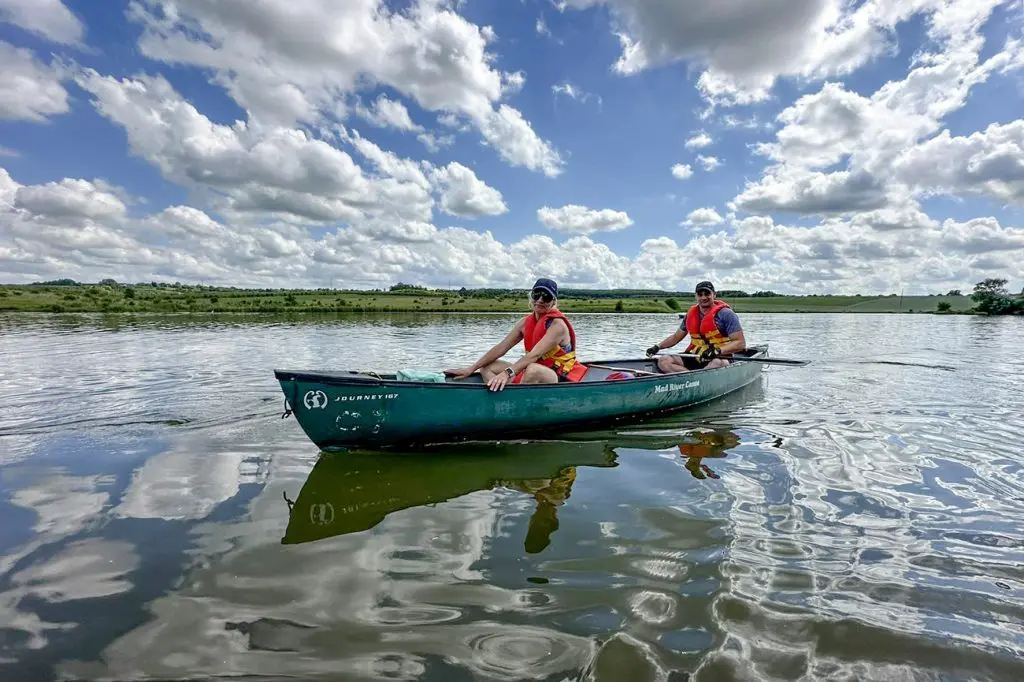
In addition to retreats, the organisation runs rafting trips for veterans, involving a psychologist and instructors.
“It is rest among your own people, because both participants and mentors are veterans. The defenders really like such activities, as the water takes away the negativity. What’s more, it is a ‘peer-to-peer’ story,” the head notes.
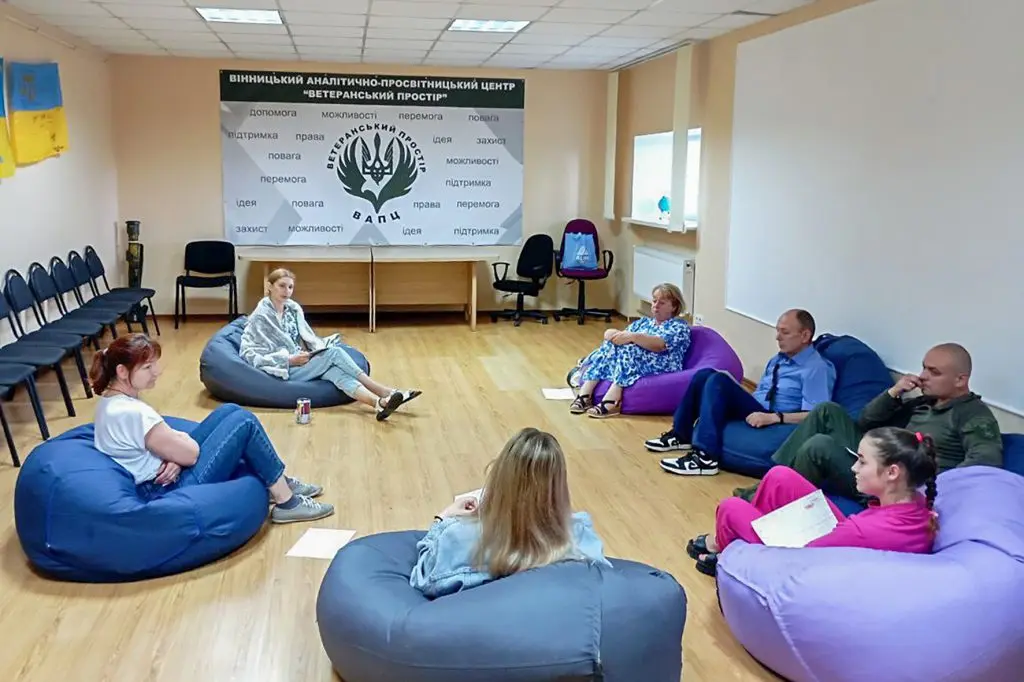
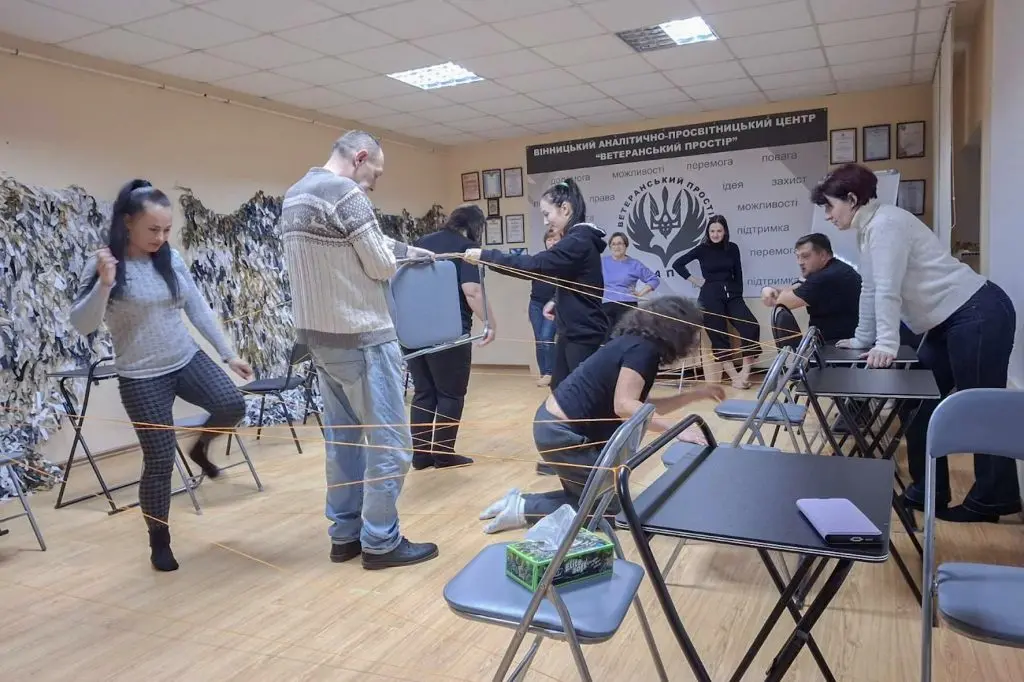
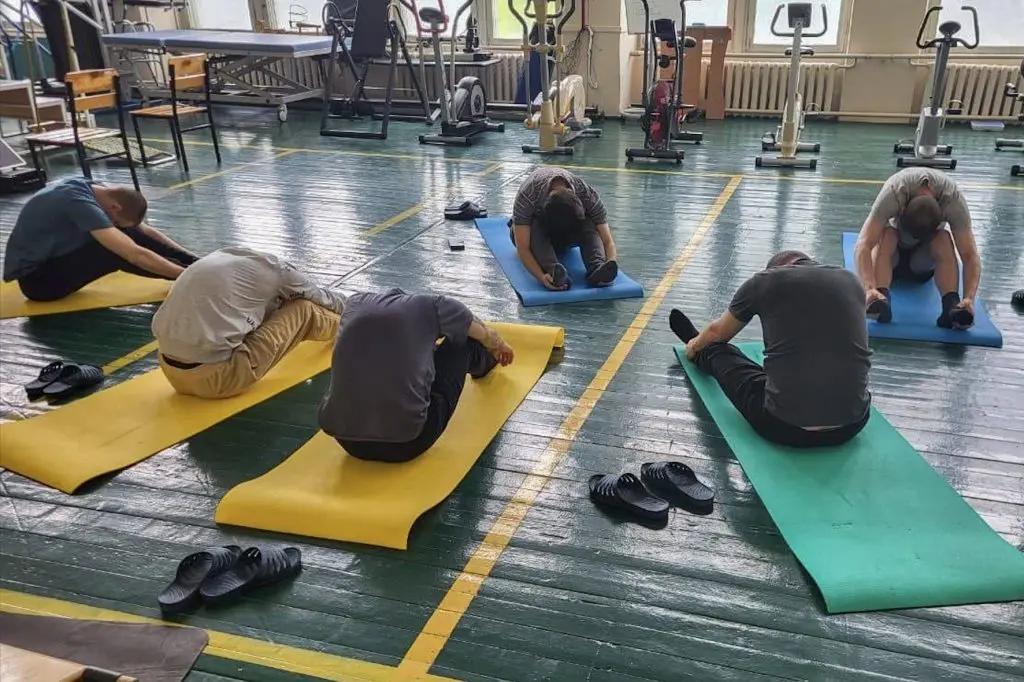
In fact, the peer-to-peer approach is present at every stage of the Veteran Space’s work.
“Our team was formed over these five years. Today it is almost fifteen people who are either veterans themselves or members of defenders’ families. That is, each of us understands who we are working for,” explains Rostyslav Rabtsun, adding that they plan to expand the team by adding veteran support specialists to the psychologists, lawyers and case managers.
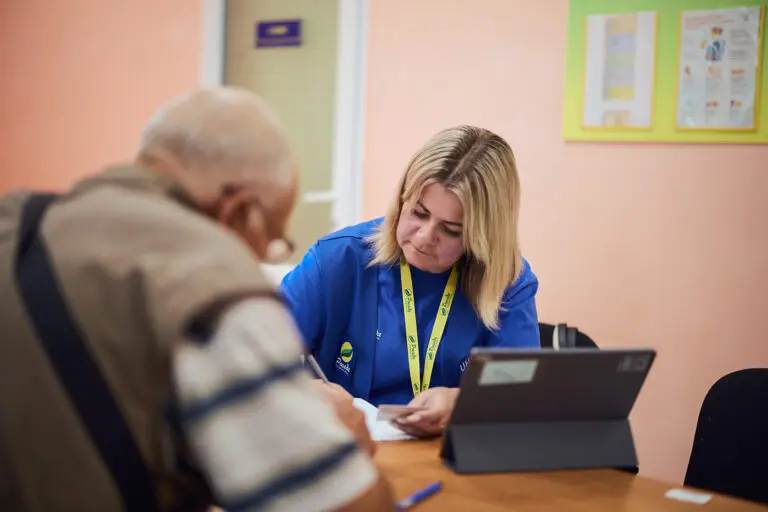
About three hundred people come to the Veteran Space every month. Among the defenders, the biggest demand is for legal issues – explanations of how particular institutions work, how the system of benefits and social guarantees is implemented, and what rights demobilised people have.
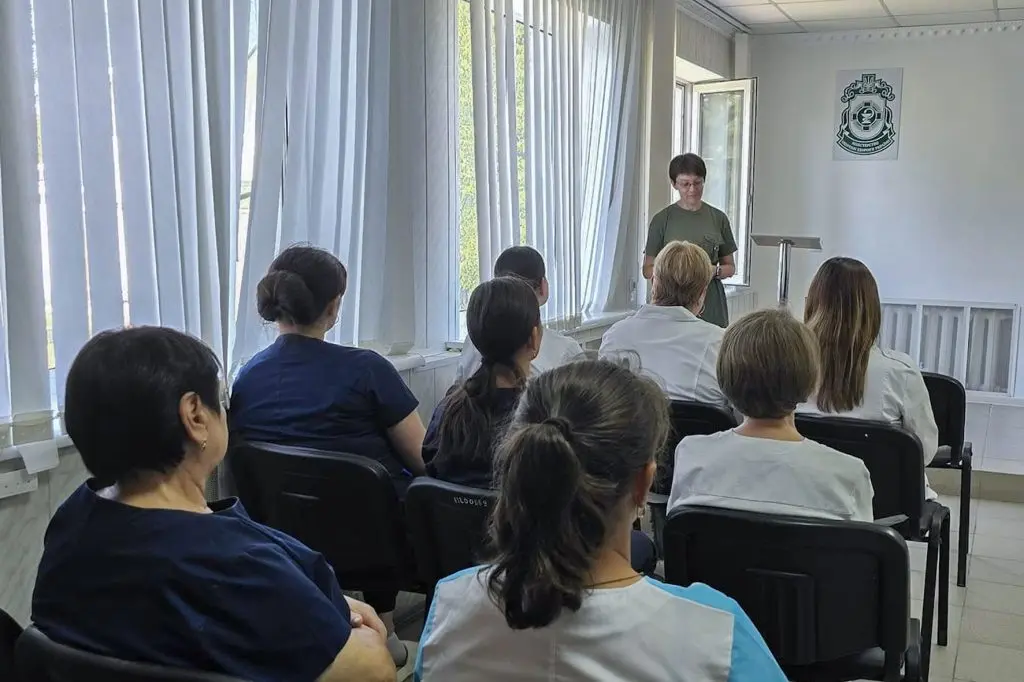
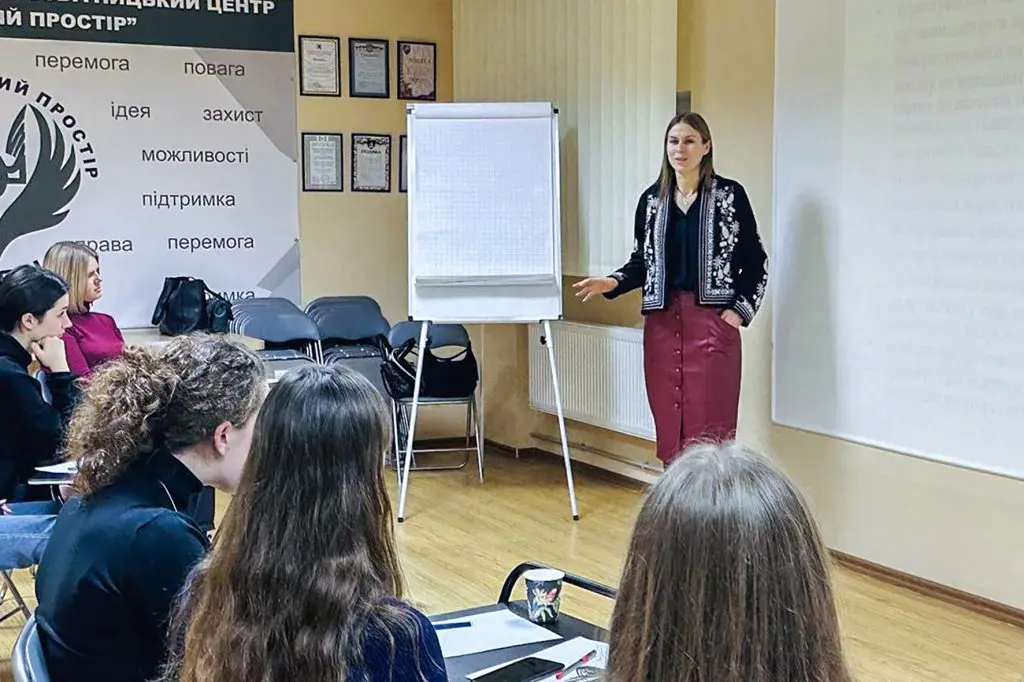
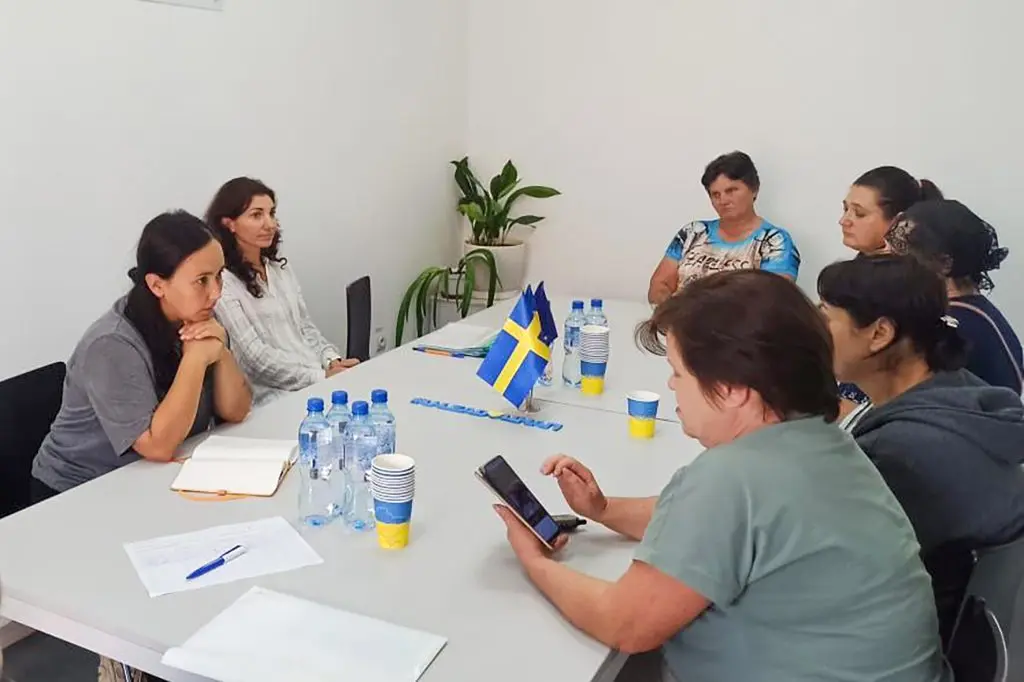
“But people come to us first of all as to friends, just for a coffee. And while talking, we can understand what needs a veteran or their family member has. Then we refer the person to the right specialist. We also provide outreach consultations in hospitals, because we see a huge gap in defenders’ knowledge about what to do during treatment. We have also worked with staff in medical facilities in Vinnytsia region on respectful communication with people who have combat experience, which is no less important,” the director of the space continues.
Rostyslav Rabtsun admits that it is understanding the organisation’s mission that gives strength and motivation to work.
“The greatest inspiration is knowing that we are not shuffling papers or working just to tick a box. We are a shoulder to lean on for thousands of defenders. And it is their gratitude that gives each of us wings,” he says. “In 2023, we co-authored amendments to the community’s veteran support programme. It is designed for three years and really works. This means that there is stable and proper funding for implementing veteran policies in Vinnytsia. In general, our team is convinced that, in addition to supporting veterans and helping their families, society needs to adapt and be responsible towards those who gave their lives and their health to defend it.”
The Zakhysnyk (Defender) Letychiv Union of ATO Veterans NGO was founded by active ATO/JFO veterans in 2019. The association emerged in response to the need for self-organisation, protecting defenders’ rights and supporting their families and the families of the fallen.
Head of the Zakhysnyk Letychiv Union of ATO Veterans NGO
“
At that time, there was no systematic support for veterans. So we first of all wanted to consolidate the veteran community to represent its interests before the authorities. Our organisation was formed from brothers-in-arms who served together. Defenders’ relatives and caring, active residents of the community also joined. That is how we came together around the idea of protecting veterans’ rights and supporting the families of the fallen. Over time, more and more people came to share our mission – that is how we found reliable friends and partners who complemented the team with their professional competence. New veterans are joining us now… Yes, transformations have taken place and are taking place, but our values remain unchanged – mutual support, responsibility, patriotism and a focus on the real needs of veterans and the community.
Oleksii Senyk, Head of the Zakhysnyk Letychiv Union of ATO Veterans
Starting out on sheer enthusiasm was not easy, but the team coped, the head notes. At first, initiatives were funded from their own pockets and by benefactors, and later they began applying to grant programmes.
“By the way, thanks to the IOM and Rokada project, we were able to strengthen our knowledge of organisational management and, among other things, received funding to equip a sports room at the ‘We Are Here’ veteran space and an outdoor sports ground,” notes Oleksii Senyk, specifying that the veteran space in the community opened in December 2023.
The Zakhysnyk Letychiv Union of ATO Veterans is the only organisation in the town that works directly with veterans and their families. It has identified five main areas: protecting veterans’ rights and social support; psychological support and social adaptation; support for the families of the fallen, missing and prisoners of war; memorialisation and national-patriotic education; and developing the veteran community and veteran business.
“The principle we follow is ‘peers for peers’ – veterans help veterans. We respond to requests quickly, we have no formalism, and instead we take a comprehensive approach to solving issues, combining legal, psychological and social support. I must admit that over the years of our work we have earned a good reputation not only among defenders but also among community residents. People trust us, and that inspires us and gives us the strength to work,” the head of the organisation continues. “The community’s trust is the most accurate indicator of performance. We have managed to create a living, effective veteran community that people turn to at the most difficult moments of their lives. It is not one event or a single project. It is a state in which a veteran or the family of a fallen defender knows: there is a place where they will be understood without explanations and will not be let go until the problem is solved.”
The union says that today it has strong cooperation with the authorities, volunteer associations, social services and educational institutions.
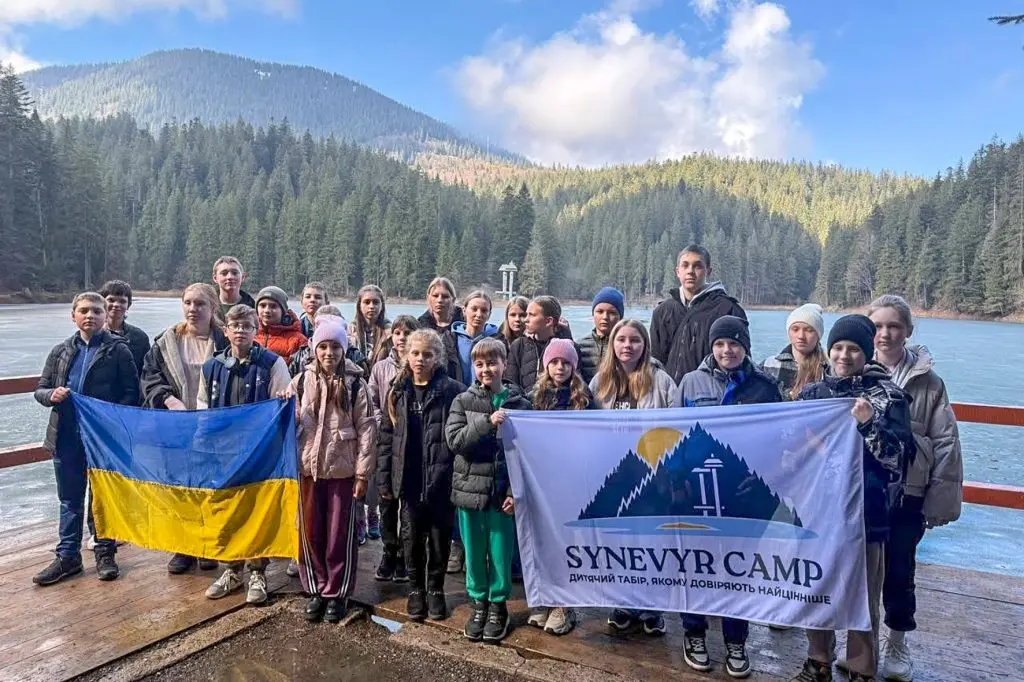
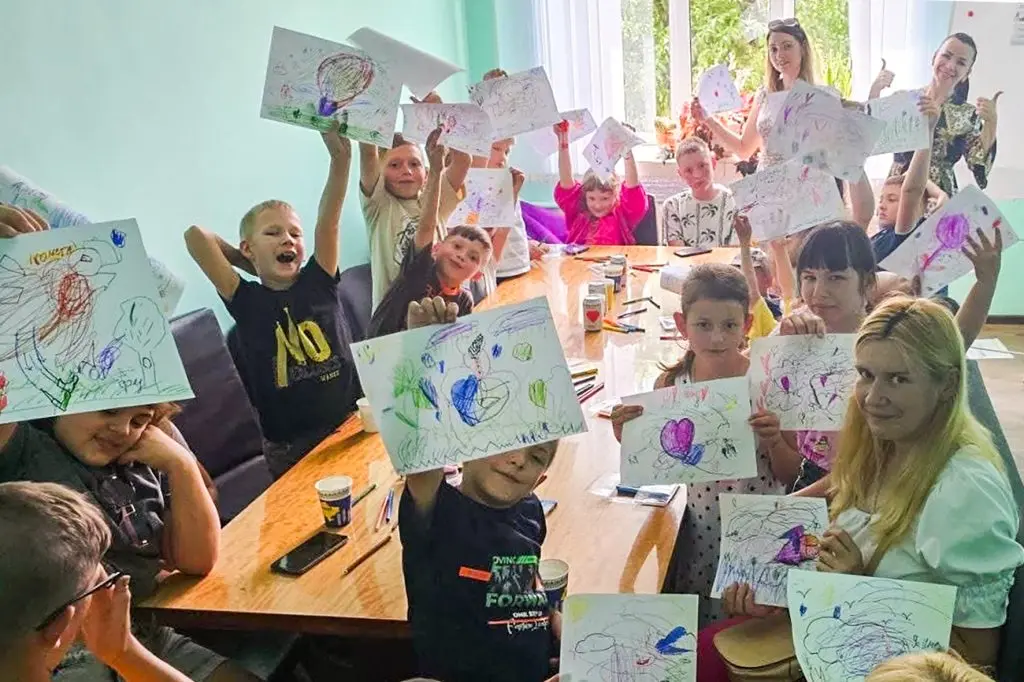
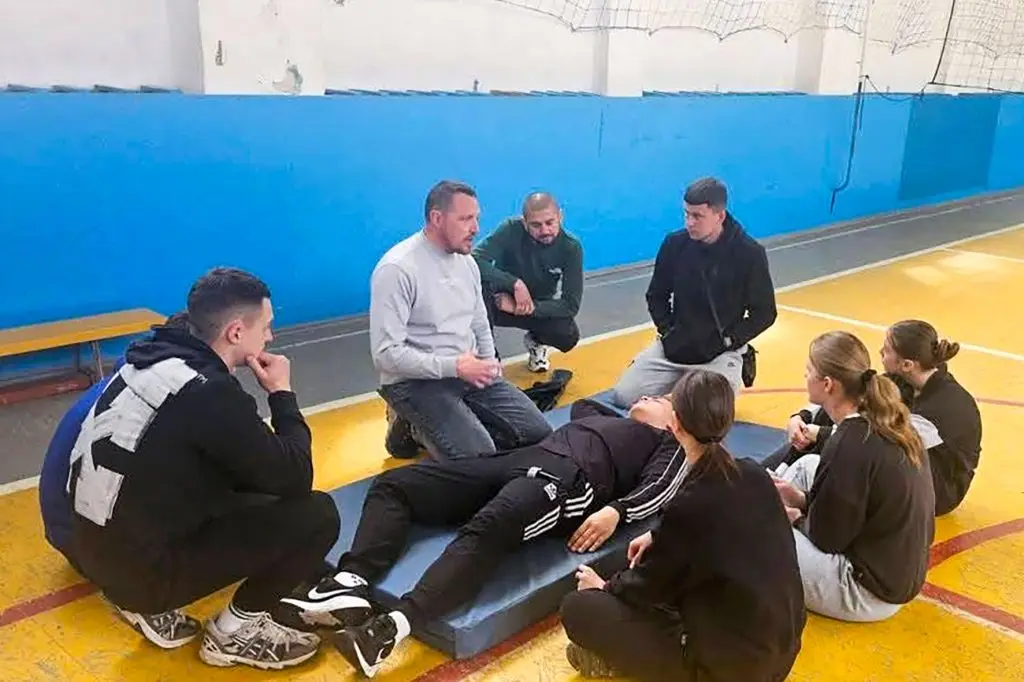
“By the way, the settlement council provided premises free of charge for the ‘We Are Here’ veteran space, and through the support programme for our organisation it allocates funds not only to veterans and their families but also co-funds our projects. In general, in our opinion, supporting organisations that work with veterans is not narrowly specialised help for a particular group. It is an investment in the security, resilience and future of society as a whole. It is a strategic action. Veterans are part of the community, its resource and its conscience. And how society treats its defenders determines its level of maturity and unity,” stresses Oleksii Senyk.
This material was prepared within the project “Social Cohesion and Reintegration of Veterans in Ukraine”, implemented in cooperation with the International Organization for Migration and funded by the European Union.