
Strengthening partnerships to protect people affected by the war: what has changed at the Survivor Relief Centres in a month?
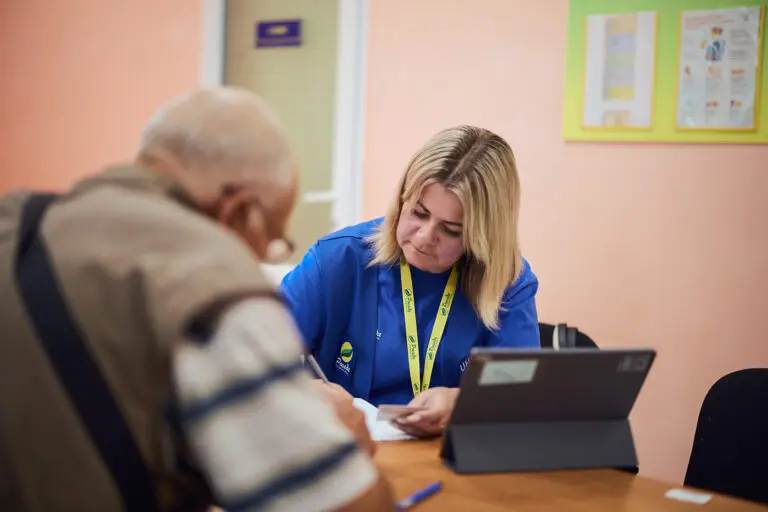
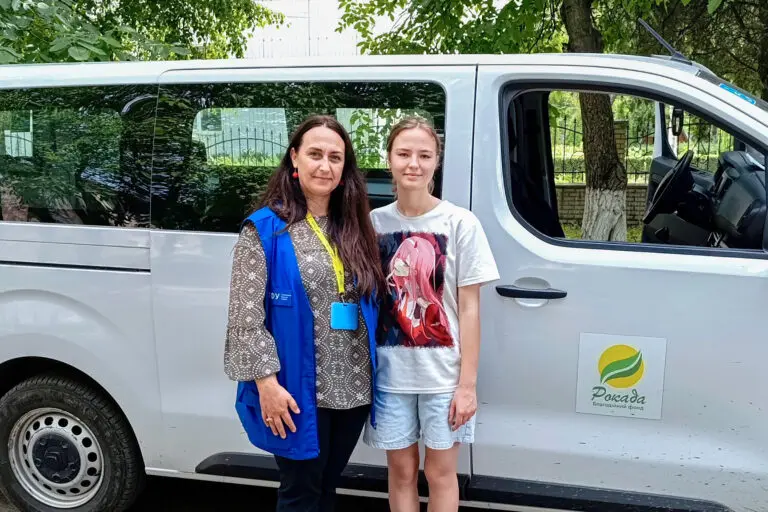
As part of the cooperation between the Rokada Charitable Foundation and UNFPA, the United Nations Population Fund, the Survivor Relief Centres in Poltava, Sumy and Kharkiv continue their active work. The main task of this service is to respond to the challenges of war and conflict-related sexual violence in a timely and effective manner. Internally displaced people, veterans and their families, people released from captivity and families of missing persons can also turn to the Centres. Teams of specialists not only provide quality services to everyone in need but also build partnerships with relevant institutions and organisations and develop professional networks in their regions. Read on to learn about these and other activities over the past month.
Specialists of the Poltava Survivor Relief Centre provided 545 services during the month, with 152 clients contacting the service for the first time.
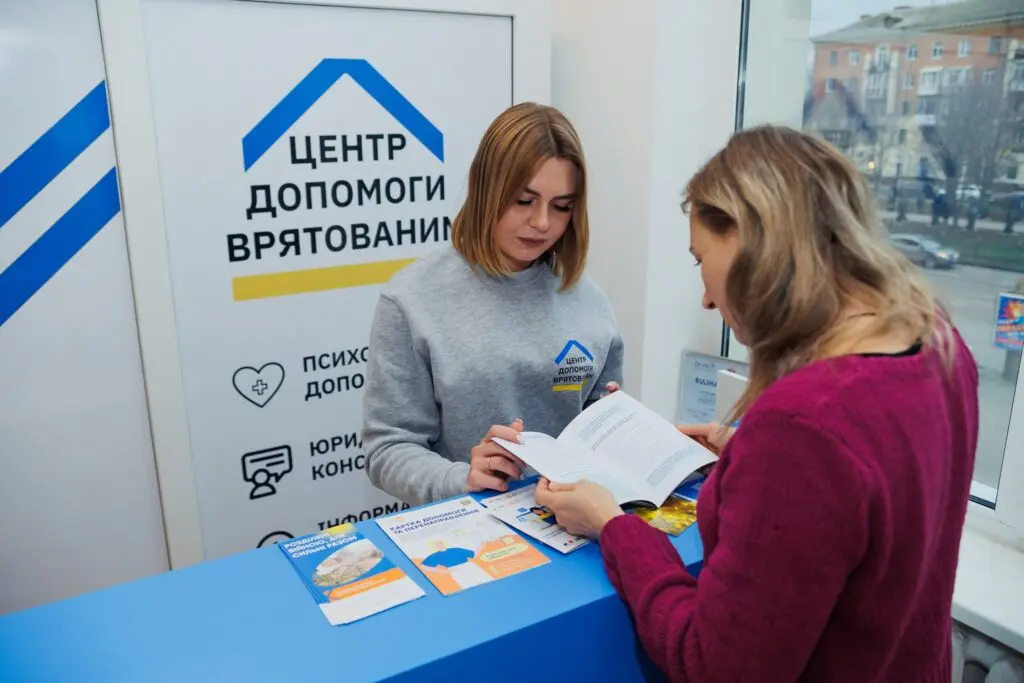
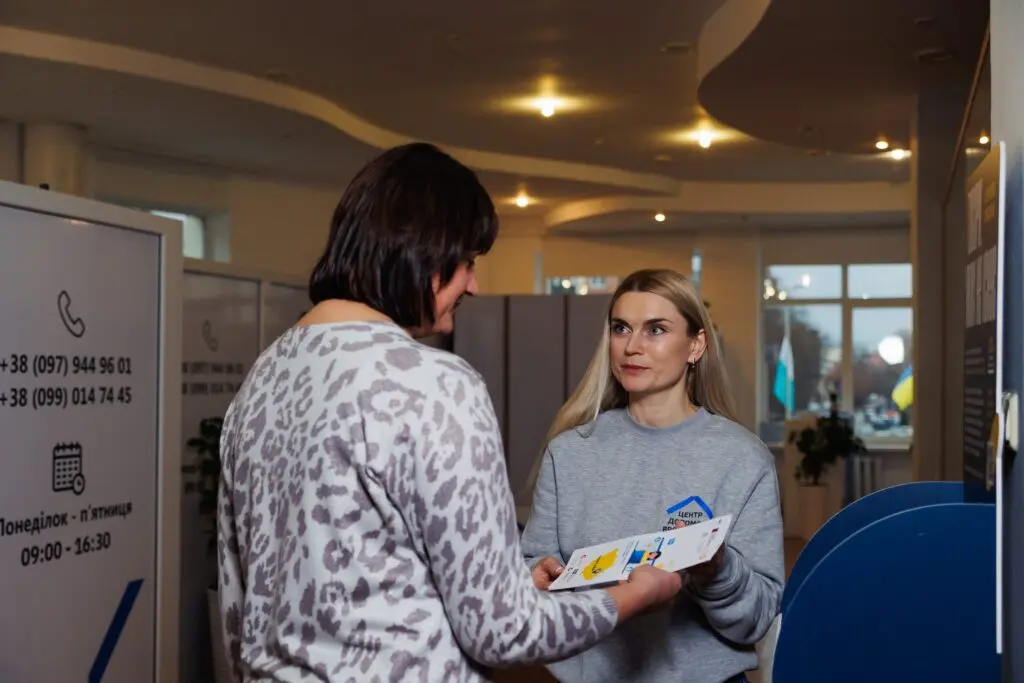
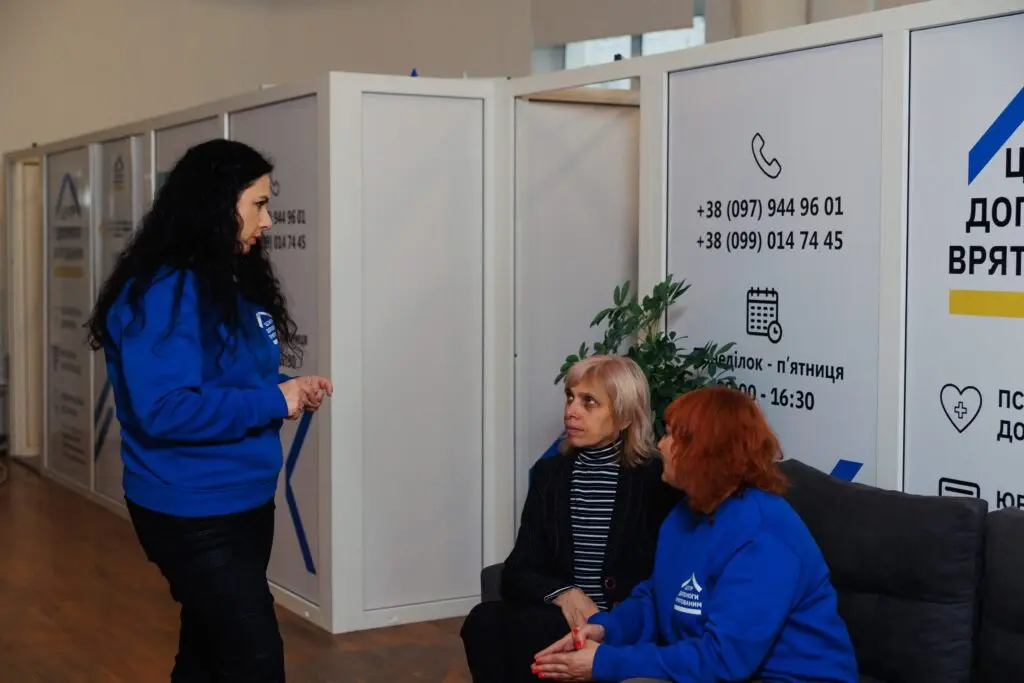
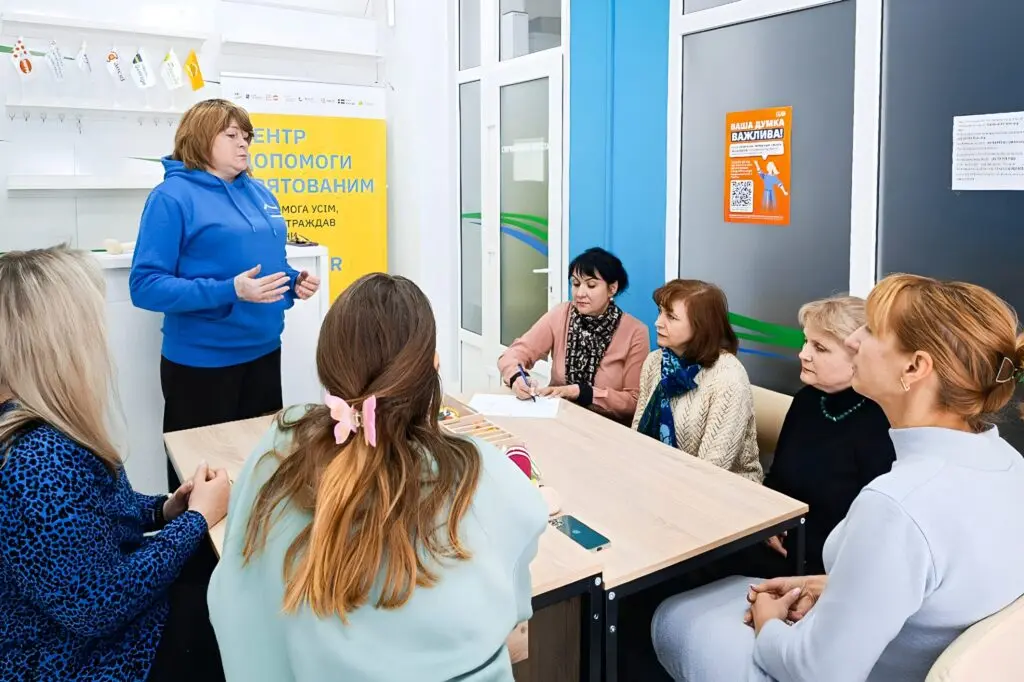
In addition to regular individual social, psychological and legal consultations, the specialists hold group therapy sessions for adults and educational trainings for schoolchildren, join working meetings and improve their professional skills. As invited experts, they also share their experience with colleagues from other organisations and institutions.
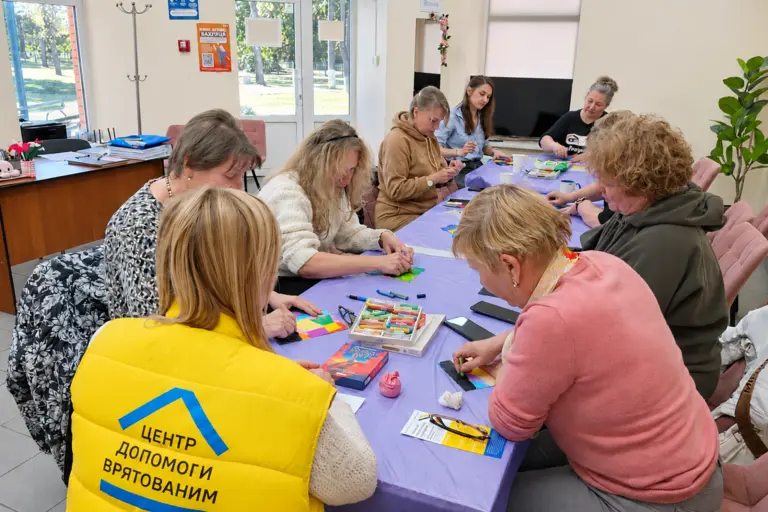
The Centre’s psychologist Kateryna Mylashenko continues to hold weekly sessions with elements of body-oriented therapy and meditation for internally displaced people from Donetsk and Luhansk regions and local residents. She notes that the value of such meetings lies in the long-term increase in psychological resilience, the ability to self-regulate and to make responsible choices in difficult life circumstances. Meanwhile, social workers run educational trainings for teenagers, where schoolchildren learn how to counter bullying, protect personal boundaries, respect their own bodies and build safe relationships.
In the humanitarian sphere, networking and building partnerships between support services are extremely important, as such a comprehensive approach helps solve problems quickly and effectively. Over the month, the Centre held a number of working meetings on further cooperation:
- with representatives of the Positive Women charity, whose main task is protecting the rights of women, including those living with HIV;
- with specialists of the city centre of social services;
- with an IDP situation monitoring specialist of the Right to Protection Charitable Foundation.
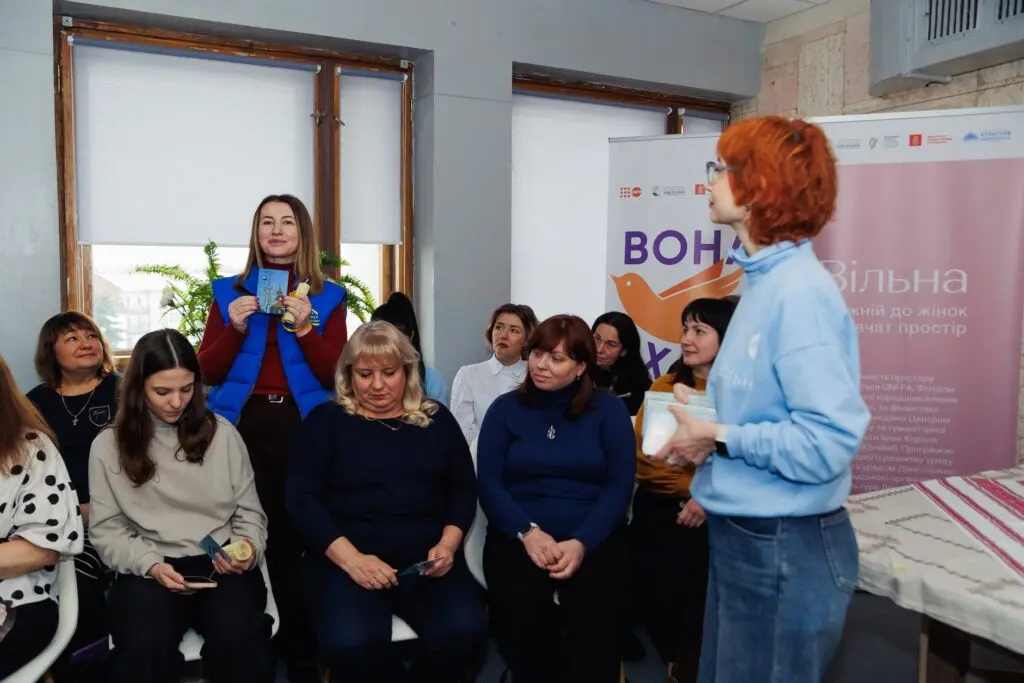
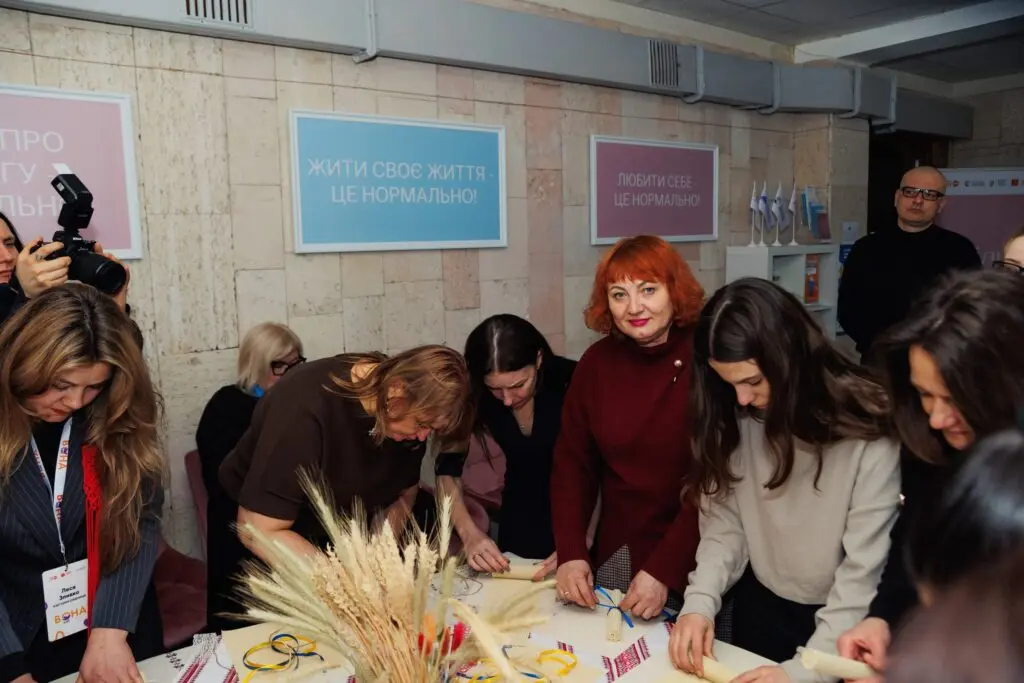
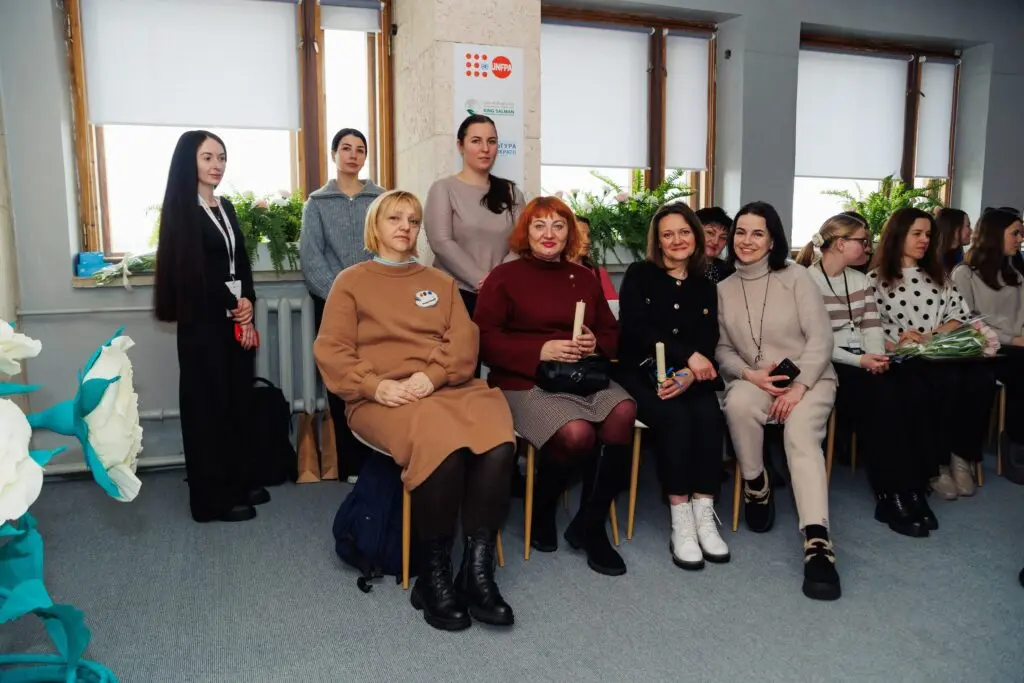
The Centre’s team also attended the opening of a new VILNA women- and girl-friendly space and the VONA career and business hub in Poltava. During the presentation, the organisers introduced their areas of work – the format of psychosocial support and opportunities for women’s learning and professional development. The event became a platform for building cooperation between services supported by UNFPA.
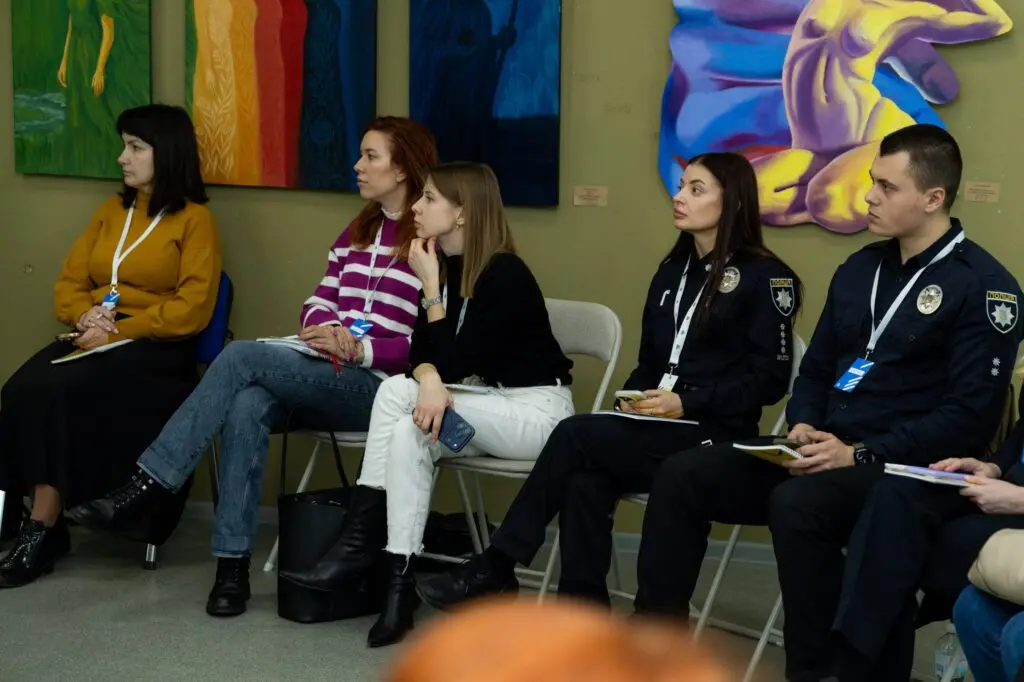
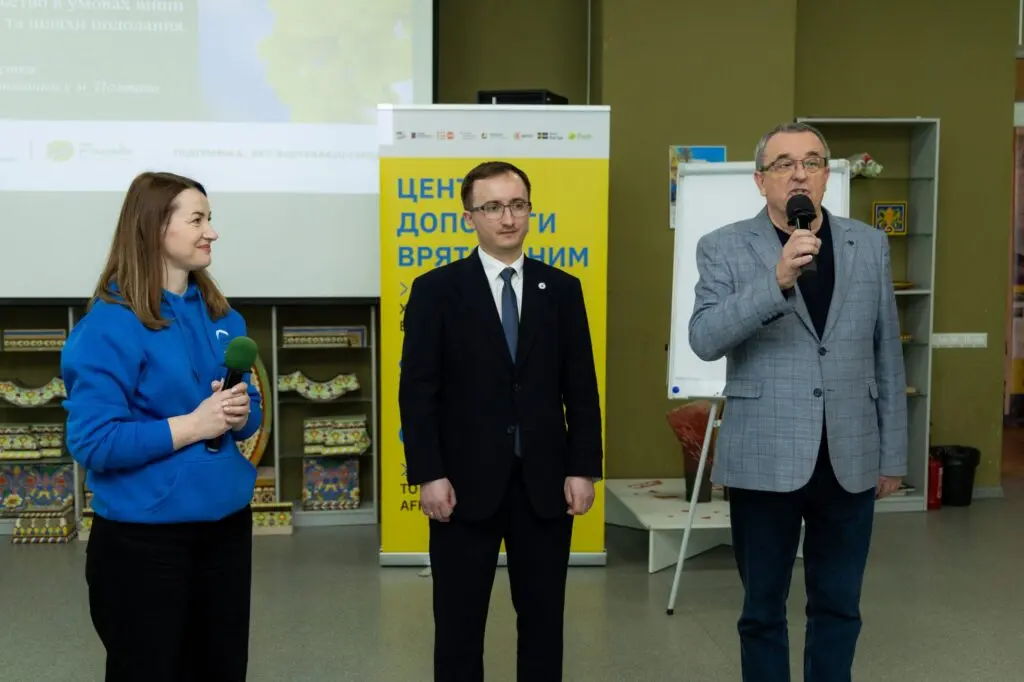
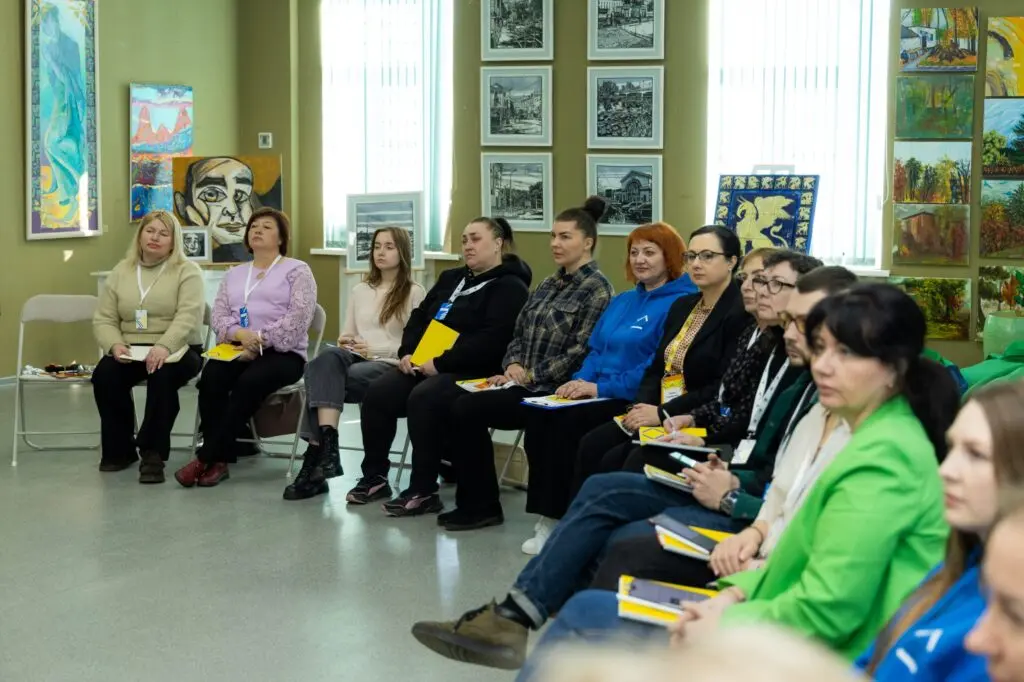
In addition to its core tasks, the Centre’s team is also actively involved in the public life of the region. Nataliia Deriabina, the service coordinator, recently received the “Coalition 1325 Champion” award for leadership and a significant contribution to implementing UN Security Council Resolution 1325 “Women, Peace and Security” in Poltava region. In partnership with the Office of the Ukrainian Parliament Commissioner for Human Rights in Poltava region and the Yuri Kondratyuk Poltava Polytechnic National University, the specialists held the training “Conflict-Related Sexual Violence (CRSV): Consequences and Ways to Overcome Them” for representatives of civil society, the patrol police, educational institutions and healthcare facilities.
But the specialists do not rest on their laurels and constantly work on their professional growth. Recently, they joined an information and awareness-raising event on the functioning of the Register of Damage for Ukraine and the practical aspects of submitting claims to it. Coordinator Nataliia Deriabina took part in a 5-day training of facilitators of rehabilitation programmes for people who have survived sexual violence during the war.
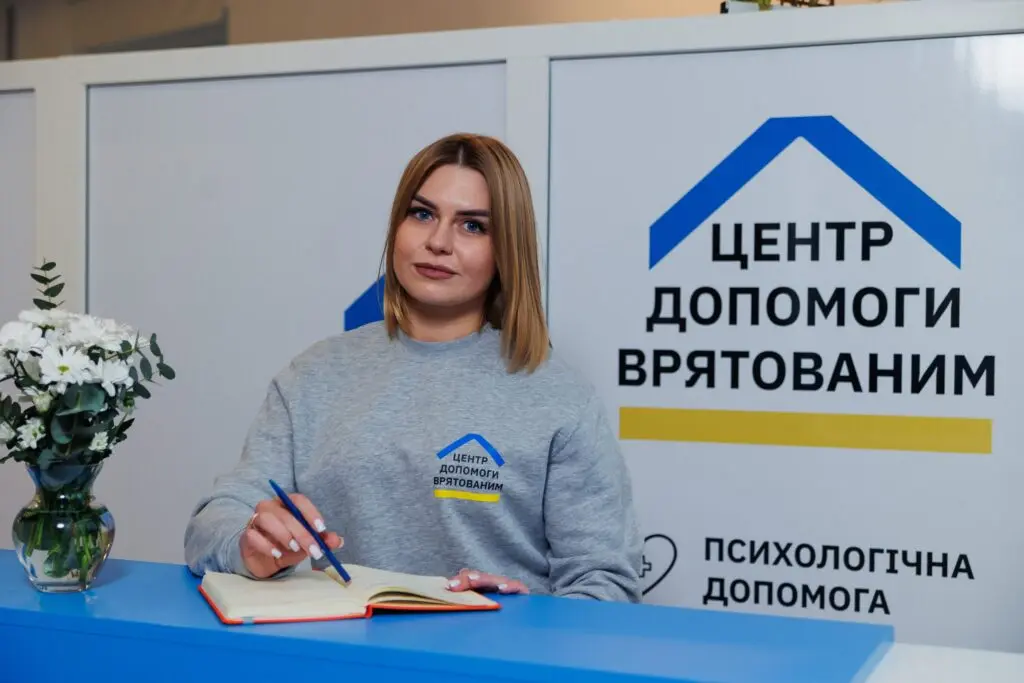
Of course, such activities help improve the work, in particular more sensitive referral of survivors to the services they need. Administrator Valeriia Shykalo admits:
“Working here, I have come to realise even more deeply that behind every request there is a living story. When a person feels care and respect, they gradually dare to talk about more. In such a trusting atmosphere, needs that initially went unnoticed often come to light. This makes it possible to involve the necessary specialists in time and provide comprehensive support.
A memorable case for me was when a request for humanitarian aid revealed, during the conversation, an experience of domestic violence. Thanks to the contact established, the person was delicately referred to a specialist, who provided all the necessary support.”
Over the past month, specialists of the Centre in Sumy provided more than 100 services.
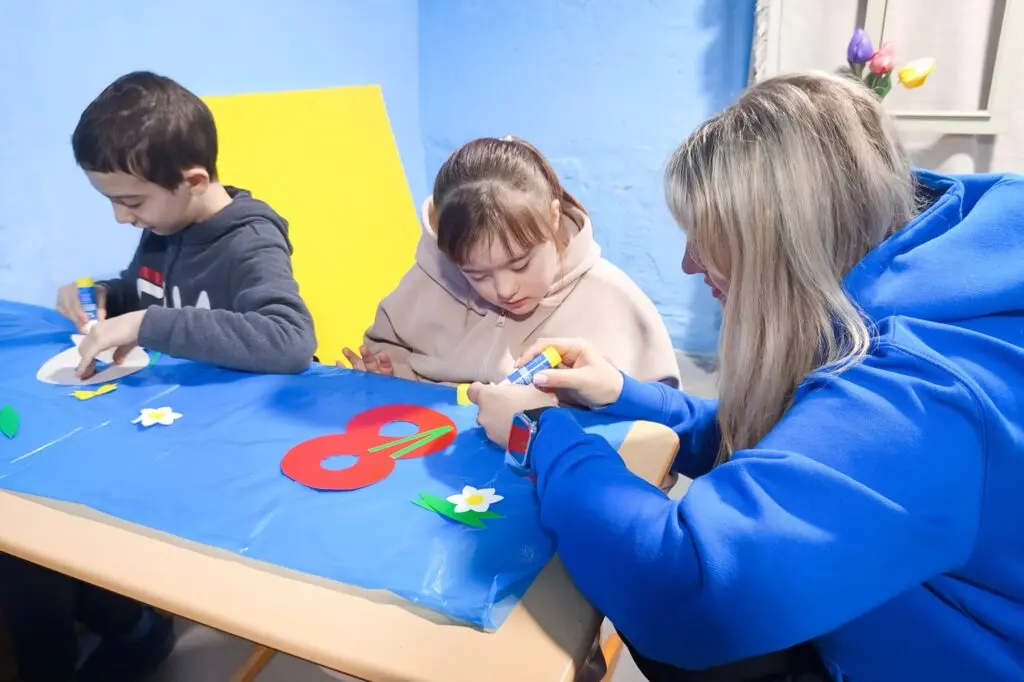
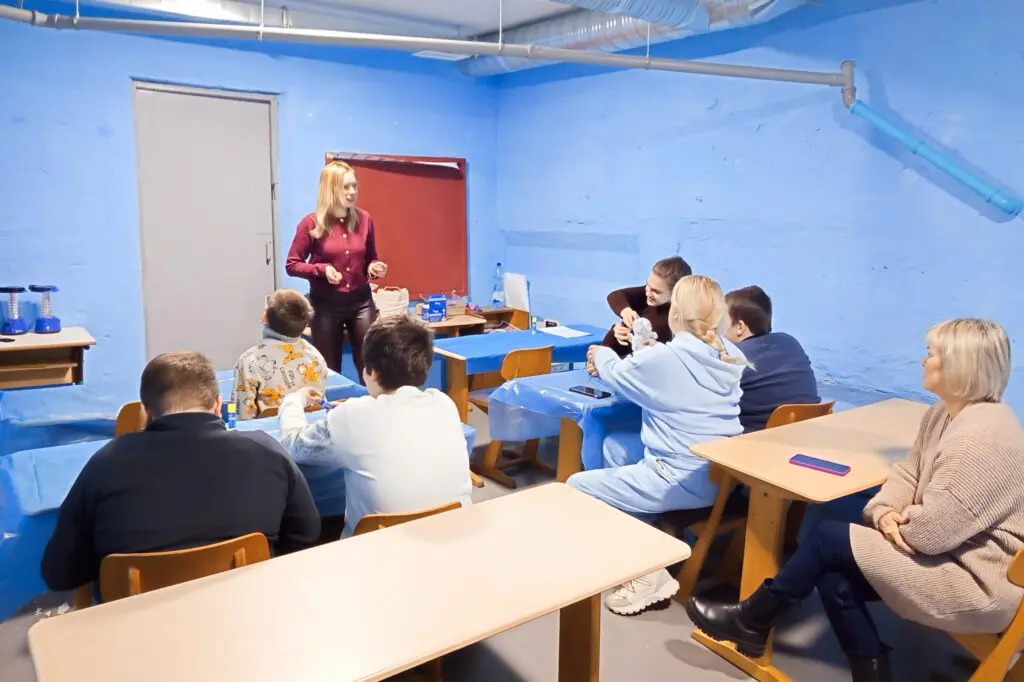
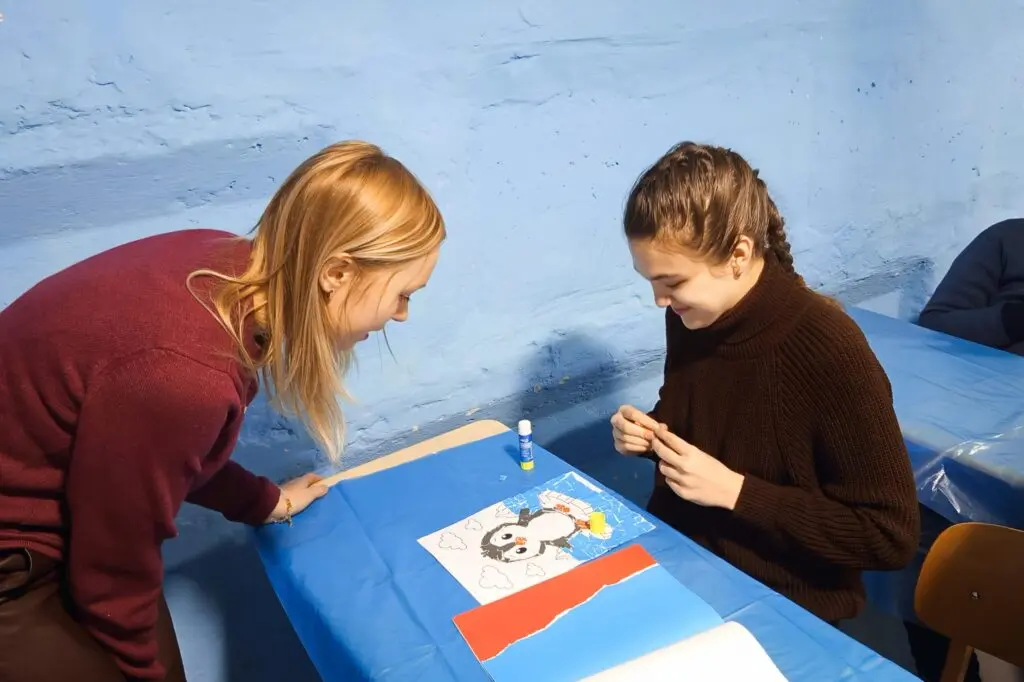
They held individual consultations, group sessions and trainings, referred visitors to other organisations as needed, and took part in professional events and training.
Women who have experienced gender-based violence or are going through difficult emotional states regularly turn to the Centre’s psychologists for counselling. Together with social workers, the specialists also hold group sessions with elements of art therapy and psychoeducational trainings, in particular for students with special educational needs and their teachers.
The specialists do not forget about developing their professional skills either. During this period, they completed training in logotherapy in work with veterans, countering GBV at school, providing psychological first aid, burnout prevention and more.
To work effectively, the team also has to take care of its own recovery. So the Centre’s psychologist Nataliia Timakova has already held several self-help and mindfulness sessions for colleagues using VR headsets.
In addition, social workers regularly refer people to the services they need, such as medical facilities or organisations that distribute hygiene kits.
Lawyer Oleksii Bezvin held a series of online meetings on social and pension payments. He also advised a visitor on compensation for housing damaged by Russian attacks and helped him submit a claim to the International Register of Damage Caused by the Aggression of the Russian Federation against Ukraine.
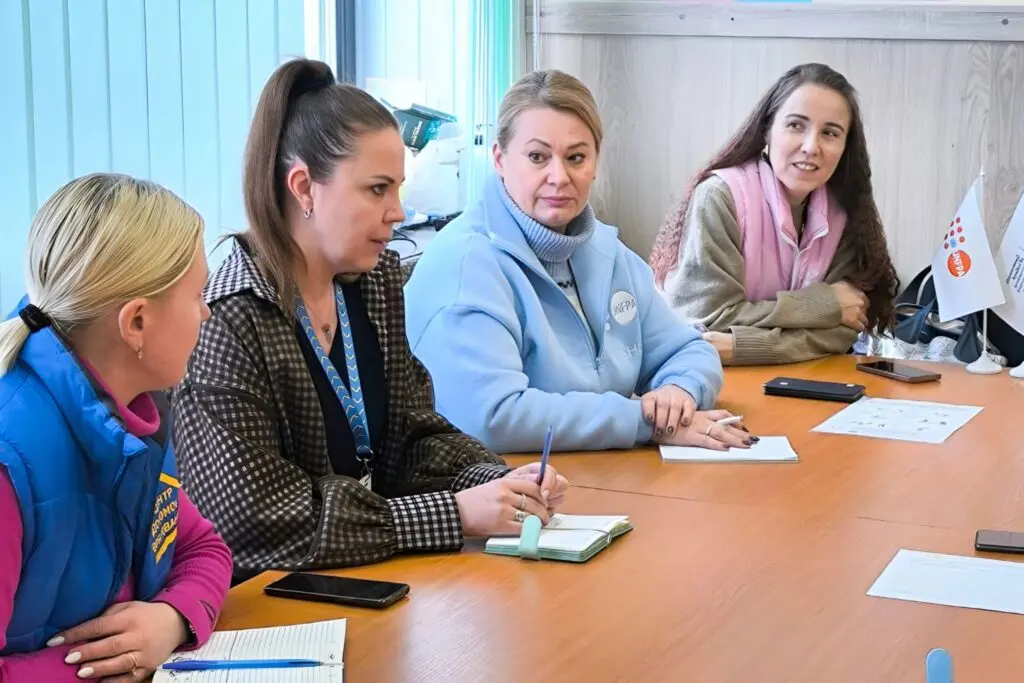
“It was a busy and productive month. People came to us with different emotional states and experiences: anxiety, panic attacks, psychological violence and conflict-related sexual violence. We organised a psychological group and held off-site trainings. The highlight of the month was VR headsets and therapy sessions using them, both for staff and for beneficiaries. Supervision, work with colleagues in a multidisciplinary team and our internal Centre ‘circle of support’ helped us cope with burnout. I also studied a lot. I am glad that at such a time we can give our people support and help!” says psychologist Nataliia Timakova.
The team of the Kharkiv Survivor Relief Centre provided 340 services during the month. In addition, it made 11 visits to communities in the region, where it held information sessions for 195 people from vulnerable groups.
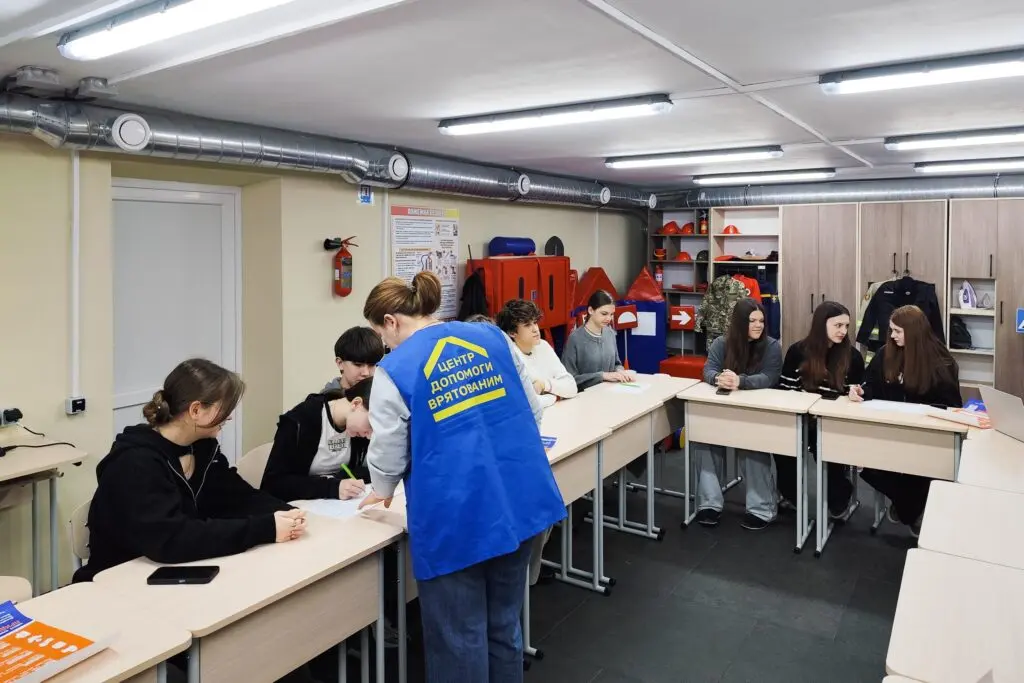
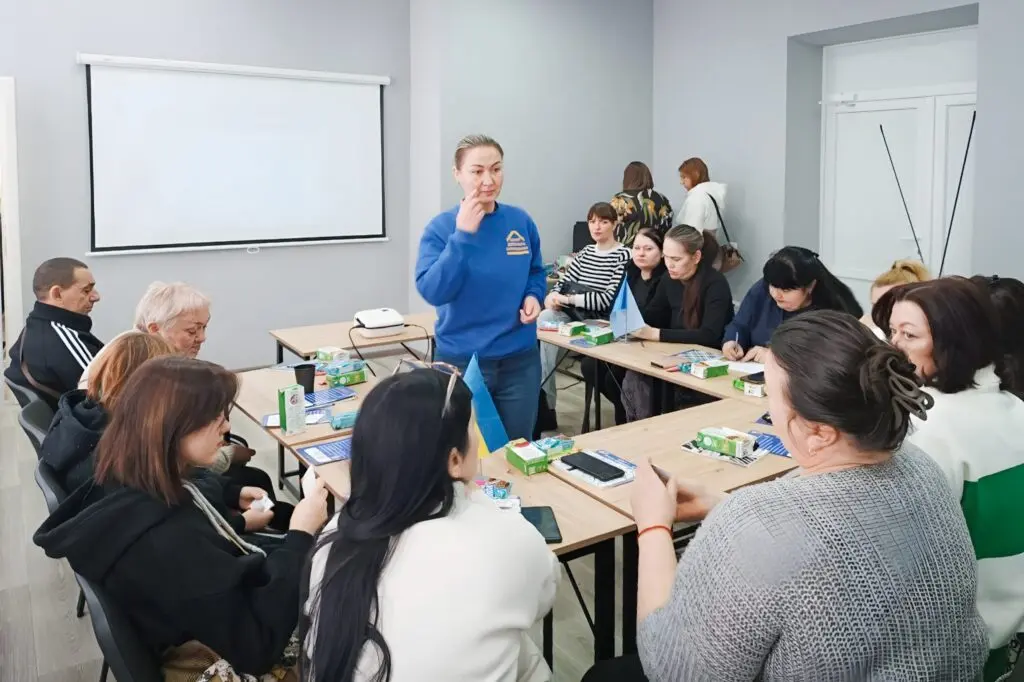
The psychologists organised an information event about the Centre’s work for internally displaced residents of Chuhuiv, as well as a training on stress resilience and recovery for specialists of the Nataline village council. Specialist Yevheniia Chystikova successfully completed training under the WHO QualityRights initiative, which aims to improve the quality of services and respect for human rights in mental health and social care facilities.
Meanwhile, in addition to individual support, the case managers organised a series of information meetings for senior students, where they talked about the Centre’s work and ways to get help. And for internally displaced children, the specialists regularly hold creative therapy sessions.
Lawyer Nataliia Andriichuk also pays special attention to work with schoolchildren; she gave them several lectures on human rights and civic education.
To work effectively, support services need to exchange experience regularly. So at the end of February the Centre’s team joined a working meeting with colleagues from the Kharkiv mobile team working to counter gender-based violence and the VILNA women- and girl-friendly space.

Psychologist Yevheniia Chystikova adds:
“This month for me is not just numbers in reports but dozens of broken hearts that I try to help mend. Every day I look into the eyes of people whose lives the war has turned into one open wound: wives and mothers who freeze at every phone call, waiting for news from captivity or the front; children who became orphans in an instant; those who survived under the rubble of their own homes but were left with emptiness inside.
I work with the hardest things – with not wanting to live because of unbearable uncertainty and the pain of loss. Some mourn a destroyed home, some the lost sense of safety after staying in basements or recent strikes, and some are learning to breathe again as IDPs. My work today is to be there in this silent grief, to help find at least a crumb of strength to cope with the horror of reality and find meaning to go on living. I don’t just counsel – I hold the hands of those whose lives the war has broken, trying to give them back the belief that they are not alone in their pain.
In this extremely difficult process, my Centre team gives me incredible support and helps me recover. Our shared belief in the cause and the feeling of a reliable shoulder nearby give me the resources to keep fighting for every person.”
The work continues, no matter what. If you need help, please don’t wait – call:
- Sumy – (067) 540 70 82;
- Kharkiv – (067) 770 21 78;
- Poltava – (097) 944 96 01.