
Three Vinnytsia region communities develop social innovations to reintegrate returning Ukrainians
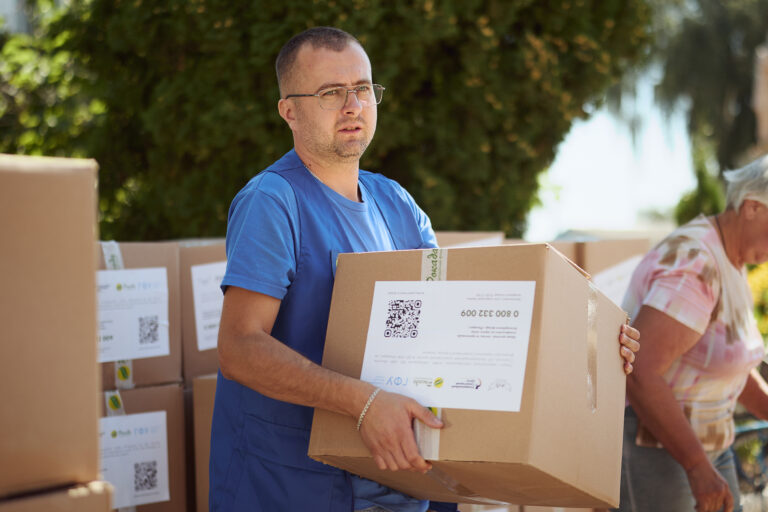
Local government officials, social workers, educators, healthcare professionals, employment services, NGOs, charities, and businesses have joined forces with internally displaced persons, veterans, and active citizens from the Bar, Tulchyn, and Ladyzhyn communities of the Vinnytsia region to co-create community development solutions aimed at bringing home and reintegrating Ukrainians.
The collaboration with communities to identify and develop social innovations was part of the “Strengthening Community Resilience for Return and Reintegration” project. Implemented by the Rokada Charitable Foundation, the initiative is part of the broader “YOUA – Shaping New Paths, Building the Future of Ukraine” project, commissioned by the German Government and implemented by GIZ Ukraine.
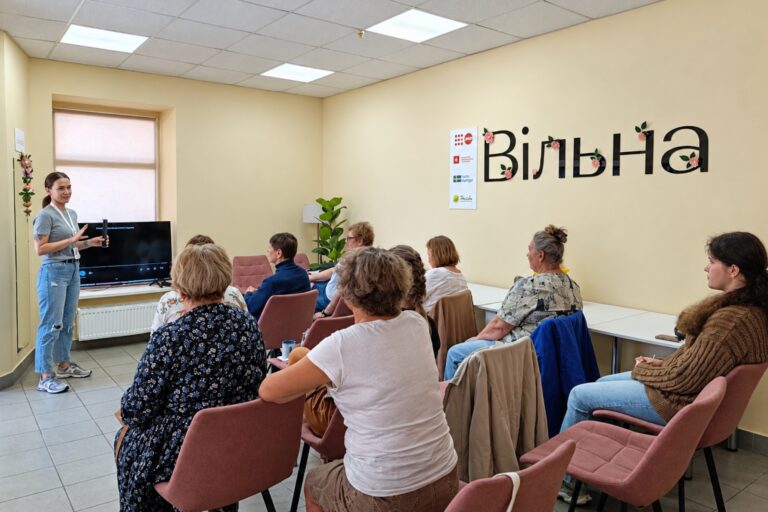
A team of experts from Rokada guided each community through the process, which began with a needs assessment followed by dialogue sessions, mentoring support, and idea generation. The final selections were determined by two equally weighted evaluations: a public vote by community residents and an expert assessment, each accounting for 50% of the total score.
A total of 15 different project concepts were prepared, five for each community. They cover a wide range of focus areas, from psychological support and children’s spaces to digital directories and infrastructure solutions.
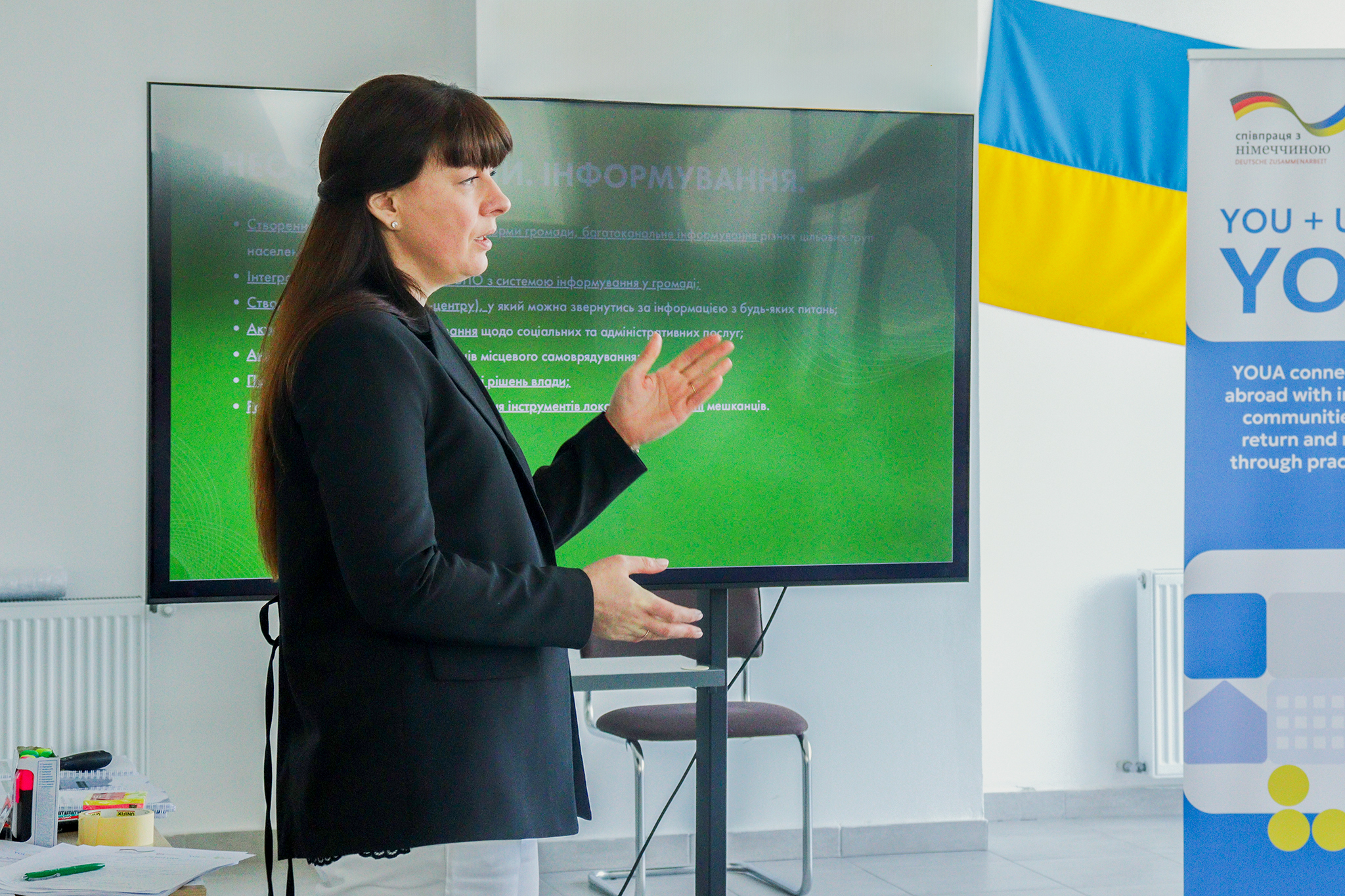
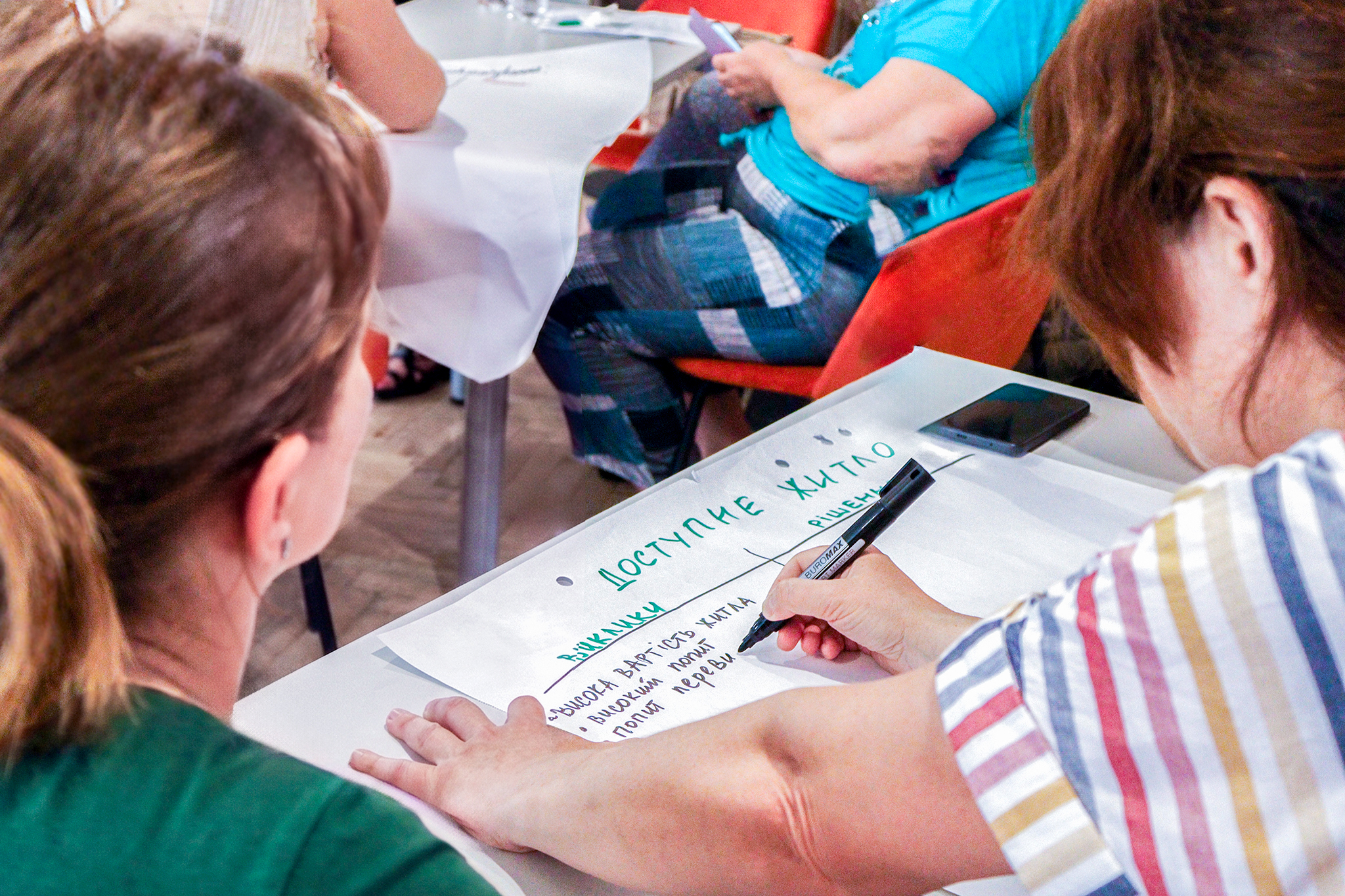
“The dialogue sessions took place in several waves. During the first wave, we analyzed problems and sought their solutions through ideas,” comments project manager Alla Krasovska. “Between the meetings, the teams refined the concepts: they identified target groups, expected results, necessary resources, and potential partners. Next, they presented their developments. Based on the results of the discussion, each community selected one social innovation for further implementation.”
Access to services under any conditions: The choice of the Bar community
In the Bar community, participants identified several strengths: professional education, the creative economy, the Camino Podolico tourist route, the local ceramics tradition, the history of Bona Sforza, and active residents. They named the risk of losing access to administrative and social services as the main challenge.
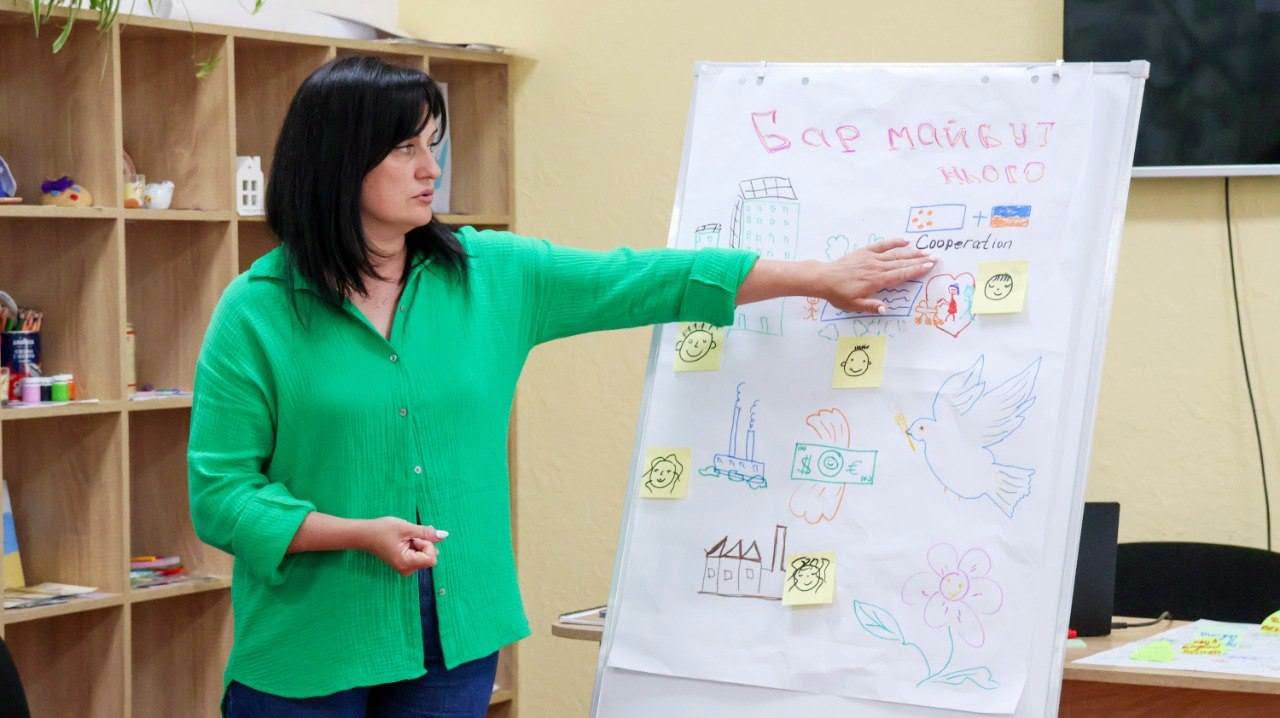
“During power outages or other challenging situations, it becomes harder for Administrative Service Centers to maintain their usual pace of work. For any community resident, and especially for someone rebuilding their life after returning or relocating, this creates additional barriers to accessing services,” explains Iryna Pokhodzei, Head of the Department of Economy, Investments, and Regulatory Activity of the Bar City Council.
To solve the problem, the community voted for a barrier-free service project. This social initiative involves ensuring the energy autonomy of the Administrative Service Center and creating clear navigation for services. This will allow people to receive the necessary consultations and documents without delays and unnecessary stress, even during blackouts.
Tulchyn community: A space for interaction and integration
In the Tulchyn community, one of the points of support was a strong local identity. Participants recalled the Potocki Palace, the history of the creation of “Shchedryk”, cultural traditions, natural resources, and active public life.
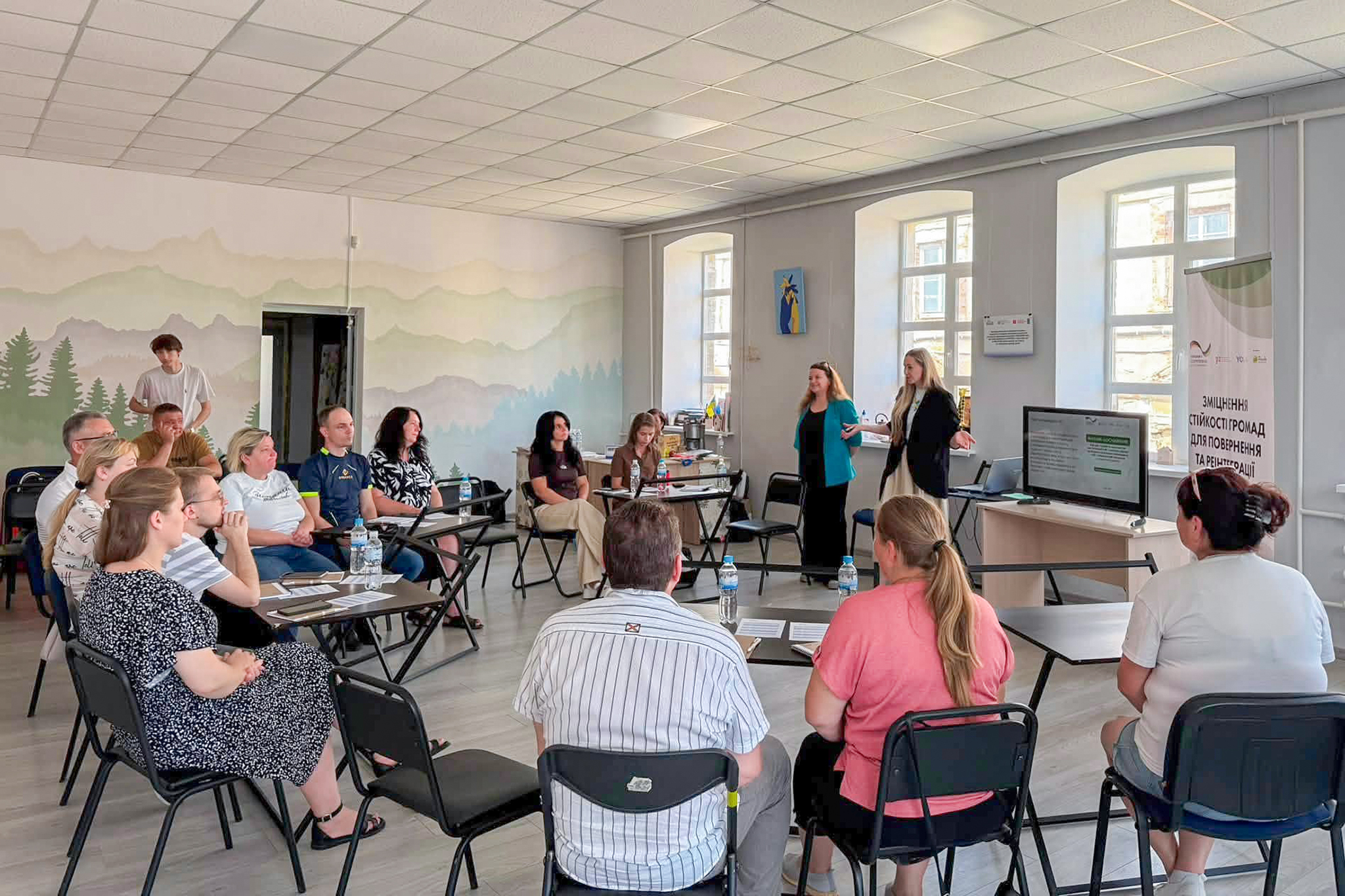
The discussion showed that for the return and reintegration of people, it is not only the accessibility of services that matters—a person also needs an environment where they can meet others, find support, propose their own ideas, and feel like part of the community.
Therefore, the community selected the social innovation Power Point: Active Integration Space. The project involves creating an open, barrier-free public space with outdoor gym equipment, combining physical activity, rehabilitation, informal communication, and joint integration events for city residents.
Ladyzhyn community: Showing opportunities and helping to navigate
In the Ladyzhyn community, participants focused on how to better communicate local opportunities, services, and resources. Frequently, information about them is scattered across different platforms or remains little-known even to local residents.
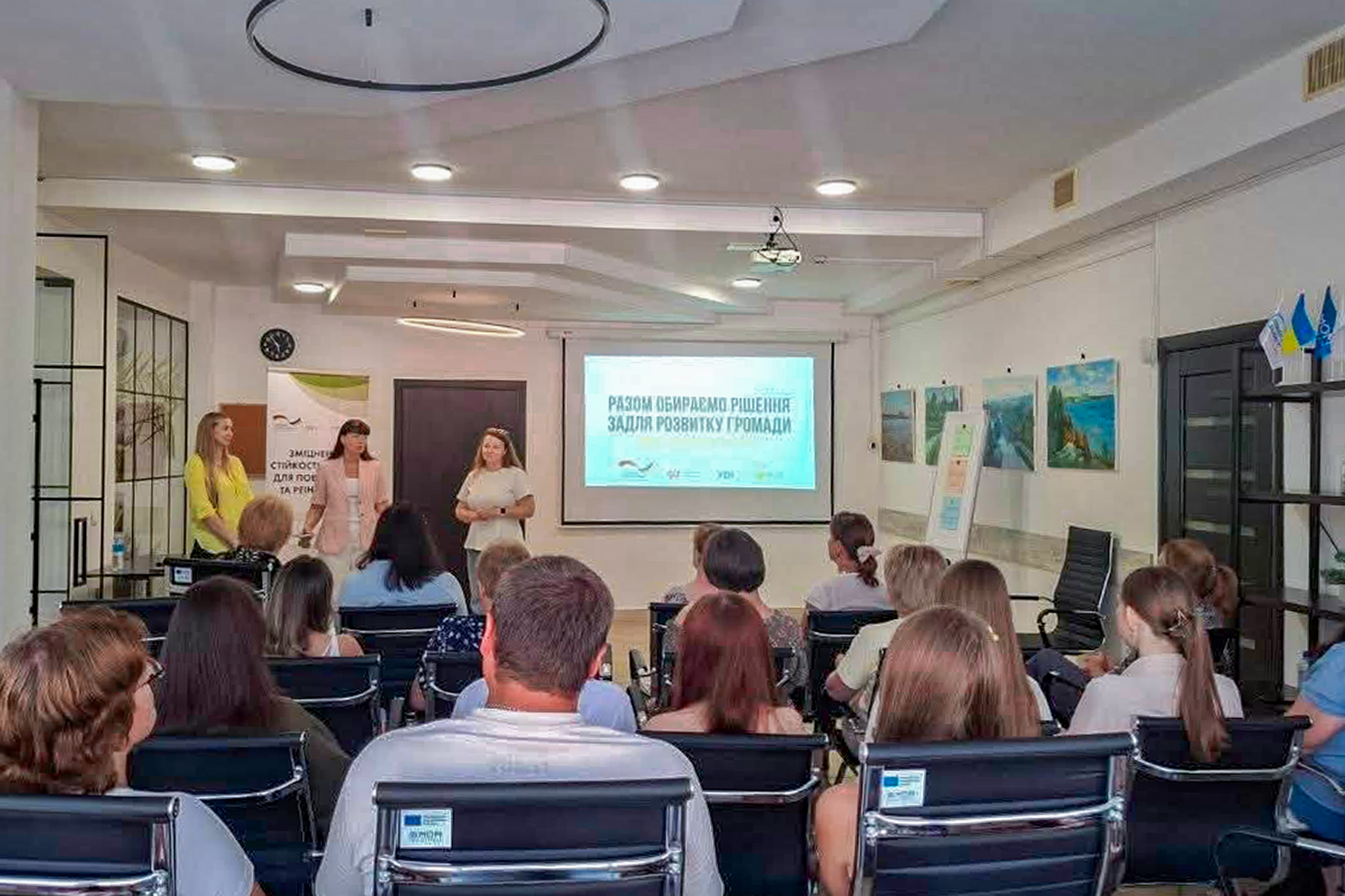
At the same time, even the existing data is scattered, outdated, and uninformative, and it certainly does not answer the question of why one should choose Ladyzhyn specifically for living, working, or investing.
The response to this challenge was the Digital Community Visiting Card —the creation of a complex of modern promotional products: a series of three videos, a detailed investment passport in Ukrainian and English, and a universal presentation. Importantly, this is not a one-time initiative; the community will train its own local media team and introduce a regulation to ensure all materials remain relevant and are systematically updated in the future.
From ideas to implementation
Despite the fact that the Bar, Tulchyn, and Ladyzhyn communities chose different directions, all three solutions share a common goal—to create an environment where a person can return, adapt, and feel like part of the community.
“People were united by the love for their community and the idea of change, so that everyone would want to live, work, build families, and, consequently, return there. It is especially valuable that the developed solutions are not detached from reality—they grew out of what is already here and what people truly need,” comment dialogue session facilitators Olena Soloid and Myroslava Zhylina.
The next step is the implementation of social innovations. Communities are moving from developed concepts to their implementation, and Rokada will continue to accompany this process and provide institutional support.
The YOUA project provides technical assistance exclusively and does not influence individuals’ personal decisions regarding their return to Ukraine. Participation in events and the use of services are strictly voluntary for individuals who are considering returning, have already made such a decision, or are in the process of reintegration after returning to Ukraine.