
Veteran support ecosystems: Vinnytsia, Cherkasy and Kyiv regions
Within the project “Social Cohesion and Reintegration of Veterans in Ukraine”, the Open Space for Community Development NGO from Vinnytsia region has been able to further equip premises for a veteran hub with accessibility in mind. And colleagues from Kyiv – the Vesta Volunteer Association – will be able to expand their team of psychologists and technically strengthen their work. In total, twenty organisations from ten regions of Ukraine are taking part in the project, implemented by the Rokada Charitable Foundation with the support of the International Organization for Migration and funded by the European Union.
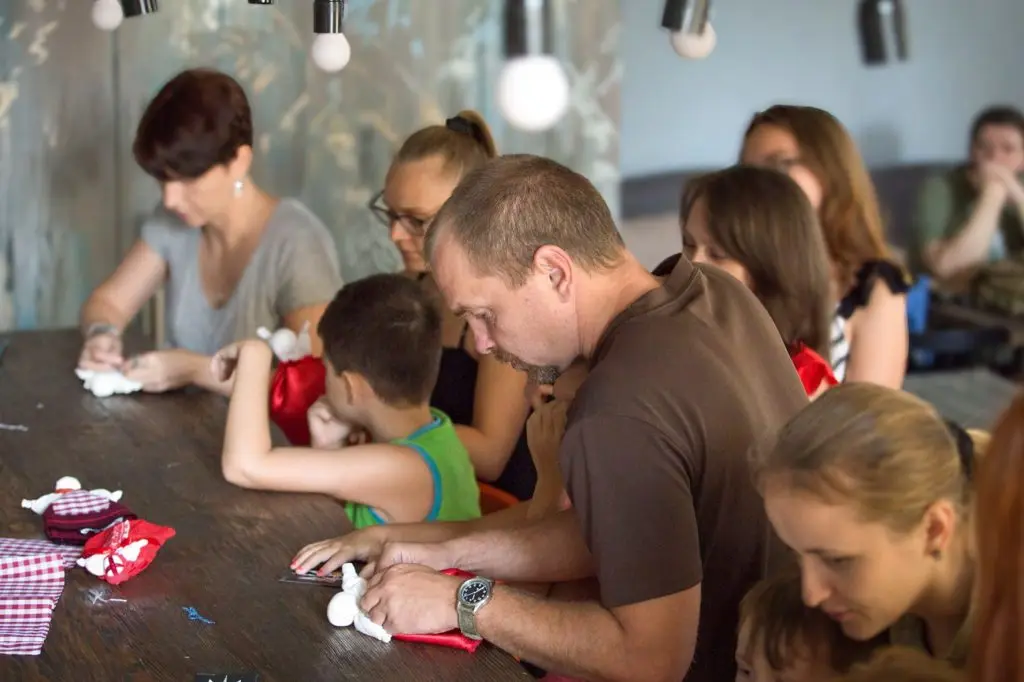
The Open Space for Community Development NGO is in its sixth year. In 2023, it reshaped its work and broadened its focus. Today the organisation works on the development of the Ladyzhyn community in Vinnytsia region, implementing social and economic projects, including support for veterans, entrepreneurship and youth initiatives, and assistance to internally displaced people.
“First of all, we wanted to bring together active Ladyzhyn residents to address pressing social, educational and civic challenges. We saw a lack of open platforms for dialogue, self-fulfilment and residents’ participation in community development. So we wanted to create an environment where people can come up with and implement useful initiatives together. Our organisation was created as an open space for cooperation. In the end, we put our mission into our name,” says its head Olena Fadiievska.
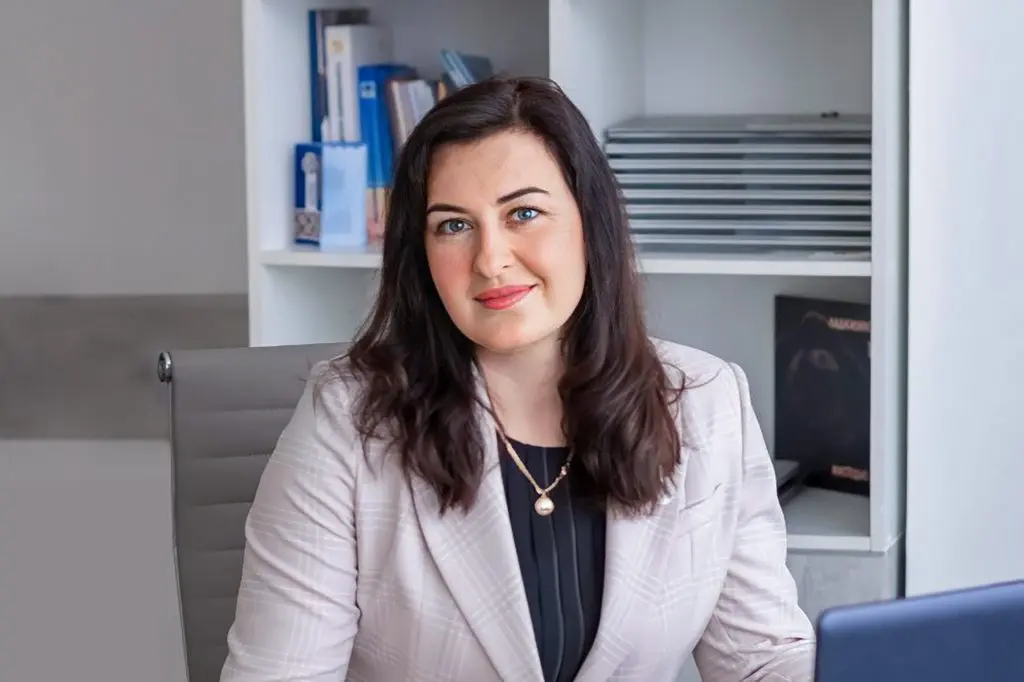
Olena Fadiievska,
Head of the NGO
“Open Space for Community Development”, Ladyzhyn,
Vinnytsia region
Over five years, Open Space for Community Development has brought together a considerable number of activists and volunteers. They are people of different ages and competences who, as the organisation stresses, are united by shared values and a desire to work for the community.
“Our team includes specialists who look after different areas. They are active and caring people. At first they joined as volunteers or participants in our various initiatives, events and projects, and then they stayed. The team is dynamic and changes depending on the needs of projects and areas of work. What inspires us most is that young people are joining us. At the same time, we emphasise openness: anyone who shares the organisation’s values and is ready to take responsibility can join its work,” explains Olena Fadiievska.
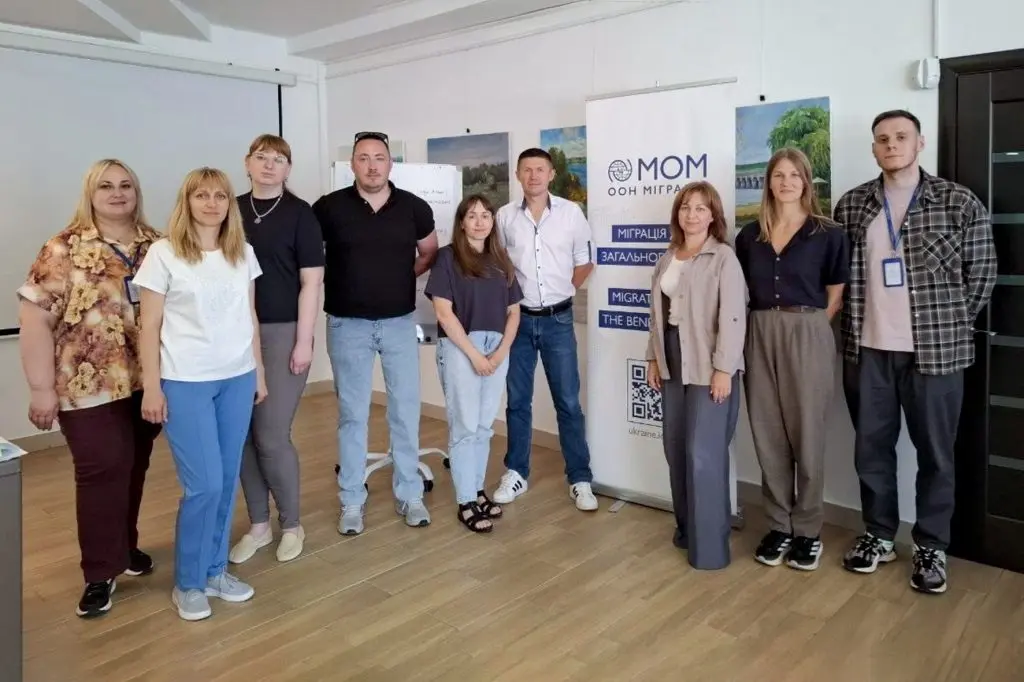
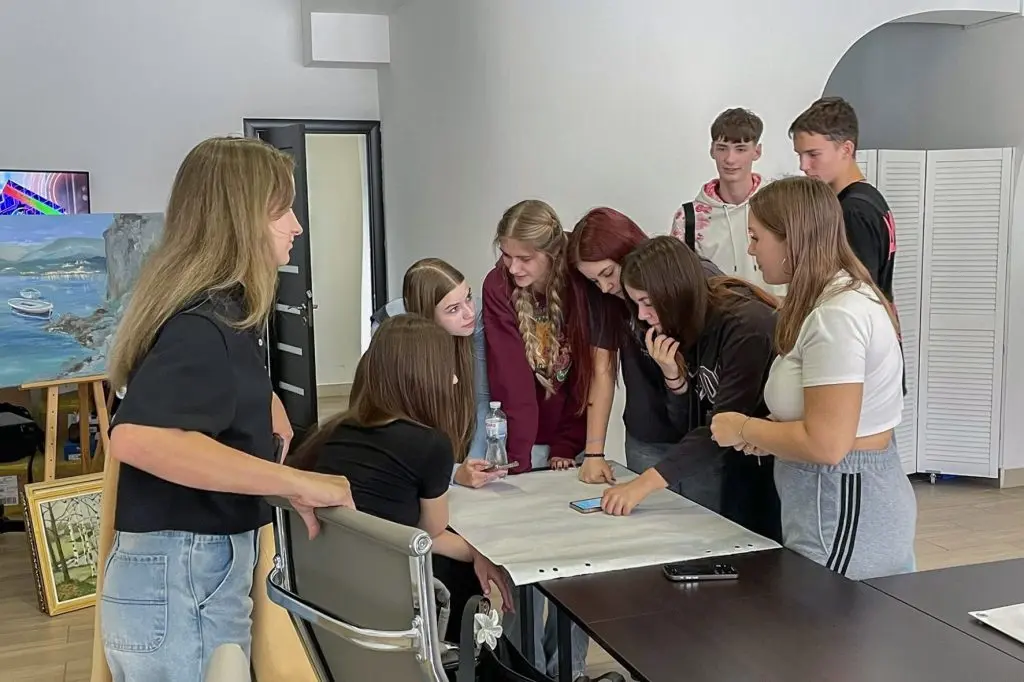
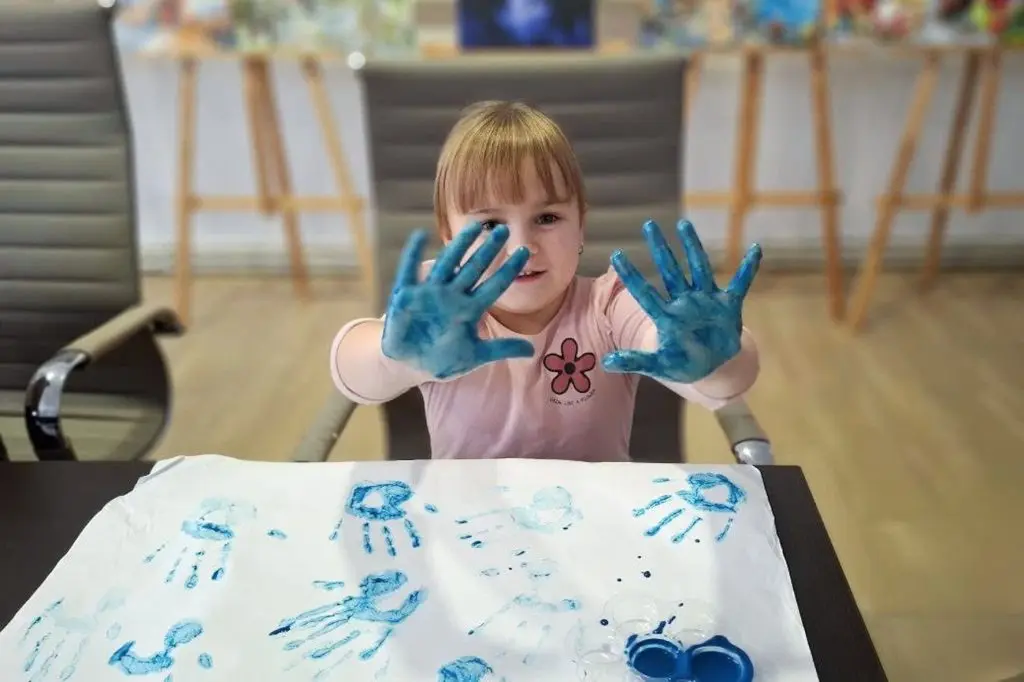
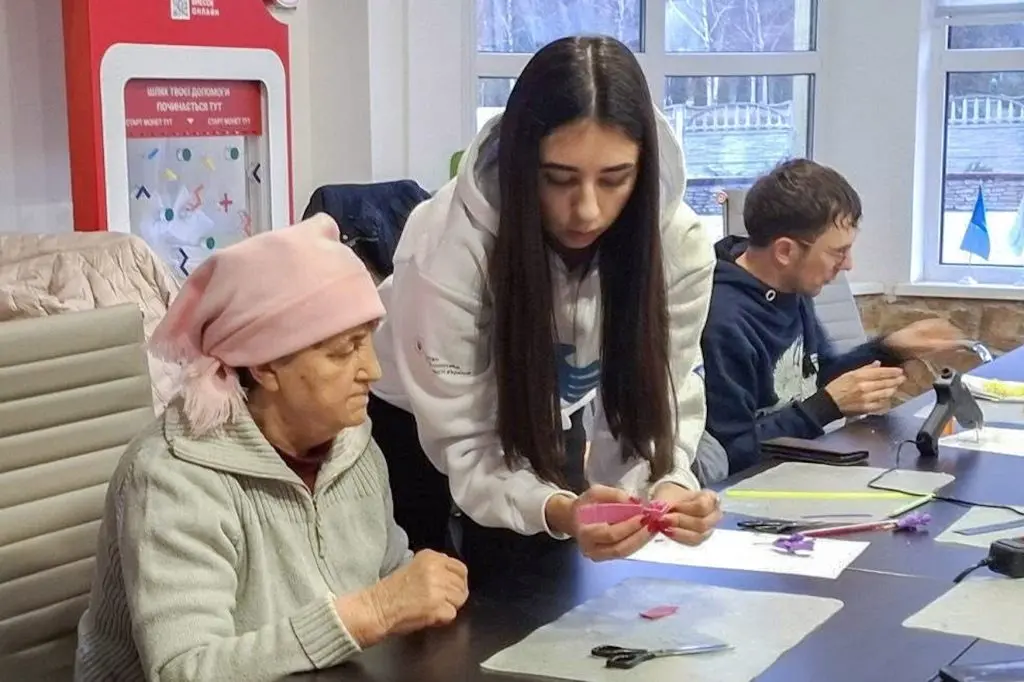
Today the organisation works in five areas, including support for veterans and their families, integration of internally displaced Ukrainians, youth policy and leadership development, psychosocial support for various target groups, as well as education, non-formal learning and organisational development.
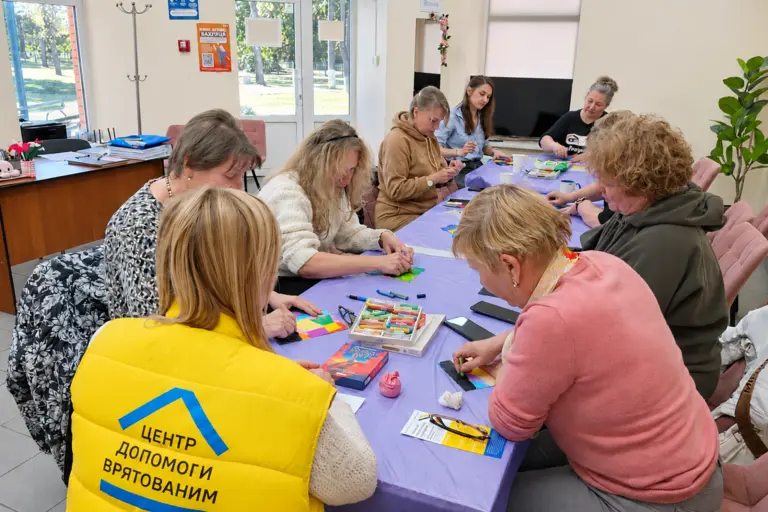
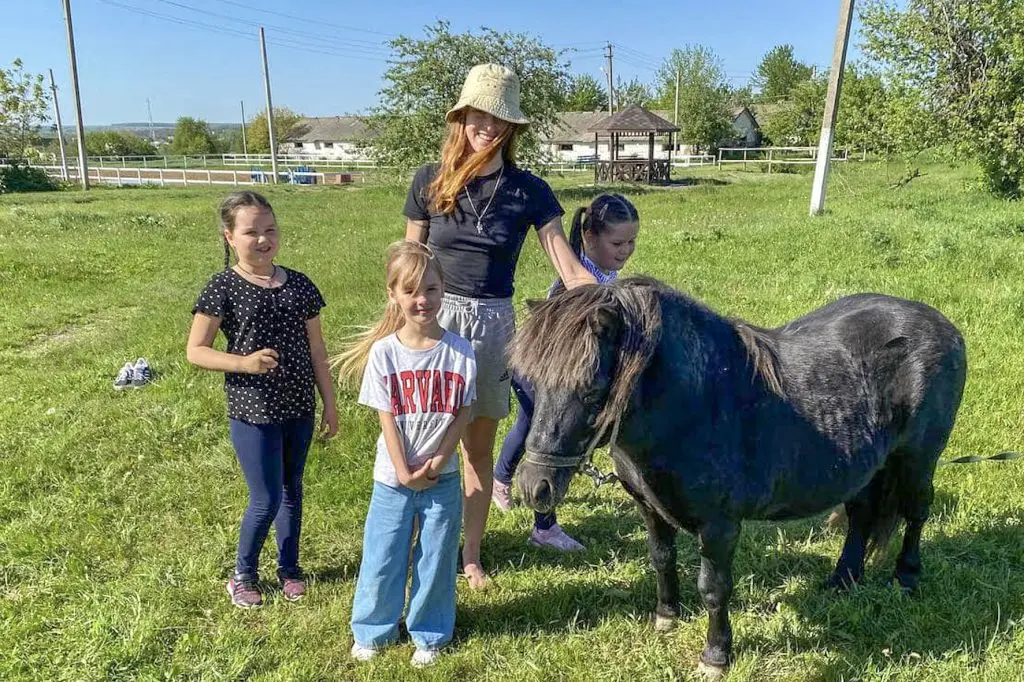
“Since 2024, our key project has been the reintegration of veterans in the Ladyzhyn community. With donor support, we were able to purchase rehabilitation equipment for the city hospital. We also created a veteran space. The initial impulse came from requests from veterans themselves and their families because of the lack of accessible physical rehabilitation and a safe environment for communication, recovery and returning to active community life. In response, in addition to purchasing equipment, we involved people in regular psychosocial, sports and educational activities at the veteran space. Among other things, we managed to launch hippotherapy for veterans and their families. We also developed a guide for veterans of the Ladyzhyn community,” the head of the NGO continues, adding that this has helped the town not only reduce veterans’ social isolation but also strengthen trust between the defenders, the community and local institutions.
It is this trust and the ability to turn residents’ requests into sustainable solutions that Open Space for Community Development considers its greatest achievement. The organisation has grown from an initiative group into a professional team that not only responds to challenges but also shapes systemic approaches to supporting veterans, internally displaced Ukrainians and young people.
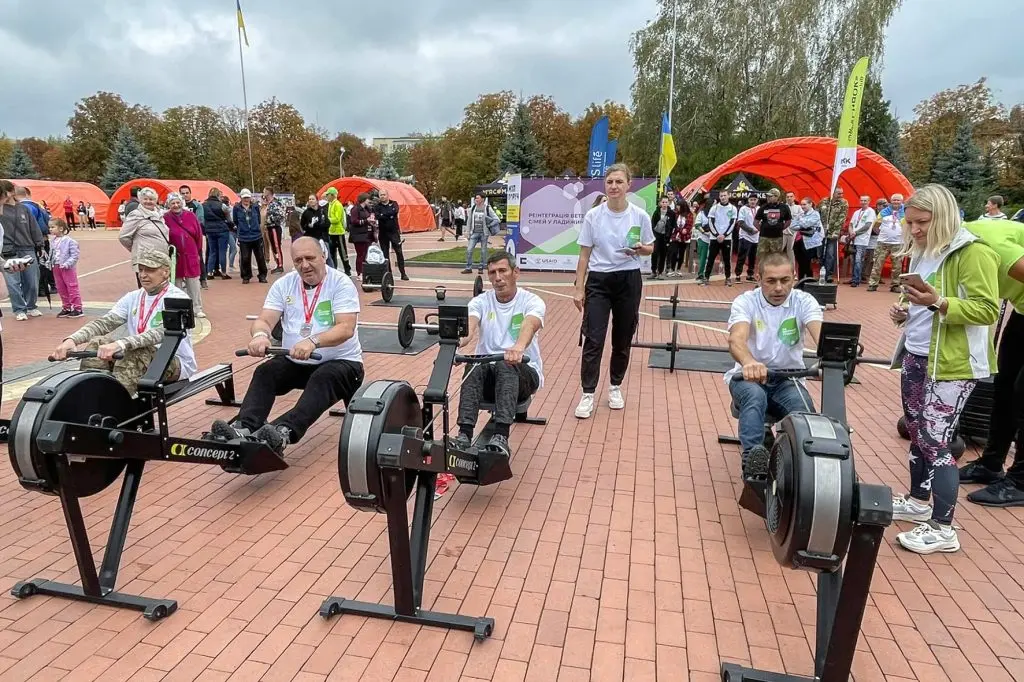
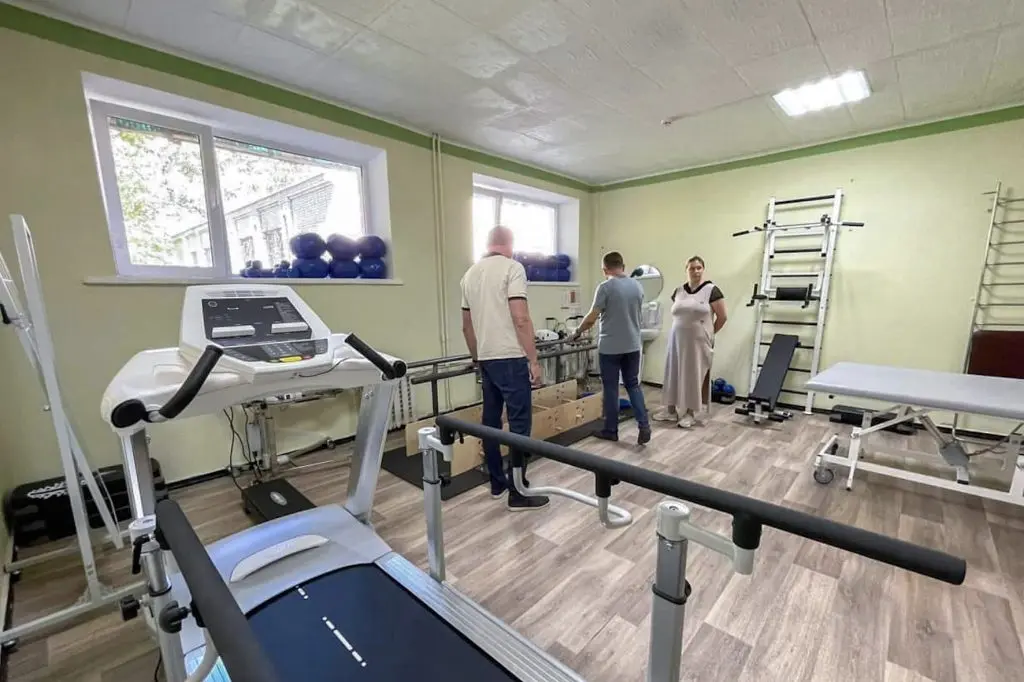
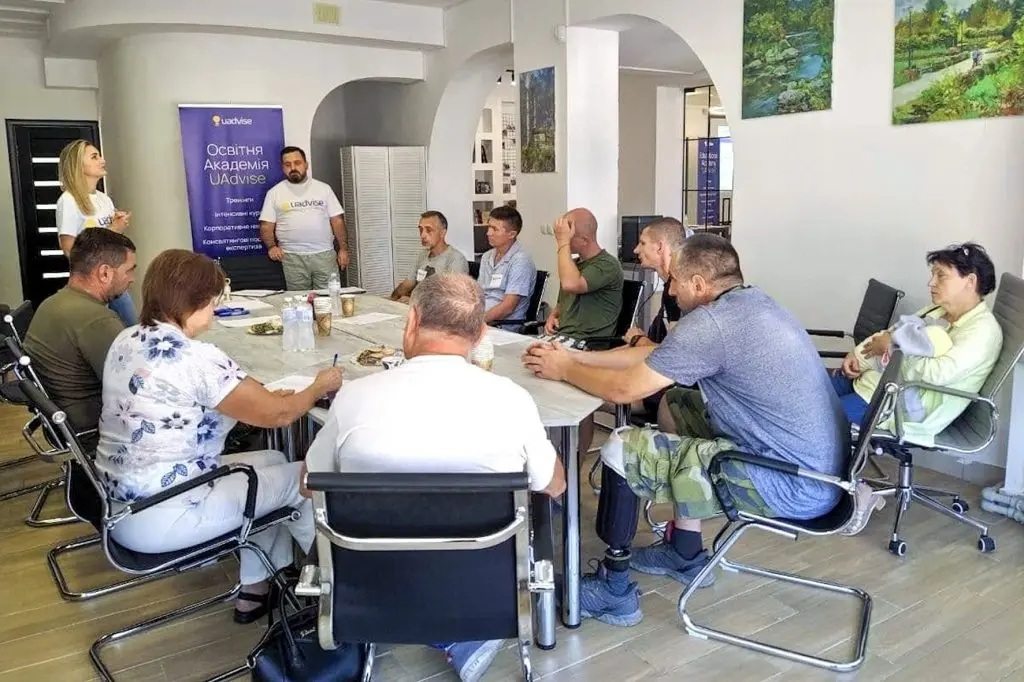
“When we support veterans, we first of all support people who carry unique experience, leadership qualities and civic responsibility. Society should not ‘thank’ veterans silently. Real gratitude means accessible healthcare, clear legal advice, inclusive spaces and no barriers to employment. This is everyone’s business. The war changes not only those who were at the front but the whole architecture of our lives. We are all part of one ecosystem. If one part of this system is exhausted or abandoned, the whole organism suffers. That is why supporting veteran organisations is a way to build a country where human value is the highest priority,” stresses Olena Fadiievska.
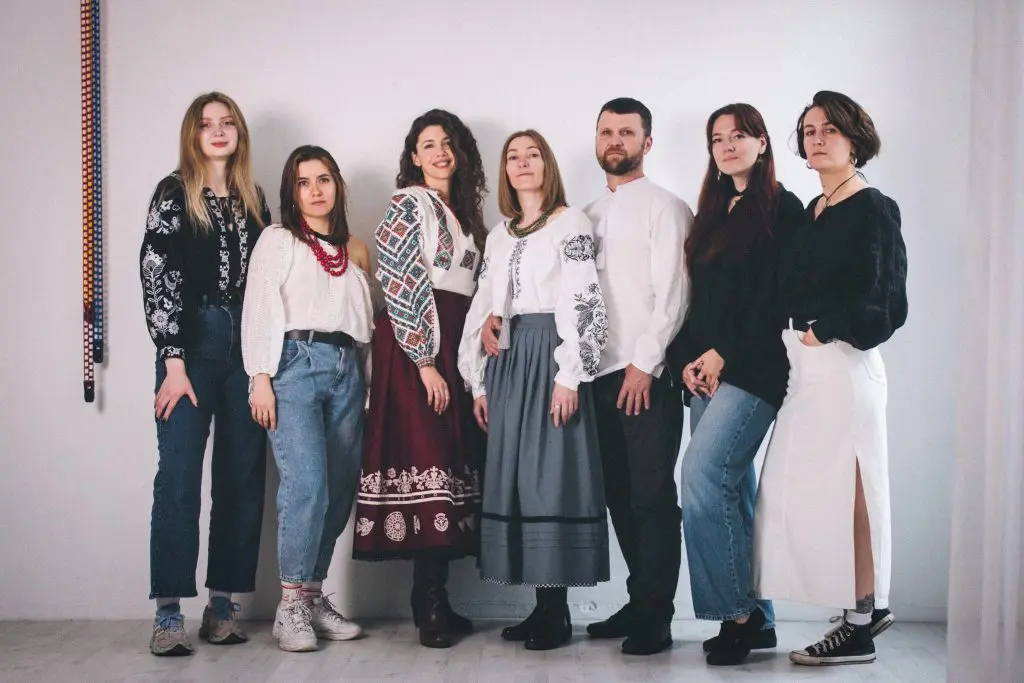
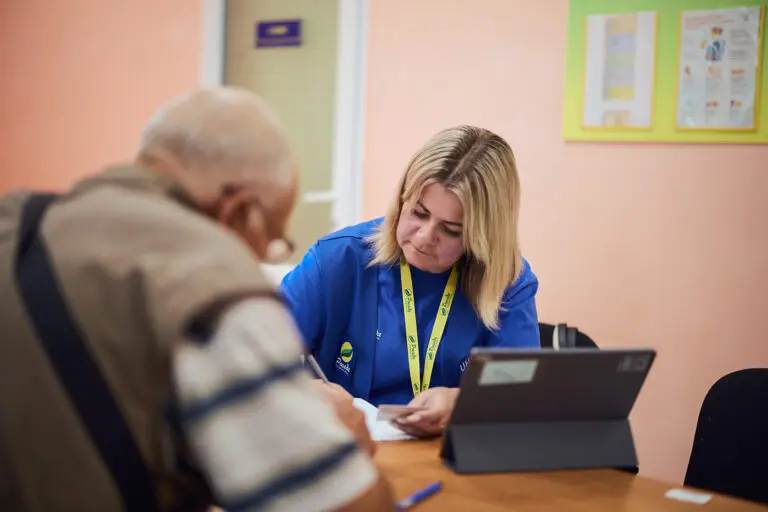
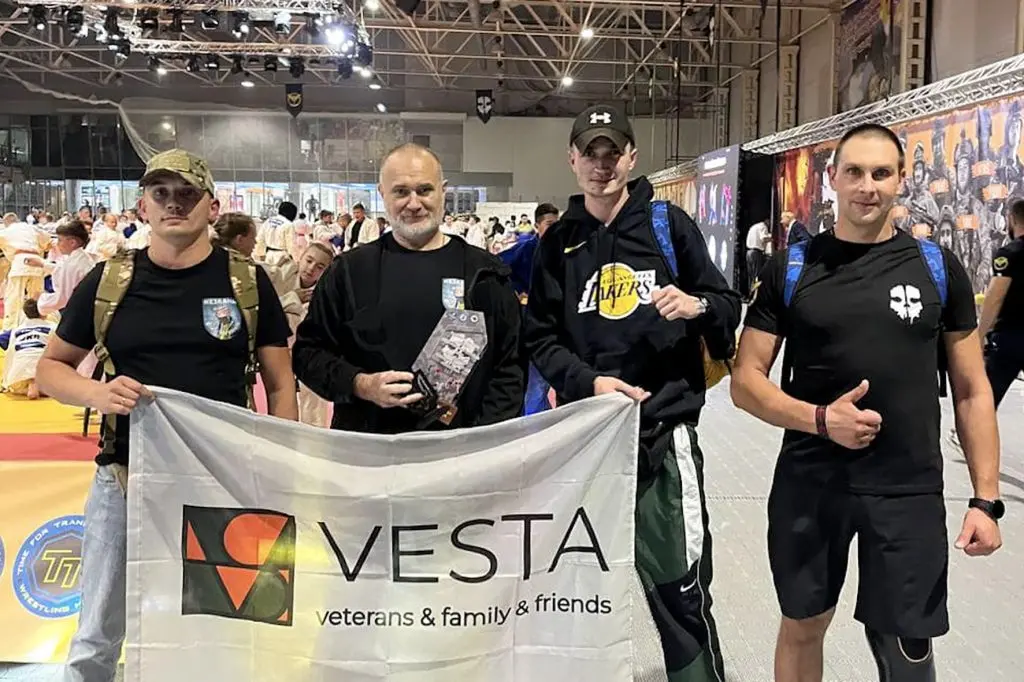
The Vesta Volunteer Association Charitable Foundation works in Vinnytsia, Kyiv and Cherkasy regions. Supporting veterans and preparing society and the state for the defenders’ return to civilian life is the organisation’s main mission. The Vesta team provides charitable aid and psychological and legal support, holds lectures and trainings on respectful communication with veterans for businesses, civic associations and anyone interested, and sends its own mobile teams to communities to help defenders access social services.
Bohdana Levytska,
Head of the Charitable Foundation
“Vesta Volunteer Association”, Kyiv
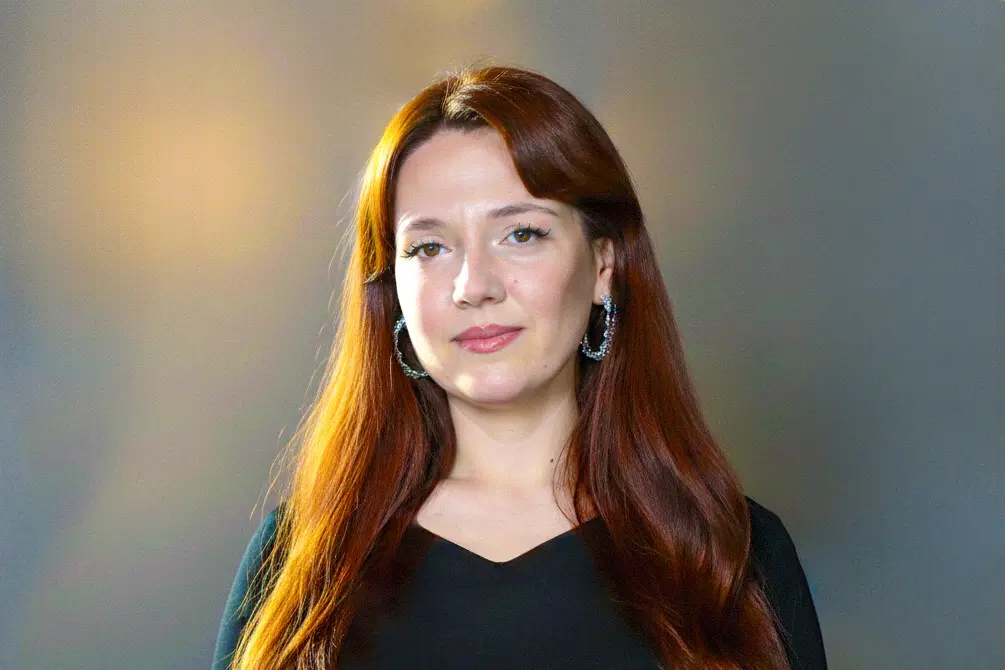
“The organisation started its work at the beginning of 2015; back then we provided targeted humanitarian aid to defenders and their families. But with the start of the full-scale invasion, there were more and more requests, and many veterans needed legal support in particular, so we focused on these issues. In October 2023, psychological support was added to our services. Today we also have a pool of social workers, analysts, managers, communications specialists and other professionals. In 2022, the Vesta team had up to ten people; today there are more than fifty, and we work in three regions – Vinnytsia, Kyiv and Cherkasy,” says the head of the foundation, Bohdana Levytska.
In addition to working with veterans on site, the Vesta team has formed mobile groups.
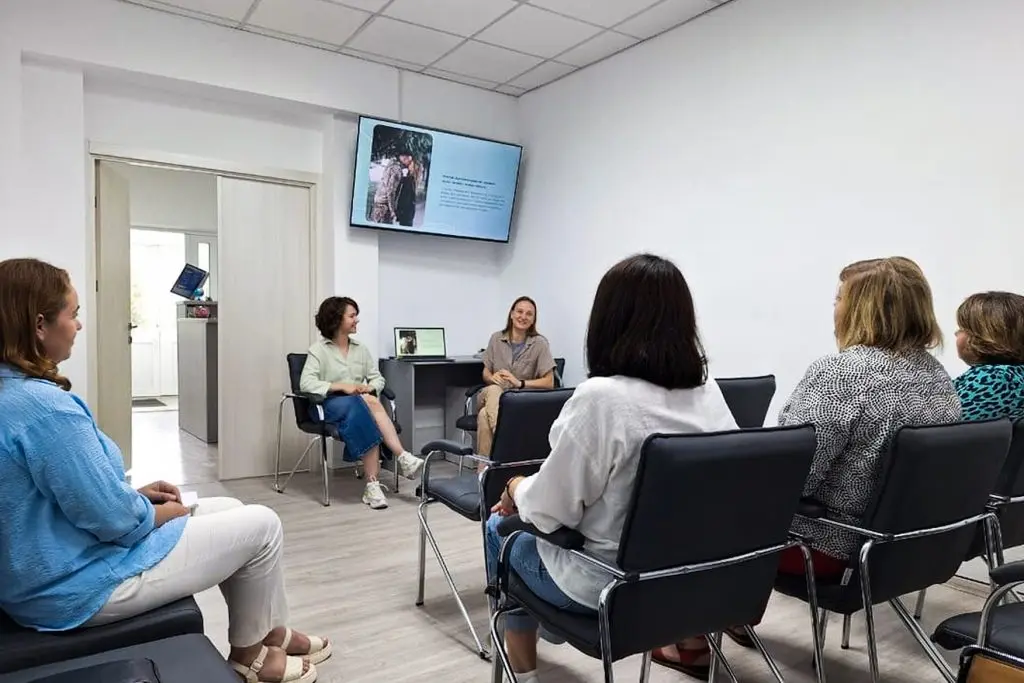
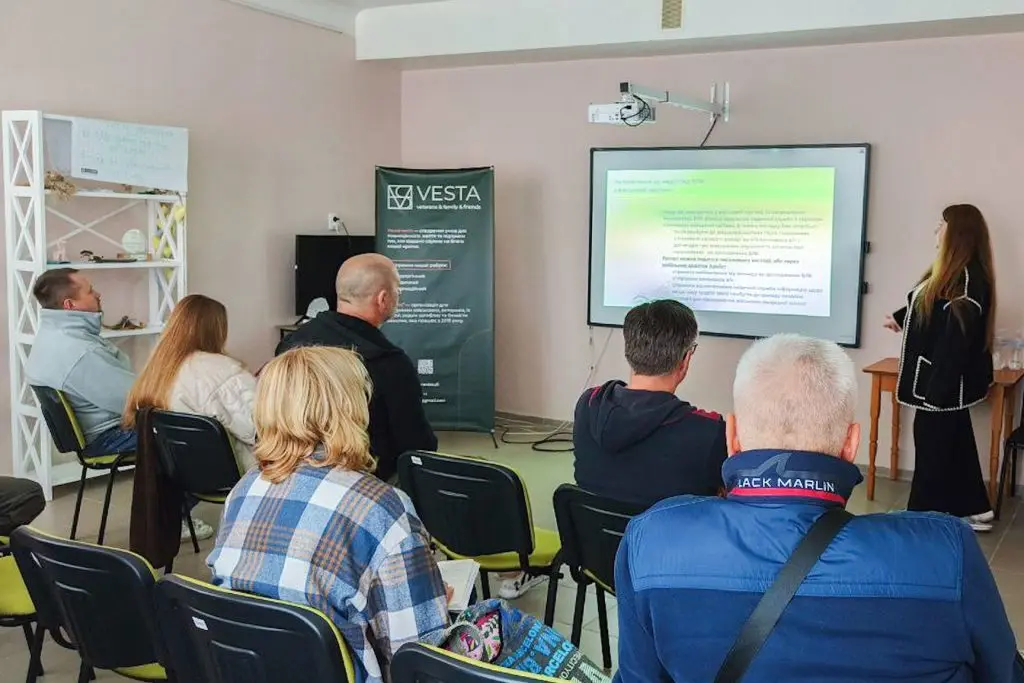
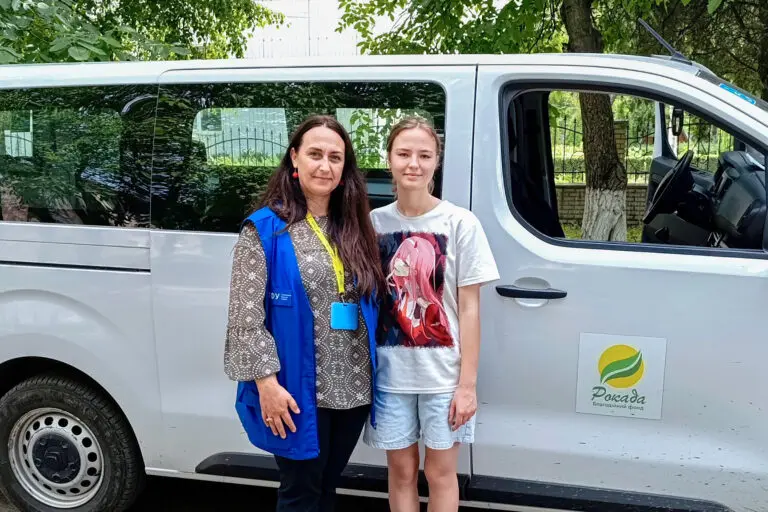
“Launching such an initiative required considerable effort and resources. At first we planned to create three teams at once, in Kyiv, Vinnytsia and Cherkasy regions. But because of limited resources, we had to start gradually. The first mobile team began working in Kyiv region, and later in Vinnytsia and Cherkasy regions. This was possible with the support of partners, for which we are very grateful. Our mobile teams consist of a lawyer, a psychologist and a social worker. They go directly to veterans or organise meetings at local venues so that everyone who needs help can get it. In communities, we also hold lectures and trainings both for veterans and their families and for the communities themselves, teaching them how to interact properly with defenders,” the head of Vesta continues, stressing that the main idea of the mobile teams is to ensure barrier-free access to services, especially in communities without veteran spaces.
In April the year before last, Vesta, together with four other civic organisations, founded a coalition to build a movement promoting psychological support for veterans and their family members, and to strengthen cooperation between the civil society and public sectors in order to turn the organisations’ expertise into effective solutions when national or local programmes are being developed.
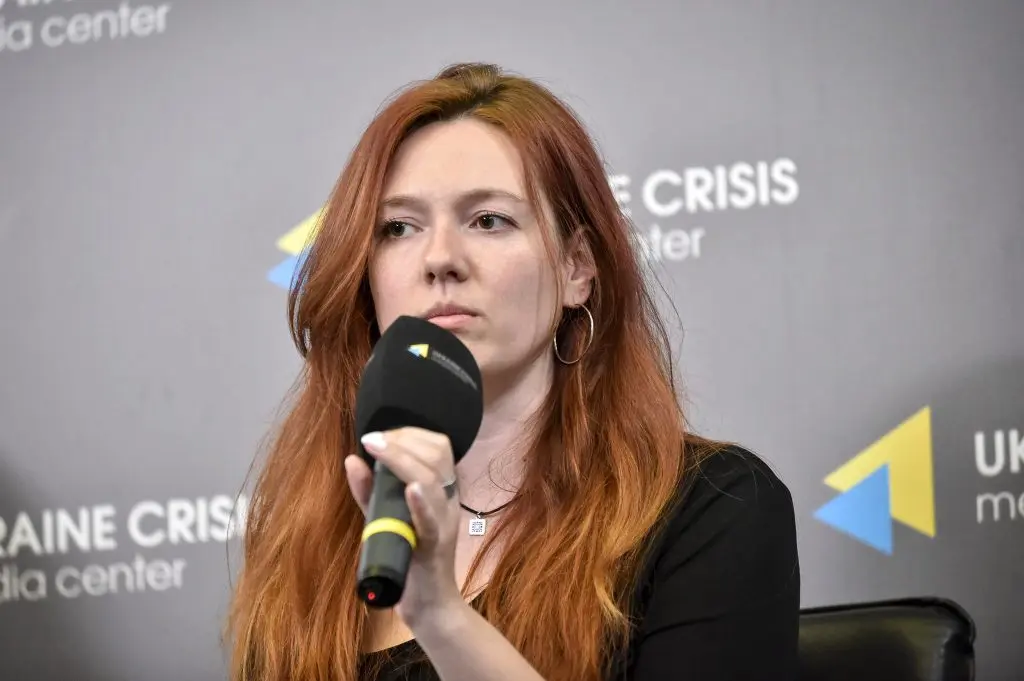
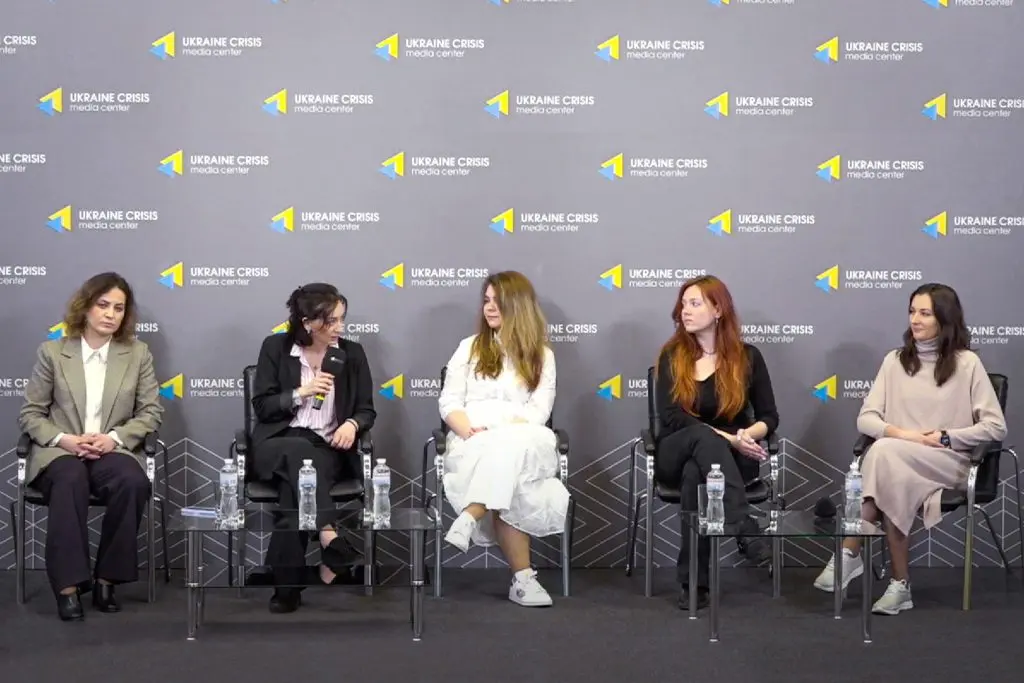
“In general, we actively cooperate with many pro-veteran organisations. This is not only about uniting for systemic global change but also about very everyday responses to veterans’ requests – if necessary, we can refer requests or work on a problem together. The main thing is to solve the request of a veteran or their family as quickly and effectively as possible. We also support each other with information,” shares Bohdana Levytska.
At the same time, the head of the veteran association is convinced that support for organisations helping defenders should come not only from each other but from society as a whole.
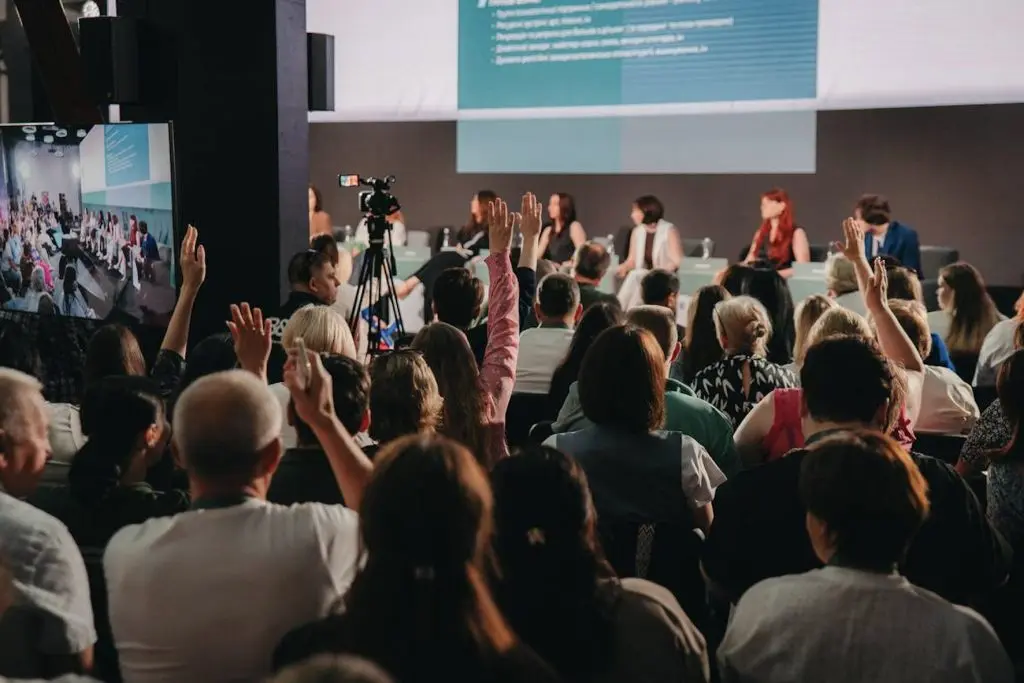
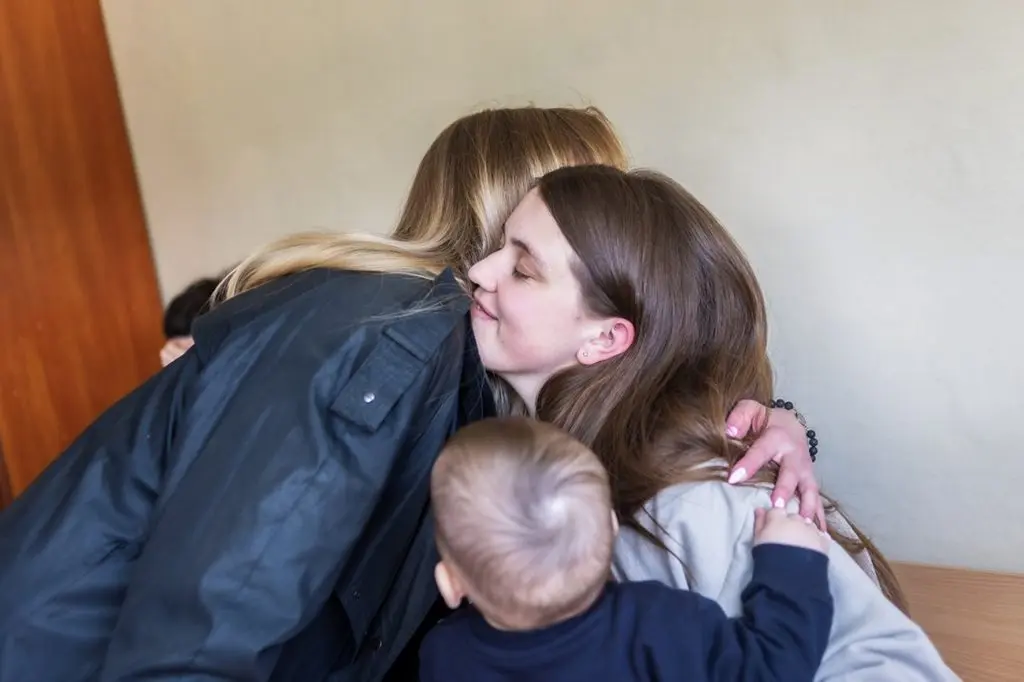
“It is about responsibility for those who took on the risk and paid the price for our security. The war does not end at the moment of returning from the front; its consequences affect not individual families but the whole country. When veterans are left without help, society faces delayed crises – psychological, social, economic. Organisations working with veterans prevent these consequences: they help people return to life, work, their families and communities, easing the burden on the state and laying the foundation for long-term stability. Ultimately, it is a question of justice and trust. Those who defended the country should not be left alone after returning. So how we support veterans today determines not only their future but also the quality and integrity of society as a whole,” she stresses.
Both organisations – Open Space for Community Development and the Vesta Volunteer Association – continue working towards their goals. New knowledge and mentoring support gained within the joint project of Rokada and IOM help strengthen their capacity.
The project has also given the organisations additional resources to develop and improve the quality of services for veterans and their families. Open Space for Community Development is working on creating a veteran centre. Renovation works have already been carried out in the premises, and the necessary furniture has been purchased for the future hub. Vesta was able to engage psychologists to work with veterans and their families, as well as equipment for providing these services.
This material was prepared within the project “Social Cohesion and Reintegration of Veterans in Ukraine”, implemented in cooperation with the International Organization for Migration and funded by the European Union.