
What’s new at Survivors Relief Centers this summer: “More and more people are ready to talk about what they’ve been through”
Throughout June and July, the Survivors Relief Centers in Sumy, Kharkiv, and Poltava did not stop their operations for a single day. Multidisciplinary teams were approached by war-affected individuals: internally displaced persons (IDPs), male and female veterans and their families, released prisoners of war, and families searching for missing relatives. The specialists also handled particularly complex cases involving individuals who had experienced gender-based violence or conflict-related sexual violence (CRSV).
Psychologists, lawyers, and social workers helped every individual address their specific needs –ranging from emotional stabilization after shelling to document recovery or referral to specialized services. On June 19, the International Day for the Elimination of Sexual Violence in Conflict, all three Centers were united by a single theme: the right of survivors to be heard without judgment. Read on for more details about these and other activities.
The Survivors Relief Center in Poltava provided 521 social, psychological, legal, and case management consultations over nearly two months, while hosting 11 group events in the community.
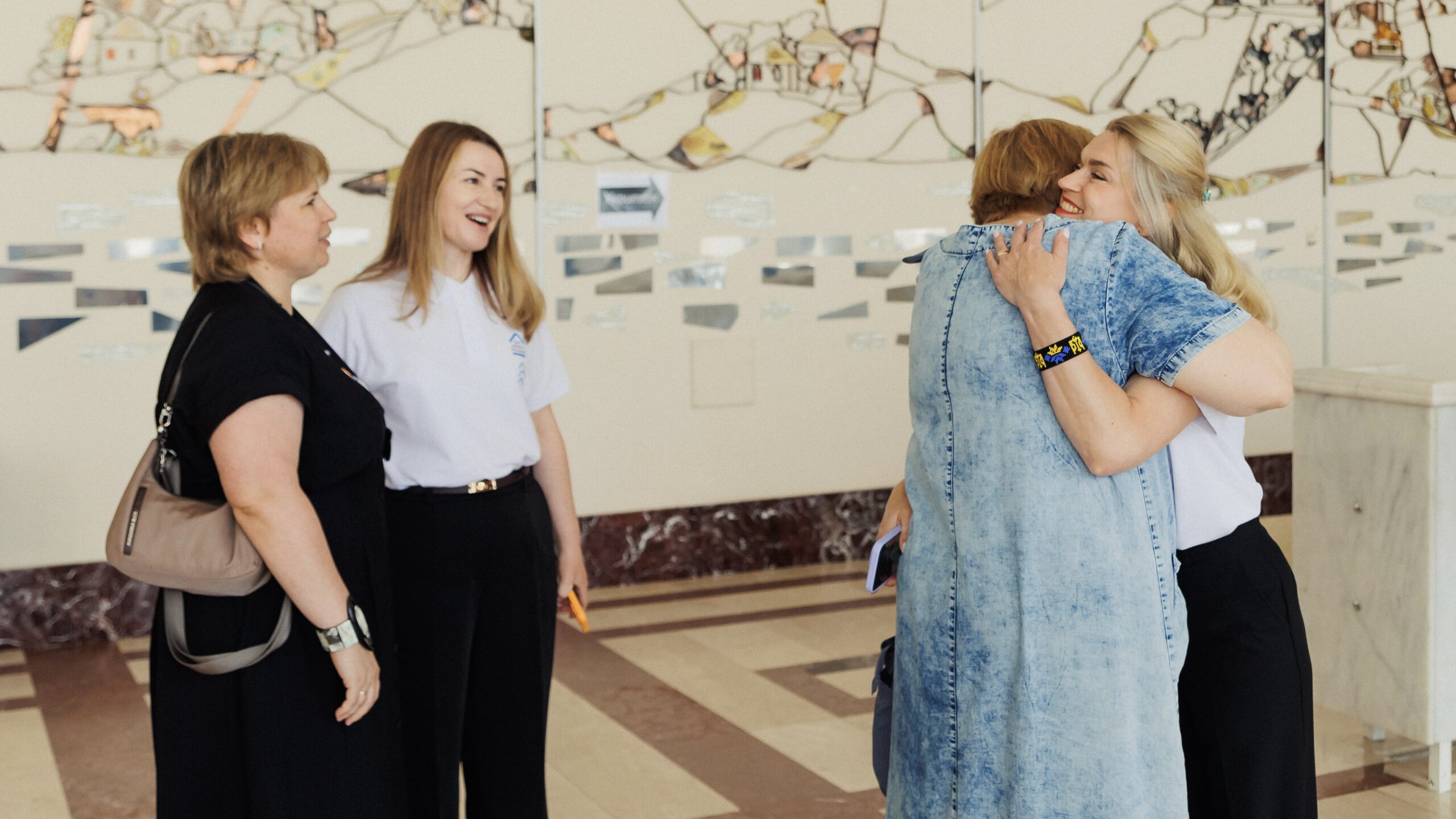
The main requests during individual meetings concerned adaptation after forced displacement, experiencing loss, emotional exhaustion, difficulties in family relationships, and support for survivors of gender-based violence. Separately, child psychologists worked with children who are forced to overcome the consequences of war. As part of social case management, the team assisted visitors with employment, arranged health and wellness activities for children, and referred individuals to partner organizations for humanitarian and other forms of support.
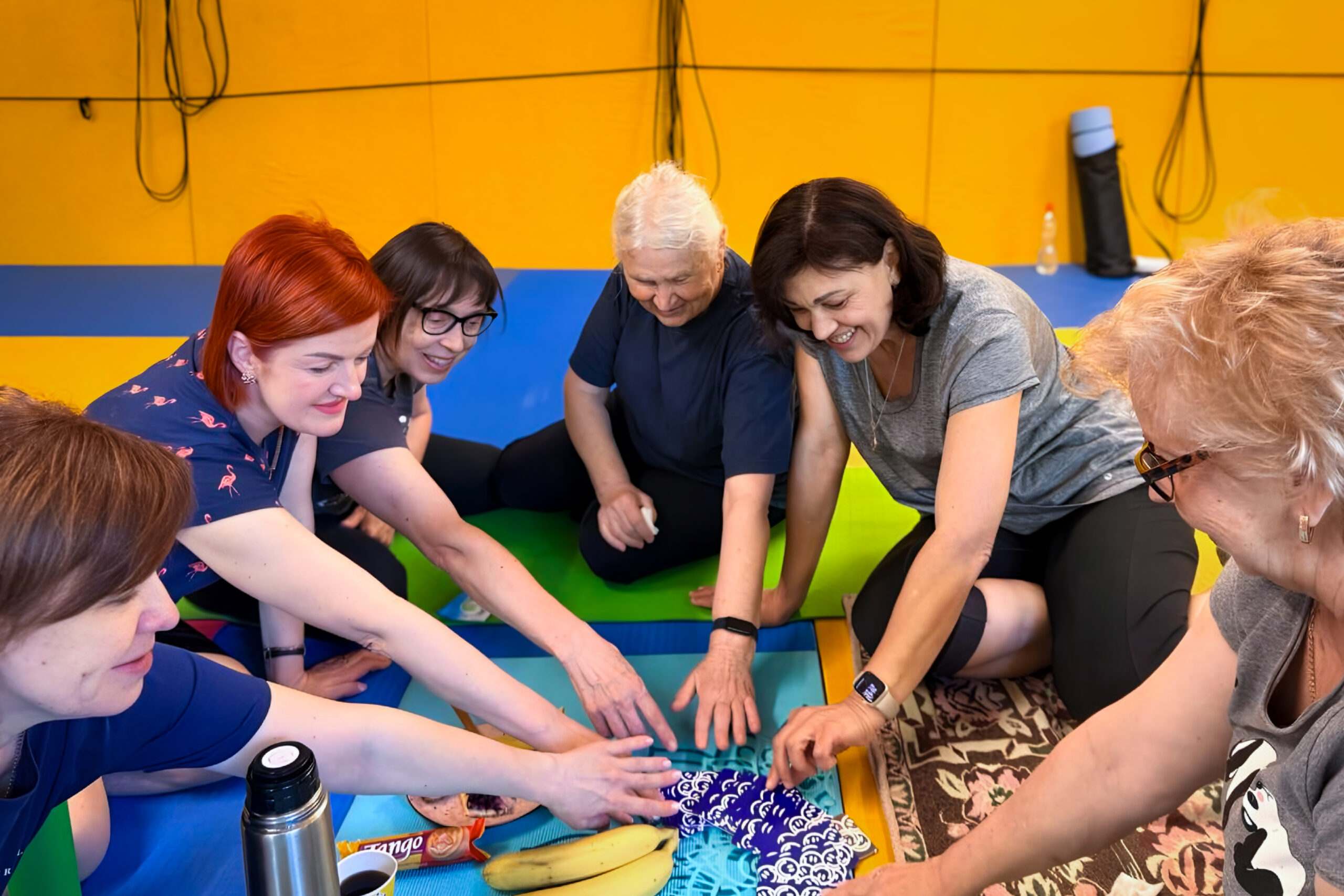
In the summer, sessions with elements of body-oriented therapy and meditation became the key event format. After all, after experiencing traumatic events, people often lose a sense of contact with themselves: the body may seem foreign, dangerous, or constantly under tension.
Internally displaced residents joined the classes, particularly from Donetsk and Luhansk regions, among whom were also survivors of conflict-related sexual violence (CRSV), as well as the local community.
In a safe and confidential space, male and female participants mastered gentle exercises for body awareness, breathing, movement, and relaxation, which help the nervous system gradually emerge from a state of constant alertness to danger. Body therapy does not require special physical training, while meditations complement the process, developing the skills of presence “here and now” and internal support. Based on the results of the sessions, people noted a decrease in anxiety and tension, a sense of calm and internal stability.
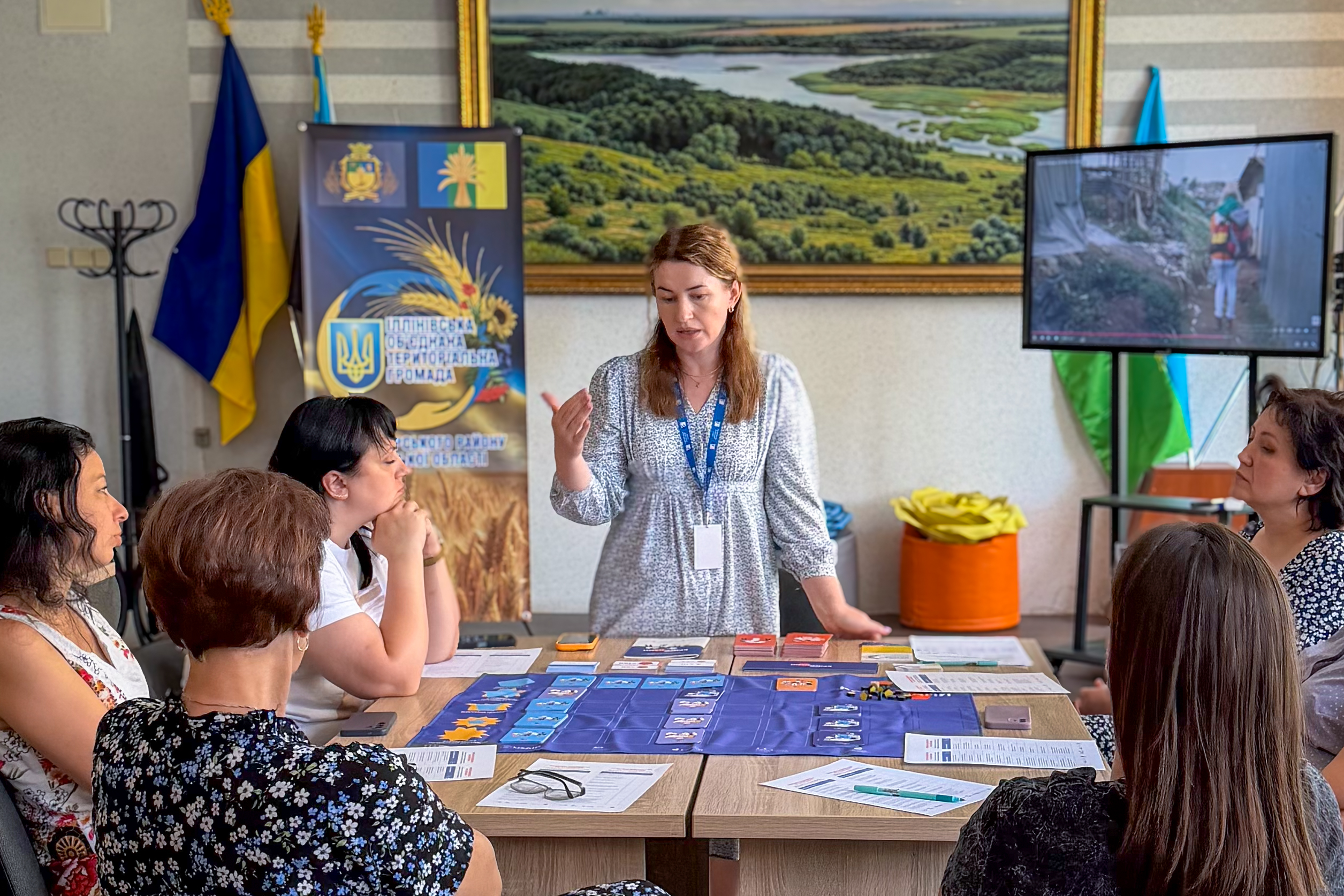
The team spoke with the community about violence prevention through interactive activities. Participants of the “Icebreakers” board game figured out what social norms that prevent domestic and gender-based violence should be like: they discussed gender equality, perpetrator accountability, survivor support, and the role of the community in shaping a culture of non-violence. In the practical part, they developed their own social initiatives — from identifying current problems to planning specific steps.
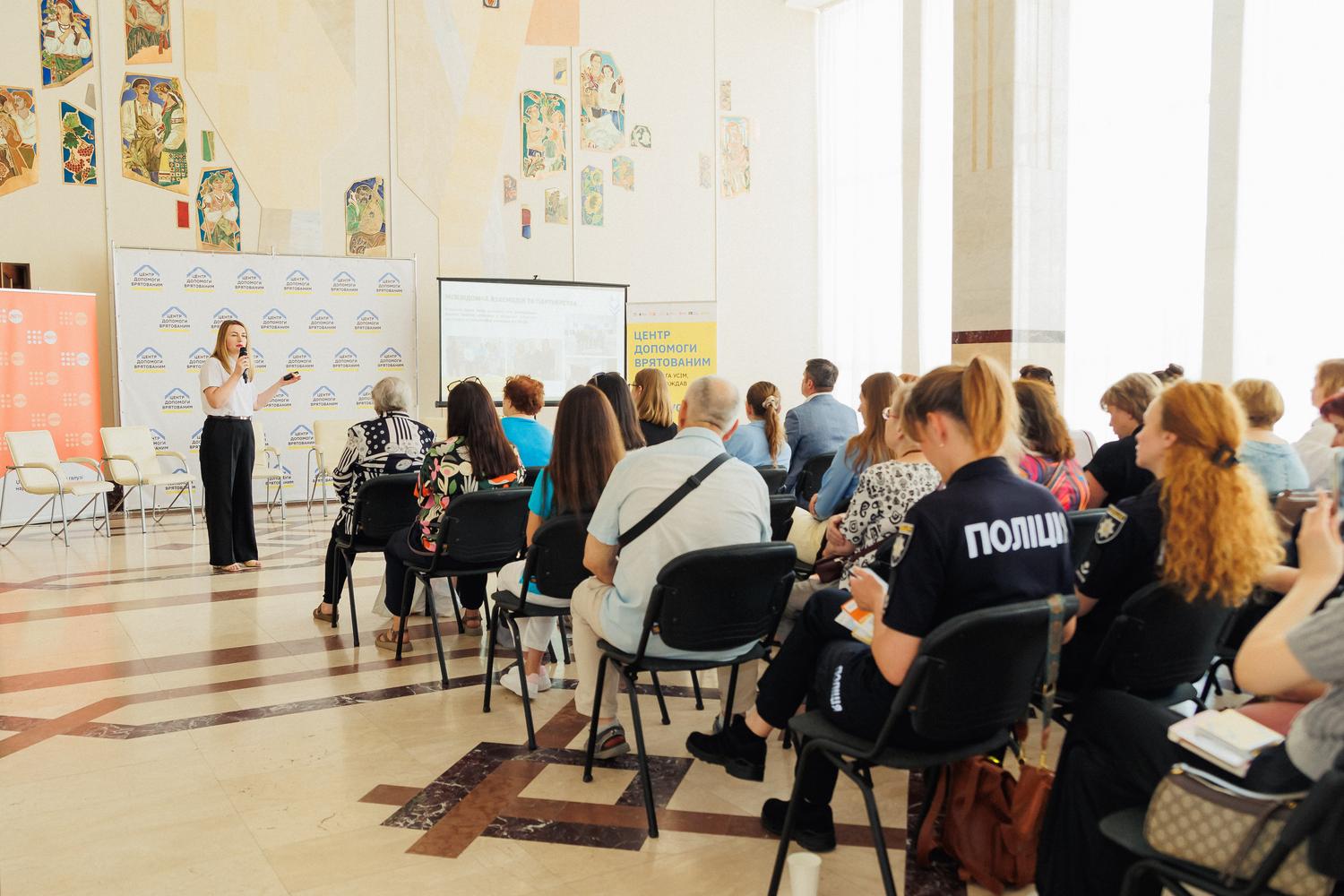
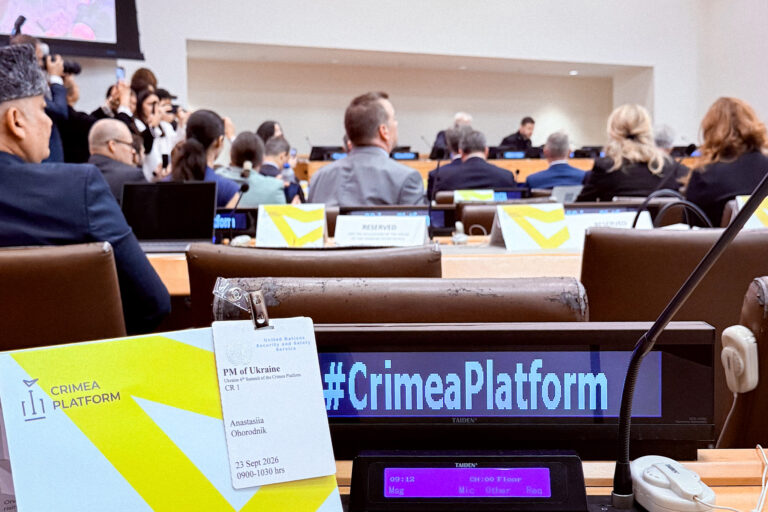
On June 19, the International Day for the Elimination of Sexual Violence in Conflict, an interagency panel discussion titled “United for Support” took place. This date is one of the most significant for the Centers, as the service itself was primarily designed to assist survivors of conflict-related sexual violence (CRSV).
The event brought together male and female representatives of state authorities, law enforcement agencies, the free legal aid system, non-governmental organizations, and relocated communities from the Donetsk and Luhansk regions. The theme of the meeting was the coordination of actions and strengthening of cooperation in responding to CRSV. The personal stories of women provided particular value to the discussion. They survived occupation, civilian captivity, and waiting for their loved ones to return from confinement. These testimonies served as a reminder: support for survivors must be comprehensive, sensitive, and human-centered.
Such an approach is particularly needed for people returning from captivity. For instance, a man approached the Center who, after his release, was faced with a severe oncological disease and is currently undergoing treatment. His family, forced to relocate due to the war, also requires support.
The man was referred for psychological and physical rehabilitation, informed about avenues of charitable assistance, and provided with legal support, including submitting claims under several categories to the International Register of Damage Caused by the Aggression of the Russian Federation against Ukraine. The team continues to support the family, helping them access necessary services and find additional opportunities for recovery.
“This period was remembered by us primarily for the high level of trust from those who sought help. We saw that more and more people are ready to openly talk about their own experiences and use the Center’s comprehensive services. Especially valuable were the events that not only contributed to the psycho-emotional recovery of male and female participants, but also strengthened interaction between specialists from different fields. This once again confirmed how important a comprehensive approach and interagency cooperation are for providing quality support to people affected by the war,” says coordinator of the Survivors Relief Center in Poltava Nataliia Deryabina.
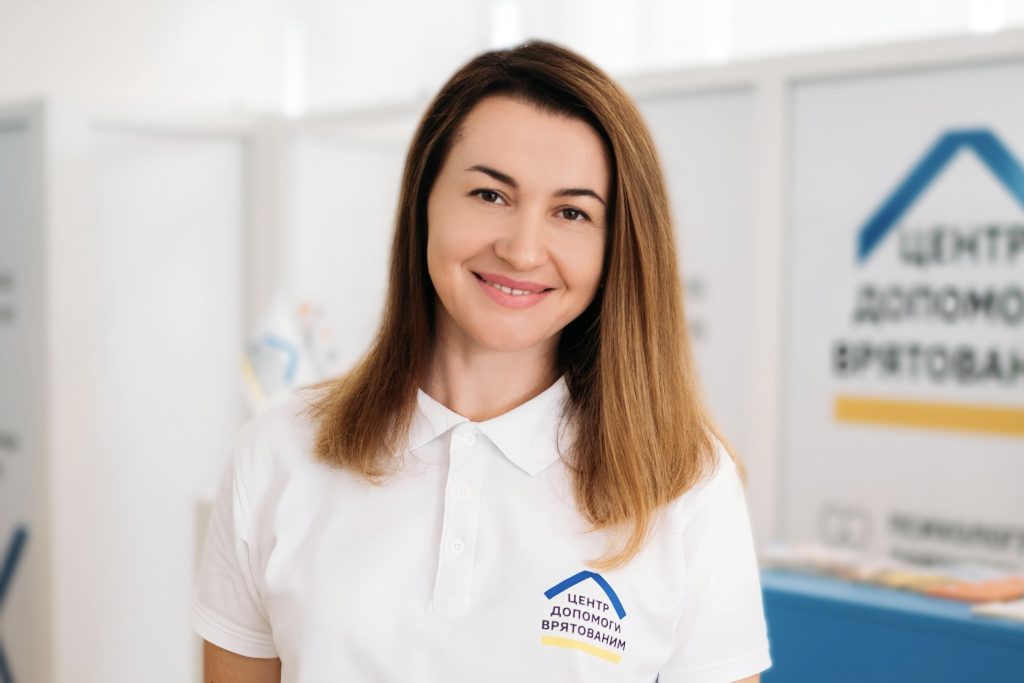
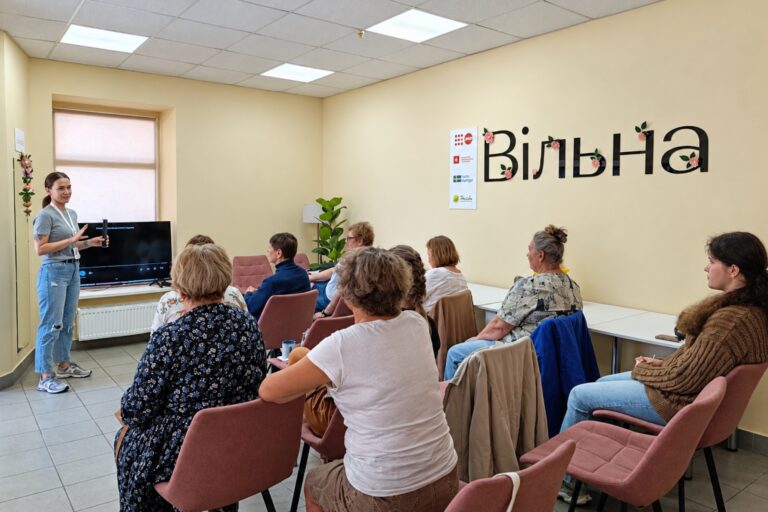
Over the course of two months, specialists from the Survivors Relief Center in Kharkiv provided 360 consultations. These included meetings with female psychologists, a female lawyer, and female case managers. Group event formats included masterclasses, therapeutic groups, lectures, and training sessions.
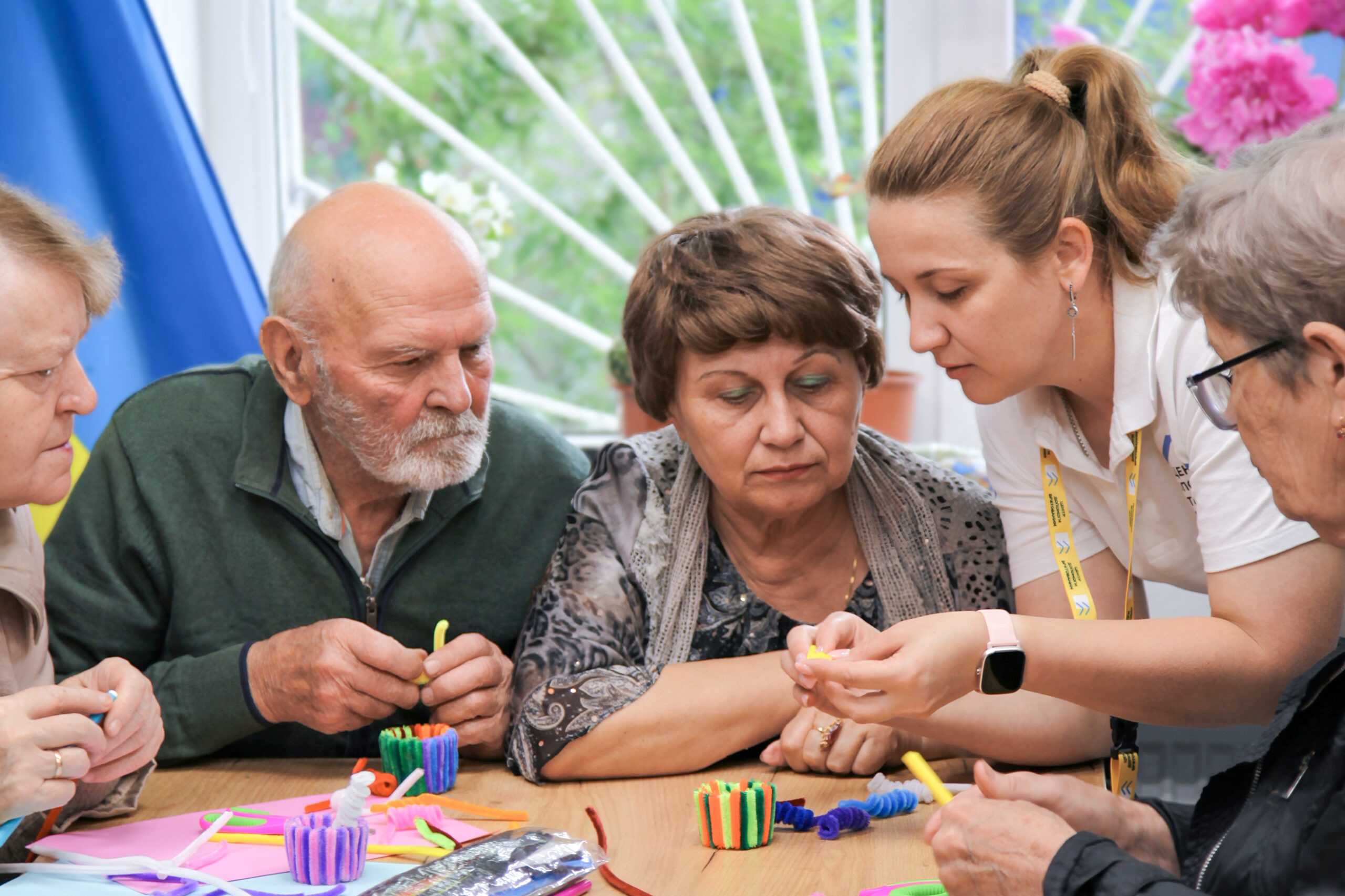
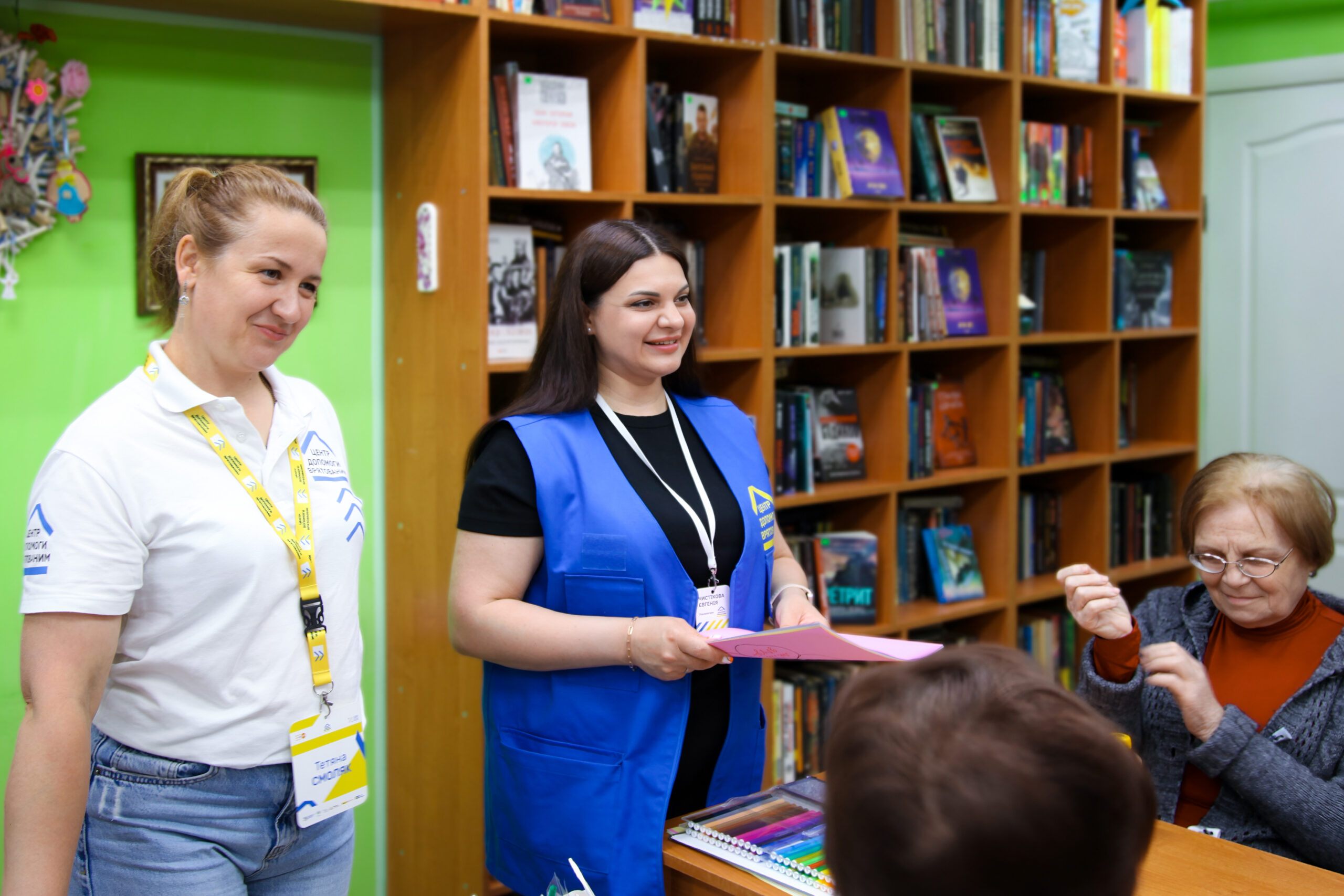
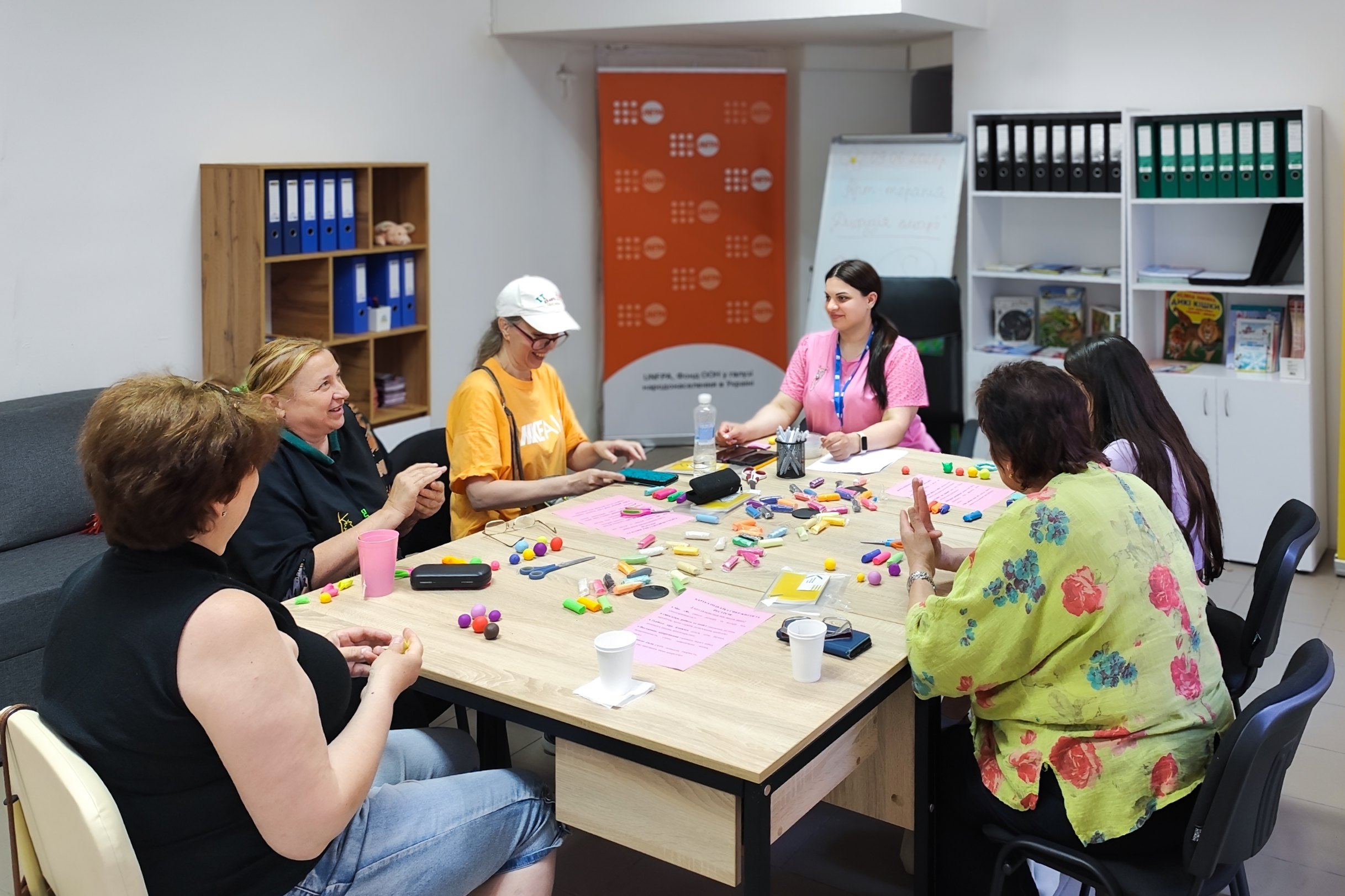
Most often, people sought psychological support following traumatic events, legal consultations regarding document recovery, registration for social benefits and compensation for damaged housing, as well as social case management, humanitarian aid, and financial assistance. The female specialists paid particular attention to those visitors who had survived occupation, forced displacement, unlawful deprivation of liberty, the loss of loved ones and housing, as well as gender-based violence and CRSV.
Psychological support in Kharkiv was often accompanied by a creative process. Art therapy sessions enabled people to express through images what can be difficult to put into words. The team dedicated specific training sessions to family members of fallen service members — focusing on integrating loss, developing psychological resilience, and emotional self-regulation skills.
Educational events within communities remain a key focus of operations. The Center conducted a mine safety lecture for visitors and staff, alongside outreach information sessions across the Kharkiv region concerning the Center’s work and opportunities to receive free psychological, legal, and social assistance. Furthermore, the team actively participated in professional forums, coordination meetings, and workshops dedicated to human rights protection, countering violence, and victim-centered approaches to documenting war crimes.
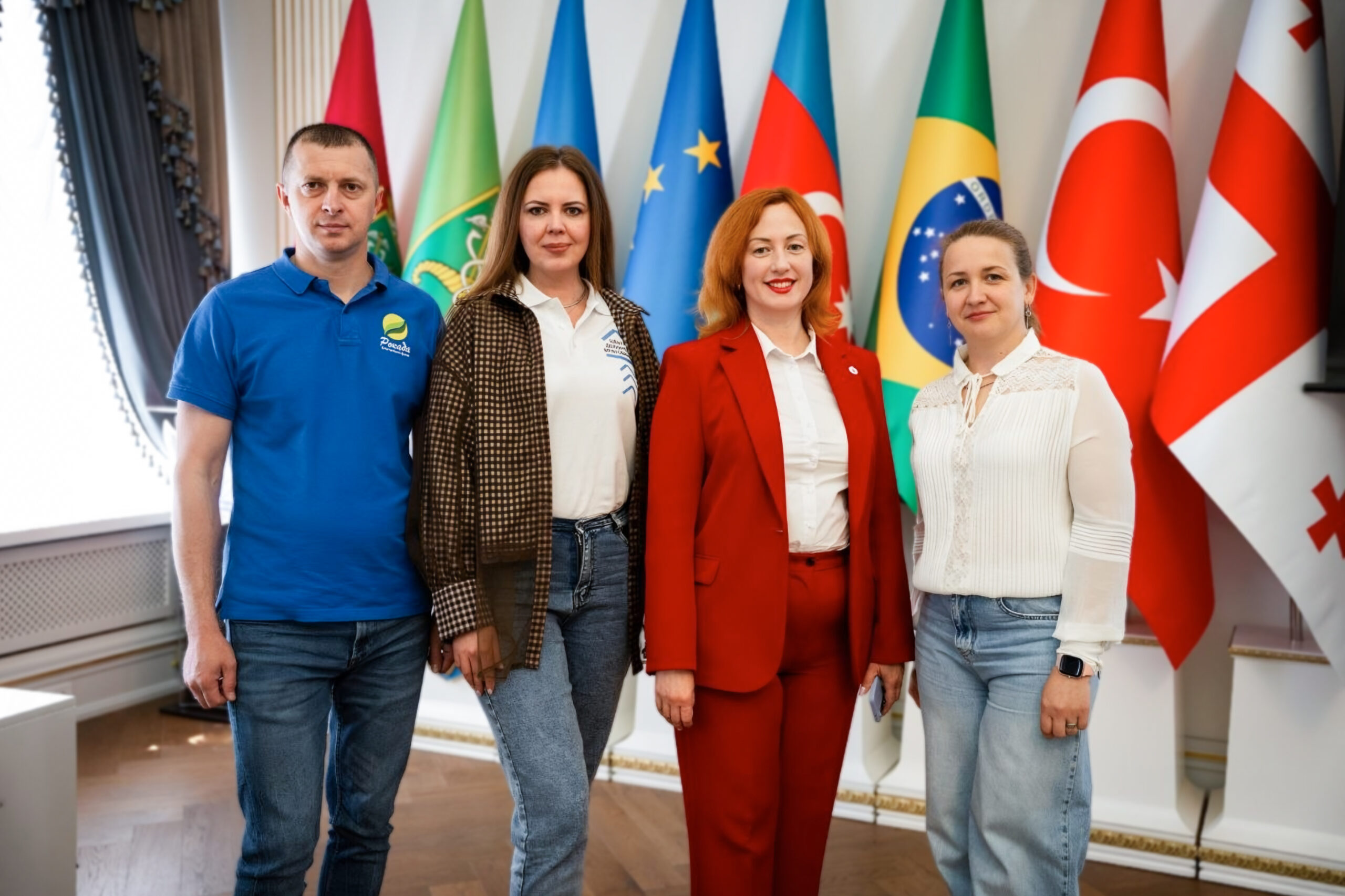
To mark the International Day for the Elimination of Sexual Violence in Conflict, the Kharkiv team organized an interagency roundtable meeting that strengthened cooperation between state authorities, law enforcement structures, international agencies, and non-governmental organizations.
“We focused on supporting people who have survived severe traumatic events. At the same time, the participation of our female specialists in professional forums, roundtables, and workshops allows us to implement modern victim-centered approaches and improve the quality of aid. We are convinced that effective support is possible only through a combination of the team’s professional work, partner cooperation, and an individual approach to every person who approaches the Center,” says coordinator of the Survivors Relief Center in Kharkiv Olena Kyrychuk.
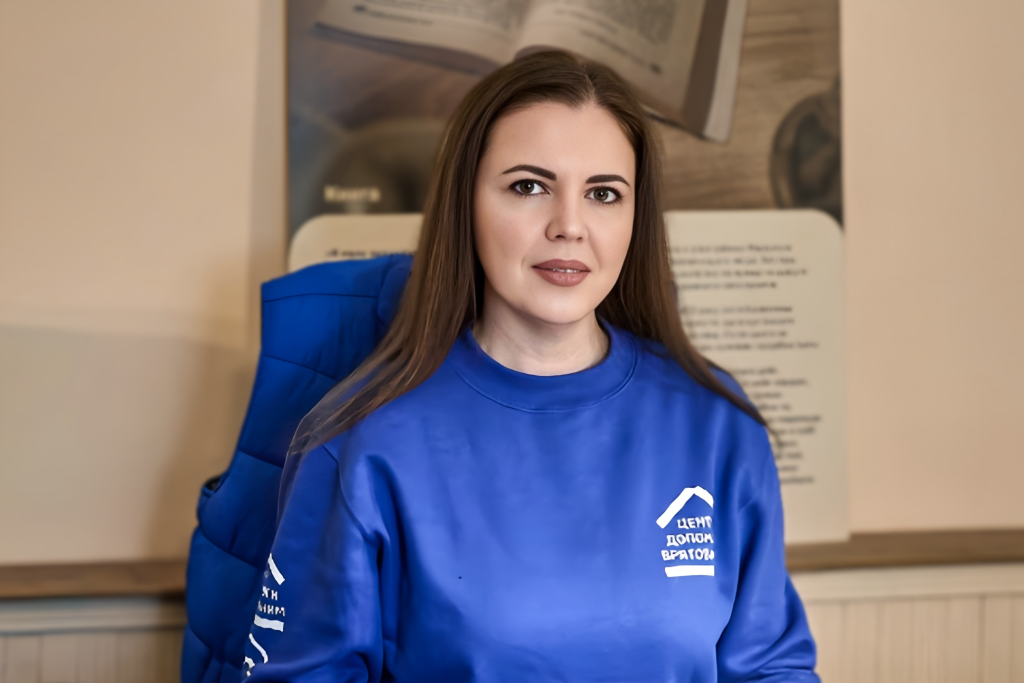
Over the course of two months, male and female specialists of the Survivors Relief Center in Sumy provided 226 consultations — social, psychological, and legal. Seeking support were internally displaced people, those released from captivity, veterans, and local residents who suffer from constant shelling.
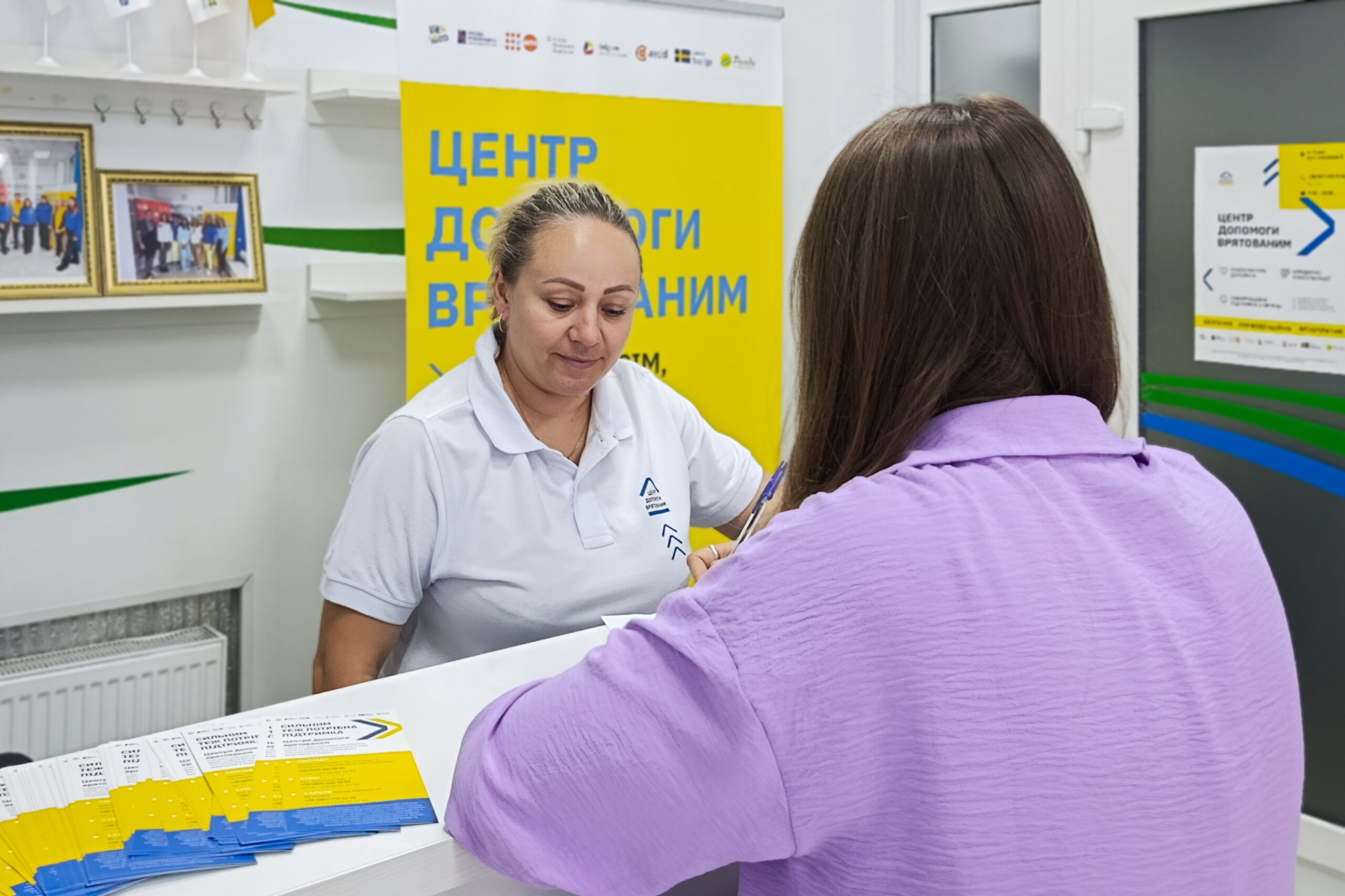
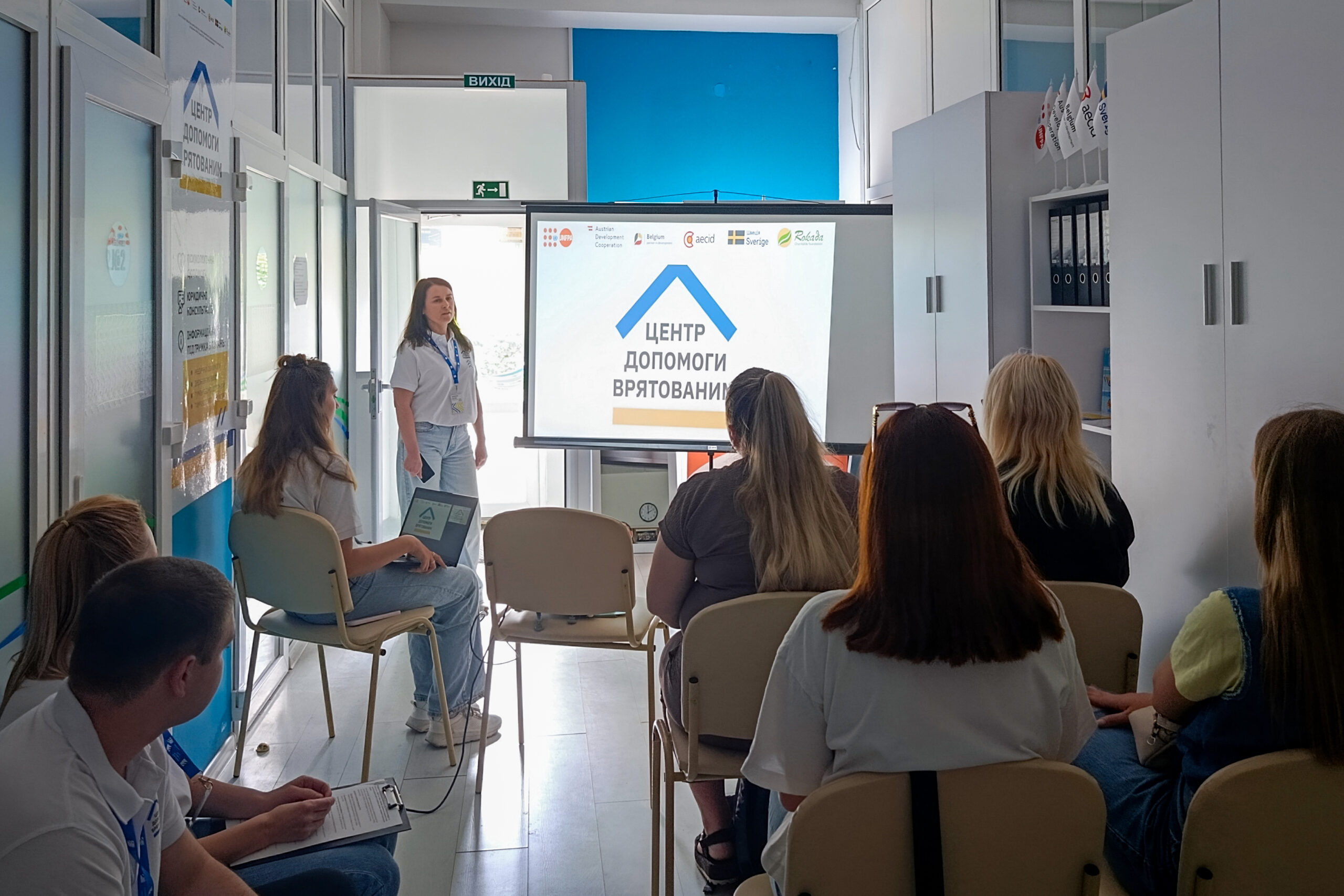
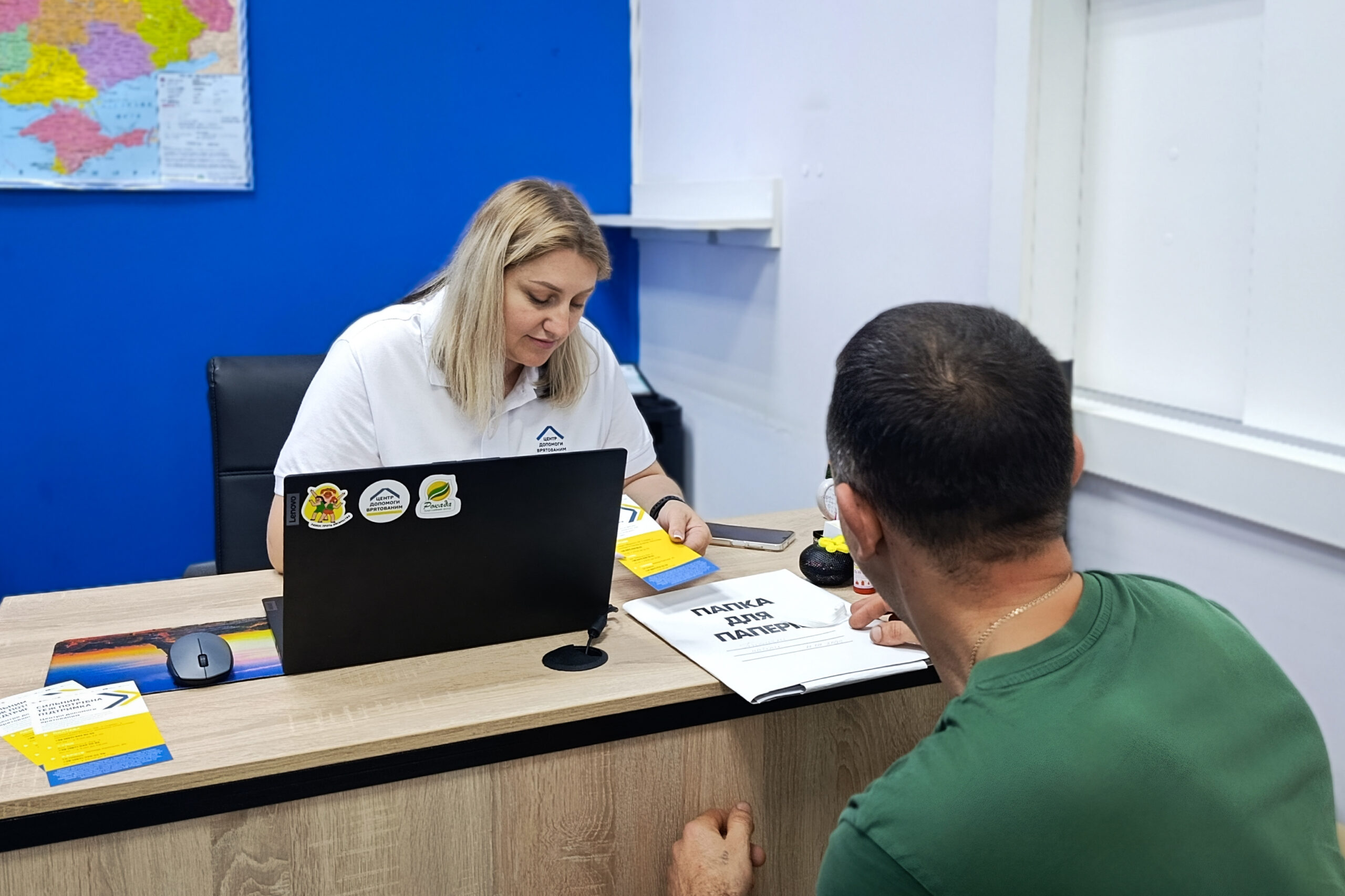
A significant part of the female psychologists’ work involved stabilizing people following Russian strikes. Children and adults arrived with acute stress reactions: difficulty breathing, tremors, and panic states. Self-regulation techniques, muscle relaxation, and diaphragmatic breathing helped them gradually regain a sense of control. Concurrently, deeper work continued: supporting a man experiencing the loss of his wife, assisting veterans in returning to civilian life, counseling women who had suffered from gender-based violence, as well as adults dealing with long-standing trauma from psychological abuse.
Female social workers assisted individuals in finding concrete solutions. A man caring for his father received hygiene kits, while a family that relocated to Sumy from a small village due to hostilities received food support and registration for financial aid. The legal assistance sector also covered a diverse range of requests—from registering a sole proprietorship (FOP) for a student via the “Diia” app to protecting the rights of a single mother from the Zaporizhzhia region. The woman had been verbally denied benefits due to the loss of her documents during evacuation. Consequently, the lawyer gathered alternative evidence, submitted an inquiry to the Department of Social Protection, and filed a complaint with the National Social Service. Currently, the process of finalizing the documentation and restoring the appropriate social benefits is underway.
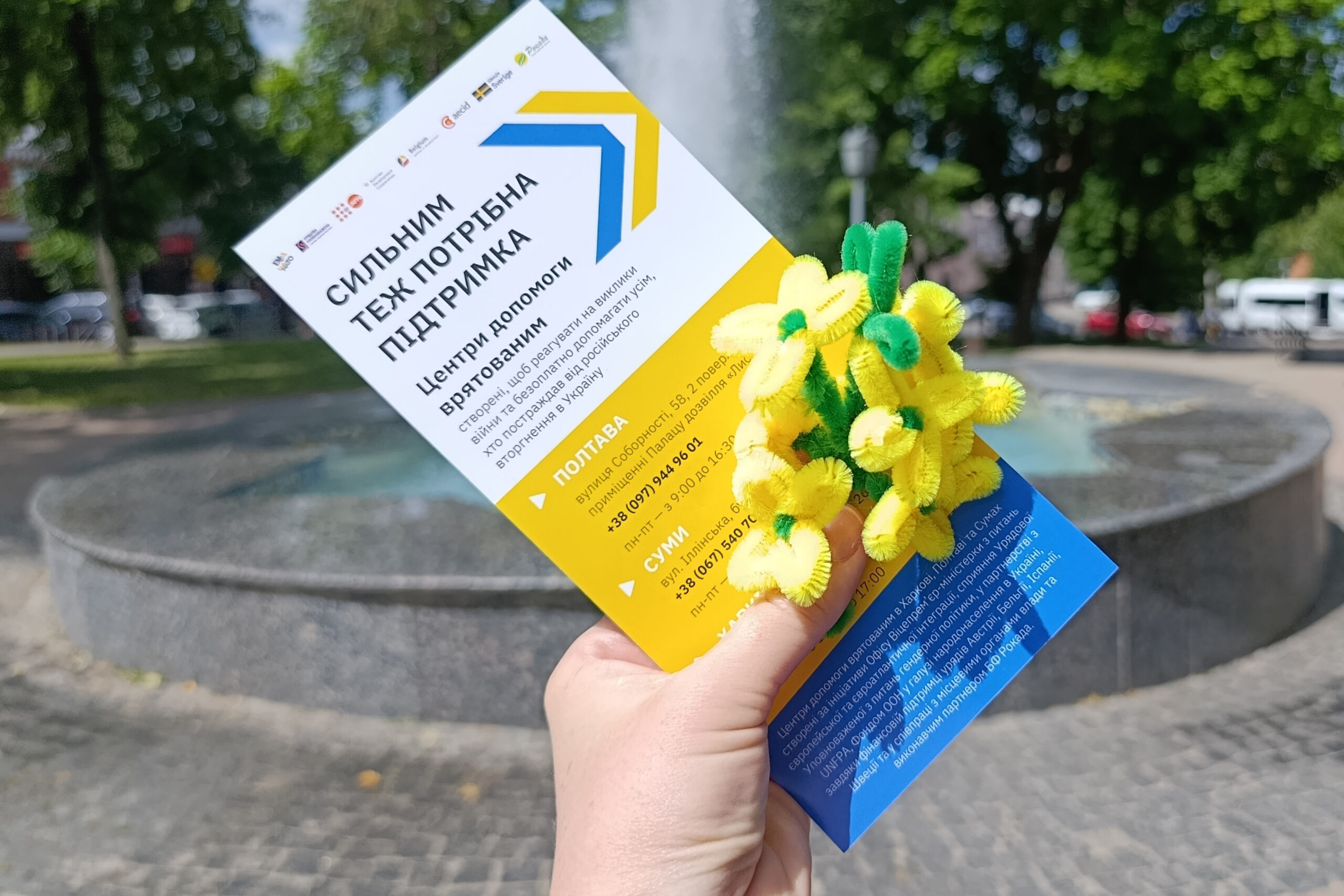
To mark the International Day for the Elimination of Sexual Violence in Conflict, the Sumy team conducted an information session and a street awareness campaign. Male and female specialists informed city residents about the issue of CRSV, survivors’ rights, confidentiality guarantees, and the importance of documenting such crimes to hold perpetrators accountable.
Thus, this date united all three Centers — from the street action in Sumy to the panel discussion in Poltava and the roundtable meeting in Kharkiv. Other group formats were equally important — stabilization and self-help practice sessions for women, a burnout prevention training for staff at the Resilience Center, an online session for psychology students from a Mykolaiv university, and a creative meeting with teenage girls.
To provide high-quality services, the team constantly invests time and effort into professional development. In addition to regular supervisions, over the course of two months, male and female specialists mastered the “Propaedeutics of Psychiatry” course, trained in family counseling and healing techniques for children who have survived war, and met with the Danish Refugee Council (DRC) regarding emergency preparedness.
“This was a very intense period. The requests and problems were different for everyone, but every single person was heard and received the necessary assistance. However, perhaps the most memorable were the events for the day against CRSV. This is about the sensitivity of the topic and the importance of the issue, about supporting those who have suffered and need help. The Center’s team put maximum effort into raising awareness and drawing attention to this topic – and as the coordinator, I am sincerely proud of this,” says coordinator of the Survivors Relief Center in Sumy Yuliia Bakina.
The Survivors Relief Centers in Sumy, Kharkiv, and Poltava were established at the initiative of the Office of the Vice Prime Minister for European and Euro-Atlantic Integration, with the assistance of the Government Commissioner for Gender Equality Policy, in partnership with UNFPA, the United Nations Population Fund, thanks to financial support from the governments of Austria, Belgium, Spain, and Sweden, in cooperation with local authorities and the “Rokada” Charitable Foundation.
The UNFPA (United Nations Population Fund) is the leading UN agency focusing its work in the areas of gender equality, reproductive health, and youth capacity building. Together with partners, UNFPA works in 150 countries and territories worldwide, and has been operating in Ukraine since 1997.
More information about UNFPA and its work in Ukraine can be found at https://ukraine.unfpa.org/uk.
Follow UNFPA’s activities on X, Facebook, and Instagram.