
A question of accessibility: how the war changed the rules of life in Ukraine’s communities
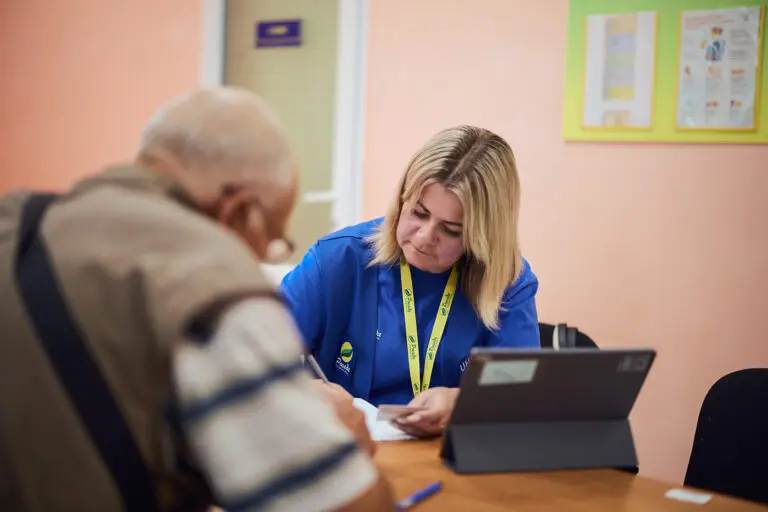
The full-scale invasion has deepened problems of access to social services for citizens, in particular for people with disabilities and older people. They face a range of barriers – both those that existed before and new ones caused by shelling.
As of 2025–2026, about 3.4 million people with disabilities live in Ukraine, more than 230,000 of them children. According to official data, more than 650,000 people received this status in 2023–2025. As a result, more than 3.5 million Ukrainians need social services, while the system often cannot keep up with the growing needs.
The destruction of infrastructure has become an additional challenge: since 2022, about two hundred social service facilities have been damaged or destroyed, significantly limiting access to assistance. Today, only 13% of people’s needs for care services are met, and the employment rate of people with disabilities remains critically low.
Practical data confirm this: although 94% of administrative and/or social service centres are operating, only about 23% are fully accessible, and most are only partially adapted.
The results of a 2025 survey of Rokada Charitable Foundation beneficiaries confirm that barriers are systemic and most often combined.
The most common problems remain a lack of information about available services and the remoteness of institutions.
At the same time, systemic approaches to overcoming barriers are already taking shape in Ukraine.
Decisions are being made at the national level – in particular, the Demographic Development Strategy until 2040 and new legislation on the employment of people with disabilities, which provides for compensation to employers, workplace adaptation and social support.
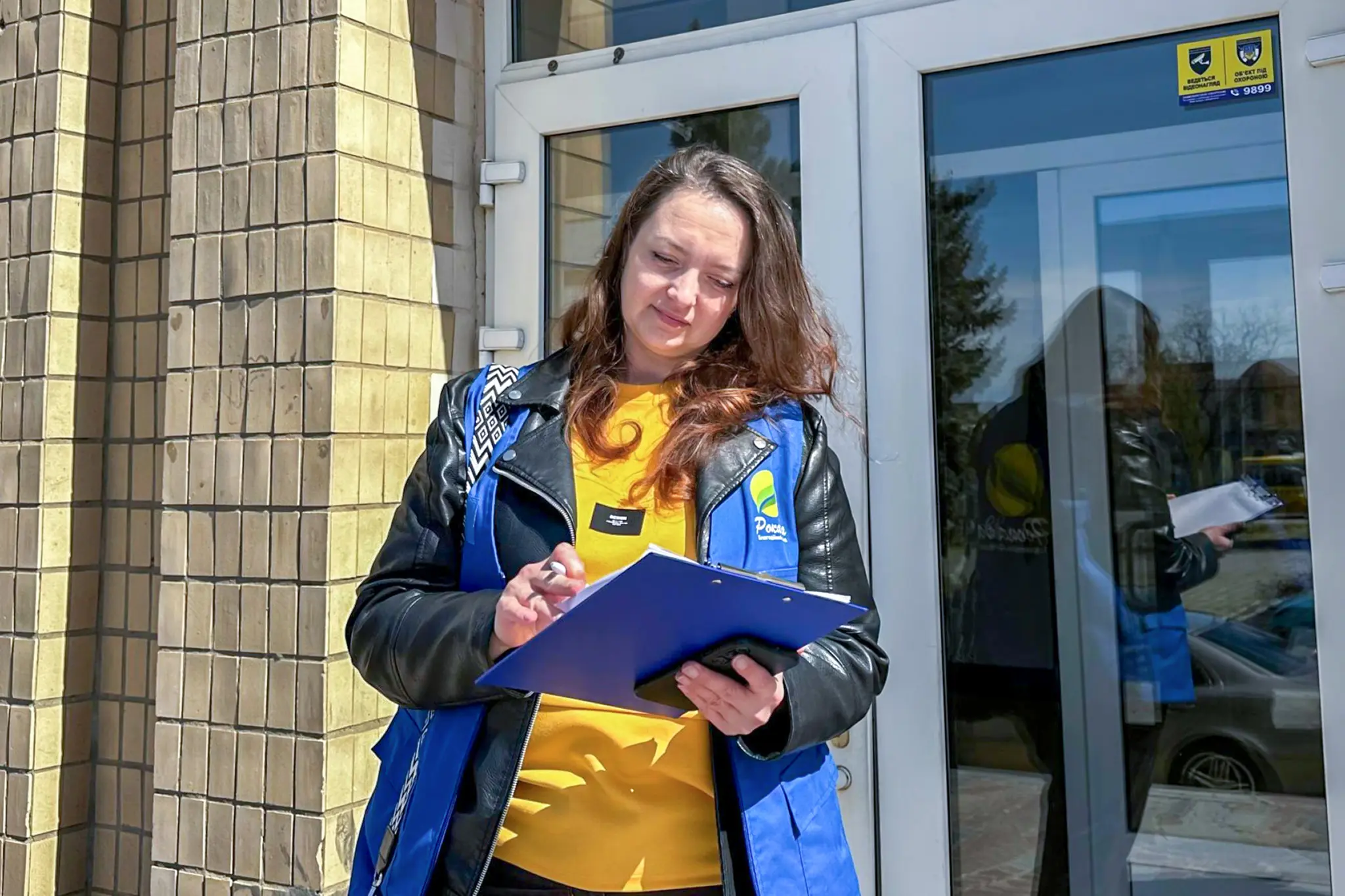
occupational therapist at the Rokada Charitable Foundation
From my own experience, I can say that at the community level a comprehensive approach works best: when adapting spaces is combined with developing accessible services, training specialists and introducing accessibility standards. It is also important to simplify procedures for receiving services and involve residents themselves and their experience in decision-making.
Among the regions closest to the front line, Mykolaiv region is one of those showing positive dynamics in overcoming barriers, although a systemic approach is still taking shape.
Monitoring by the Ministry for Development of Communities and Territories of Ukraine shows that the region ranks among the leaders in Ukraine in the Community Accessibility Index (about 71%), and more than 1,300 facilities have already been added to the accessibility map.
In 2025, regional programmes and initiatives made it possible to equip 120 facilities – administrative buildings, medical institutions and schools – purchase 35 specialised vehicles and train 150 specialists in inclusion.
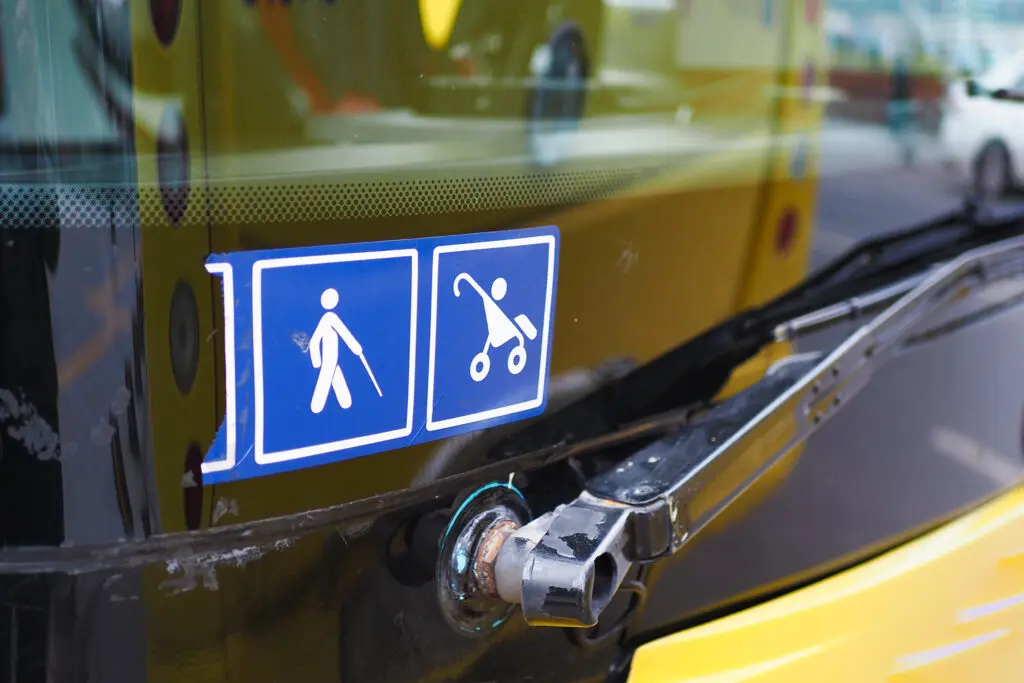
In Mykolaiv itself, practical solutions include 45 ramps in the residential sector, 40 low-floor trolleybuses and new routes, a social taxi for people with limited mobility, shelters that take into account the needs of people with disabilities, accessible routes to the city’s main facilities, and video links with a sign language interpreter in healthcare facilities.
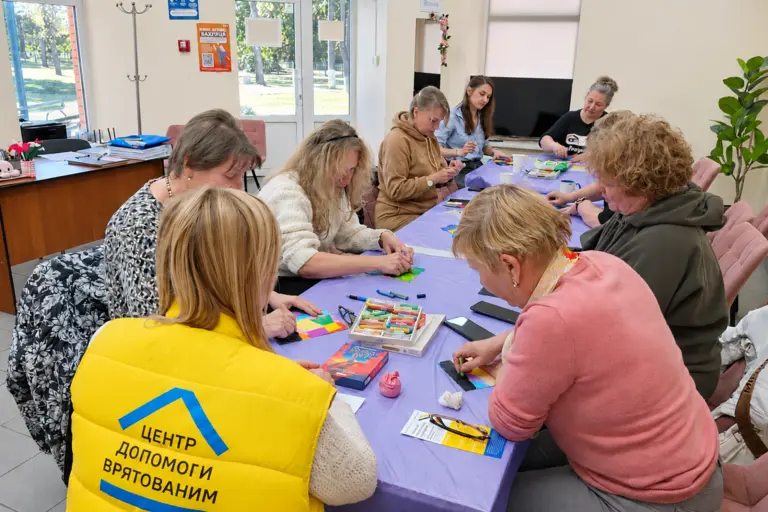
At the same time, inclusive services are developing: Resilience Centres are opening, mobile service formats are being introduced, and communities involve residents in planning solutions through public consultations.
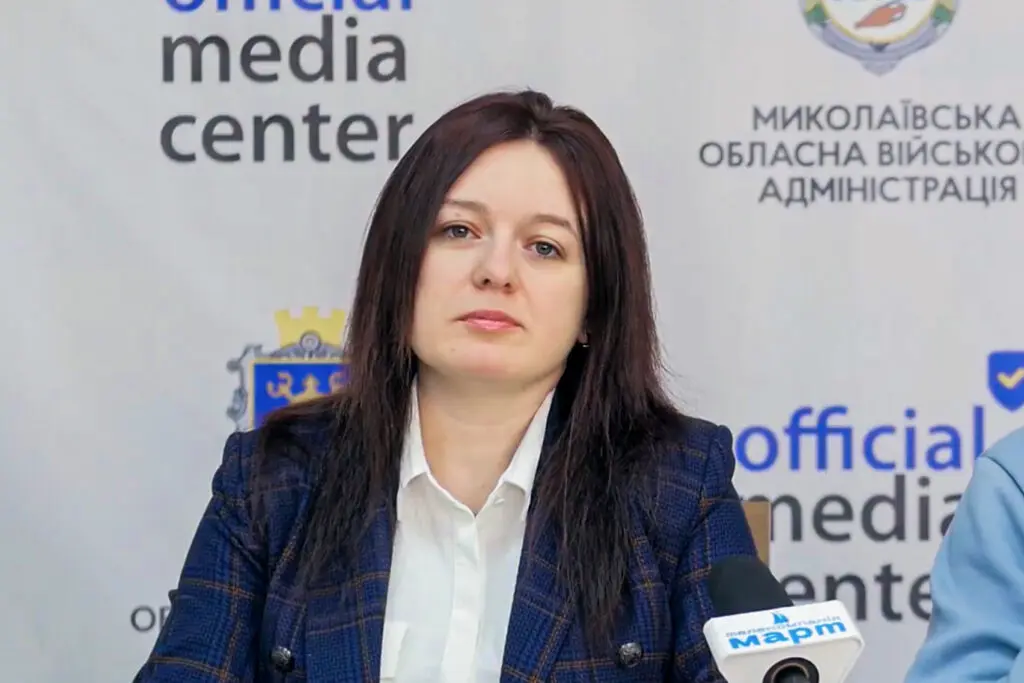
Director of the Department of Social Protection of the Mykolaiv Regional Military Administration
Today the state clearly defines accessibility as one of the priorities of recovery. For Mykolaiv region, this means not only creating accessible infrastructure but building an environment where older people, residents with disabilities and families with children can receive the services they need without obstacles. We are grateful to the international partners and donors who support the communities of our region in implementing solutions. It is thanks to such cooperation that we are able not only to adapt facilities but also to develop inclusive services, train specialists and lay the foundation for systemic change.
At the same time, despite the changes, the problem remains globally, as there is no comprehensive accessibility system.
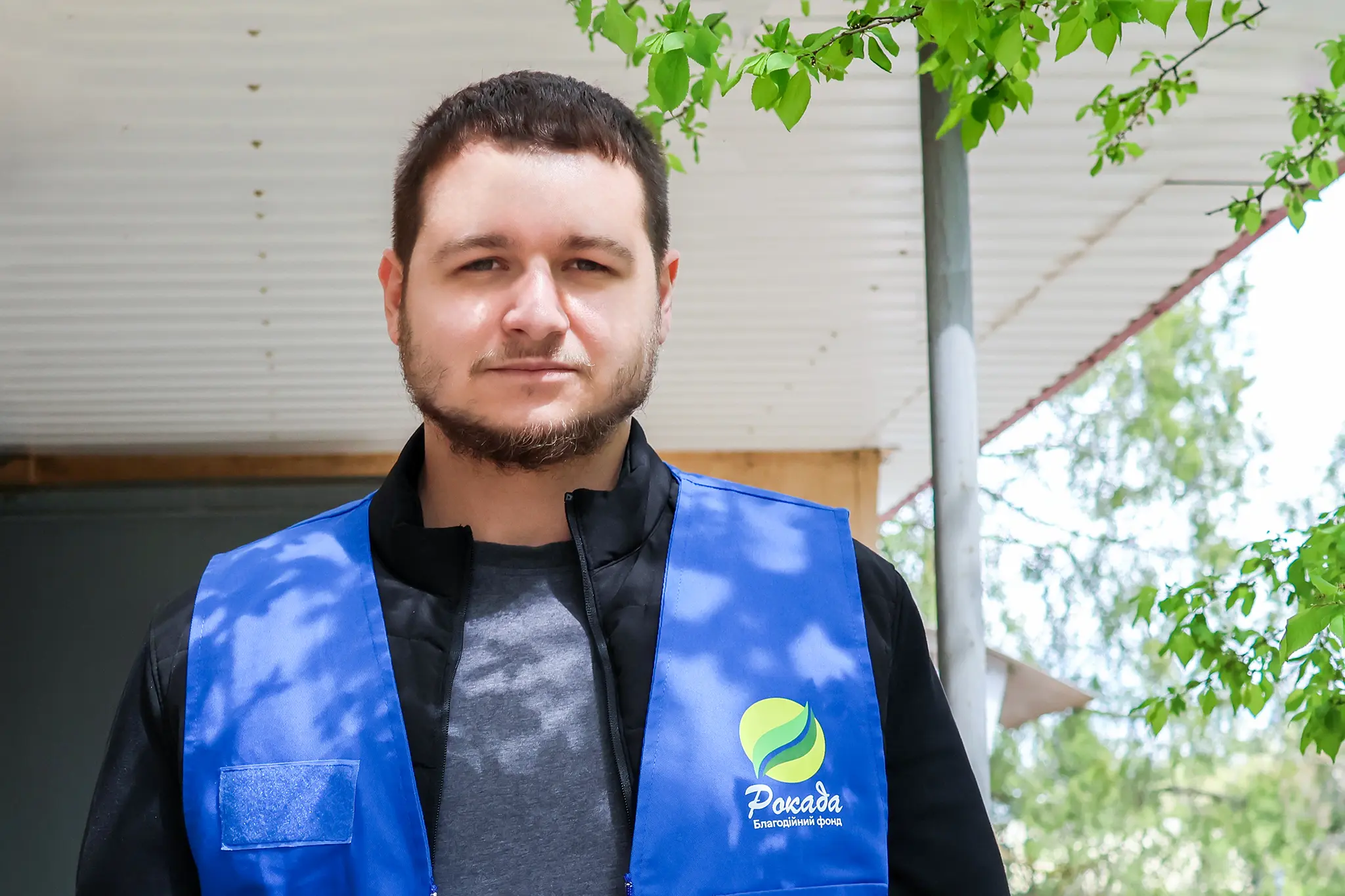
inclusion specialist at the Rokada Charitable Foundation
One of the key problems is fragmented solutions. Even if individual facilities become accessible, without changes in services, transport and staff training, a person does not get full access. Accessibility only works when it is built in systematically – into every community decision.
The Rokada team is introducing a comprehensive approach to removing barriers locally within the project “Space of Access – Inclusive Premises and Staff Training in Social Institutions of Mykolaiv Region”, implemented in partnership with Danish People’s Aid and funded by the Government of Denmark.
The project combines accessibility audits, staff training and the development of inclusive services, enabling communities to move from one-off solutions to systemic change.
In the region’s 10 communities, the key challenge now is that individual elements of accessibility have already been introduced, but they do not form a complete “chain”.
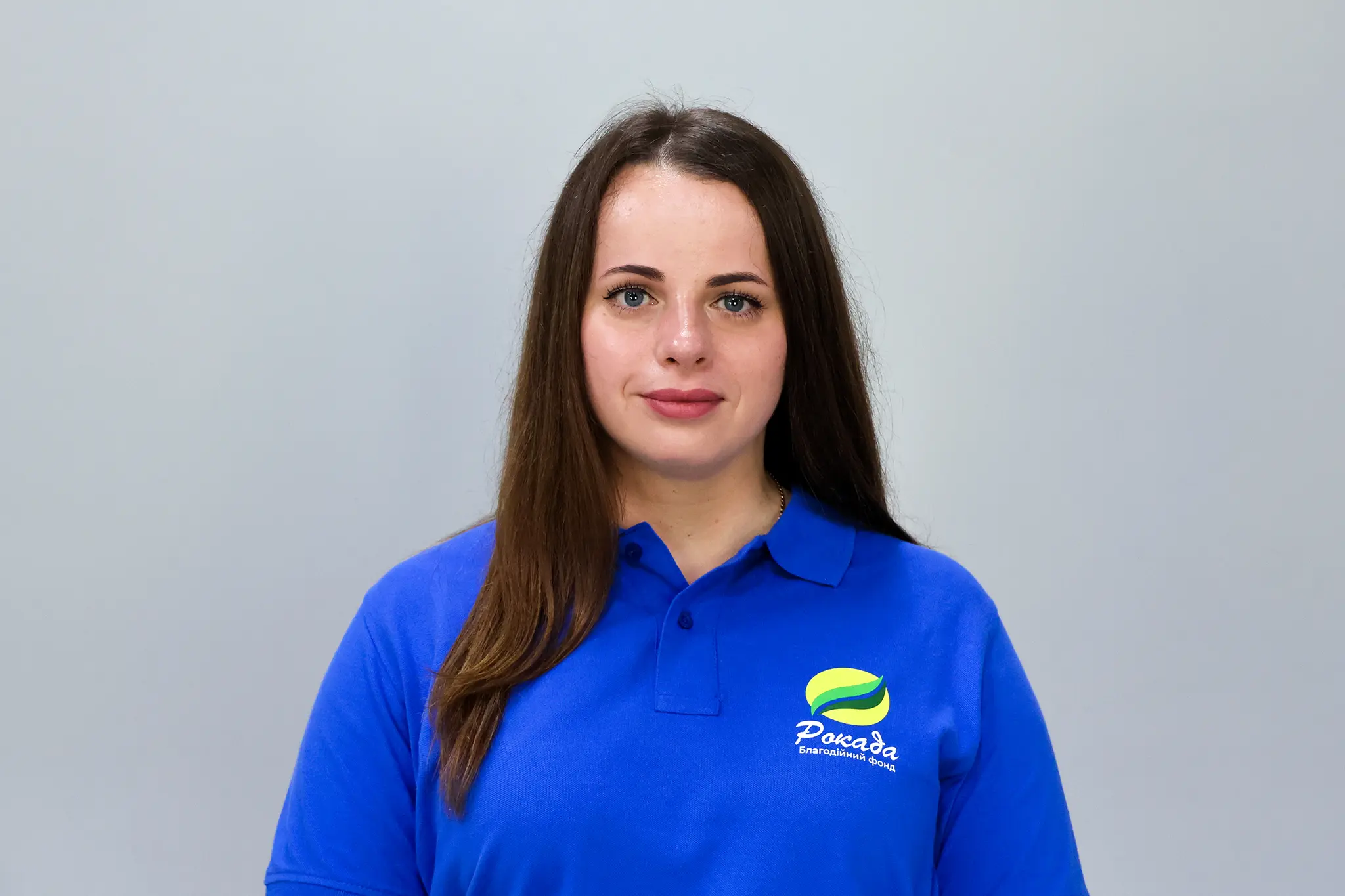
Manager of the “Space of Access” project at the Rokada Charitable Foundation
Our task is to help communities integrate the principle of accessibility into all decisions – from planning spaces to organising services. When this approach becomes part of everyday work, change starts to work systemically rather than in isolated places.
Yurii Stepanets from Mykolaiv – public figure, volunteer, member of the Youth Council under the President of Ukraine, member of the Accessibility Council in Odesa and deputy of the Mykolaiv City Council – has been working on accessibility at the city and community level for many years. As a wheelchair user, he knows well what barriers exist in everyday life – from inaccessible transport to a simple lack of understanding of the needs of people with limited mobility. He also publicly advocates for inclusive spaces, public understanding and more.
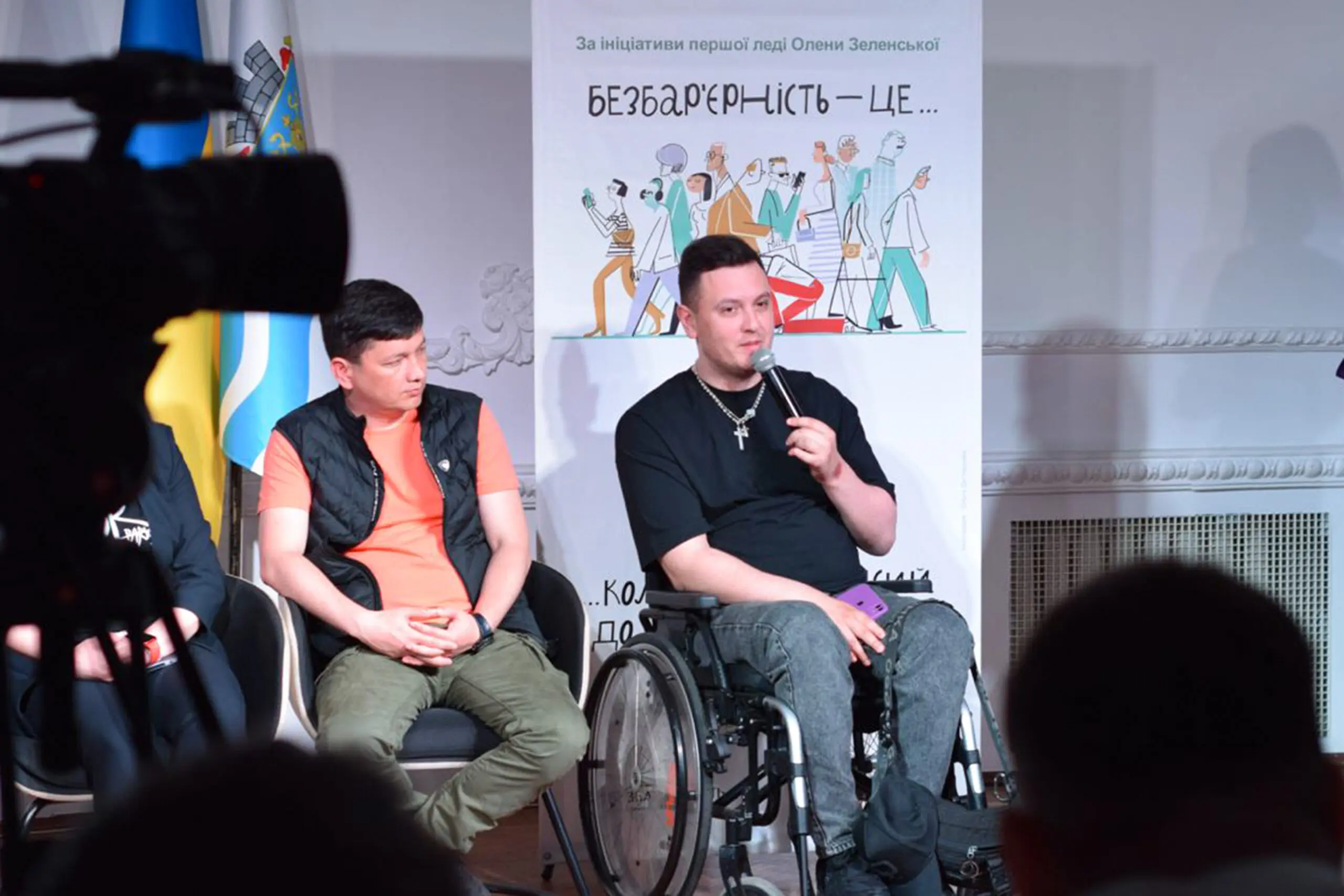
public figure
Accessibility is not when “everything is convenient for people with disabilities”. It is when the thought that something “doesn’t suit” someone never even arises. Because in a normal environment, nothing “special” is needed. It is enough for everything to work – for all people with different experiences. But for some reason we still perceive accessibility as something extra. As an “option”. As a “good deed”. Although it is as much a part of a city as light, water or Wi-Fi. So when people say: “What are those trips for? What are you changing with them?” – I want to answer: perception. Accessibility is when nobody notices you. In a good way. When you are simply where you want to be and don’t cause surprise, like “how did you even get here?”.