
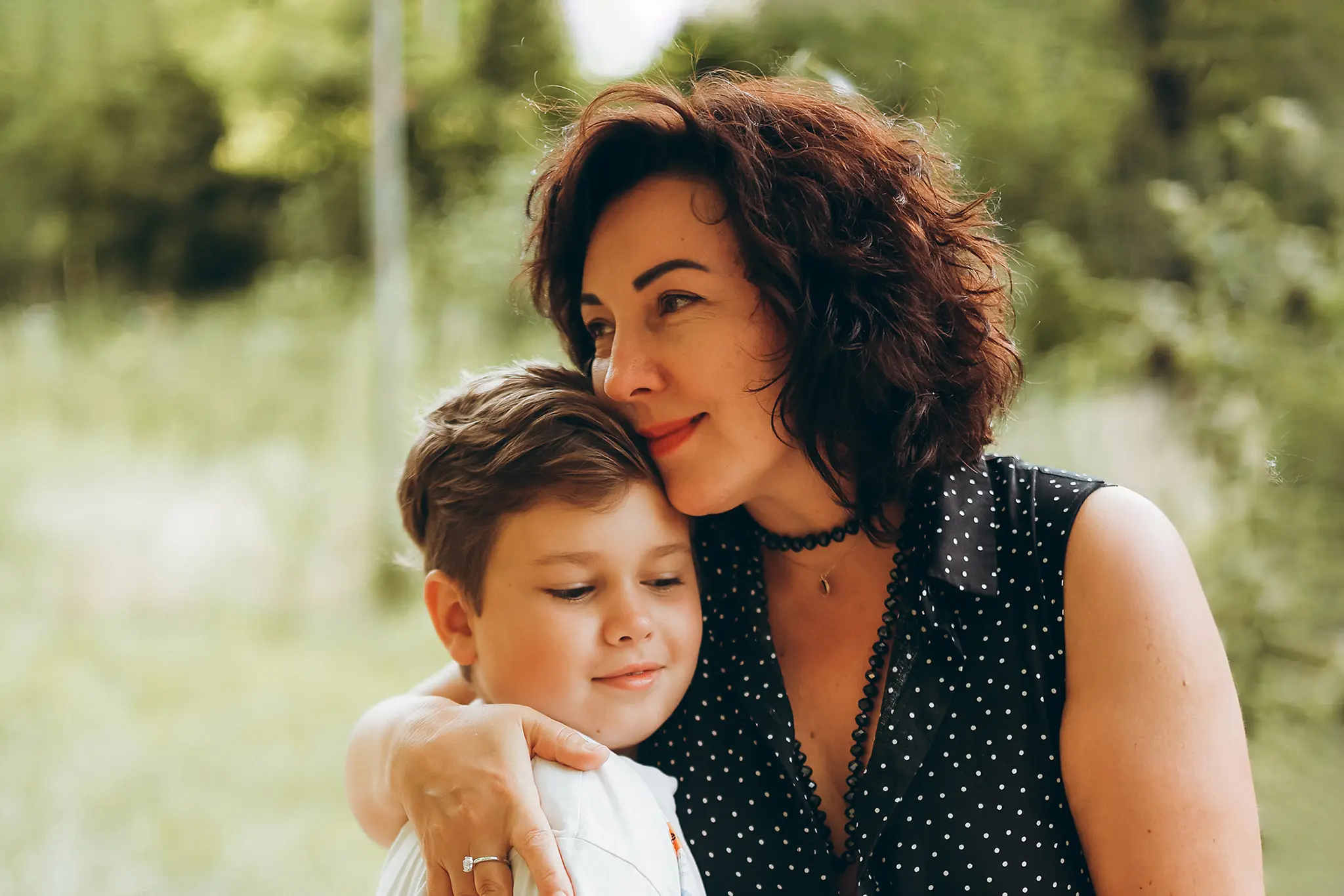
“After we returned home, I once went to the market for groceries. And when I saw our people and heard my native language, you know, I just wanted to go up and hug every one of them. Those were my emotions,” says Vira from Tulchyn in Vinnytsia region.
A year ago, she returned home from Berlin with her son Vlad. She had left for Germany at the beginning of the full-scale invasion. She admits that even now she sometimes wants to hug random passers-by, because they are her own people – Ukrainians.
The evacuation to Germany coincided with a difficult period in her life. But friends who had lived in the German capital for a long time insisted that she leave, saying it was dangerous in Ukraine and no one knew how the situation would develop.
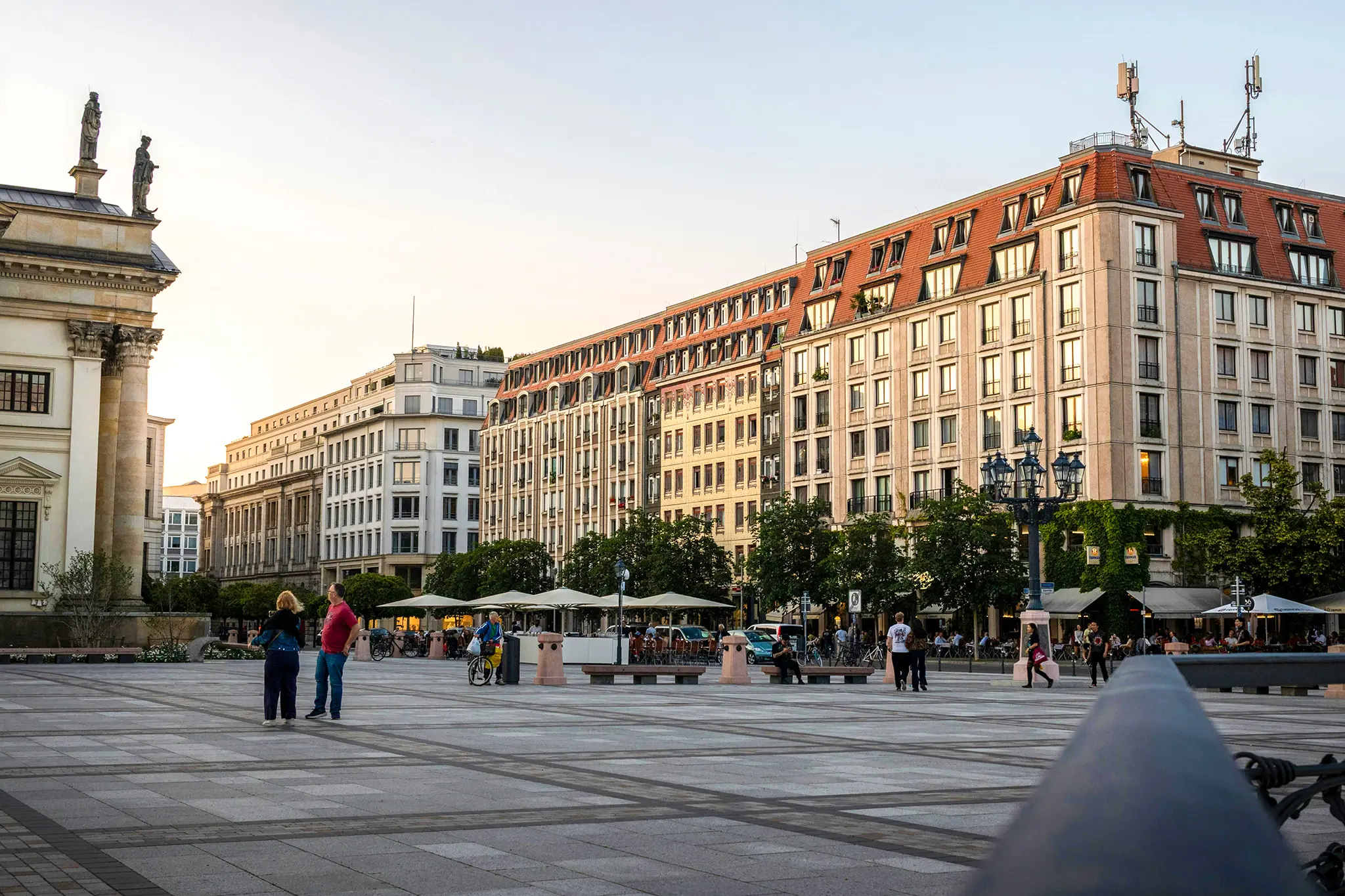
“The decision was hard. But I understood that I had to think not only about myself but also about my son and his safety. So I had to take the chance and try a new chapter of life. That’s how, on 8 March 2022, we arrived in Berlin,” Vira recalls.
Her first impressions of the city and the country, she says, were very good. Friends provided housing and helped with the necessary paperwork. Her son immediately joined a group for Ukrainian children.
“It was something like a kindergarten, but everyone in the group was of different ages,” she explains. “My son was seven then. In September, he went to a German school. Meanwhile, I was learning the language and already had a job. I remember that pace of life being very intense. I started thinking about returning home. After all, I understood that if I fell ill, there would be no one to take care of Vlad.”
Later, Vira’s mother underwent a complicated operation. This made her wish to go home a hundred times stronger. A year after the evacuation, the family returned.
“Although we have an incredibly close-knit family and everyone is always ready to lend a shoulder, I decided that I myself had to help my mother get back on her feet. And within a year, it worked! My mother recovered. Meanwhile, my son started school in Tulchyn. When our friends learned that everything had settled down, they started inviting us to Berlin again. At the same time, the security situation was getting worse, and we agreed to go west once more,” Vira continues her story.
This time, Berlin was no longer so euphoric and illusory. The family went through the process of applying for protection again.
“The rose-tinted glasses came off, and I realised that my role, like that of thousands of other Ukrainians, was to be a cog in a big system where decisions are made not by you but for you. In Ukraine, everything is different – here you can freely express your opinion in an official’s office, and they may even listen. There, neither the first nor the second option works,” the Ukrainian woman says, adding that there is no point even thinking about the bureaucratic machine being quick – everything is very slow.
When Vira completed the integration courses, she hoped she would be able to find a good job. However, the role often assigned to refugees abroad did not meet her expectations at all.
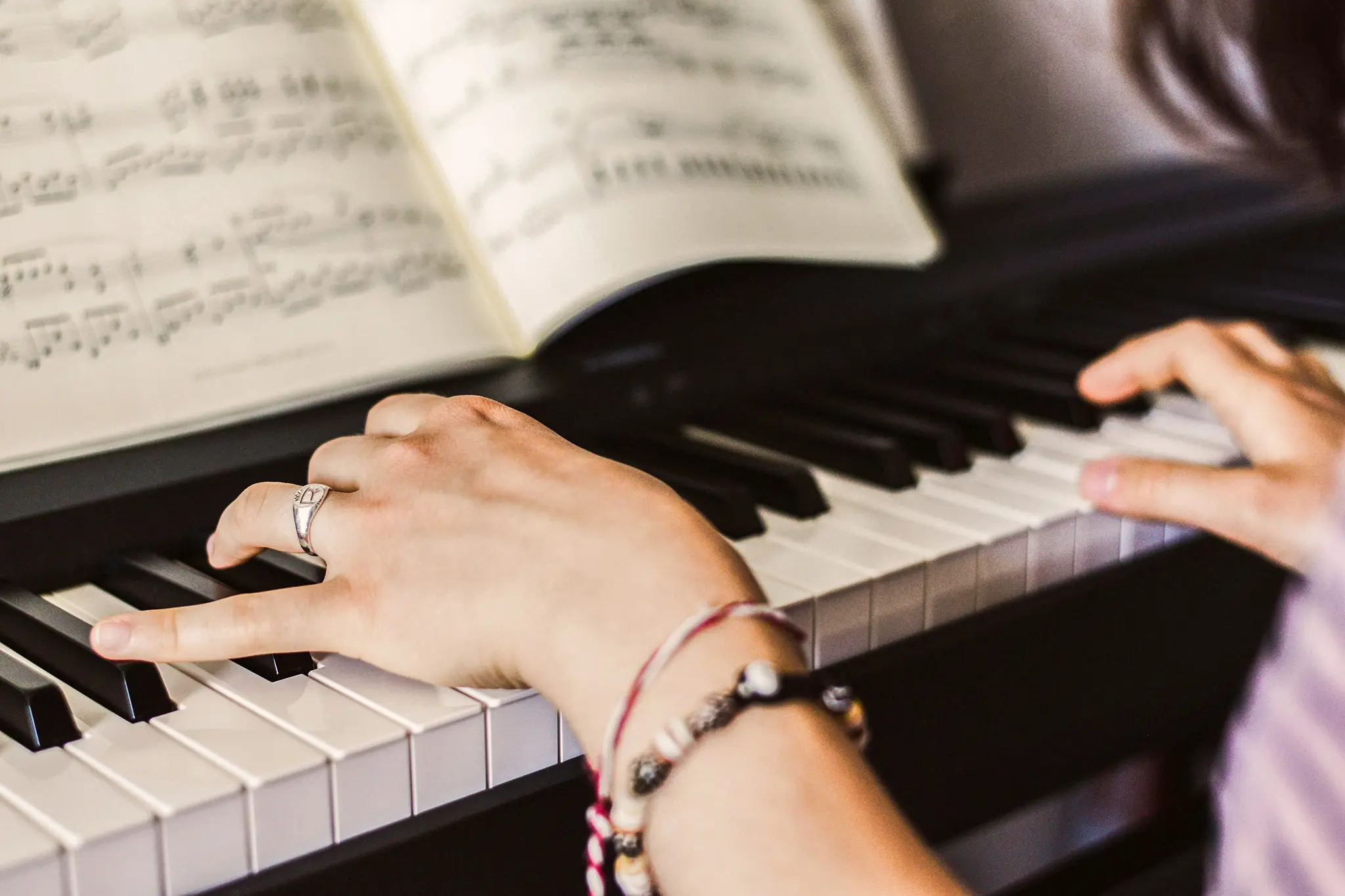
“I’m a piano teacher by profession. I sing well and have other talents. I could share my knowledge and experience with many children, especially since I love my work very much. But I was offered a job in rubber gloves,” she states.
She says that was when she fully realised that abroad it would never be like home.
“I was looking for psychological peace, but instead physical pain was added. You know, I saw many people arrive wide-eyed, happy and full of hope, but I had already been through that. The reality is different, but everyone has to walk their own path. My path led home,” Vira shares.
Last year, she and her son returned to Ukraine for the second time. For good. She decided to devote this chapter of her life to her mental recovery and caring for her family.
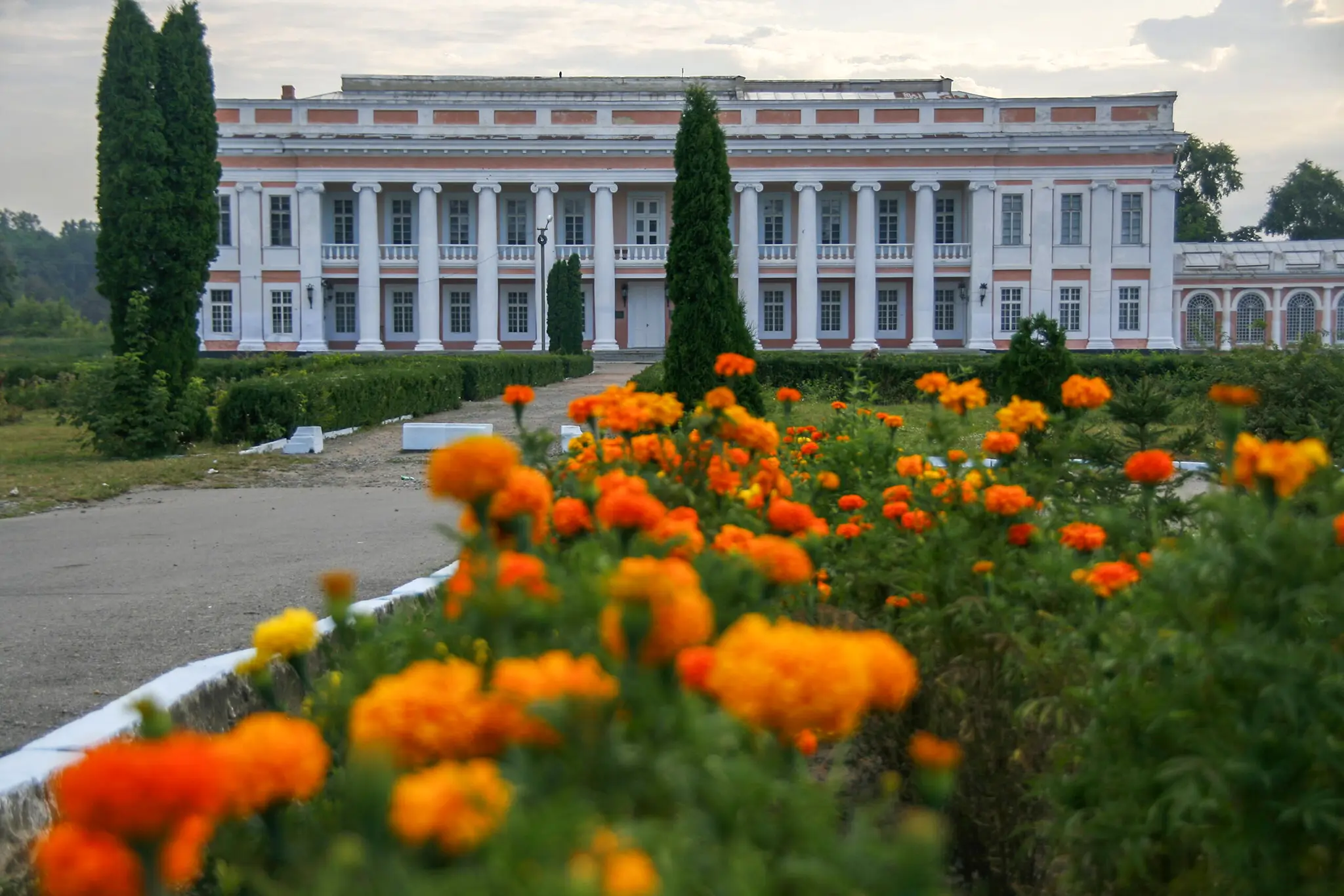
“My mother now needs care and more attention. I am grateful to the German people for their help, but home is better. Here I breathe deeply and feel emotionally uplifted,” she admits.
Today, Vira is passionate about yoga and sport and has found herself in gardening. She says that at home, close to her family, she feels happy, even in wartime.
The project “Strengthening Community Resilience for Return and Reintegration” is implemented by the Rokada Charitable Foundation as part of the project “YOUA – Shaping New Paths, Building Ukraine’s Future”, commissioned by the German Government and implemented by GIZ Ukraine: Sustainable Economic Development.
The YOUA project provides exclusively technical assistance and does not influence people’s personal decisions about returning to Ukraine. Participation in events and use of services are possible exclusively on a voluntary basis for persons who are considering returning, have already made such a decision or are in the process of reintegration after returning to Ukraine.