
Community visits, training for colleagues and everyday support: how the Survivor Relief Centres worked in September
The Survivor Relief Centres in Sumy, Kharkiv and Poltava continue their work as part of the cooperation between the Rokada Charitable Foundation and UNFPA, the United Nations Population Fund in Ukraine. The service specialises primarily in supporting survivors of conflict-related sexual violence (CRSV) – a war crime with no statute of limitations.
War-affected people can also seek help, including:
- internally displaced people;
- families of missing persons;
- people released from captivity and civilian hostages;
- survivors of gender-based and/or domestic violence;
- veterans and their family members.
Each Centre has a multidisciplinary team, so people receive the full range of support in one place, including social, psychological and legal assistance. Read on to learn how the teams’ work is changing life in the regions.
Sumy
In September, the Centre’s team provided more than 200 services – around 60 a week.
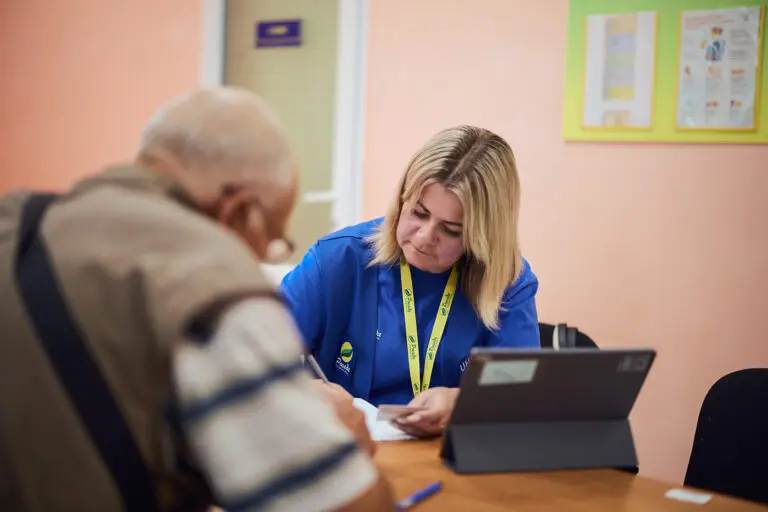
Psychologists worked with women overcoming the consequences of gender-based violence: they provided psychoeducation, drew up safety plans and taught stabilisation techniques. Supporting veterans is a separate area of work. In September, help was sought by a veteran with symptoms of post-traumatic stress disorder; a veteran who was referred to a doctor and is now supported by the multidisciplinary team; a veteran returning to civilian life after captivity; and a demobilised man who is gradually being involved in volunteering. A civilian man who survived three years of captivity and CRSV also came to the Centre.
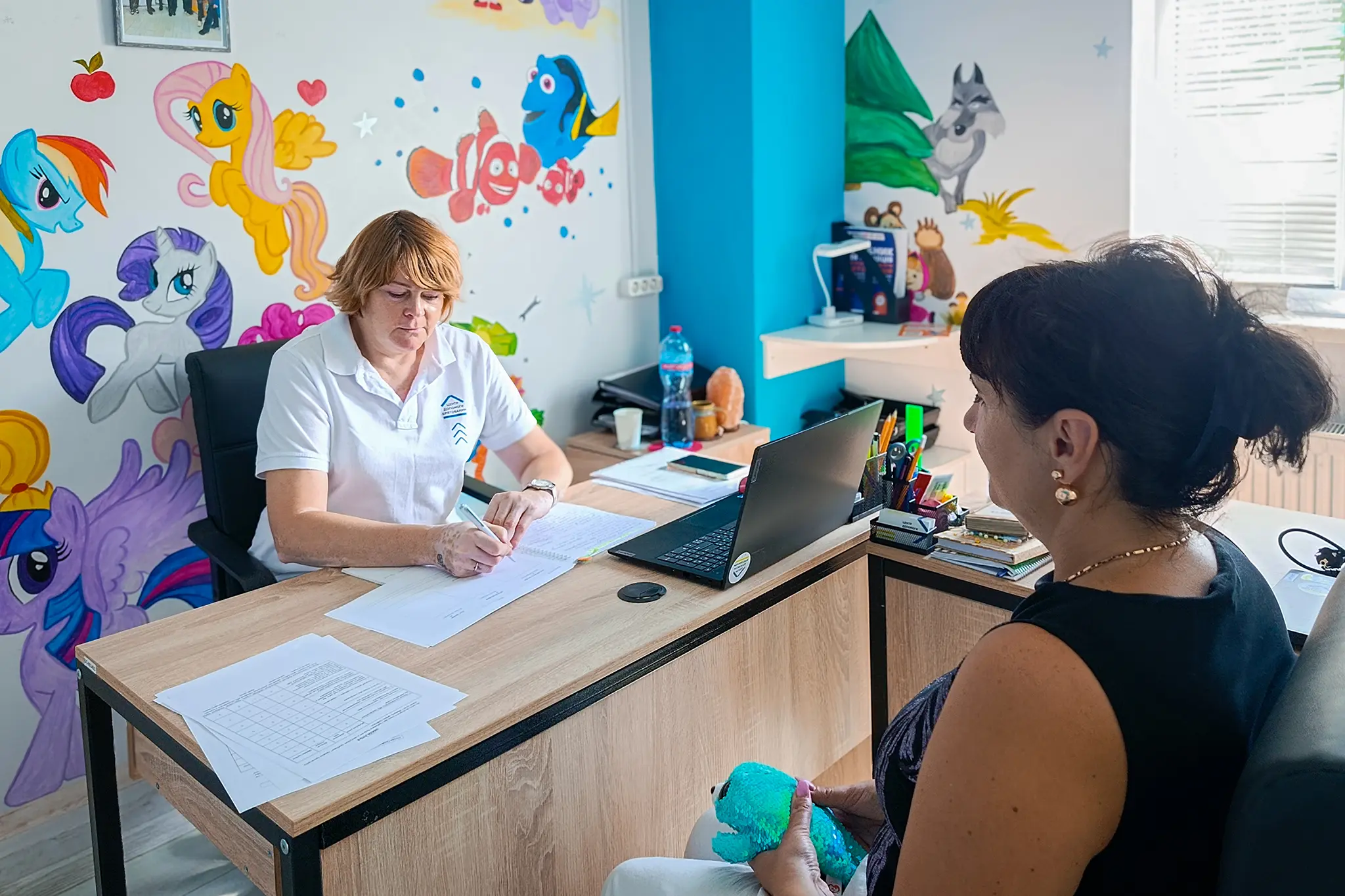
A lawyer advised on restoring pension payments after relocation, the termination of accommodation allowances and the protection of children’s rights, while social workers helped people apply for “Winter Support” at the Pension Fund.
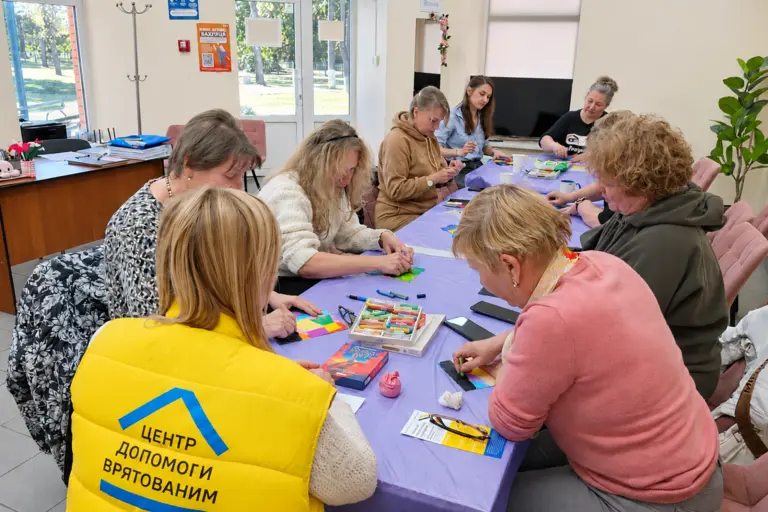
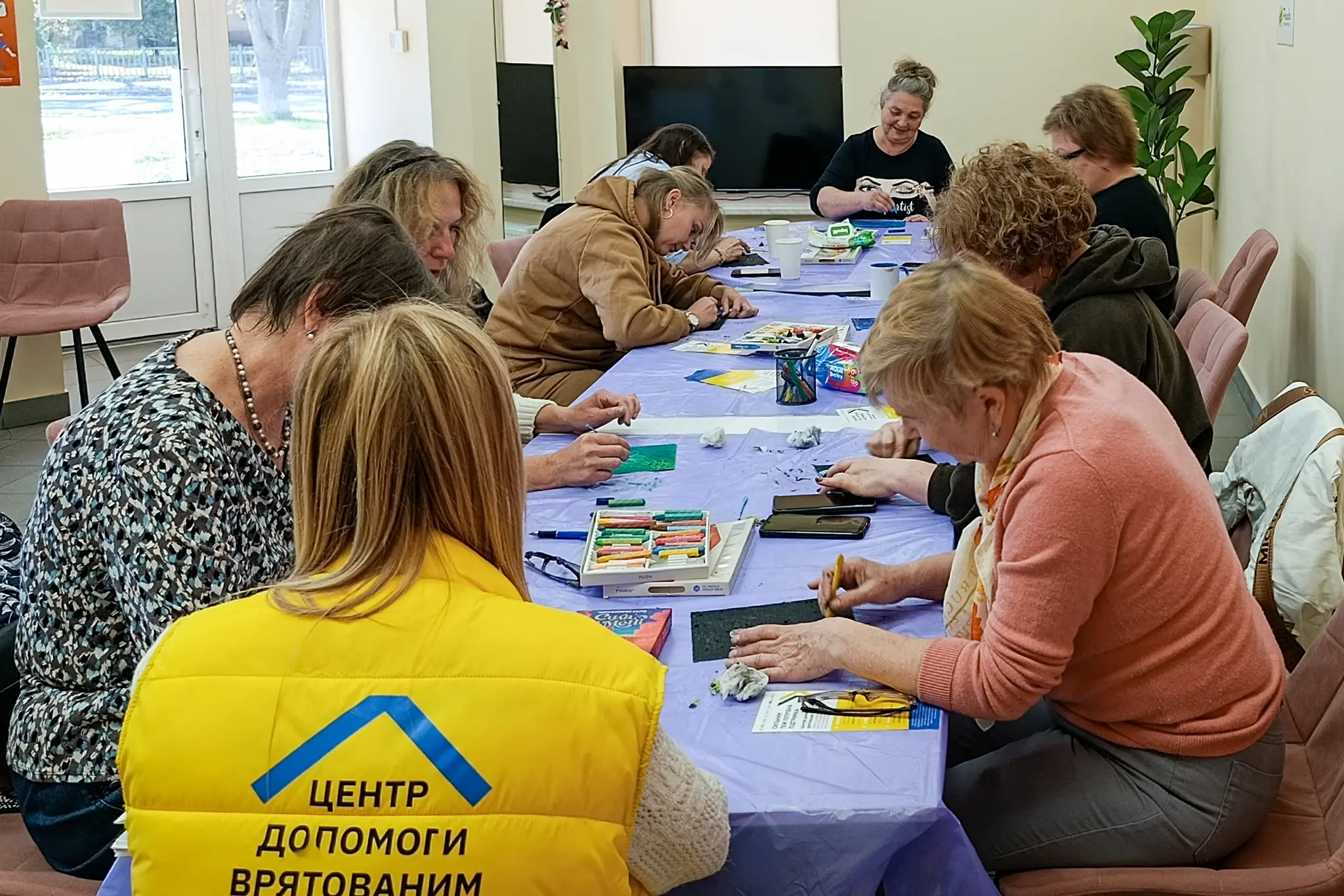
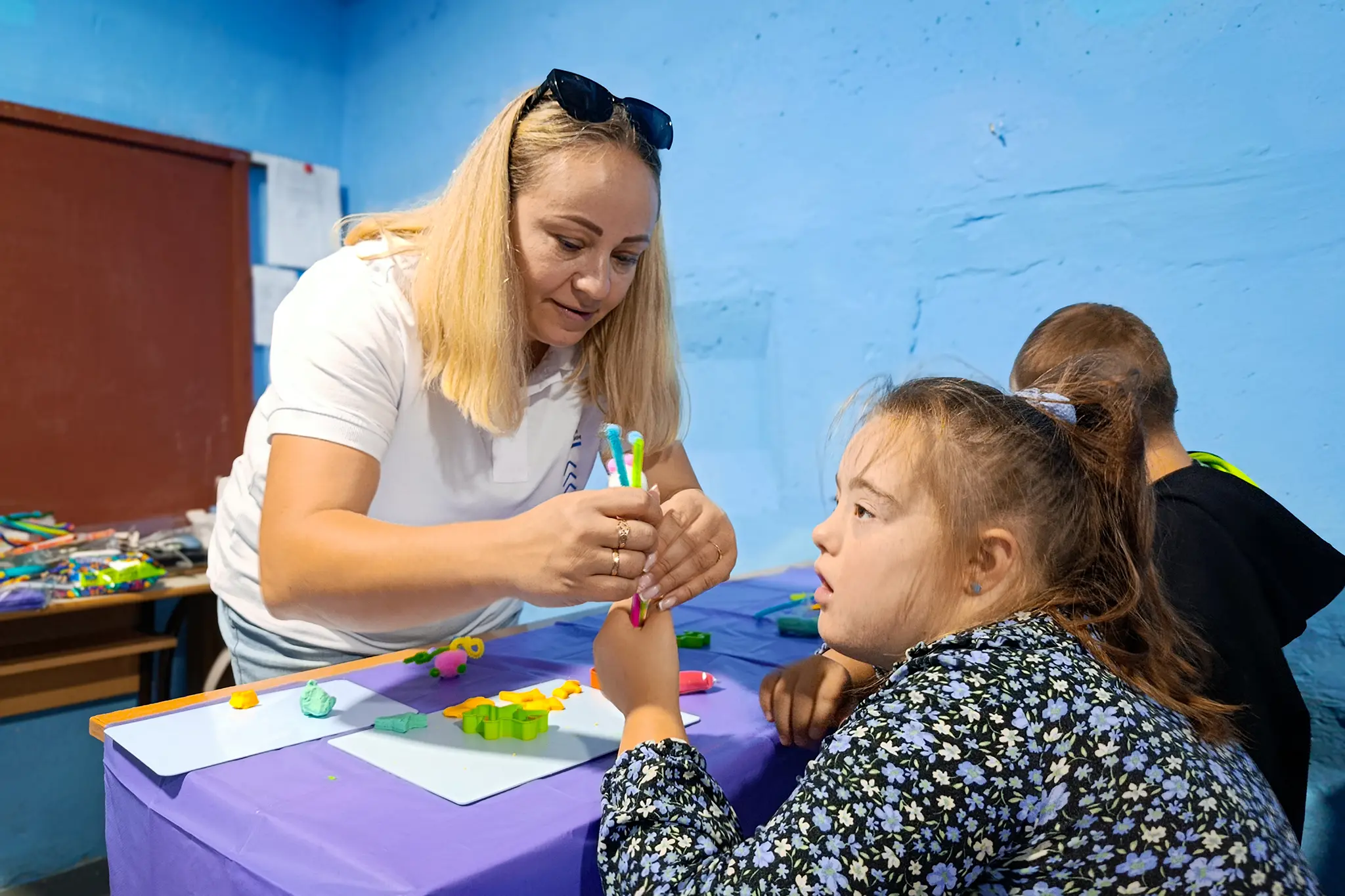
Group sessions took place at the same time. Teenagers attended “My Sources of Support” and “Creative Space”, and children took part in “The Mental Health Tree” and “Our Emotions in Colour”. Women learned self-help and self-regulation skills using VR headsets and practised supporting themselves instead of self-criticism. At the end of the month, the team held a training on recognising gender-based violence, and the lawyer and a social worker ran an information session, “CRSV: Understand to Protect”.
The team continues to build its skills: supervision, basics of psychiatry, seminars on military psychology and crisis debriefing, the “Recognise. Respond. Cooperate” training by the NGO League of Modern Women, and a refresher session on preventing sexual harassment, exploitation and abuse.
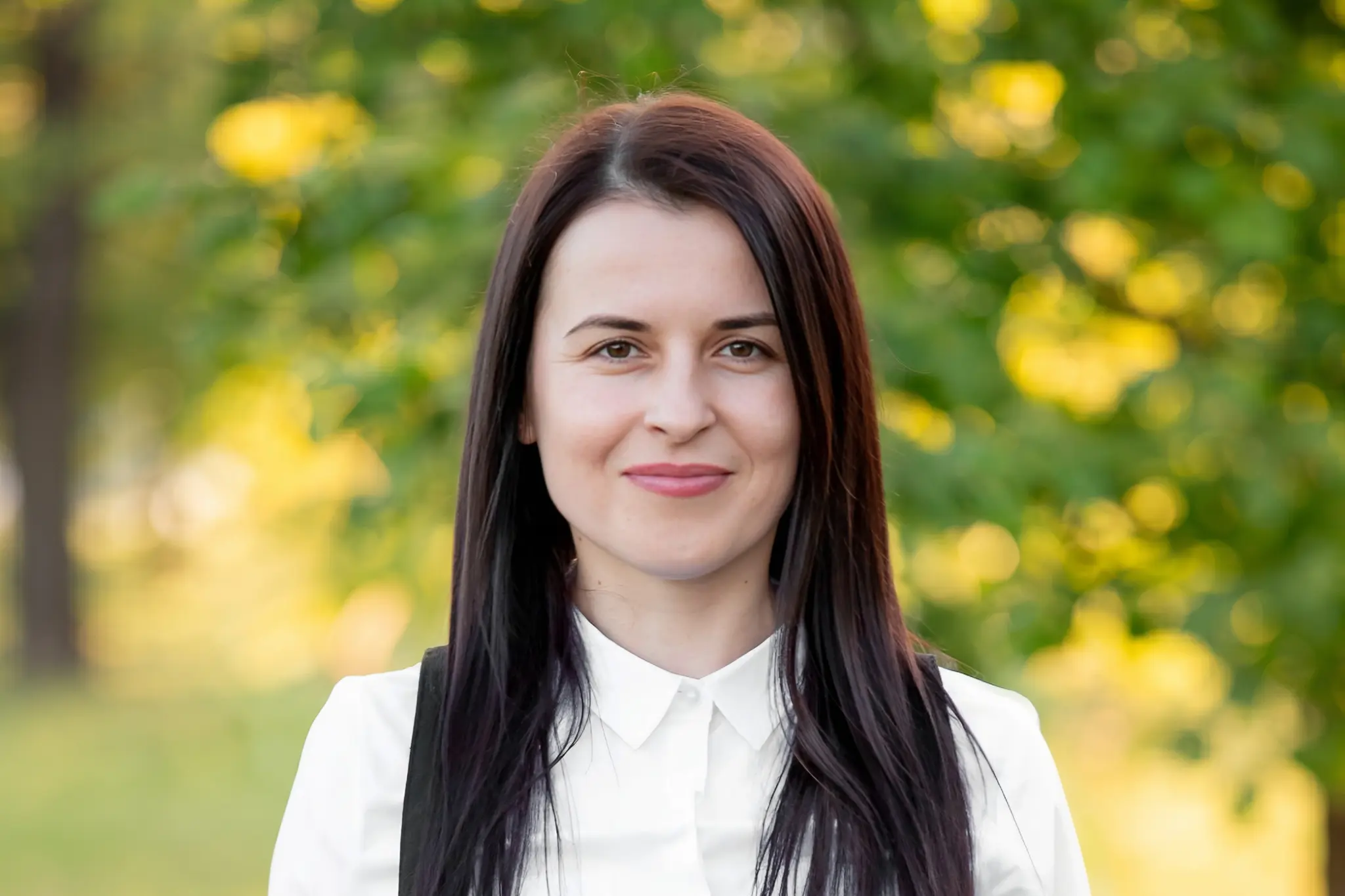
Coordinator of the Survivor Relief Centre in Sumy
“The number of people affected by the war grows every day, adding to the workload of the Centre’s specialists. In September, the situation in the city worsened due to an increase in guided aerial bomb attacks. More and more residents are seeking professional psychological support to cope with stress and trauma, as well as expert help with paperwork for restoring damaged property and receiving urgent material support. The Survivor Relief Centres can combine psychological support, social case management and legal aid in one place, which removes the risk of re-traumatising people by sending them to different institutions.”
Kharkiv
In September, the Kharkiv team focused on work in the region’s communities. Outreach sessions reached 250 people in Bezliudivka, Chuhuiv, Kochetok, Zlatopil, Lebiazhe and Martove, as well as in Chuhuiv and Bohodukhiv districts and the Pisochyn community.
The information sessions focused primarily on CRSV: myths and facts, survivors’ rights, available services, and how to notice risks and respond to disclosures without causing additional harm. Other meetings were devoted to personal boundaries, recognising violence and the barriers that prevent people from seeking support.
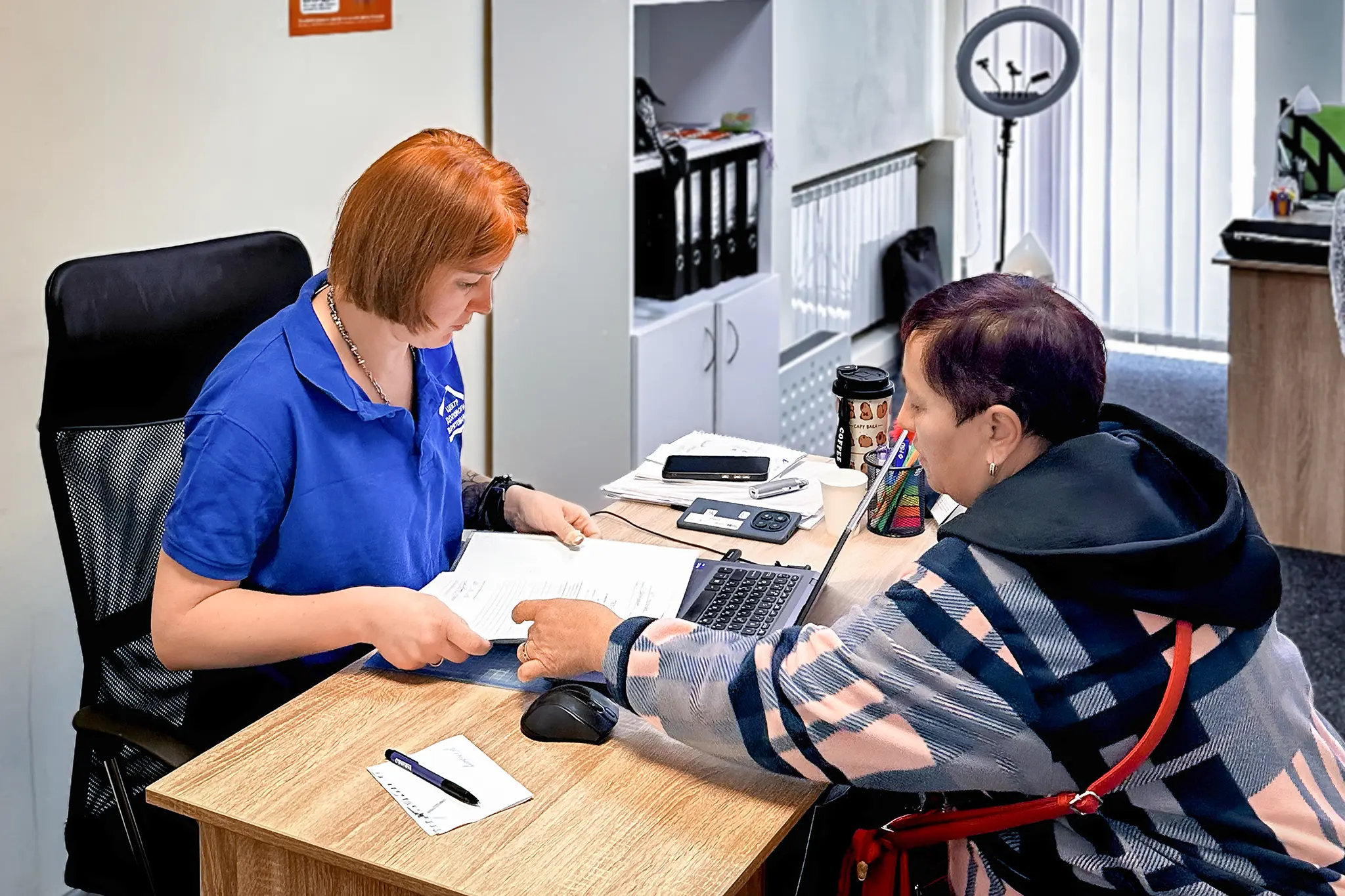
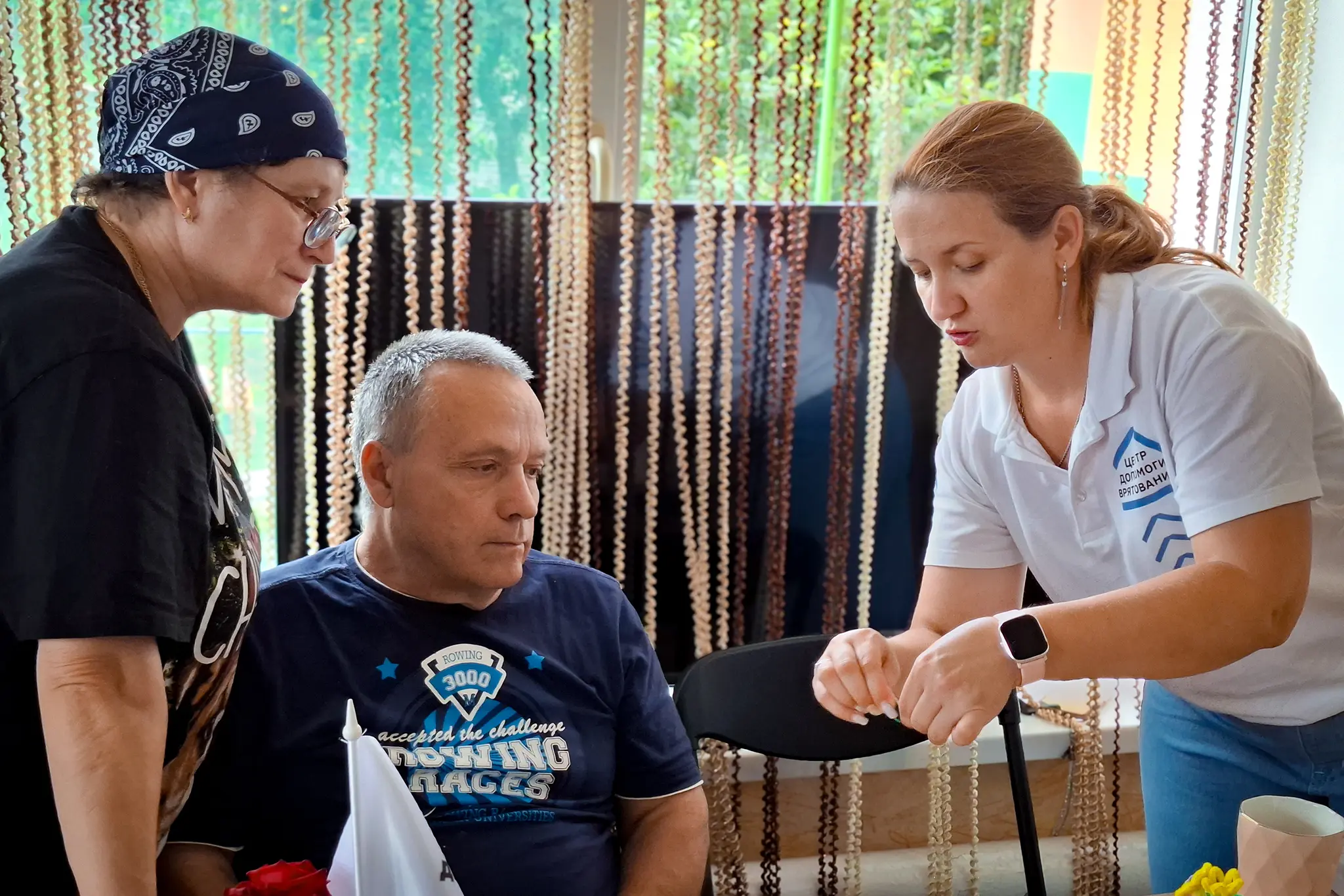
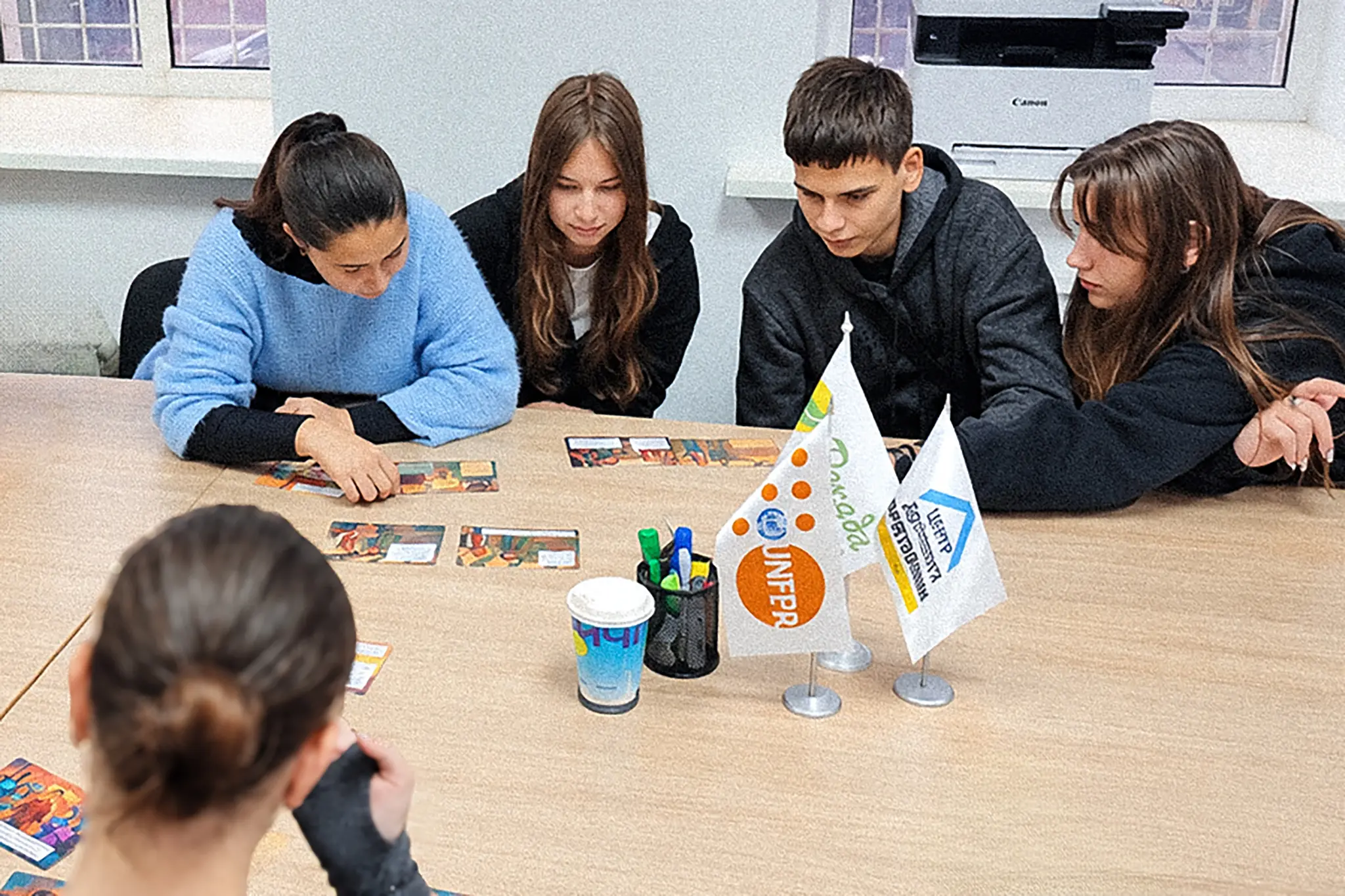
At the same time, the specialists provided 265 individual consultations.
Psychologists also ran therapy groups on grief, restoring inner resources and resilience, and in Kharkiv itself – an interactive session on conflict-free communication.
Among this month’s cases is the story of a woman who survived CRSV during the occupation of Kharkiv region. The Centre’s team referred her to a short-term rehabilitation programme for women and girls in Uzhhorod and, in cooperation with partner organisations, helped her obtain the necessary appliances and a dignity kit.
The specialists also took part in developing the Local 1325 Plan for the Kharkiv community at the initiative of the I CAN charitable foundation, and psychologist Yevheniia Chystikova completed the first module of training on the trauma-informed approach by Zentrum Überleben.
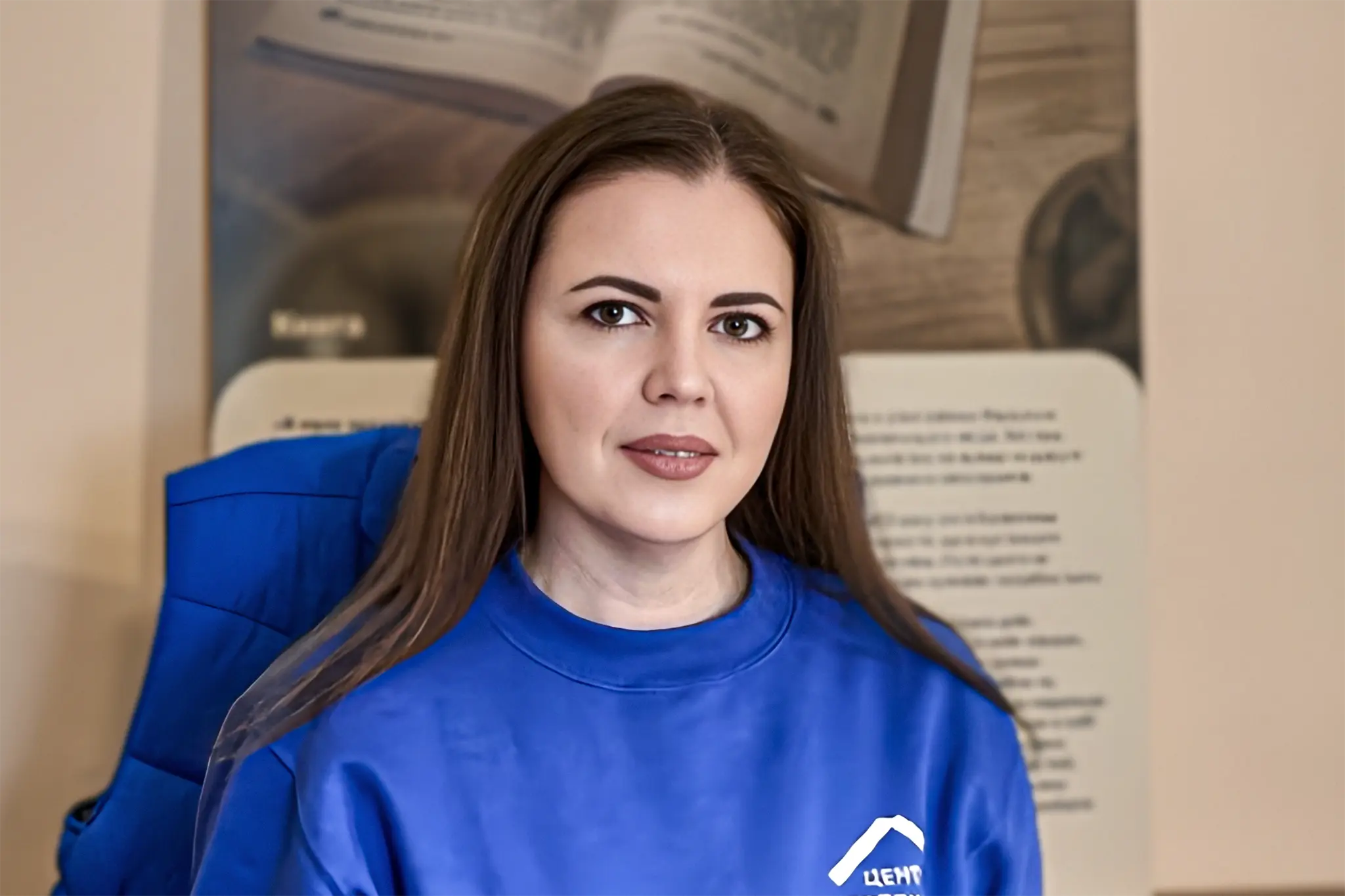
Coordinator of the Survivor Relief Centre in Kharkiv:
“In September, we worked a lot with communities. We were invited to meetings with residents, where we explained what CRSV is, where to seek help and what support our service can provide. I am proud of our team and of the fact that we don’t just wait for people at the Centre – we go to communities ourselves, tell people about the help available and try to be where it is needed.”
Poltava
In September, the Poltava Centre provided more than 330 consultations – social, legal and psychological, for adults and children – and supported people in difficult situations that required help from several specialists at once.
Child psychologist Kateryna Babinchuk worked on requests related to parent–child relationships, self-esteem, anxiety, learning motivation, violence and cyberbullying. For internally displaced people from Mariupol, a group session was held using the “Healing” metaphorical association cards and the “Emotional Circle” technique: participants learned to name their emotions and notice their inner resources.
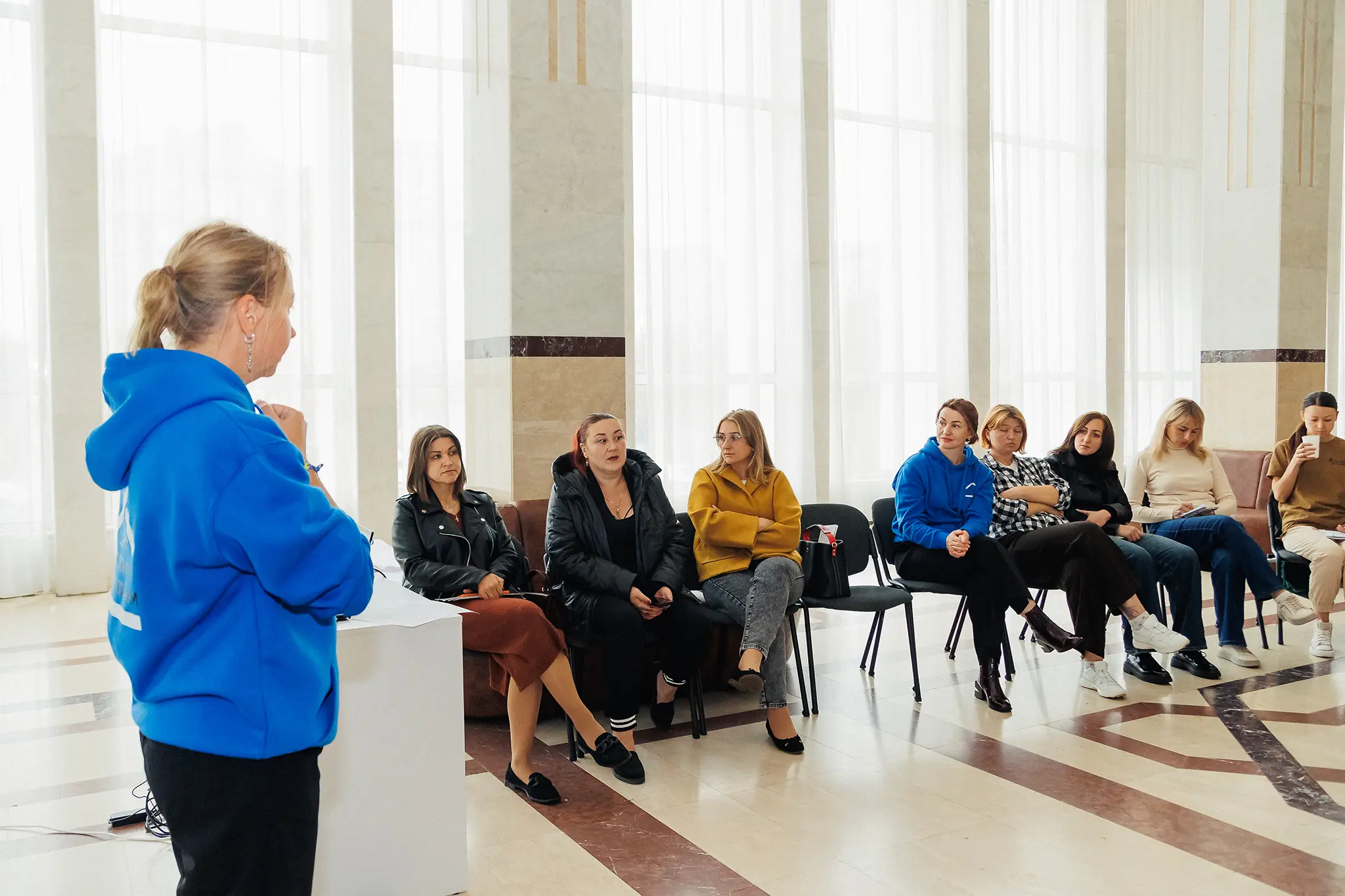
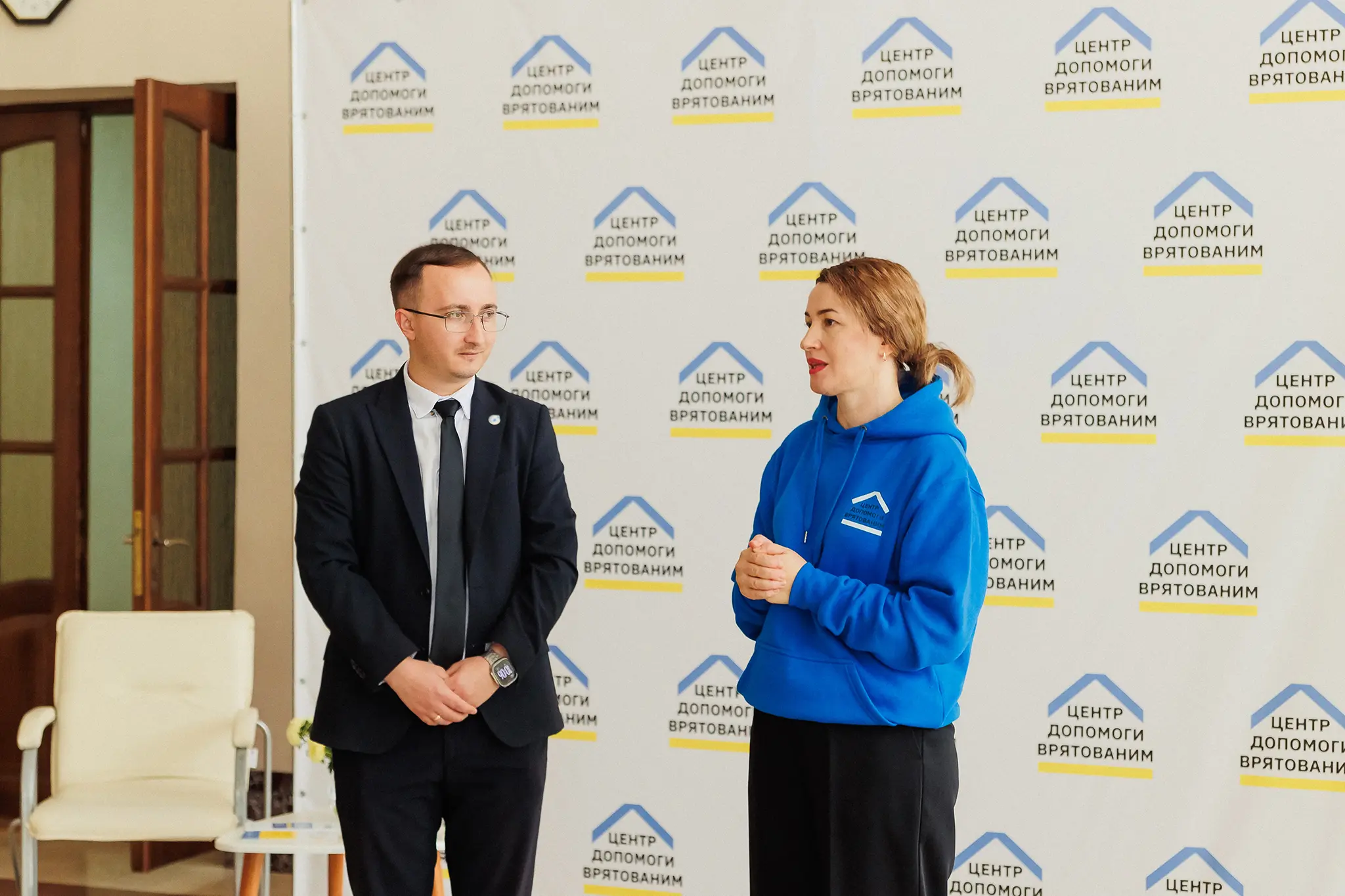
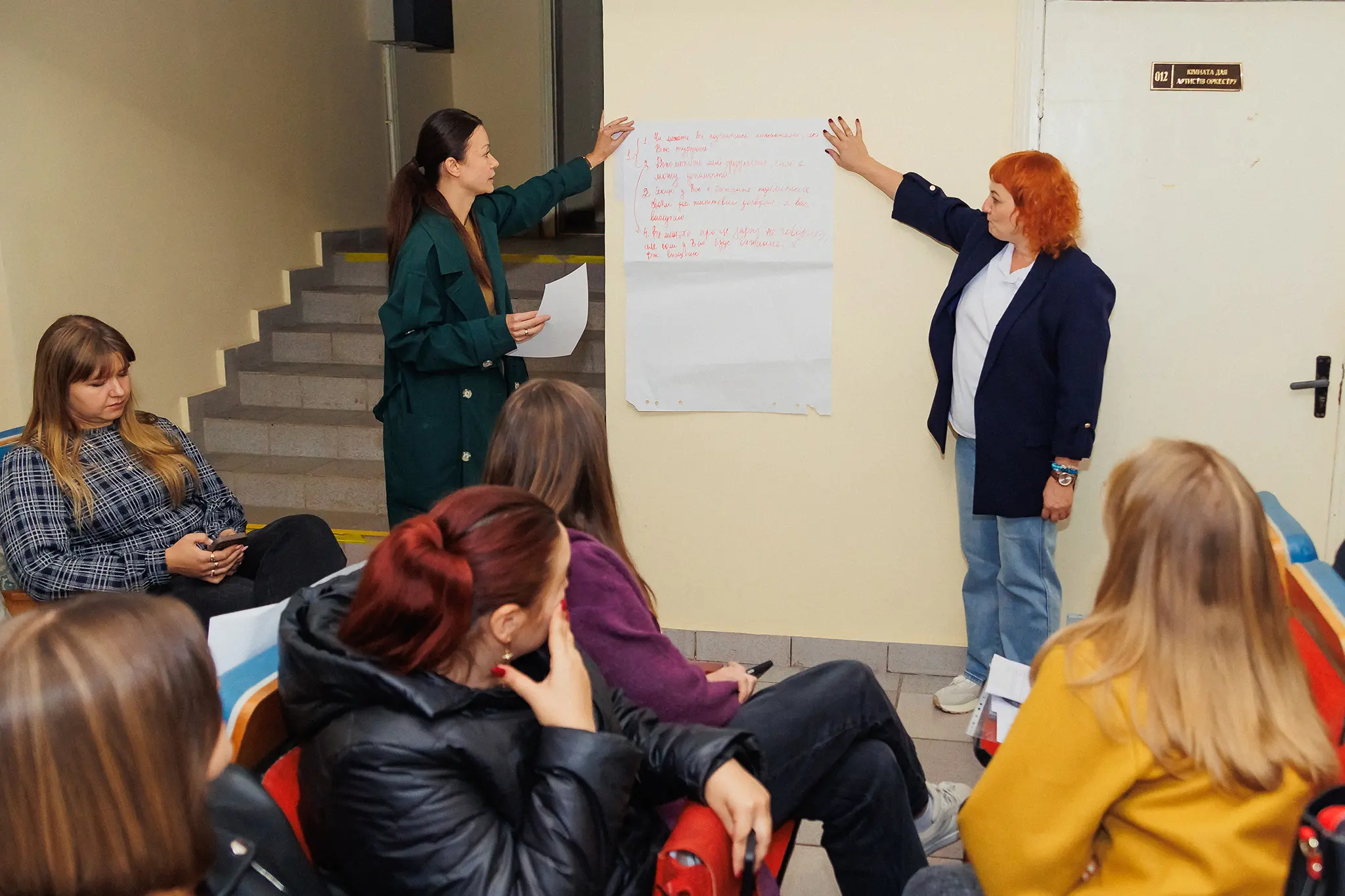
The team devoted a large part of the month to professional exchange. The specialists held the training “Working with People Released from Captivity: Ethical Communication and Practical Assistance” for professionals supporting veterans and demobilised people, and shared their professional experience on television. Social worker and case manager Tetiana Laskavenko presented the Centre’s work at the educational marathon for teachers “Psychological Safety: The Power of Partnership”.
Coordinator Nataliia Deriabina took part in a workshop on documenting war crimes, a meeting of the Coalition 1325 Poltava region, a working group on the population’s needs for social services, and the presentation of the Ombudsman’s Special Report on veteran policy. Representatives of International Medical Corps who visited the Centre offered supervision support for case managers.
Psychologist Olha Tselovalnyk and social worker and case manager Tetiana Laskavenko completed a training on inclusion, diversity, equality and accessibility in work with LGBTIQ+ communities, and the whole team attended a refresher session on preventing sexual harassment, exploitation and abuse.
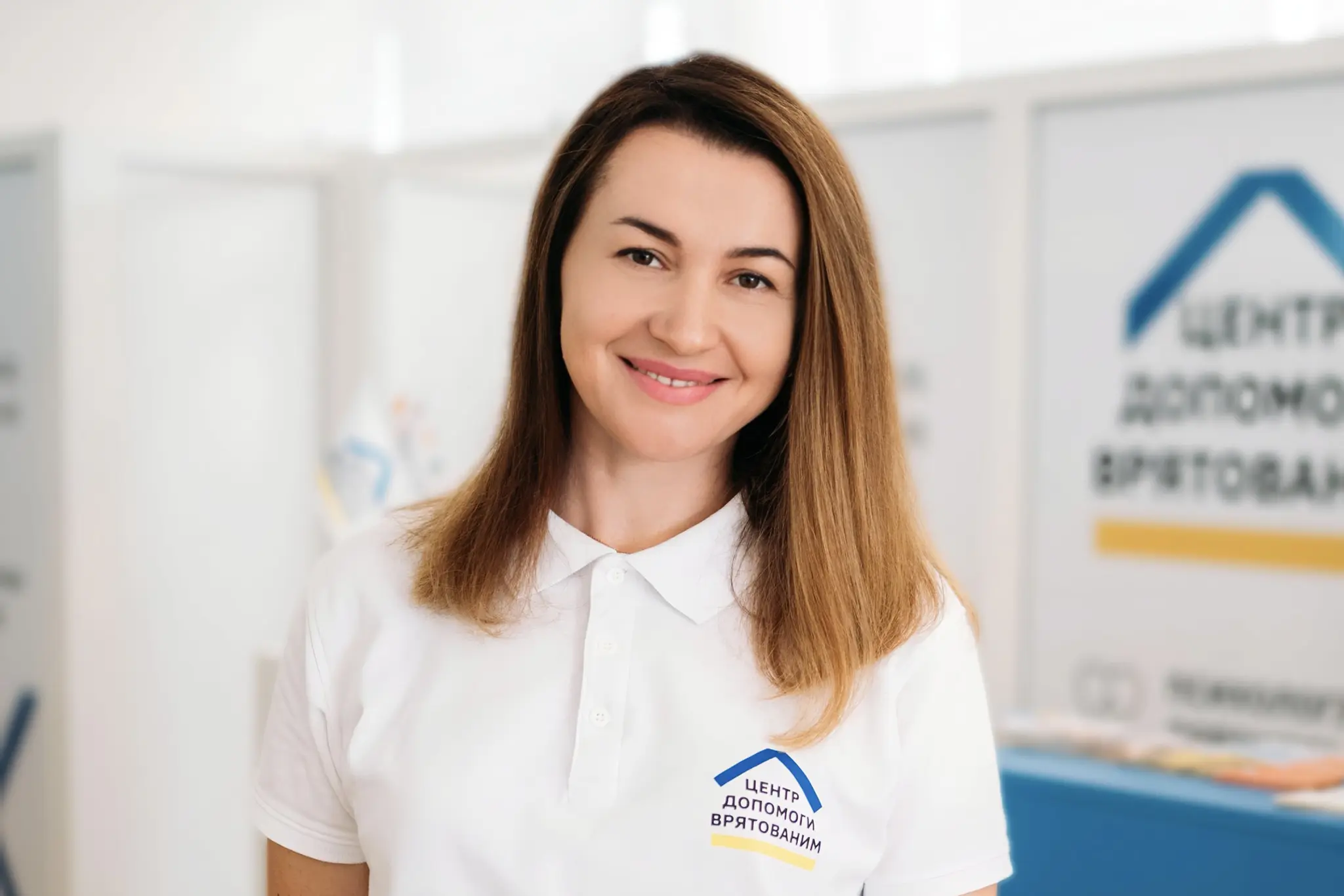
Coordinator of the Survivor Relief Centre in Poltava
“Training for veteran support specialists is especially important for those working in remote and hard-to-reach communities of Poltava region. Those who are the first to meet people released from captivity and their families need to understand the specifics of working with this group, know about the specialised services available and, if necessary, refer the person to the right specialists in time. That is why this month we paid so much attention to preparing the training, and we plan to continue sharing our professional experience.”
The work continues, no matter what. If you need help, please don’t wait – call:
Sumy
Kharkiv
Poltava
The Survivor Relief Centres in Sumy, Kharkiv and Poltava were established at the initiative of the Office of the Deputy Prime Minister for European and Euro-Atlantic Integration, with the assistance of the Government Commissioner for Gender Policy, in partnership with UNFPA, the United Nations Population Fund, with financial support from the governments of Austria, Belgium, Spain and Sweden, in cooperation with local authorities and the Rokada Charitable Foundation.