
Comprehensive support and a safe environment: results of the Survivor Relief Centres’ work over two months
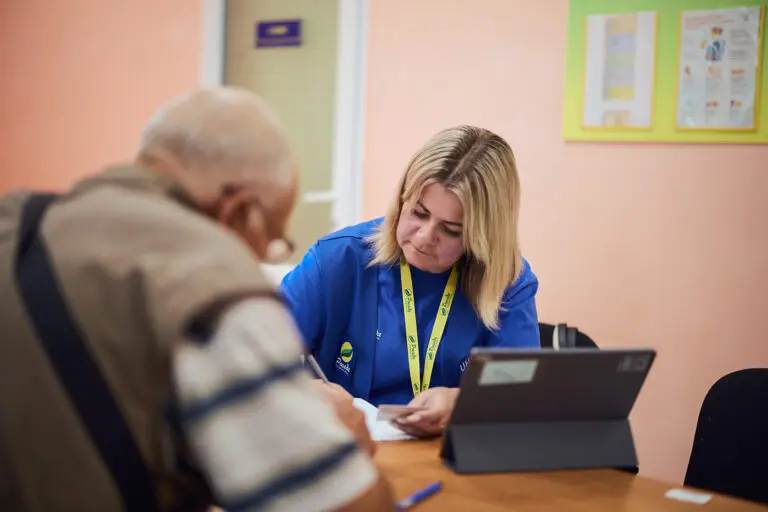
Despite the growing number and scale of Russian attacks, the Survivor Relief Centres in Sumy, Kharkiv and Poltava continue to work actively. Multidisciplinary teams provide continuous, comprehensive and all-round support to people affected by the war, who have faced gender-based violence or found themselves in crisis situations.
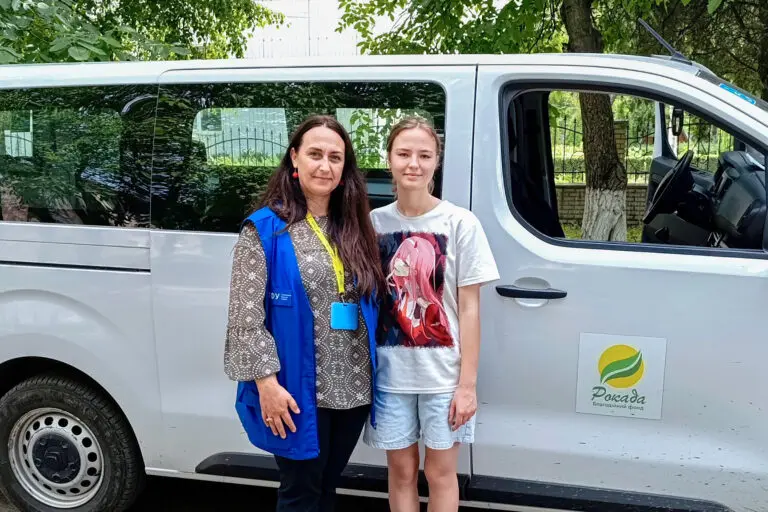
As a reminder, the Centres operate as part of the cooperation between the Rokada Charitable Foundation and UNFPA, the United Nations Population Fund. The mission of this project is to respond to the challenges of war in a timely and effective manner, in particular by supporting those who have experienced conflict-related sexual violence (CRSV). At the same time, the service is a reliable source of support for internally displaced people, veterans and their families, as well as for people released from captivity and families going through the hard experience of searching for missing persons.
During April and May, specialists of the Centre in Sumy provided almost 300 services, including social, psychological and legal consultations. But behind these statistics are real people with different experiences – and all of them deserve attention and support.
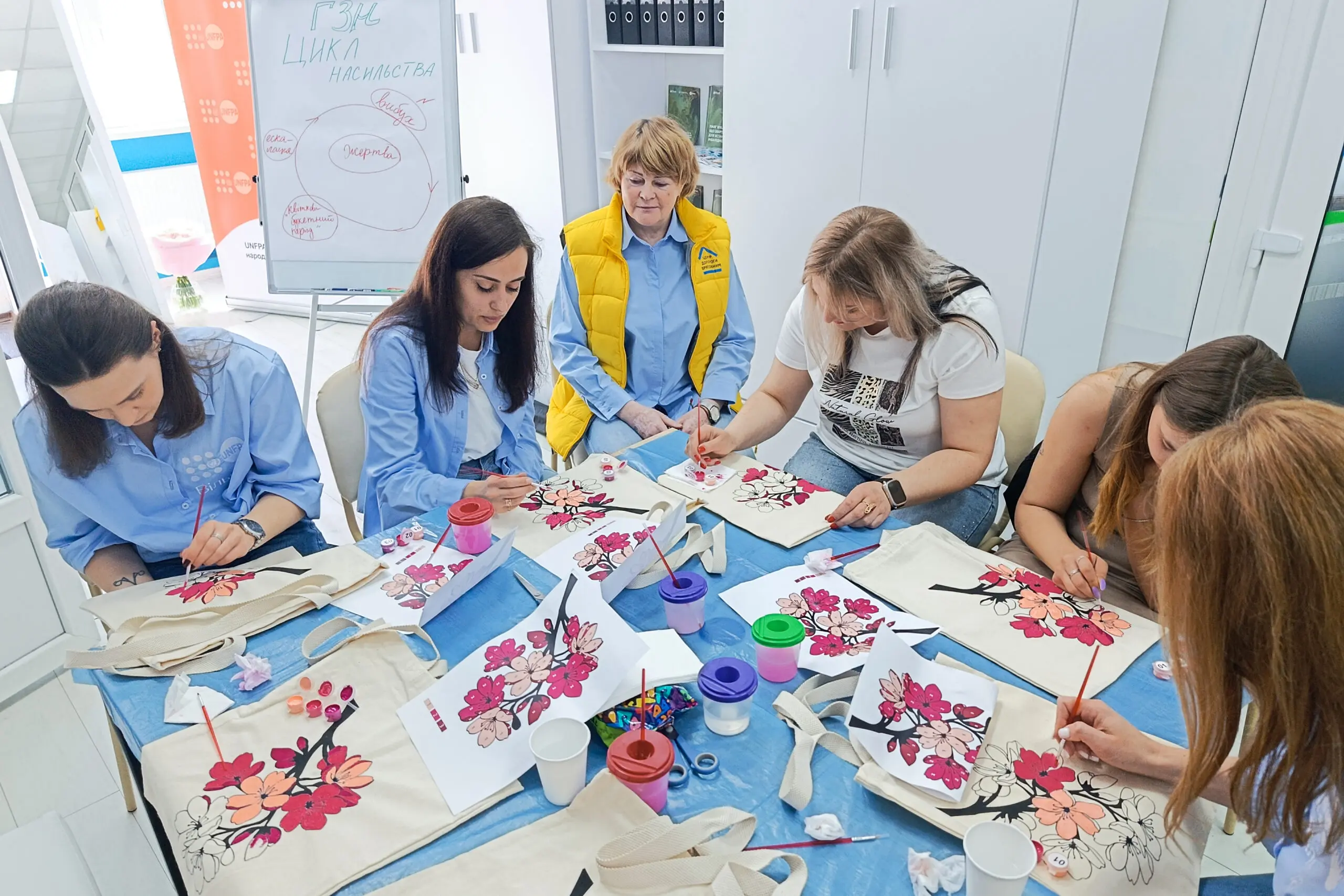
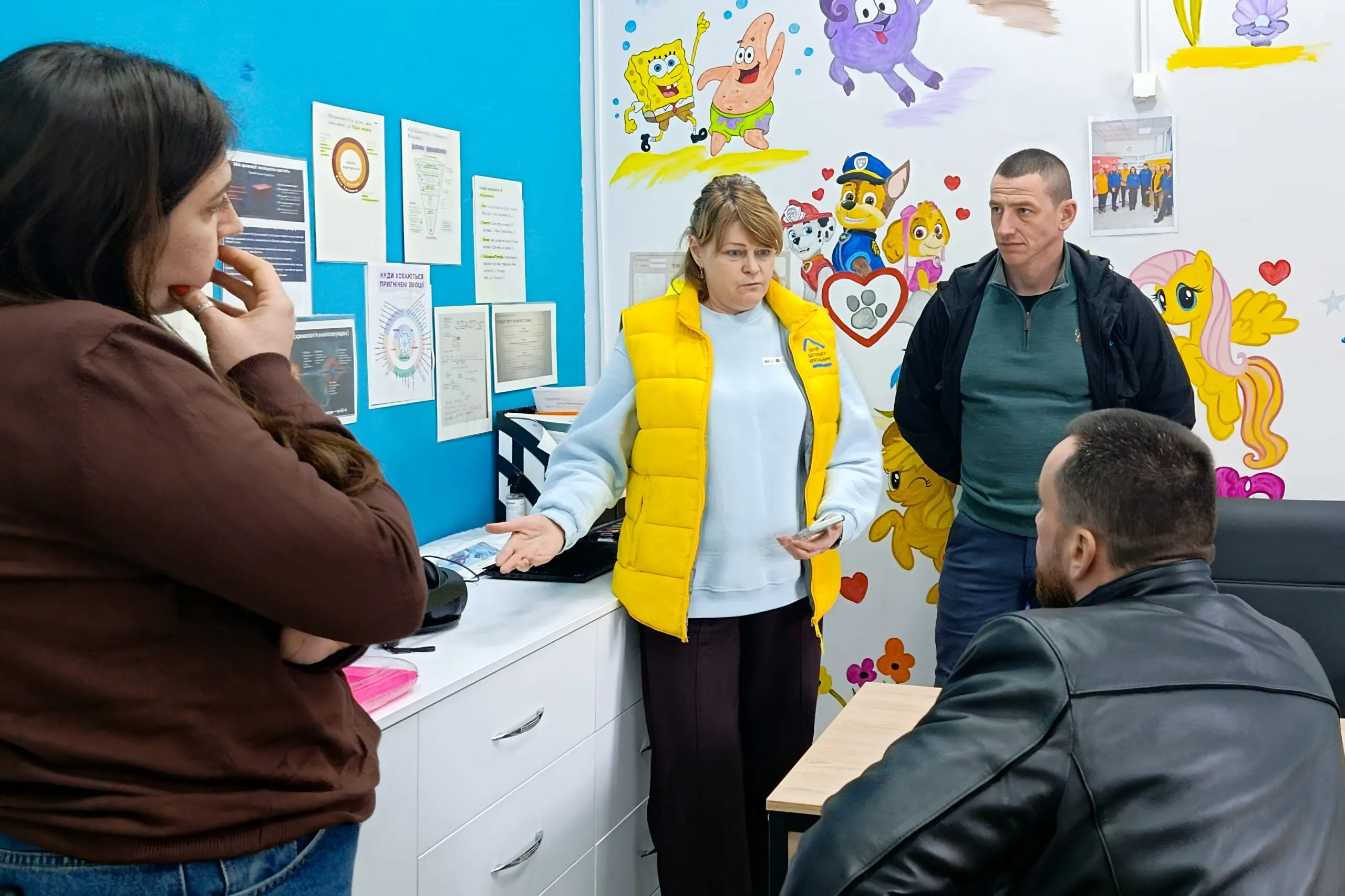
During individual sessions, psychologists focused on stabilising clients with high levels of anxiety, sleep disorders, fears, burnout, guilt and rescuer syndrome. Through grounding techniques, trauma work and finding inner and outer sources of support, the specialists helped women regain control over their lives and clarity of thought.
An important area of work is ongoing support for families who have lost loved ones because of the war. Specialists help them overcome guilt, cope with grief and find the inner resources to move on. Individual consultations were also sought by a teenage girl affected by online blackmail, together with her mother, and by a young veteran adapting to life after being wounded.
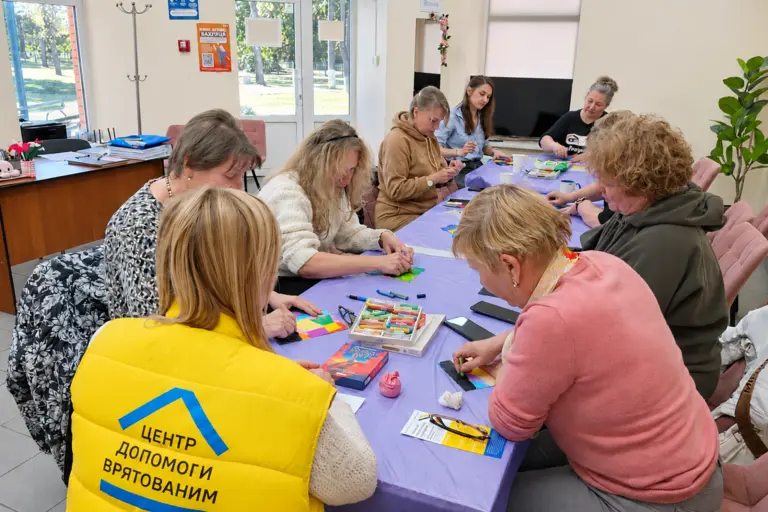
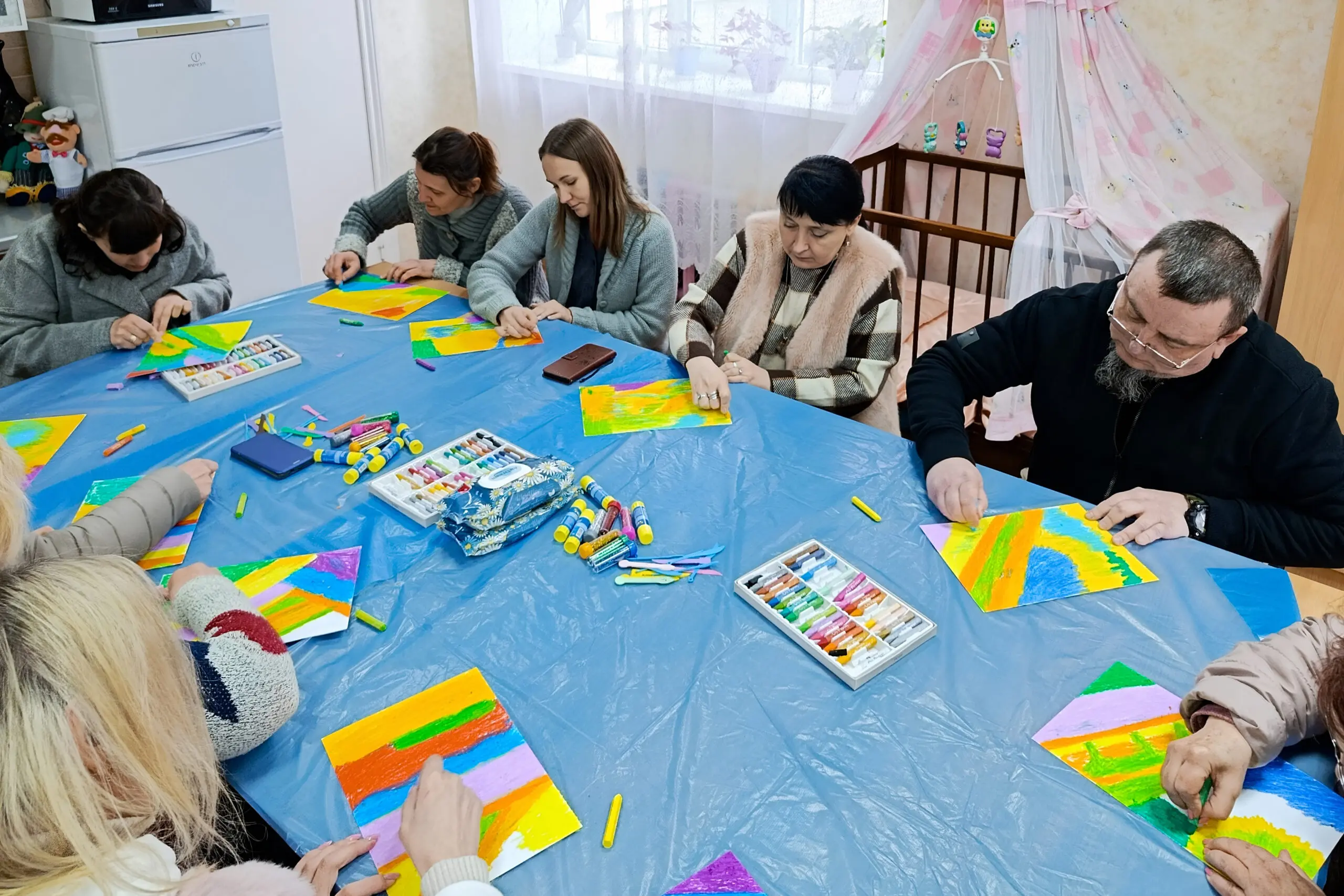
Group sessions were also held in the region’s communities. The specialists ran information sessions, trainings with elements of art therapy and team-building meetings for colleagues. Psychologists and social workers discussed various topics, including:
- preventing emotional and physical exhaustion – with older women in the town of Lebedyn;
- psycho-rehabilitation work with veterans – with representatives of a local organisation;
- self-regulation and resilience – with women aged 18–59 in the town of Lebedyn;
- creativity as a source of resources and self-expression – with students and teachers of a specialised school for children with disabilities;
- the value of volunteering – with residents of the Lebedyn community.
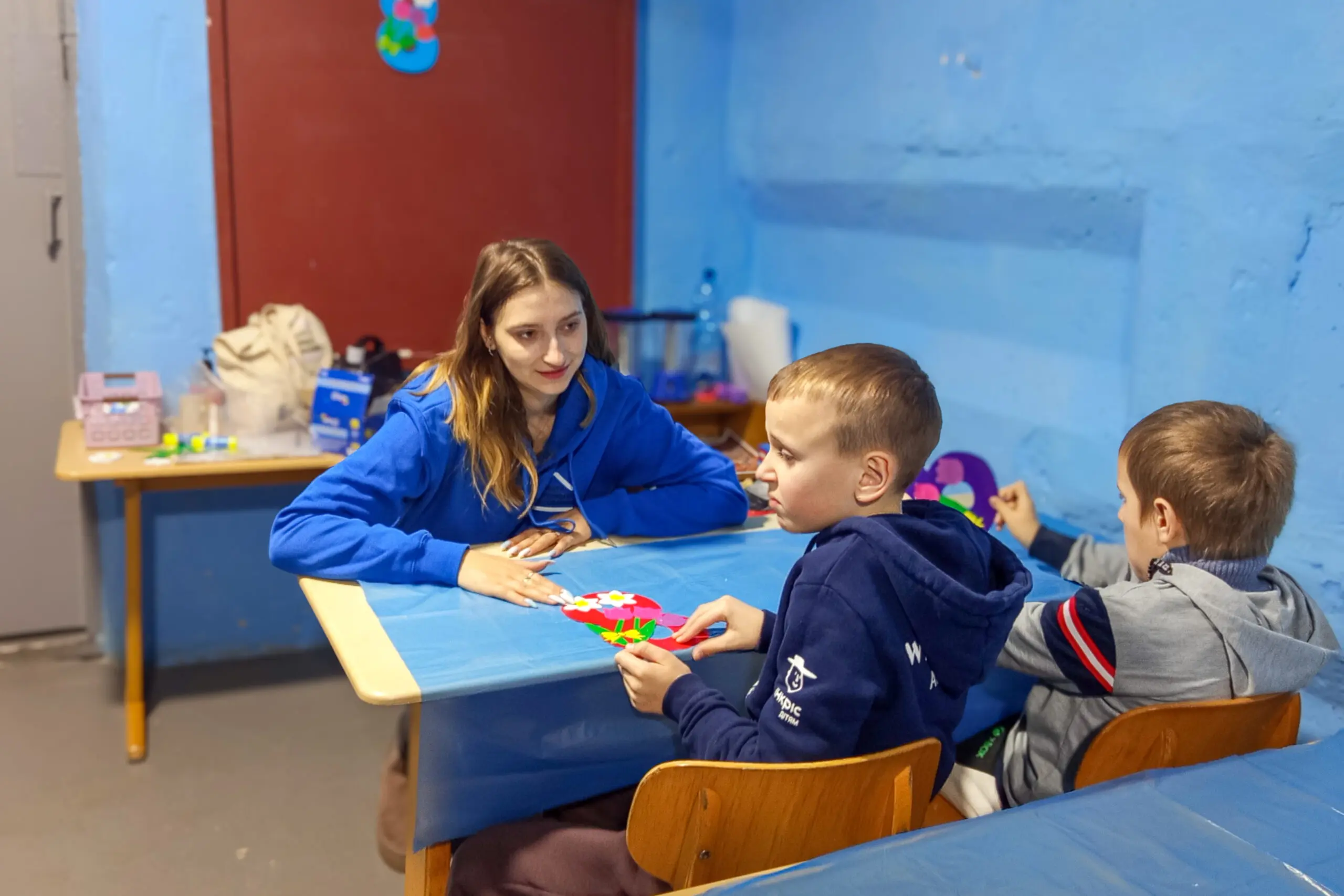
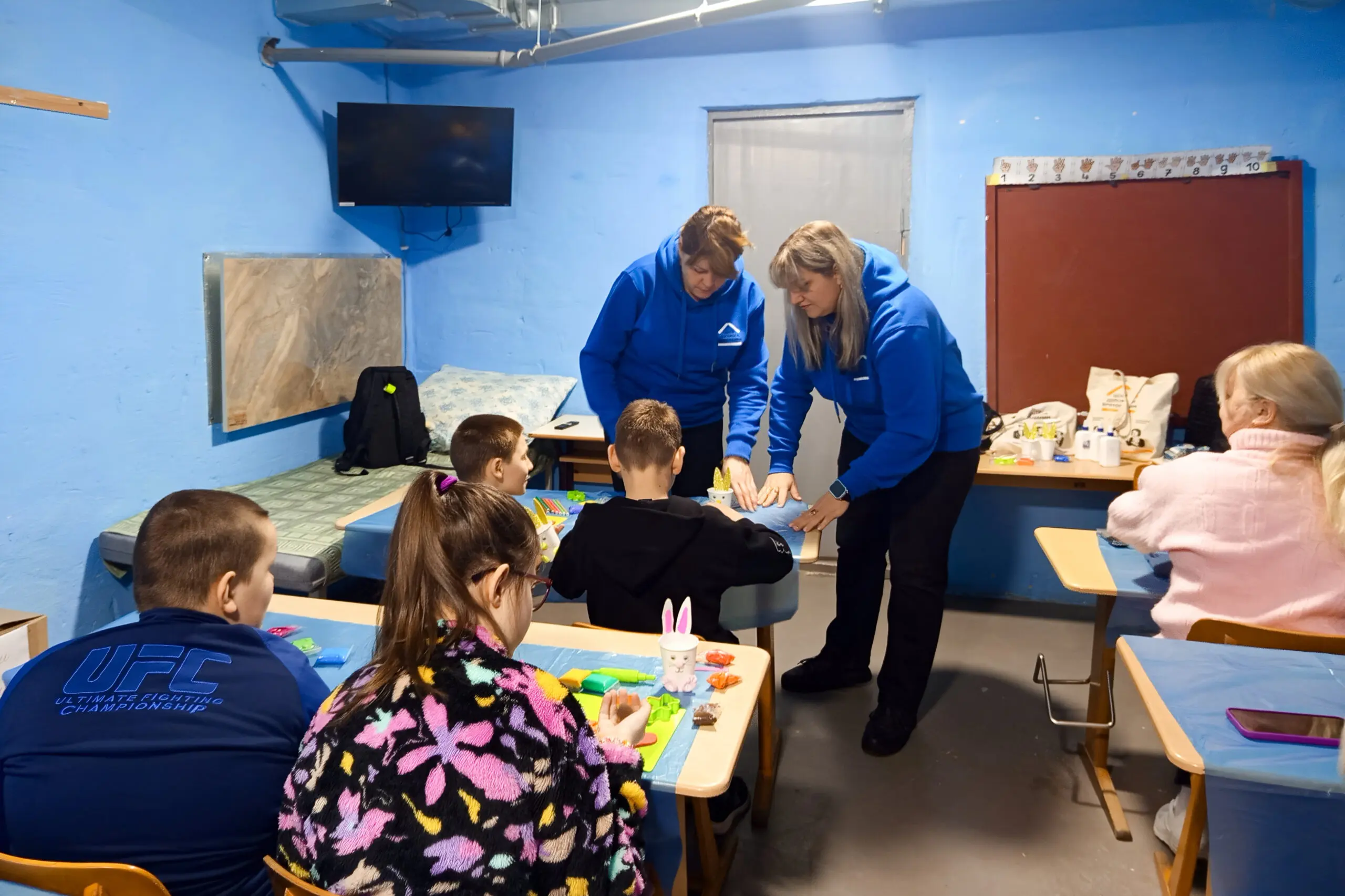
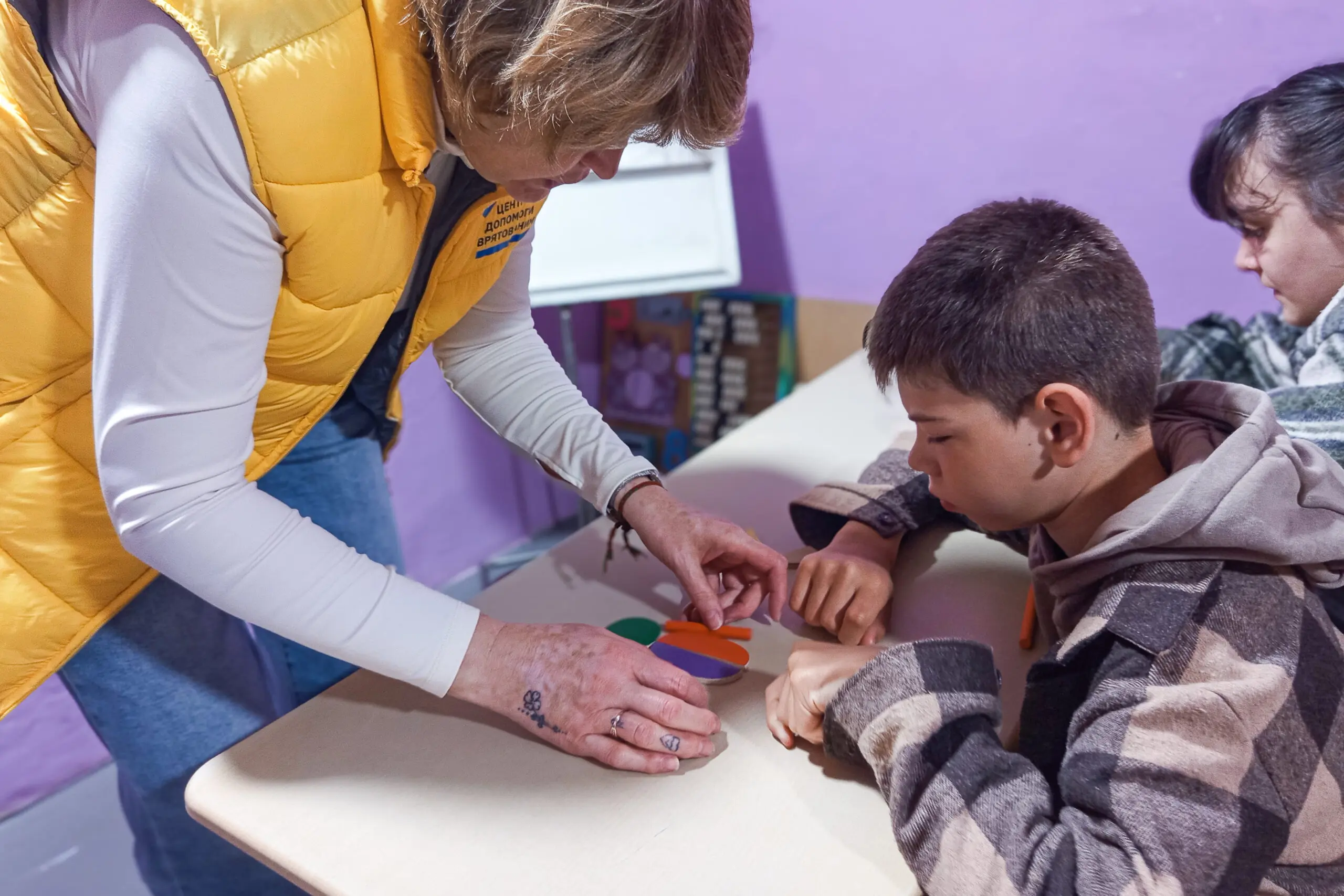
“We regularly visit a school attended by children with disabilities. They react strongly to explosions and to the war in general, so we hold trainings with elements of art therapy to improve their psycho-emotional state. Such sessions promote socialisation and the expression of creative individuality, reduce anxiety and increase learning productivity”, says social worker Nataliia Khrystenko.
The specialists never ignore requests, even when they concern other types of support. For example, one woman’s house was damaged by shelling, so the social workers referred her to the relevant foundation to obtain materials for emergency repairs. Another was advised on how to receive cash assistance.
To provide quality services and prevent professional burnout, the Centre’s team invests time in self-development every week. In addition to general supervision, staff attend individual sessions and take part in team-building activities. Over the two months, the specialists significantly expanded their toolkit:
- they learned about the trauma-informed approach to working with survivors of conflict-related sexual violence (CRSV);
- completed training on suicide prevention among veterans;
- mastered Thomas Zimmermann’s innovative Flash Protocol for working with complex traumatic experiences;
- learned the standards for documenting and protecting evidence of war crimes committed by the Russian Federation against Ukrainian children;
- learned about the risks associated with mines and explosive remnants of war;
- are studying the basics of psychiatry.
They also completed courses and trainings in tactical medicine, operational sleep medicine, gender equality, institutional capacity and logotherapy. The team also regularly establishes new partnerships and develops existing ones with other services and institutions.
Centre coordinator Yuliia Bakina ensures the smooth and effective functioning of the space. She also held an information session for the “Veteran PRO Sumy Region” community and took part in a meeting of the regional working group on coordinating the humanitarian response to gender-based violence, strengthening the region’s partnership network.
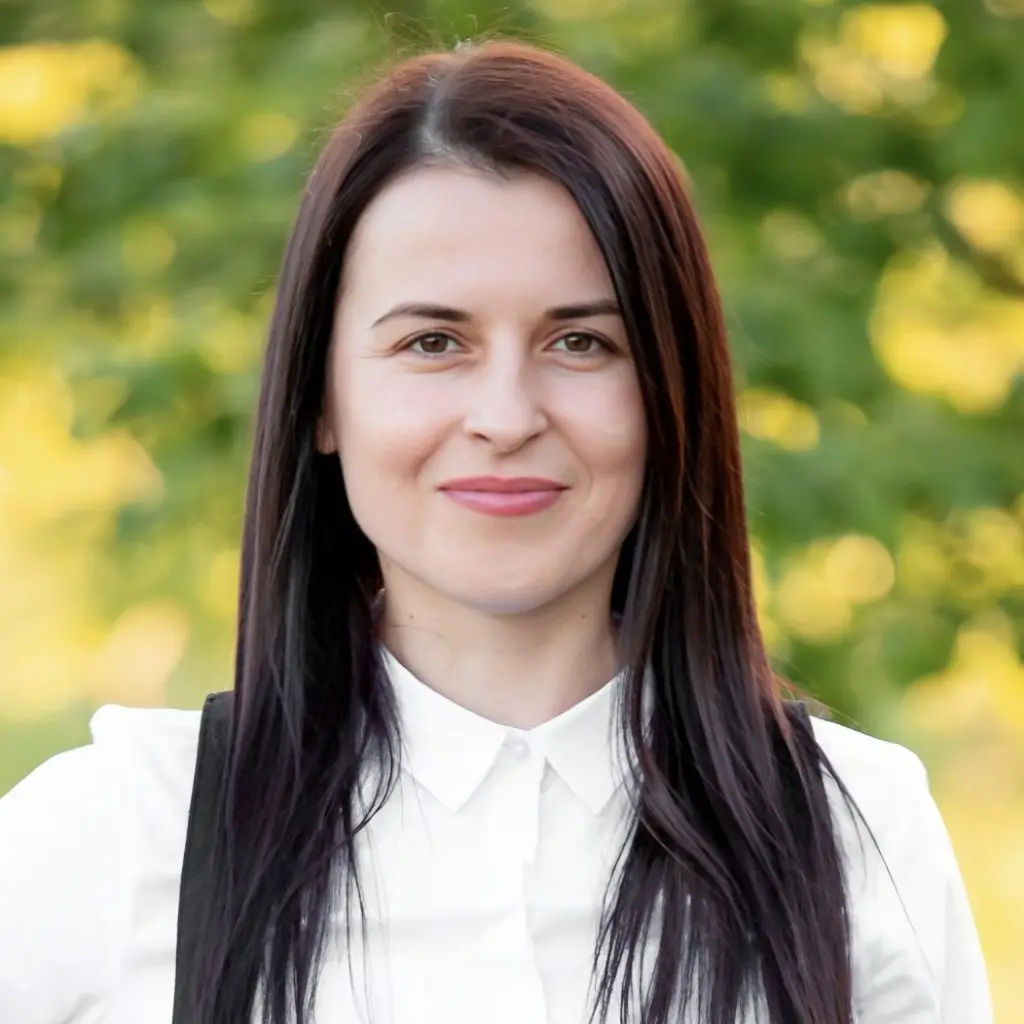
Yuliia Bakina,
Coordinator of the Survivor Relief Centre in Sumy
“Thanks to the team’s professional work, these two months went steadily and productively – everyone who sought help received quality support from the specialists in time. What we value most is creating a safe environment where people in crisis find the strength to move on. A quick response to requests and a clear division of tasks within the team make it possible to help more clients and give them the resources they need ‘here and now’”.
In April and May, the team of the Survivor Relief Centre in Poltava focused on comprehensive support for people affected by the war. The specialists provided more than 850 consultations, combining social, psychological and legal assistance.
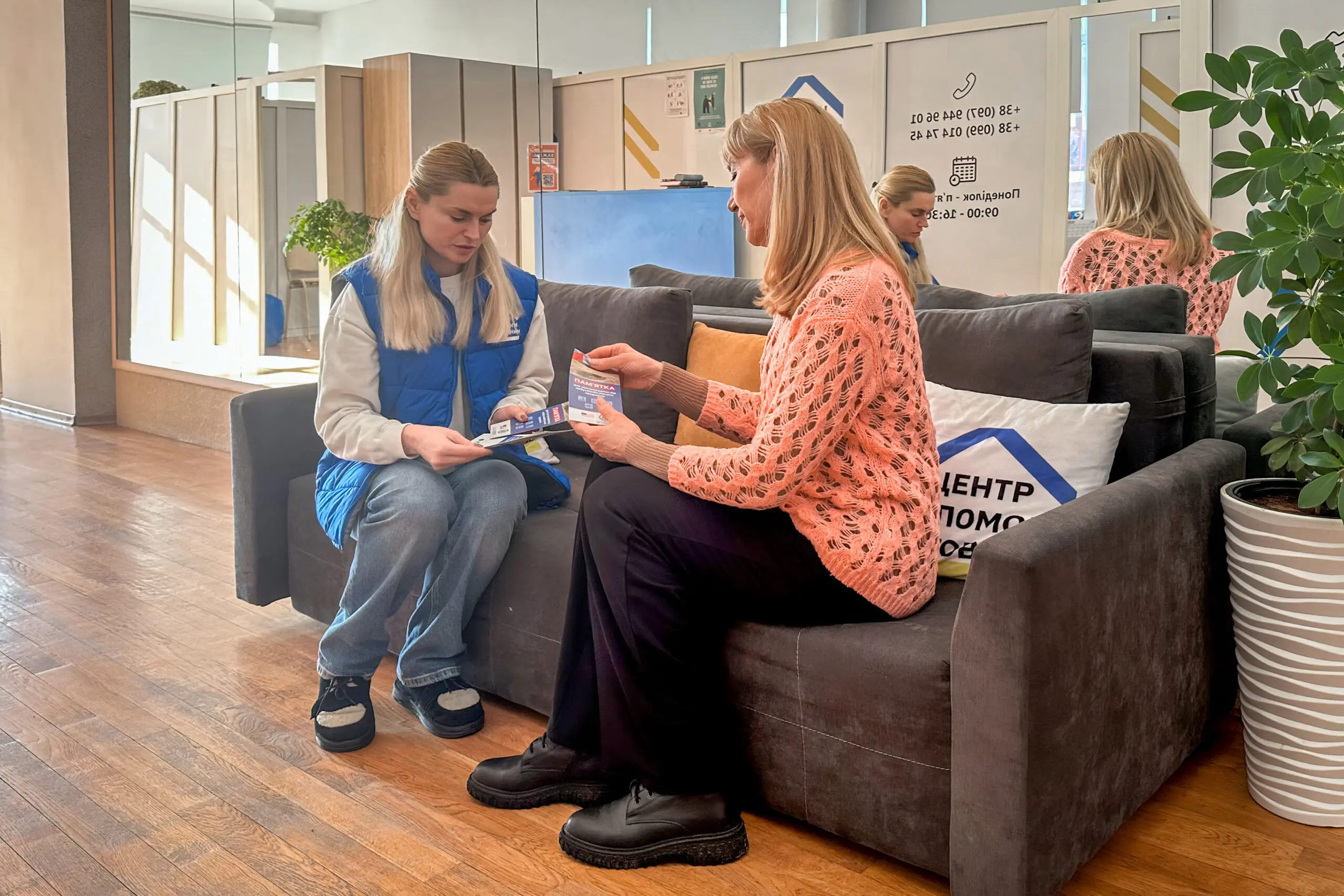
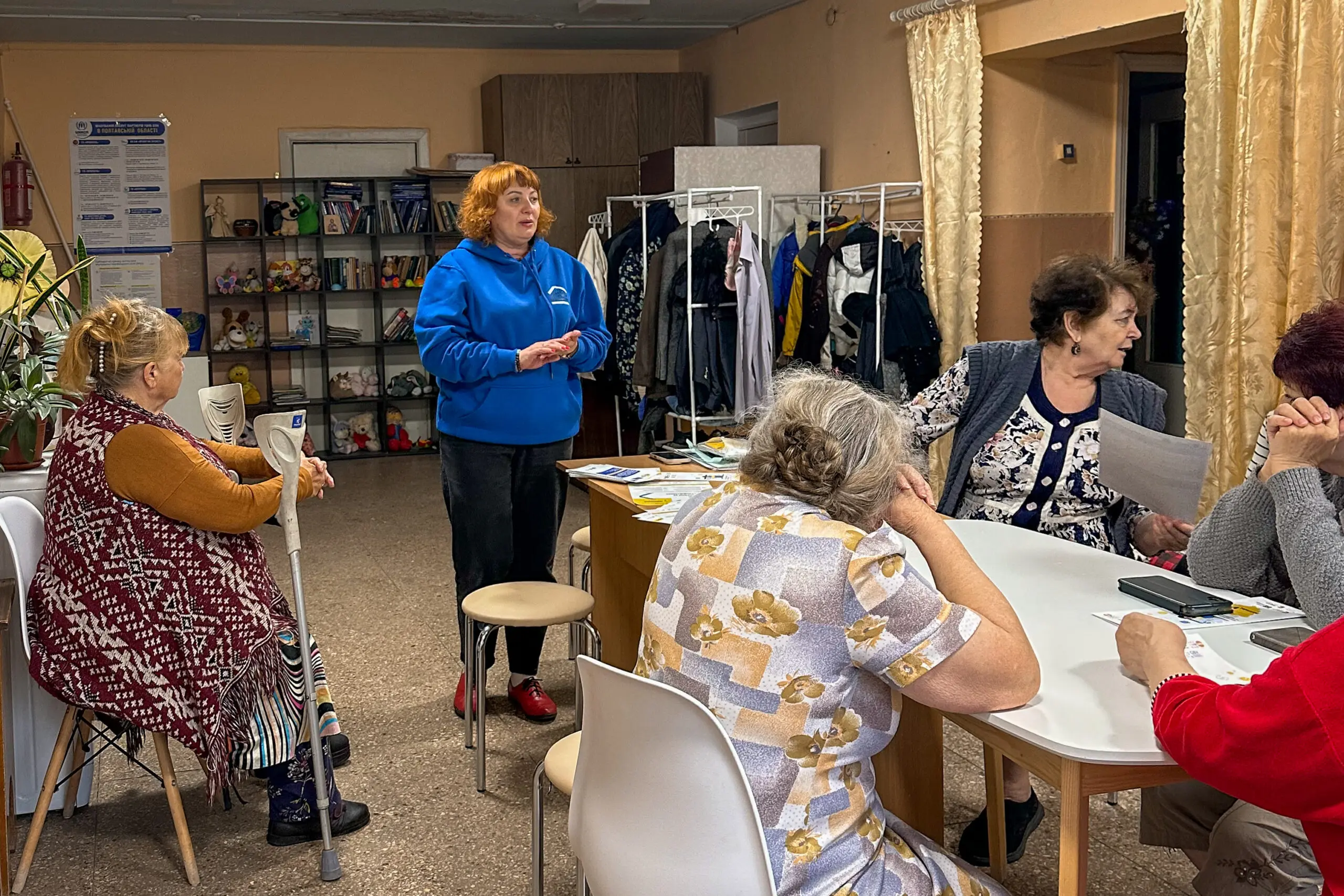
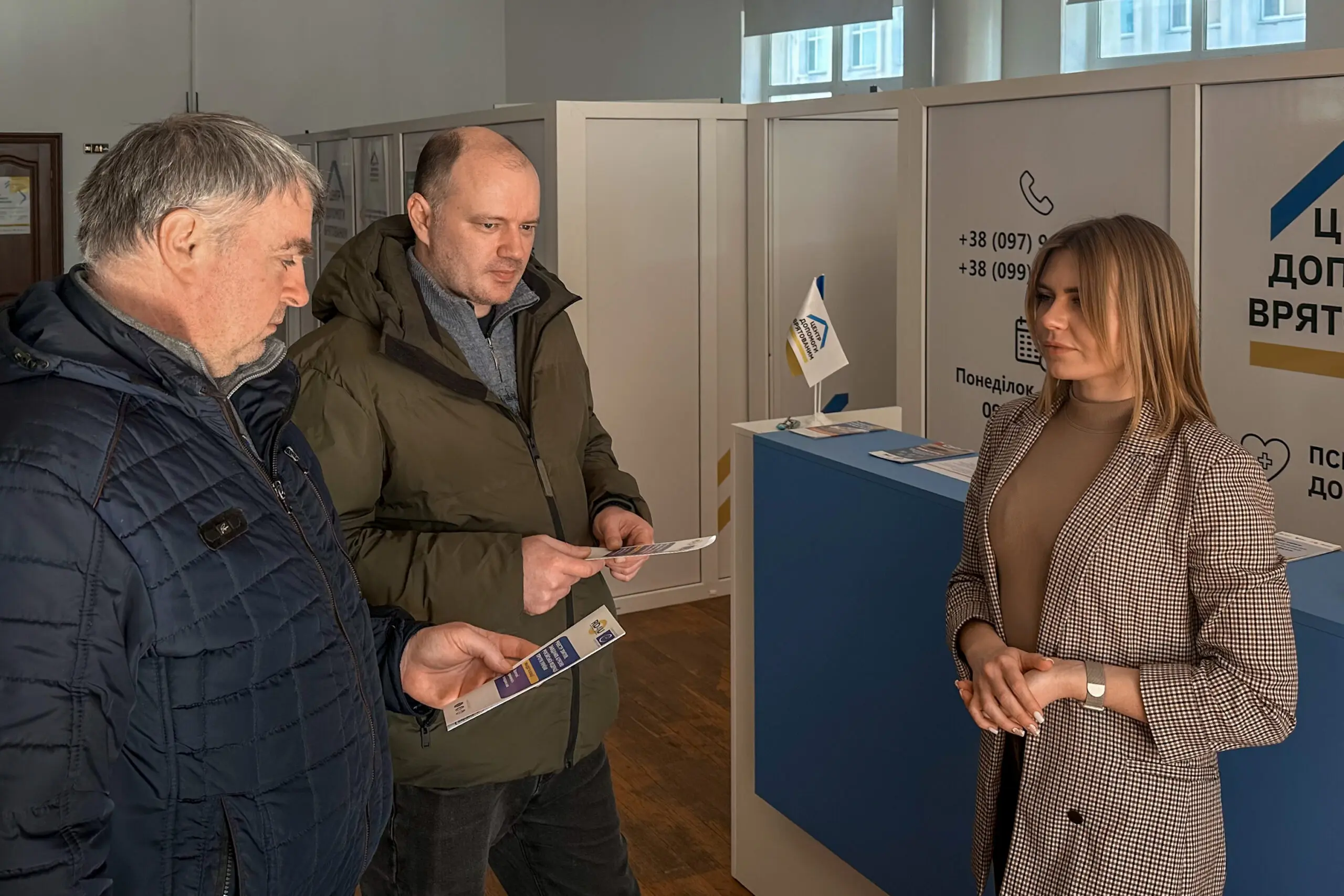
An important group of clients are internally displaced people who have settled in Poltava and the region’s communities. Social workers and case managers help them with their first steps – finding safe housing, obtaining IDP status, and accessing humanitarian support and basic services. But, as the team notes, behind a request like “help me find accommodation” there are often much deeper traumas – experiences of shelling, the loss of loved ones, witnessing war crimes.
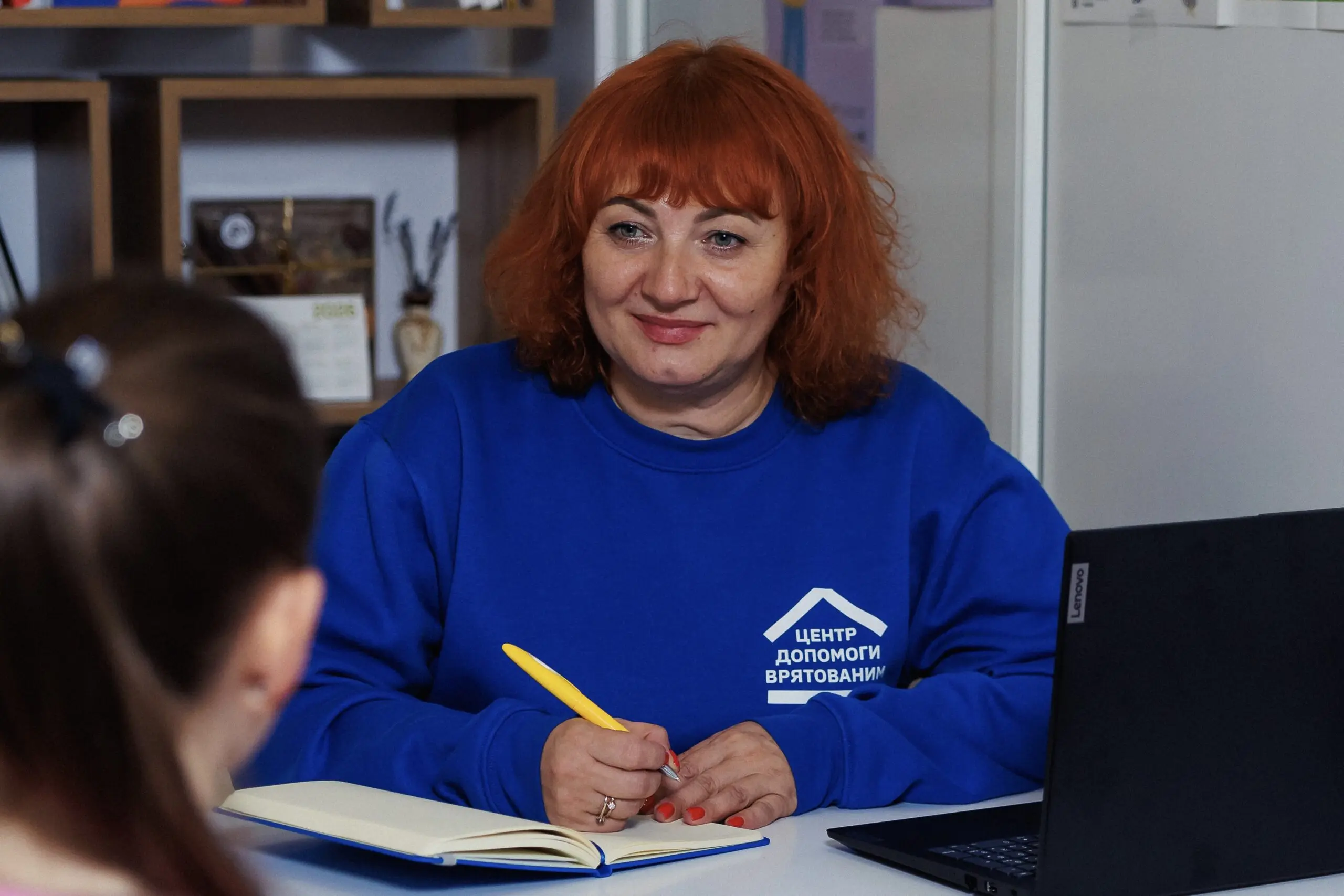
“People often come to our Centre with urgent questions, in particular about accommodation and humanitarian aid. But behind the search for a roof over one’s head, much deeper traumas are often hidden. In the course of a trusting conversation, facts of war crimes, including conflict-related sexual violence (CRSV), often come to light. This topic remains extremely stigmatised, and we understand that. My role as a social worker and case manager is to create a safe space where a person will be heard without judgement”, says Tetiana Laskavenko.
The legal area plays a special role in Poltava. The Centre’s lawyer supports people in submitting claims to the International Register of Damage Caused by the Aggression of the Russian Federation against Ukraine. For many clients – especially older people or those who have lost their homes and documents – working with digital services and legal terminology becomes an additional barrier. This is where the specialist helps them overcome a sense of helplessness in the face of complex procedures.
Among the stories the team particularly remembers is the case of a man who survived captivity and, after his release, faced a number of new challenges. Already as an IDP, he learned he had cancer, underwent surgery and continues treatment. Together with his family, he needs medical, social and psychological support. The Centre’s specialists advised the family on submitting claims to the International Register of Damage in several categories, helped them sort out the documents and referred them to additional services, in particular to a family rehabilitation programme run by the NGO Nehemiah. This case shows how important a client-centred and multidisciplinary approach is – when the team not only identifies needs but also consistently supports the person at every stage.
The Centre also pays a lot of attention to work with children and families. Child psychologist Kateryna Babinchuk works on requests related to emotional stability, self-esteem, family relationships and the consequences of domestic violence and cyberbullying. Her approach is based on creating a safe space where a child can be heard and understood, and on involving parents in the process of change within the family system.
The Centre’s psychologists combine individual work with group activities. In April and May, sessions with elements of body-oriented therapy and meditation continued for IDPs from Donetsk and Luhansk regions and local residents. Such meetings help people feel their own bodies better, reduce tension and anxiety, and restore contact with themselves. A separate area is support for children waiting for a father or mother to return from the front. During an information and practical session for veteran and demobilised person support specialists, the Centre’s team discussed how to talk to children about the war, how to notice their emotional reactions and how to preserve a sense of stability for them amid uncertainty.
Another important area is awareness-raising and professional exchange. Over the two months, the Centre’s specialists held trainings for students and teachers of local universities, took part in panel discussions and joined events of the All-Ukrainian Mental Health Programme “How Are You?”. Social workers and case managers presented the Centre’s experience and spoke about preventing professional burnout, gender-based violence and work with CRSV survivors. The team also completed specialised training in GBV case management, strengthening their skills in needs assessment, safety planning and inter-agency cooperation.
Much effort is also directed at developing partnerships. In Poltava, the Centre actively cooperates with local authorities, educational institutions, social services and civil society organisations. The participation of the Centre’s coordinator Nataliia Deriabina in regional meetings on veteran policy, the implementation of the “Women, Peace and Security” action plan and building a support network helps strengthen cross-sectoral cooperation. Partnership events make it possible to better coordinate assistance pathways so that people affected by the war can receive comprehensive support faster.
Nataliia Deriabina,
Coordinator of the Survivor Relief Centre in Poltava

“For us, such meetings are not only an opportunity to present the Centre’s work but also an important platform for professional exchange. We see colleagues’ genuine interest in the model of comprehensive support we are implementing in Poltava, and we want as many people as possible in different regions to have access to such services”.
Despite the heavy workload and the complexity of requests, the team of the Centre in Poltava consistently stays focused on humanity, empathy and trust. Regular contact with clients, feedback, follow-up calls after consultations and a readiness to “be there when it is most needed” become the foundation on which people who have survived the war can build a new sense of safety and resilience.
Over the two months, the team of the Survivor Relief Centre in Kharkiv supported hundreds of people affected by the war. In total, during this period the specialists provided more than 350 individual consultations and reached more than 100 participants through group sessions in Kharkiv and the region’s communities.
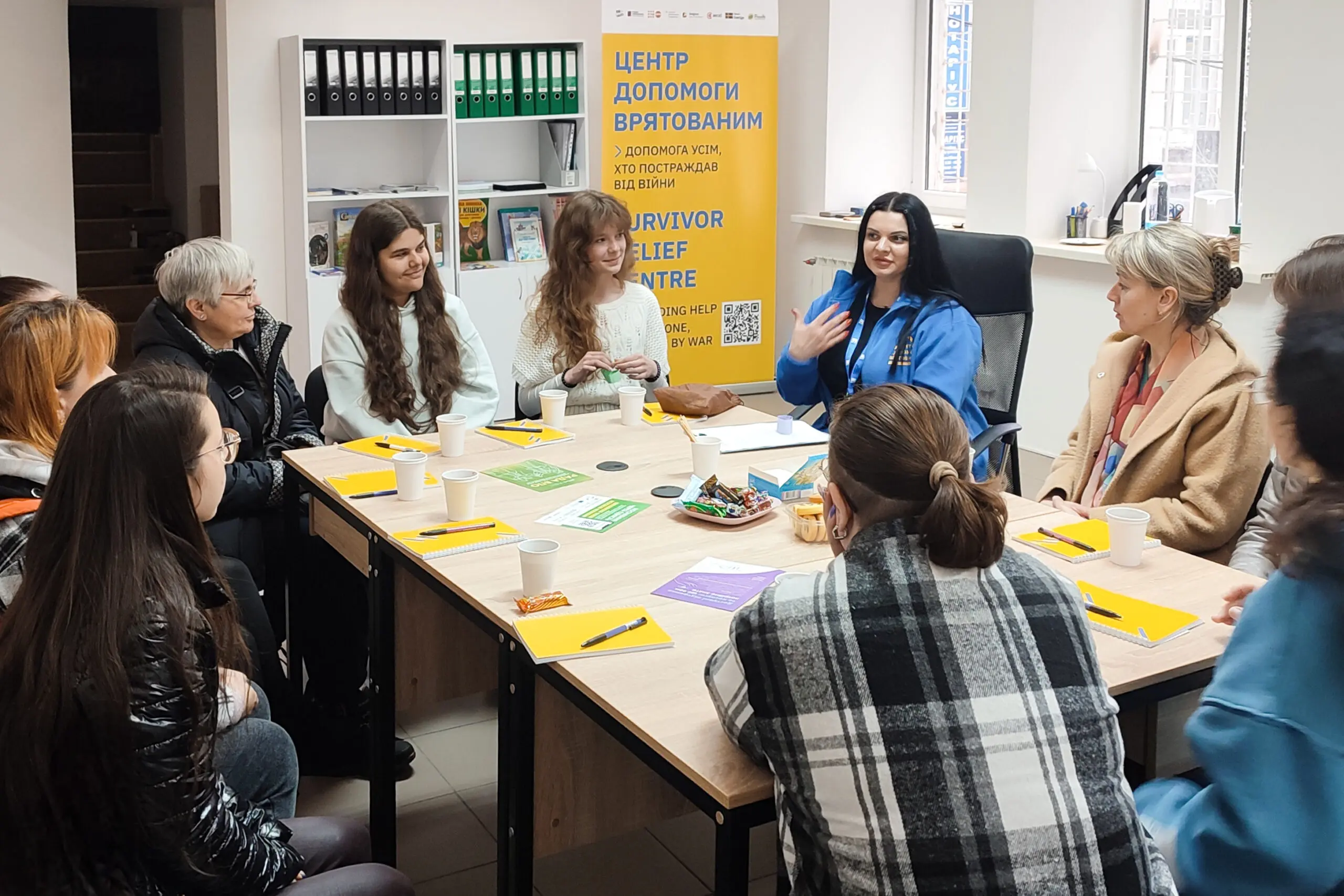
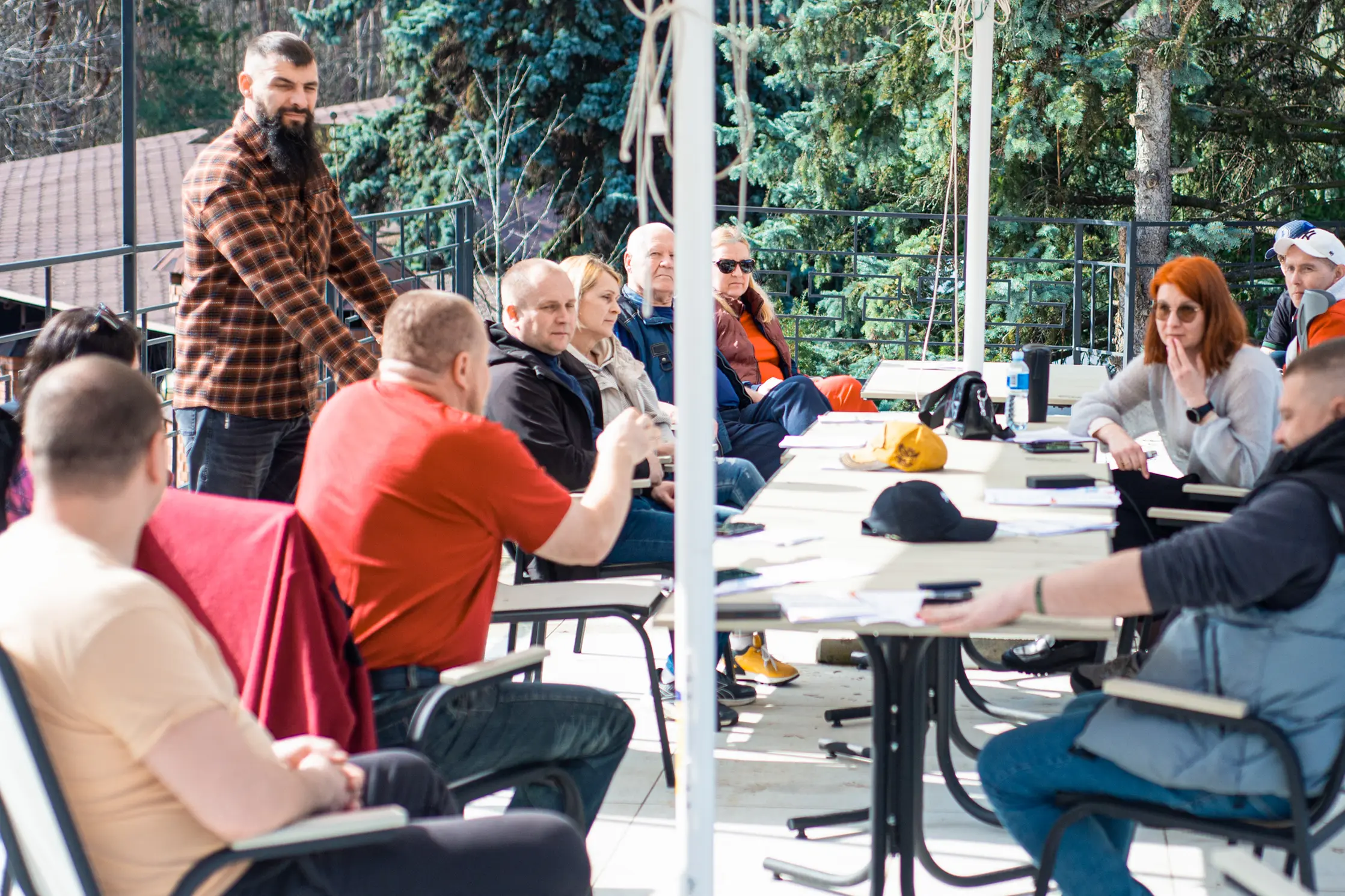
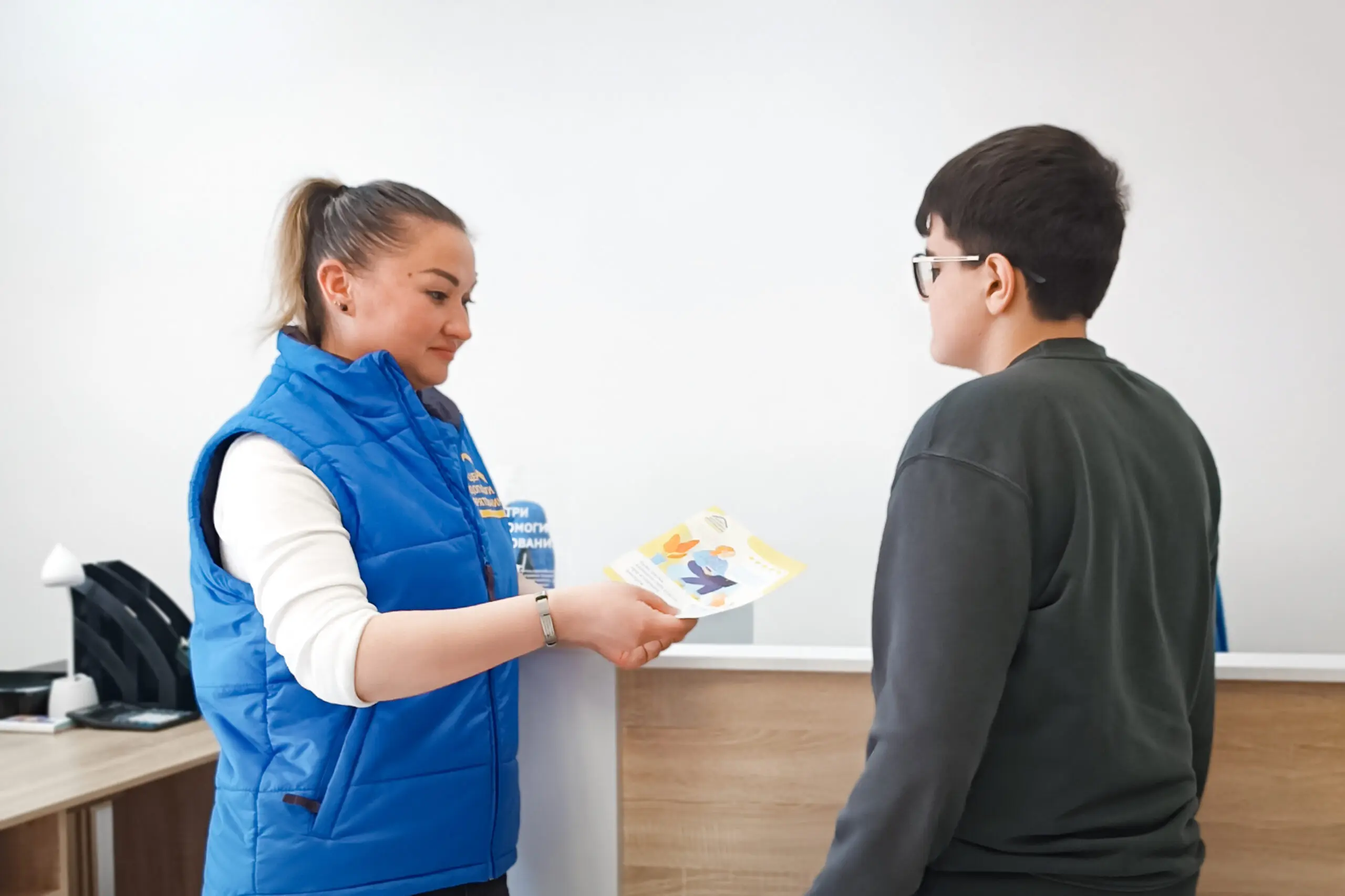
The Centre combines psychological, social and legal support. In April and May, psychologists held hundreds of meetings, helping people cope with anxiety, grief, the consequences of captivity, adaptation to new conditions and experiences of violence. During legal consultations, specialists explained mechanisms for protecting survivors’ rights, documenting war crimes and available legal aid tools. Social workers supported clients with accommodation, humanitarian support and obtaining financial assistance, and set up referral pathways to partner organisations.
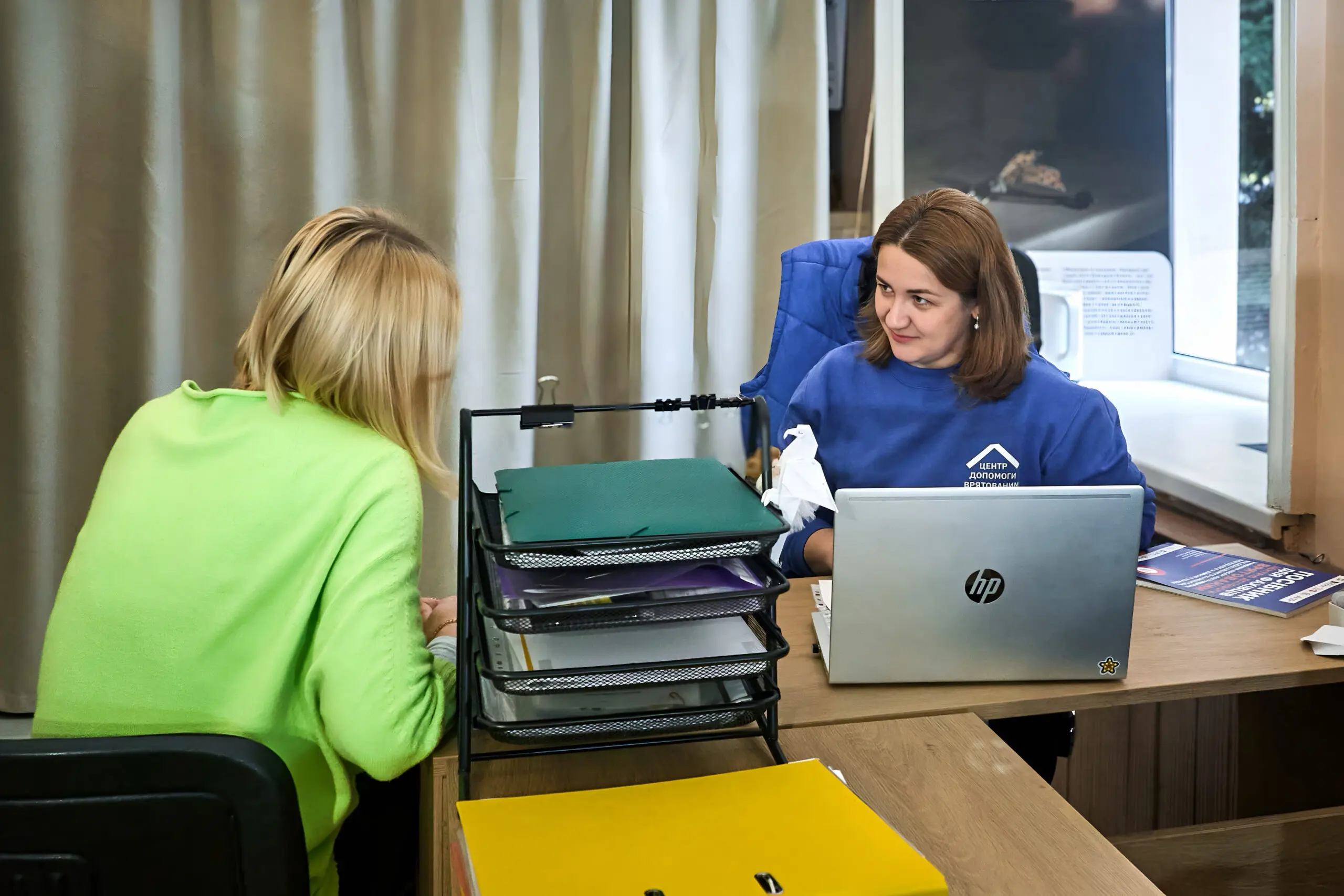
“The Survivor Relief Centre is a place where people receive not only support but also a chance to rebuild their lives. We are approached by internally displaced people, local residents and women who have experienced gender-based violence and conflict-related sexual violence. My work begins with getting to know the person and their story. Behind every request there is pain, fear, loss or uncertainty. It is important not just to listen, but to hear, understand the needs and find a way to address them together. A case manager is a bridge between a person and resources”, says case manager Tetiana Smoliak.
A separate focus is work with children and teenagers. In Kharkiv, an art therapy group was held where teenagers used creativity to talk about their fears, dreams and what gives them strength. In Merefa and other communities, information sessions were held: “Informed Means Protected”, “Your Rights Are Your Strength” and “What Help You Can Get at the Centre”. Schoolchildren learned about personal safety, children’s rights, countering bullying and ways to seek help.
The team also consistently works with veterans and families of fallen service members. In the villages of Nova Vodolaha and Tsyrkuny, psychologist Olena Zyma held trainings on adapting to civilian life, stabilising the psycho-emotional state and developing self-help skills. Participants learned breathing, grounding and self-regulation techniques, shared their experiences and received support from the group. Separate sessions were devoted to family members of missing service members – living with ambiguous loss, when there is neither a clear answer about what happened to a loved one nor a chance to say goodbye.
During April, the team actively worked in communities of Kharkiv region, in particular holding:
- the groups “How to Stand Firm When the Ground Slips Away” and “A Woman’s Resources” for internally displaced and local residents affected by the war;
- information sessions in Chuhuiv, Balakliia and Bezliudivka;
- a legal support event for civilians deprived of liberty as a result of armed aggression.
Among the stories the specialists particularly remember is the case of a father of two. The family miraculously survived a Russian strike, but the children lost the dearest person – their mother. The family came to the Centre in a state of deep grief and confusion. The specialists provided psychological support and legal consultations and referred the father to a partner organisation for cash assistance to cover basic needs. Such a comprehensive approach helps not only to get through an acute crisis but also to take the first steps towards rebuilding life.
An important part of the work remains developing partnerships and professional capacity. The team joined meetings with representatives of the Ombudsman’s Office, UNFPA, OCHA and the regional Coalition 1325, and took part in dialogues on implementing the National Action Plan “Women, Peace, Security”, localising response plans for conflict-related sexual violence and protecting the rights of vulnerable groups. The specialists completed training on CRSV, gender-based violence, survivor referral, inclusive humanitarian programming, and the basics of psychotraumatology and stabilisation.
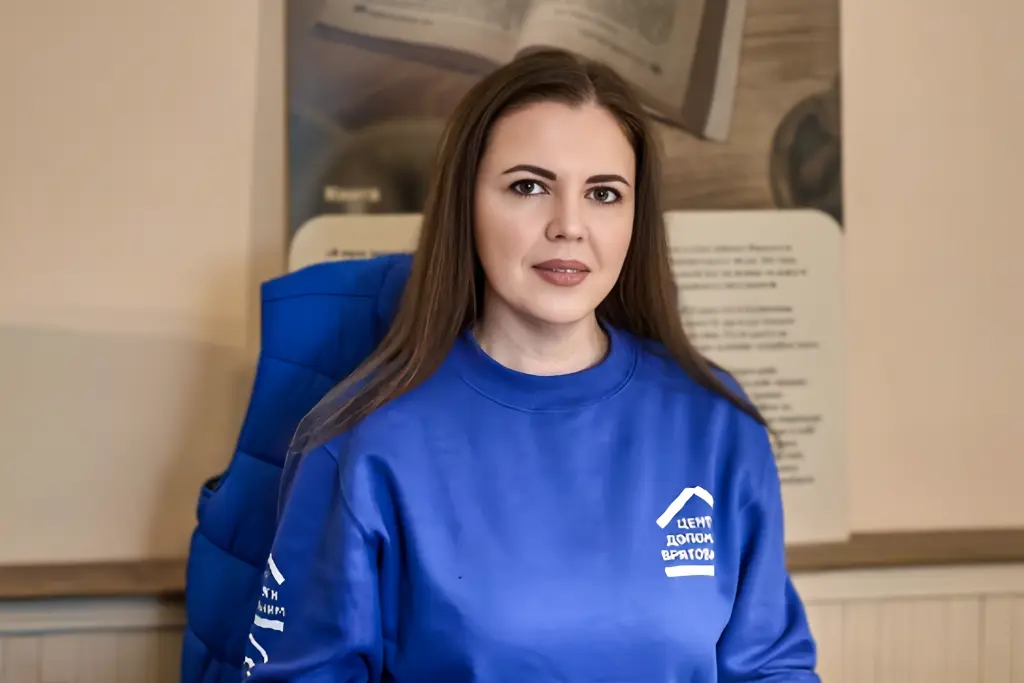
Olena Kyrychuk,
Coordinator of the Survivor Relief Centre in Kharkiv
“The team is proud that even under constant danger and a heavy emotional load, it continues to be a source of support for people. Particularly valuable have been the strengthening of the specialists’ professional knowledge, the development of partnerships with international organisations and participation in important dialogues on protecting human rights and supporting women and those affected by Russian armed aggression.
The main challenges remain high levels of psychological exhaustion, difficult stories of loss, the adaptation of veterans and families of the fallen to new realities of life, and the need for constant support for the population in wartime. Despite this, the Centre’s team continues to work in a cohesive, professional and deeply empathetic way. The specialists say they feel tired because of the complexity of cases, but at the same time feel motivation, strength and the value of their work thanks to people’s trust and real positive changes in their lives”.
The Survivor Relief Centres in Sumy, Kharkiv and Poltava were established at the initiative of the Office of the Deputy Prime Minister for European and Euro-Atlantic Integration, with the assistance of the Government Commissioner for Gender Policy, in partnership with UNFPA, the United Nations Population Fund, with financial support from the governments of Austria, Belgium, Spain and Sweden, in cooperation with local authorities and the Rokada Charitable Foundation.
UNFPA, the United Nations Population Fund, is the leading UN agency focusing on gender equality, reproductive health and youth capacity building. Together with partners, UNFPA works in 150 countries and territories worldwide, and in Ukraine since 1997.
More information about UNFPA and its work in Ukraine: https://ukraine.unfpa.org/en