
Five services – one system: Rokada and UNFPA build comprehensive support for survivors of violence
A woman comes to a drawing class and yoga. A few weeks later, she sees a psychologist. A month after that, she goes to a career adviser for a consultation. This is what a path of change looks like. And at every step, it matters that support is close at hand.
Rokada Charitable Foundation, in partnership with UNFPA, the United Nations Population Fund, is developing support services in communities across ten regions of Ukraine. Each of them has its own focus. But they are all connected by a shared idea.
Violence does not exist in isolation
Violence is a violation of human rights. But it did not appear with the start of the full-scale war, and it will not disappear as soon as the war ends. Its roots lie in inequality and stereotypes.
Its consequences are also rarely one-dimensional. A person may at the same time be left without income, lose contact with loved ones, be psychologically exhausted and not know where to find safe housing. One consultation or one lawsuit will not solve this.
Five services – one approach
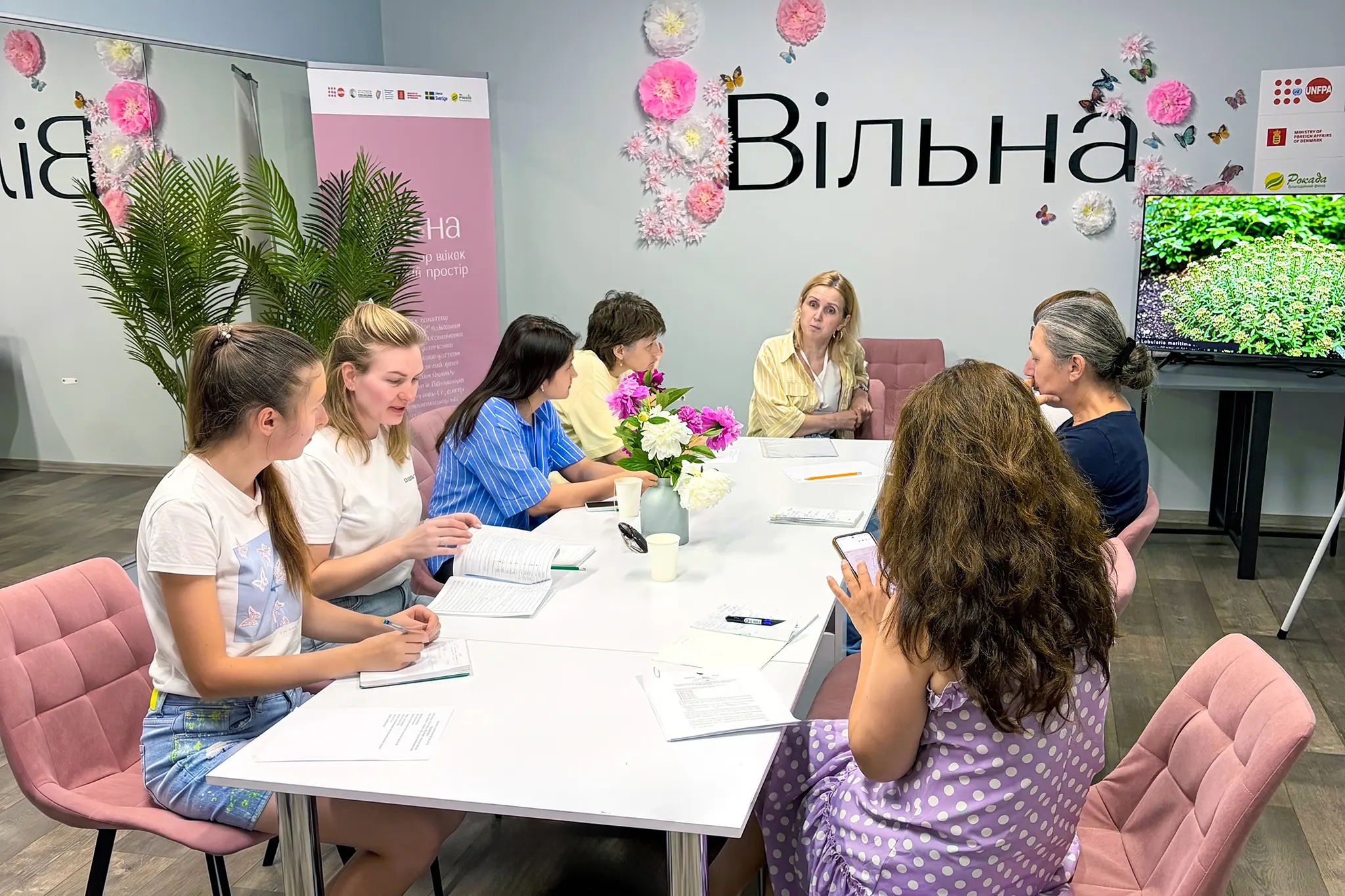
Vilna spaces are places for communication, creativity, movement and rest. Students, entrepreneurs, mothers, pensioners, artists and women who have just moved to a new city come here. Each has her own experience, and it is in a safe and trusting environment that it is easier to dare to talk about what hurts.
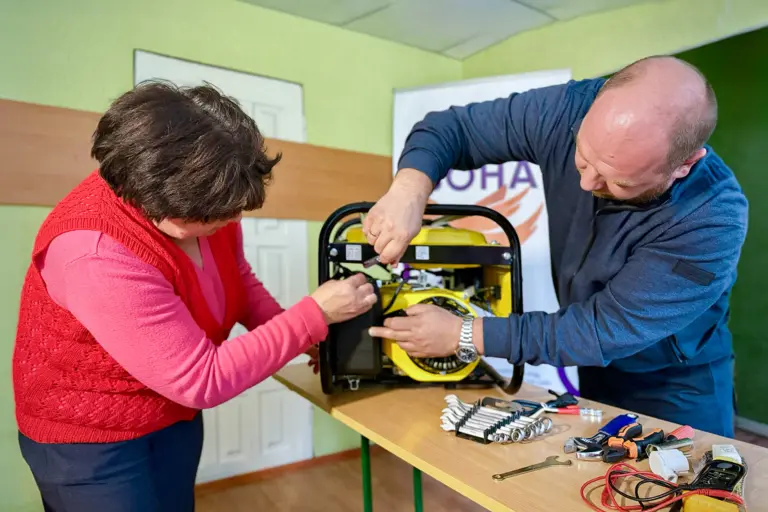
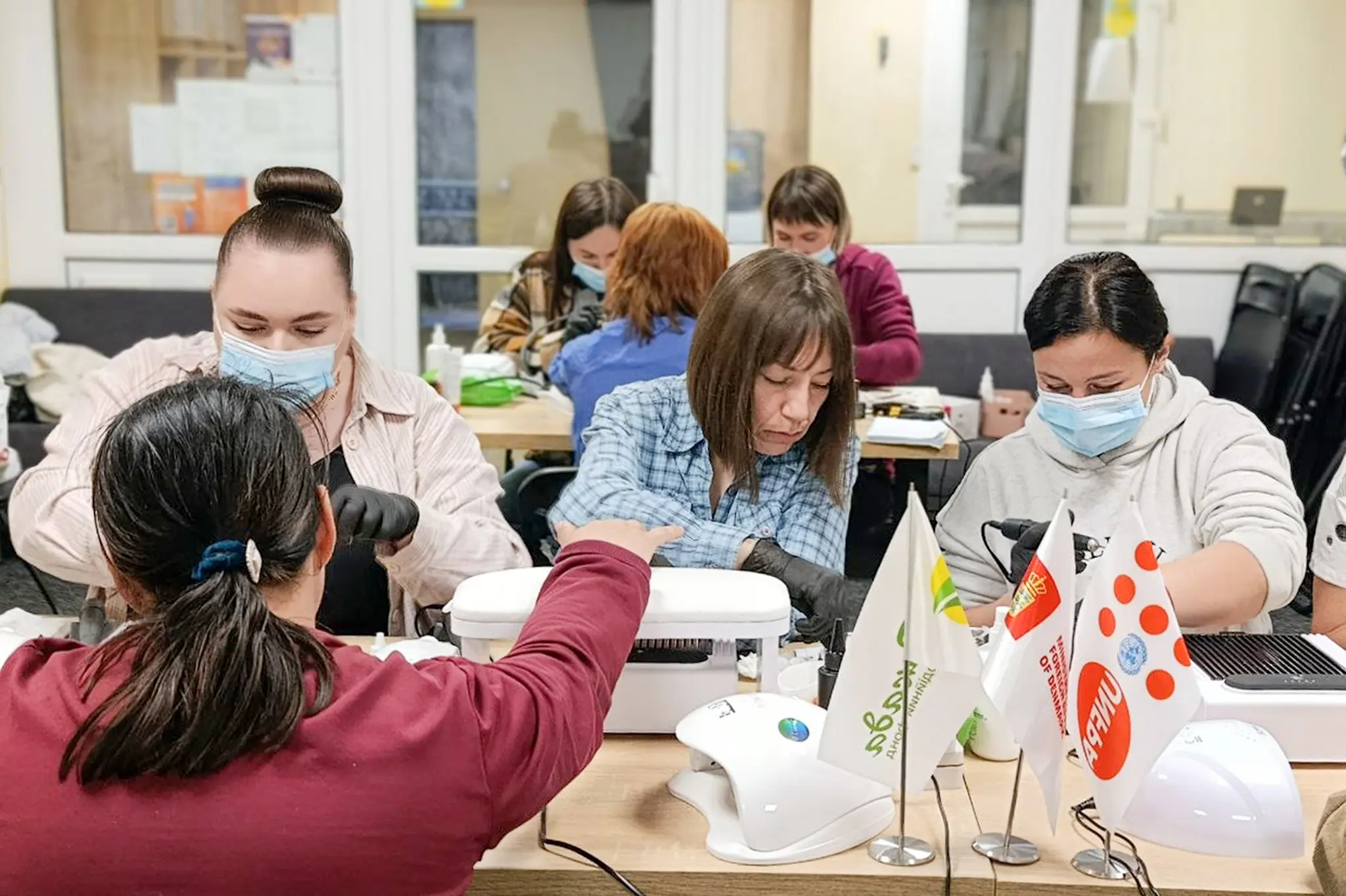
VONA hubs help women with their careers and own businesses: consultations, CV writing, training and job search. Economic independence also means the freedom to make decisions on your own. When you have your own income, it is easier to leave a place where you feel bad, not to depend on someone else’s money, to choose how to live on and to rely on yourself.
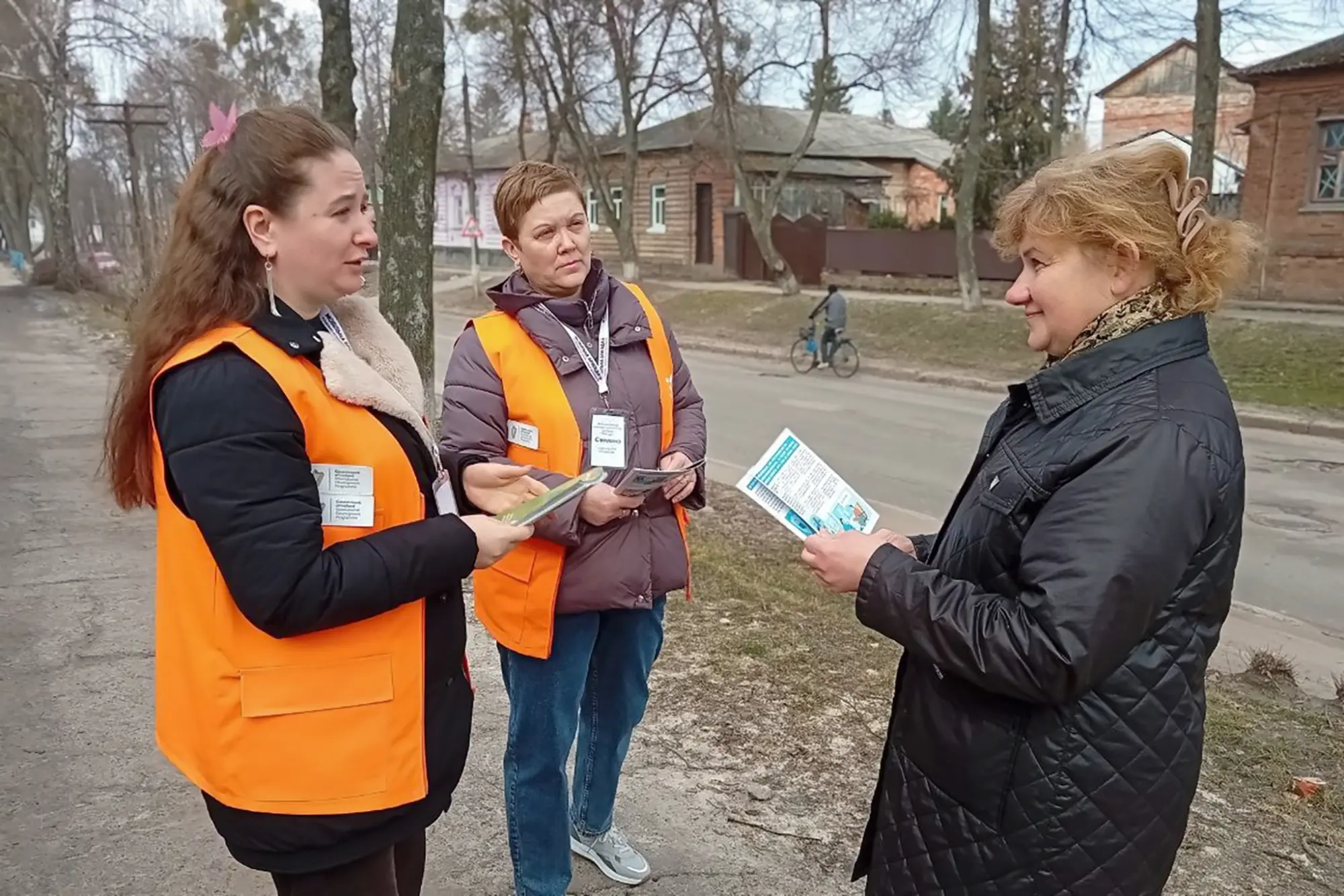
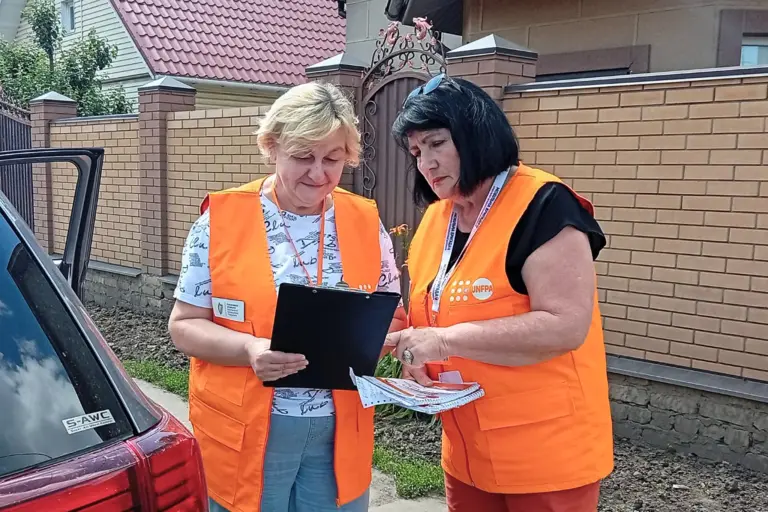
Mobile teams travel to remote settlements where people also need help. Location, lack of transport, fear of judgement – these barriers are very real. Specialists help assess the situation, provide psychological and social support and explain the available protection mechanisms.
Social case management is for those whose situation cannot be resolved in a single meeting. Together with the person, a specialist identifies needs, plans the steps and accompanies them along the way.
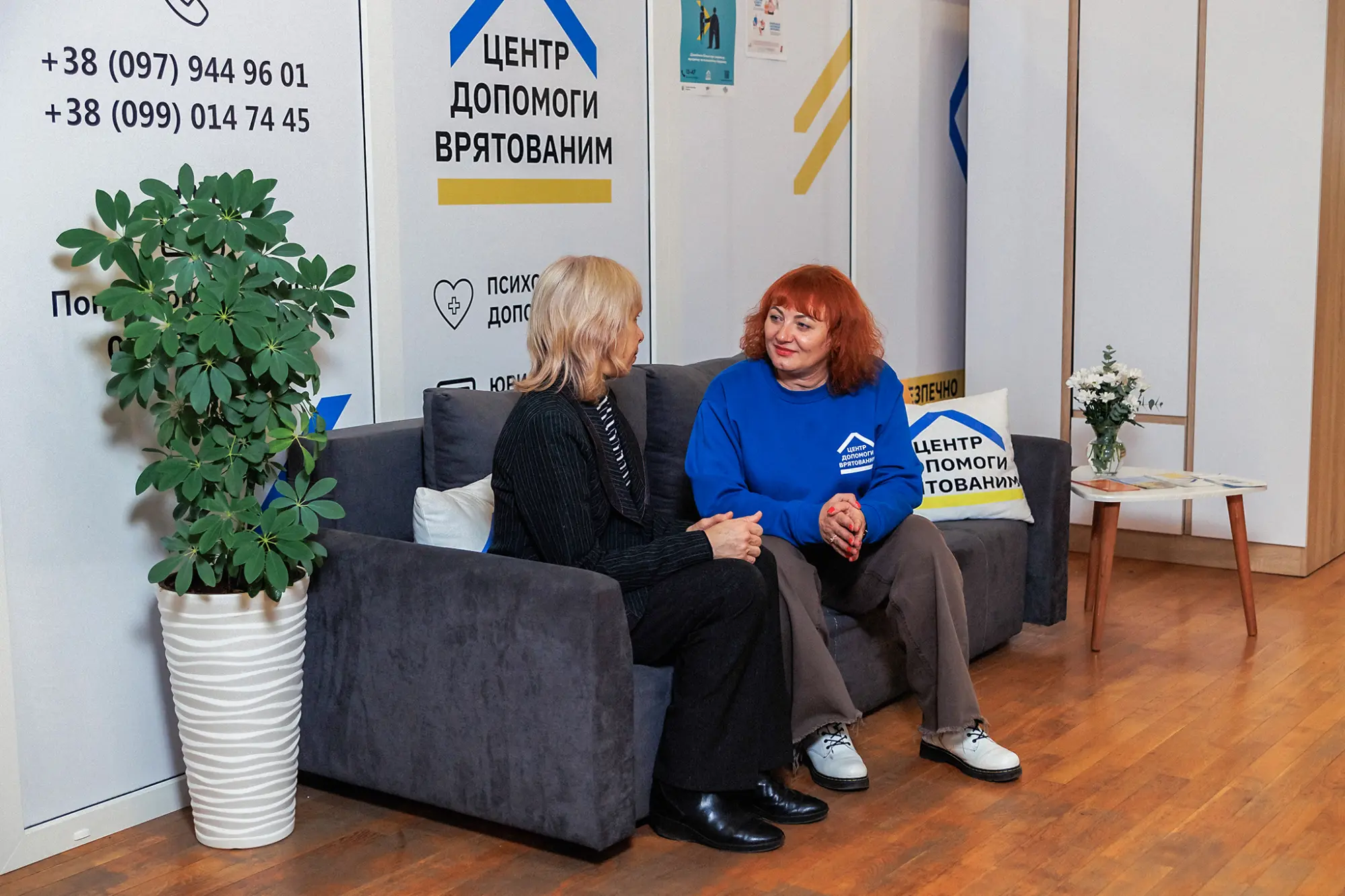
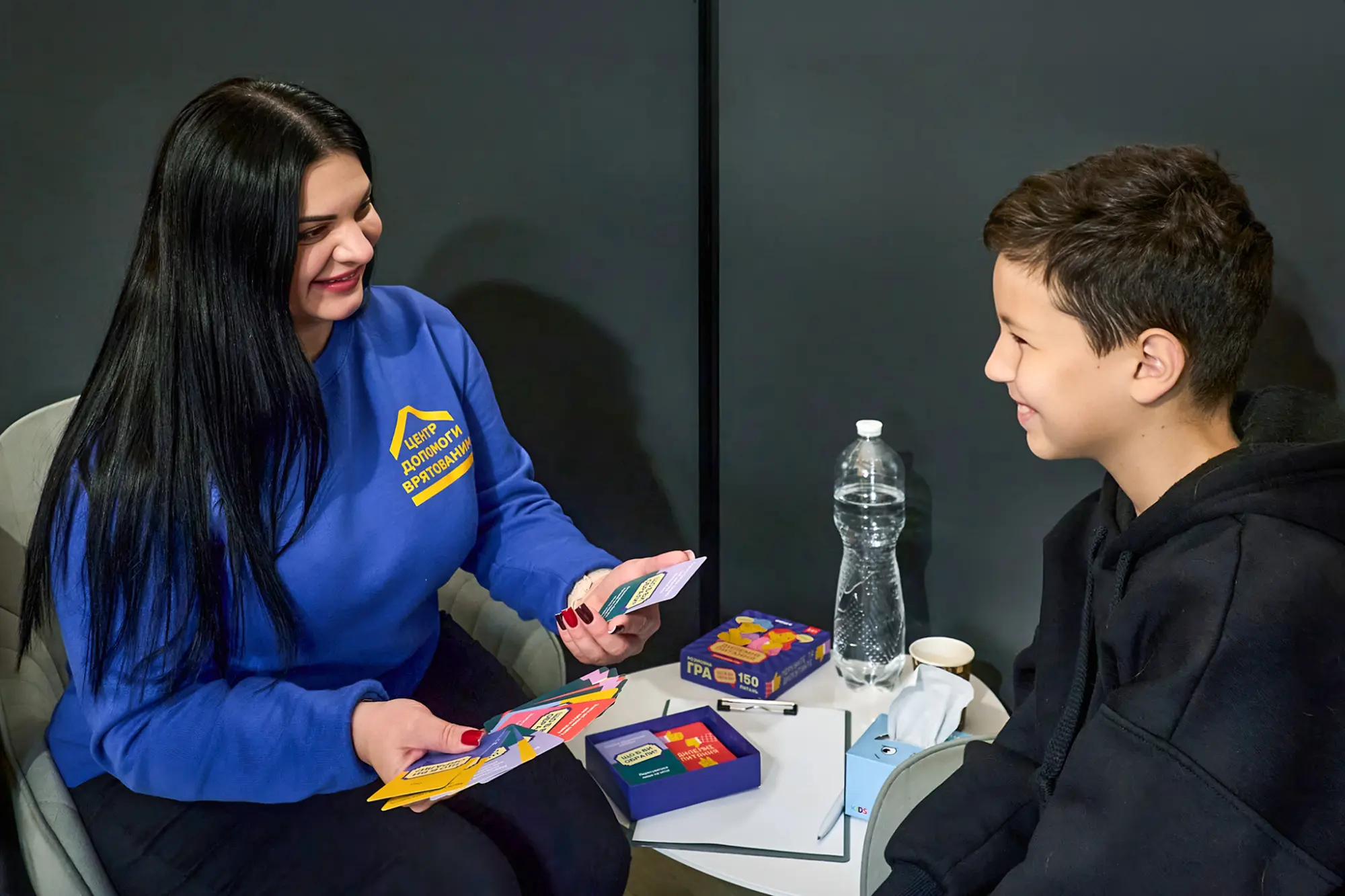
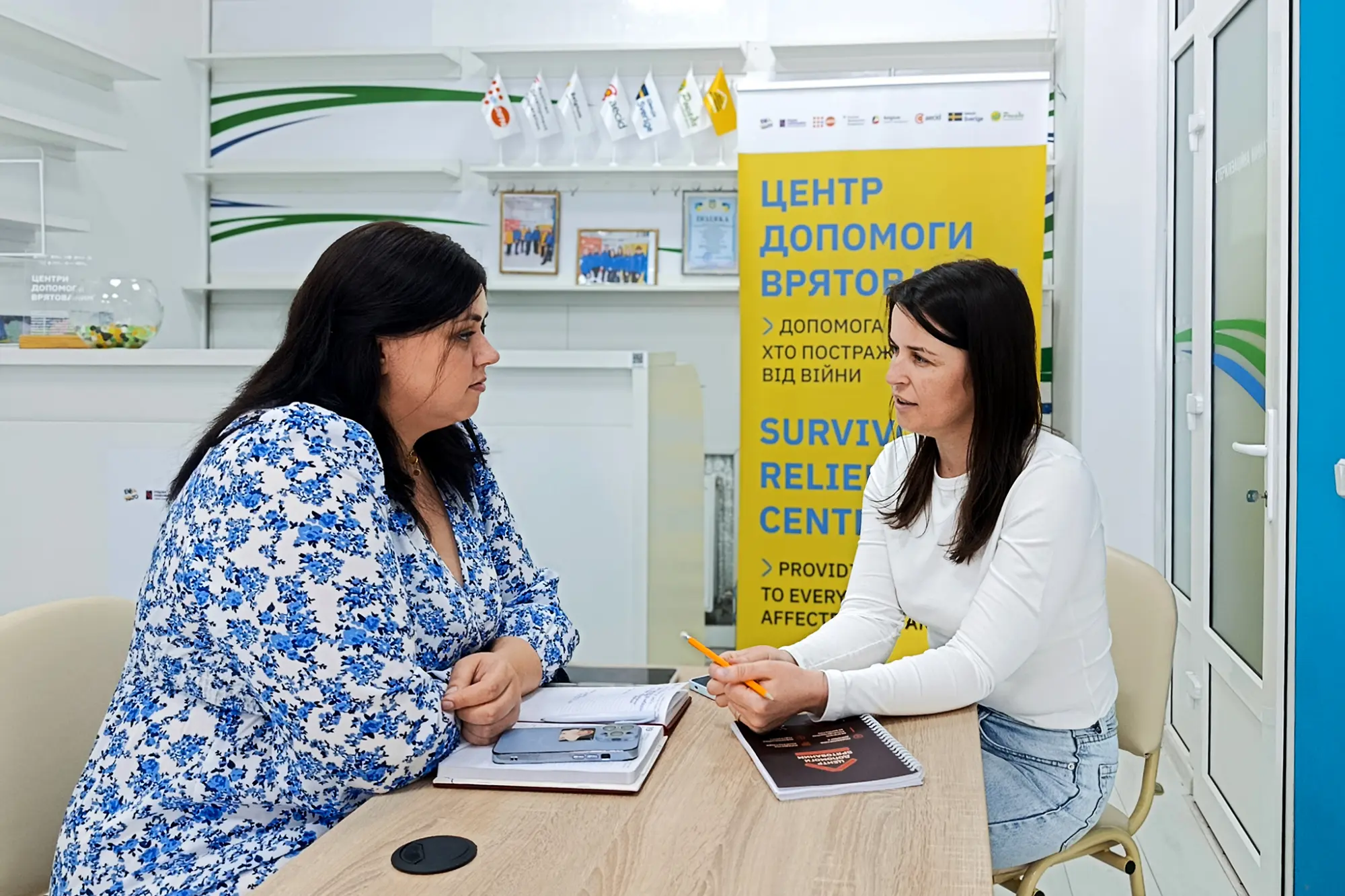
Survivor Relief Centres support those who have experienced conflict-related sexual violence. Here, no one is required to talk about what they went through in order to receive help. The person decides what support they are ready to accept, when and to what extent.
How it works together
A woman may come to a Vilna space for a creative class, find a new circle of friends, and later turn to a psychologist and talk about domestic violence.
If she says she wants to leave an unsafe relationship but has no income of her own, feels exhausted and does not know where to start, her request may require support from several specialists at once.
Then, with her consent, the psychologist can help her get in touch with a career adviser at a VONA hub, and the mobile team can provide information about protection from domestic violence, available specialised services and safe accommodation options. The case worker can help her plan the next steps and stay by her side for a long time.
“Our project covers five areas because people have different needs. Some come for community, some for work, and some are in crisis. Whichever door a person knocks on, they should be met with respect and, if they wish, helped to take the next step. It is not only about the number of consultations or spaces opened. Our mission is for equal opportunities, respect for dignity and zero tolerance of violence to become an everyday norm in our society,” explains project manager Alisa Lakhmanova.
Why it matters
War does not put social problems on pause. It makes them worse: forced displacement, job loss, broken ties and less access to services. And even when most of the country’s resources are directed to defence, countering violence and gender equality cannot take a back seat.
These services do not only respond to harm already done. They explain people’s rights, teach them to recognise violence, break down stigma and restore a sense of community. It is extremely important that such support stops being a rare opportunity within an international project. It needs to be available in every community in Ukraine, with standards at the state level, support from local authorities and in partnership with civil society organisations.
The work of the mobile teams, the Vilna women and girls safe spaces, the VONA career and business hubs and the Survivor Relief Centres is carried out with the support of UNFPA, the United Nations Population Fund in Ukraine, in cooperation with Rokada Charitable Foundation..
UNFPA, the United Nations Population Fund, is the leading UN agency working in the fields of gender equality, reproductive health and youth development. Together with partners, UNFPA works in 150 countries and territories around the world, and in Ukraine since 1997.
More information about UNFPA and its work in Ukraine: https://ukraine.unfpa.org/uk