
Rapid response and support in communities: results of a year of work of Rokada’s mobile teams
For a year now, as part of the cooperation between the Rokada Charitable Foundation and UNFPA, the United Nations Population Fund in Ukraine, mobile teams have been providing social and psychological assistance to people who have experienced domestic or gender-based violence. During this time, the specialists have helped more than 5,500 people in 14 communities in nine regions: Kyiv, Chernihiv, Sumy, Kharkiv, Zhytomyr, Rivne, Lviv, Cherkasy and Kirovohrad. More than 4,500 of them are survivors of gender-based violence.
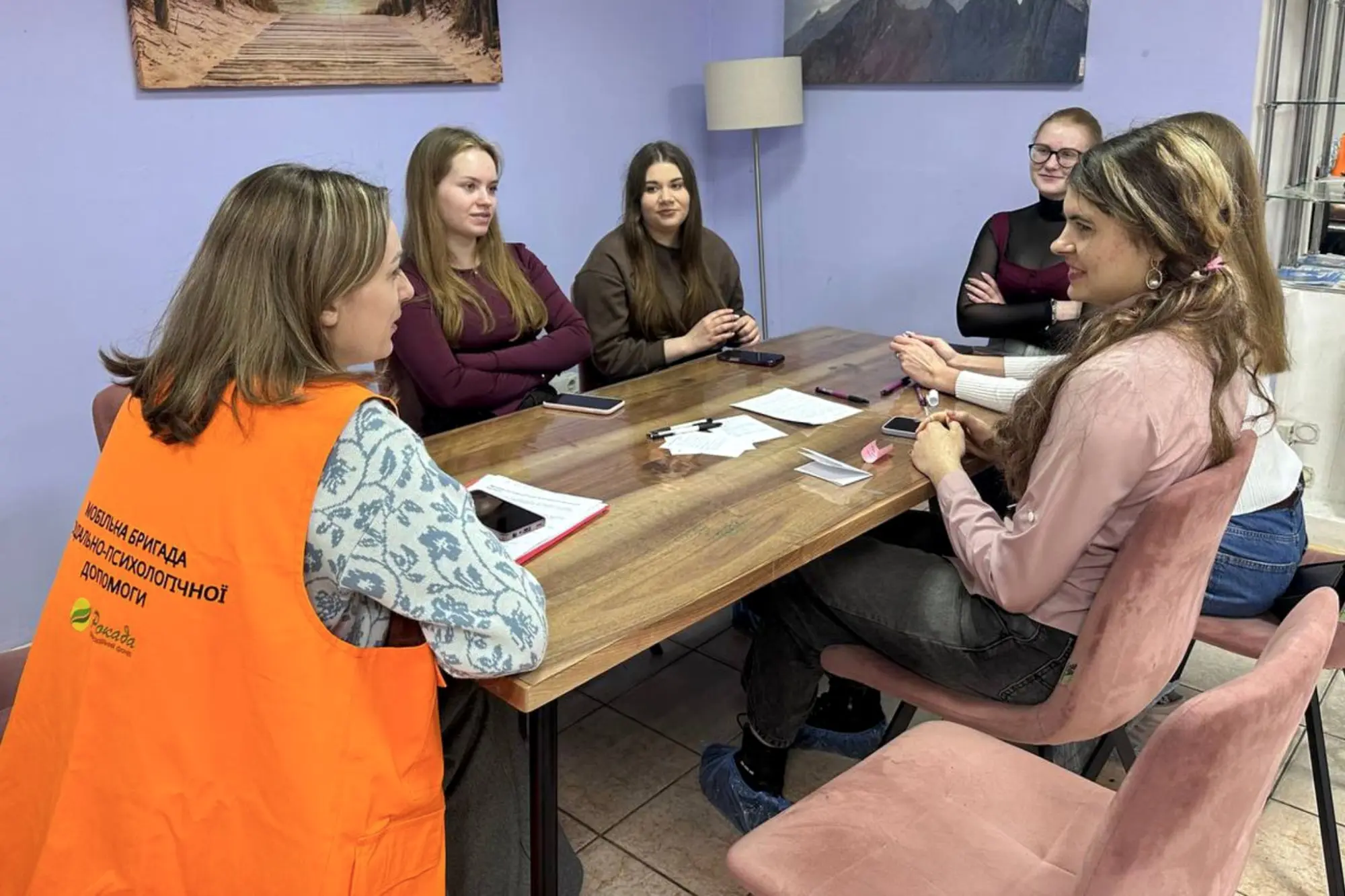
How the mobile teams work
Each team consists of a social worker, a psychologist and a driver. Thanks to the mobile format, help reaches people in remote and frontline communities. Support services are often unavailable there, and a person cannot always travel to get help: there is no transport, not enough money, or the abuser controls their every step.
The team comes to a place where the person feels safe: their home, the local starosta office or another agreed location. Contacting the team is confidential, and all services are free of charge. The specialists provide psychological support and crisis counselling. Together with the person, they assess the risks and draw up a safety plan in case the violence happens again.
If needed, the team accompanies the person to the police, a medical facility or a free legal aid centre. If it is dangerous to stay at home, the team takes the person to a crisis room. There they can stay safely while the specialists look for a further solution together with them.
A year of work in numbers
Help does not always end after one meeting. If the situation is complex, the team refers the case to case managers. They accompany the person and help with documents, medical treatment, housing or legal issues. Over the year, more than 300 people received such support. People also returned for follow-up consultations more than 1,200 times.
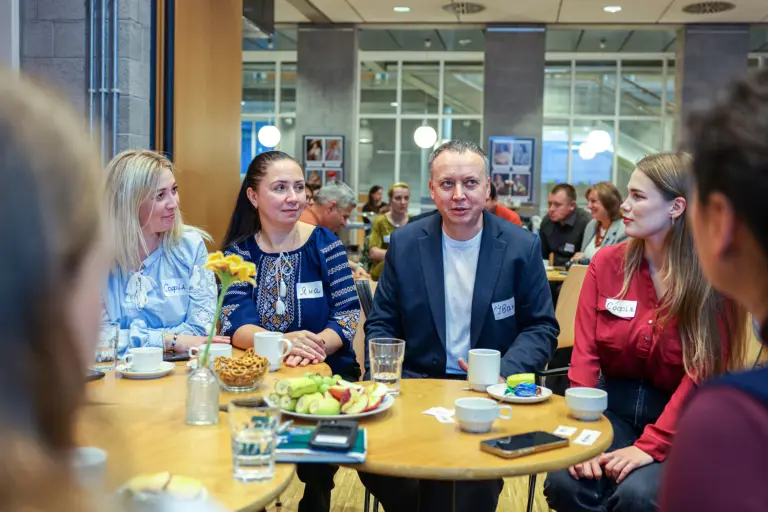
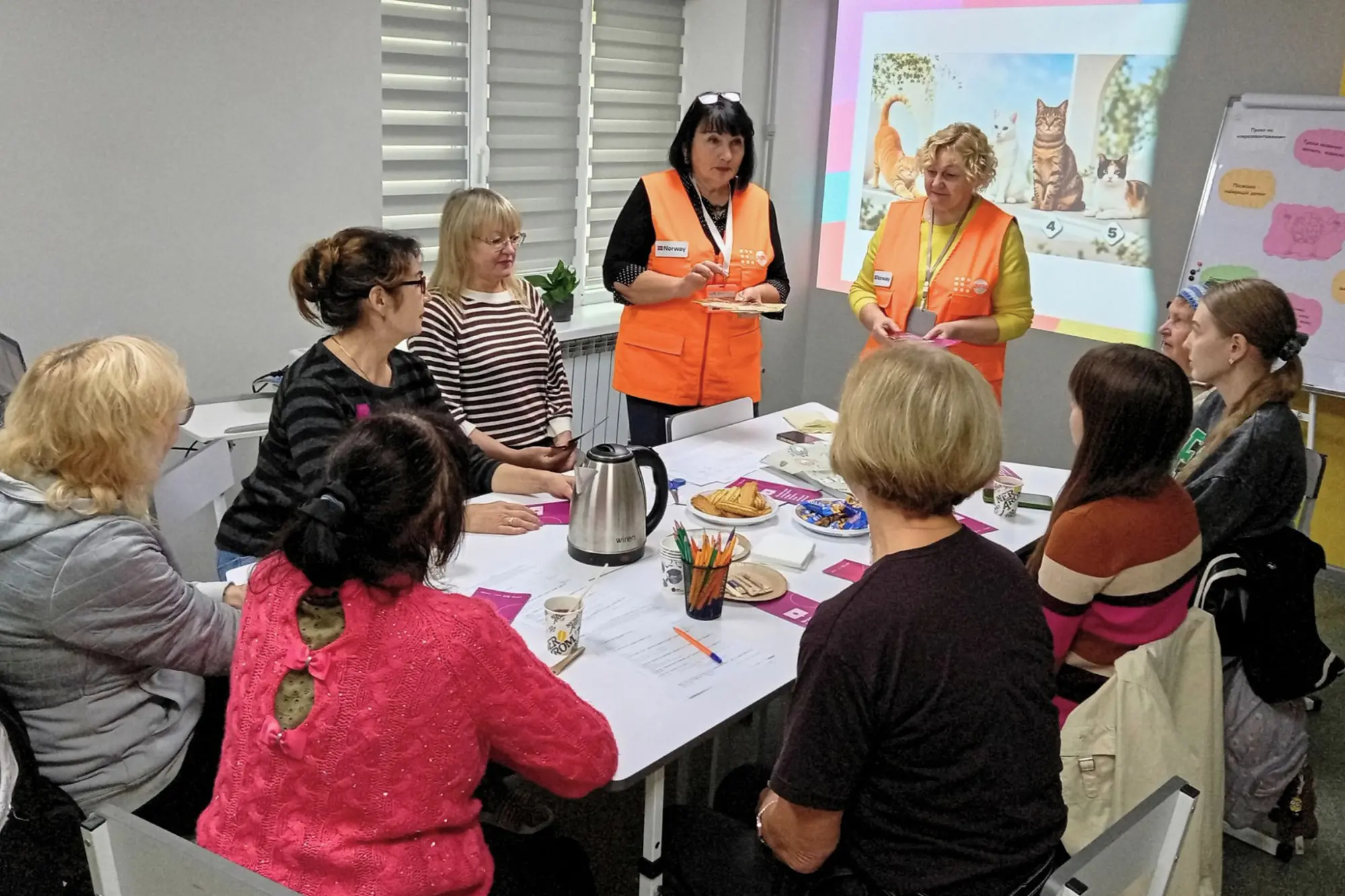
An equally important part of the work is prevention. The specialists held more than 450 awareness-raising events in communities, attended by over 8,000 participants. Another 8,500+ people received individual information consultations. It is often after such conversations that people first call what is happening to them violence and decide to seek help.
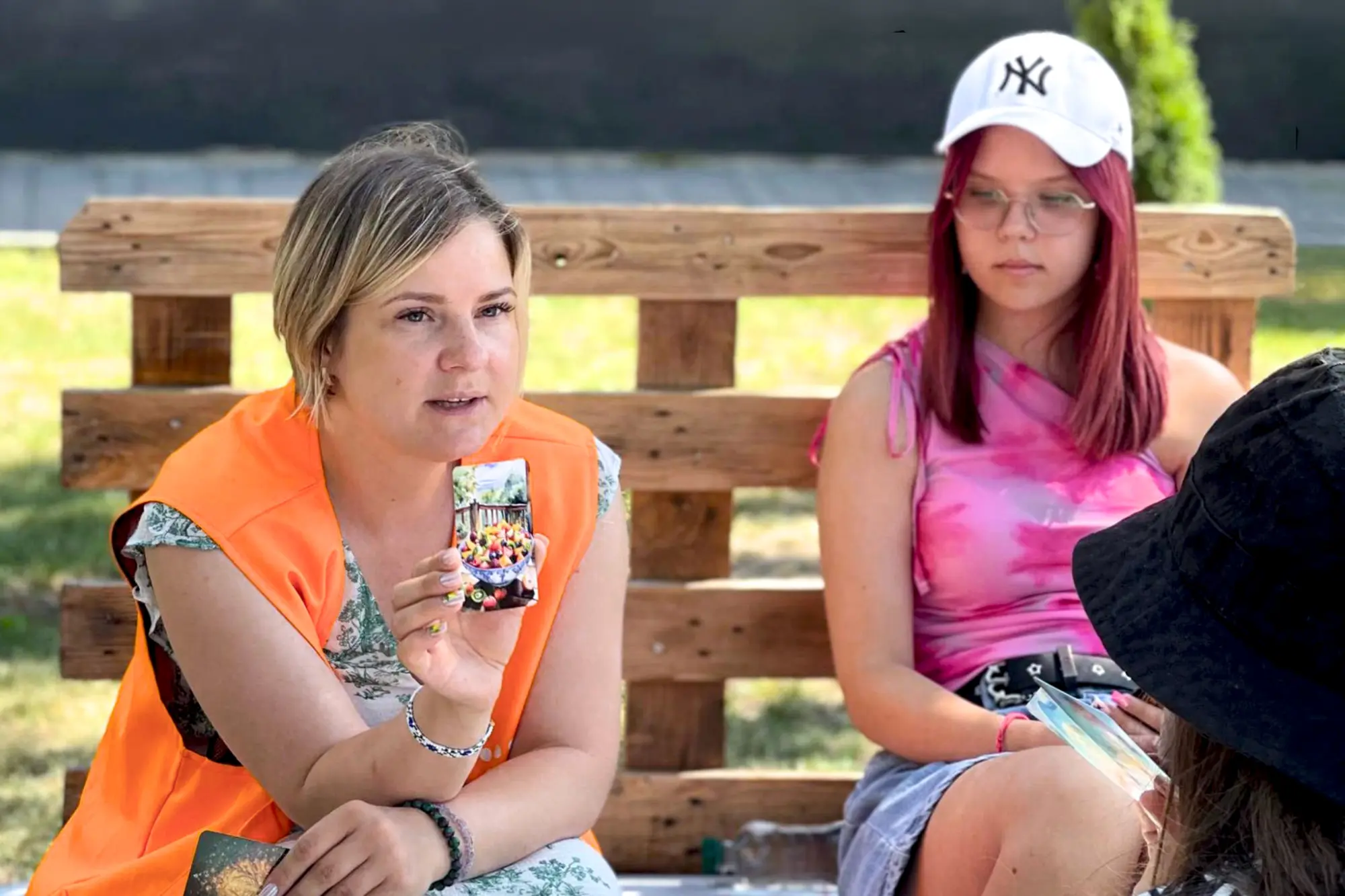
“For us, it is important not only to help people affected by violence, but also to act proactively – to inform communities, local self-government bodies, social services and law enforcement agencies about how to recognise violence, respond correctly and refer people for help. During our work, we have received more than 4,500 requests from survivors, recorded more than 1,200 repeat requests, and more than 8,000 participants have joined our awareness-raising events. Behind these figures are people who have received support, specialists who have become better informed, and communities that better understand how to counter violence. We do not impose decisions and always respect a person’s choice. Our task is to be there and keep the door to help open, so that everyone can reach out when they are ready,” says Zoriana Derevinska, coordinator of the mobile teams.
How to recognise violence
Violence is not only physical injury. The Law of Ukraine “On Preventing and Combating Domestic Violence” distinguishes four forms of it. Physical violence includes slapping, pushing, beating, depriving someone of food or sleep. Psychological violence includes threats, humiliation, intimidation, constant control and isolation from family and friends. Economic violence includes taking away money or documents, forbidding someone to work, depriving them of housing. Sexual violence is any act of a sexual nature without consent.
You can contact a mobile team even if you are not sure whether what is happening to you is already violence. The specialists will listen to you and help you understand the situation.
The government hotline 15-47 and the National Hotline 116 123 work around the clock. If there is a threat to life, call 102.
Mobile teams in Chernihiv, Nizhyn, Shostka, Konotop, Lviv, Zhytomyr, Uman, Rivne, Lebedyn, Bucha, Fastiv, Kyiv (right bank), Zlatopil and Kropyvnytskyi operate with the support of UNFPA, the United Nations Population Fund in Ukraine, in coordination with the Office of the Vice Prime Minister for European and Euro-Atlantic Integration and the Ministry of Social Policy of Ukraine, thanks to the financial support of the Government of Norway and the King Salman Humanitarian Aid and Relief Centre, through the implementing partner Rokada Charitable Foundation.