
From first reception to returning home: specialists from Ukrainian communities studied Germany’s experience of supporting people seeking protection
Before 2022, around 150,000 Ukrainians without German citizenship lived in Germany. Within four years, their number has grown to almost one and a half million. Germany has sheltered perhaps more people fleeing Russian shelling than any other country, so many German cities already have experience in supporting Ukrainians with temporary protection.
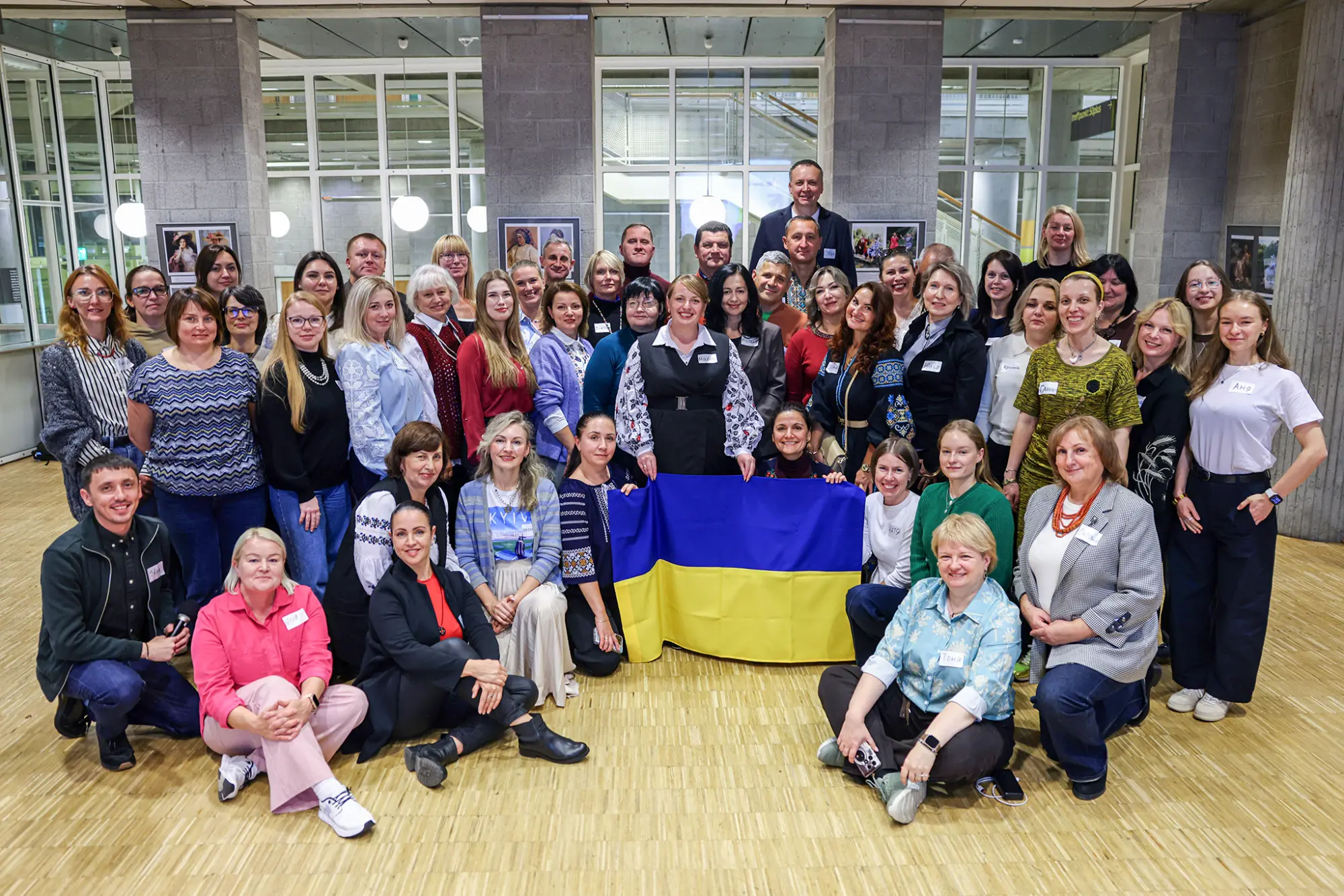
Twenty specialists from nine communities taking part in the project “YOUA – Shaping New Paths, Building Ukraine’s Future” spent a week working in Stuttgart, Karlsruhe, Tübingen and Augsburg. They visited social services, migration agencies, local authorities, NGOs and foundations, and studied how people are supported at every stage – from their first day in a new country to a possible return home.
“First of all, we wanted to understand how German institutions and civil society organisations help people whose lives have changed completely because of relocation. We looked at how each service works and how they interact with one another, how people are provided with the essentials, and how the system of social counselling, job search and support for those considering a return to their country of origin is organised,” says Olha Hanachevska, Deputy Mayor of Novyi Rozdil City Council.
In Stuttgart, the delegation visited AWO Migration Services. For more than half a century this organisation has been helping migrants and today it is one of the most experienced in its field. The Ukrainian colleagues learned how newcomers are counselled here, helped to learn the language and find a job, have their foreign diplomas or qualifications recognised, and how people with different needs are supported. The specialists also visited the local job centre and other institutions working with foreigners.
“We also talked separately about how to help people who are thinking about returning. This is the work of AGDW, an organisation that takes care of refugees and forced migrants,” adds Natalia Hnatenko, Head of the Department of Economy, Strategic Planning and Investment Development of Tulchyn City Council. “We were told how such people are counselled and were introduced to the European project “Second Chance Homeland” (“Zweite Chance Heimat”). It helps those who have decided to return voluntarily to rebuild their lives at home.”
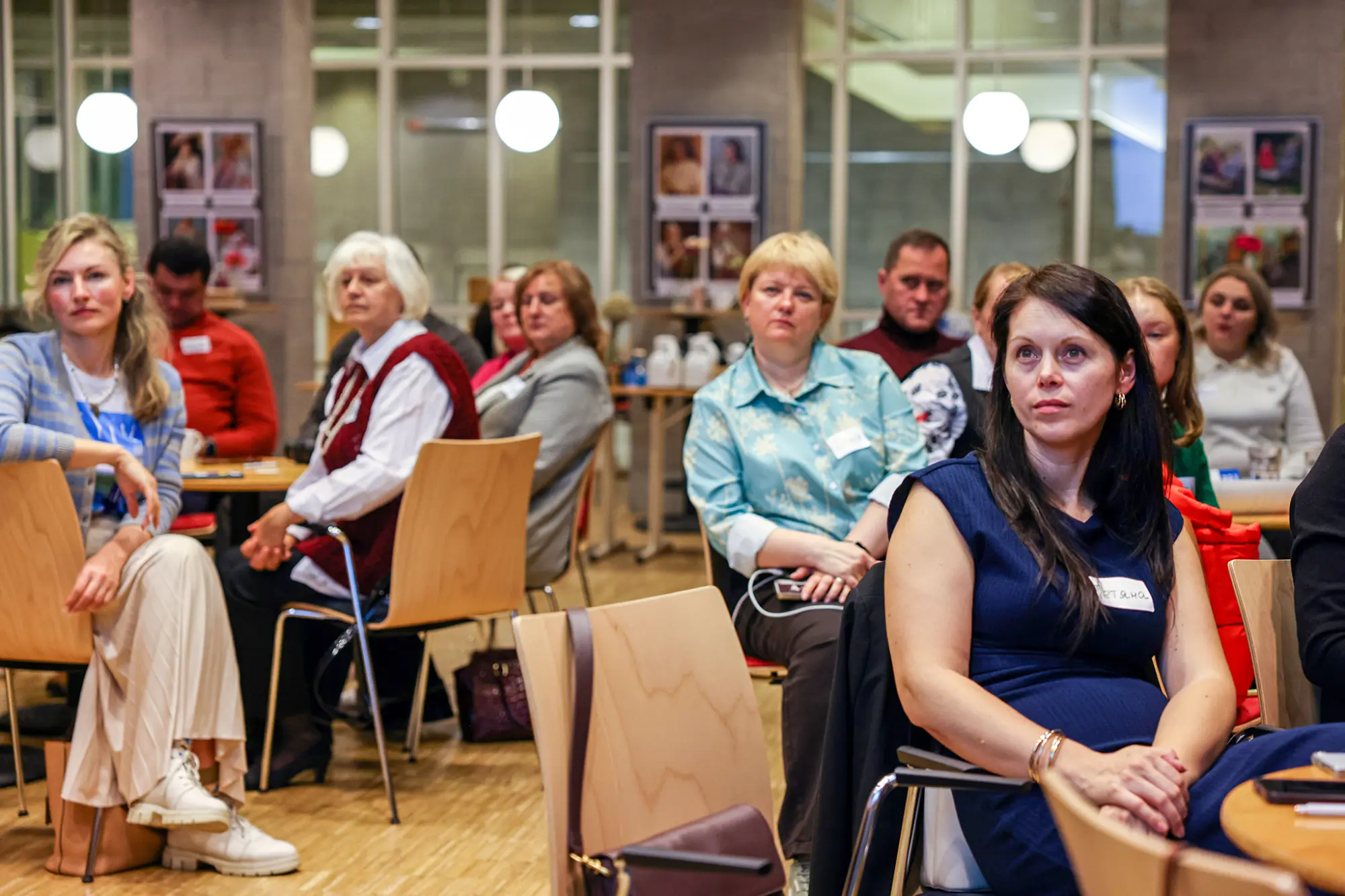
In other cities, the Ukrainian specialists learned how newcomers are registered, provided with housing and basic necessities, referred for their first medical examination, counselled and supported – in other words, how the asylum procedure works from start to finish.
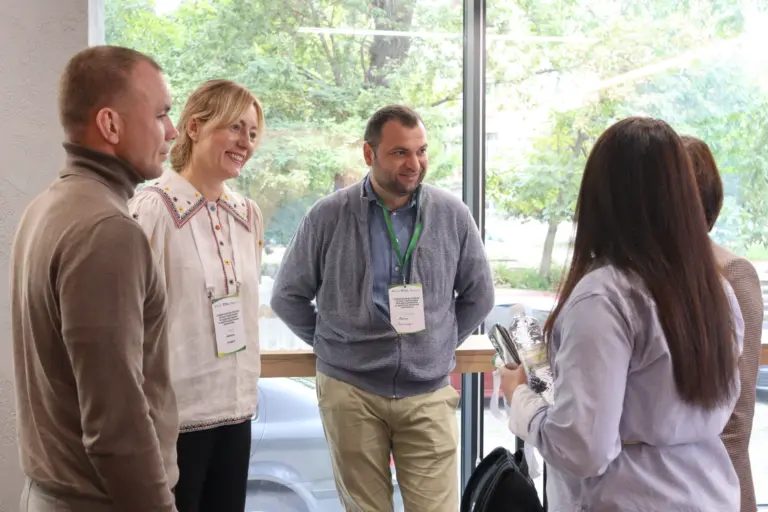
“The conversations with Ukrainians who have already settled abroad were very valuable for us,” notes project manager Alla Krasovska. “In several cities we held dialogue meetings with our diaspora. We talked about how people experienced the move and what difficulties they faced while settling into a new country. Representatives of local authorities also joined the conversations. For example, in Tübingen we met Mayor Gundula Schäfer-Vogel. We discussed social support, international cooperation and how the city helps people seeking protection in Germany.”
At the end of the trip, the delegation took part in the European Forum of the Ukrainian Diaspora “Augsburg 2026”. There, Hanna Nickel, Director of the YOUA project at GIZ, presented the initiative “Shaping New Paths, Building Ukraine’s Future”.
Key areas of the initiative include creating conditions for voluntary return and sustainable reintegration of citizens, coordination with EU member states, developing a unity network for Ukrainians abroad and strengthening the capacity of communities in Ukraine.
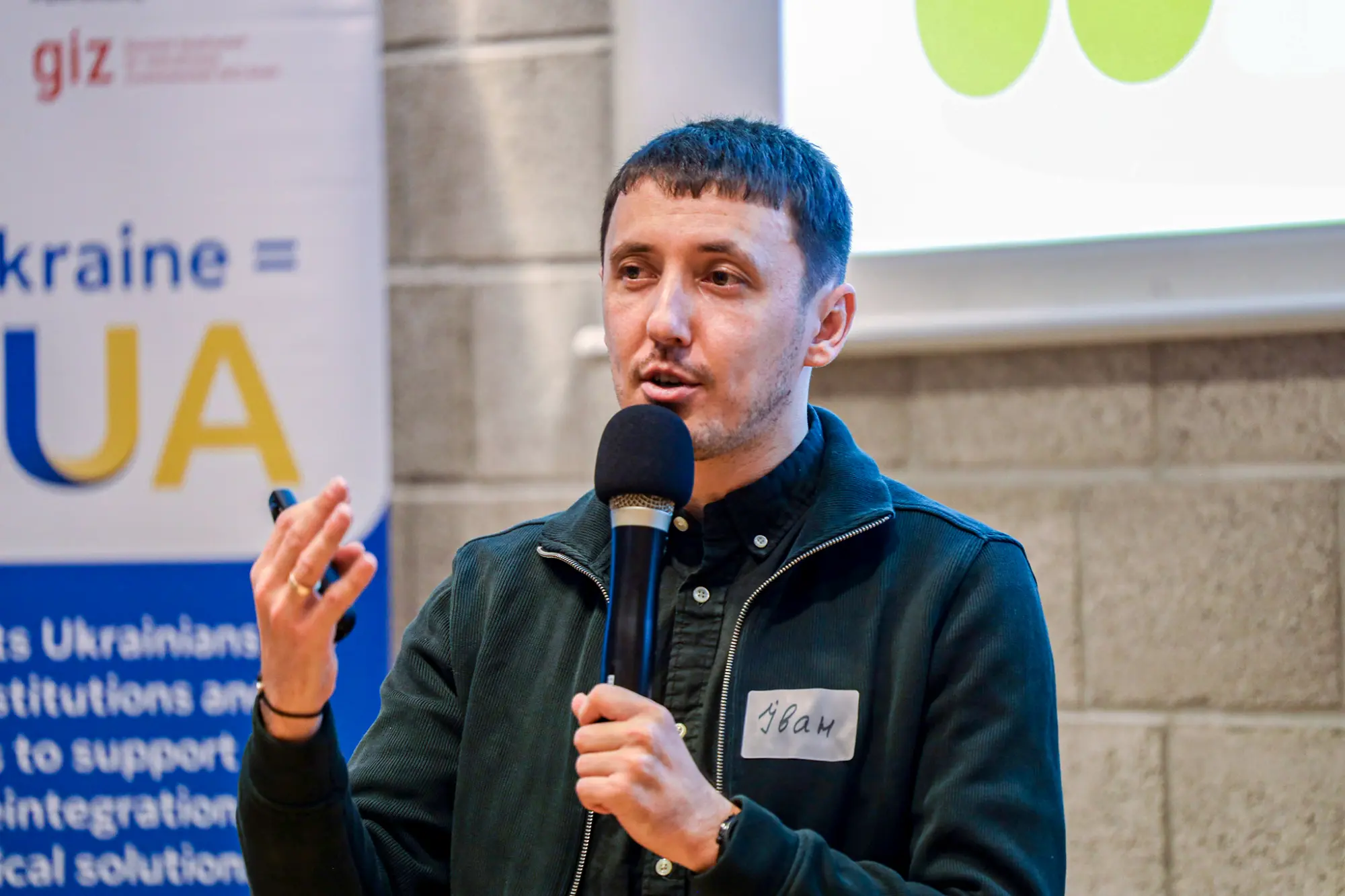
“People who are planning to return or have already returned from abroad are already turning to Ukrainian communities, and there will be more such requests over time. So it was important for the specialists to see how support is built step by step in Germany and how different services work together so that a person does not get lost between them. What they saw will become practical guidance, and communities will be able to adapt it to their own capacities when working with people returning home,” sums up Ivan Chubukin, facilitator and mentor of the dialogue process.
The visit was organised by the NGO Internews Ukraine and the Rokada Charitable Foundation within the project “YOUA – Shaping New Paths, Building Ukraine’s Future”. The project is implemented by Deutsche Gesellschaft für Internationale Zusammenarbeit (GIZ) GmbH on behalf of the German Government.
The YOUA project provides exclusively technical assistance and does not influence people’s personal decisions about returning to Ukraine. Participation in events and use of services are entirely voluntary.