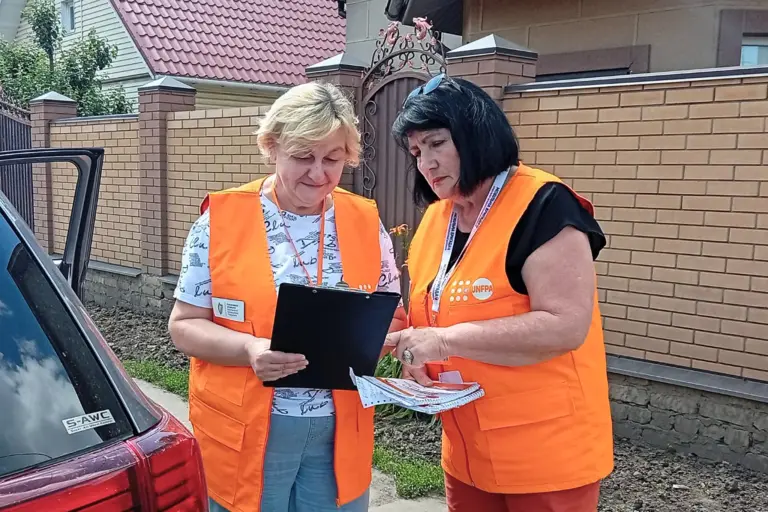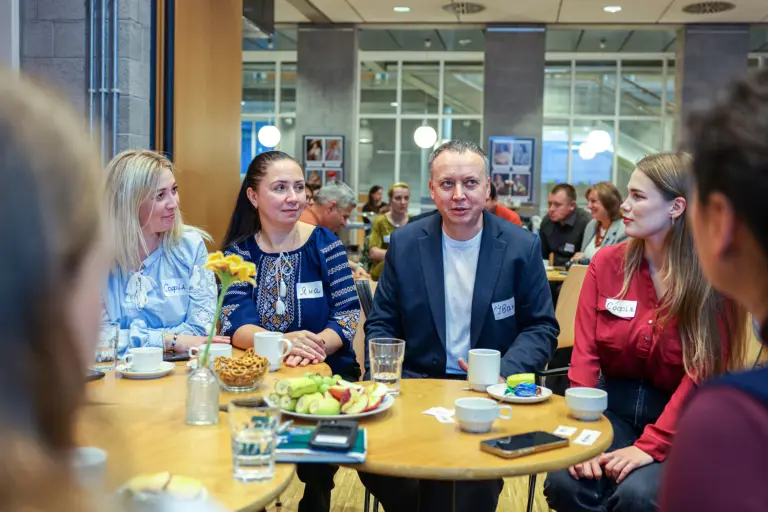

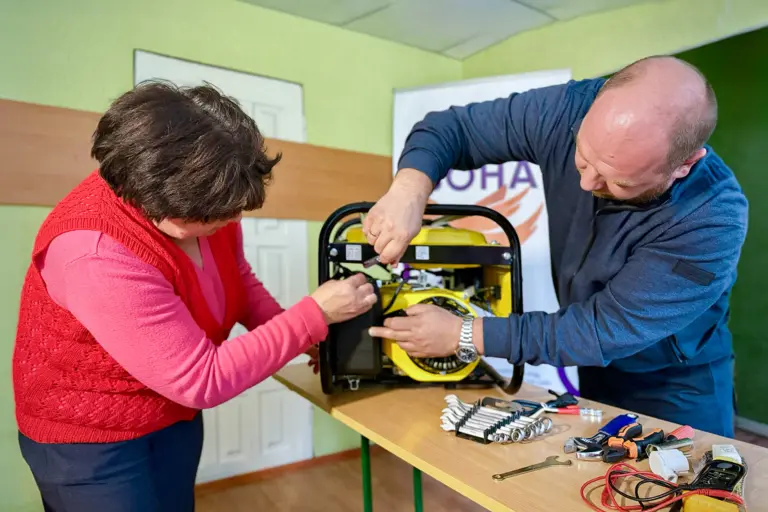
In Lviv and Ivano-Frankivsk regions, more than a hundred veterans have gained new professions with Rokada’s support
Returning to civilian life does not always mean being able to start working right away, go back to a previous position and rebuild communication with colleagues. Over the years of service, the labour market changes, new technologies appear, and previous experience and skills may need updating. For veterans, this path is often complicated by the consequences of injuries, psychological barriers or the need to change their professional field completely.
Employers, in turn, face other questions: how to take a candidate’s military experience into account, adapt the work environment and prepare the team to work with people who have returned from service.
Overcoming barriers on veterans’ path back to professional life is one of the areas of the project “Reintegration of Veterans through Employment, Capacity Building and Advocacy”, implemented by Rokada Charitable Foundation in cooperation with Bevar Ukraine with the support of CISU in Lviv and Ivano-Frankivsk regions. The project aims at veterans’ sustainable social and economic reintegration through vocational training, individual case management, psychological support, entrepreneurship development and cooperation with employers.
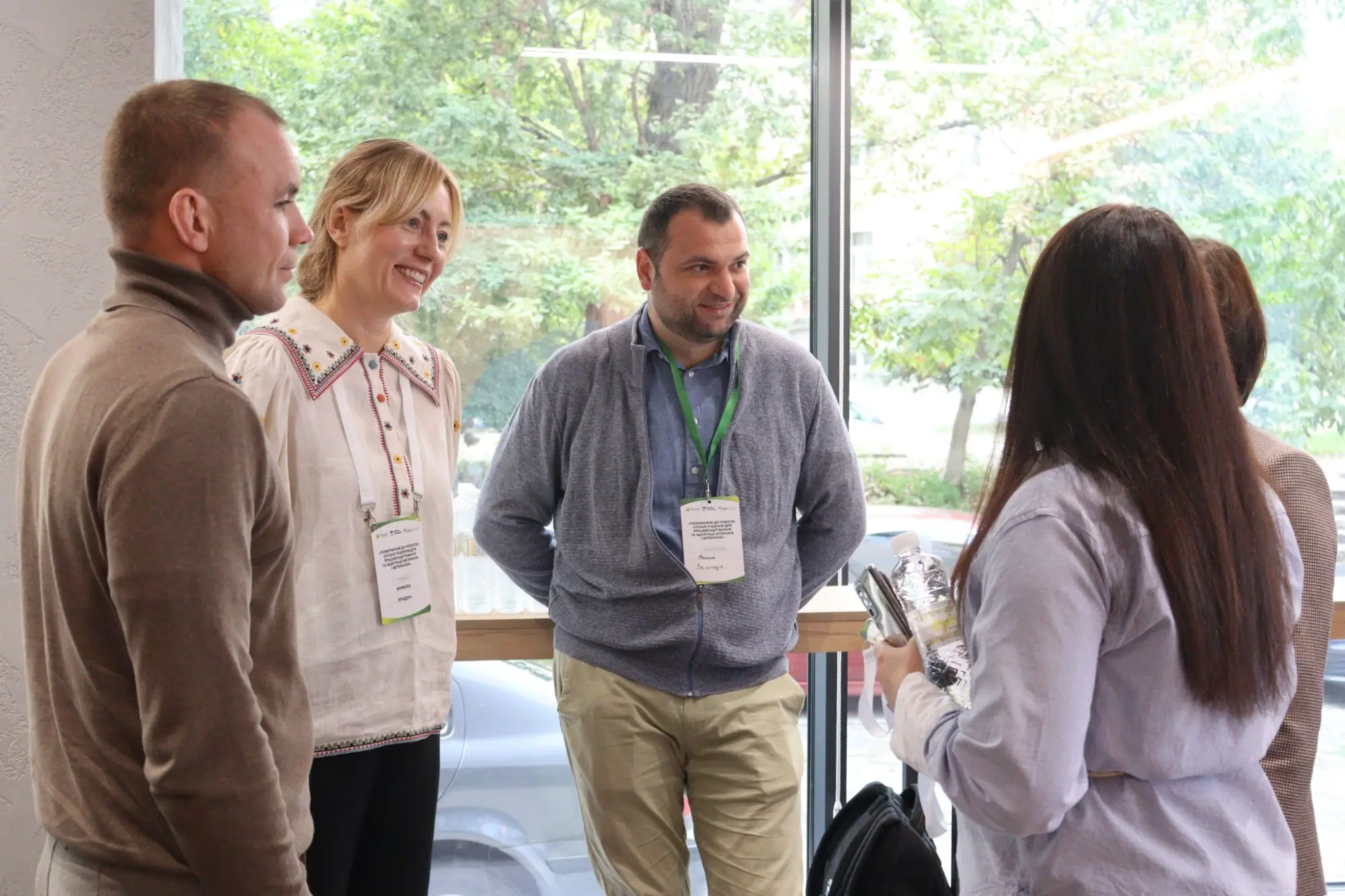
As of October 2026, 1,174 people have registered in the project, 837 of whom are supported by the Rokada team. 131 people have already achieved economic integration results: 108 veterans completed training or retraining, 19 found jobs, and four more started their own businesses or received grant support. Another 132 people are continuing their path to professional fulfilment. According to a survey, 89.2% of respondents rated their competitiveness on the labour market highly after taking part in the project.
Returning to work: why one-size-fits-all solutions are not enough
One of the most common challenges is the need to restore or rethink professional skills. A person may have many years of work experience, but after long service find that the requirements of their profession have changed significantly. Sometimes returning to previous work is impossible for health reasons, and sometimes a person wants to start a new chapter in life.
“The first obstacle is lost skills. While a person was serving, technologies developed and software and work tools changed. When a veteran returns, they need to catch up. But it is just as important to take into account their abilities and wishes,” explains Olena Kovalenkova, livelihoods specialist at the Lviv office.
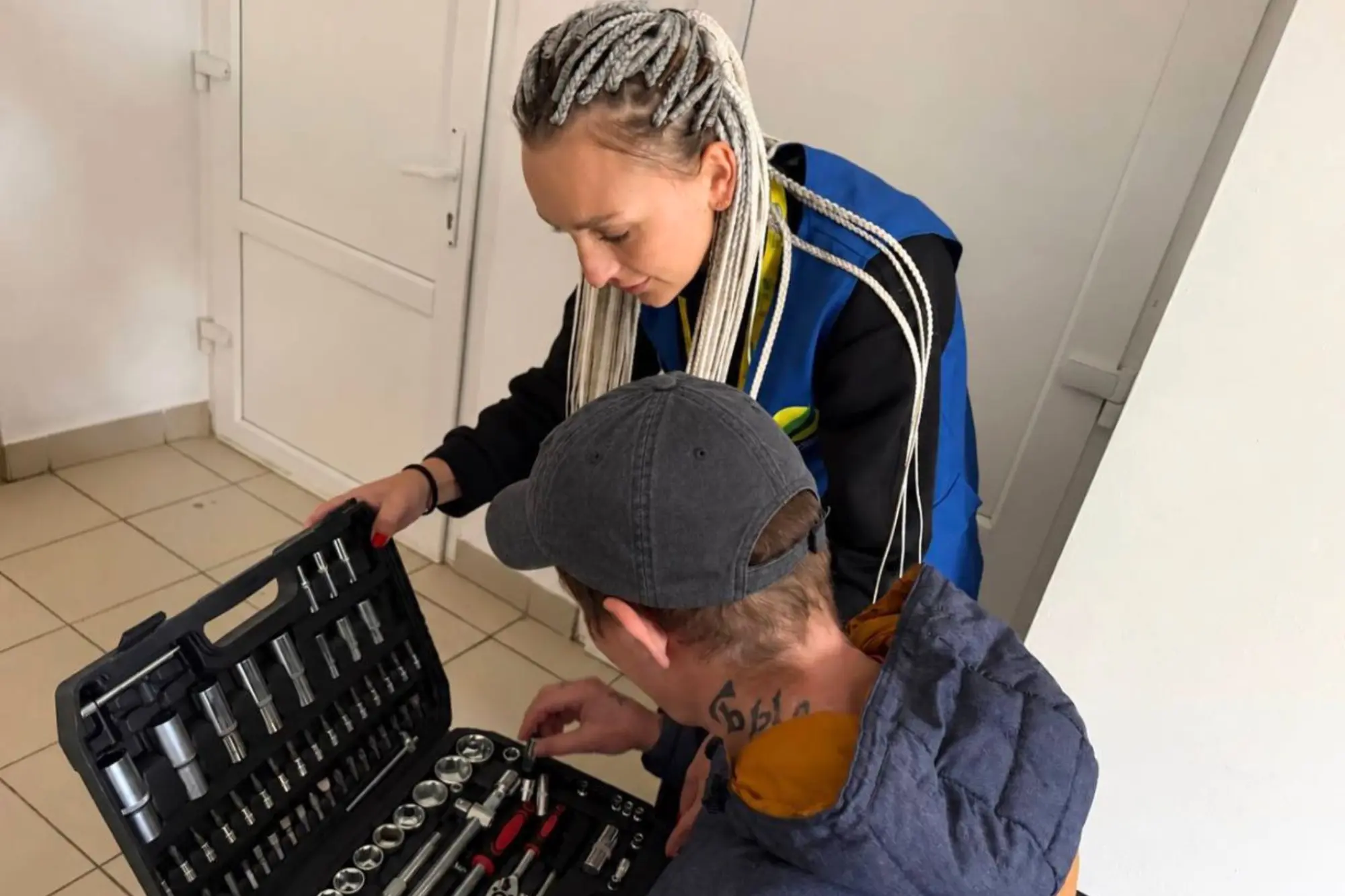
The team’s practice shows that even a consultation or a list of vacancies does not always help a person start looking for work on their own. For some, the obstacle is not having a computer or not knowing how to write a CV; for others, it is a lack of confidence in their own abilities or difficulty choosing a new profession.
That is why Rokada specialists help not only to find a vacancy but also to prepare a CV, choose training, get through a job interview or explore opportunities to start a business. If needed, support includes consultations on registering a business and reporting.
“Veterans come to me and say they don’t know what they want to do. We talk, look at different options and analyse the labour market. For some, forty minutes is enough; with others, a consultation lasts several hours. What matters is that the person understands for themselves which direction interests them,” says Olena Kovalenkova.
From finding yourself to the first working day
For some veterans, the path to employment begins with resolving medical and paperwork issues. Obtaining the necessary certificates, undergoing examinations and having a disability established can take a long time, especially for people from remote communities where access to specialist doctors is limited.
“Veterans often have to travel to the regional centre or other cities to undergo the necessary examinations and get documents. This takes time and does not always allow them to look for work at the same time. So it is important for a person to first resolve urgent medical and paperwork issues and only then focus on employment,” explains Anhelina Broslavska, case manager at the Ivano-Frankivsk office.
However, returning to work is not limited to looking for vacancies or learning new skills. The consequences of military service, a change of familiar surroundings and the need to redefine one’s life direction can affect a person’s readiness for employment. That is why psychological support is an important part of supporting veterans.
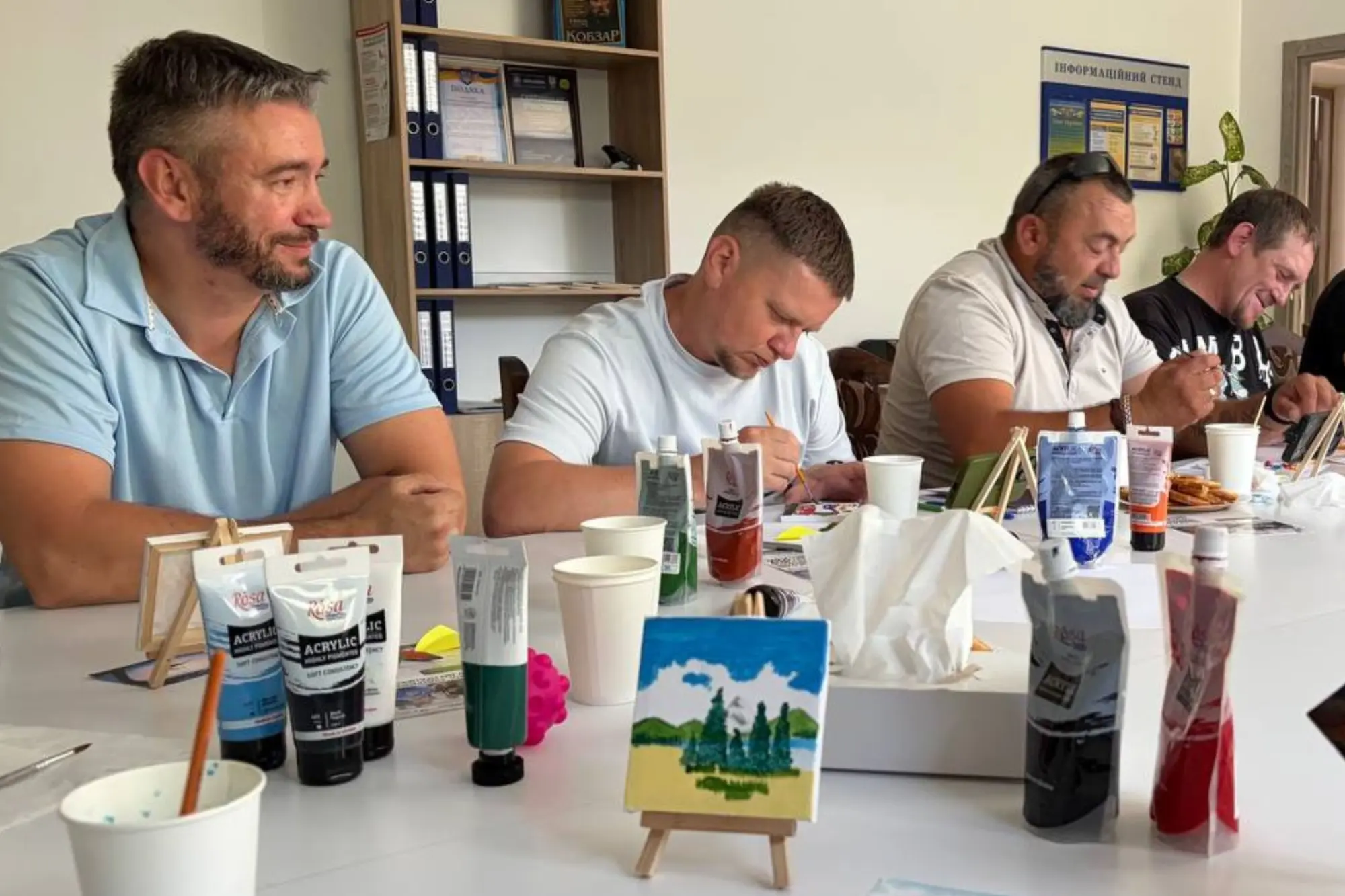
“Military service builds many competencies that are valuable in civilian life: responsibility, discipline, teamwork, decision-making in difficult conditions and adaptability. Our task is to help a person see these skills and find ways to apply them. Reintegration is not about going back to who a person was before the war, but about the opportunity to build a full life today, preserving the value of the experience gained and the right to choose one’s own path,” adds Yuliia Borynets, psychologist at the Ivano-Frankivsk office.
At the same time, support has to take into account the person’s individual experience, needs and readiness for change. Psychological support helps gradually restore self-confidence, identify one’s own resources and form new professional goals.
“Behind every employment request, I see first of all a person – with their experience, abilities, values and dreams. Employment is not only a CV, vacancies and a new profession. It is also an inner journey: from uncertainty to belief in one’s own abilities. My task is to listen, support and help a veteran choose their own path without imposing ready-made solutions,” says Zoriana Rudobashta, psychologist at Rokada’s Ivano-Frankivsk office.
One of the stories that shows the effectiveness of this approach is that of a veteran who decided to change his profession after his service. At first, he did not know which field he would like to work in. Together with Olena, he explored different options and eventually became interested in logistics.
The team looked for available training programmes, but organisational constraints made it impossible to use them. The specialist then helped him find materials for self-study, adapt his CV and start looking for vacancies that did not require previous experience.
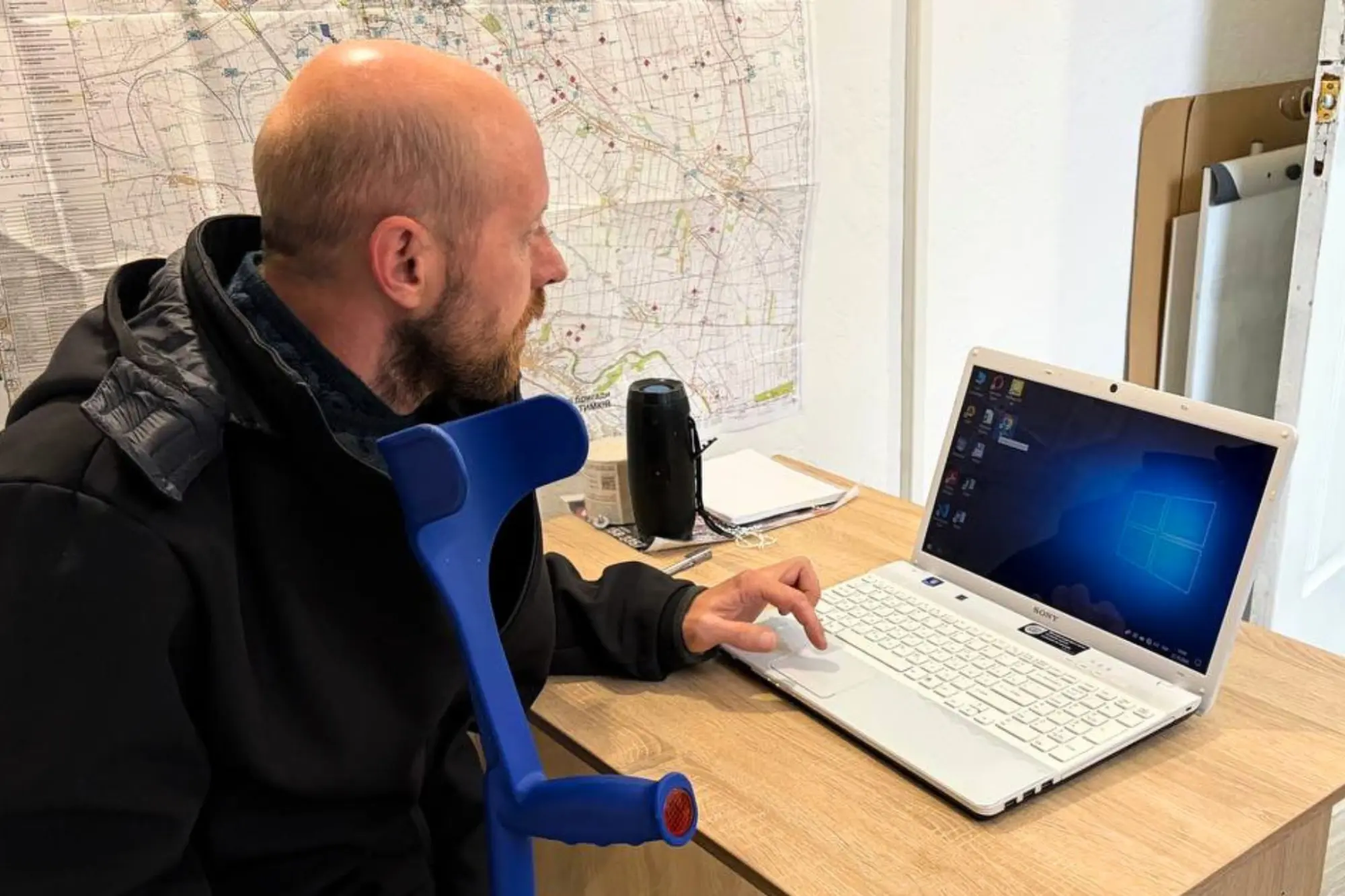
Just two days after sending his CV, the veteran got the opportunity to start work in logistics. In total, the path from his first request to employment took about a month.
Another example is a veteran who, thanks to Rokada’s cooperation with the organisation Promtekh, retrained in soldering and found a job at an enterprise where he now uses the skills he gained.
However, training is not always limited to gaining a new qualification. For some veterans, it becomes an opportunity to restore social contacts, regain self-confidence and gradually prepare for professional work.
How Rokada helps employers
Successful professional reintegration also depends on businesses’ readiness to create proper conditions for employing veterans.
According to Oleksii Lishchynskyi, livelihoods specialist at Rokada’s regional office in Ivano-Frankivsk, Ukrainian companies are increasingly introducing internal support policies, organising staff training and appointing staff responsible for veteran affairs. However, barriers remain related to assessing military experience, adapting workplaces and employers’ insufficient awareness.
“One of the biggest challenges is translating military experience into civilian terms. A person may have managed processes, worked with technology and coordinated other people, but an employer does not always understand how these skills can be applied in a specific position. There are also concerns about veterans’ physical or psychological condition,” notes Oleksii Lishchynskyi.
The list of difficulties also includes gaps between candidates’ salary expectations and what the civilian labour market offers. Not all enterprises have enough resources or experience to adapt workplaces either.
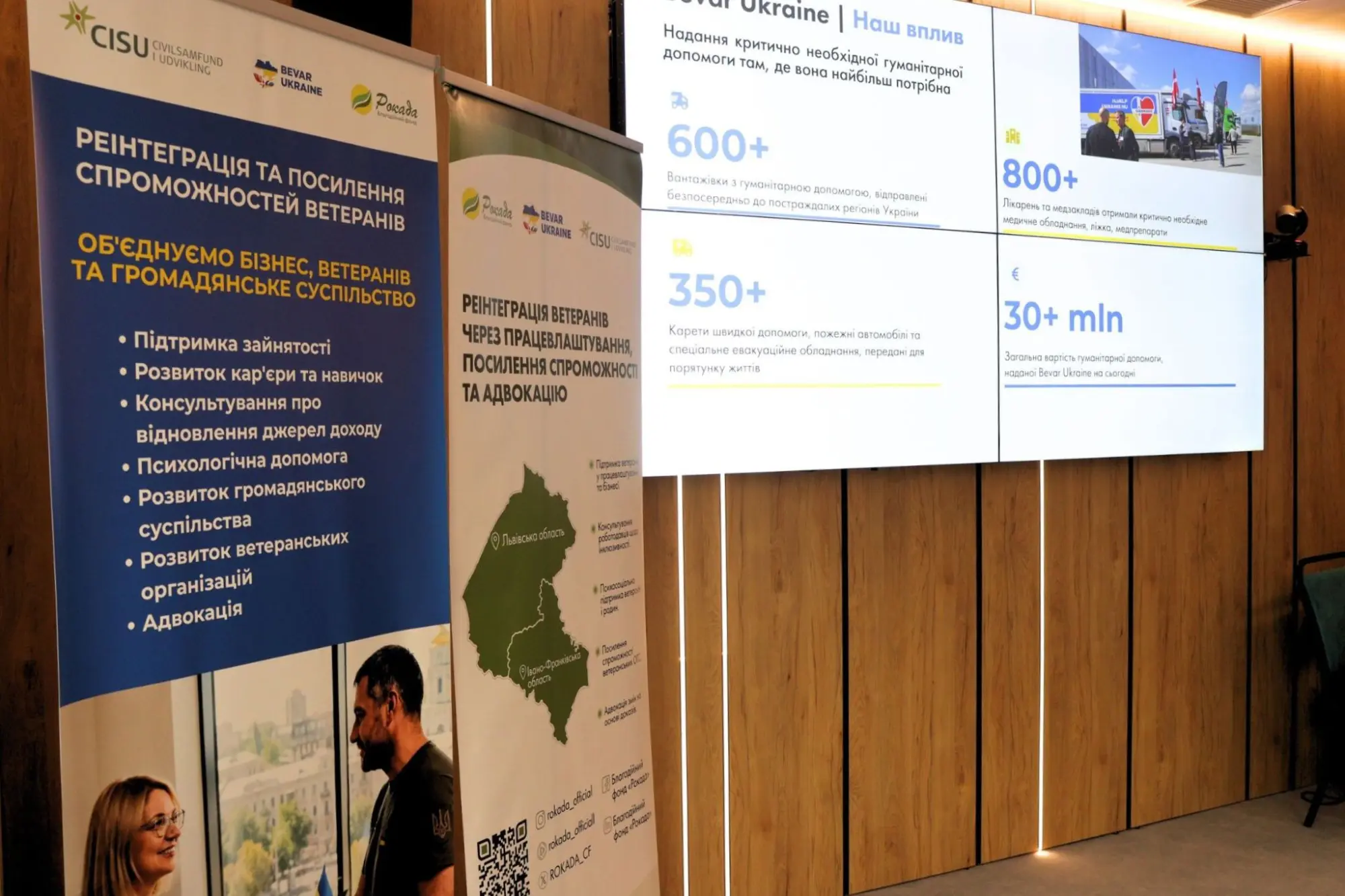
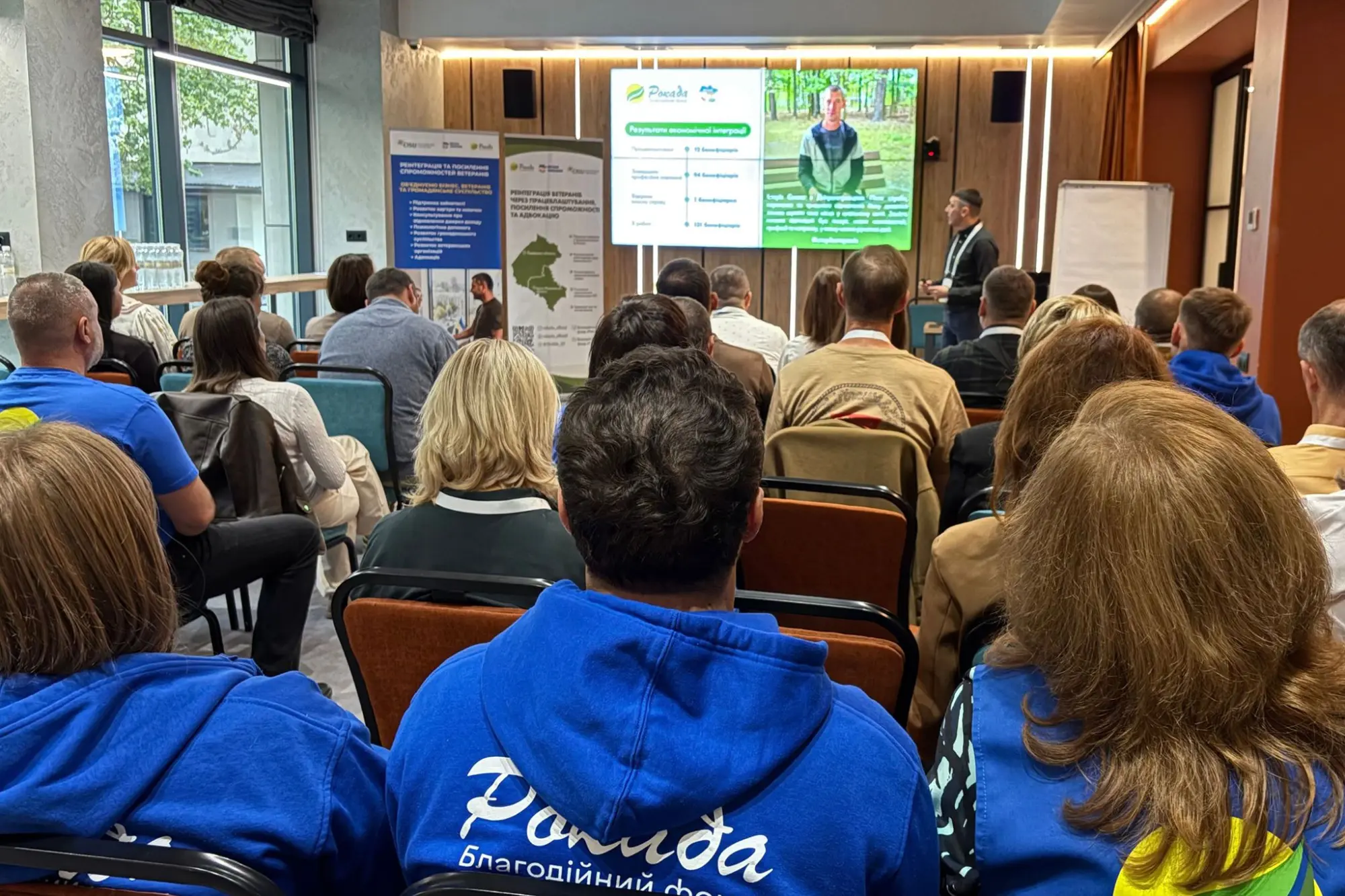
Within the project, the foundation’s team assesses a veteran’s professional potential, identifies potential employers and helps establish contact between them. At the same time, businesses receive consultations on inclusive employment, available compensation mechanisms and appropriate communication.
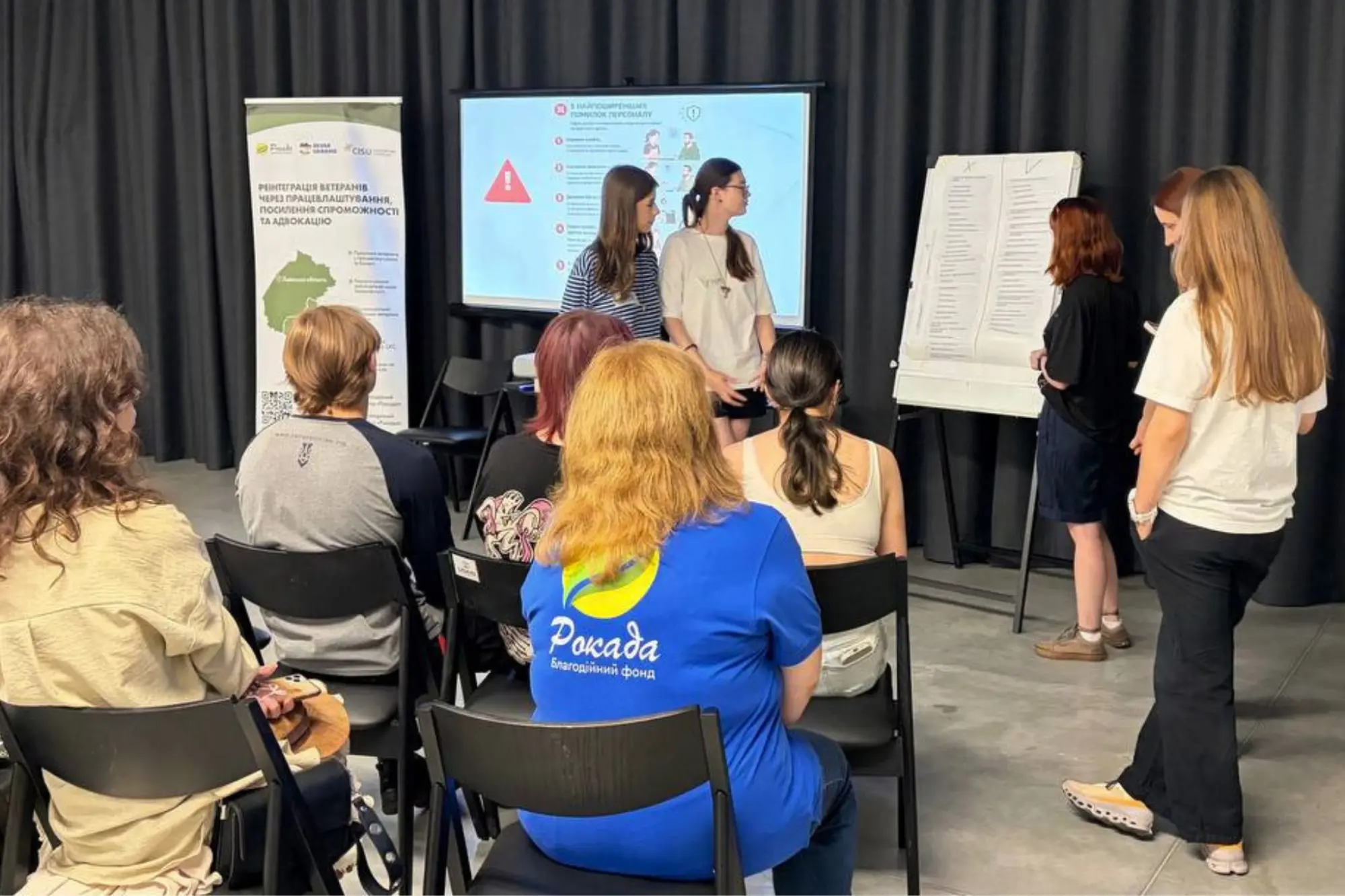
“We assess the veteran’s needs and the employer’s capacities, and then accompany the person on the way to a vacancy. At the same time, we explain to companies how military experience can benefit business development,” says the livelihoods specialist of the Ivano-Frankivsk regional office, adding that cooperation with the municipal enterprise Vodoekotekhprom resulted in a veteran support programme. “At the enterprise’s initiative, the Rokada team trained its management on appropriate communication with veterans, in particular tact in communication and creating a comfortable work environment.”
“The enterprise already has a person responsible for veteran policy. She herself suggested holding a training for the management. This is a positive experience, because when the team is well informed, it is easier for everyone to work and there is less tension,” explains Oleksii Lishchynskyi.
Another example is cooperation with the furniture company Frankof. After the training, the team learned that the company needed 3D modelling specialists. At the same time, a veteran looking for work in this field turned to Rokada. The specialists connected the candidate with the employer, who responded positively and started talking with the potential employee.
Employment as the basis for long-term reintegration
Returning to civilian life requires an individual approach. For some, a consultation and help with a CV are enough, while others need longer-term support, retraining or psychological assistance. Cooperation with business also plays an important role in this process, as employers’ readiness to take into account military experience and candidates’ individual needs opens up more opportunities for their professional fulfilment.
If you are a veteran and plan to learn a new profession, find a job or start your own business, contact Rokada. Our specialists will help you identify available opportunities and get the consultations you need.
We also invite employers to cooperate. The foundation’s team holds information sessions, training and individual consultations on adapting workplaces, veteran policy and working with teams.
Contacts of the Lviv office: +380 67 447 03 73; Ivano-Frankivsk office: +380 67 447 40 24.
Registration form for veterans: https://forms.gle/Vw8fgeWtcXB3Wj316
The project “Reintegration of Veterans through Employment, Capacity Building and Advocacy” is implemented by Rokada Charitable Foundation in cooperation with the NGO Bevar Ukraine with the support of CISU.