
From challenges to shared solutions: the Rokada Charitable Foundation has developed its strategy until 2028
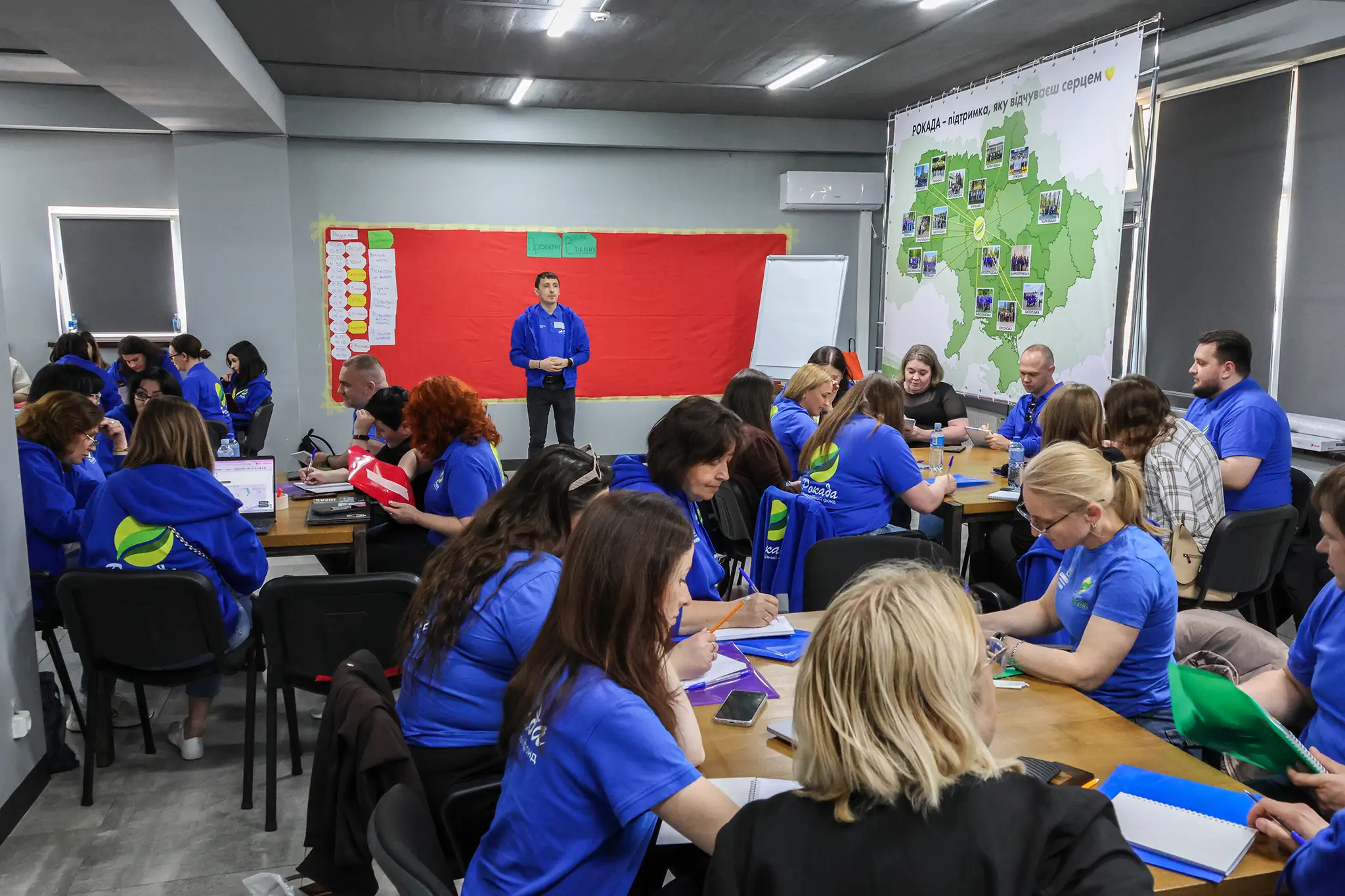
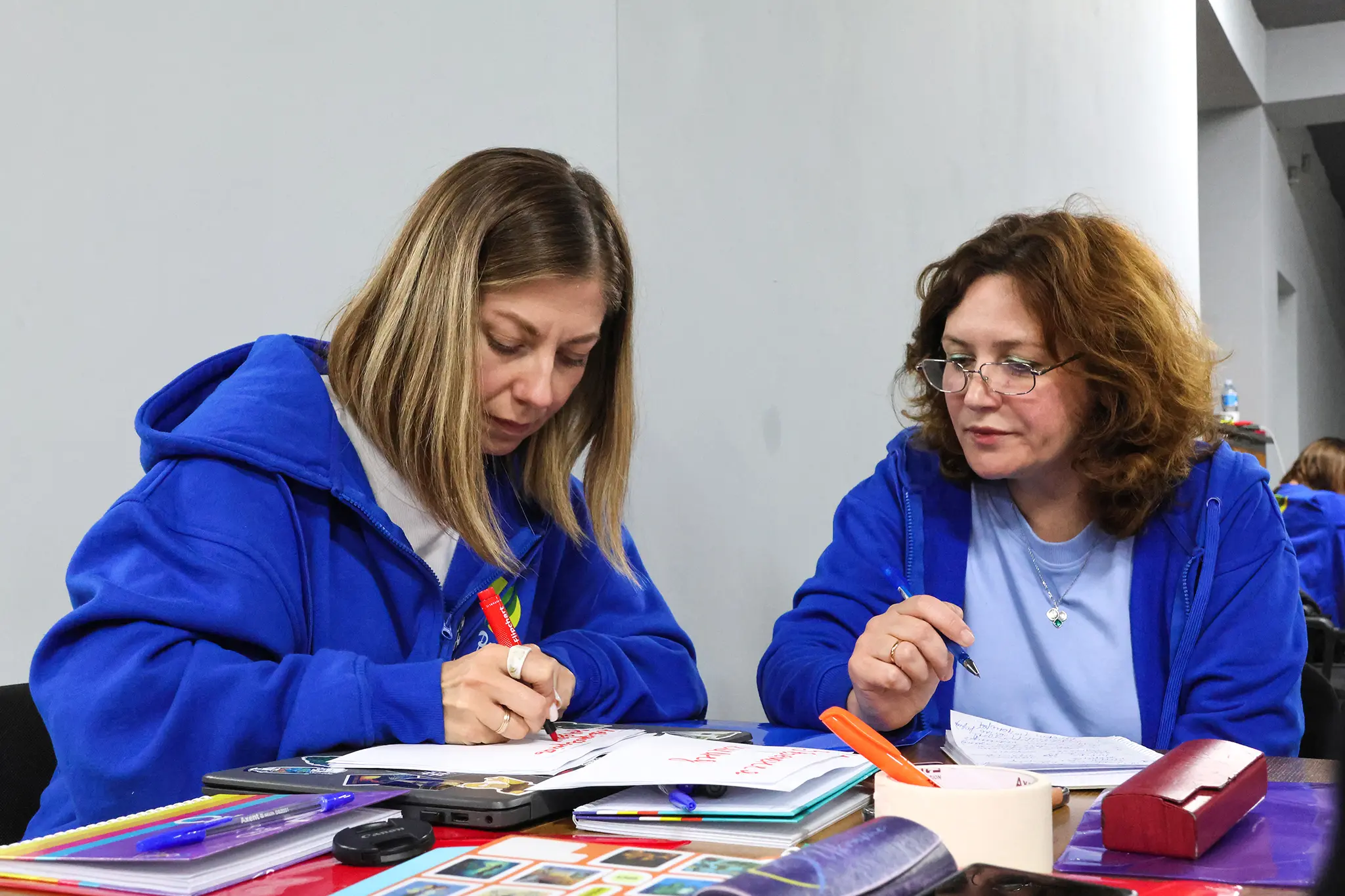
Humanitarian response, social services, community development and housing solutions, advocacy and research, as well as partnerships and networking – these five areas of expertise became the foundation of the Rokada Charitable Foundation’s strategy for the coming years. Work on priorities and a shared vision of the future brought together the Foundation’s Board, heads of departments, project managers and regional offices.
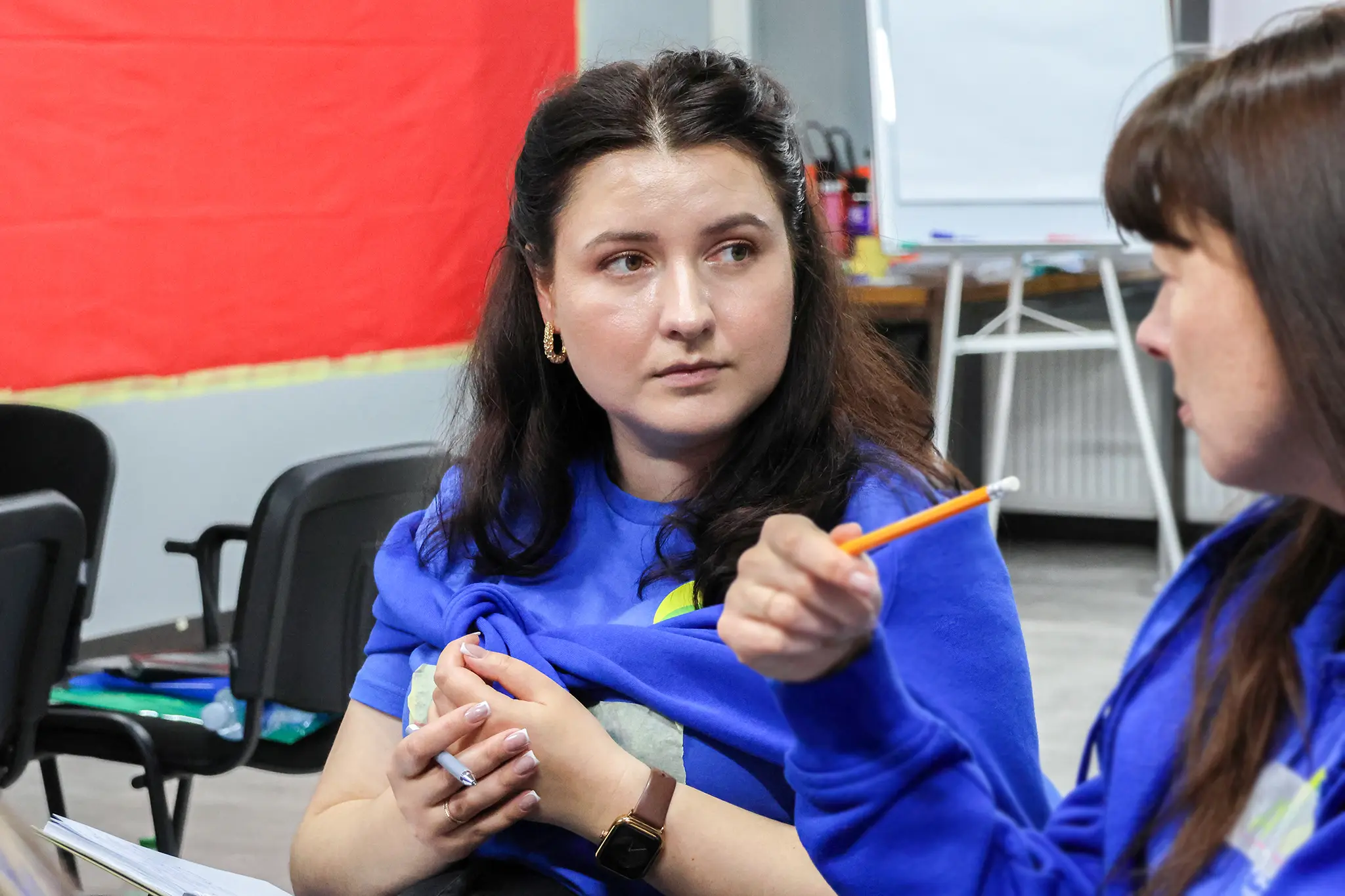
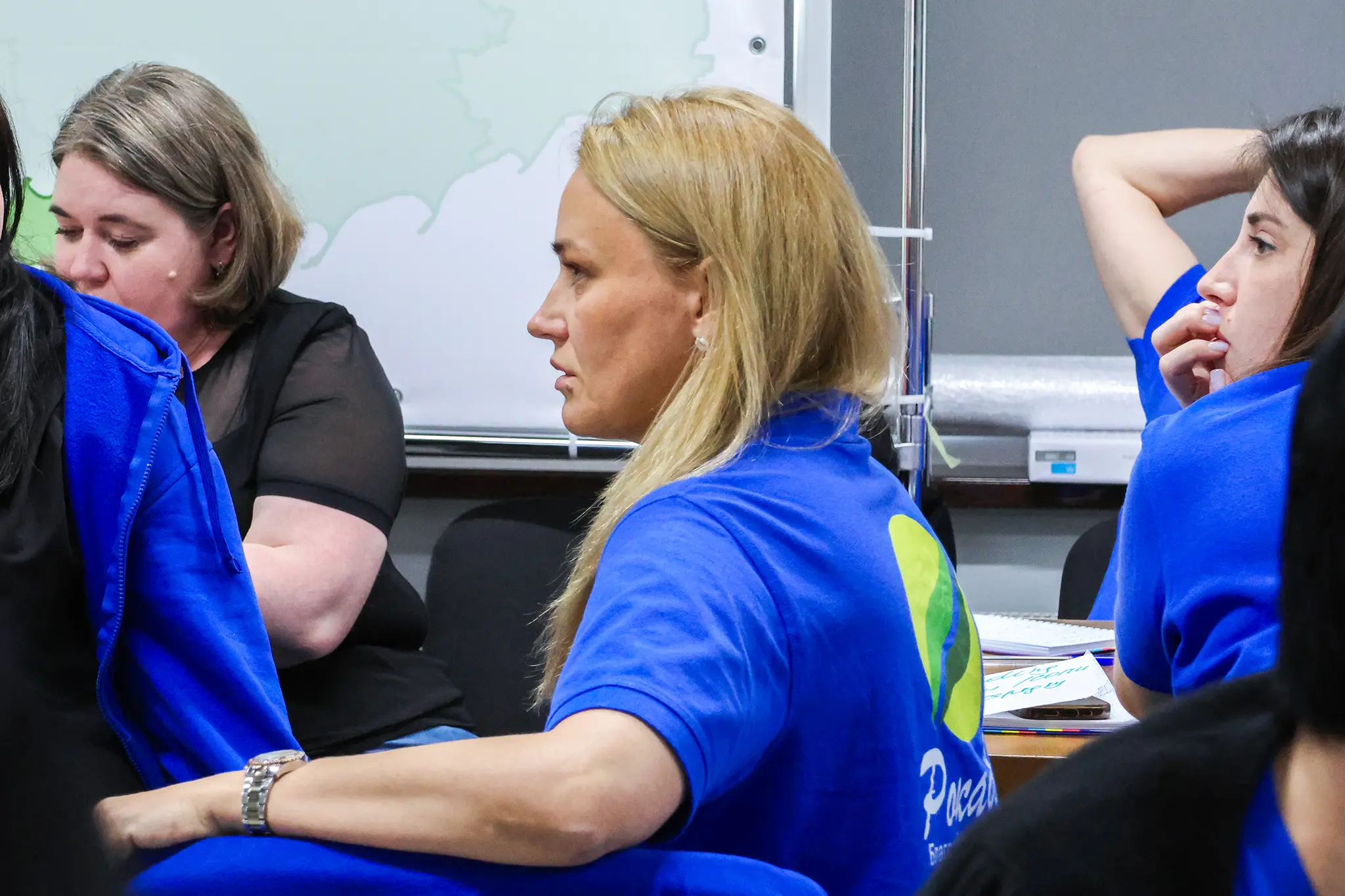
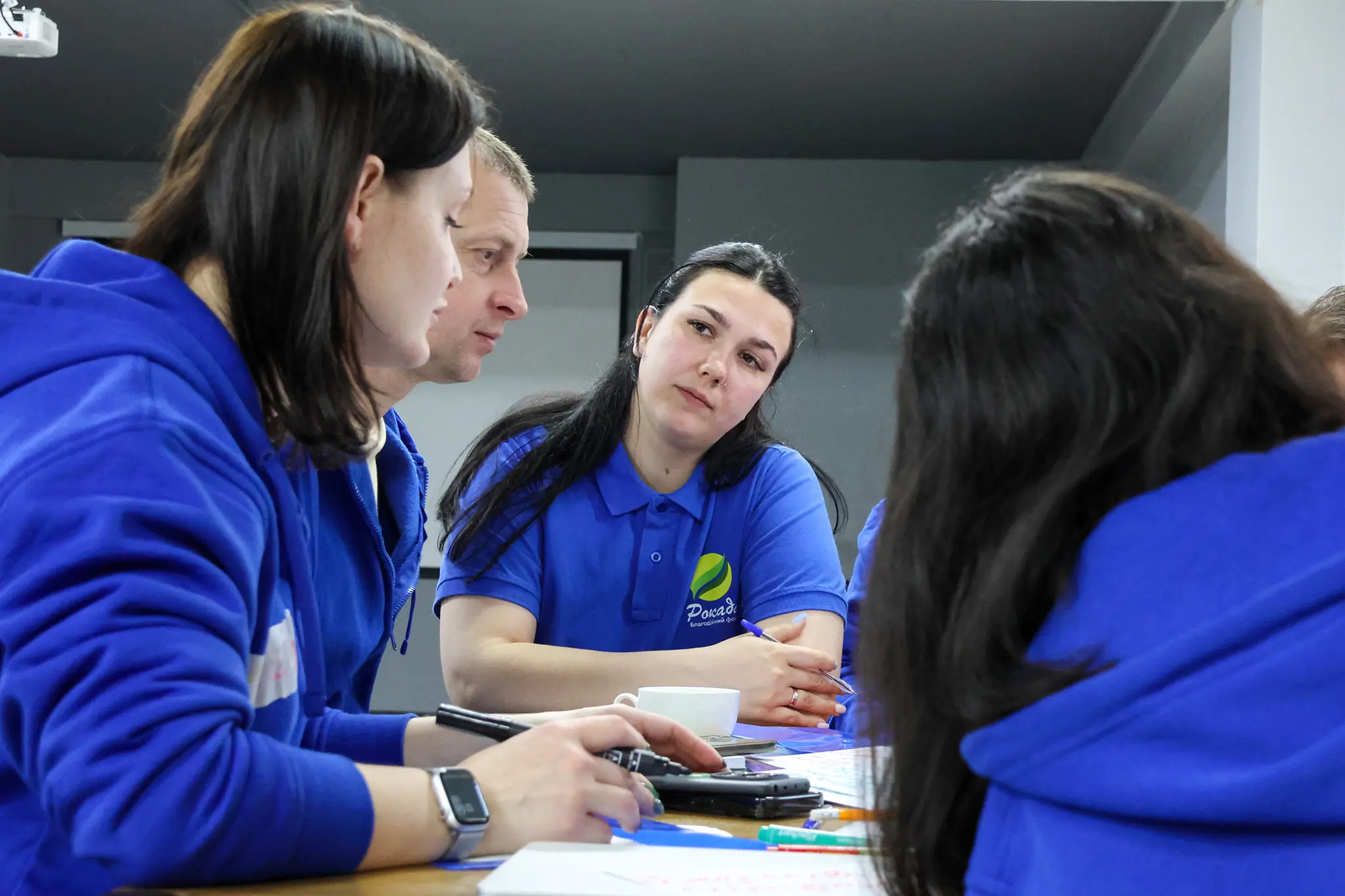
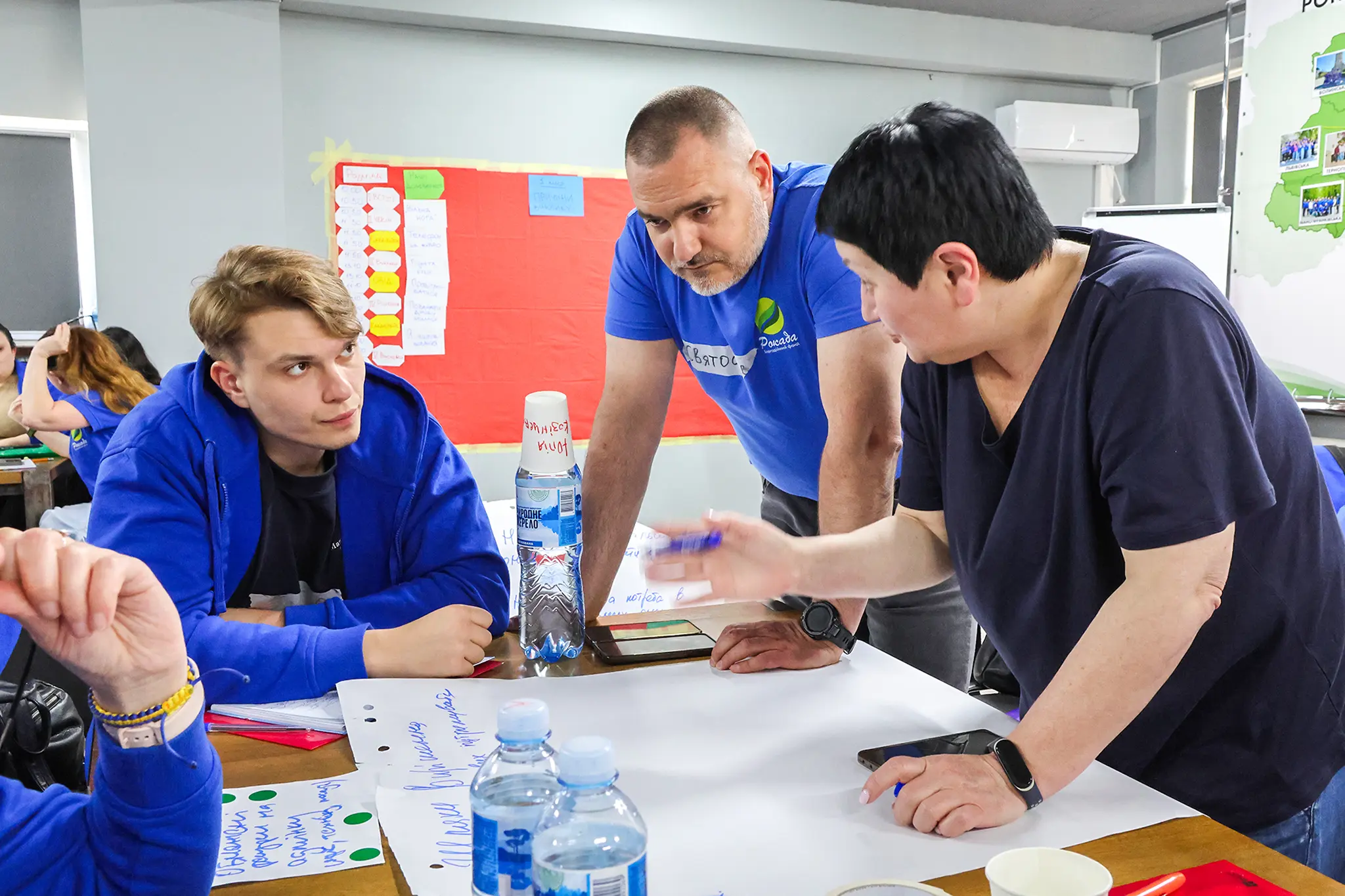
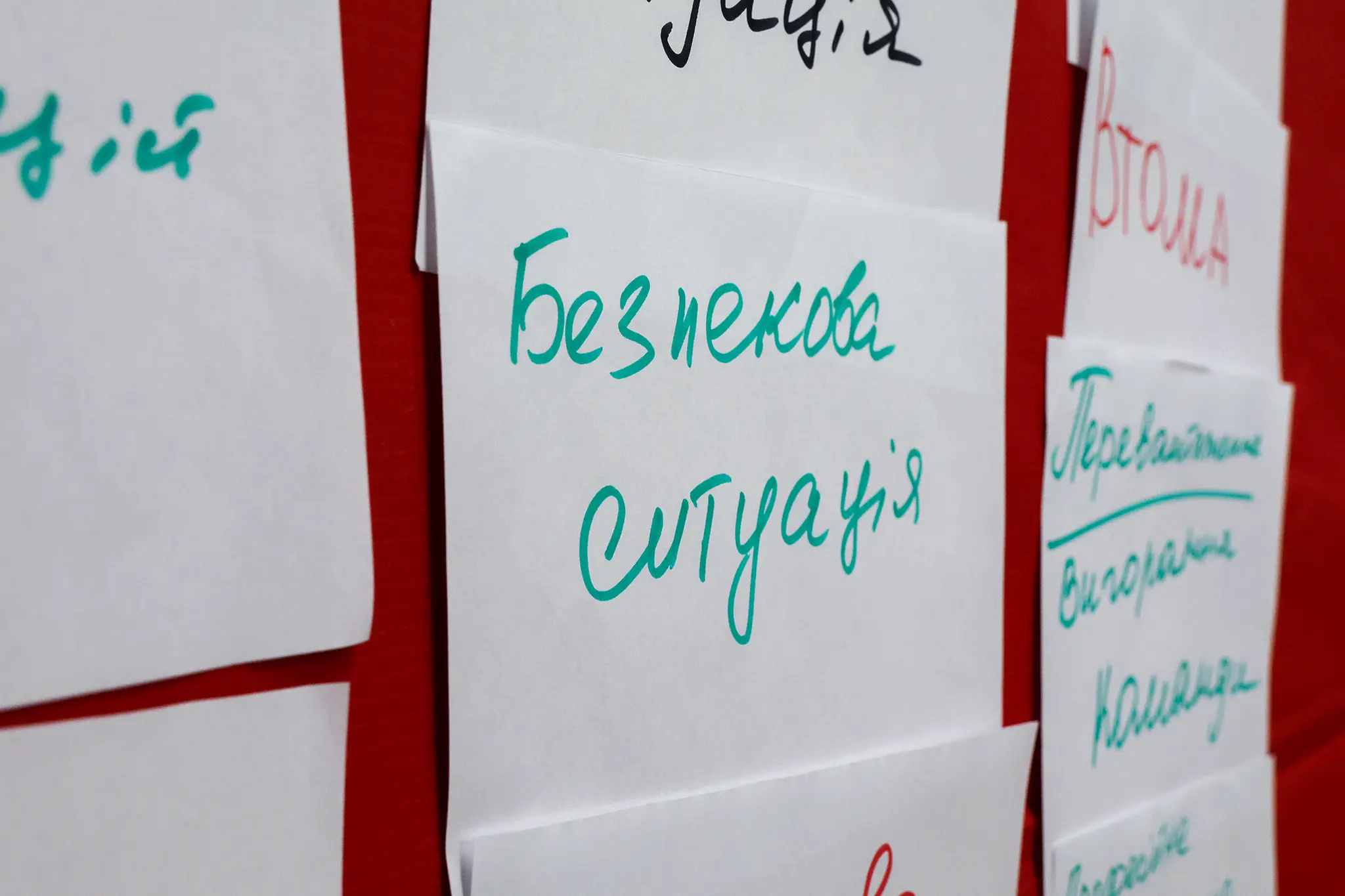
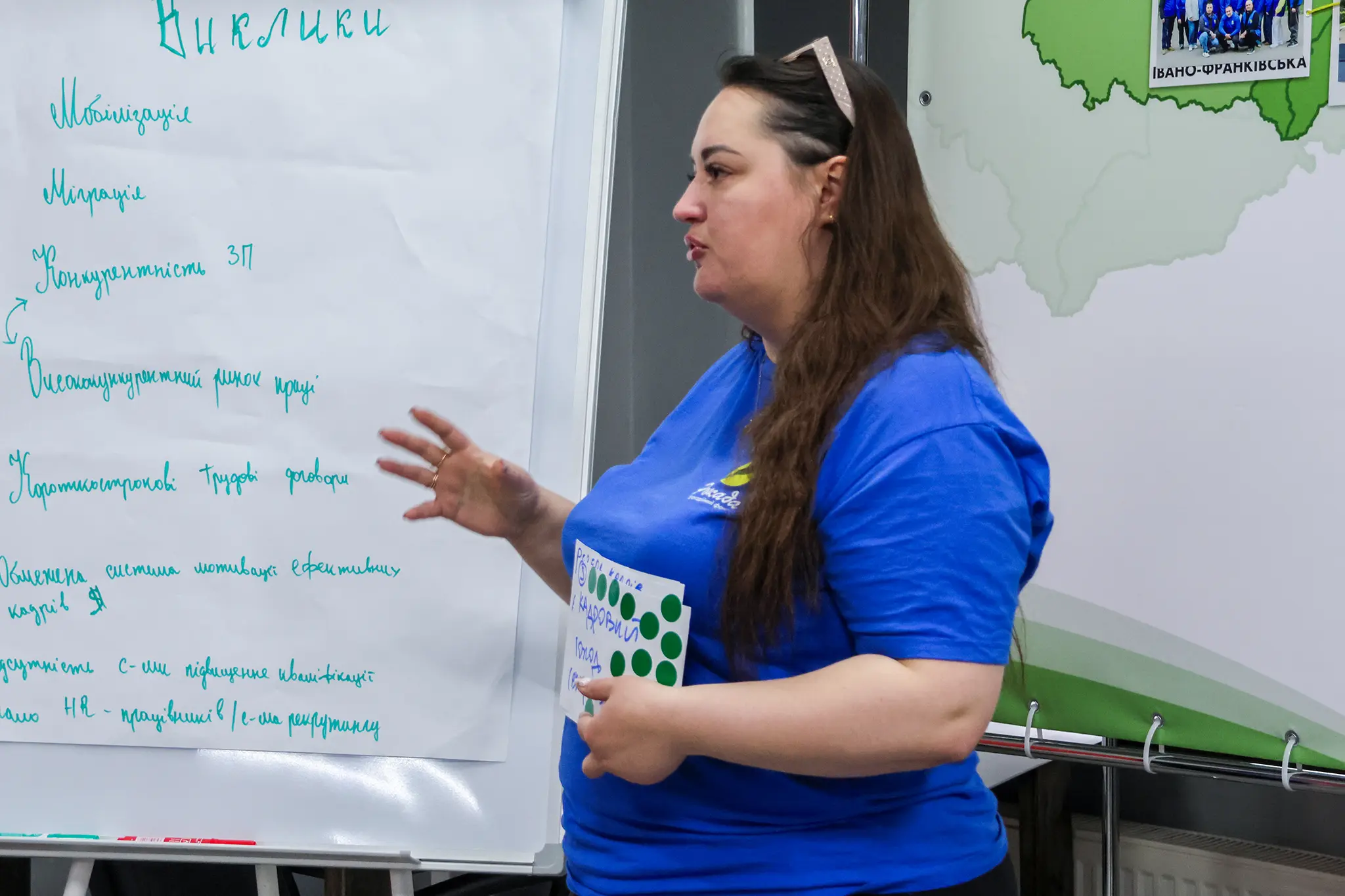
Over a week, the team analysed changes in the humanitarian context in Ukraine, discussed areas for growth and shaped a vision of the Foundation’s role and the principles of its work.
Viktor Lashchak,
Coordinator of Rokada’s regional office in Chernivtsi:
The strategic session gave us the opportunity not only to set priorities and a vision of how, where and how fast we are moving. It was important that we were able to voice difficulties, find solutions and hear each other.
Over twenty-two years, the Foundation has grown from a small organisation that helped refugees and asylum seekers into one of the country’s leading humanitarian foundations, which has become a mainstay for hundreds of thousands of internally displaced people. The 2026–2028 Strategy marks a new stage: Rokada is consciously moving from implementing individual projects to the role of a systemic driver of change at the level of communities, regions and the state.
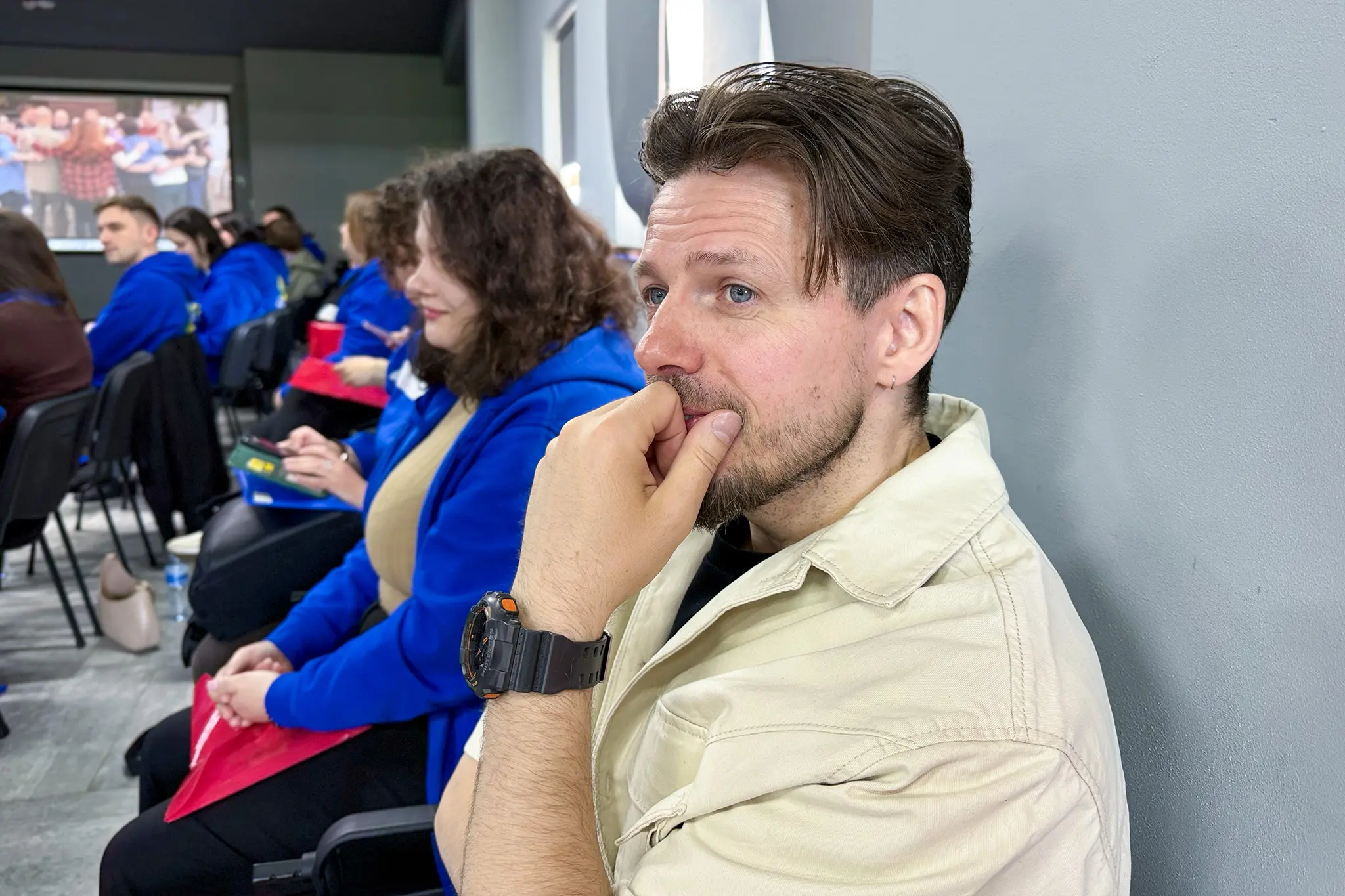
Oleksandr Maliukhov,
Programme Director of the Foundation:
This means that, in addition to implementing projects, we are focusing on systemic change. This can be achieved, in particular, through stronger partnerships, more active advocacy, stronger communication and the development of the organisation itself. These are the areas meant to ensure the transition from Rokada’s current role to what we aim to achieve – not only meeting people’s basic needs but also building sustainable assistance mechanisms that will work even amid prolonged uncertainty.
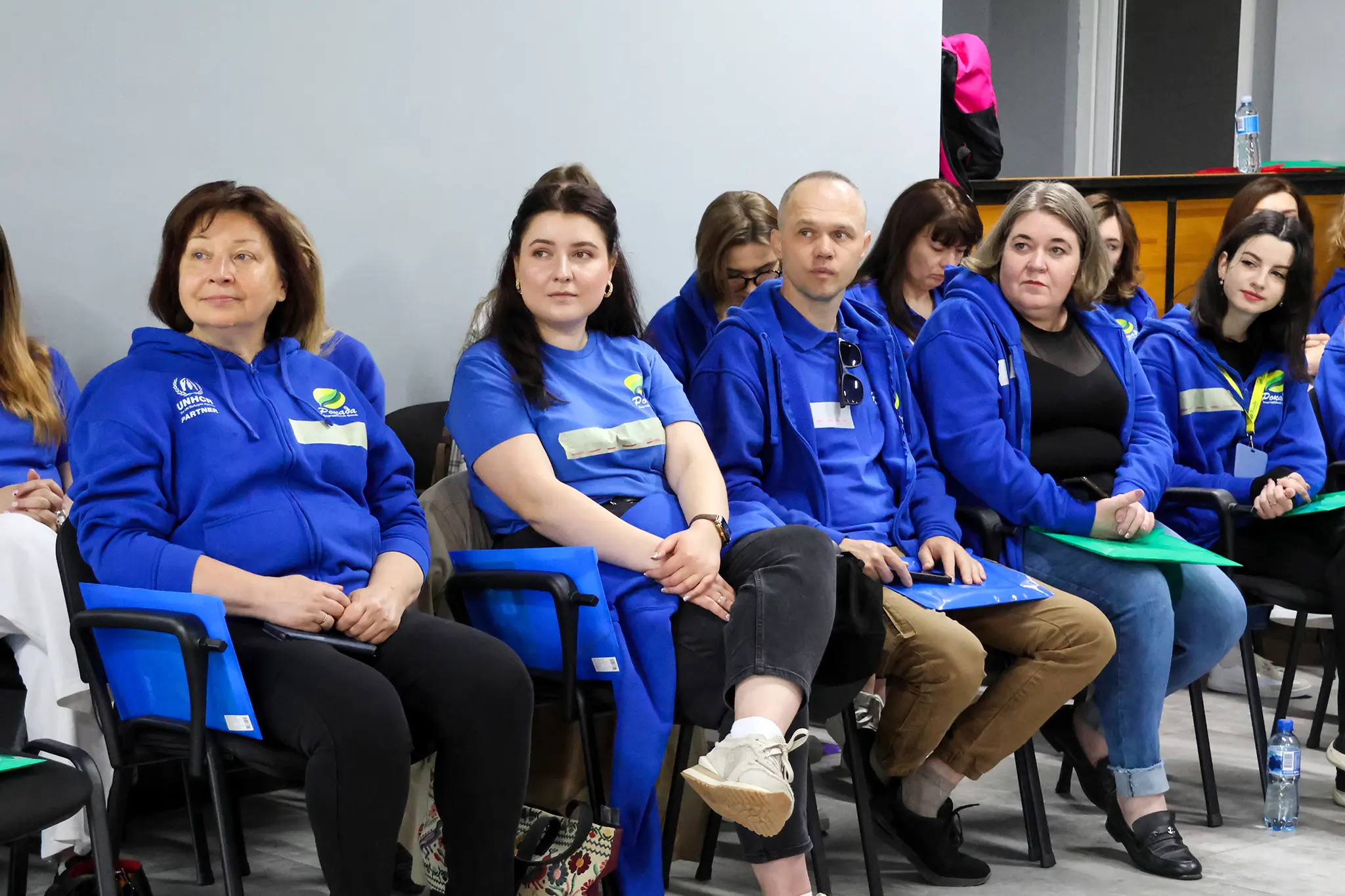
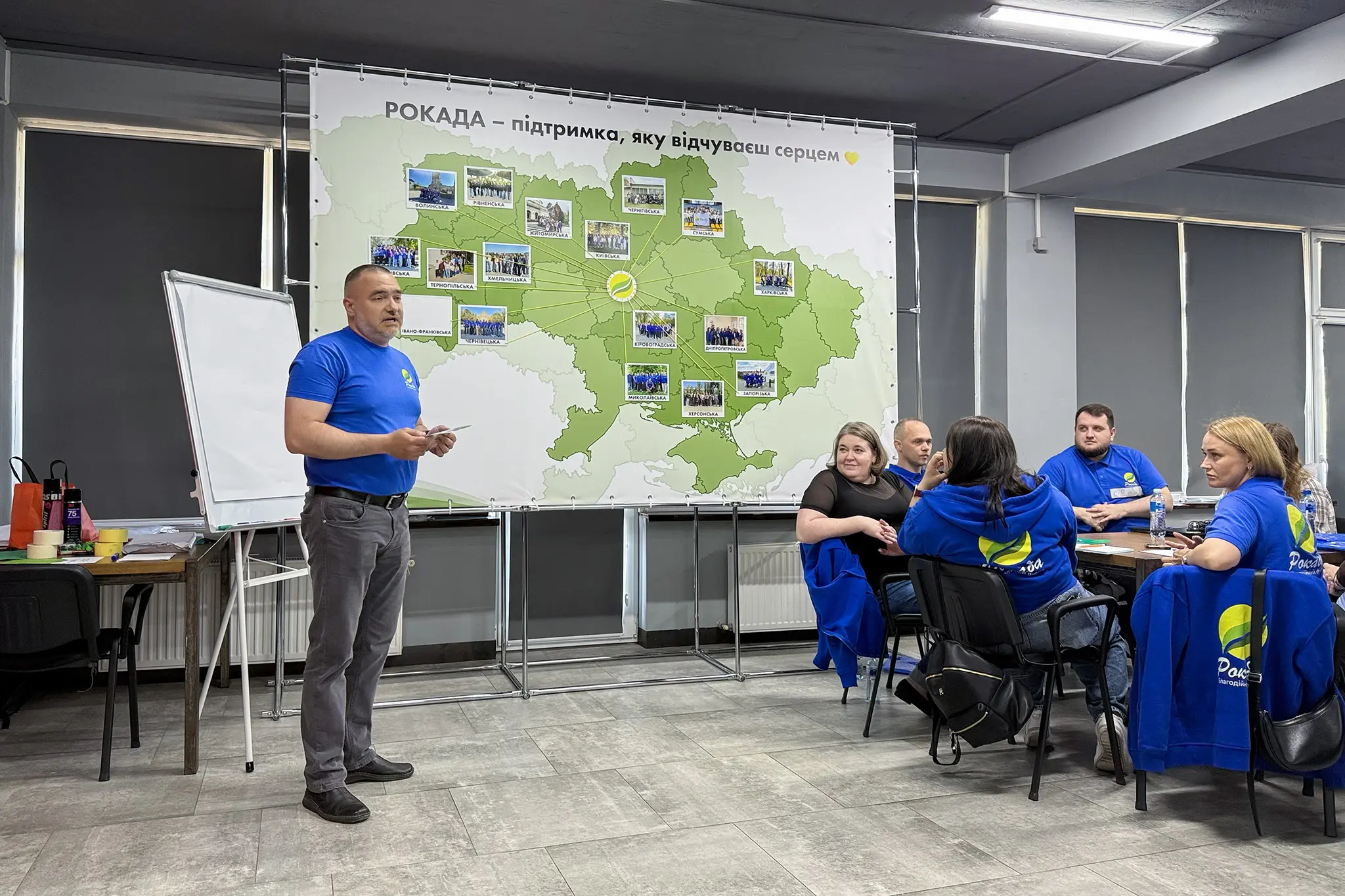
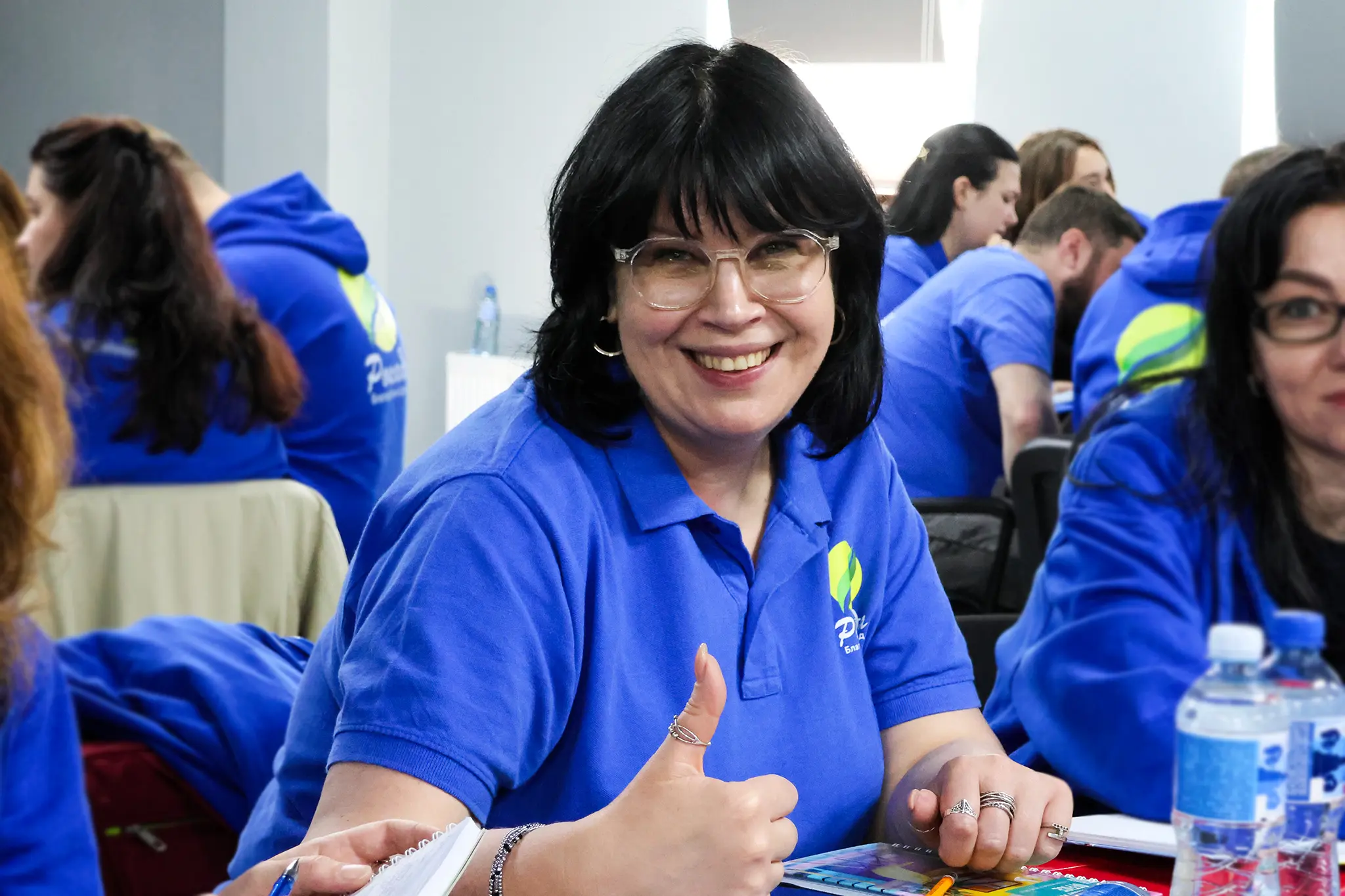
The Partnerships and Fundraising Department works on strengthening cooperation and attracting funding. Its specialists are actively expanding partnerships and looking for ways to secure long-term support for the Foundation’s assistance and operations. That is what the strategy was developed for.
Dina Hud,
Head of the Foundation’s Partnerships and Fundraising Department:
We understand well how to work with partners. But the strategy will allow us to structure this experience – to set out principles and identify priorities and the partnerships we truly aspire to. At the same time, we have already determined how to strengthen the organisation’s financial resilience and ensure continuity of assistance in the short and long term, and we will also determine how to diversify our sources of funding.
At the same time, the Rokada team also worked on the communication component of the strategy. Telling people about the Foundation’s work is just as important as doing it – especially when it comes to building trust among partners, donors and communities.
Kateryna Ostapovych,
Coordinator of the Communications Department:
The people we help, our partners and donors should understand how and why we work. When everyone sees our work, trust emerges, and trust is the basis of any cooperation. At the same time, we want Rokada to be visible – not for the sake of recognition, but so that more people can receive support and more organisations can find partnerships.
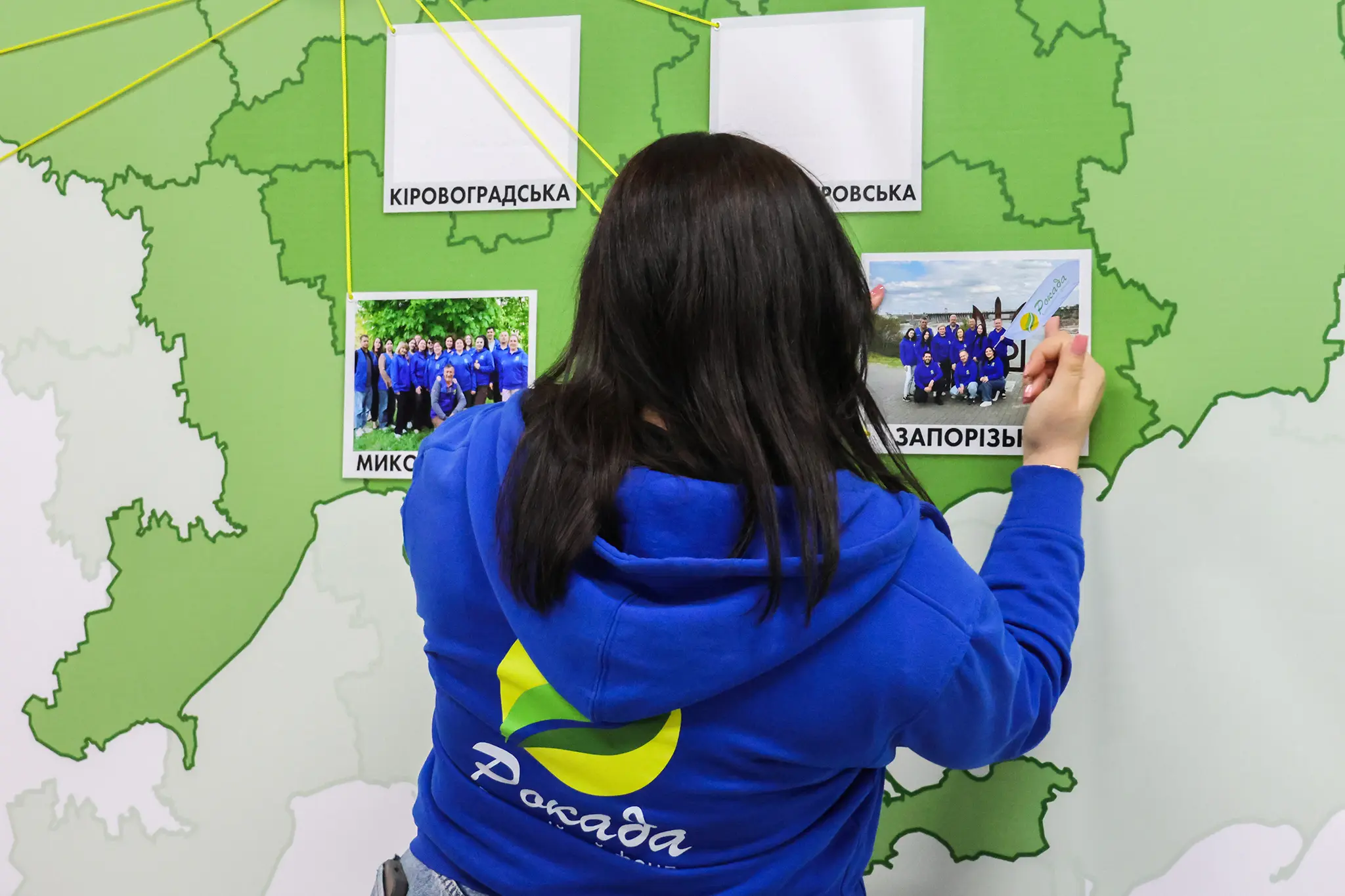
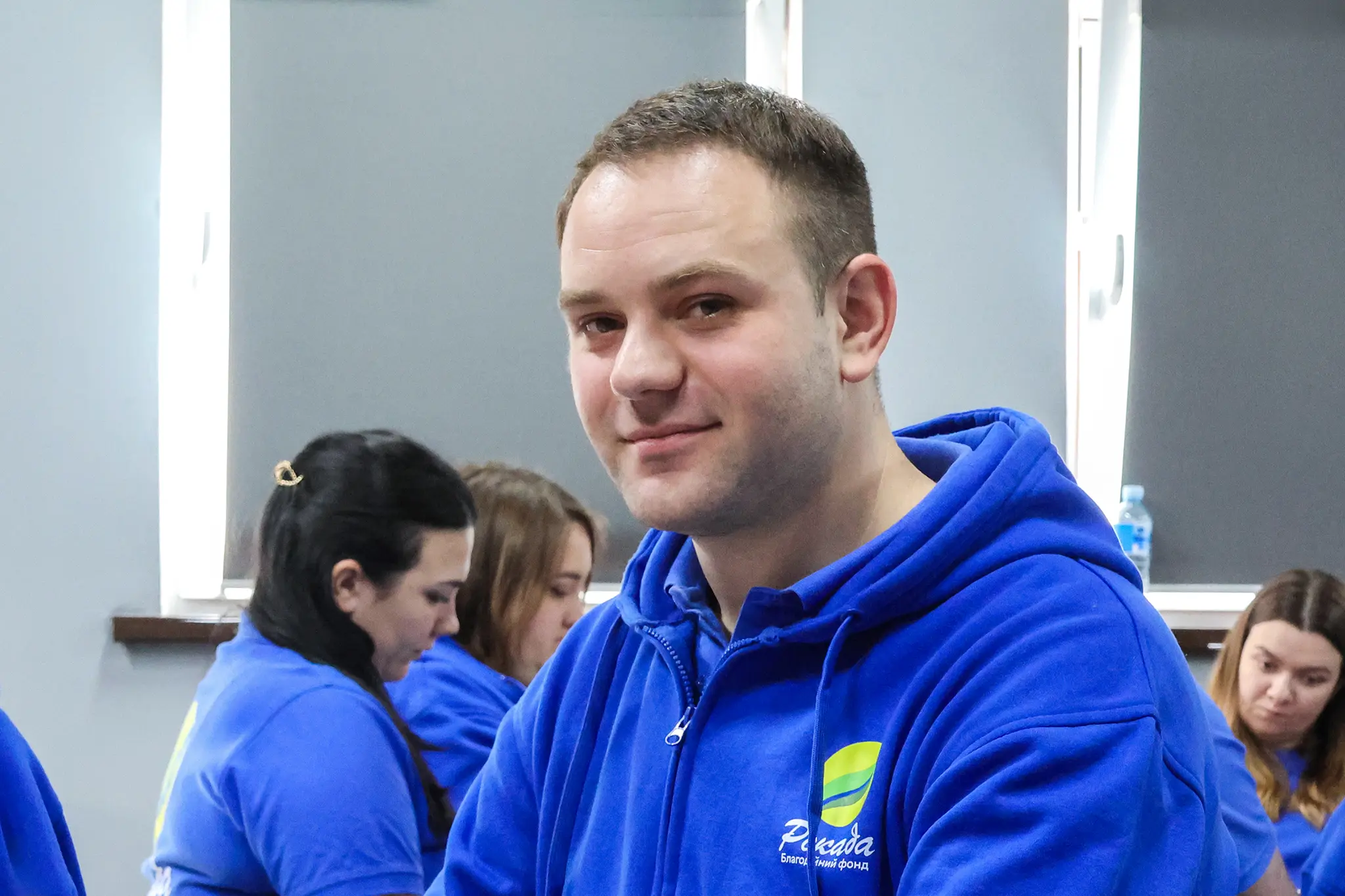
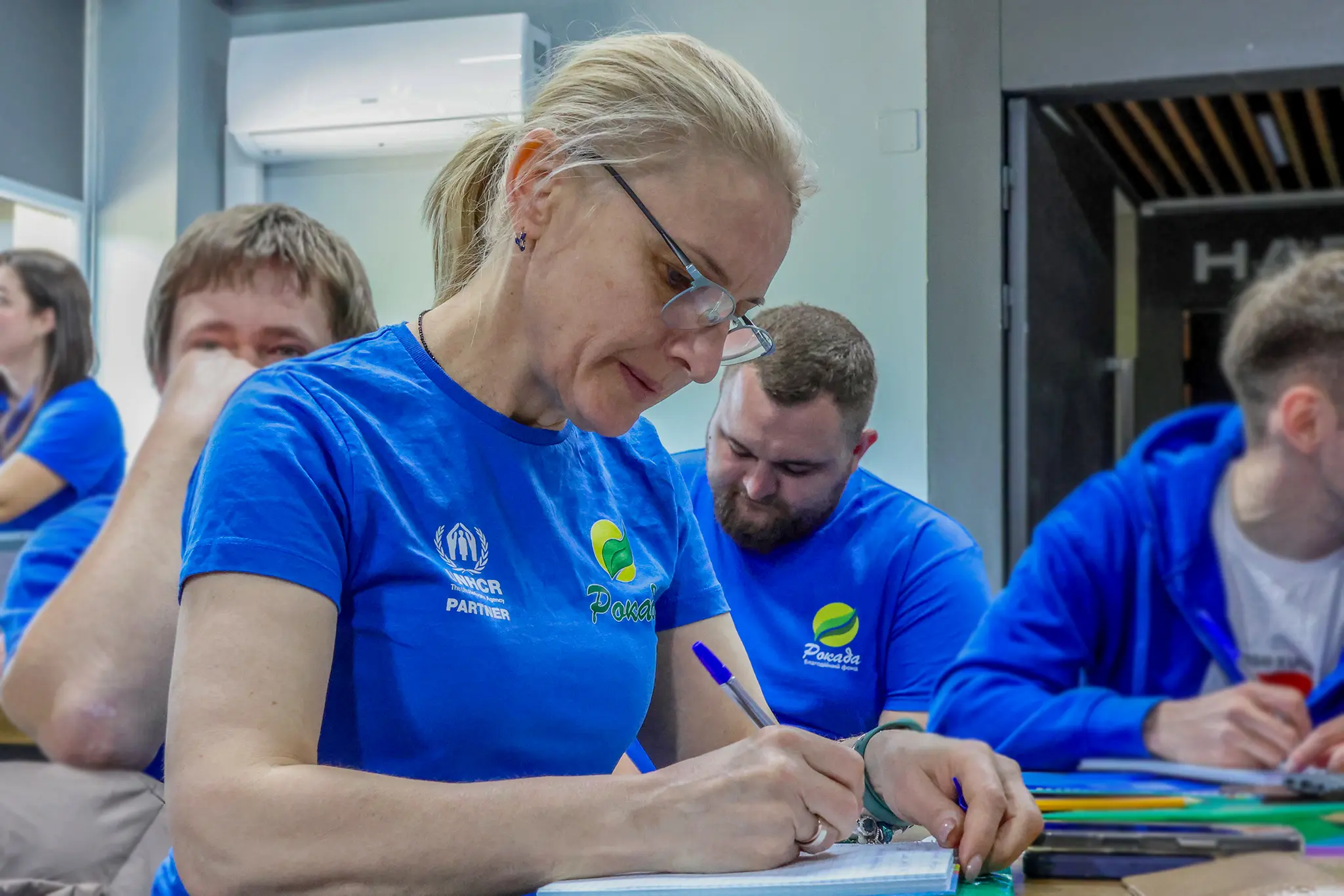
Yet the most valuable resource of the strategy and of the Foundation as a whole is the team. Quality assistance to people is only possible when the organisation is strong and resilient.
Nataliia Hurzhii,
Chair of the Board of the Rokada Charitable Foundation:
We started with twenty people. Today there are more than six hundred of us. But it is not about numbers – it is about the fact that every person at Rokada knows why they are here. Behind every project and every figure is our specialist, who chooses this work every day despite fatigue, uncertainty and difficulties. Developing the team, supporting it and providing supervision is the most important part of our strategy. I would even say it is its heart. Rokada is a family-type organisation, and what we value most is preserving a sense of shared mission to multiply good.
Thanks to teamwork, Rokada is entering a new strategic period with a clear understanding of its role. From emergency assistance to influencing legislation, from field work to shaping standards, the Foundation is building a future in which every person in crisis can count not only on support today but also on systemic change tomorrow.