

IDP councils: how to influence the design of support programmes for internally displaced Ukrainians in communities
IDP councils can influence how a community supports displaced people. The government has expanded their powers, and council members can now take part in local support programmes: helping to design them, implement them and monitor how they work. Here is where to start and what to pay attention to.
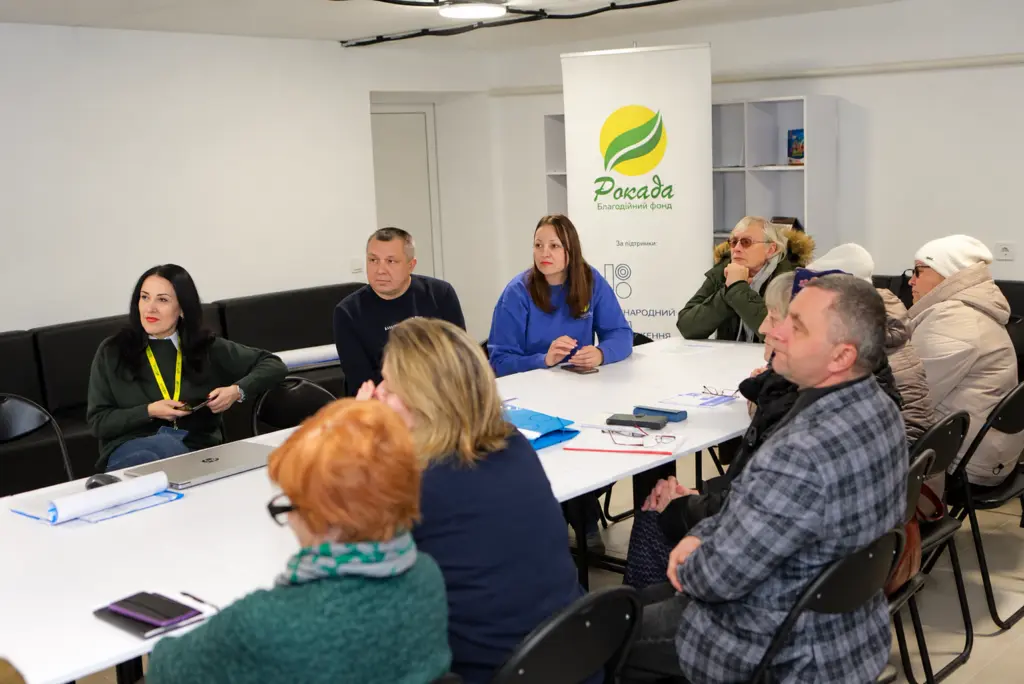
IDP councils can collect information about the needs of displaced people, conduct surveys, submit proposals for support programmes, take part in drafting documents and monitor the implementation of planned measures. When problems arise, they can propose solutions and cooperate with local authorities, civil society organisations and other partners.
It is important to get involved before decisions are made – in particular, to help identify the community’s needs, take part in preparing the programme and discussing its draft, and later check how it is being implemented.
At the same time, IDP councils do not make decisions instead of the local authorities. Their task is to represent the interests of displaced people and help make local support programmes effective and relevant to people’s real needs.
Let’s look at the main stages of an IDP council’s participation in developing a support programme.
Identify the needs of internally displaced persons
To do this, an IDP council can hold surveys, meetings and focus groups, collect requests, and analyse problems and the community’s available data. It is important to consider the needs of different groups of displaced people. For example, families with children may need support with access to education and housing, older people – with social and medical services, and people with disabilities – a barrier-free environment and accessible assistance.
Identify the issues that need to be addressed first
An IDP council can identify priority areas of support for displaced people: housing, employment, education, medical and social services, psychological and legal aid, support for people with disabilities and older people, and integration into the community.
Priorities are set based on the needs of displaced people, the situation in the community and the resources available.
Take part in preparing the draft programme
Once priorities are set, the IDP council can contribute to developing the local support programme: analyse its draft, provide recommendations, propose measures and check whether they meet the real needs of displaced people.
For example, to address employment difficulties, the council can propose vocational training or cooperation with local employers.
Proposals should be submitted in writing, stating the problem, its justification, the proposed measure and the expected result. This helps track whether the recommendations were taken into account when the programme was developed.
Join the public discussion
An IDP council can organise a discussion of the draft programme with displaced people: hold meetings, surveys and consultations, and collect proposals. Based on the results, it should summarise the information and pass recommendations for improving the programme to the local authorities.
Monitor implementation
After the programme is approved, the IDP council tracks whether the planned measures are carried out, whether the support is provided on time, how budget funds are used and whether the results meet the real needs of displaced people. To do this, the council analyses implementers’ reports, collects feedback from IDPs and identifies problems. Based on the monitoring, it prepares recommendations for the local authorities on improving the programme.
Lawyer Tetiana Khotetovska emphasises that the participation of IDP councils in shaping local support programmes makes it possible to take displaced people’s needs into account when decisions that directly affect their lives are made.
According to her, the effectiveness of this work depends on a systematic approach. As the lawyer notes, a council should not only voice problems but also collect information, analyse needs, develop specific proposals and track the results of programme implementation.
“An IDP council is a tool for representing the interests of displaced people. It makes it possible to influence local policy through well-founded proposals and by monitoring their implementation,” says Tetiana Khotetovska.
At the same time, the lawyer draws attention to the limits of the council’s powers. As a consultative and advisory body, it does not approve programmes on its own and does not manage budget funds. Instead, the council can provide recommendations, take part in working processes and monitor how well programme implementation meets the needs of internally displaced persons.
The council’s cooperation with local self-government bodies is especially important. Proposals backed by needs assessment results help discuss problems in concrete terms and find solutions relevant to a particular community.
With financial support from the International Renaissance Foundation, Rokada Charitable Foundation is implementing a project to strengthen the capacity of IDP councils in Volyn, Ivano-Frankivsk, Lviv, Ternopil and Chernivtsi regions.
The foundation’s teams help internally displaced Ukrainians build effective communication and get involved in decision-making at the local level.