
In Poland, Germany or elsewhere, Ukrainians will remain either refugees or migrants… And that is not the feeling we deserve! – Olena’s story of returning from abroad
When the full-scale invasion began, Olena Dyshkant was living in Kyiv. She is originally from Zhytomyr region. She moved to the capital to study when she was very young and stayed. Shortly before that tragic February, she had founded her own company – a tech start-up. There was an investor, a good team, potential clients… At that time, Olena was not yet 30. Together with her partner, she made plans and had dreams and ambitions. Just before, they had also bought a home near Kyiv. They were preparing for a housewarming in April 2022.
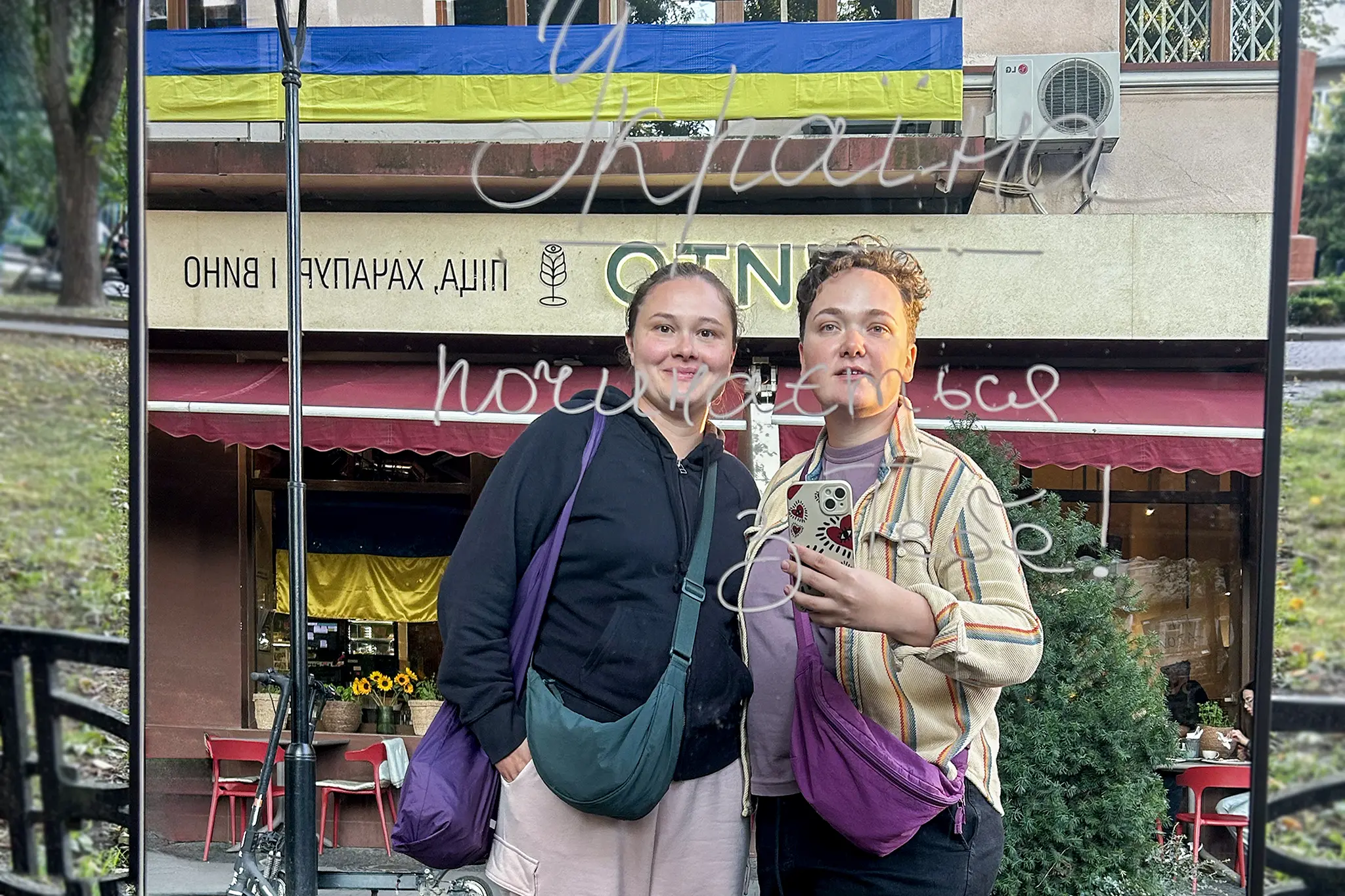
“At that time we spent all our money, including on credit cards. We were left with about five thousand hryvnias and a pile of debts. We never moved into the flat. The new building wasn’t put into operation in time. What’s more, it was badly damaged by shelling,” she says.
On 24 February, Olena and her partner were in a rented flat on the outskirts of Kyiv. Shelling, air raid alerts and fear for their lives forced them to seek safety. A few weeks later, the couple decided to go abroad. First they went to Kovel, because the train to Lviv was packed to capacity. From there to the border, and then Warsaw, Berlin and, finally, Düsseldorf in Germany.
“I remember we arrived in the middle of the night. It was the eighth or ninth of March. I can’t remember exactly, because we were disoriented. We stayed with an acquaintance – he offered himself when we were still in Kovel. He had seen the news and decided to help. It was unbearably hard for me – I couldn’t come to terms with the fact that Russians were killing my people, killing Ukrainians. Later, I worked with a psychologist for a long time to recover,” Olena continues.
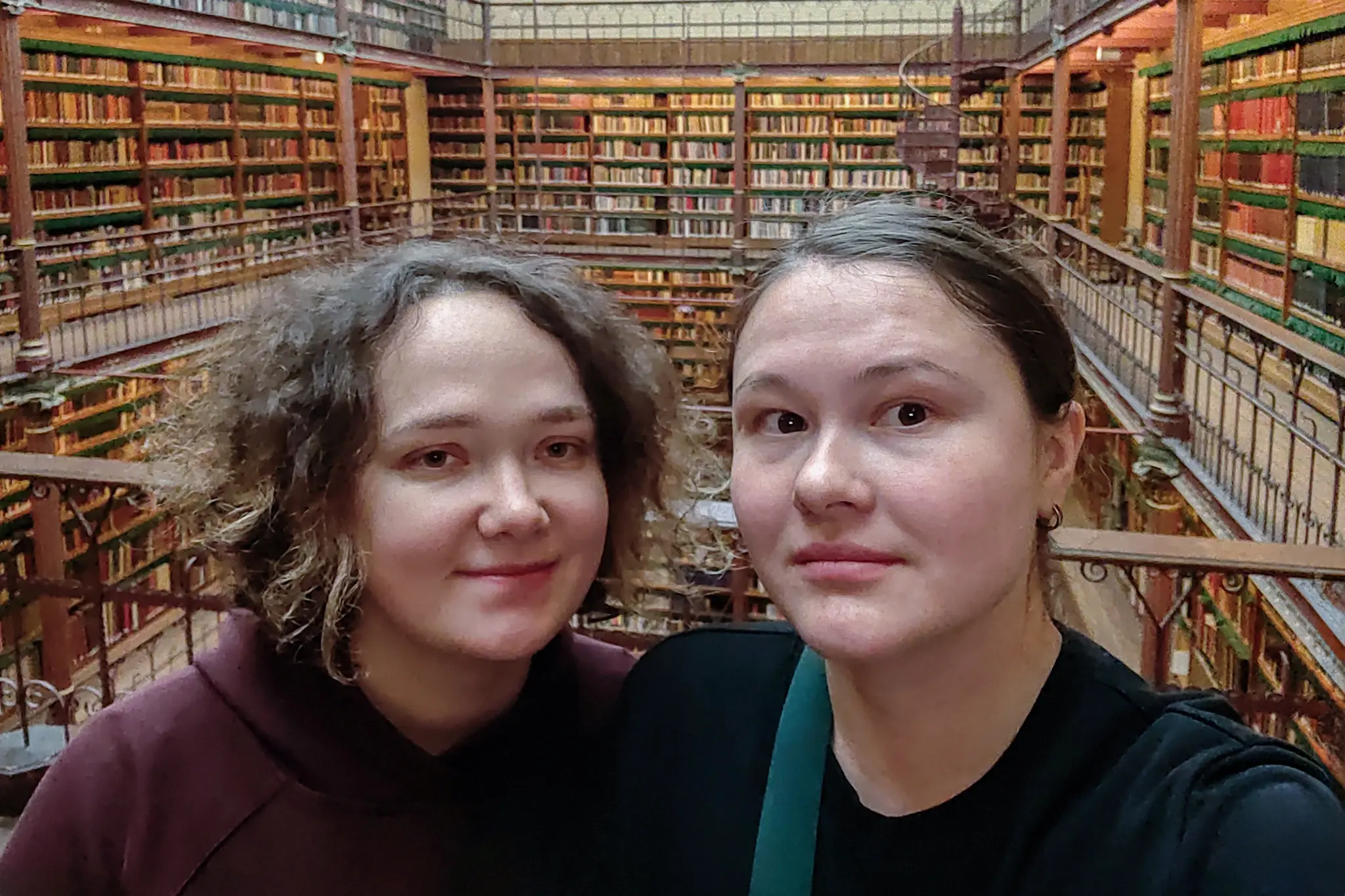
Within two months in Germany, Olena found a job – in Ukraine, though. She worked remotely.
“My documents for temporary protection were lost there twice. What’s more, bureaucratic processes are far too slow. A bank transfer could take five to seven working days. We Ukrainians are not used to that pace,” she says.
At the end of summer 2022, the couple found themselves at a crossroads – start everything from scratch abroad or return home, where everything is familiar. However, they made the final decision two and a half years later. The delay was forced – Olena’s partner had to have surgery.
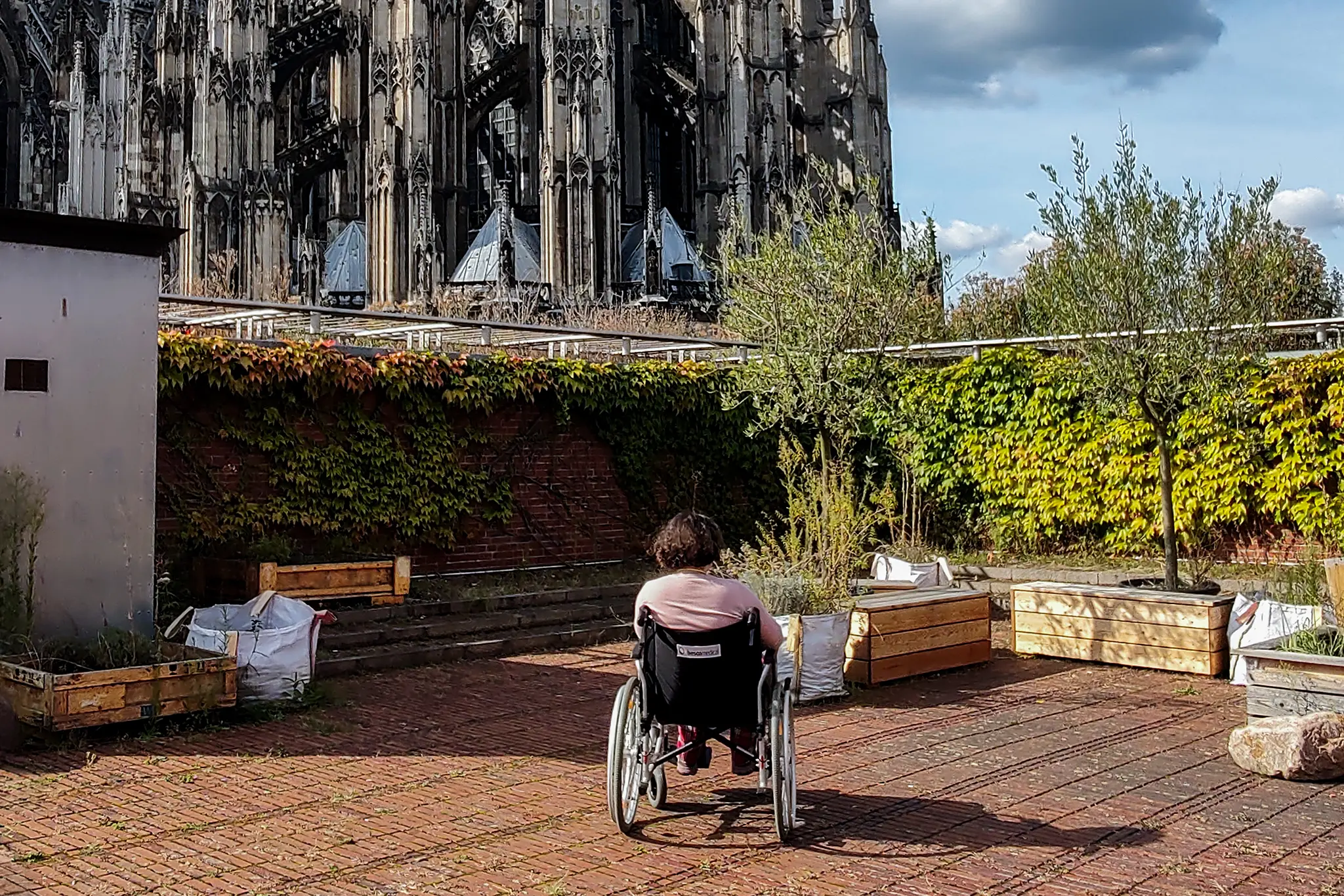
“Nastia broke her leg. She had to have an operation. So we waited until she could walk. We planned to return in May 2025, but postponed it again – to July. At that time we were choosing the city in Ukraine where we would live. We settled on Ivano-Frankivsk,” Olena recalls, and notes with sarcasm, “our own home, which we hadn’t even had time to move into, was destroyed. Other people were living in the rented flat. So several problems were solved at once. But I breathed out, because I was already home.”
The couple doesn’t remember the first day after their return, but they clearly remember the feeling – light, comfortable, calm. Close to family, friends, Ukrainians.
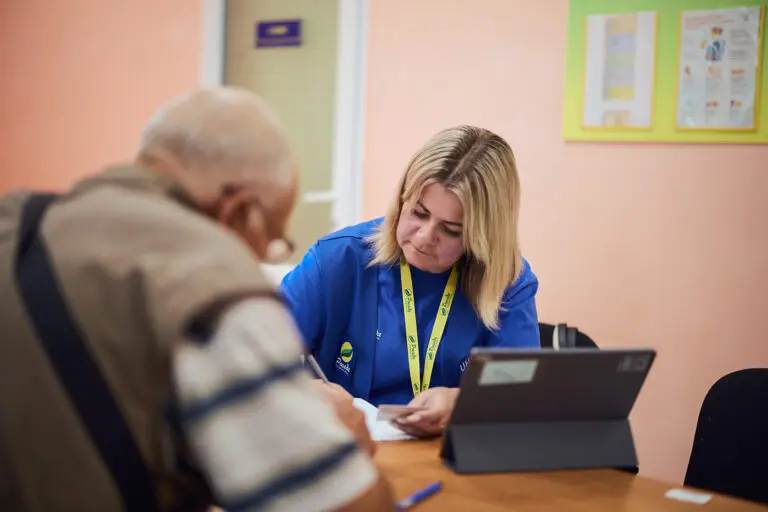
“We had to settle in from scratch. All our personal belongings were lost. But gradually we managed to get our lives back on track. Now I work for a humanitarian organisation – here I am useful. Here I can help. Today my plan is to do every day what is within my power to make life for my family and everyone around even a little better,” she admits, adding that although the experience abroad has its own features, in Poland, Germany or elsewhere Ukrainians will remain either refugees, migrants or displaced people. “And that is not the feeling we deserve!”
The achievements of other countries, Olena says, should be implemented in Ukraine, so that what seemed like a “great success” there becomes the norm here.
The project “Strengthening Community Resilience for Return and Reintegration” is implemented by the Rokada Charitable Foundation as part of the project “YOUA – Shaping New Paths, Building Ukraine’s Future”, commissioned by the German Government and implemented by GIZ Ukraine: Sustainable Economic Development.
The YOUA project provides exclusively technical assistance and does not influence people’s personal decisions about returning to Ukraine. Participation in events and use of services are possible exclusively on a voluntary basis for persons who are considering returning, have already made such a decision or are in the process of reintegration after returning to Ukraine.