
The armed forces of the Russian Federation continue to attack Ukrainian civilians with ever greater force. According to the UN Human Rights Monitoring Mission in Ukraine (HRMMU), in the first four months of 2026, 815 civilians were killed and another 4,174 injured. This is 21% more than in January–April 2025 and 93% more than in the same period of 2024. Medical and humanitarian workers have repeatedly been among the victims.
Amid growing armed aggression and geopolitical tension, the world needs effective and timely security solutions. One of the platforms for finding answers to these challenges is the UN Protection of Civilians (PoC) Week. This year, the diplomatic and expert forum is being held for the ninth time and runs from 18 to 22 May. To mark the event, the Rokada Charitable Foundation team has prepared a piece that helps to understand how effective international humanitarian law is in the Ukrainian context and why communities are forced to protect themselves.
For the eighth year in a row, representatives of UN member states and agencies and non-governmental organisations come to New York in May to discuss the current global security situation and develop practical mechanisms to minimise the consequences of armed conflicts for civilians. The main theme of the event is “How to ensure the protection of civilians amid institutional reforms and constraints?”.
First and foremost, this concerns the ability of local leaders, organisations and volunteers to take care of civilians’ safety on their own in frontline communities, which foreign humanitarian missions often cannot reach. This concept is called Civilian Agency. Another challenge is that international donors are gradually reducing financial support for the humanitarian sector, so local actors need to look for new sources of resources or act with limited capacity. And the work of Ukrainian organisations is a relevant example of how to find solutions even in circumstances that seem hopeless at first glance.
Normalisation of danger
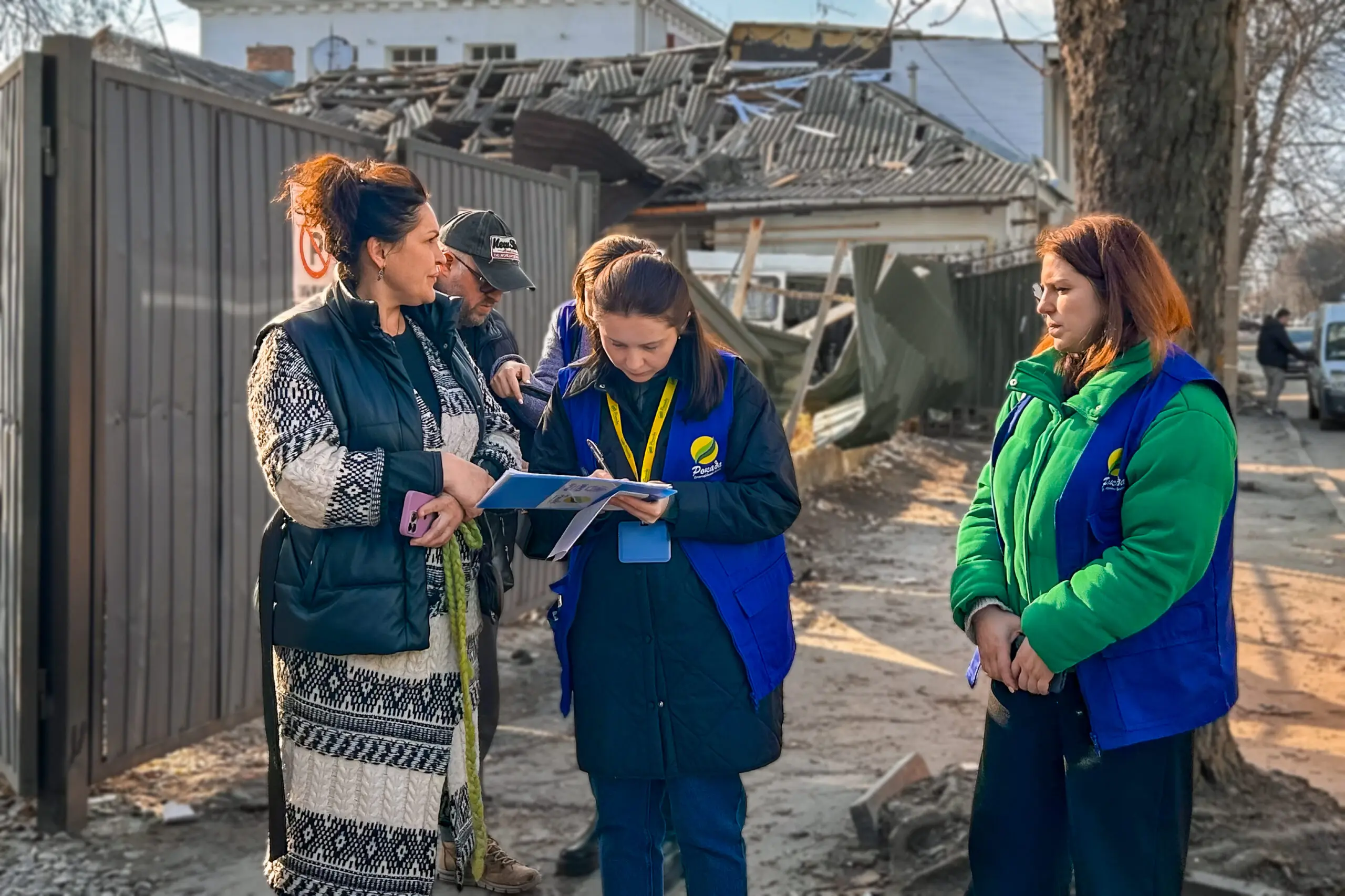
Today, humanitarian workers in Ukraine operate under constant high risk. This is not only about the direct threat to life from shelling, mined territories or attacks on civilian infrastructure, but also about the fact that opportunities to deliver humanitarian aid safely are becoming increasingly scarce.

Advocacy Coordinator at the Rokada Charitable Foundation
Despite clear obligations under international humanitarian law to protect humanitarian personnel and ensure humanitarian access, in practice organisations work without sufficient security guarantees. Attacks affecting medical, social, energy and transport systems directly limit the ability to support civilians steadily and safely.
Acting Humanitarian Coordinator in Ukraine Bernadette Castel-Hollingsworth, in a recent statement on strikes against UN vehicles delivering aid to residents of Kherson and Dnipropetrovsk regions, recalled that from January to April 2026, 56 incidents affecting humanitarian staff were recorded – three humanitarian workers were killed and ten more were injured.
But today one of the key problems is that the constant threat to humanitarian workers is gradually beginning to be perceived as an “ordinary working condition” rather than an unacceptable violation of international humanitarian law. Organisations find themselves in circumstances where danger to staff, volunteers, social workers and local response teams is becoming an operational norm rather than an exception.
In particular, the risks are growing due to the Russian Federation’s active use of short-range drones to strike settlements along the front line. President of Ukraine Volodymyr Zelenskyy called such attacks “a cruel human safari in frontline and border communities”.
Yurii Honcharov stresses:
At the same time, a significant part of the response today is provided by local Ukrainian organisations and civic initiatives that continue to work in frontline and border communities even under security constraints. It is local actors who often remain the only ones with access to the population in the most affected areas.
Humanitarian isolation of frontline communities and its consequences
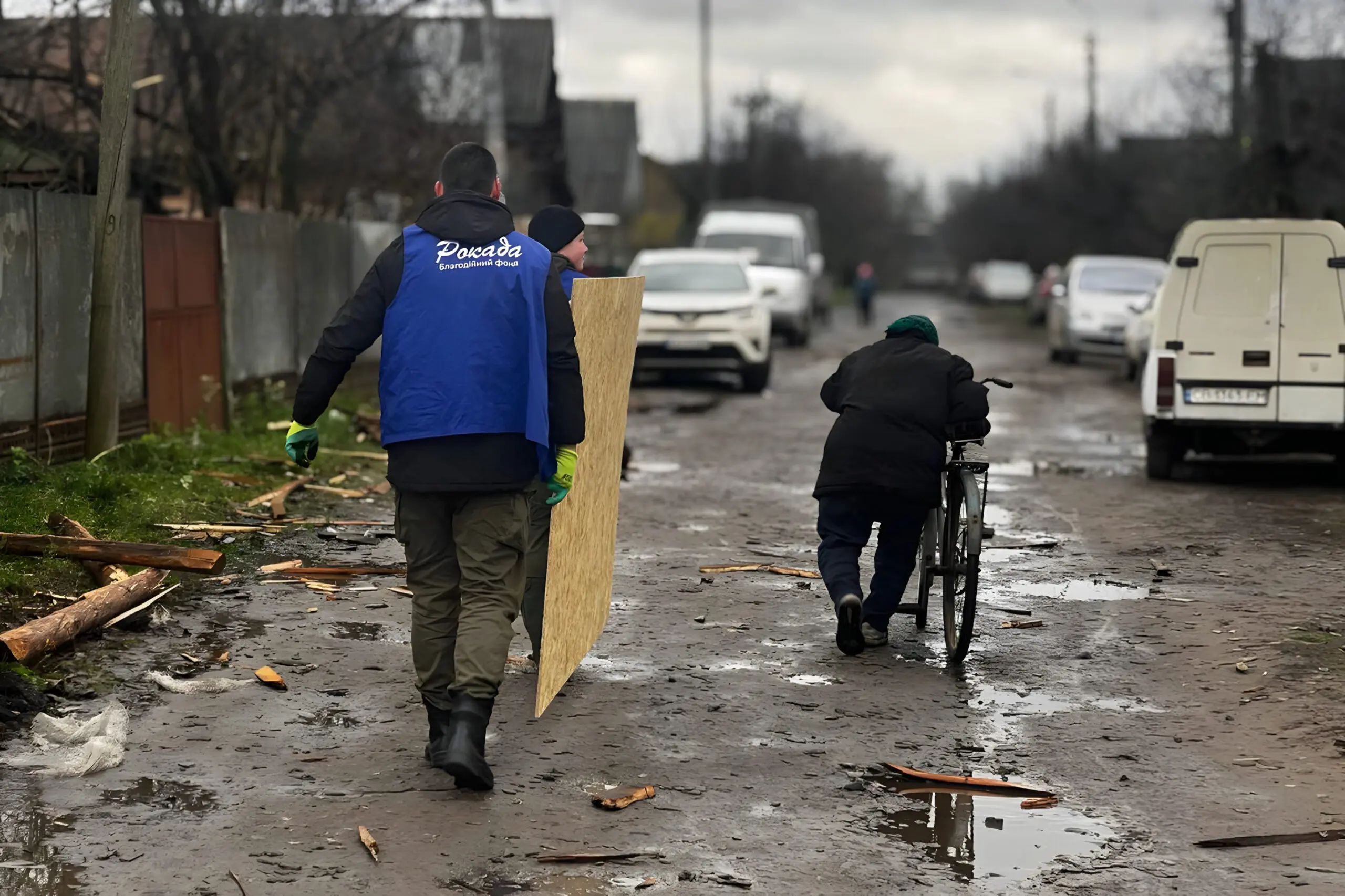
Conditions in which international and local organisations cannot work on the ground safely, steadily and predictably immediately translate into growing threats to civilians’ lives.
Humanitarian missions provide critical functions in many frontline and hard-to-reach communities: support for evacuation, access to medicines and medical services, psychosocial support, social services, support for older people and people with disabilities, and emergency response in crisis situations. When their steady presence is interrupted, the most vulnerable groups immediately find themselves in deep isolation from basic services, support systems and protection mechanisms.
This primarily concerns:
At the same time, such serious consequences are not limited to the direct cessation of humanitarian aid. Prolonged restrictions on access weaken community resilience, increase social isolation and worsen people’s psycho-emotional state.
Yurii Honcharov adds:
In many communities, the presence of humanitarian organisations today goes beyond simply providing aid. They keep the civilian environment functioning, guarantee social stability and restore people’s faith that no one will be left alone with their troubles during the war.
Accountability and a paradigm shift: from crisis response to recovery
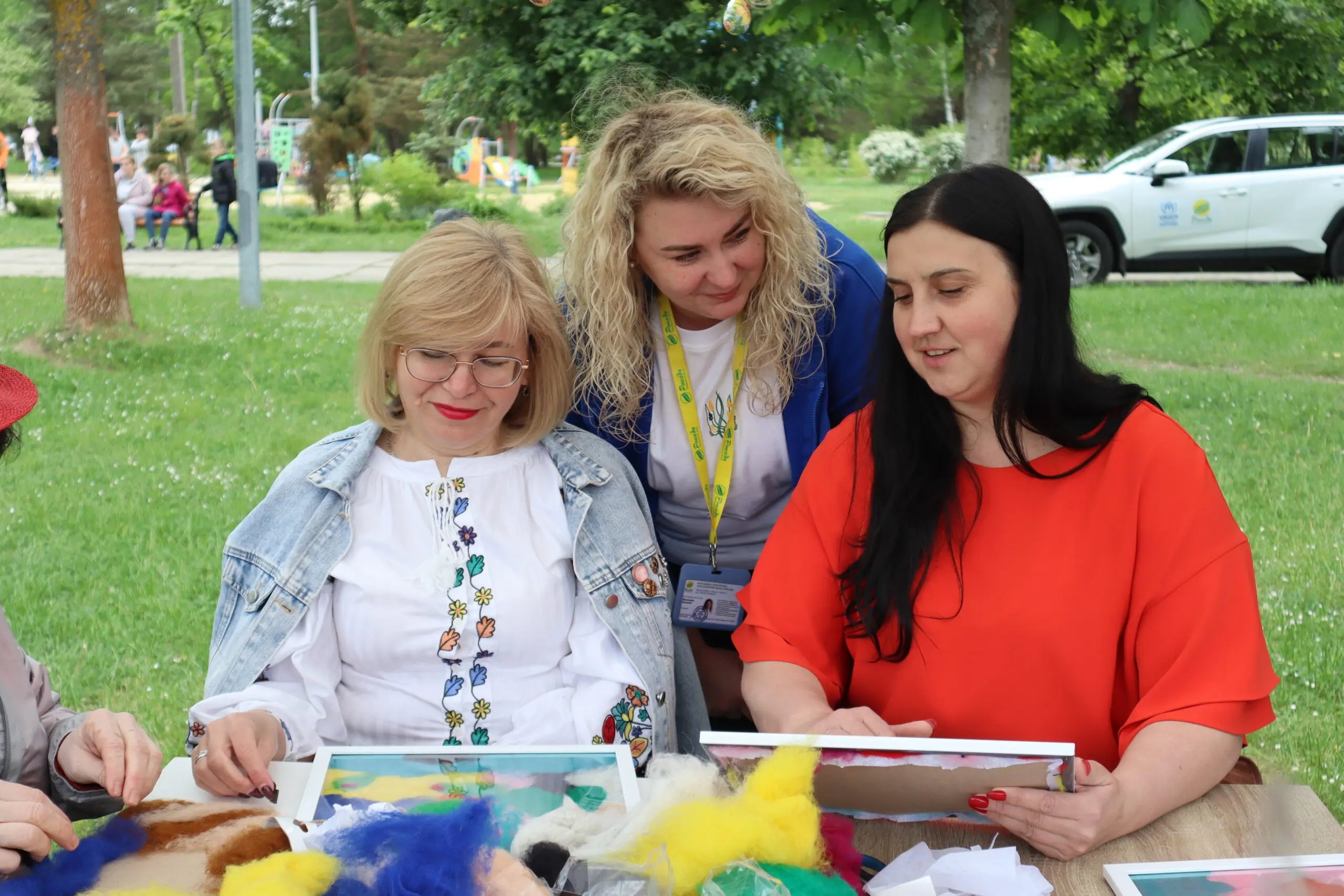
Compliance with international humanitarian law by the parties to an armed conflict would guarantee predictable and safe operations for organisations in frontline and border regions. This would help shift the focus from continuous crisis response to systemic recovery and strengthening community capacity and resilience.
In practice, this would mean:
In addition, this would significantly reduce the scale of recurring humanitarian crises caused by systematic Russian attacks on civilian infrastructure and the constant destruction of basic living conditions.
Ukraine’s experience shows that the protection of civilians is not a secondary humanitarian issue but a basic condition for preserving human dignity. The functioning of communities, the resilience of infrastructure and the possibility of any further recovery depend on it.
At the same time, the key issue remains accountability. Without proper global attention to violations of international humanitarian law, the risks to civilians and humanitarian workers will continue to grow – not only in Ukraine but globally, –
explains Yurii Honcharov.
As a reminder, on 21 September 2025, more than 100 UN member states endorsed the Declaration for the Protection of Humanitarian Personnel. The document was initiated by Australia, and its main goal is to draw additional attention to the protection of humanitarian workers. The Declaration became a logical continuation of the thematic UN Security Council Resolution 2730 (2024) of 24 May 2024.