
“Respect, not pity”: in Poltava, community specialists learned to work with people who survived captivity
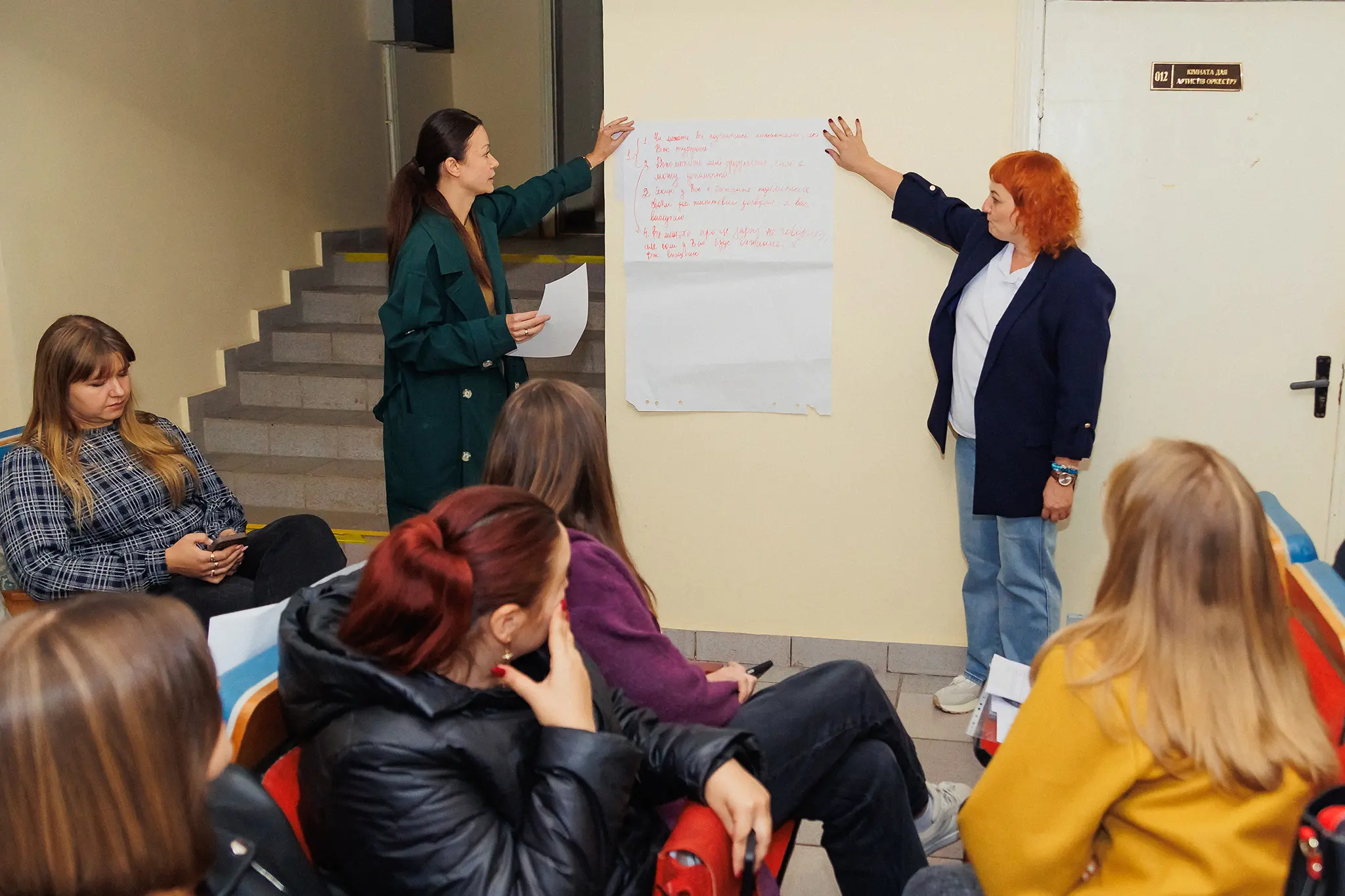
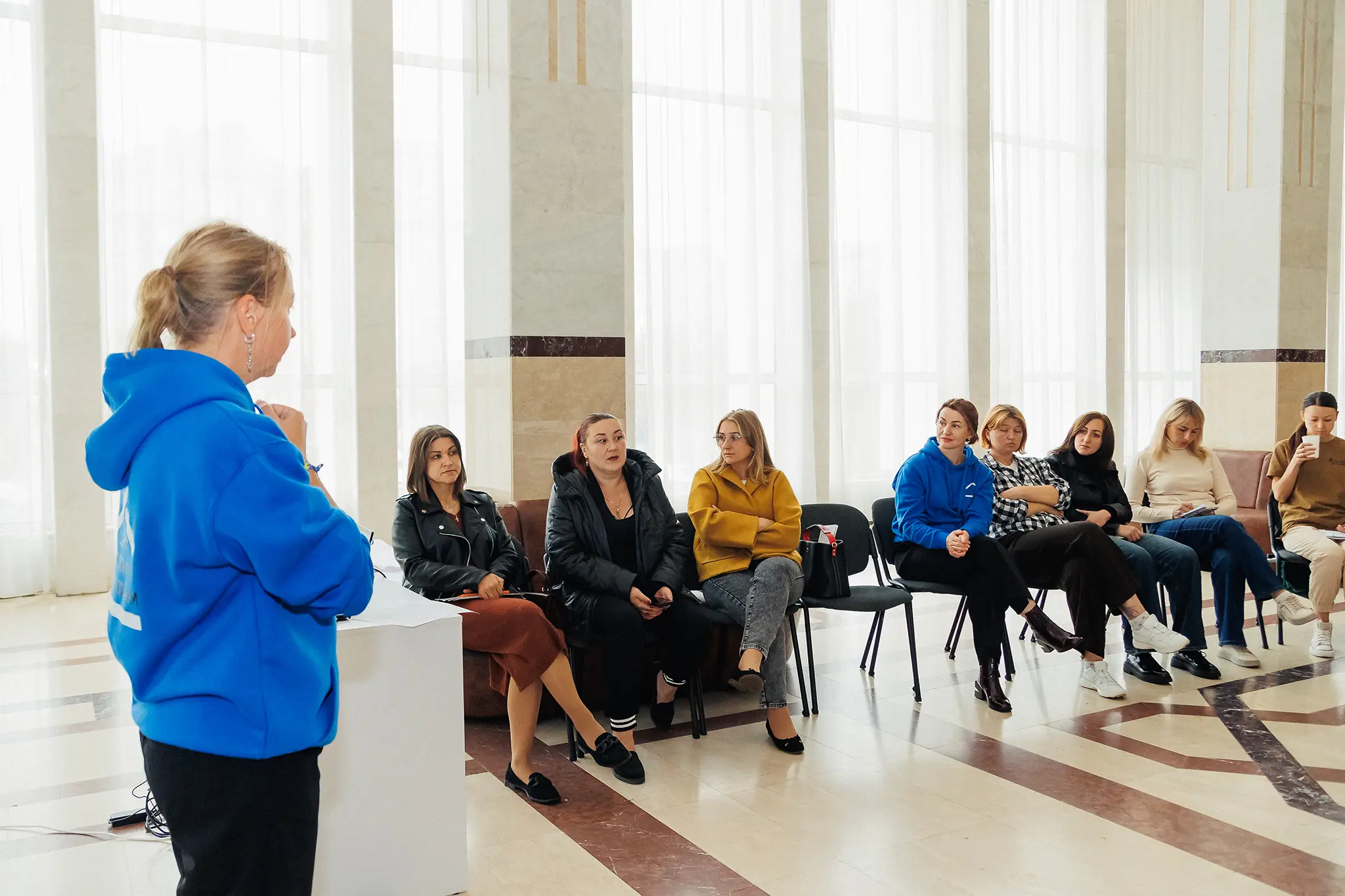
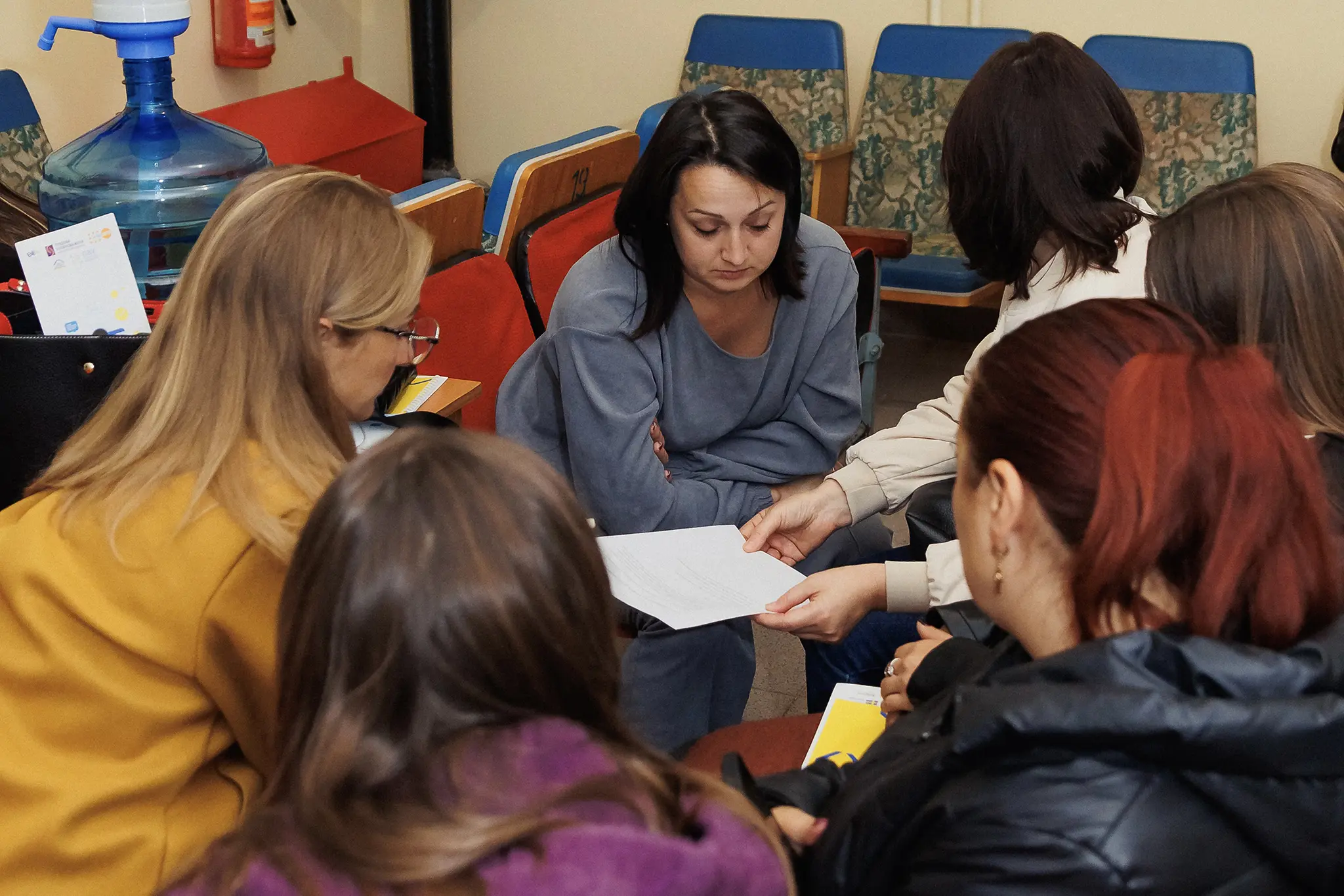
The team of the Survivor Relief Centre in Poltava held the training “Working with People Released from Captivity” for 25 veteran and demobilised person support specialists from 20 communities of the region. Participants discussed how to start the first conversation, avoid causing harm with a careless word and offer help without pressure. A veteran who spent about three years in captivity shared which approaches feel like pressure and which gradually restore trust.
A new life after returning
Release from captivity is not the end of a difficult experience but the beginning of a new stage. A person needs time, a safe environment, professional support and understanding from those working alongside them. That is why it matters that at home they are met not only by a system of services, but above all by a sensitive and well-prepared person.
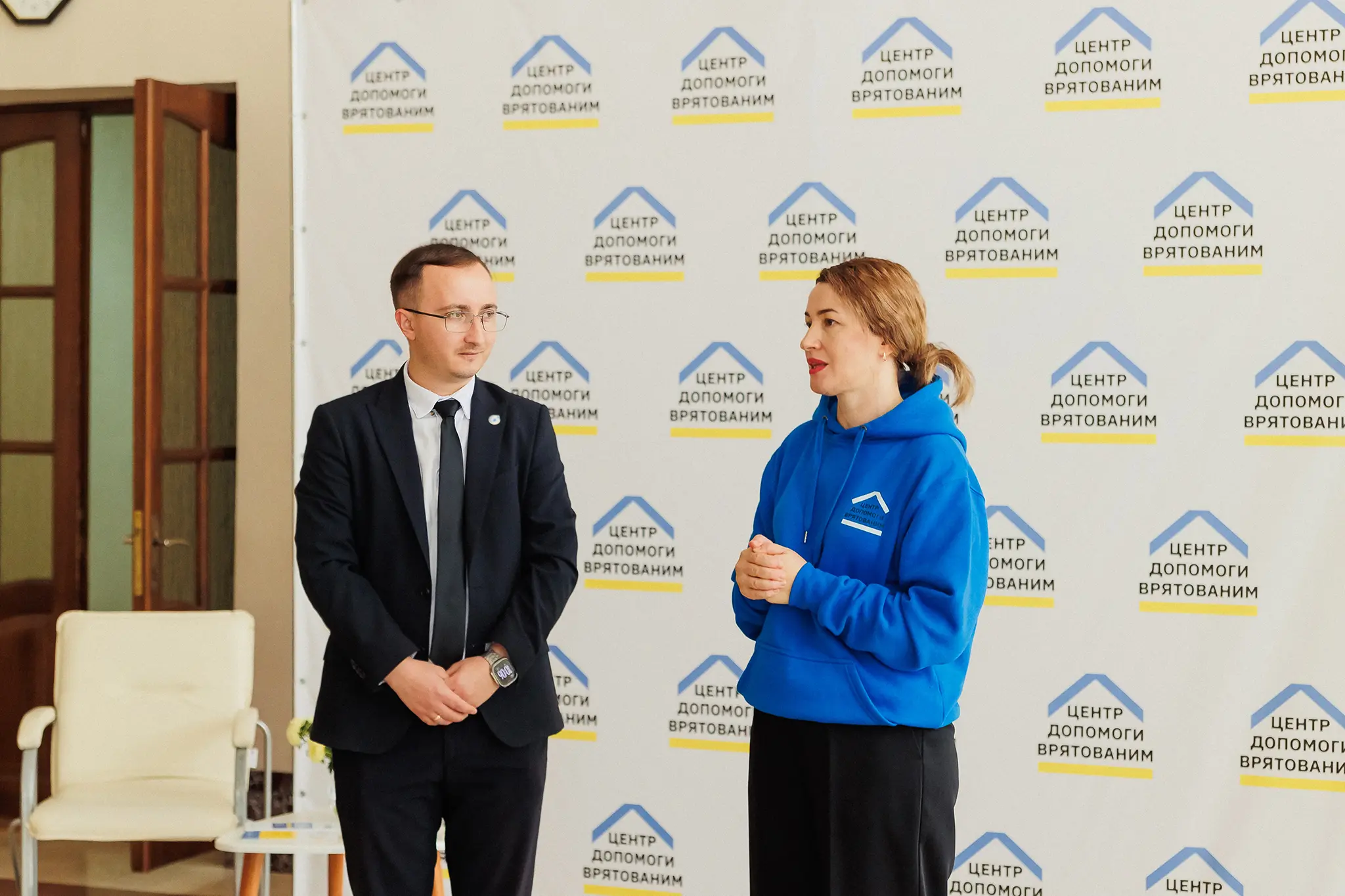
Vladyslav Nosenko, Representative of the Ukrainian Parliament Commissioner for Human Rights in Poltava region and head of the regional working group of the Coordination Headquarters for the Treatment of Prisoners of War, stressed the relevance of the topic. According to him, people who have survived captivity return to their communities, and whether they receive the help they need depends largely on how professionally and sensitively they are met at the local level. Captivity is a gross and systematic violation of human rights, its consequences manifest in different ways and require a comprehensive response.
Questions that arise in everyday work
During the training, the Centre’s team shared practical experience of working with people who have survived captivity and other traumatic consequences of the war. Together with the participants, they looked for answers to questions that arise in everyday work: how to make the first contact, how not to cause harm with a careless word, how to notice signs of psychological distress, when to offer specialised help – and how to do it without pressure. Particular attention was paid to trauma-informed communication, maintaining trust, identifying needs and risks, referral pathways and inter-agency cooperation.
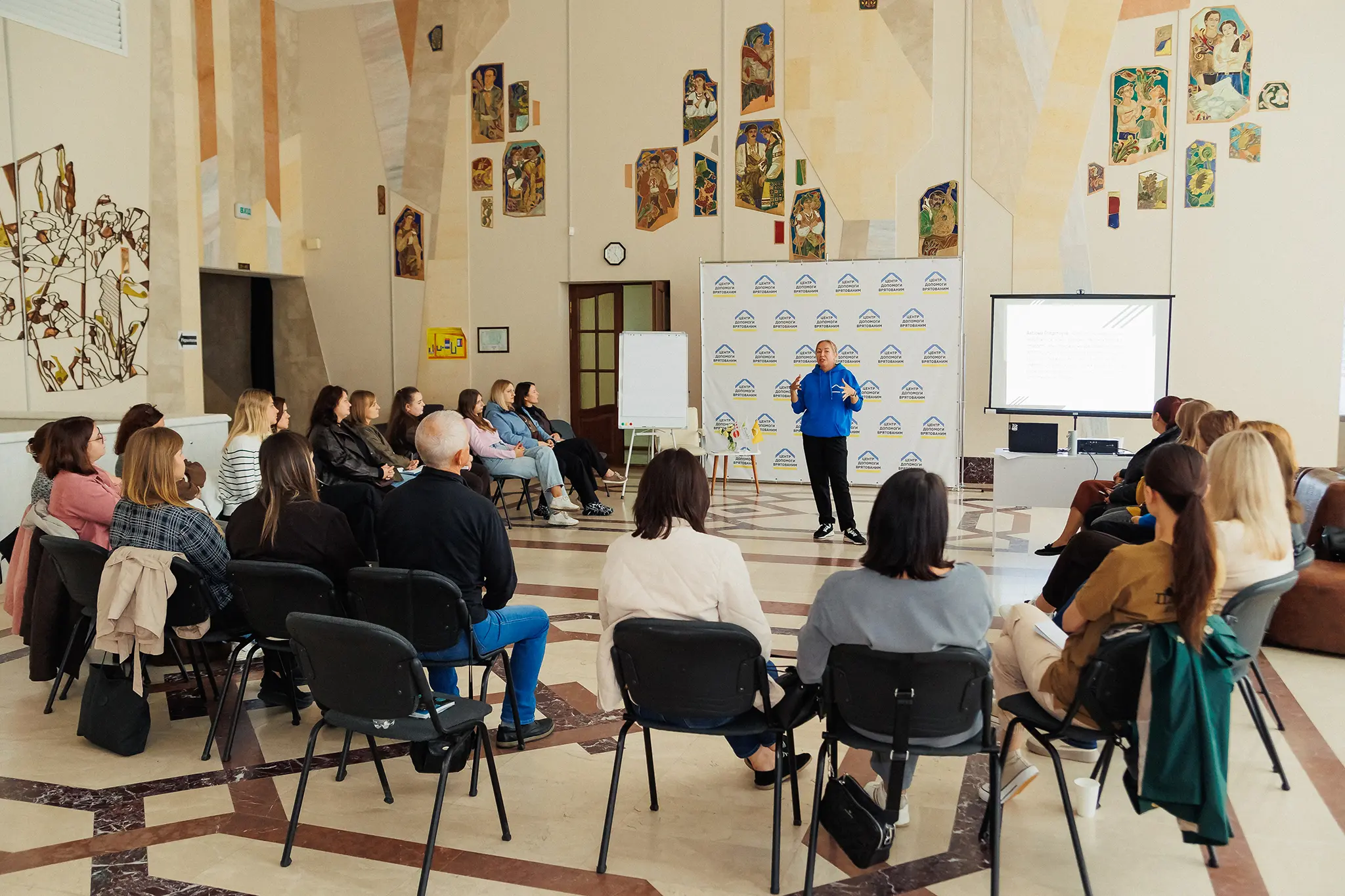
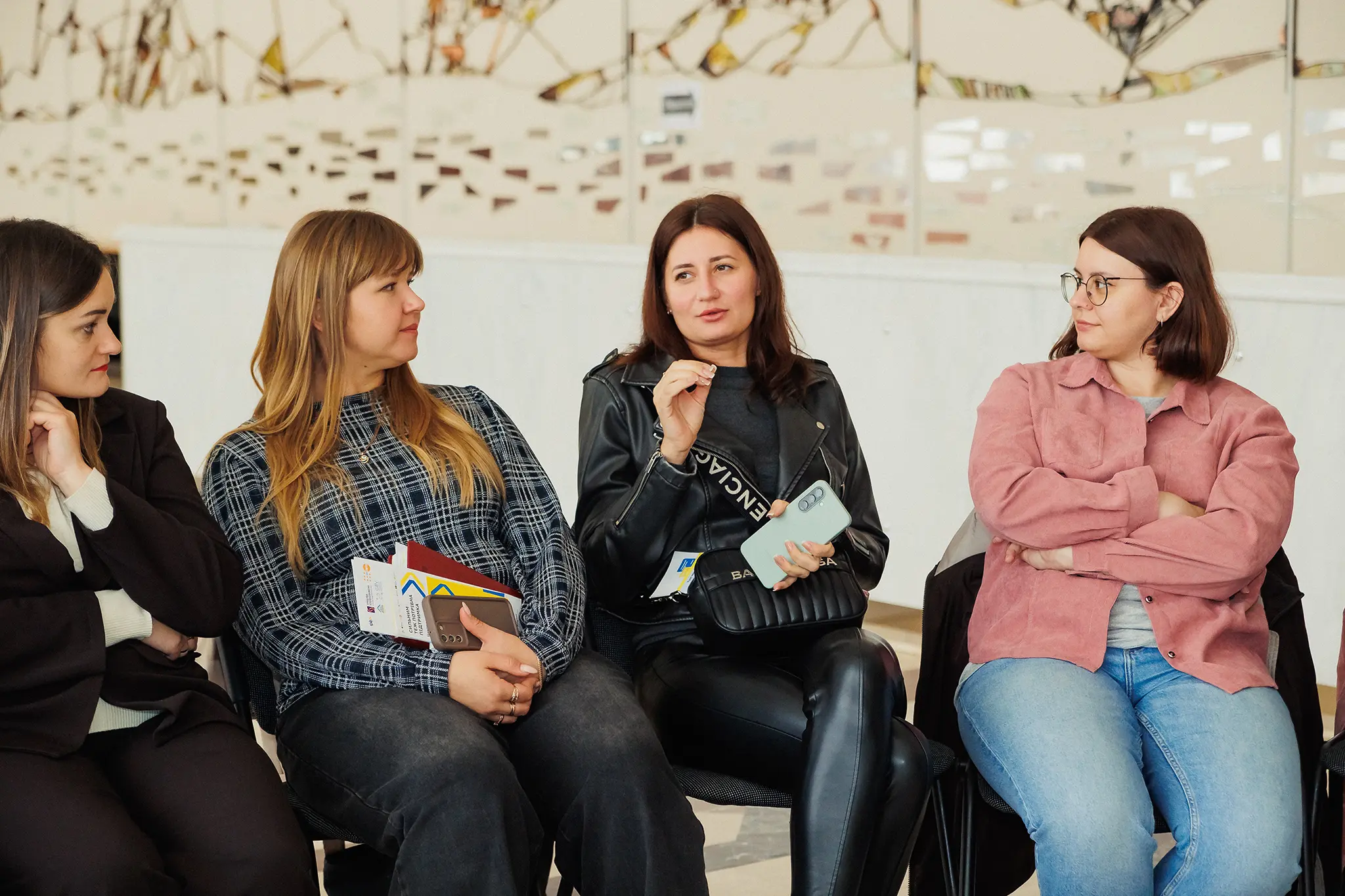
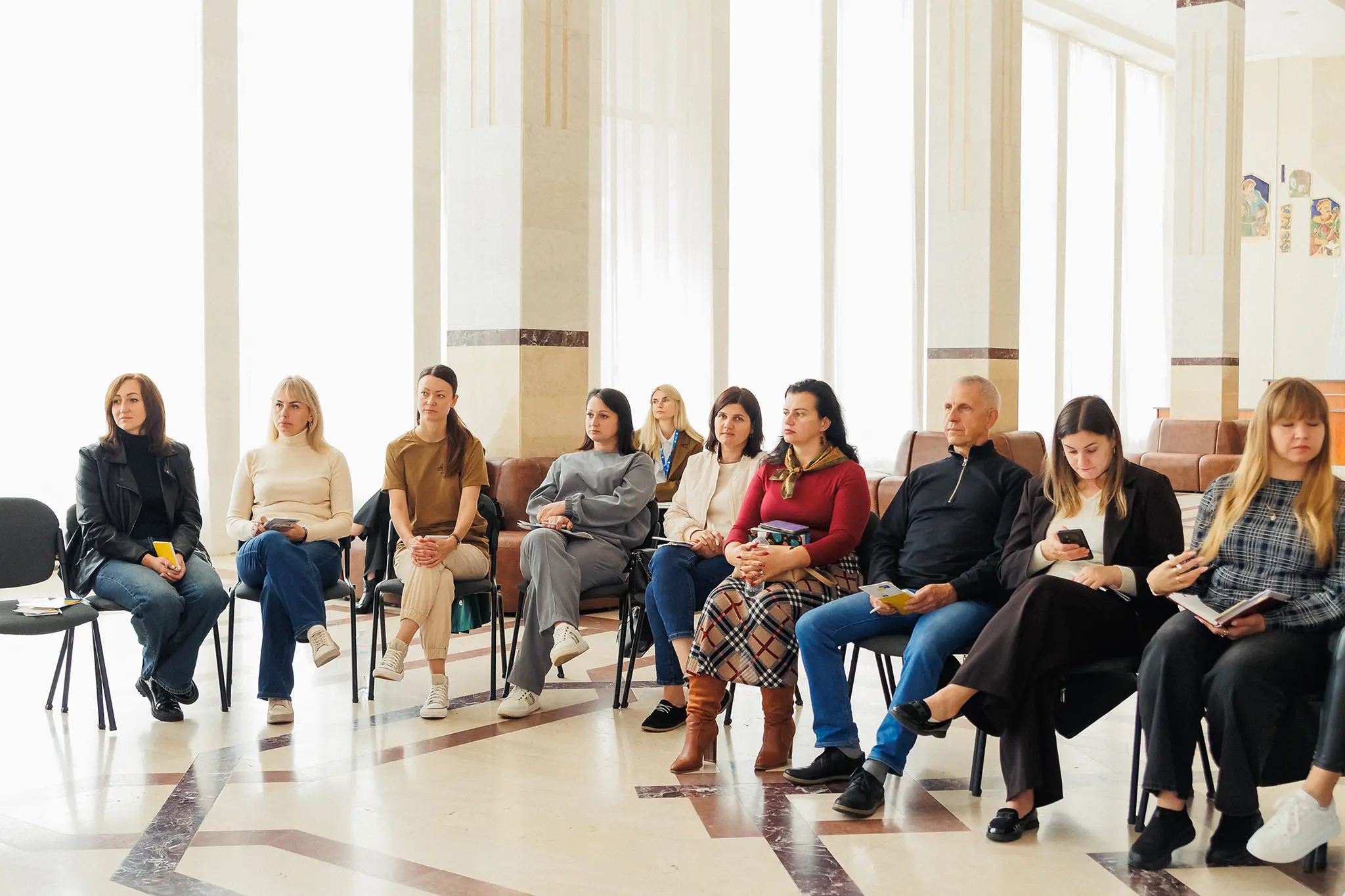
The practical part of the training covered several areas:
- first contact with a person released from captivity: ethical communication, basic principles of interaction and referral to specialised help;
- psychological reactions and possible consequences of the experience: markers to pay attention to and principles of safe response;
- psychological support: communication skills and creating a safe space for seeking help;
- legal aspects of responding to war crimes: identifying and documenting them, including conflict-related sexual violence, procedures for contacting the prosecutor’s office and advocacy opportunities;
- the international Register of Damage: opportunities and specifics of recording the damage caused;
- access to recovery resources: rehabilitation programmes, medical services and other support options.
A view from the other side
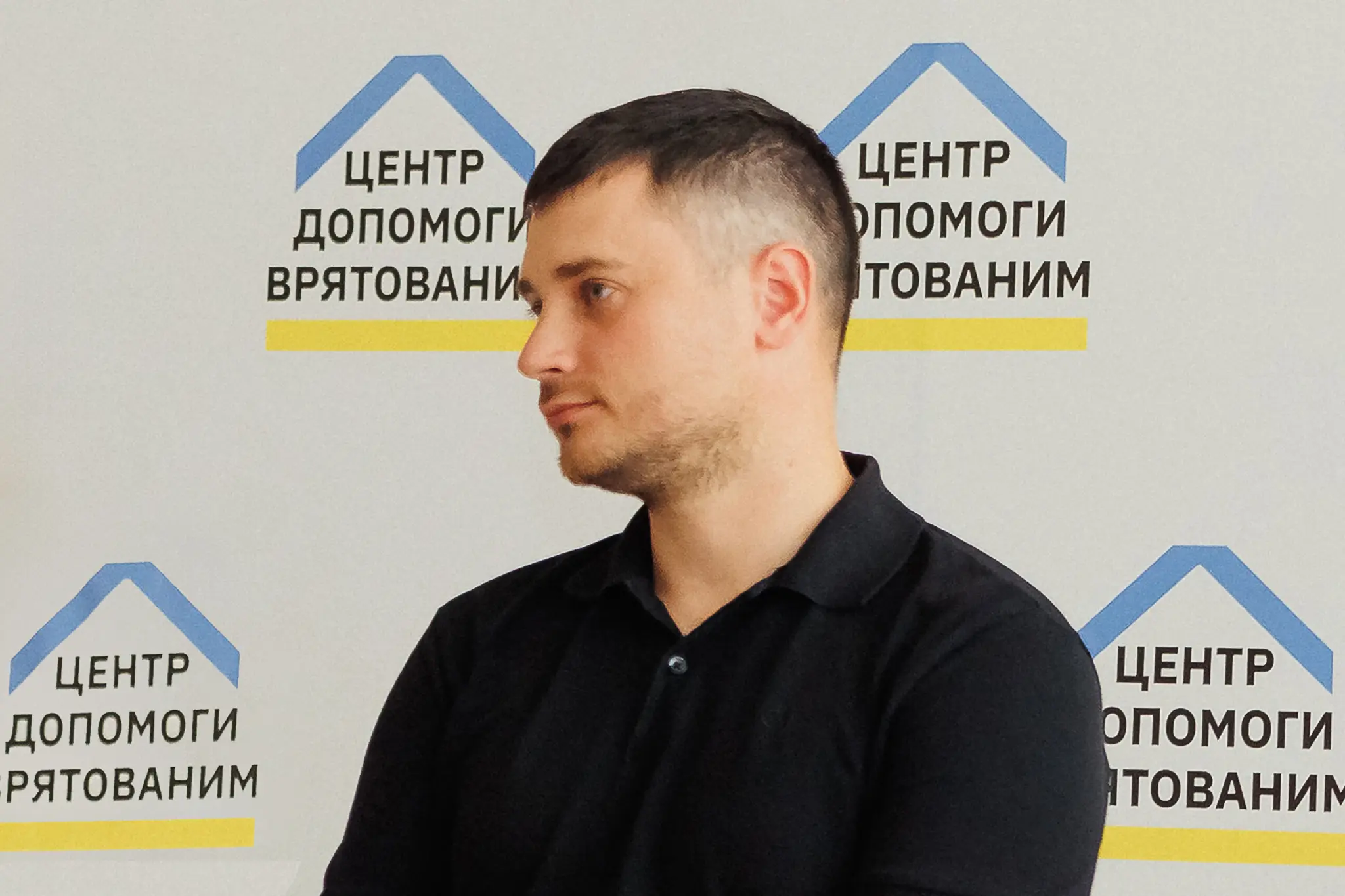
An important part of the meeting was a conversation with veteran Bohdan, who spent about three years in captivity. He openly shared his own experience and helped participants look at the support system from the other side – through the eyes of a person returning after what they have been through. They talked about what prevents people from seeking support, which approaches are perceived as pressure and which, on the contrary, gradually restore trust.
“The most important thing in communicating with a person who has returned from captivity is respect. Not pity. A person after captivity is not helpless or disoriented. Often they simply lack information: they don’t know what support is already available in the community, where to turn and what they are entitled to. So our request is: don’t pity us, respect us, listen and help us find our way through the support options,” says Bohdan.
Why sharing experience matters to the Centre
The idea for the training came from the Centre’s everyday practice.
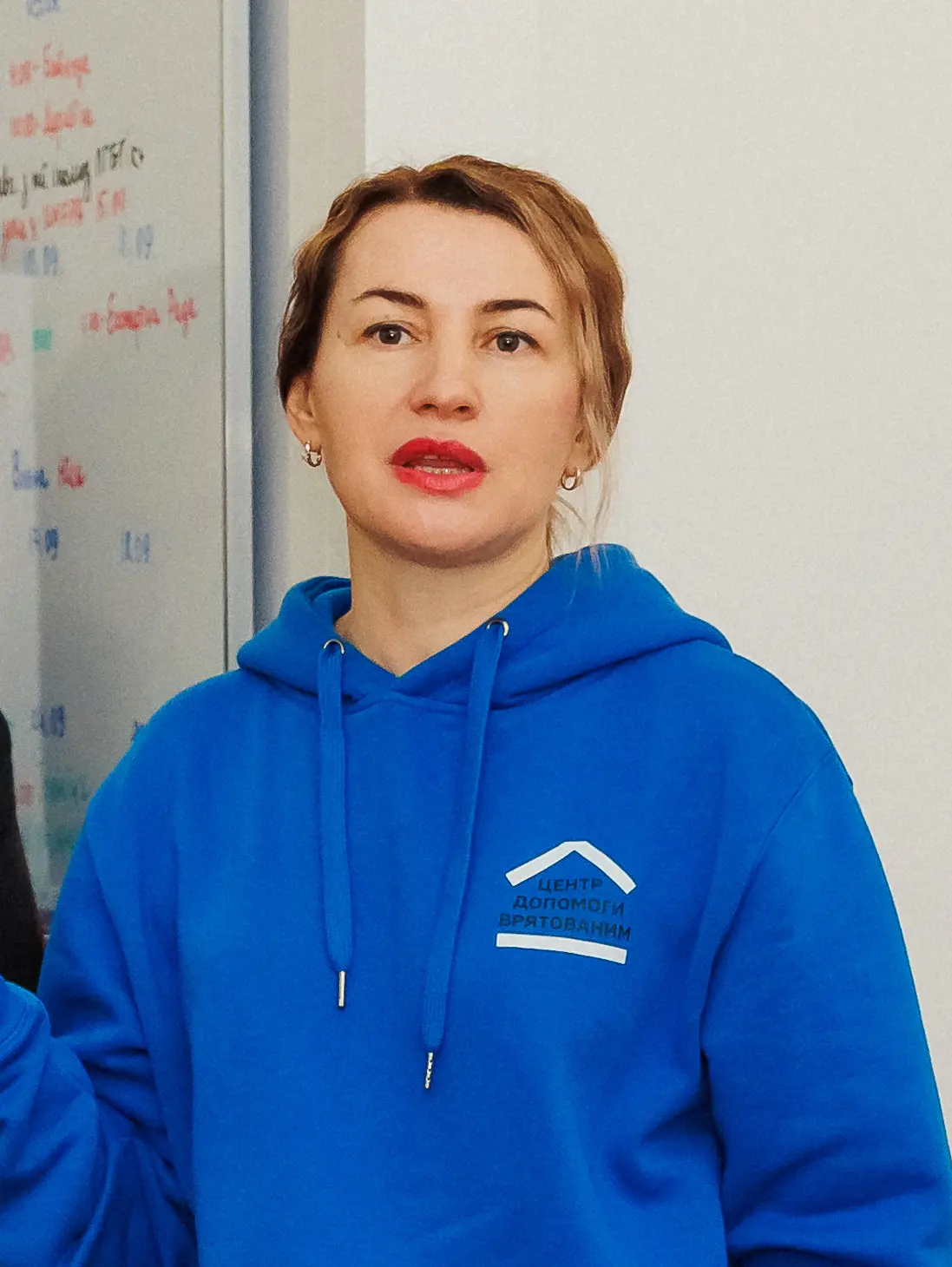
“At the Survivor Relief Centre, we see how complex people’s needs are after a traumatic experience and how important it is to ensure their continuous and coordinated access to the support they need – from primary social assistance and psychological counselling to legal support, documenting war crimes and referral to specialised services. That is why it is important for us to share practical know-how with community specialists who will be the first to meet people after their return. Their professional readiness, understanding of the specifics of this experience and ability to build the first interaction correctly can be an important step towards ensuring that a person receives the help they need without re-traumatisation and with respect for their dignity. After returning to their communities, people who have survived captivity should not be left alone with the consequences of what they have been through,” says the Centre’s coordinator Nataliia Deriabina.
She stresses that with this training the team sought to reach as many participants from different communities as possible. Such cooperation helps make the services of the Survivor Relief Centre more accessible to people living in remote areas.
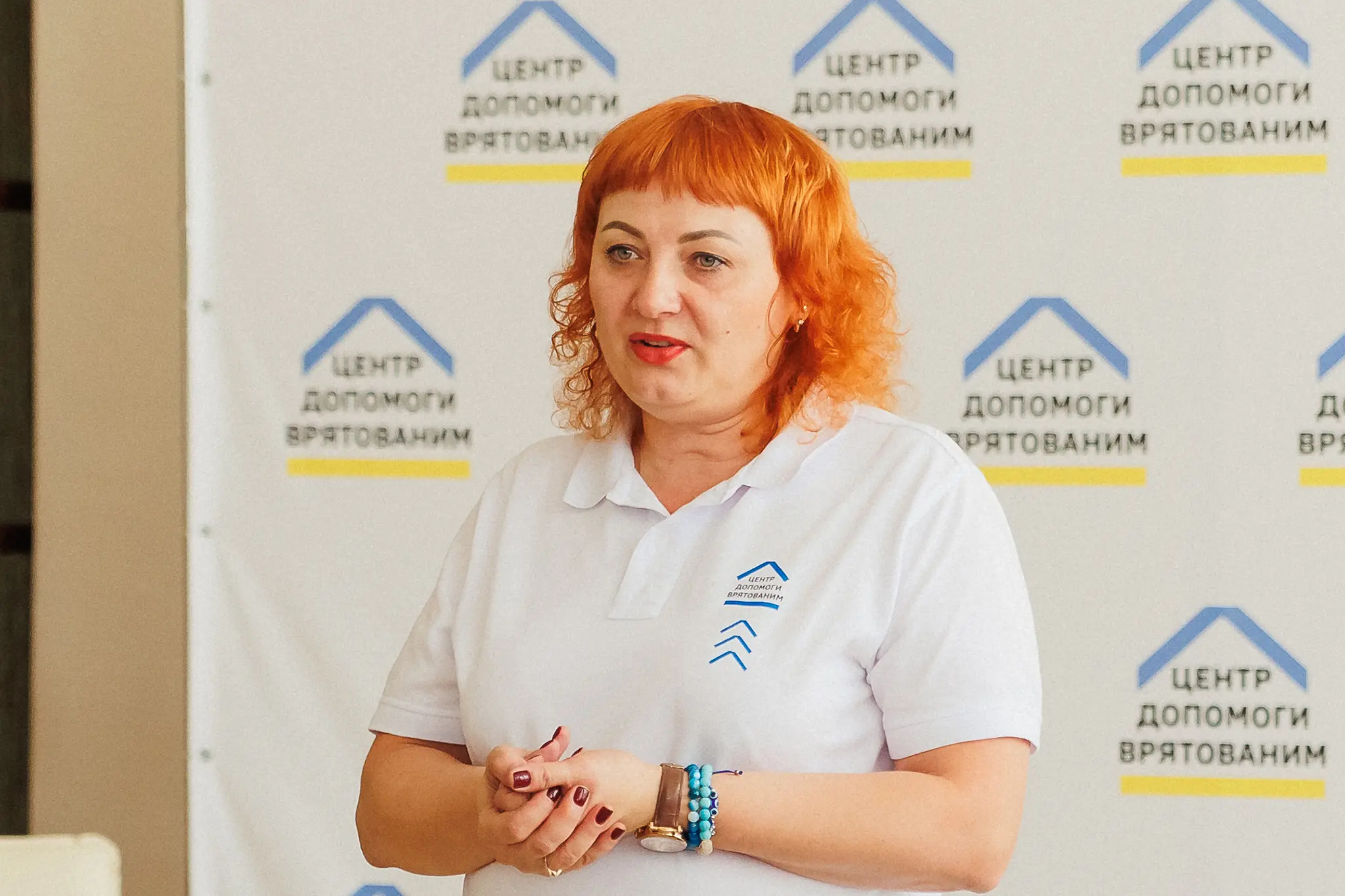
The Centre’s social worker and case manager Tetiana Laskavenko explains why she decided to pass on her know-how to colleagues:
“When a person returns from captivity, the first reaction is, of course, joy: the person is home. But in fact, it is after the return that a very difficult path begins. Behind each such story there are many needs, complex questions and very sensitive topics. For specialists working with people after captivity, it is important not only to know where to refer them for help, but also to understand how to build interaction, how to see the person and their real needs behind the request. It matters to me that specialists have not just a set of information, but more understanding, confidence and professional guidance.”
Everything starts with the first meeting
Veteran support specialists are one of a person’s first contacts with the local support system. That is why their readiness to listen, not to pressure, not to re-traumatise, to notice a need in time and safely refer to specialised help is extremely important. After all, the quality of help begins with the first meeting.
The event was held with the assistance of the Department for Reintegration, Social Protection of Veterans and Internally Displaced Persons of the Poltava Regional Military Administration and the “Coalition 1325 Poltava Region”.
The Survivor Relief Centre in Poltava was established at the initiative of the Office of the Deputy Prime Minister for European and Euro-Atlantic Integration, with the assistance of the Government Commissioner for Gender Policy, in partnership with UNFPA, the United Nations Population Fund, with financial support from the governments of Austria, Belgium, Spain and Sweden, in cooperation with local authorities and the Rokada Charitable Foundation.