

Three pilot communities in Lviv region will implement social innovations with Rokada’s support
Drohobych, Novyi Rozdil and Boryslav communities in Lviv region, with the support of the Rokada team, have developed social innovations that will contribute to the return of Ukrainians and the preservation of the existing human potential.
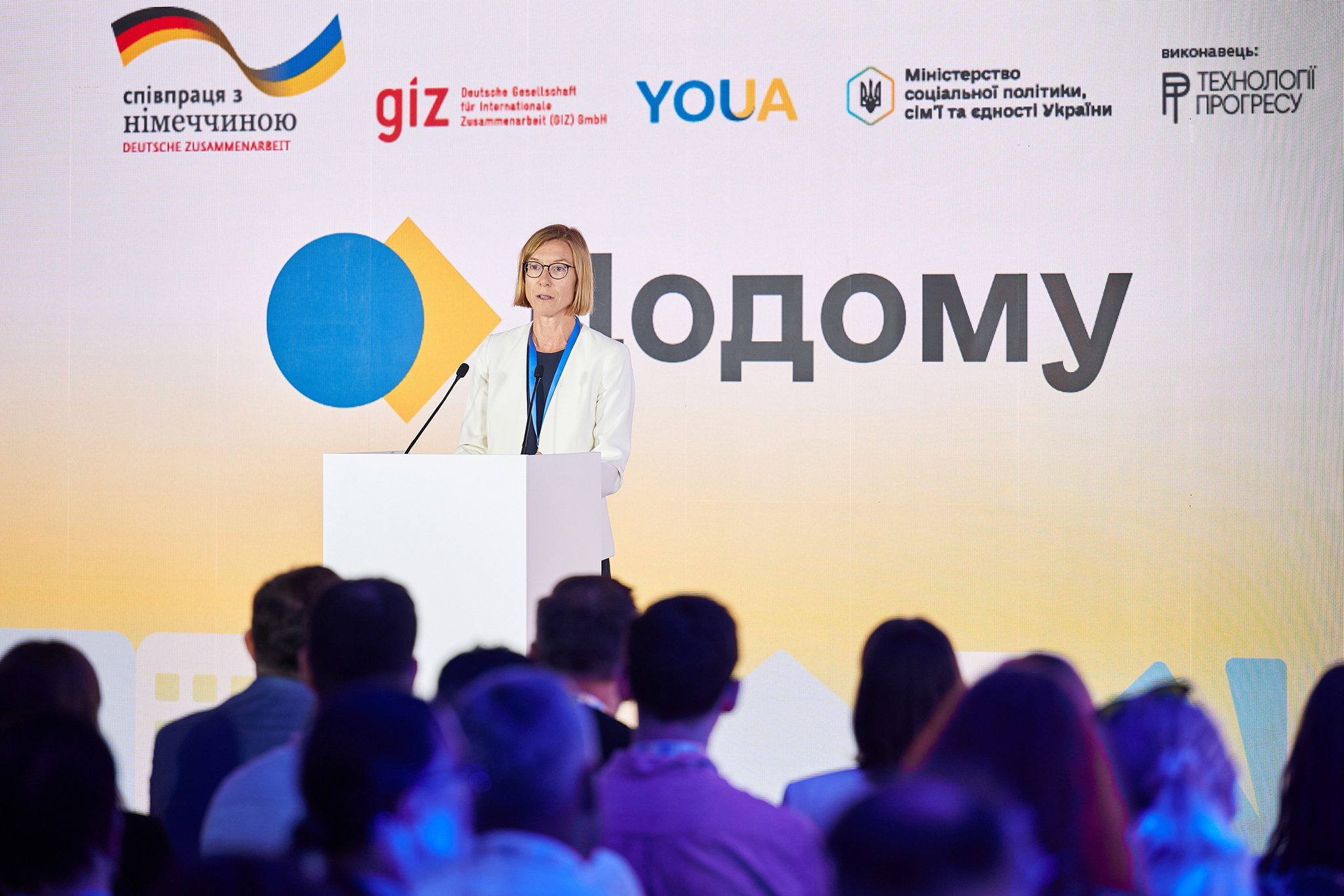
Such work became possible within the framework of the project “Strengthening Community Resilience for Return and Reintegration”, which is implemented by the charitable foundation Rokada as part of the initiative “YOUA – Shaping New Paths, Building the Future of Ukraine” and is introduced on behalf of the Government of Germany and implemented by GIZ Ukraine.
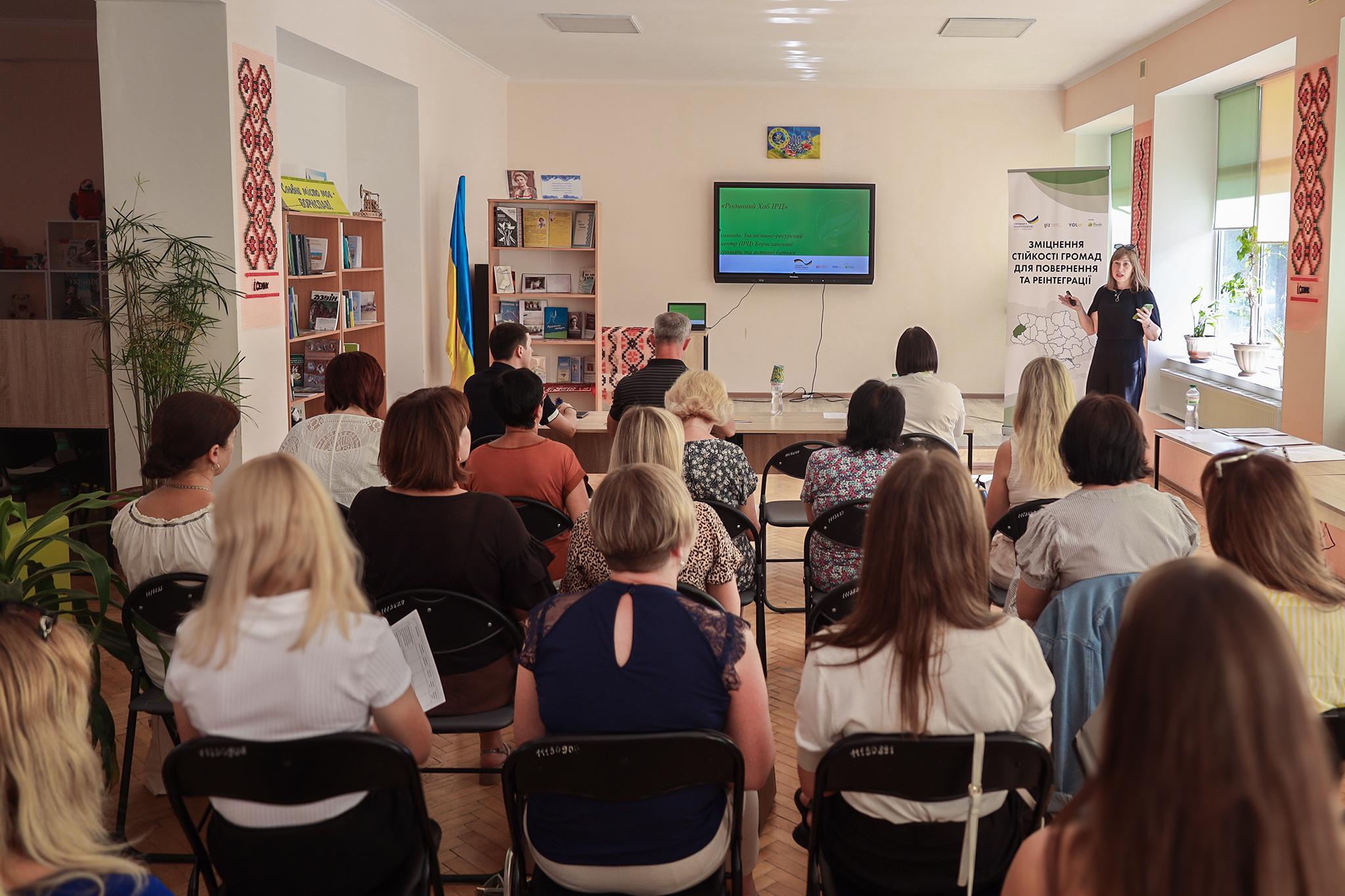
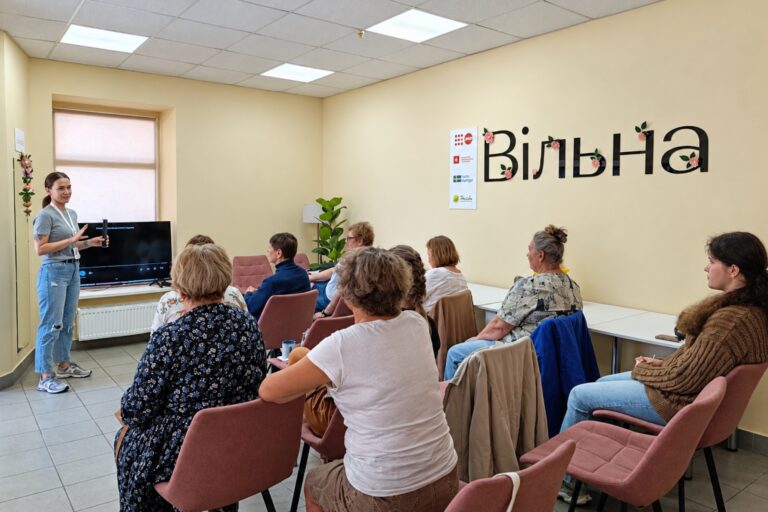
Each community, accompanied by facilitators and mentors, analyzed local challenges, developed their solutions, and tested ideas for viability. It was this approach that helped determine whether the community would truly become a place where a person wants to live and where it is worth returning to.
Youth involvement as the most promising development plan
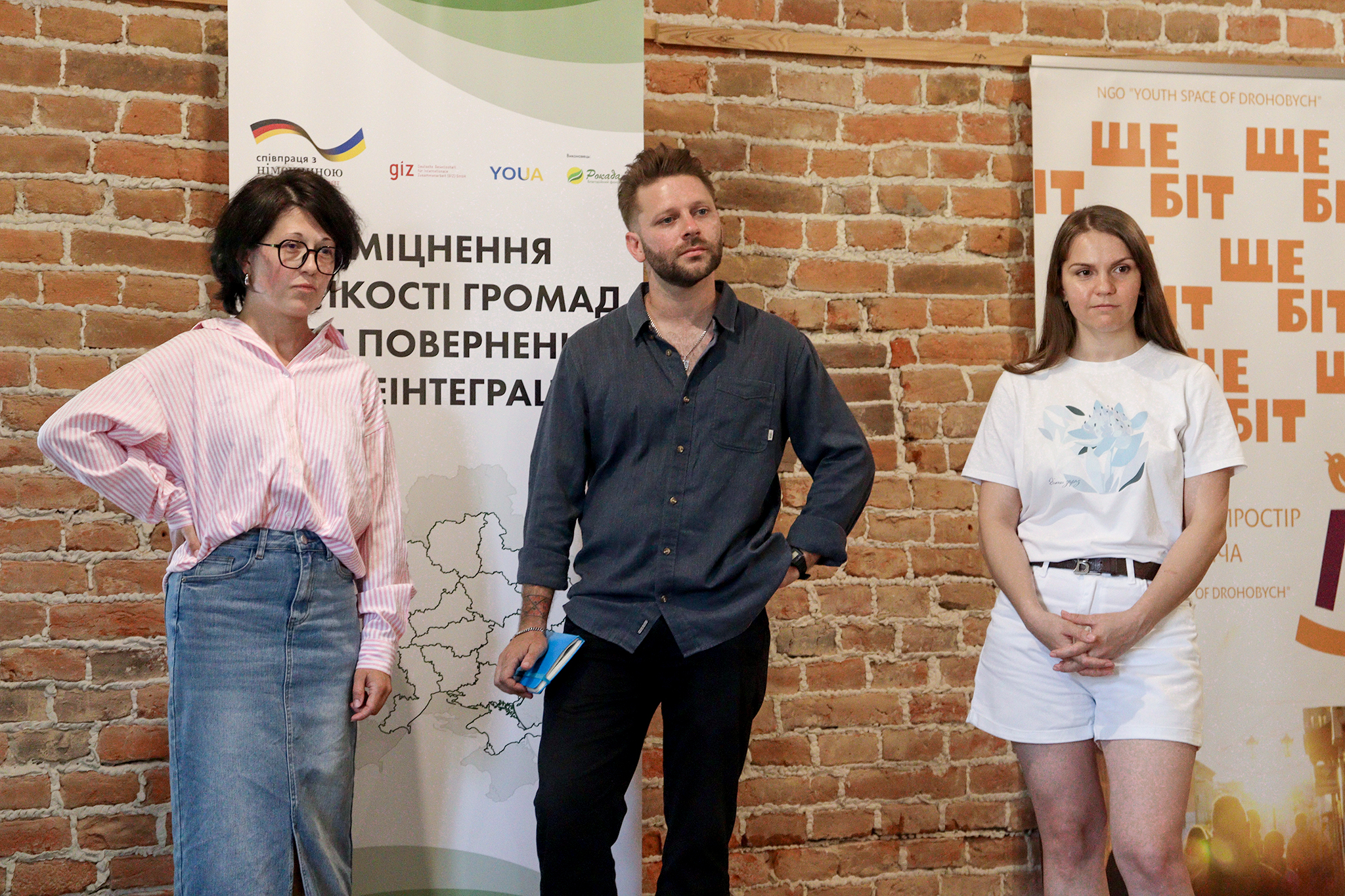
Focusing on youth and their needs is one of the insights from the Drohobych community. Without their own platforms for self-expression, this age group easily loses its connection with the city. Consequently, focusing on youth development received the greatest support.
Among the social initiatives, the community supported the creation of the Shebit.Medialab youth center. This is a space where young people will learn media literacy, master content creation, and tell the stories of their city, becoming co-creators of its life.
“Shebit.Medialab is an opportunity to involve young citizens in community life, it is their chance to make their voices heard, generate growth ideas, and influence youth policy by implementing interesting, creative projects,” notes Taras Perkhun, Chief Specialist of the International Cooperation and Energy Management Department of the Investment and Economic Development Directorate of Drohobych City Council.
Information accessibility as community development
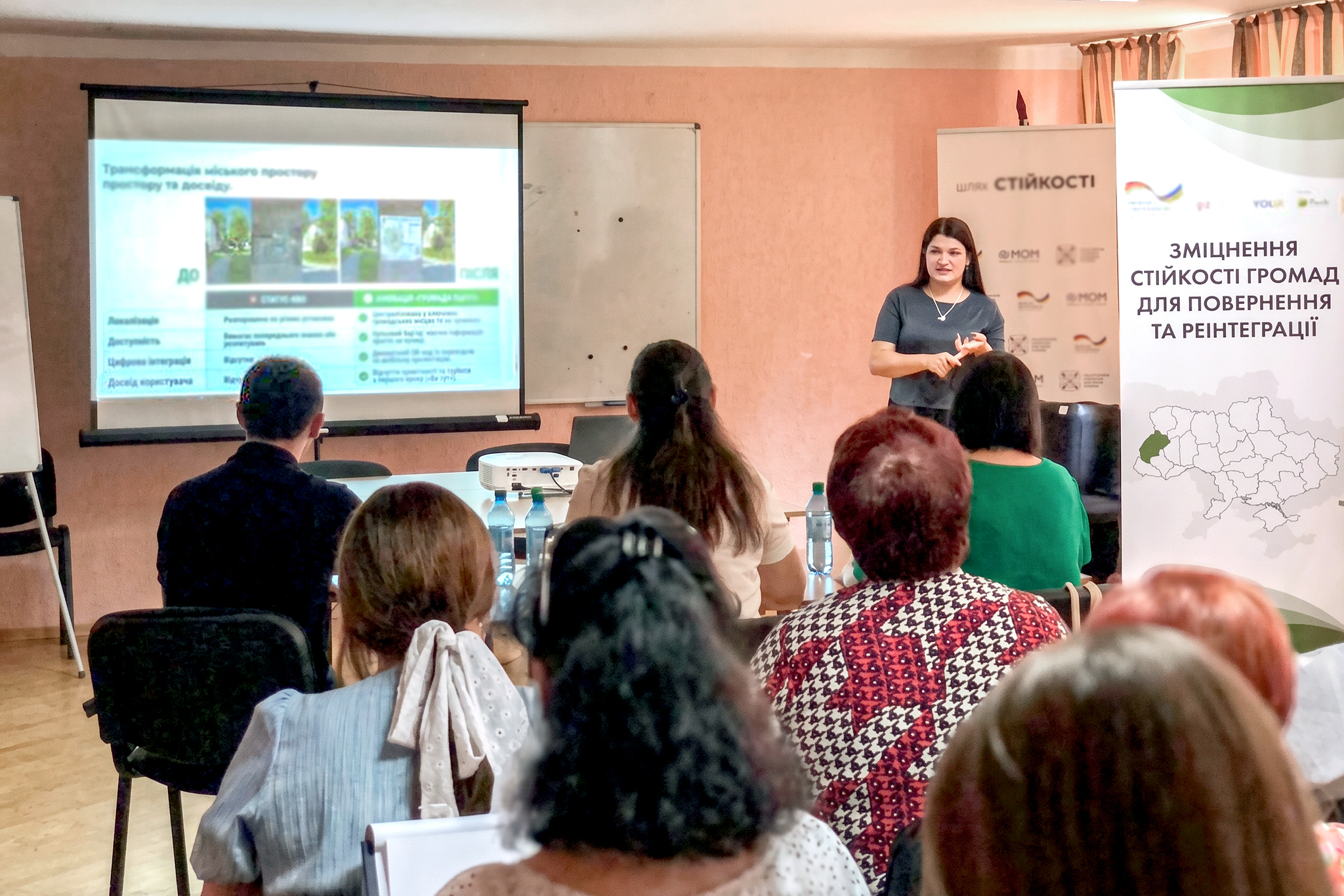
In Novyi Rozdil, the teams working on shaping social innovations focused on the existing challenges of organizing public space. A person who has just moved or returned to the city often feels lost in the corridors of municipal institutions and services.
It was the idea of information accessibility that became number one among social innovations. The victory went to the Clear Route initiative, which involves developing transparent, human-centered navigation within the Novyi Rozdil Municipal Hospital.
“A social innovation does not necessarily have to be technologically complex. Its mission is to help a person who is visiting the facility for the first time. By the way, the competition between projects in the community was extremely high: other developments—the Hromada Poruch (Community Nearby) digital platform and the Tochka Povernennia (Return Point) youth center—fell behind the winner by only a few hundredths of a point,” notes Ivan Chubukin, facilitator and mentor of the dialogue process.
The community itself is convinced that such a practical perspective will help the local hospital become truly barrier-free.
“Sometimes, it is enough to experience a person’s journey through their own eyes. If a visitor comes for a service and does not understand where to go next, that is already a barrier. Clear Route will turn an everyday problem into a concrete and human-centered solution,” is the conviction of Oksana Ratych, Chief Specialist of the Community Development and Investment Department of Novyi Rozdil City Council.
Seeing not just the service, but the family’s emotional state
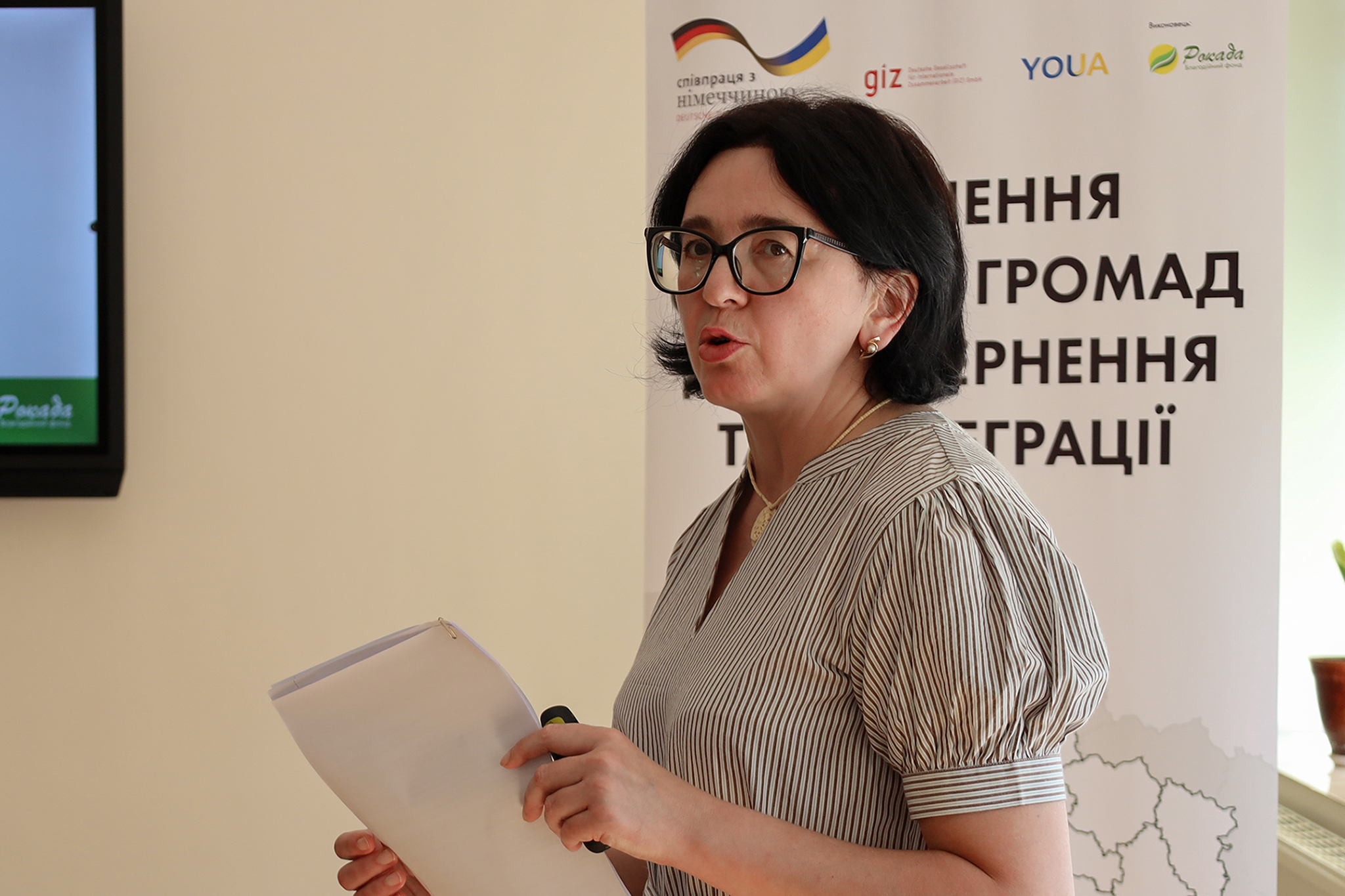
In Boryslav, the discussions revolved around infrastructure and renovations. However, while working on the initiatives with their mentor, the team asked themselves a question: “What does a family feel when they come for a service?” This is how the Family Hub project, based at the inclusive resource center, was born and ultimately received support.
“While the child is working with specialists at the center, their parents will no longer have to wait in the changing room. At the hub, they will be able to receive psychological support, attend art therapy sessions, or simply talk to those who are facing similar life challenges. Caring for a child begins with the emotional state of their entire family,” says Alla Dydyk, Director of the Inclusive Resource Center.
Three different solutions – one goal
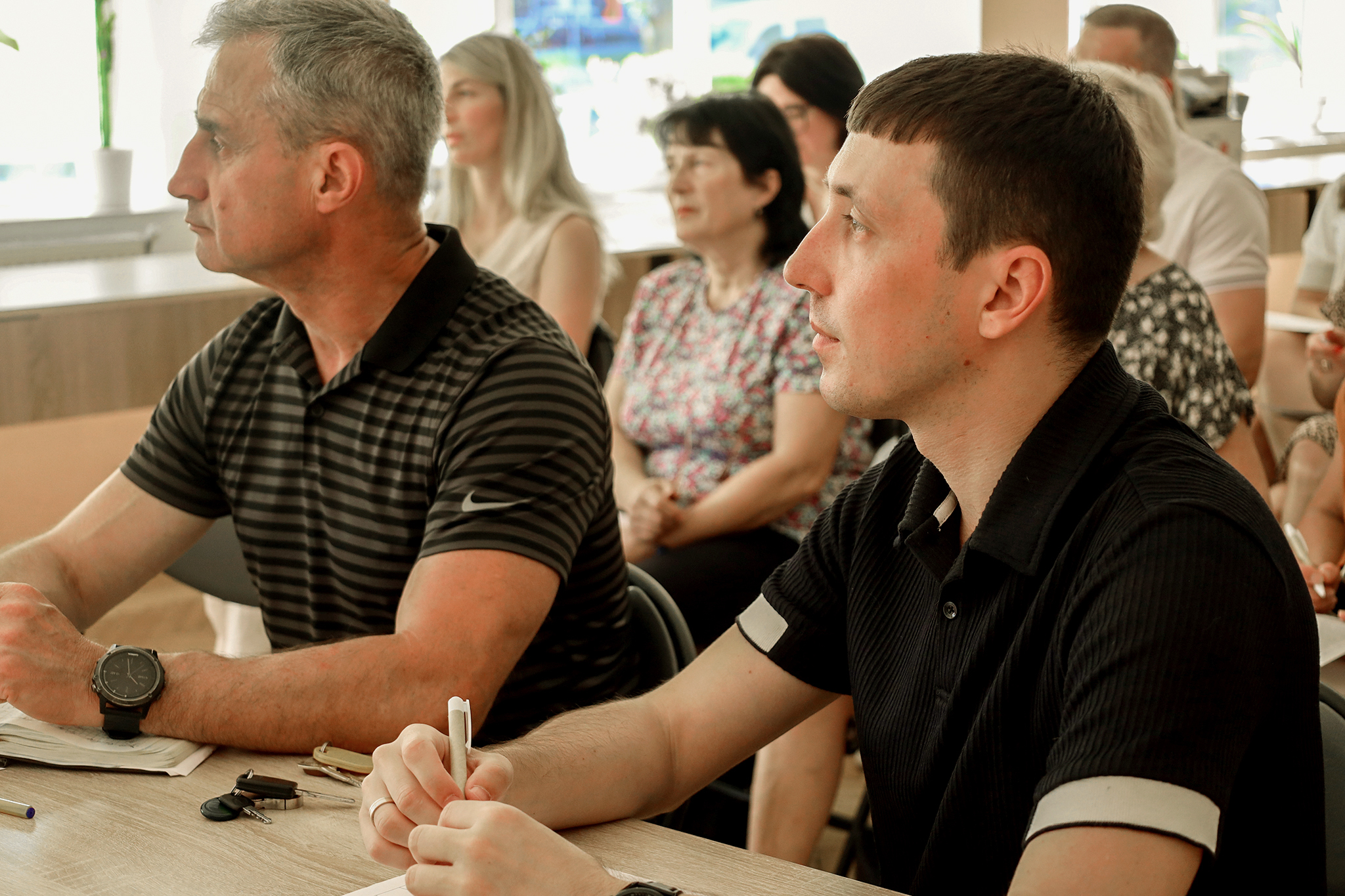
The Media Lab in Drohobych, the hospital navigation in Novyi Rozdil, and the family support space in Boryslav—though the solutions differ, each addresses the needs of the people living in these communities and will foster integration, engagement, and development.
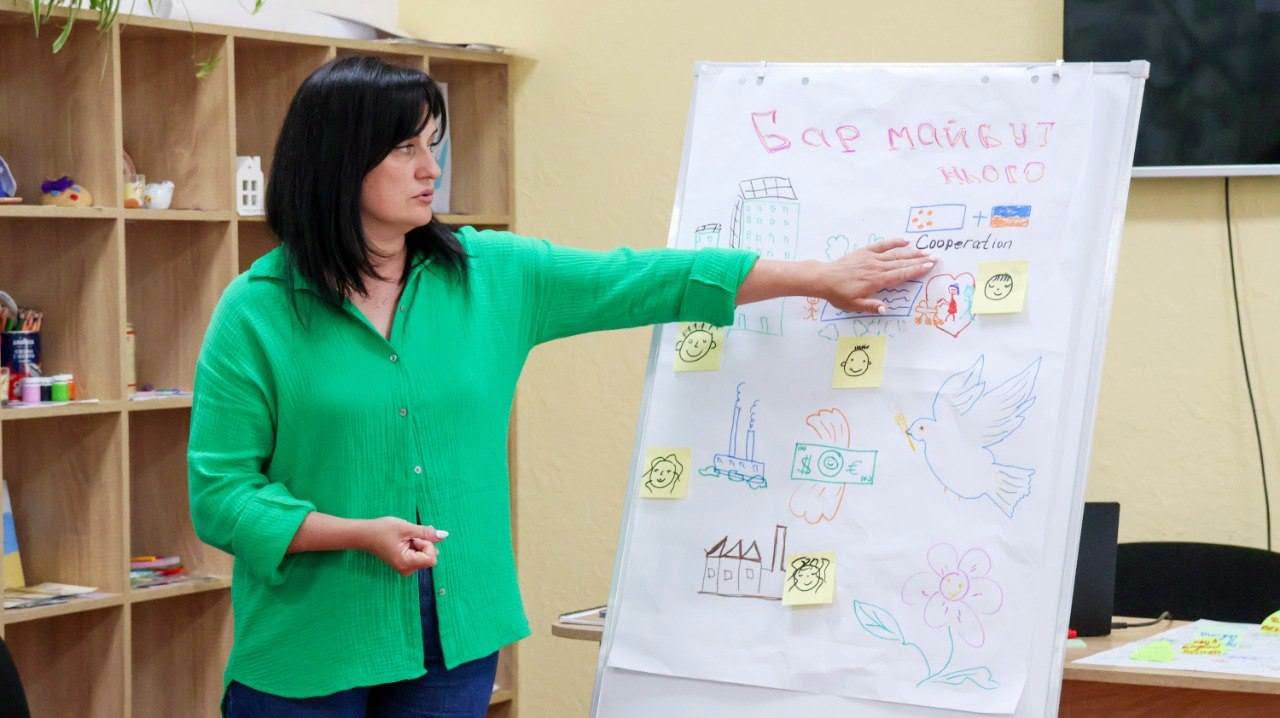
Thus, a few weeks of intensive work helped transform brainstormed bullet points from flipcharts into clear projects with calculated budgets, identified teams, and concrete implementation steps.
“The hardest part of mentoring was not coming up with something new, but cutting out the excess,” concludes Ivan Chubukin. “We helped the teams shift from overly large-scale promises to a specific person, their problems, and a realistic solution.”
The YOUA project provides technical assistance exclusively and does not influence individuals’ personal decisions regarding their return to Ukraine. Participation in events and use of services are strictly voluntary for individuals who are considering returning, have already made such a decision, or are in the process of reintegrating after returning to Ukraine.
Related news