
Ukraine’s largest integration hub for people who have lost their homes opened in Kyiv
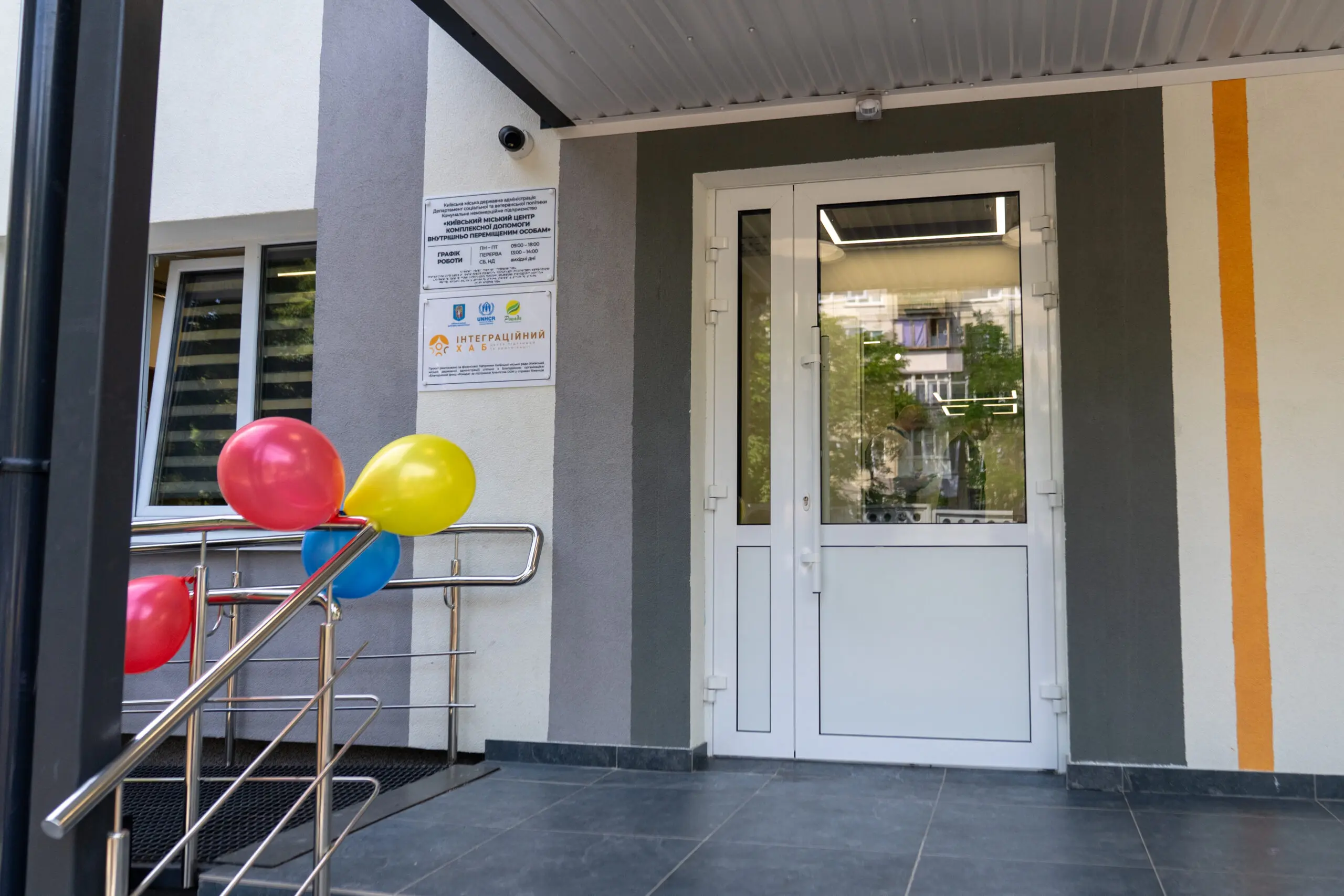
The project of the Kyiv City Centre for Comprehensive Assistance to Internally Displaced Persons (the Integration Hub) was implemented with financial support from the Kyiv City State Administration together with the Rokada Charitable Foundation and with the support of the UN Refugee Agency in Ukraine (UNHCR) – from the idea to the complete reconstruction of the building. It is a space of support for everyone who has been forced to leave their home: internally displaced people, refugees, asylum seekers and stateless persons. It is also an opportunity for dialogue and mutual understanding with the local community.
Nataliia Hurzhii,
Chair of the Board of the Rokada Charitable Foundation:
For us, this hub matters as a model of partnership. The city provides the space and involvement in the local system of services, UNHCR supports the international protection framework, and Rokada brings field experience of working with people. When these elements come together, integration stops being an abstract word. It becomes practical: a person knows where to go, whom to ask and how to begin the next step.
The teams’ task now is to turn the hub into an effective platform for interaction between the public sector, civil society organisations, international partners and residents themselves.
Bernadette Castel-Hollingsworth,
UNHCR Representative in Ukraine:
A sense of belonging begins when people understand that their voice matters. Through integration hubs and IDP Councils, forcibly displaced people across Ukraine are helping to develop their communities, strengthen social cohesion and find solutions to shared challenges. UNHCR is proud to work with local authorities and NGO partners to create and support such spaces, where everyone can get help, build connections and contribute to local initiatives.
According to official data, as of 2026, Kyiv is home to
more than 400,000 internally displaced people.
The IDP Council says the opening of the hub in Kyiv is a vital “entry point” for all internally displaced people arriving in the capital.
Yaroslav Kildishov,
Chair of the IDP Council under the Kyiv City Military Administration:
This is especially true for residents of relocated communities who do not have their own humanitarian centres in the city and are often looking for where to get basic legal or psychological help. We plan to actively involve our partners – international organisations, local business and the Council’s ambassadors – to reach different age groups.
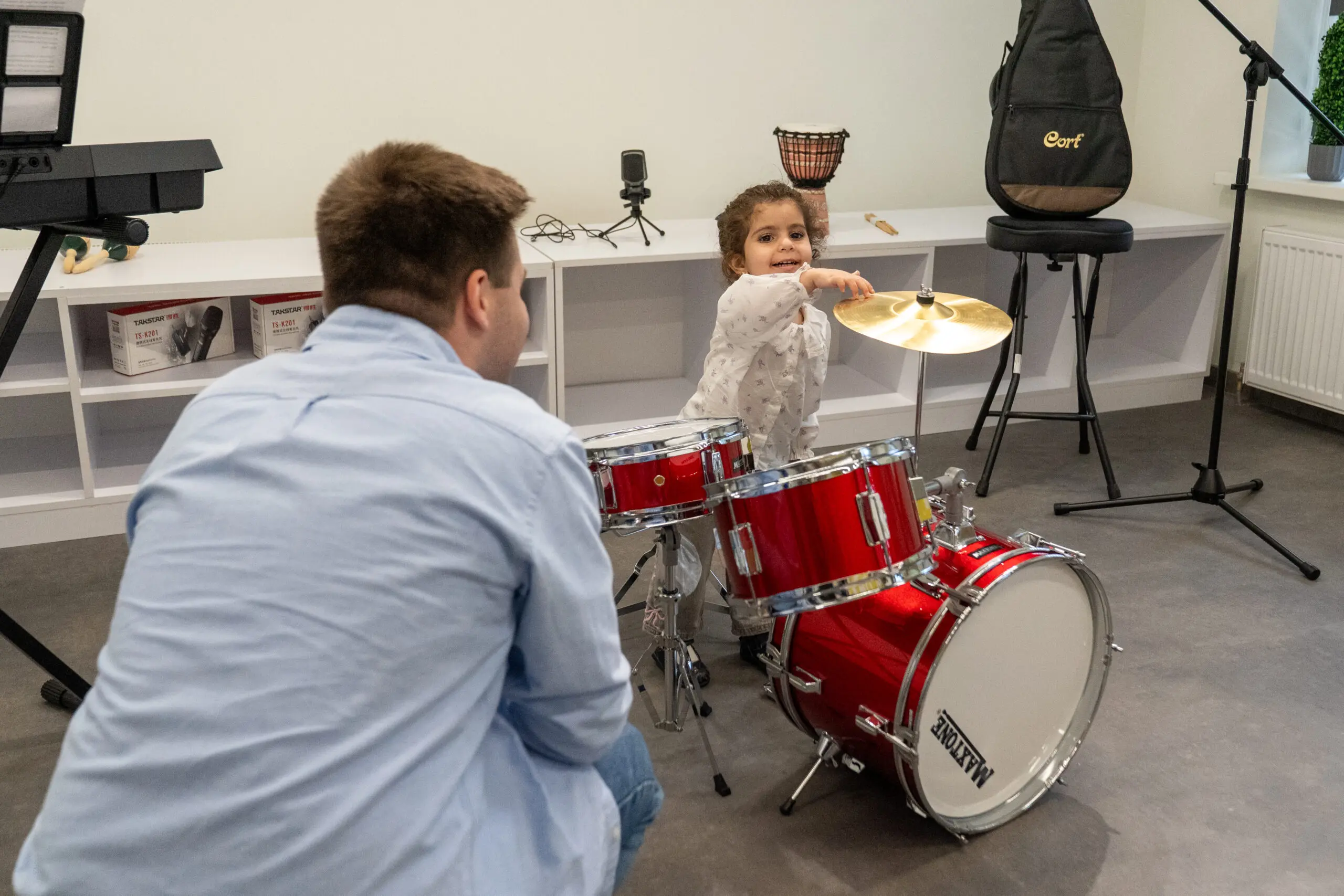
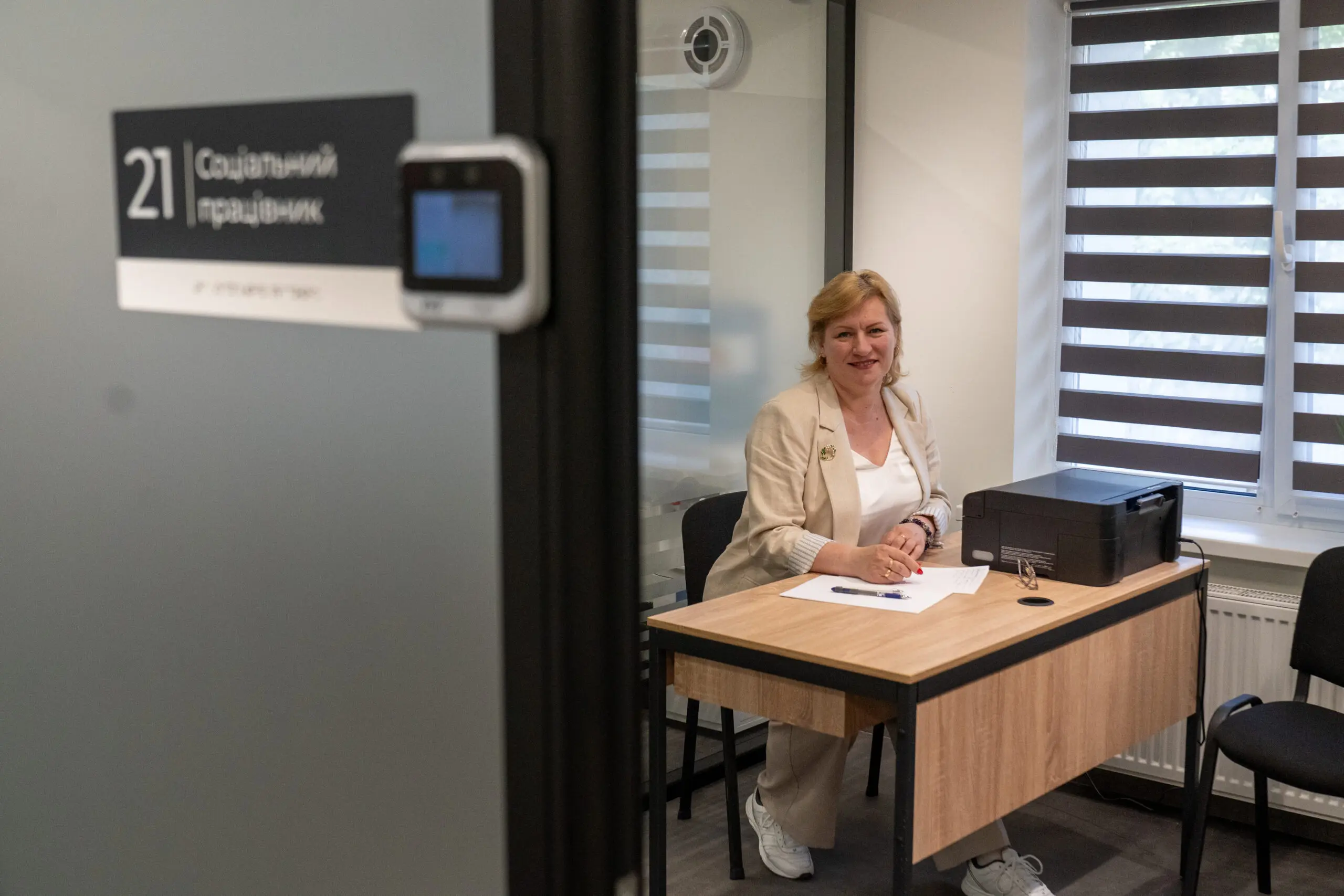
The hub’s mission is to provide timely and qualified assistance to those who have lost their homes. First and foremost, this means individual consultations, social support, and legal and psychological assistance.
Maryna Khonda,
Deputy Head of the Kyiv City State Administration on the exercise of self-government powers:
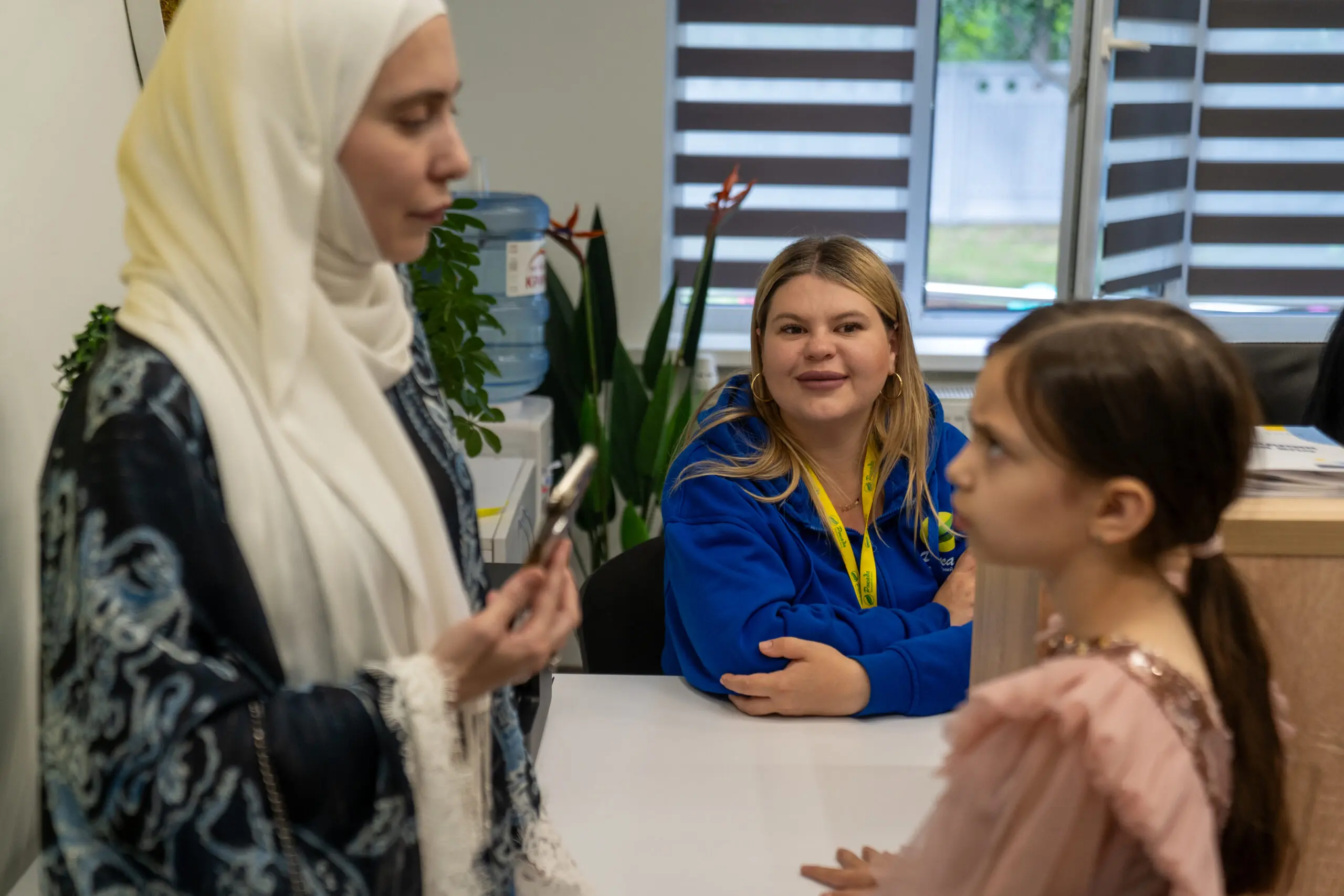
The Integration Hub is the city’s single centre for coordinating policy on internally displaced persons. Each visitor will be assigned a social manager who will accompany them along the entire route of receiving services.
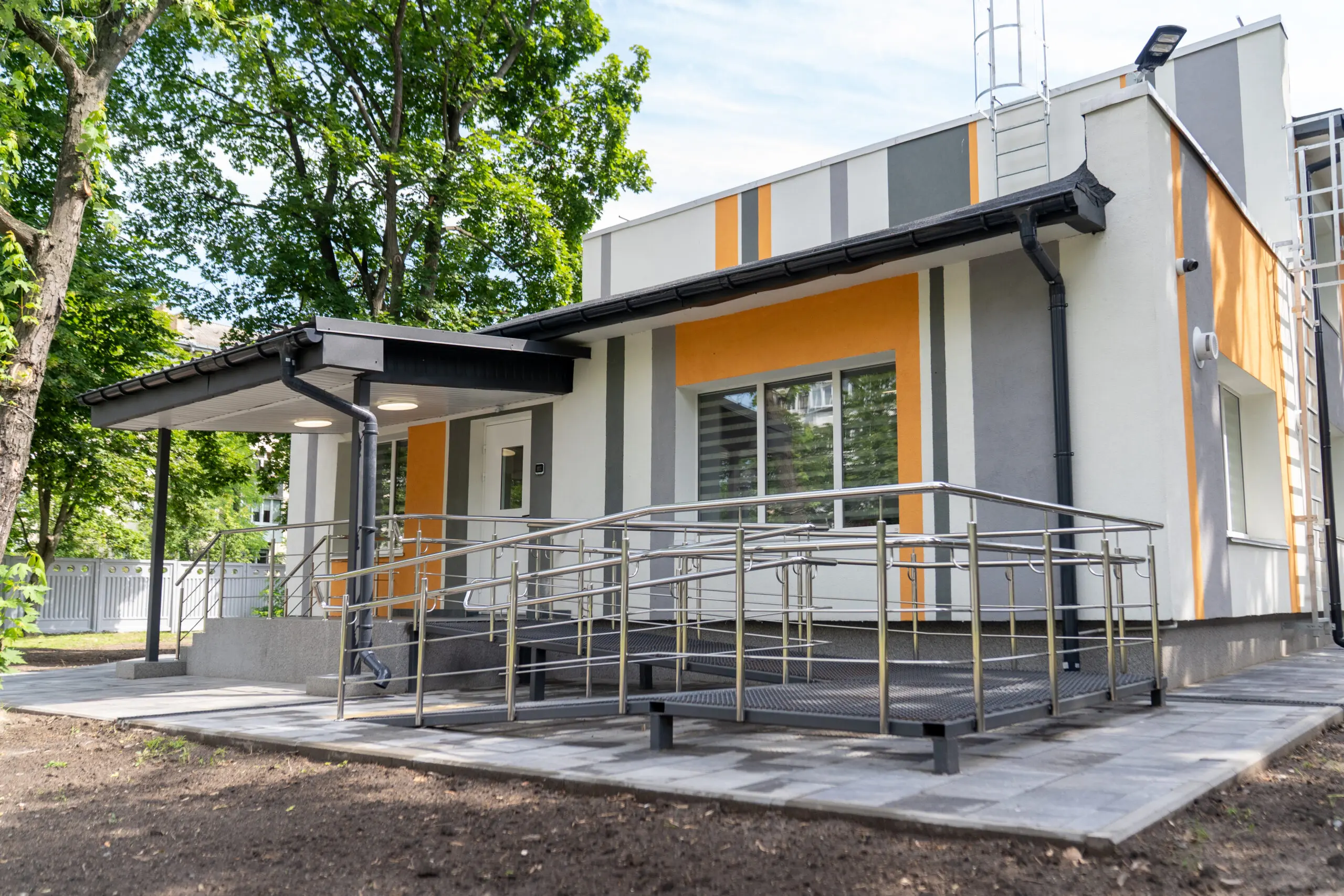
The project started in 2024. The kindergarten building that eventually became a modern hub had not been used for a long time, so it required a significant amount of work.
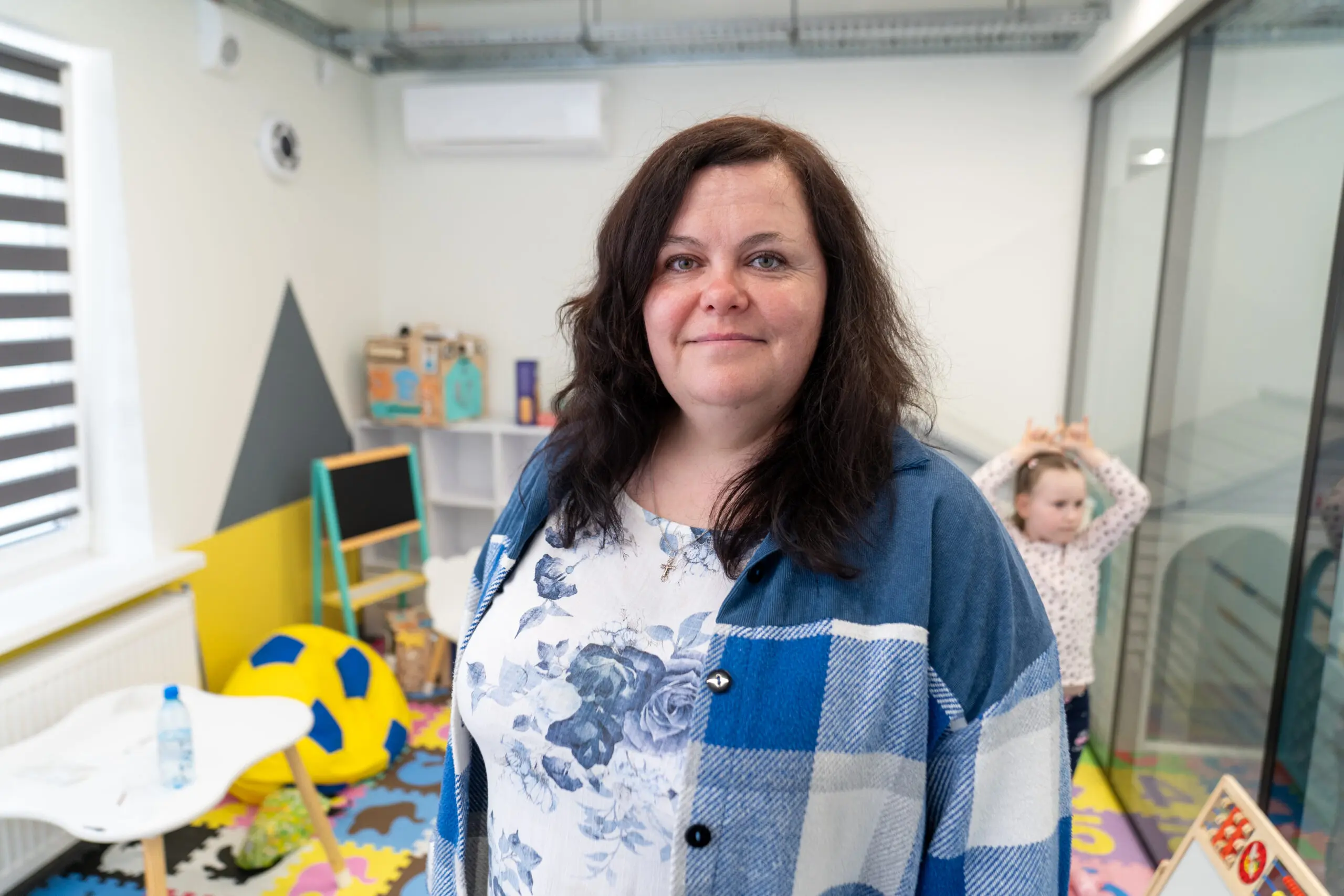
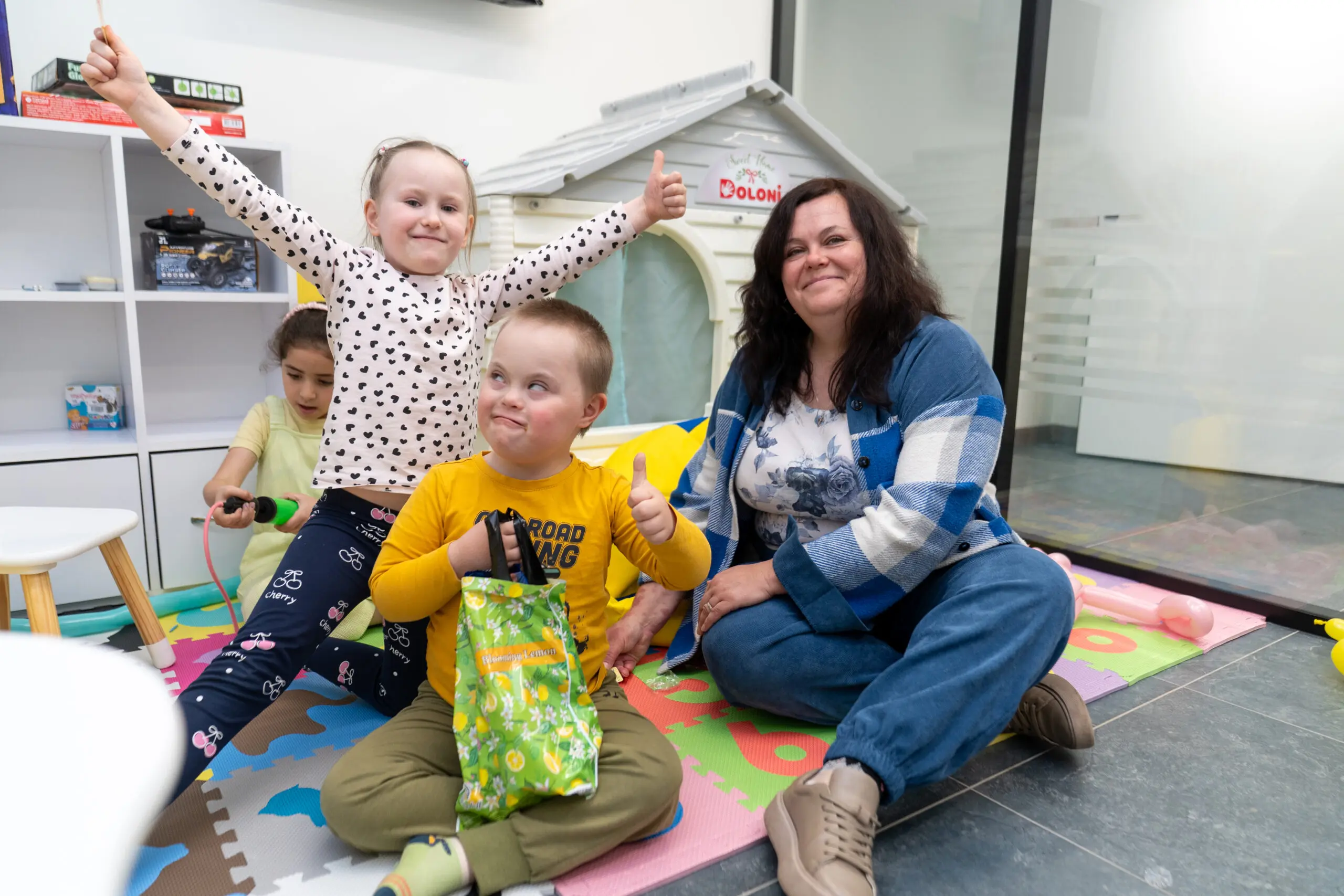
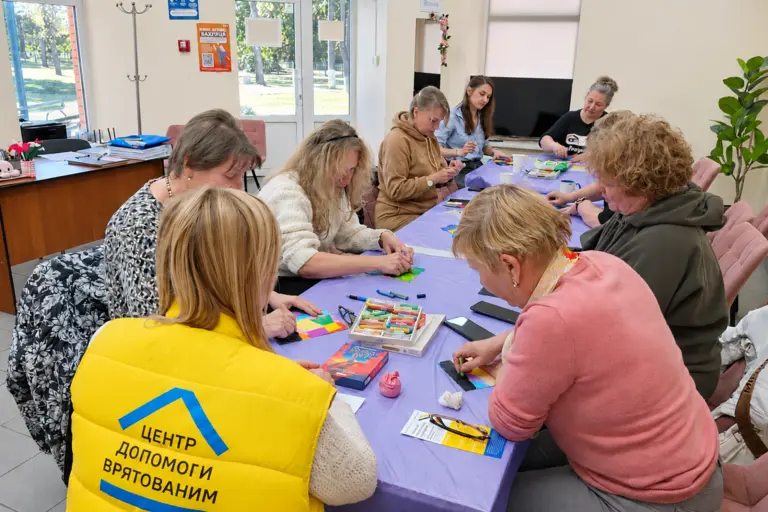
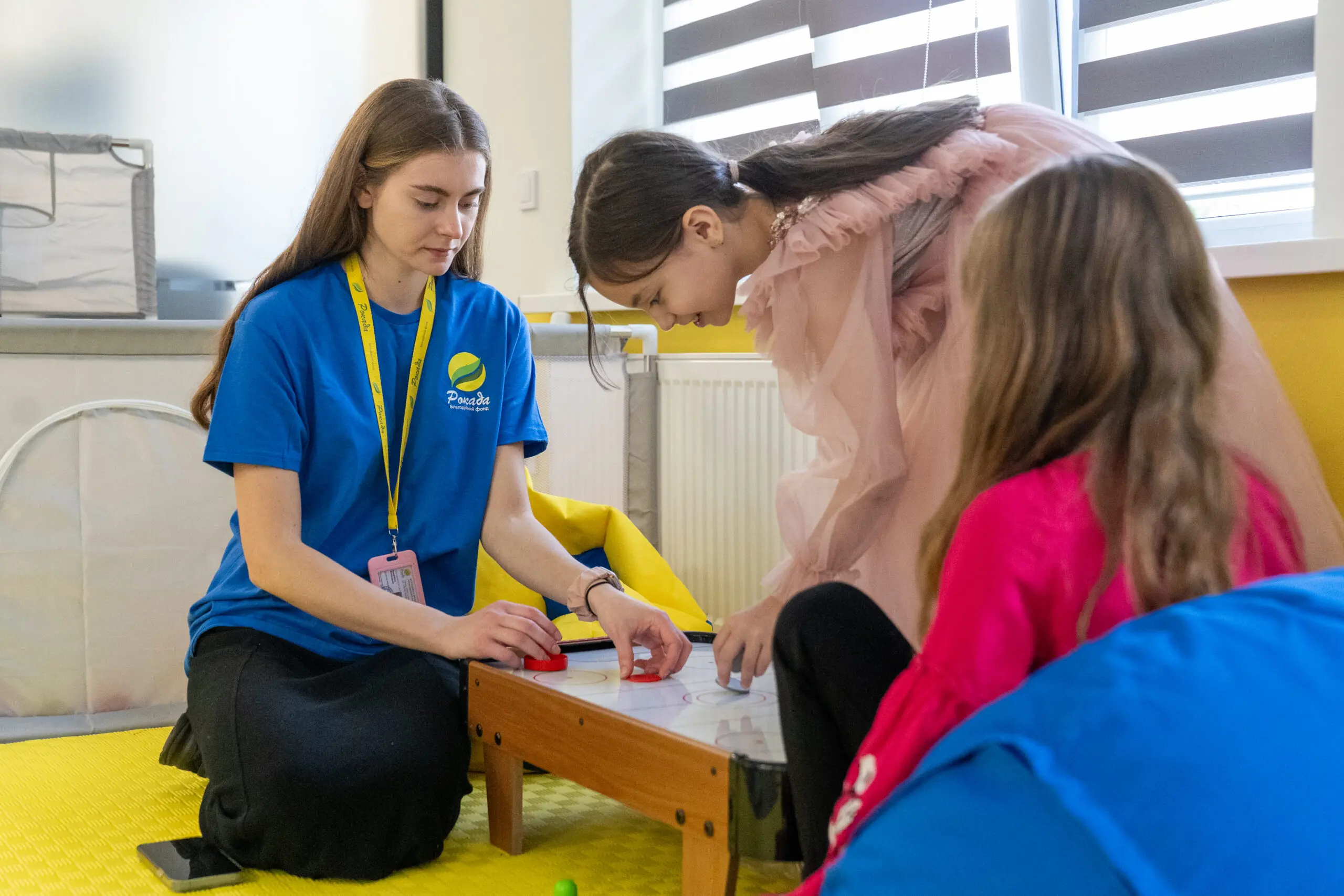
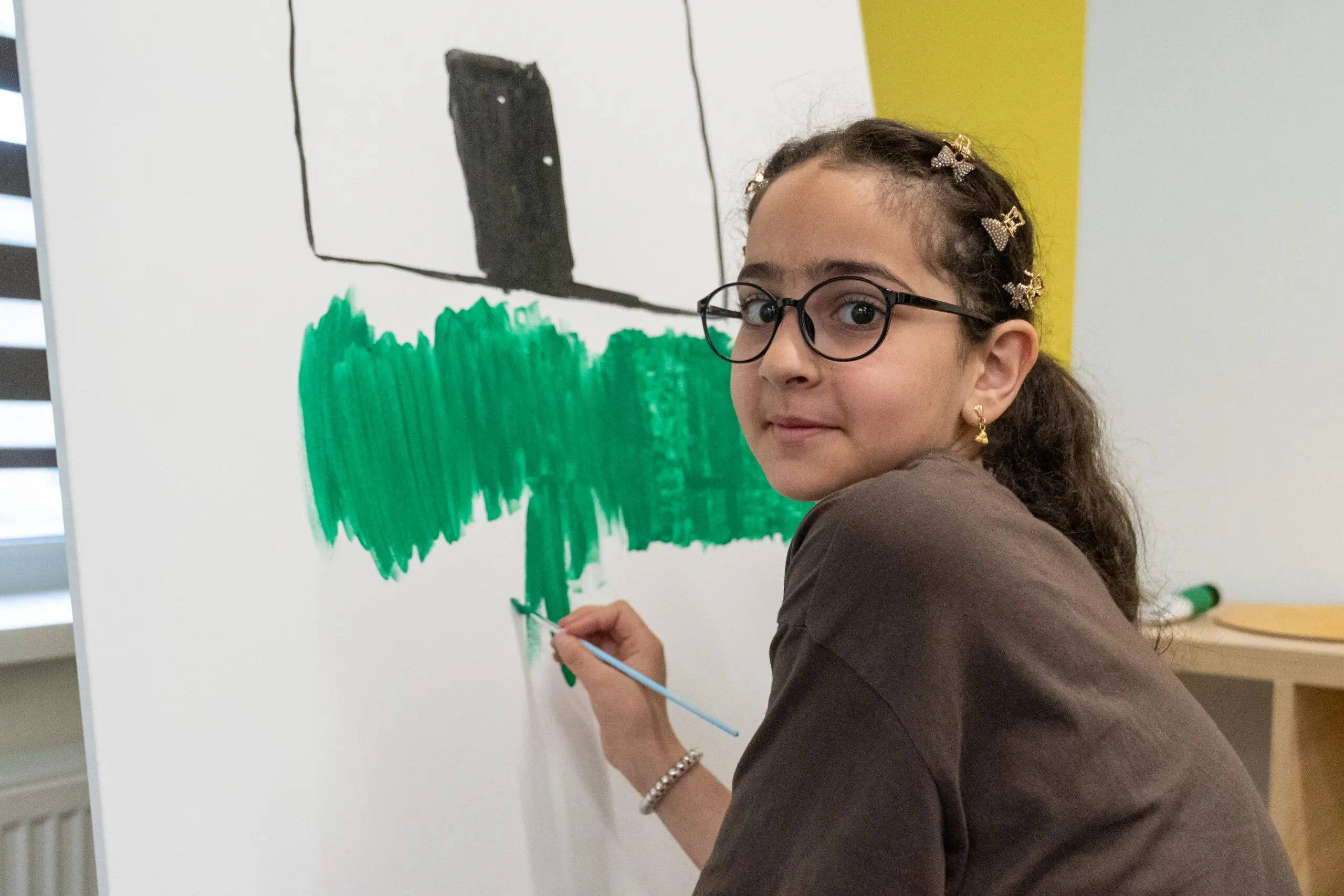
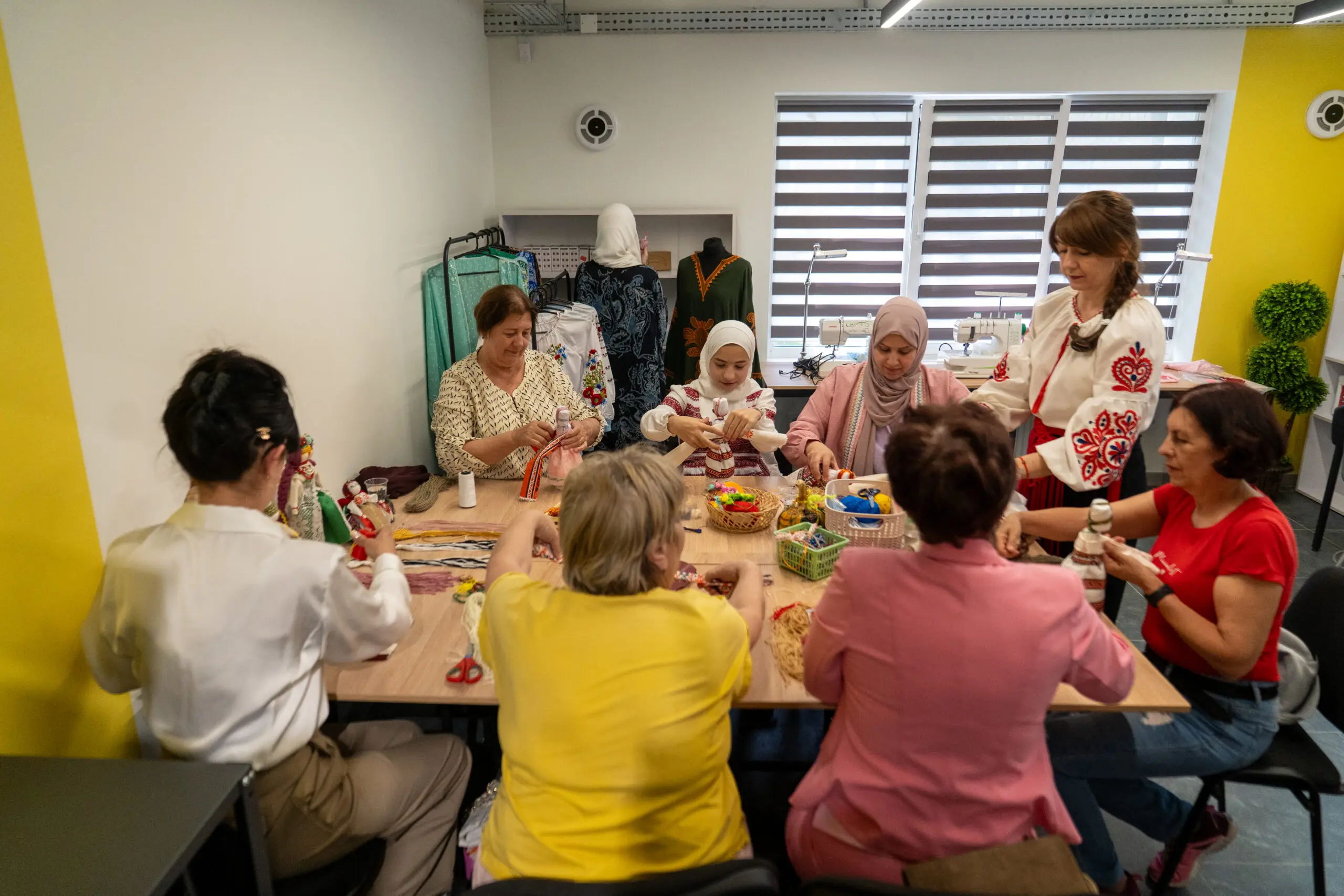
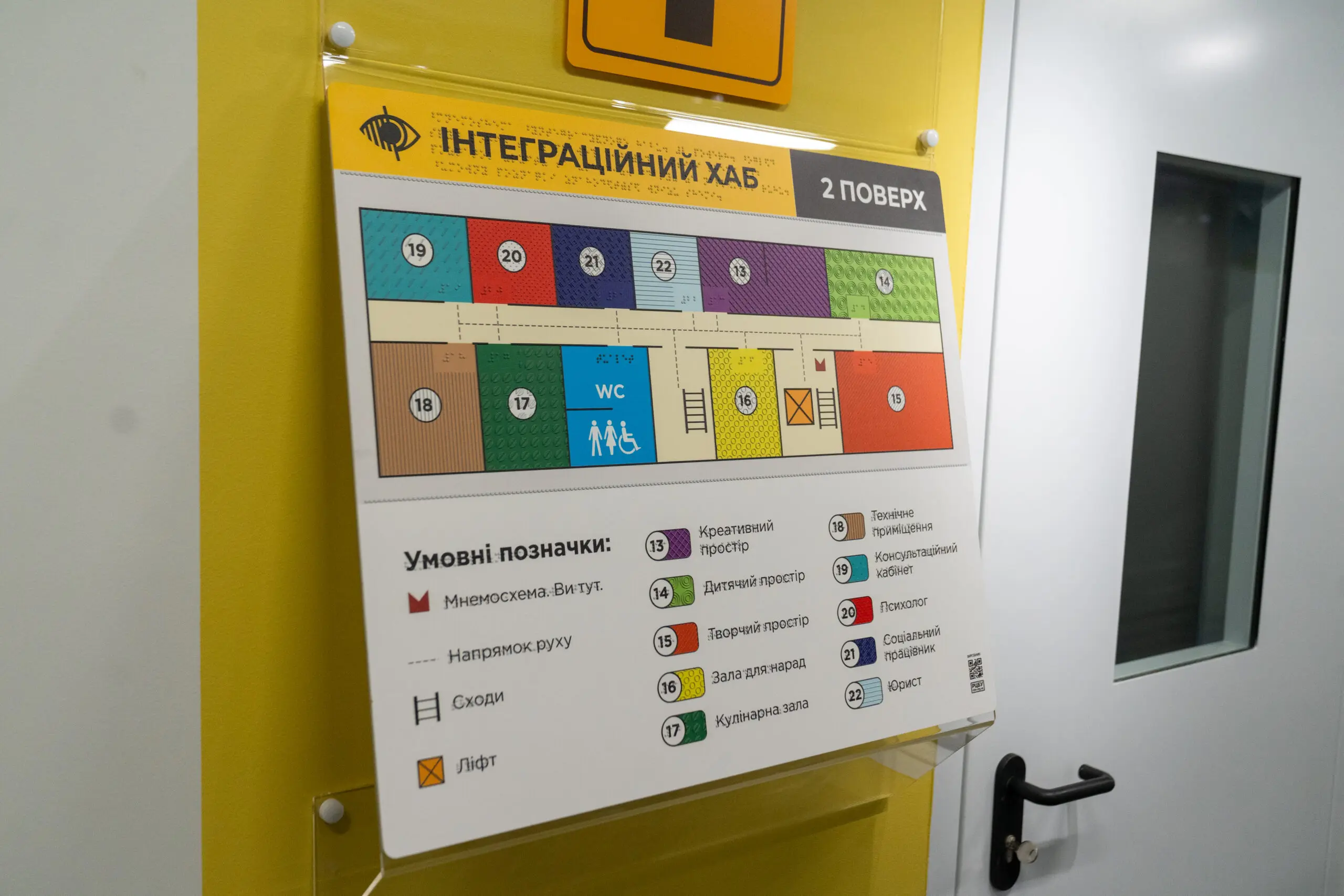
Today it is a 600-square-metre space that includes, among other things, a gym, a children’s area, a classroom, a conference hall, a sewing workshop, a creative studio, and offices for a psychologist, a lawyer and a social worker.
Dmytro Petrosiuk,
Project Manager at the Rokada Charitable Foundation:
Implementing such a comprehensive project during a full-scale war required considerable effort and coordination. Despite security challenges and regular shelling, the partners managed to create a space that brings together the principles of accessibility and equal access to opportunities for every person.
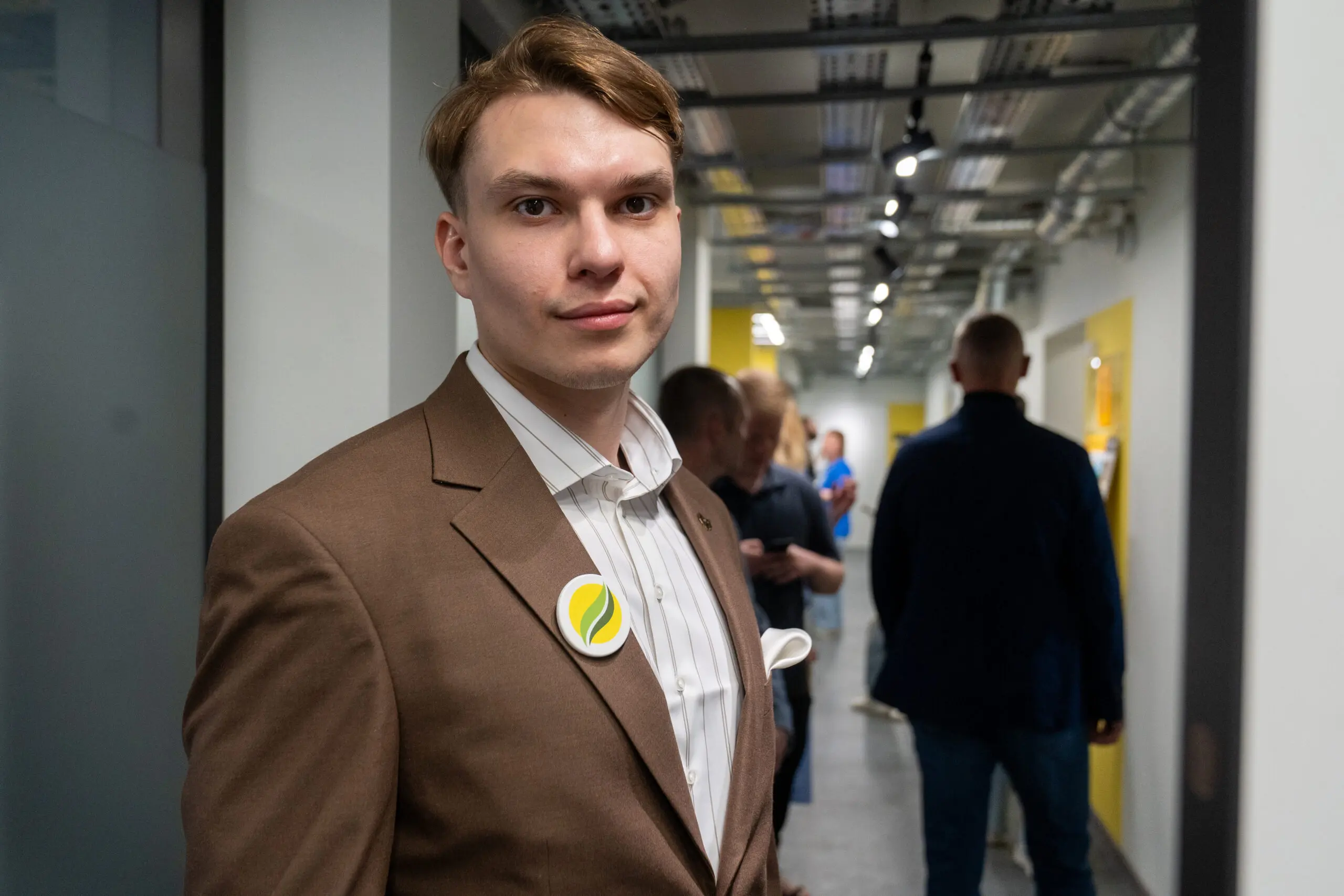
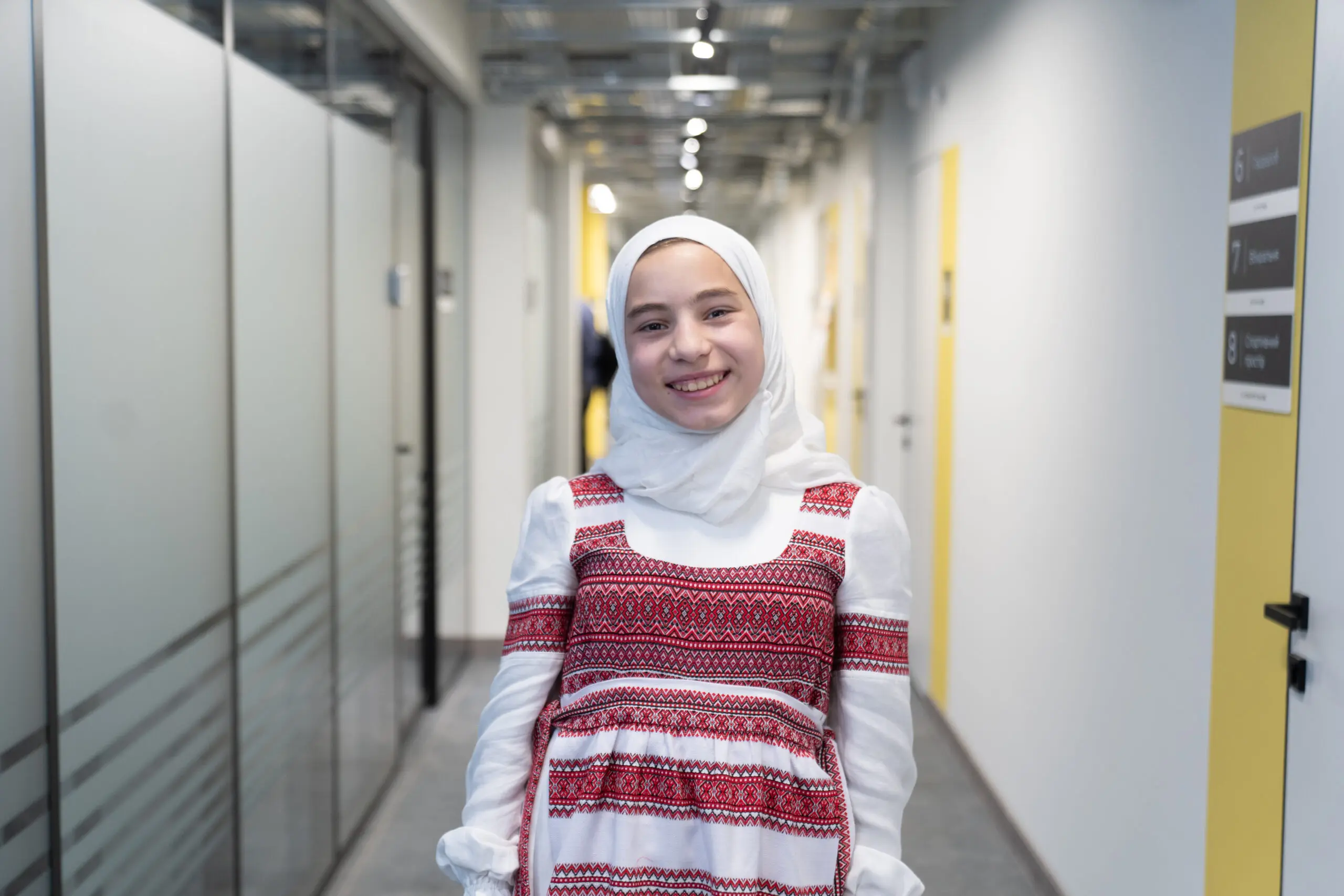
Maiia Chubatenko’s family moved to the capital from Donetsk region in 2022. She says she will come to the hub with her children to relieve stress. But there are other issues she needs help with as well.
Maiia Chubatenko,
internally displaced person:
We lived in the Soledar community near Bakhmut, where we still have a flat. What should we do with it? We are counting on a consultation with lawyers, because the housing issue is very painful for everyone with IDP status. But that’s not all. For example, today I came and got the chance to talk to a psychologist. My child has special needs and is very happy playing with other children.