
In Kharkiv, Rokada helps children recover from mine-explosive injuries
Severe injuries, surgeries, and prolonged rehabilitation—this is the reality for children whose lives have been changed by Russian shelling in many frontline regions, including the Kharkiv oblast. The foundation’s team helps families recover from what they have experienced. Currently, specialists are caring for nearly thirty children, eleven of whom suffered severe mine-explosive injuries. This support specifically includes deep psychological work and social accompaniment.
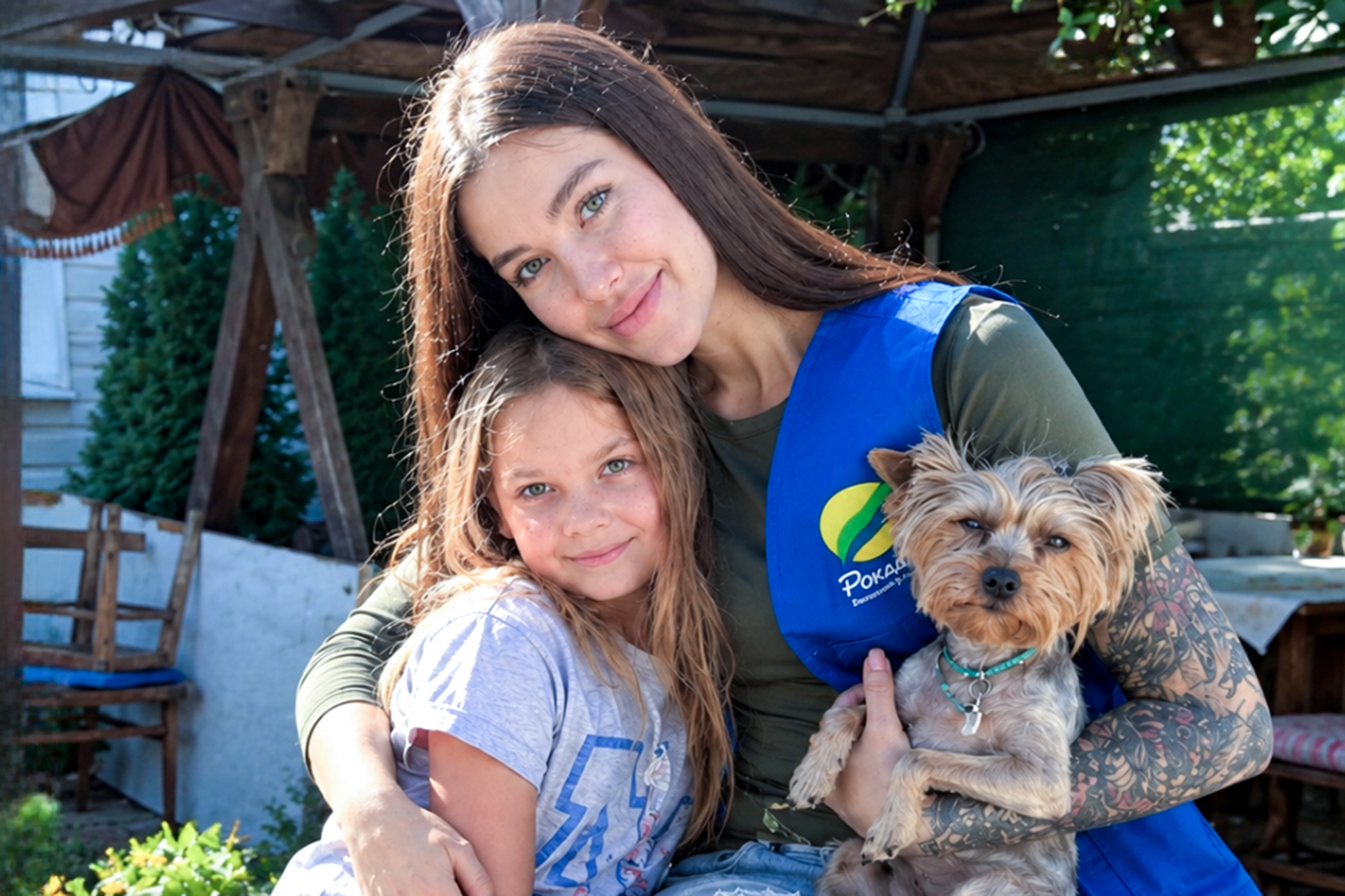
“First before starting psychological work with a child who has been injured, it is crucial to restore their basic sense of safety. Establishing contact must happen very gently: through play, drawing, or simple conversation, allowing the child to set their own pace. Sometimes it is enough just to be nearby and let them feel that there is an adult they can trust,” explains Olha Vasylieva, a child psychologist at the Rokada regional office in Kharkiv.
The specialist notes that it is particularly challenging to overcome the psychological consequences of trauma or amputations when children begin to view themselves solely through the prism of physical limitations. In such cases, the psychologists’ work is to help the little ones realize that, despite the injury, they remain the same individuals with their own strengths and abilities.
“A sign of successful rehabilitation is the moment when a child regains the desire to dream and make plans. This means that the child sees their life ahead, rather than just the experienced trauma,” the psychologist continues, adding that the parents’ state of mind is also crucial during this work. “After all, a child mirrors the anxiety of adults. Families need to understand this.”
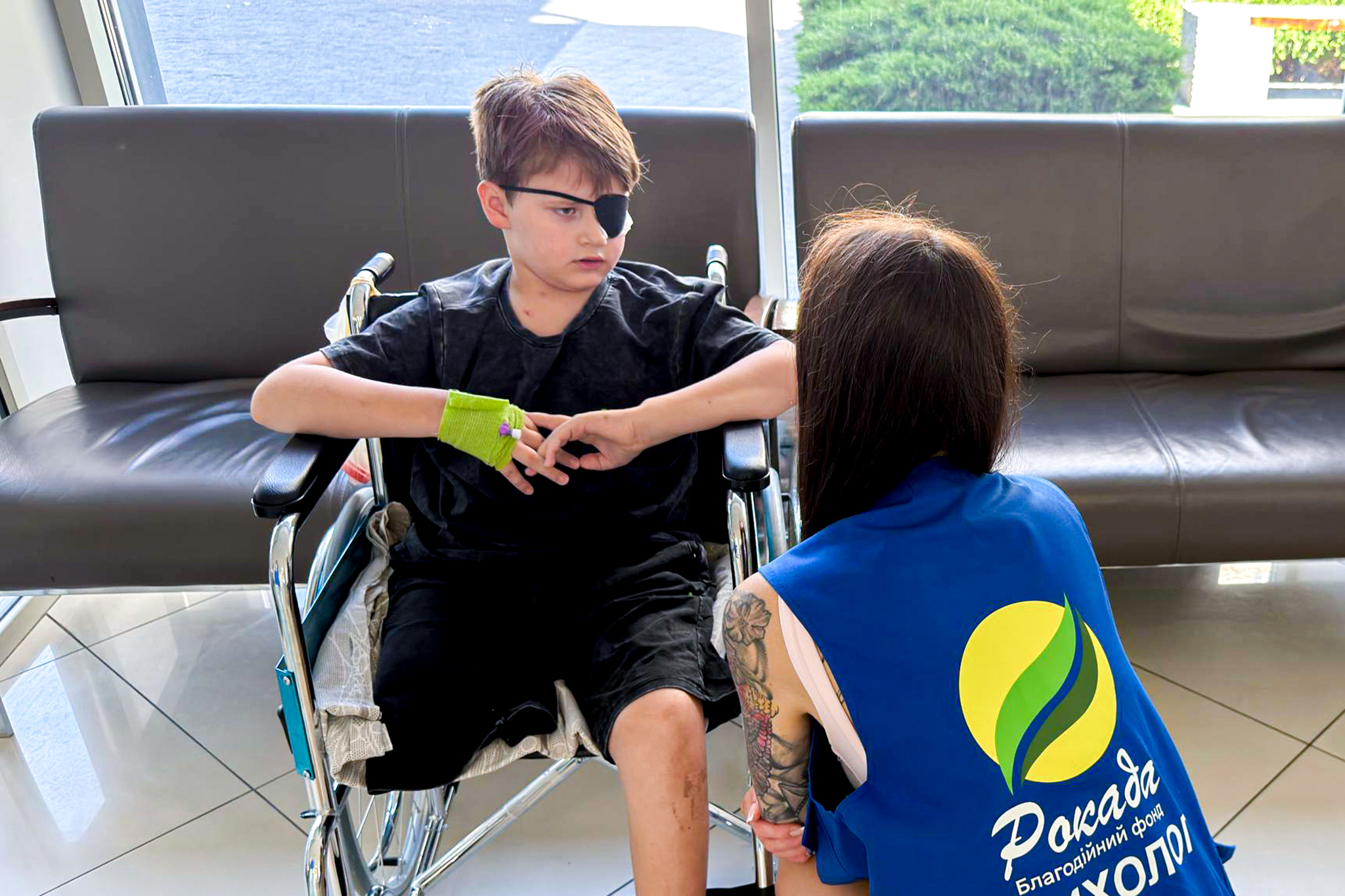
Side by side, Rokada specialists are now going through every stage of recovery with the family of 8-year-old Kostia. Following his injury, the boy uses a wheelchair and is currently restoring his sight and hearing.
“Before the tragedy that happened to my son, I considered myself a strong person. In reality, it turned out not to be quite like that…,” says Kostia’s mother, Iryna. “But now, what gives me the most strength is the realization that my son is alive, that I have the opportunity to talk with him. My husband is by my side, along with people who responded to our misfortune. In my opinion, the most valuable thing is communication. My son feels comfortable with the specialist; he is opening up. I see positive changes in his attitude toward recovery: he now has faith that he will be able to stand on his feet, and that the specialists will help resolve the issues with his sight and hearing.”
Ten-year-old Karolina is also walking the path of rehabilitation after the shelling. For her mother, Viktoriia, the main source of strength remains her daughter’s inner resilience.
“Her desire to recover, her small successes, and every step forward support me greatly. During her work with the Rokada specialists, what Karolina values most is the attention, support, and the opportunity to gradually return to normal life. For me, it is also very important to know that she is not left alone with what she experienced. Right now, I see many small but very significant victories. Karolina is gradually becoming more active, moving more, and trying to independently do things that used to be difficult,” shares the Kharkiv resident.
Currently, due to the deteriorating security situation in Kharkiv, the number of requests from families whose children have suffered injuries of varying severity has significantly increased. Under such conditions, a social worker becomes the primary pillar of support for the entire family.
Olesia Yaremenko, a social worker at the Rokada office in Kharkiv, maintains constant contact with families to respond to new challenges immediately. When a child returns home from the hospital, the foundation’s team steps in to help create the most comfortable and adapted conditions at home.
“I am sincerely overjoyed when I see a child’s first smile after the horror they’ve experienced, their first step after prolonged treatment, or even the simplest but so important childish request for sweets. Our work covers various areas, and it is precisely through this comprehensive approach that we see results,” shares the specialist.
To ensure that a child affected by Russian shelling receives help as quickly as possible, the coordinated effort of multiple structures is vital. Consequently, Kharkiv law enforcement officers cooperate with Rokada specialists—thanks to this collaboration, families receive social and psychological support immediately after the shelling or injury is documented.
“In a state of shock, people are disoriented and do not know where to go. Thanks to the synergy between the prosecutor’s office, psychologists, and social workers, we operate as a single point of entry. This provides survivors with support, the feeling that they are not alone with their grief, and the opportunity to receive information regarding legal, psychological, or humanitarian assistance,” notes Olena Kravchenko, Head of the Victim and Witness Support Organization Department at the Kharkiv Regional Prosecutor’s Office. She adds that during investigative actions, such joint work is critical to avoid re-traumatization and ensure that the rights of victims are respected.
The project is implemented with the financial support of the Ukraine Humanitarian Fund and the United Nations Office for the Coordination of Humanitarian Affairs / OCHA Ukraine.