
Return of Ukrainians from abroad: Rivne region chose social initiatives for successful reintegration
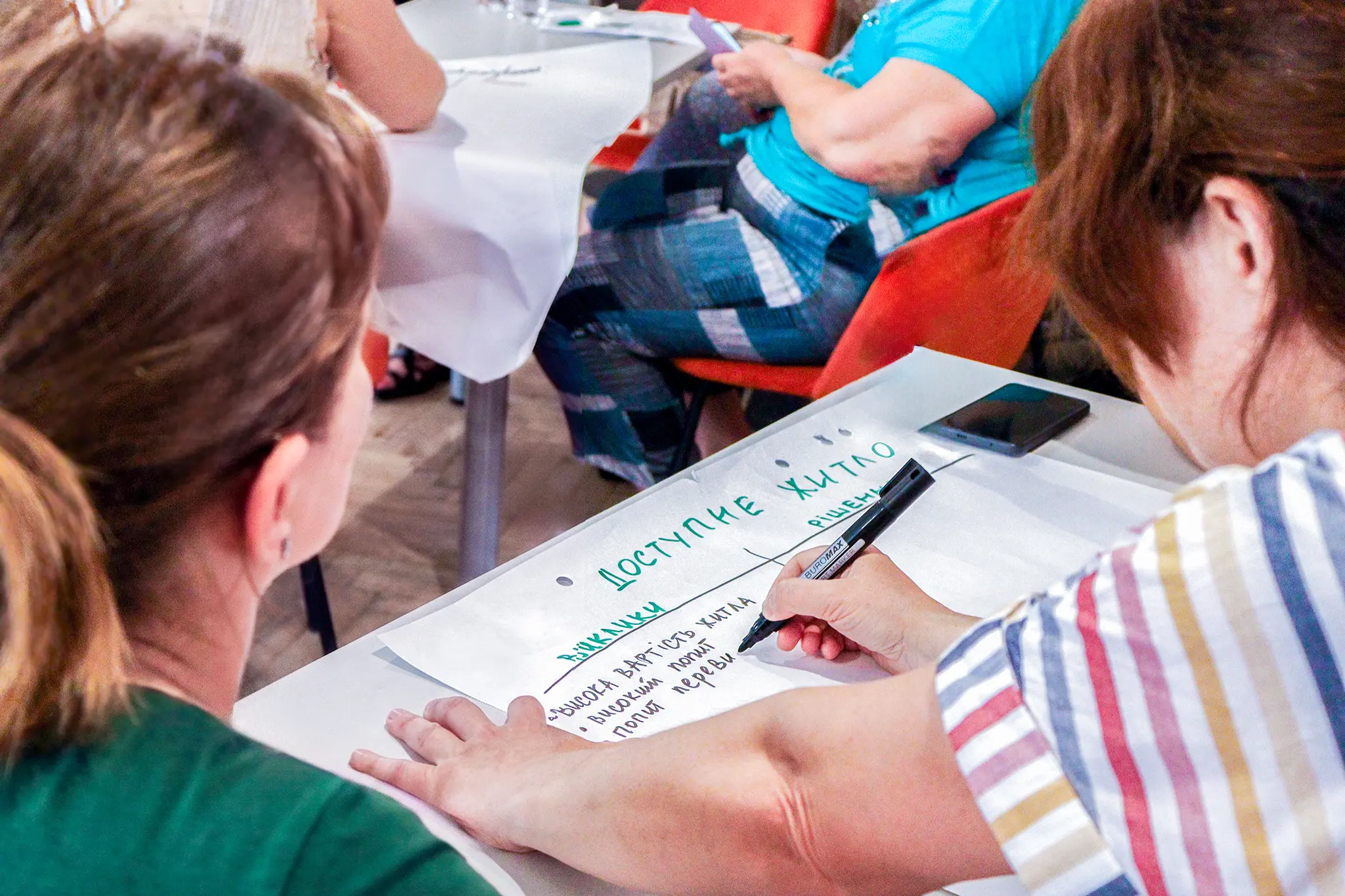
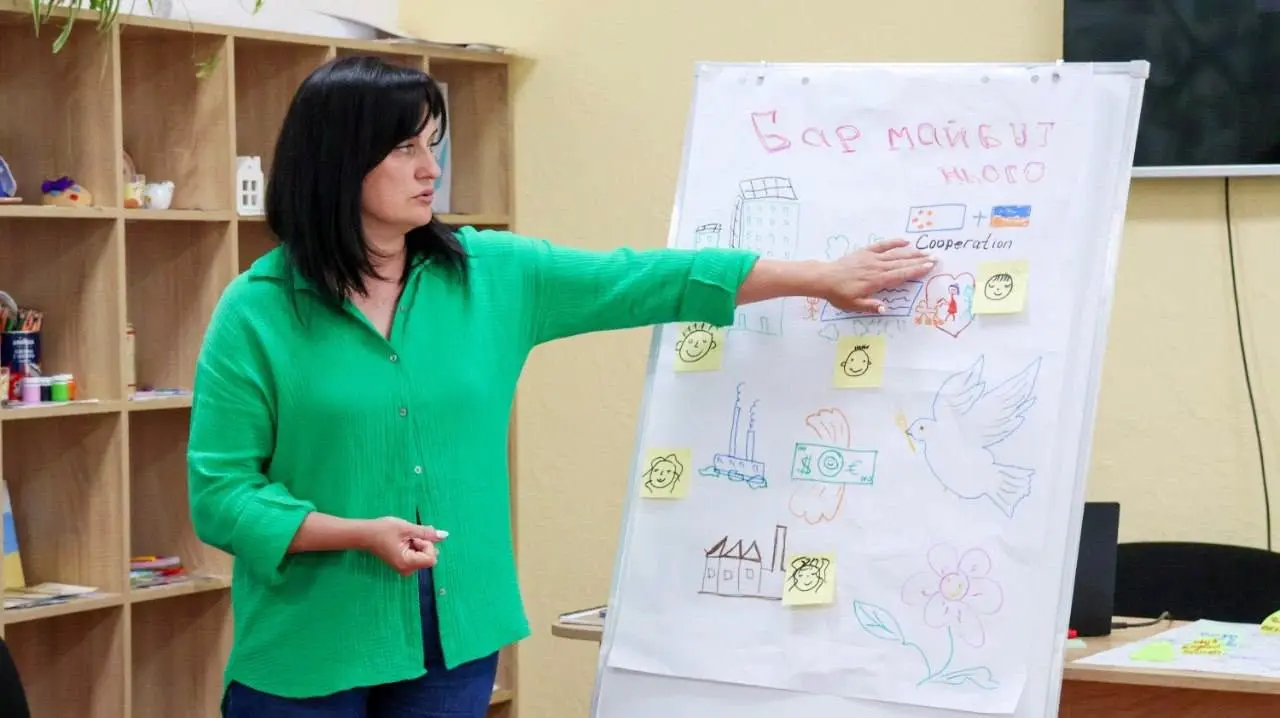
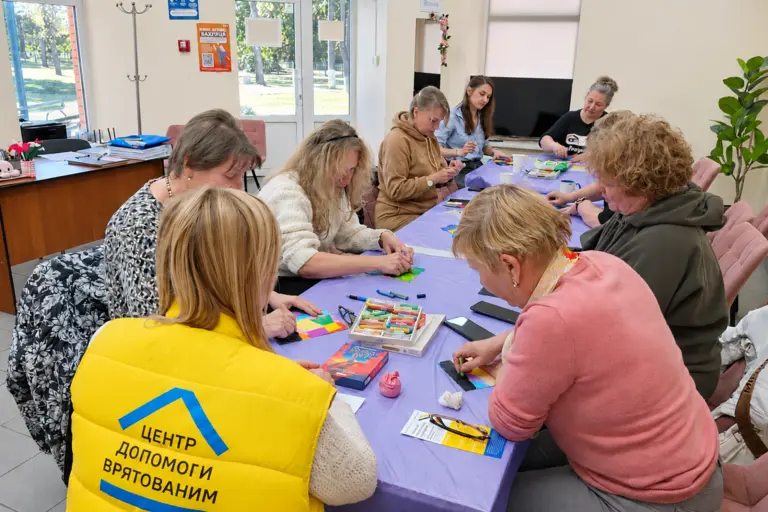
First, a person’s problem; then, the community’s resources; and only after that, an idea that can be turned into a concrete solution. Following this logic, the Rokada Charitable Foundation, together with residents of the Sarny, Dubno and Zdolbuniv communities in Rivne region, looked for practical initiatives to support the return of Ukrainians from abroad and their further reintegration. Ideas were developed during dialogue meetings that brought together local self-government, civil society, education, culture, business and active residents.
The meetings took place within the project “Strengthening Community Resilience for Return and Reintegration”, implemented by the Rokada Charitable Foundation as part of the project “YOUA – Shaping New Paths, Building Ukraine’s Future”, commissioned by the German Government and implemented by GIZ Ukraine.
In total, participants in the three communities developed 16 project ideas – from digital services and models of social support to initiatives in employment, entrepreneurship, culture, local identity and spaces for interaction.
“The hardest part was not coming up with an idea, but separating the vision from the first real step the community could take in four months. We didn’t try to shrink the team’s dream – we looked for its first working version. The focus was primarily on the path a person would take and what would change for them. It was at this point that an ordinary event, space or digital product turned into a social innovation,” says Viktoriia Kostiuk, facilitator and mentor of the dialogue process.
The winning initiatives, one in each community, were selected together with experts. They considered how well the solution met people’s needs, whether it was realistic to implement, what its reintegration effect would be and whether it could continue to work in the future.
Sarny: a story that led to a real step
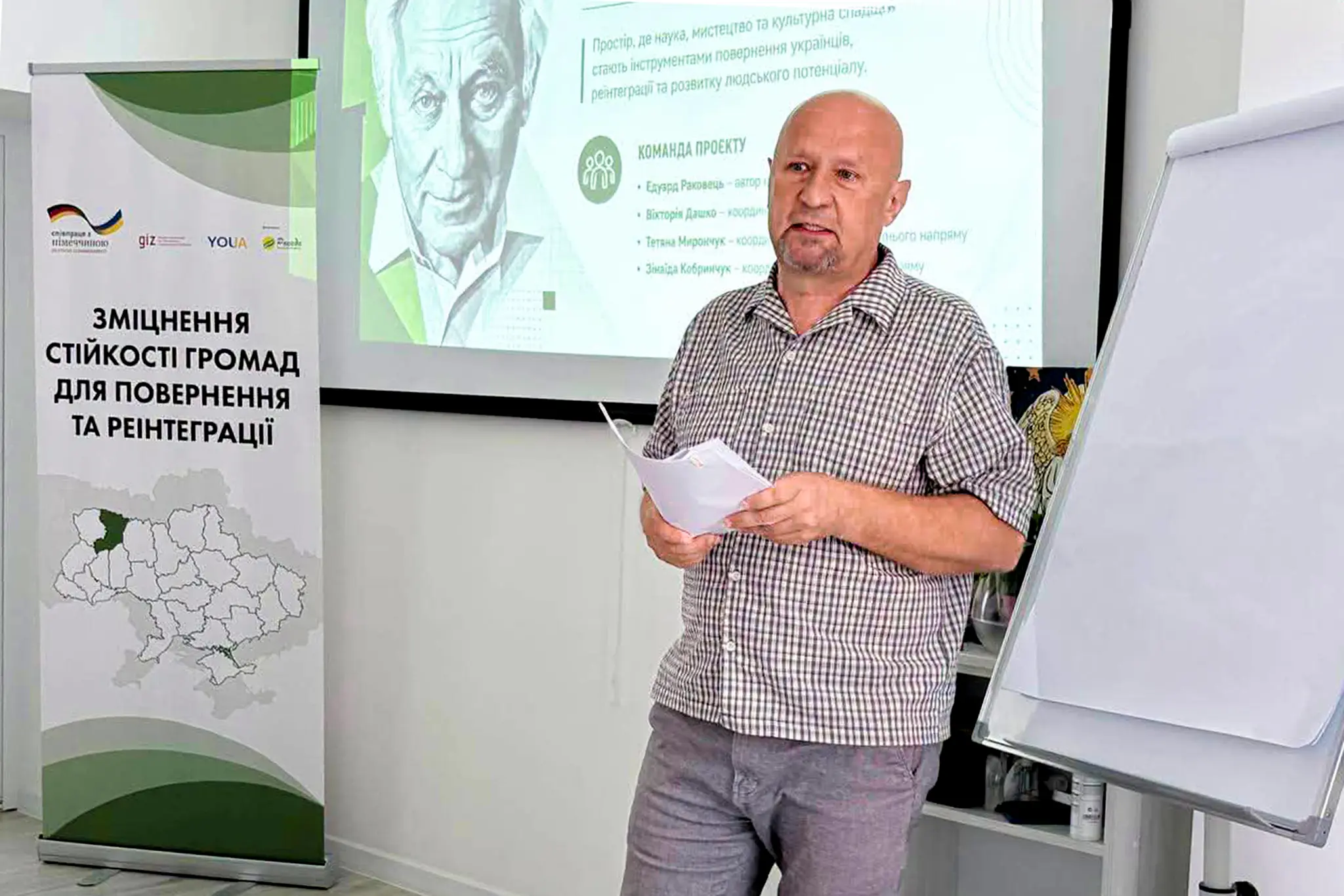
The Sarny community developed five different concepts. One of the most ambitious was the SHARPAK CENTRE idea, built around the story of Georges Charpak, the Nobel laureate in physics who was born in Sarny.
At first, the team planned to create a museum or science centre. However, the idea was transformed into an inclusive mobile exhibition, a digital knowledge base, a multilingual guide and the establishment of the first international contacts.
It was SHARPAK CENTRE that received the most support, although its lead over the other initiatives was small. This showed that the community had formed not one strong idea, but several promising solutions that can be developed further.
“For me, this initiative is about a simple thing: we have something to be proud of, but we have not yet learned to tell people about it well enough. The story of Georges Charpak is not only the story of a great scientist. It is the story of a little boy who was born in Sarny, travelled far into the world, but kept the memory of his hometown and dreamed of returning to it, even if only for a short while. He wrote about this himself in his memoirs. I think there is a very important meaning in this for us today: wherever life takes a person, the place where it all began remains part of their life. And perhaps someone who is far from Sarny today will also feel, thanks to this story: ‘This is my town. I have somewhere to return to’,” says Eduard Rakovets, coordinator of the SHARPAK CENTRE initiative.
Dubno: a digital service as a resident’s route
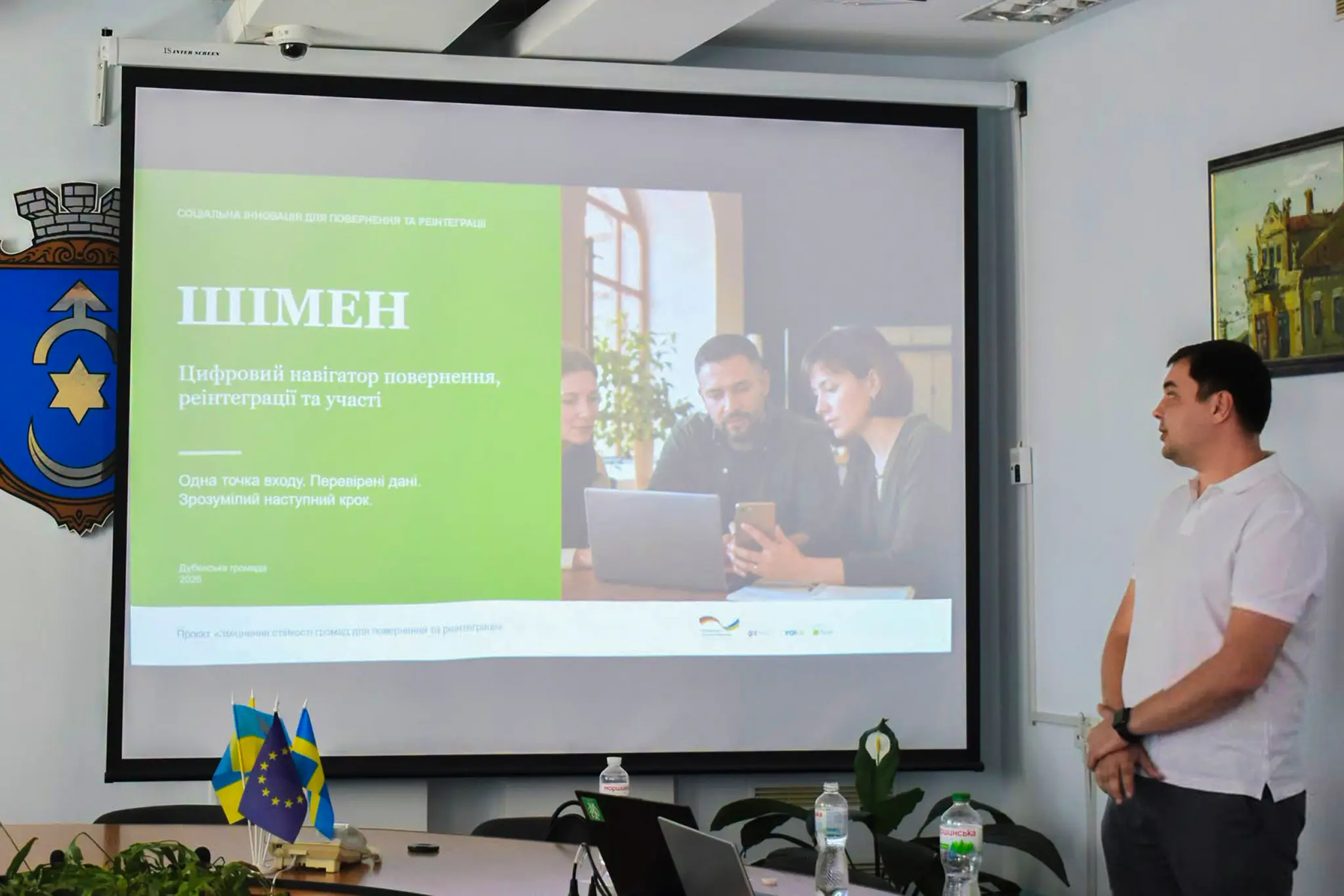
In the Dubno community, six initiatives entered the pitching. Among them were a space of equal opportunities, a social hub, an adaptation programme for new residents, a crafts and tourism space, a socio-cultural laboratory and a digital navigator.
It was the last idea, called “ShIMen”, that won support after refinement. The team created a route from a life situation to a concrete action. A person does not need to know the structure of the city council or the name of the right department: they describe their situation and receive a clear sequence of steps.
“But the dialogue meetings in Dubno were memorable for another important detail. Personally, I was most impressed by a team of young women who proposed the ‘TaraBaka’ idea. They had not taken part in the first discussion, but they learned about the competition, came together and entered the pitching. The project did not win, but the very fact that it appeared proved that dialogue is a process, regardless of format. Moreover, one of the co-authors of the initiative was Kateryna Kashperuk, who herself returned from abroad. So for her the topic of reintegration is not abstract – and real innovation begins with a personal readiness to act and influence the future of one’s community,” notes Viktoriia Kostiuk, facilitator and mentor of the initiative.
Zdolbuniv: digitalisation that starts with a person’s experience
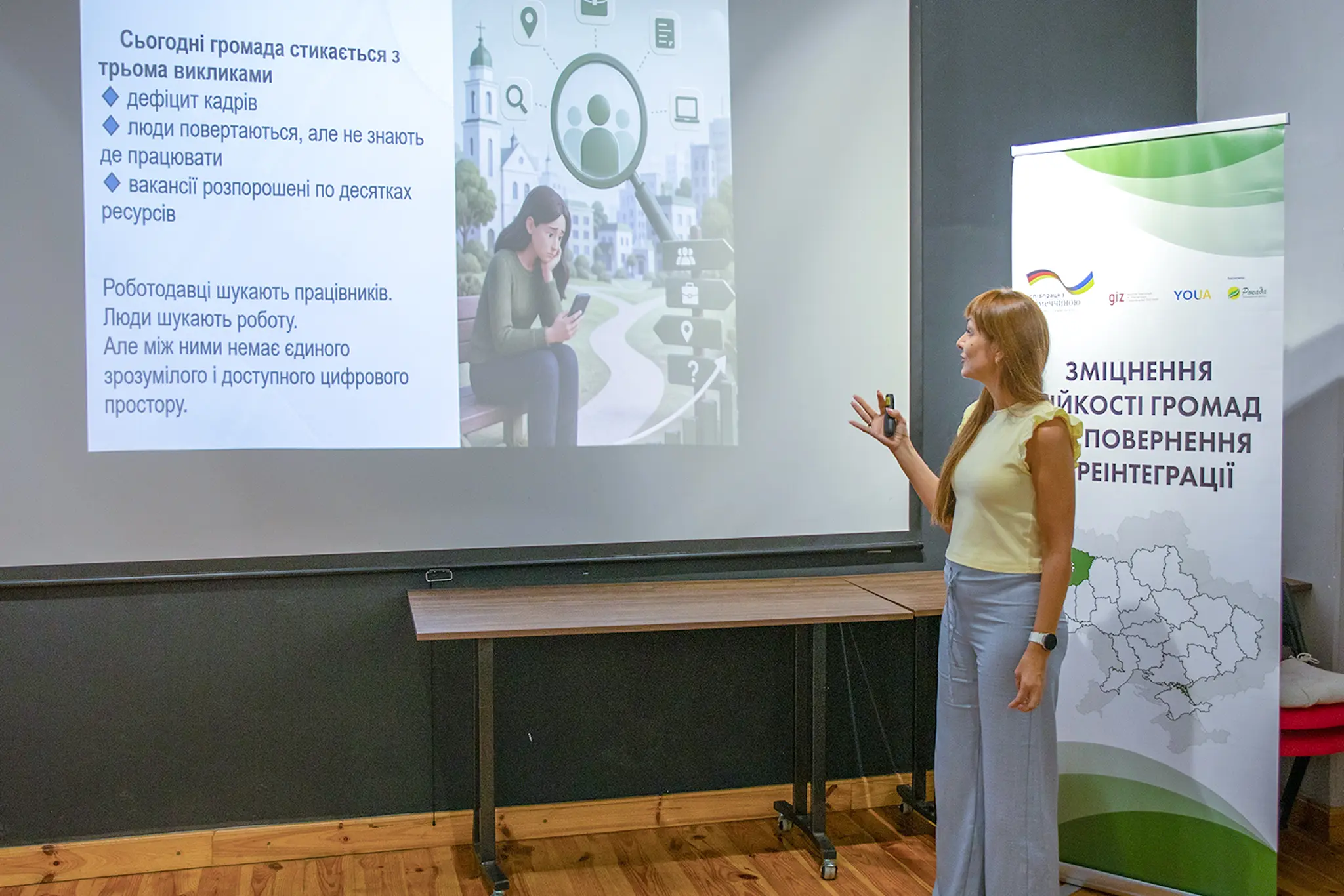
In the Zdolbuniv community, five teams proposed solutions related to international ties, volunteering, employment, navigating the community and accessing administrative services.
It was the desire to make the path to an administrative service clear, from the first request to the result, that defined the main idea behind the project “Digital Support for Applicants”.
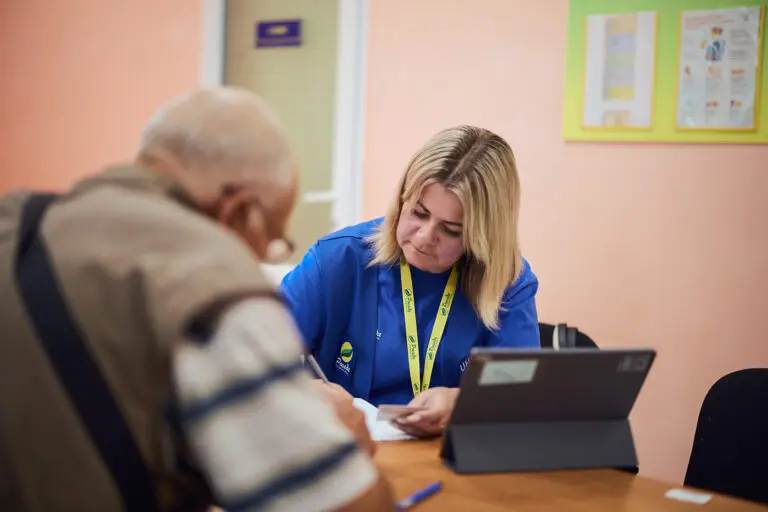
“The idea of ‘Digital Support for Applicants’ grew out of our daily work with people. We see that often the problem is not that the community lacks the necessary information or opportunities, but that it is difficult for a person to understand where exactly to find them and what to do next. After contacting the Administrative Service Centre, they should not be left alone with this information. We wanted to change the approach: so that it is not the person who has to find their way through the entire community system, but the community that helps the person go through it,” explains Maryna Roiko, author of the project, adding that the solution combines the work of the Administrative Service Centre with the digital capabilities of the local City app. “A person will be able to find the procedure for obtaining a service and the necessary documents, the contacts of responsible staff, and receive notifications about the progress of their request. This will significantly reduce the time needed to process documents, save unnecessary visits to institutions and make communication with the community transparent and comfortable – especially for those who have just returned or are settling in a new place.”
Currently, the authors of each of the three winning initiatives are detailing their solutions, preparing work plans and developing implementation mechanisms.
The other ideas also remain in the communities as ones that can be returned to later – when local programmes are being shaped or when taking part in other competitions.
Related news
The YOUA project provides exclusively technical assistance and does not influence people’s personal decisions about returning to Ukraine. Participation in events and use of services are possible exclusively on a voluntary basis for persons who are considering returning, have already made such a decision or are in the process of reintegration after returning to Ukraine.