
Rokada helps internally displaced Ukrainians adapt to new communities
Rokada teams in eight regions help internally displaced Ukrainians of all ages integrate as best as possible into new communities to start an independent life. The foundation implements this social adaptation project in Volyn, Zhytomyr, Ivano-Frankivsk, Lviv, Rivne, Ternopil, Khmelnytskyi, and Chernivtsi regions.
Social adaptation is individual, step-by-step support that helps people in shelters gradually integrate into their new community—enabling them to start an independent life, find a job, and more.
The social adaptation process begins at a shelter for internally displaced Ukrainians. Rokada specialists inform residents about the project’s opportunities, assess the needs of those wishing to join, and then plan their work together.
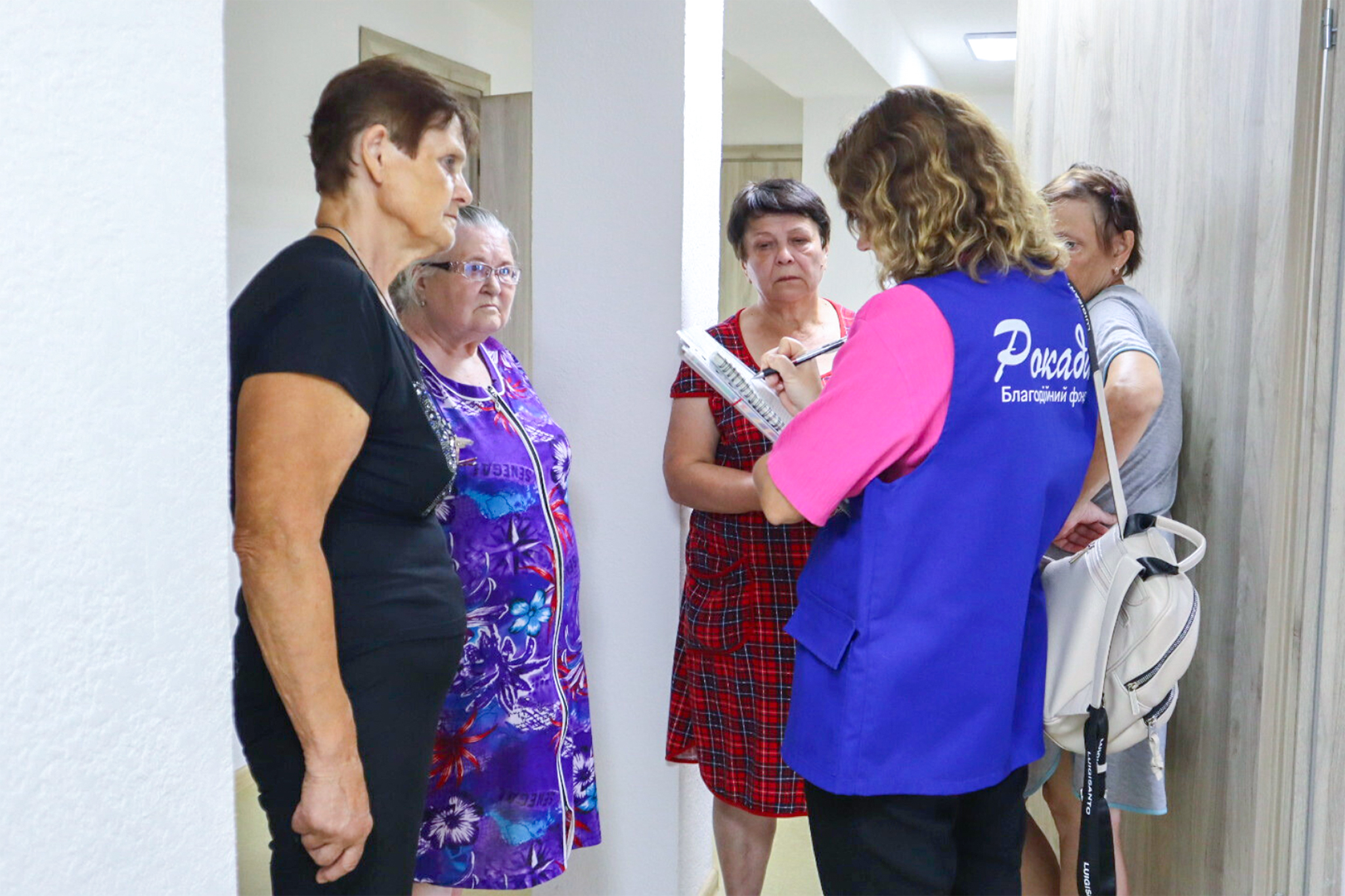
“Social workers, facilitators, and psychologists work with the internally displaced. Their goal is not simply to move a person out of the shelter. The project’s mission is to help them become more independent and return to the rhythm of life they had before their forced relocation, so they feel safe and empowered to make decisions going forward,” explains Olena Demirska, social support and protection coordinator at Rokada, adding that the teams account for both the risks and the capabilities of those they support.
The focus is on internally displaced Ukrainians with high or long-term vulnerabilities – specifically those who depend on external support and consequently face challenges planning their future outside of temporary accommodation.
Among communities, preference is given to those ready to ensure a safe transition for people toward a more independent life.
“We assessed not only the availability of housing in the community, even though this is one of the most critical factors for the internally displaced when deciding to participate in the project,” Olena Demirska continues. “We also considered the community’s readiness to support individuals, looked at the availability of social services and employment prospects, and accounted for the presence of specialists and partners who can assist participants after their relocation and monitor their adaptation process.”
The Batkivshchyna sanatorium in Truskavets became the first shelter to implement the social adaptation project.
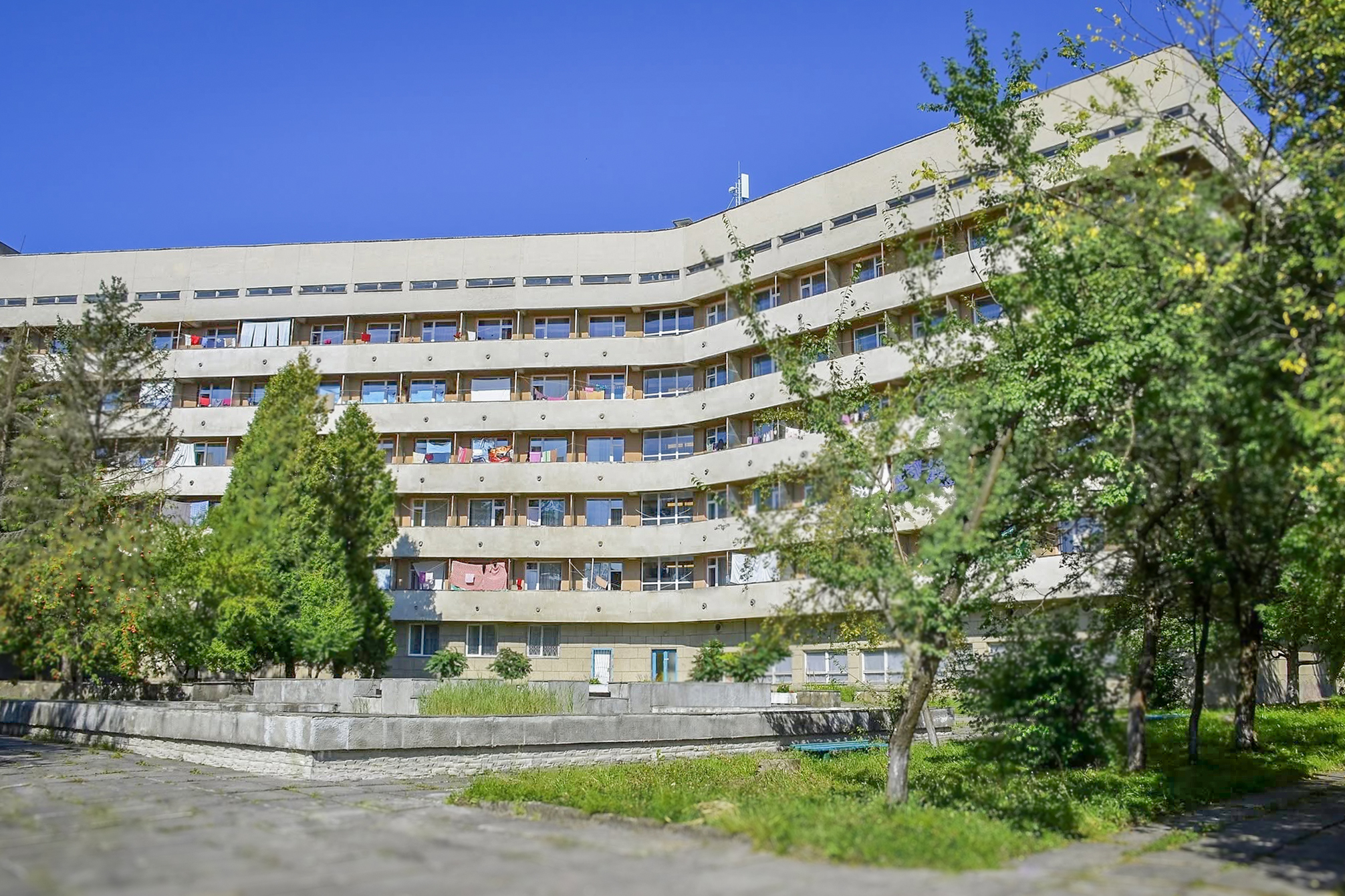
“The pilot project started at the beginning of last year. At that moment, 350 people settled in the sanatorium – this is the maximum number of places. The staff of the institution took full care of them – medical assistance, meals, care, etc. In fact, our primary task was to help people regain their self-sufficiency, support them in their initiative to start an independent life, assist in finding a job, etc. It was a challenge, but we managed to get good results already in half a year – nearly three dozen internally displaced managed to start changes in life. Someone purchased housing, someone settled in rented apartments, but these people found employment, integrated into communities and now continue their path separately from the shelter,” – says the coordinator of the regional office of “Rokada” in Lviv Anatoliy Parkhomchuk.
In two years, more than 60 people who stayed in the sanatorium, and with whom the Rokada team worked and is working now, managed to return to an independent life.
Actually, it was the experience of Batkivshchyna that allowed to scale the social adaptation project to other regions.
Social specialist Marta Maksymenko is among those who help internally displaced from Batkivshchyna. She says, despite the fact that older people find shelter in the sanatorium, she still has many successful examples in her practice.
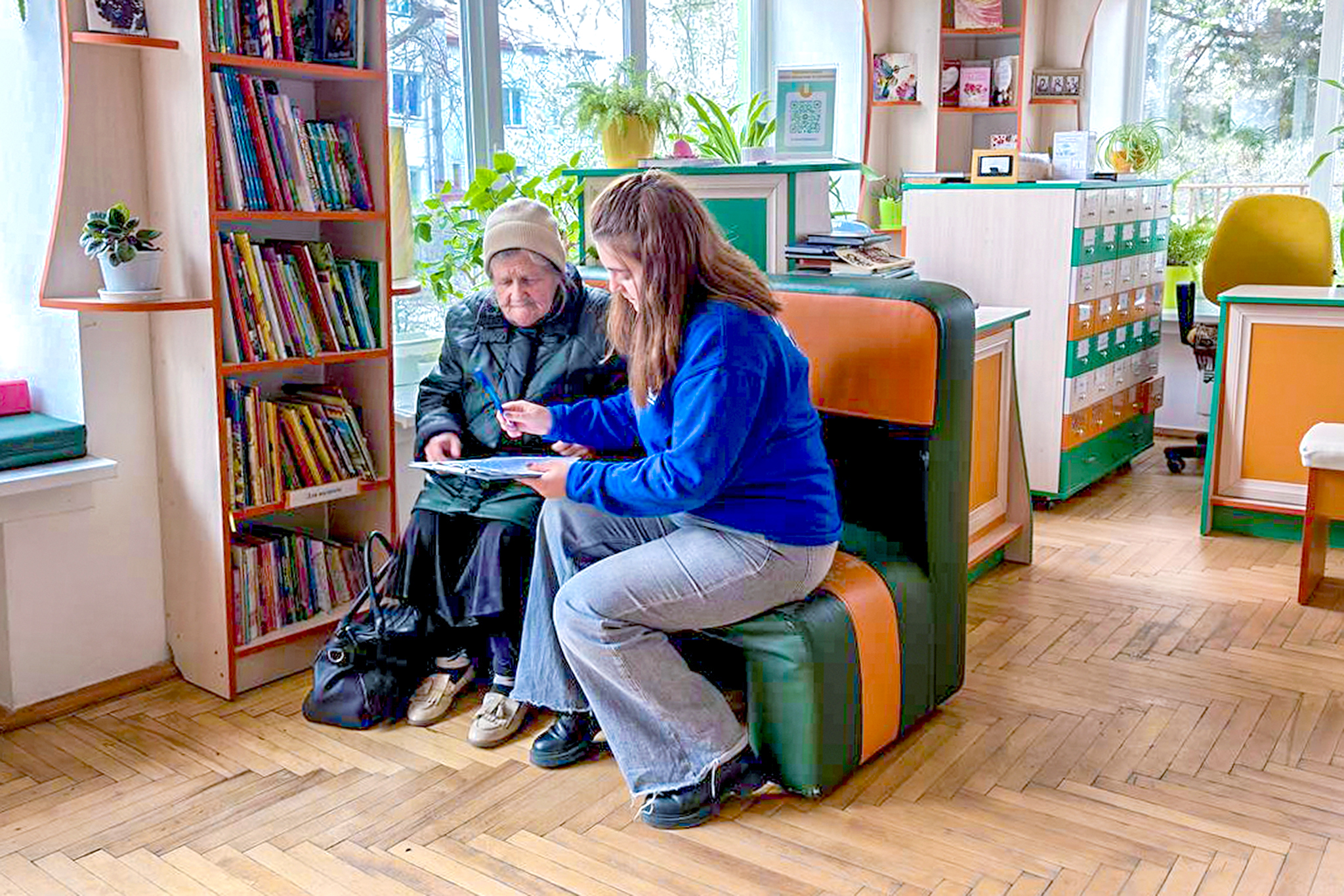
“One of the cases is an internally displaced couple aged 60+. Today they independently rent housing and work. The husband as a driver, and the wife as an embroiderer. By the way, she moves in a wheelchair. We still keep in touch with this family and support them. In general, such support lasts up to half a year, but if there is a need for further social adaptation, we continue to work. I will give another example – we helped a 74-year-old lady reunite with her relatives and currently she lives in the Cherkasy region. This is also social adaptation, because the main thing in our work is to support a person’s desire to become independent again,” – notes Marta Maksymenko.
“The best result social adaptation gives when individual work with a person, psychosocial support, practical accompaniment and community involvement are qualitatively combined. These are the four pillars on which stands the opportunity of an internally displaced person to regain their independent life, – adds the coordinator of the direction of social support and protection at “Rokada” Olena Demirska. – But I would also add time and the fact that we are ready to work as long as needed, so that everyone who makes the decision to move forward can go through this path with professional support.”